Calculus Bridge On Teeth: Causes, Removal, And Cost
A calculus bridge forms when hardened plaque connects across several teeth into one solid band. It usually appears as a brown or tan line along the gumline. This article explains...
Written by Agnes Markovic
Read time: 6 min read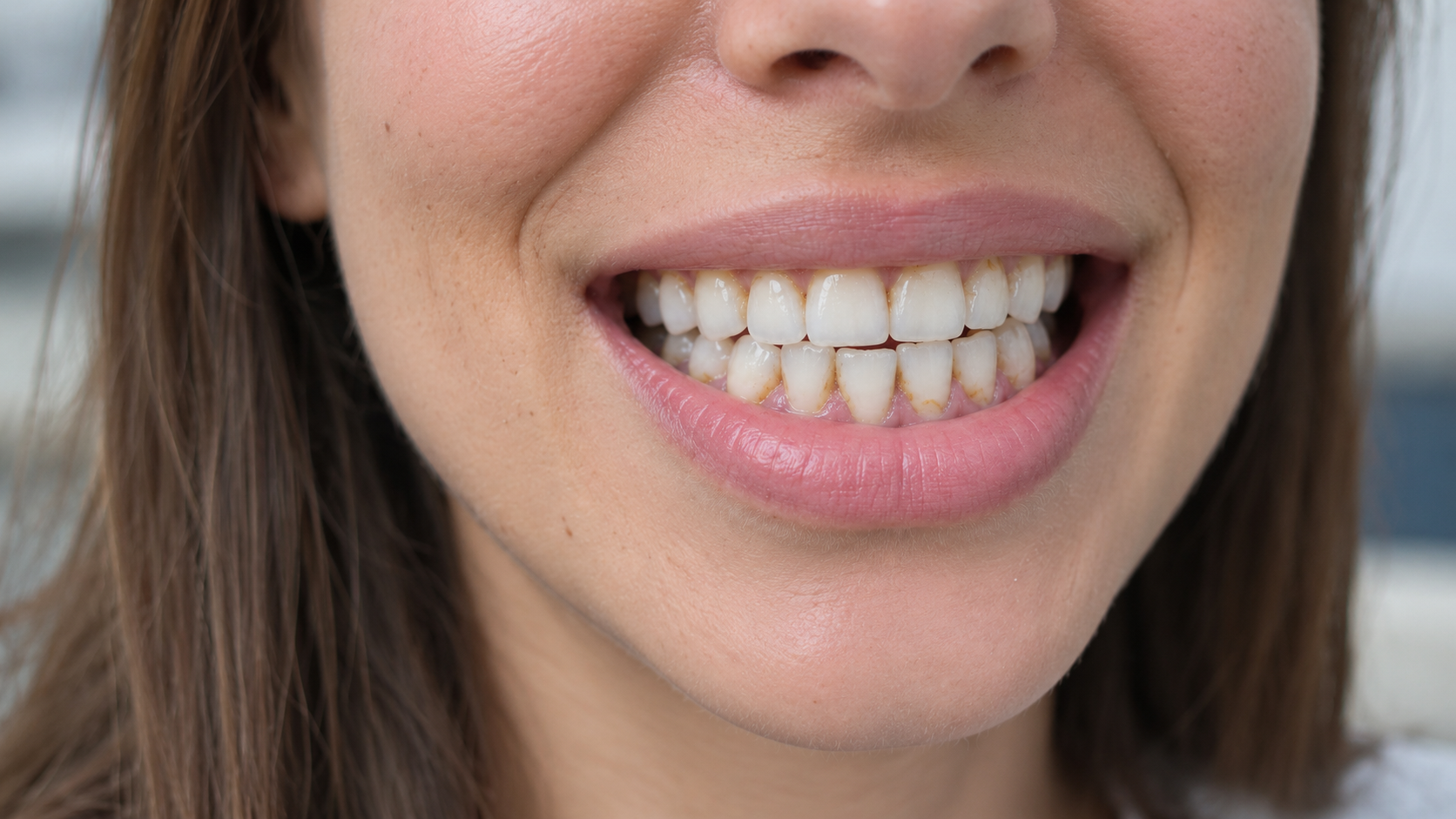
A calculus bridge forms when hardened plaque connects across several teeth into one solid band. It usually appears as a brown or tan line along the gumline. This article explains the causes, the stages, and the removal process. It also covers cost and prevention.
TL;DR
Calculus bridge forms when hardened plaque joins across several teeth.
Only a dental professional can remove it, home tools do not work.
Standard scaling costs $75 to $200, deep cleaning costs more per quadrant.
Daily brushing, flossing, and six-month checkups prevent it from returning.
What Is Dental Calculus On Teeth?
Plaque is a soft, sticky film that forms on teeth after eating. Bacteria in plaque feed on sugar and starch, then release acid. Plaque can harden into calculus within one to fourteen days.
This timeline comes from a study cited by the National Institutes of Health. Dentists also call this hardened layer tartar.
Once calculus forms, brushing and flossing cannot remove it. The mineral content of saliva speeds up this process for some people more than others. Calculus can build up above the gumline, where it is visible. It can also build up below the gumline. A dental exam is needed to detect it there.
What Does A Calculus Bridge Mean?
A calculus bridge describes a specific pattern of buildup rather than a separate disease. Deposits on neighboring teeth grow large enough to touch. Once connected, they form one continuous band along the gumline. The band can extend behind the front teeth, along the molars, or across an entire arch. Dentists sometimes call the pattern circumferential. This happens when it wraps around a full section of the mouth. The lower front teeth are a common location. Saliva glands nearby raise the local mineral concentration there. Once a bridge forms, it usually will not break apart on its own. The deposits stay connected until a dentist removes them.
What Causes A Calculus Bridge?
Several daily habits and biological factors speed up calculus formation. The list below covers the most common causes dentists see in practice.
Inconsistent brushing or skipping flossing between teeth
A diet high in sugar and starchy snacks
Saliva with a higher mineral content, which speeds up hardening
Smoking or vaping, both linked to faster tartar buildup
Crowded or overlapping teeth that trap plaque
Dry mouth, which reduces the rinsing action saliva normally provides
Long gaps between professional cleanings
Age and genetics also play a role in how quickly calculus forms. Some patients produce saliva with higher calcium and phosphate levels, which mineralizes plaque faster. Certain medications reduce saliva flow and raise the risk of buildup. Orthodontic appliances such as braces create extra surfaces where plaque can collect undisturbed.
Who Develops A Calculus Bridge More Often?
Certain groups face a higher risk of fast calculus buildup. Recognizing these factors helps patients adjust their home routine or checkup schedule.
Adults over age forty, since decades of buildup accumulate along the gumline
People with diabetes, which can alter saliva composition and gum healing
Smokers and vapers, whose tartar forms faster and stains darker
Patients wearing braces, retainers, or other fixed dental appliances
People who breathe through their mouth, which dries the gum tissue
Patients in these groups often benefit from shorter intervals between professional cleanings. A hygienist can recommend a three- or four-month schedule instead of the standard six months.
What Does A Calculus Bridge Look Like?
Calculus buildup changes in appearance as it progresses. Recognizing each stage helps patients know when to schedule a cleaning.
What Does Early Stage Buildup Look Like?
A thin yellow or tan line appears along the gumline at this stage. It is easy to miss during a quick glance in the mirror. The surface still feels mostly smooth to the tongue.
What Does Moderate Stage Buildup Look Like?
The band widens and turns a darker brown at this stage. It usually spans two or more teeth and may cause mild gum redness. Patients often notice a gritty texture when running the tongue along the gumline.
What Does Advanced Stage Buildup Look Like?
Deposits turn dark brown or black and feel rough to the tongue at this stage. Gums may bleed, recede, or develop a persistent bad odor. The buildup can extend below the gumline, where only a dentist can remove it fully.
What Are The Signs And Symptoms To Watch For?
A calculus bridge often comes with symptoms beyond visible staining. The signs below signal it is time to see a dentist.
Persistent bad breath that brushing does not fix
Red or swollen gums that bleed during brushing
A rough, gritty feeling along the gumline
Gums that appear to be pulling away from the teeth
Tooth sensitivity to hot or cold foods
A visible band of yellow, brown, or black staining near the gums
Persistent bad breath, known clinically as halitosis, often signals bacteria trapped beneath the buildup.
Symptoms often appear first on the lower front teeth and the upper back molars. Saliva glands near these areas raise local mineral levels, which speeds up hardening. Patients who notice staining in these spots should schedule an exam. This holds true even if no other symptoms are present.
Is A Calculus Bridge Dangerous?
Untreated calculus does more than stain the teeth. It creates a direct path to gum disease and tooth loss.
Bacteria trapped under calculus irritate the gum tissue and cause gingivitis. Gums often turn red and bleed easily during brushing at this stage.
Left untreated, gingivitis can progress to periodontitis, a condition that damages the bone supporting the teeth. This stage of gum disease is much harder to reverse.
Periodontitis is a leading cause of adult tooth loss. Gum disease affects roughly half of American adults, according to National Institutes of Health data.
Calculus buildup also raises the risk of cavities, since it shields bacteria from a toothbrush. The rough surface of calculus gives plaque an easy place to reattach, which accelerates gum recession over time.
How Do You Get Rid Of Calculus On Teeth?
Calculus cannot be brushed away once it hardens. Only a licensed dental professional can remove it safely.
Dentists and hygienists remove calculus through scaling. This process clears deposits from the tooth surface using hand instruments or powered devices.
For calculus below the gumline, dentists use a deeper procedure called root planing. It smooths the root surface and removes trapped bacteria.
Root planing often requires local numbing, since it involves the gum tissue directly. Larger deposits, including a full calculus bridge, may take more than one visit to clear.
A typical appointment for calculus bridge removal follows a similar pattern. The steps below outline what most patients experience.
The dentist or hygienist examines the teeth and gumline first
X-rays may be taken to check for calculus below the gumline
Scaling removes visible deposits with hand tools or a powered scaler
Root planing follows if calculus extends beneath the gum tissue
The teeth are polished to smooth the surface and remove stains
A follow-up visit is scheduled if the buildup was extensive
Most patients tolerate scaling well, since it targets the hard tooth surface rather than soft tissue. Many practices use an ultrasonic scaler alongside hand instruments to clear stubborn deposits. Some mild soreness or sensitivity can follow root planing for a day or two.
This approach matches guidance published by the ADA's MouthHealthy resource on scaling and root planing.
Dentists usually schedule a follow-up exam four to six weeks after root planing. This visit checks whether the gum tissue has tightened back around the teeth. Your dentist typically records this schedule in your dental treatment plan. Patients with a history of heavy buildup often move to more frequent cleanings afterward. A three- or four-month schedule is common instead of the standard six.
How Much Does Calculus Bridge Removal Cost?
Removal cost depends on how much calculus has built up. It also depends on whether the calculus reaches below the gumline.
The figures below reflect typical U.S. pricing without insurance. Your own quote can differ based on your dentist and your case.
A standard scaling and polishing usually costs $75 to $200 without insurance. Dentists sometimes call this a prophylaxis cleaning.
Scaling and root planing costs more, often $150 to $350 per quadrant. Pricing is per quadrant since treatment targets one section of the mouth at a time.
A full mouth deep cleaning across all four quadrants can reach $600 to $1,400.
Many dental insurance plans classify a standard cleaning as preventive care. These plans often cover most or all of the cost.
Root planing often falls under periodontal treatment, which may carry a copay or annual maximum. Confirm coverage details with your insurance provider before your appointment.
Some dental schools and community clinics offer reduced rates for scaling and root planing.
Prices vary by region and by how the practice bills a deep cleaning. Urban practices and specialist periodontal offices often charge more than general dentists in smaller towns.
Ask for a written estimate before treatment begins. Some offices bundle scaling, root planing, and follow-up visits into one quote.
Calculus Bridge Removal Cost By State
Cost of living, dental supplies, and insurance rules shift pricing from state to state. The table below lists typical scaling and root planing ranges for all fifty states and Washington, DC.
State | Scaling | Root planing (Per quadrant) |
|---|---|---|
Alabama | $85-$110 | $160-$240 |
Alaska | $130-$200 | $200-$320 |
Arizona | $100-$155 | $175-$270 |
Arkansas | $80-$105 | $155-$235 |
California | $130-$200 | $200-$330 |
Colorado | $110-$165 | $180-$280 |
Connecticut | $140-$210 | $210-$340 |
Delaware | $115-$170 | $185-$285 |
Florida | $100-$160 | $175-$280 |
Georgia | $95-$145 | $170-$265 |
Hawaii | $145-$220 | $215-$350 |
Idaho | $90-$135 | $165-$255 |
Illinois | $110-$165 | $180-$285 |
Indiana | $95-$140 | $165-$260 |
Iowa | $90-$130 | $160-$250 |
Kansas | $90-$130 | $160-$250 |
Kentucky | $82-$108 | $155-$240 |
Louisiana | $90-$135 | $165-$255 |
Maine | $110-$160 | $180-$275 |
Maryland | $120-$180 | $190-$300 |
Massachusetts | $145-$225 | $215-$350 |
Michigan | $100-$148 | $170-$265 |
Minnesota | $110-$160 | $180-$280 |
Mississippi | $78-$100 | $150-$230 |
Missouri | $90-$135 | $165-$255 |
Montana | $95-$140 | $165-$260 |
Nebraska | $90-$130 | $160-$250 |
Nevada | $110-$165 | $180-$280 |
New Hampshire | $120-$175 | $190-$295 |
New Jersey | $135-$205 | $205-$330 |
New Mexico | $90-$135 | $165-$255 |
New York | $150-$250 | $225-$370 |
North Carolina | $95-$140 | $168-$260 |
North Dakota | $88-$125 | $160-$245 |
Ohio | $95-$140 | $168-$260 |
Oklahoma | $85-$120 | $160-$248 |
Oregon | $115-$170 | $185-$285 |
Pennsylvania | $110-$165 | $180-$280 |
Rhode Island | $120-$180 | $190-$300 |
South Carolina | $90-$135 | $165-$255 |
South Dakota | $88-$125 | $158-$245 |
Tennessee | $90-$135 | $165-$255 |
Texas | $100-$155 | $175-$270 |
Utah | $100-$148 | $172-$265 |
Vermont | $120-$175 | $190-$295 |
Virginia | $115-$170 | $185-$285 |
Washington | $120-$180 | $190-$300 |
West Virginia | $80-$108 | $155-$235 |
Wisconsin | $100-$148 | $170-$265 |
Wyoming | $90-$135 | $165-$255 |
Washington, DC | $155-$260 | $230-$380 |
Keep in mind that these figures are regional estimates. Call two or three local dental offices for an exact price before scheduling treatment.
Can You Remove Calculus At Home?
Some patients try to scrape off visible tartar with picks or household items. These methods carry real risk and rarely work.
Metal picks and dental tools sold online can scratch enamel and injure gum tissue. Baking soda and vinegar rinses do not soften mineralized calculus. Electric toothbrushes and whitening toothpaste help control new plaque, but they cannot remove existing tartar. A dental scaler used without training can push bacteria deeper under the gumline. Aggressive at-home scraping sometimes causes more gum irritation than the calculus itself. Professional removal remains the only safe option once calculus has hardened.
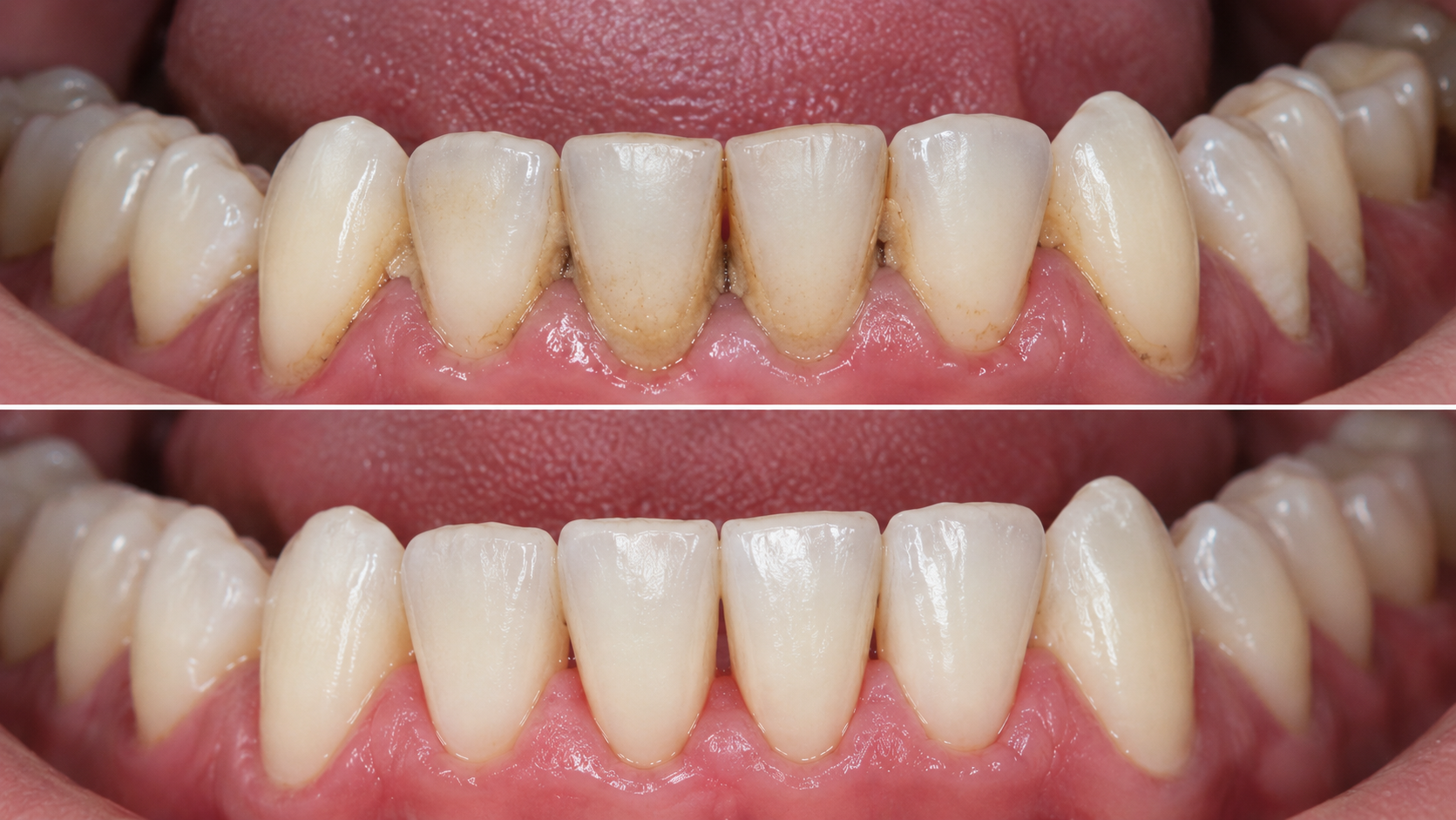
Calculus bridge removed by a professional dentist
Calculus bridge removed by a professional dentist
How Do You Prevent A Calculus Bridge?
Preventing a calculus bridge depends on removing plaque before it hardens. The habits below follow guidance from the American Dental Association and keep tartar from building up.
Brush twice daily for two minutes with fluoride toothpaste
Clean between teeth daily with floss or an interdental brush
Limit sugary drinks and starchy snacks between meals
Rinse with an antibacterial mouthwash to reduce plaque bacteria
Replace your toothbrush every three to four months
Schedule a professional cleaning every six months
Avoid smoking and vaping, which speed up tartar buildup
A fluoride toothpaste strengthens enamel and helps clear surface plaque before it can harden into calculus.
Daily flossing or an interdental brush reaches the tight contact points between teeth that a toothbrush alone cannot clean.
An antibacterial mouthwash also helps rinse away the bacteria that feed new plaque formation.
A soft-bristled toothbrush and gentle pressure protect the gumline while still clearing plaque. Angling the brush toward the gum clears more buildup than aiming straight at the tooth. Patients with braces or tightly spaced teeth may need extra time on interdental cleaning. Plaque collects fastest in those spots.
Also, a two-minute brushing timer helps patients cover all quadrants evenly. It keeps them from rushing the front teeth and skipping the back molars.
Bottom Line
A calculus bridge starts as plaque that hardens into a connected band of tartar. Regular brushing, flossing, and dental visits stop it before it forms. Once calculus hardens, only a dentist can remove it safely. Treating it early keeps the cost lower and protects the teeth and gums.
This article is for informational purposes only and does not constitute medical advice. Always consult with qualified healthcare professionals for diagnosis and treatment recommendations specific to your situation.
Frequently Asked Questions
What does a calculus bridge feel like?
It feels rough or gritty against the tongue, unlike smooth enamel. The area may also feel tender if the gums are inflamed.
Can a calculus bridge go away on its own?
No, hardened calculus does not dissolve or wear away on its own. A dental professional must remove it with scaling instruments.
Is removing a calculus bridge painful?
Standard scaling is usually not painful, since it targets the hard tooth surface. Root planing can cause soreness because it involves the gum tissue directly. Your dentist can numb the area if needed.
How long does it take for a calculus bridge to form?
Plaque can start hardening within one to fourteen days. A full bridge across several teeth usually takes several weeks to develop.
Does insurance cover calculus bridge removal?
Many plans cover standard scaling as preventive care. Root planing often falls under periodontal treatment, which may have separate coverage limits.