Best Electric Toothbrushes in 2026: Dentist's Picks
The best electric toothbrush for most people costs less than $100 and covers three essentials – a pressure sensor, a two-minute timer, and a gentle sonic or oscillating motion....
Written by Marcus Hale
Read time: 6 min read
The best electric toothbrush for most people costs less than $100 and covers three essentials – a pressure sensor, a two-minute timer, and a gentle sonic or oscillating motion. This guide ranks the 10 best electric toothbrushes sold in the US, from a top-tier Oral-B to a simple sonic brush for first-time users.
Quick Dentist-Recommended Choices
Budget Pick
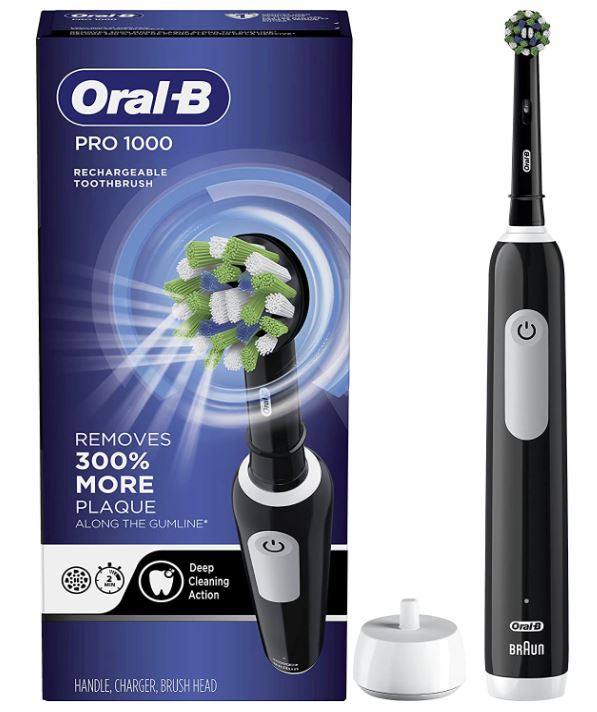
Oral-B Pro 1000
Costs $35 to $50, sits at the low end of the category, and still covers the pressure sensor and oscillating clean most dentists recommend.
Best Overall
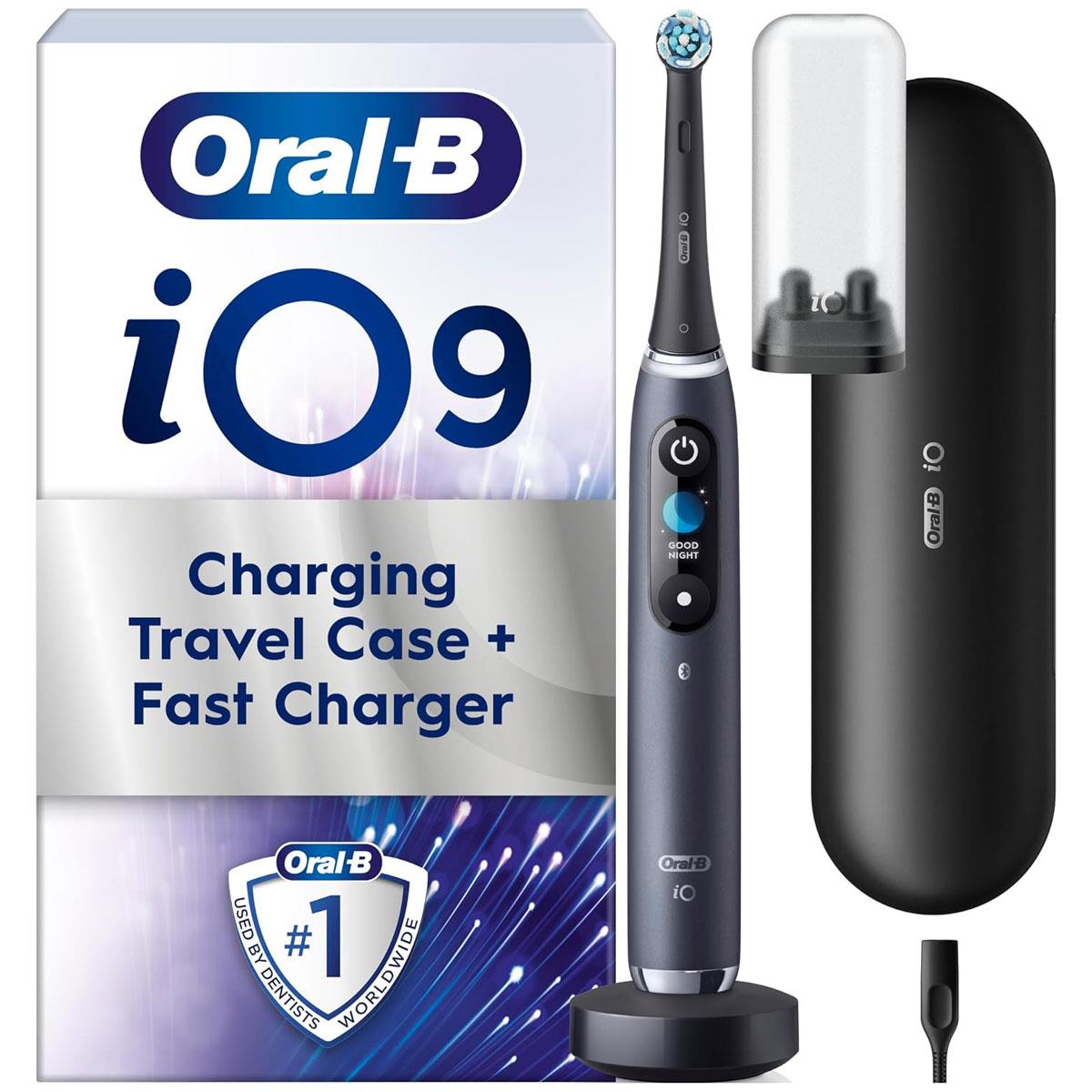
Oral-B iO Series 9
The highest level of pressure sensing and tracking on this list, with seven modes and real-time position feedback.
Best Sonic
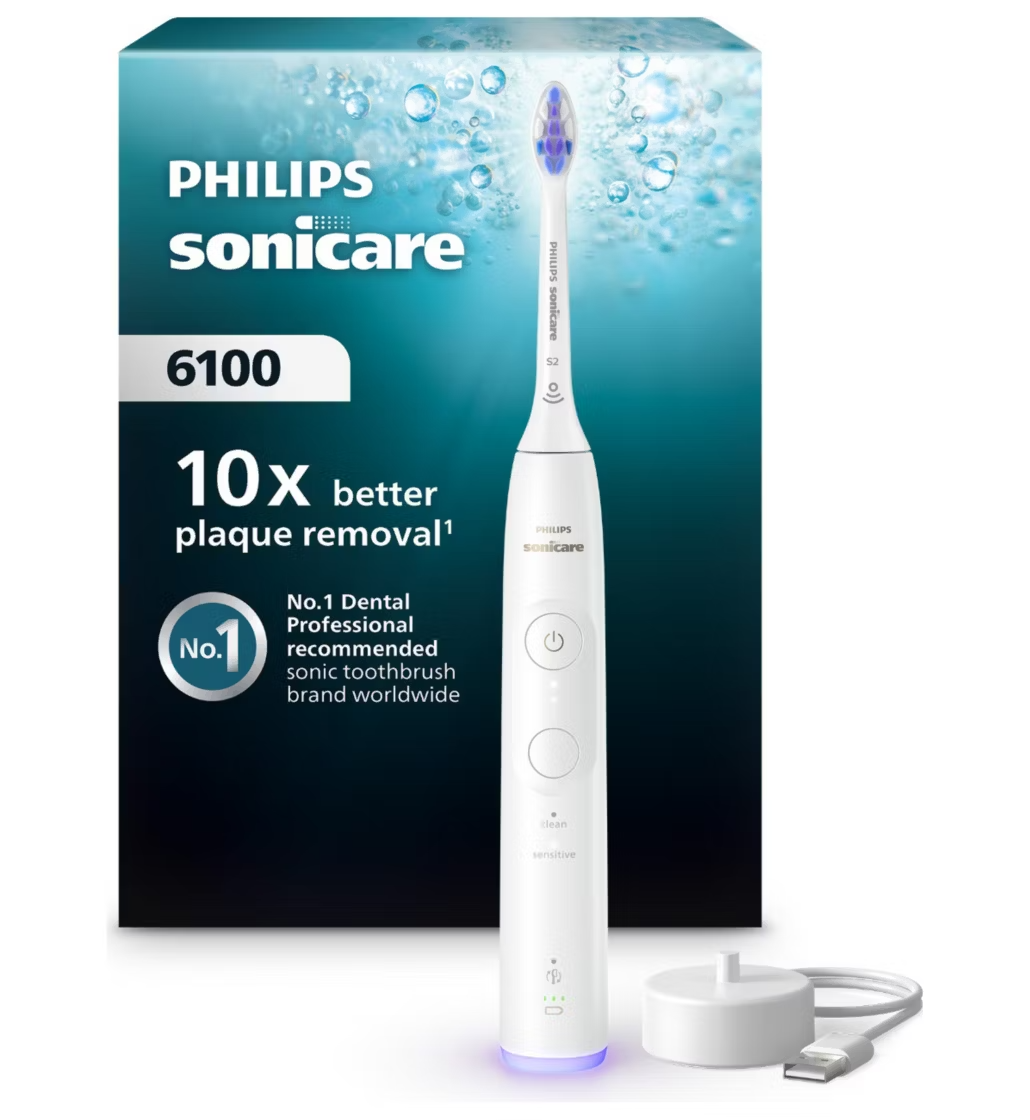
Sonicare ProtectiveClean 6100
Three modes and three intensities give more control than most brushes at their price, with automatic head recognition built in.
How Did We Choose These Electric Toothbrushes?
With each pick, we spent real time in daily use, in the office and at home, checking grip, noise, brush head fit, and how the pressure sensor actually feels mid-brush rather than how it reads on a spec sheet. Every electric toothbrush includes a pressure sensor, a two-minute timer, and a brush head that carries the ADA Seal of Acceptance where available.
Price reflects what a patient actually pays at checkout, not just the handle, since replacement heads add up over a few years of ownership. Confirm current pricing before buying, since electric toothbrush lineups and prices shift often.
What Should You Look For In An Electric Toothbrush?
A handful of features separate a toothbrush that protects your gums from one that just vibrates. These are the ones worth prioritizing.
A pressure sensor that alerts you when you brush too hard, the leading cause of gum recession in otherwise healthy brushers
A two-minute timer with a 30-second pacer that signals when to move to the next section of the mouth
Sonic or oscillating-rotating cleaning action, both remove more plaque than a manual brush when used correctly
A brush head carrying the ADA Seal of Acceptance
Battery life of at least two weeks per charge, so travel or a missed charge does not interrupt your routine
Affordable replacement heads, since head cost adds up faster than the handle price over several years
Smart features such as app tracking and Bluetooth connectivity are worth having if you will actually use them. Most people stop checking the app within a few months, so they should not be the deciding factor over price or fit. Pairing your brush with a dentist-recommended toothpaste rounds out a solid daily routine.
What Are The Best Electric Toothbrushes In 2026?
The 10 picks below cover the price range from entry-level to premium, with brand-specific options for anyone who wants to stay within the Oral-B or Sonicare ecosystem for brush heads, plus a travel pick and a third-brand alternative.
#1 Oral-B iO Series 9
The Oral-B iO Series 9 combines a three-zone smart pressure sensor with seven cleaning modes and real-time position tracking. In daily use, the oscillating-rotating head cleans each tooth individually, and Oral-B's magnetic drive technology keeps the motion smooth rather than jarring against the gums. It suits anyone who wants the most complete feature set available and does not mind paying a premium price for it. The interactive display gives clear feedback without needing to check a phone. This is the pick to choose if budget is not the main constraint.
Best for: Anyone who wants the most advanced pressure sensing and tracking available
Price: $300 to $350
Where to buy: Oral-B's website, major retailers, and pharmacies
Replacement heads price: $16 to $20 for a 2-pack of iO-specific heads
Pros: Three-zone pressure sensor with color-coded feedback, seven cleaning modes including a dedicated tongue clean setting, real-time position tracking on the display, a noticeably quieter motor than older oscillating Oral-B handles, magnetic charging travel case included
Cons: Expensive relative to the iO Series 6 for a similar core clean, iO-specific heads cost close to double a standard Oral-B head, several long-term owners report the glossy display picks up fingerprints and toothpaste residue quickly
#2 Sonicare ProtectiveClean 6100
The Sonicare ProtectiveClean 6100 pairs three cleaning modes with three intensities, giving more control than most brushes in its price range. The base recognizes which brush head is attached and adjusts automatically, a switch we noticed happen without any lag mid-brush. It works well for anyone switching between a standard head and a whitening or gum care head. Sonic vibration feels gentler to many users than an oscillating head, which suits sensitive gums. It is a dependable mid-range pick for anyone who prefers the Sonicare feel over Oral-B's rotating motion.
Best for: Sonic brushing fans who want mode and intensity flexibility
Price: $90 to $110
Where to buy: Philips' website, major retailers, and pharmacies
Replacement heads price: $20 to $25 for a 2-pack of standard ProtectiveClean heads
Pros: Three modes and three intensities, automatic head recognition that switches modes without input, comfortable non-slip grip, BrushSync replacement reminder, quieter in use than most oscillating brushes near the same price
Cons: Charging stand needs a nearby outlet rather than a travel case, no display beyond a single status light, the plastic body shows water spots more readily than the glass-charger DiamondClean models
#3 Oral-B iO Series 6
The Oral-B iO Series 6 sits between the entry-level iO models and the flagship iO Series 9, with a refined interactive display and real-time coaching tips. It ships with a hard travel case, a detail missing from the cheaper iO Series 3. Held side by side with the rest of the range, the pressure sensor and micro-vibration technology carry over cleanly, so the cleaning feel stays consistent. It suits anyone who wants a nicer display and travel case without paying flagship pricing. This is a solid middle option for someone upgrading from an older Oral-B handle.
Best for: Buyers who want a better display and a travel case without flagship pricing
Price: $150 to $180
Where to buy: Oral-B's website, major retailers, and pharmacies
Replacement heads price: $16 to $20 for a 2-pack of iO-specific heads
Pros: Refined interactive display with real-time coaching, included hard travel case, consistent iO cleaning feel across the lineup, a wear indicator built into the brush head, magnetic drive that stays smooth against the gums
Cons: Costs more than the iO Series 3 for a similar core clean, iO-specific heads remain pricier than standard Oral-B heads, some owners report the glossy handle finish shows fingerprints quickly
#4 Oral-B iO Series 3
The Oral-B iO Series 3 brings Oral-B's iO micro-vibration technology to a lower price point than the flagship models. It keeps the visible pressure sensor and a two-minute timer with a quadrant pacer. The handle feels quieter than older Oral-B models, which some users find less intense against the teeth. It is a reasonable middle ground for anyone who wants iO performance without iO Series 9 pricing. Replacement heads still cost more than non-iO Oral-B heads, worth factoring into the total cost.
Best for: Buyers who want iO technology without the flagship price
Price: $80 to $100
Where to buy: Oral-B's website, major retailers, and pharmacies
Replacement heads price: $16 to $20 for a 2-pack of iO-specific heads
Pros: Quieter than older Oral-B models, visible pressure sensor with a clear light ring, two-minute timer with a quadrant pacer, compatible with the full range of iO head styles, lighter in hand than the iO Series 9
Cons: Fewer modes than the iO Series 9, iO-specific heads still cost more than standard Oral-B heads, no travel case included at this tier
#7 Oral-B Pro 1000
The Oral-B Pro 1000 covers the basics at a price close to a premium manual brush. The round oscillating-rotating head removes more plaque along the gumline than manual brushing, and the pressure sensor kept force in check without needing a second reminder during testing. It skips smart features and extra modes, which keeps the price low without cutting the essentials. It uses the same affordable replacement heads found across most non-iO Oral-B handles. This is the pick for anyone who wants a reliable first electric toothbrush without much of a learning curve.
Best for: First-time electric toothbrush users on a tight budget
Price: $35 to $50
Where to buy: Oral-B's website, major retailers, and pharmacies
Replacement heads price: $10 to $15 for a 3-pack of standard CrossAction heads
Pros: Low price, compatible with the widest range of affordable standard Oral-B heads, simple one-button operation with no menus to learn, round head reaches the back molars well for a budget brush, replacement heads are easy to find in any drugstore
Cons: No timer display or pacer, single cleaning mode with no sensitive option, shorter battery life than the newer iO models
#5 Sonicare DiamondClean 9000
The Sonicare DiamondClean 9000 pairs a pressure sensor with four modes and three intensities, built around Philips' most stain-focused brush head. The glass charger doubles as a display piece rather than a plain plastic stand, and it held its charge through a full week of testing without a top-up. App connectivity tracks brushing habits and flags missed spots over time. It suits anyone whose main goal is visibly whiter teeth alongside a thorough clean. The price sits well above the ProtectiveClean tier, mainly for the design and whitening-focused head.
Best for: Buyers who want stain removal alongside sonic cleaning
Price: $180 to $220
Where to buy: Philips' website, major retailers, and pharmacies
Replacement heads price: $30 to $35 for a 2-pack of A3 Premium heads
Pros: Strong stain removal from the A3 Premium head, four modes with three intensities, a premium glass charger that held a charge through a full week of testing, app tracking that flags missed spots consistently, a slim profile that stores well on a small counter
Cons: Expensive relative to the cleaning gains over the ProtectiveClean tier, app setup takes a few extra minutes on first use, replacement A3 heads cost more than any other head in the Sonicare lineup
#6 Sonicare 9900 Prestige
The Sonicare 9900 Prestige sits at the top of the Sonicare lineup, with SenseIQ technology that adjusts pressure and intensity in real time up to 100 times per second, a shift that is noticeable mid-brush once a heavier stroke triggers it. It tracks brushing coverage through a companion app and reminds you when a head needs replacing. The compact charging travel case suits frequent travelers. It is the toothbrush to choose if app-based coaching genuinely changes how well someone brushes. For anyone who will not open the app after the first month, a lower-tier Sonicare model delivers similar cleaning results for less money.
Best for: Buyers who want real-time smart coaching and do not mind the price
Price: $280 to $330
Where to buy: Philips' website, major retailers, and pharmacies
Replacement heads price: $30 to $38 for a 2-pack of A3 Premium heads
Pros: Automatic pressure and intensity adjustment through SenseIQ, a compact USB-C travel case, premium build quality, a head replacement reminder synced through the app, one of the quieter brushes on this list despite the extra tech
Cons: Expensive, most owners stop using the app regularly within a few months based on user feedback across retailer reviews, replacement heads sit at the top of the Sonicare price range
#8 Sonicare ProtectiveClean 4100
The Sonicare ProtectiveClean 4100 offers a single cleaning mode built around simplicity rather than customization. A pressure sensor pulses to warn against brushing too hard, and a two-minute timer with a pacer keeps sessions on track. Smart head recognition adds a brush head replacement reminder, a detail usually reserved for pricier models. New users picked up the routine within their first couple of sessions with no real learning curve. This is a solid pick for anyone who wants the Sonicare feel without paying for modes they will not use.
Best for: First-time sonic brush users who want simplicity
Price: $40 to $55
Where to buy: Philips' website, major retailers, and pharmacies
Replacement heads price: $18 to $22 for a 2-pack of standard C2 heads
Pros: Pressure sensor with a pulsing alert, brush head replacement reminder, gentle sonic action suited to sensitive gums, a compact handle that is easy to grip, one of the more affordable ways into the Sonicare ecosystem
Cons: Single cleaning mode, no travel case included, the charging stand takes up more counter space than a compact model like Philips One
#9 Philips One By Sonicare
The Philips One by Sonicare trades modes and sensors for size, closer to a manual brush in hand than a full-featured electric one. A built-in two-minute timer still signals when to stop. The slim body and compact case fit easily into a carry-on or gym bag, and it kept a charge through a full week away from an outlet in testing. It lacks a pressure sensor, so it depends more on the user's own technique. This is the pick for anyone who wants electric brushing without the bulk of a standard handle.
Best for: Frequent travelers who want a compact, lightweight brush
Price: $25 to $35
Where to buy: Philips' website, major retailers, and pharmacies
Replacement heads price: $15 to $18 for a 3-pack of Philips One heads
Pros: Slim and lightweight, built-in two-minute timer, compact travel case included, a AAA battery version available for anyone who prefers not to charge it, gentle enough for someone transitioning from a manual brush
Cons: No pressure sensor, gentler cleaning action than a full-size Sonicare handle, only one intensity with no way to turn it up for a deeper clean
#10 Quip Ultra Lite
The Quip Ultra Lite delivers a pressure sensor and a two-minute timer in a simpler design than most premium brushes, at a price closer to the budget tier. It ran a full 30 days on a single charge on the magnetic charger during testing, matching Quip's claim. A subscription option delivers replacement brush heads on a set schedule, so timing does not depend on remembering. It suits anyone who wants a straightforward brush without an app or extra modes to manage. This is a solid third-brand alternative for anyone who wants an option outside Oral-B and Sonicare.
Best for: Buyers who want a simple brush with subscription-based head replacement
Price: $60 to $80
Where to buy: Quip's website, plus major retailers
Replacement heads price: $5 to $6 per EasyClick brush pod, or bundled through Quip's subscription
Pros: Long battery life rated at up to 30 days, a pressure sensor, a subscription that simplifies head replacement, a magnetic charger, a silicone-wrapped handle that many reviewers describe as comfortable for sensitive mouths
Cons: Fewer modes than premium Oral-B or Sonicare models, the subscription adds an ongoing cost if not managed, fewer independent long-term reliability reviews than the two major brands
How Do These Electric Toothbrushes Compare?
The table below lines up all 10 picks by price, technology, and standout feature for a quick side-by-side look.
Model | Price | Type | Best for |
|---|---|---|---|
Oral-B iO Series 9 | $300 to $350 | Oscillating-rotating | Overall, advanced tracking |
Sonicare ProtectiveClean 6100 | $90 to $110 | Sonic | Mode and intensity flexibility |
Oral-B iO Series 6 | $150 to $180 | Oscillating-rotating | Display and travel case upgrade |
Oral-B iO Series 3 | $80 to $100 | Oscillating-rotating | iO performance at lower cost |
Sonicare DiamondClean 9000 | $180 to $220 | Sonic | Stain removal |
Sonicare 9900 Prestige | $280 to $330 | Sonic | Smart coaching and tracking |
Oral-B Pro 1000 | $35 to $50 | Oscillating-rotating | First-time users, tight budget |
Sonicare ProtectiveClean 4100 | $40 to $55 | Sonic | Simple, budget-friendly sonic |
Philips One by Sonicare | $25 to $35 | Sonic | Travel, compact size |
Quip Ultra Lite | $60 to $80 | Sonic | Simplicity, third-brand alternative |
Sonic Vs Oscillating-Rotating: Which Cleans Better?
Both technologies remove significantly more plaque than a manual toothbrush, and the real difference between them shows up less in the technology and more in whether someone actually sticks with two full minutes, twice a day.
Sonic brushes, led by Sonicare, vibrate at high frequency and drive fluid between the teeth and along the gumline. Patients switching from a manual brush usually need a session or two to adjust to the buzzing sensation, and most stop noticing it within a week. Oscillating-rotating brushes, led by Oral-B, use a small round head that rotates back and forth to clean one tooth at a time, which feels more like a series of small taps moving across each surface rather than a continuous hum.
At routine checkups, plaque and gum health look comparable between patients using either type, provided the two-minute habit holds, and the head reaches every surface, including the back molars. Patients with braces or bridgework tend to do better with the oscillating head, since its smaller size maneuvers around hardware more easily than a larger sonic head. Patients with sensitive gums, or a history of brushing too hard, often do better with a sonic brush, since the vibration lifts plaque on its own without needing the same scrubbing pressure. The right choice comes down to which motion feels more comfortable in your mouth and which one you will actually reach for every morning and night.
Do You Need A Smart Or App-Connected Toothbrush?
Smart features add cost, and most people do not use them long enough to justify the extra spend.
App tracking, Bluetooth connectivity, and real-time coaching can help someone new to brushing technique or working on a specific habit. For everyone else, a brush with a pressure sensor, a timer, and a pacer covers what actually protects the teeth and gums. Dental Reviewed's full breakdown of smart toothbrush features covers what the technology adds and when it is worth paying for.
How Much Should You Spend On An Electric Toothbrush?
Spending more does not guarantee cleaner teeth. It buys convenience, extra modes, and app features that most people use briefly, if at all.
A brush in the $50 to $100 range typically covers every feature a dentist recommends – a pressure sensor, a timer, and a pacer. Below $35, brushes often skip the pressure sensor entirely, which matters more for gum health than any other single feature. Above $150, the added cost mostly buys app connectivity, travel cases, and extra cleaning modes rather than a measurably better clean. Even the best brush works alongside, not instead of, regular professional cleanings that remove hardened tartar as part of the routine dental procedures a toothbrush cannot reach on its own.
Which Electric Toothbrush Is Best For Specific Oral Health Needs?
A general pick works for most people, but a few situations call for a toothbrush chosen around a specific condition rather than an overall ranking.
Receding gums call for a strong pressure sensor and soft bristles above almost any other feature
Sensitive teeth benefit from a dedicated sensitive mode and an extra-soft brush head
Braces need a compact head and softer bristles to clean safely around brackets and wires
Anyone deciding between the full Sonicare lineup can compare every current model in Sonicare toothbrush review.
Bottom Line
The Oral-B iO Series 9 and the Sonicare ProtectiveClean 6100 lead this list for good reason. Both cover the pressure sensor, timer, and gentle cleaning action that protect teeth and gums over years of daily use. Budget picks like the Oral-B Pro 1000 and Sonicare ProtectiveClean 4100 still hit the essentials for under $55. Technique and consistency matter more than the price tag on the handle. If you are not sure which features matter most for your mouth, choosing a dentist who reviews your specific needs is a good next step, and a written dental treatment plan keeps that recommendation on record alongside the rest of your care.
Frequently Asked Questions
What is the best electric toothbrush overall?
The Oral-B iO Series 9 is the strongest all-around pick, with a three-zone pressure sensor, seven cleaning modes, and real-time position tracking. For a lower price with similar core features, the Oral-B iO Series 3 and Sonicare ProtectiveClean 6100 both perform well.
Is Oral-B or Sonicare better?
Both remove more plaque than a manual toothbrush when used correctly. Oral-B's oscillating-rotating head has a slight research edge in plaque and gingivitis scores, while Sonicare's vibration feels gentler to many users with sensitive gums.
How much should I spend on an electric toothbrush?
Most people get everything a dentist recommends, a pressure sensor, a timer, and a pacer, in the $50 to $100 range. Spending more mostly buys app features and extra modes rather than a better clean.
Do I need a smart or app-connected toothbrush?
Most people do not. Smart features help if you actually check the app, but the core benefit of an electric toothbrush comes from the pressure sensor, timer, and consistent cleaning motion, not the tracking technology.
How often should I replace my electric toothbrush head?
Every three months, or sooner if the bristles look frayed or splayed. A worn head cleans less effectively and can irritate the gums.
Can an electric toothbrush damage my gums?
Only if used with too much pressure or a hard-bristled head. A pressure sensor and soft or extra-soft bristles reduce that risk significantly compared with manual brushing.