Best Electric Toothbrush For Receding Gums in 2026
Teeth that look longer than they used to, or sharp sensitivity when eating and drinking, are classic signs of receding gums, a condition affecting more than two-thirds of adults....
Written by Agnes Markovic
Read time: 11 min read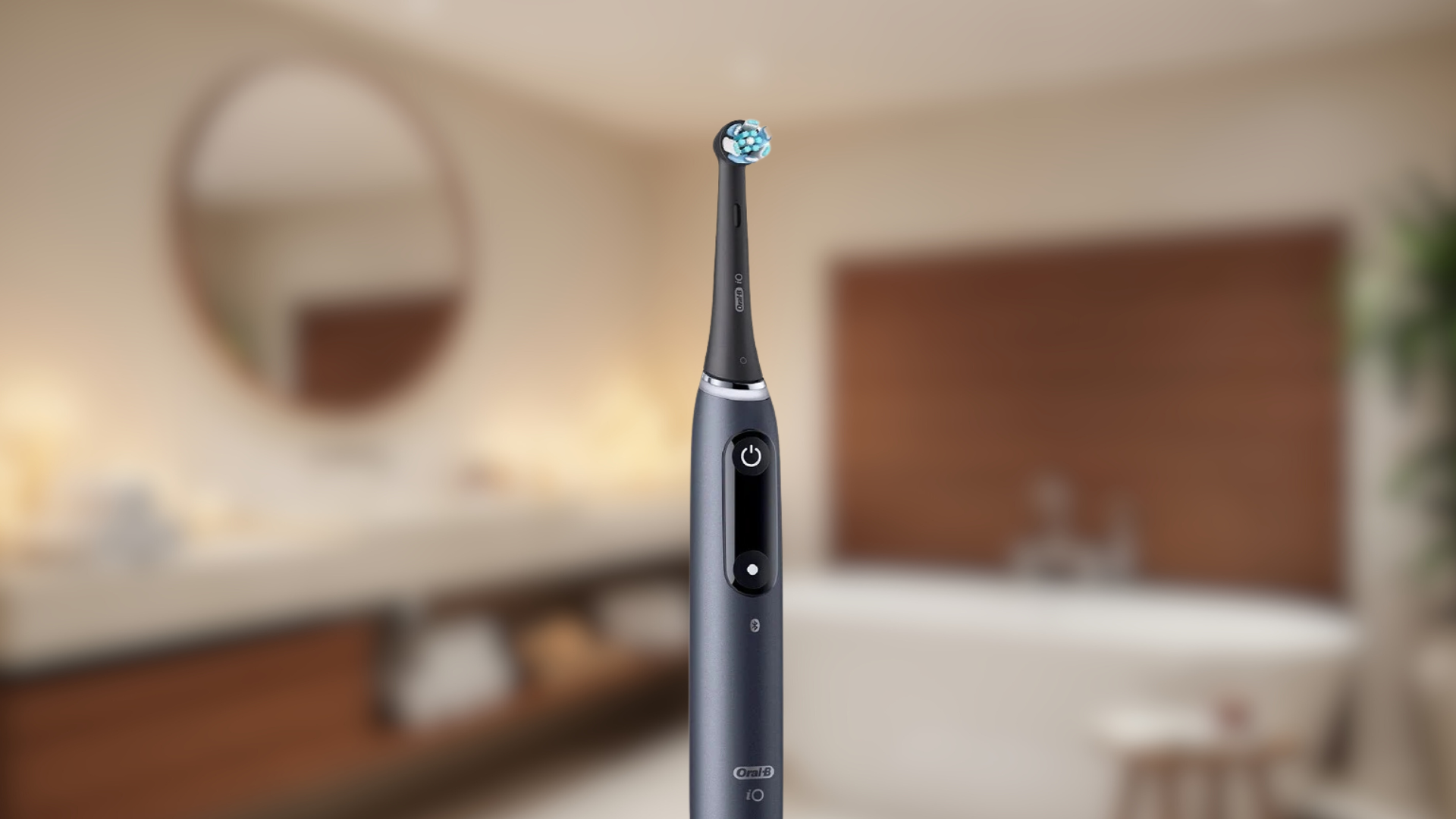
Teeth that look longer than they used to, or sharp sensitivity when eating and drinking, are classic signs of receding gums, a condition affecting more than two-thirds of adults. Ironically, aggressive brushing is one of the leading causes. The right electric toothbrush, with a pressure sensor and soft bristles, can protect your gums and stop further damage.
TL;DR
A pressure sensor is the single most important feature to look for. It alerts you when you're brushing too hard, which is one of the leading causes of gum recession in otherwise healthy brushers. Soft bristle heads and a sensitive cleaning mode round out the essentials.
Top picks:
Best overall. Oral-B iO Series 9. Three-zone pressure sensor, seven modes including Super Sensitive and Gum Care, AI position tracking. $250–$300.
Best for very sensitive gums. Philips Sonicare 9900 Prestige. SenseIQ tech auto-adjusts intensity in real time. Gentler sonic action suits those who find oscillating brushes uncomfortable. $280–$350.
Best value. Oral-B iO Series 3. Same iO micro-vibration technology as the Series 9, pressure sensor included, three modes. $80–$100.
Best budget pick. Philips Sonicare 4100. Pressure sensor, two-minute timer, pacer. Removes up to 7x more plaque than a manual brush. $40–$50.
Best all-in-one. Waterpik Sonic-Fusion 2.0. Combines sonic brushing with water flossing, which is gentler on receded gums than traditional floss. $150–$200.
What to keep in mind? Receded gum tissue does not grow back on its own. A good electric toothbrush prevents further damage, but it can't undo what's already happened. If the recession is moderate or severe, see a dentist. Surgical options like gum grafting exist and work well when caught early.
What Are Receding Gums And Why Should You Care?
Understanding gum recession is the first step toward protecting your oral health. Knowing the causes and symptoms can help you take action before the condition worsens and requires more invasive treatment.
What Is Gum Recession?
Gum recession occurs when the gum tissue surrounding your teeth gradually pulls back or wears away, exposing more of the tooth or even the tooth root. This process creates gaps or pockets between the teeth and gum line, making it easier for bacteria to build up and cause further damage.
The exposed tooth roots are covered with cementum rather than protective enamel, making them more vulnerable to decay and sensitivity. According to WebMD, gum recession is a common dental problem that often goes unnoticed until it reaches a more advanced stage because it occurs gradually.
One crucial fact to understand is that gums cannot grow back once they have receded. This makes prevention and early intervention essential for maintaining your oral health long-term.
Common Causes Of Gum Recession
Several factors can contribute to receding gums, and understanding these causes can help you take preventive measures:
Aggressive brushing: Brushing too hard or using a toothbrush with stiff bristles can gradually wear down gum tissue, making this one of the most common causes among otherwise healthy individuals
Periodontal disease: Bacterial gum infections destroy gum tissue and the supporting bone structure, representing the primary cause of gum recession according to dental professionals
Genetics: Research indicates that approximately 30% of the population may be predisposed to gum problems regardless of their oral hygiene habits
Teeth grinding (bruxism): Clenching or grinding your teeth puts excessive force on the gums and can accelerate recession
Hormonal changes: Fluctuations during puberty, pregnancy, and menopause can make gums more sensitive and vulnerable to recession
Tobacco use: Smoking and chewing tobacco create sticky plaque that is difficult to remove and contributes to gum disease
Misaligned teeth: When teeth do not come together evenly, uneven force can be placed on certain areas of the gums
Signs And Symptoms To Watch For
Recognizing the early signs of gum recession can help you seek treatment before the condition progresses. Watch for these warning signs:
Teeth that appear longer than they used to
A visible notch or groove where the gum meets the tooth
Increased sensitivity to hot, cold, or sweet foods and beverages
Bleeding when brushing or flossing
Red, swollen, or tender gums
Loose teeth or changes in how your teeth fit together when biting
If you notice any of these symptoms, scheduling an appointment with your dentist should be a priority. Early intervention can prevent further damage and help you establish an oral care routine that protects your remaining gum tissue.
Electric Vs Manual Toothbrushes: Which Is Safer For Sensitive Gums?
When it comes to protecting receding gums, the choice between electric and manual toothbrushes matters more than you might think. Understanding the advantages of each can help you make an informed decision for your oral health.
The Case For Electric Toothbrushes
Electric toothbrushes offer several advantages that make them particularly well-suited for people with receding gums. According to the American Dental Association, powered toothbrushes can be more effective at reducing plaque and gingivitis than manual brushing.
The primary benefit of electric toothbrushes for gum recession is their consistent, controlled motion. Unlike manual brushing, where the user controls the pressure and movement, electric toothbrushes deliver thousands of brush strokes per minute in a controlled pattern. This means you can achieve effective plaque removal without the scrubbing motion that often damages gums.
Perhaps most importantly, many modern electric toothbrushes include built-in pressure sensors that alert you when you are brushing too hard. This feature alone can help break the habit of aggressive brushing that contributes to gum recession.
Sonic Vs Oscillating-Rotating Technology
Electric toothbrushes use two main types of cleaning technology, and understanding the difference can help you choose the right option for your needs:
Sonic technology (used by Philips Sonicare) relies on high-frequency vibrations, typically reaching up to 62,000 movements per minute. This creates a fluid dynamic action that drives toothpaste and saliva between teeth and along the gum line. Many users with very sensitive gums prefer sonic brushes because the sweeping motion feels gentler than rotational scrubbing.
Oscillating-rotating technology (used by Oral-B) features a small, round brush head that oscillates back and forth while rotating. The small head cups each tooth individually for targeted cleaning. Studies published in the Journal of the American Dental Association suggest that oscillating-rotating brushes may have a slight edge in reducing plaque and gingivitis.
Both technologies are more effective than manual brushing and are safe for receding gums when used with the appropriate settings and brush heads. The choice often comes down to personal preference and which cleaning sensation feels most comfortable to you.
Must-Have Features In An Electric Toothbrush For Receding Gums
When shopping for an electric toothbrush to protect sensitive or receding gums, certain features move from nice-to-have to absolutely essential. These features work together to provide effective cleaning while minimizing the risk of further gum damage.
Pressure Sensor (Critical Feature)
A pressure sensor is the single most important feature for anyone with receding gums. These sensors detect when you are applying too much force during brushing and respond in various ways depending on the model.
Basic pressure sensors emit a warning sound or light to alert you to ease off. More advanced sensors, like those found in the Oral-B iO Series, display three distinct zones: red for too hard, green for just right, and white for too soft. Some models will also automatically reduce the brush head speed when excess pressure is detected, providing an additional layer of protection.
Dental professionals consistently recommend pressure sensors for patients with gum recession. As Dr. Rajesh Patel, DDS, notes in dental reviews, the combination of gentle cleaning and real-time feedback can make a significant difference in maintaining gum health over time.
Sensitive And Gum Care Cleaning Modes
Look for an electric toothbrush that offers multiple cleaning modes, including options specifically designed for sensitive gums. These specialized modes typically operate at lower intensity levels, providing gentler cleaning without sacrificing effectiveness.
Common mode names include Sensitive, Gum Care, Super Sensitive, and Gentle. If you are new to electric toothbrushes, starting with a sensitive mode allows your gums to adjust to the new brushing experience gradually.
Soft Or Extra-Soft Bristles
The ADA recommends soft-bristled toothbrushes for all users to minimize the risk of gum injury and enamel erosion. For people with receding gums, this recommendation becomes even more critical.
When selecting brush heads, look for options specifically designed for sensitive gums, such as the Oral-B iO Gentle Care heads or the Philips Sonicare G3 Premium Gum Care heads. These feature ultra-soft bristles with rounded tips that clean effectively while minimizing irritation to delicate gum tissue.
Two-Minute Timer With Quadrant Pacer
A built-in timer ensures you brush for the dentist-recommended two minutes without overdoing it. The quadrant pacer, which signals every 30 seconds, helps you distribute your brushing time evenly across all areas of your mouth.
This feature prevents the common mistake of spending too much time on certain areas while neglecting others, which can lead to uneven gum wear.
Small Brush Head
A smaller brush head provides better access to hard-to-reach areas and allows for more precise cleaning around sensitive spots. This is particularly important for cleaning along the gum line without causing irritation.
Smart Features (Nice-To-Have)
While not essential, smart features can enhance your brushing experience and help you maintain better habits over time:
App connectivity for tracking brushing habits and coverage
AI position detection that shows which areas you may be missing
Brush head replacement reminders to ensure optimal cleaning performance
Real-time coaching through a companion smartphone app
The Best Electric Toothbrushes For Receding Gums In 2025
After extensive research and analysis of dental professional recommendations, here are the top electric toothbrushes for people with receding gums. Each option has been selected for its gum-protective features, effectiveness, and value at different price points.
Best Overall: Oral-B iO Series 9
The Oral-B iO Series 9 represents the pinnacle of electric toothbrush technology and is particularly well-suited for people with receding gums. This premium toothbrush combines Oral-B's innovative magnetic technology with comprehensive gum protection features.
Key features for gum protection:
Three-zone smart pressure sensor that displays red (too hard), green (optimal), and white (too soft)
Seven brushing modes, including Sensitive, Super Sensitive, and dedicated Gum Care mode
AI-powered 3D teeth tracking that helps ensure complete coverage without over-brushing any area
Interactive color display showing real-time feedback
Micro-vibrating bristles that feel noticeably gentler than older Oral-B models
Price range: $250-$300
Best for: Users who want the most advanced gum protection technology and are willing to invest in premium features
Best For Very Sensitive Gums: Philips Sonicare 9900 Prestige
The Philips Sonicare 9900 Prestige features SenseIQ technology that adapts to your brushing style in real time. For users with very sensitive or severely receding gums, the gentle sonic action often provides a more comfortable experience than oscillating brushes.
Key features for gum protection:
SenseIQ technology monitors pressure, motion, and coverage up to 100 times per second
Automatic intensity adjustment when excessive pressure is detected
Five cleaning modes, including Sensitive and Gum Health
Three intensity levels for customized comfort
Premium A3 All-in-One brush head with angled bristles
Up to 14 days of battery life and a compact USB-C charging travel case
Price range: $280-$350
Best for: Users with highly sensitive gums who prefer gentle sonic cleaning action and automatic pressure adaptation
Best Value: Oral-B iO Series 3
The Oral-B iO Series 3 brings the essential features of Oral-B's advanced iO technology to a more accessible price point. This model delivers the gentle micro-vibrations and pressure protection that users with receding gums need without the premium price tag.
Key features for gum protection:
Visible pressure sensor with light ring indicator
Three cleaning modes: Daily Clean, Sensitive, and Whitening
Notably quieter operation compared to older Oral-B models
Two-minute timer with 30-second quadrant pacer
Compatible with Oral-B iO Gentle Care brush heads
Price range: $80-$100
Best for: Users seeking Oral-B's latest technology at a mid-range price point
Best Budget Option: Philips Sonicare 4100
The Philips Sonicare 4100 proves that effective gum protection does not require a large budget. This affordable option includes the essential features recommended by dental professionals, including a pressure sensor, making it an excellent entry point for electric toothbrush users.
Key features for gum protection:
Built-in pressure sensor that alerts you with pulsing sound and reduced vibration
Two-minute timer with 30-second pacer
BrushSync replacement reminder for optimal brush head performance
Easy-start feature for gradual power increase during the first 14 uses
Removes up to 7x more plaque than a manual toothbrush
Price range: $40-$50
Best for: Budget-conscious users who want essential gum protection features without unnecessary extras
Best For Comprehensive Cleaning: Waterpik Sonic-Fusion 2.0
The Waterpik Sonic-Fusion 2.0 combines sonic brushing with water flossing technology in one device. For people with receding gums who struggle with interdental cleaning, this innovative solution provides a gentler alternative to traditional flossing.
Key features for gum protection:
Sonic brushing and water flossing in one device
High and low brush settings for customized intensity
ADA accepted for safety and effectiveness
Clinically proven 2x more effective than brushing and flossing separately
Two-minute timer with 30-second pacer
Price range: $150-$200
Best for: Users who want an all-in-one brushing and flossing solution that is gentle on sensitive gums
Model | Price | Pressure sensor | Sensitive mode | Best for |
Oral-B iO Series 9 | $250-$300 | 3-zone smart | Sensitive, Super Sensitive, Gum Care | Premium |
Sonicare 9900 Prestige | $280-$350 | SenseIQ auto-adjust | Sensitive, Gum Health | Very sensitive |
Oral-B iO Series 3 | $80-$100 | Light ring | Sensitive | Value |
Sonicare 4100 | $40-$50 | Pulsing alert | Single gentle mode | Budget |
Waterpik Sonic-Fusion 2.0 | $150-$200 | No | Low speed setting | All-in-one |
Proper Brushing Technique For Sensitive Gums
Even the best electric toothbrush cannot protect your gums if you are using improper technique. Learning the correct brushing method is essential for maximizing the benefits of your toothbrush while minimizing the risk of further gum damage.
The Modified Bass Technique
Dental professionals widely recommend the modified Bass technique as the most effective method for cleaning teeth while protecting gum tissue. According to a 2018 systematic review, this technique was found to be more effective at reducing plaque and gingivitis compared to other brushing methods.
Here is how to apply the modified Bass technique with an electric toothbrush:
Hold your toothbrush at a 45-degree angle to your gum line
Let the toothbrush do the work, simply guiding it along the surfaces of your teeth
Use gentle pressure, allowing the bristles to skim the surfaces rather than pressing hard
Move slowly from tooth to tooth, spending about 2-3 seconds per tooth
After cleaning an area, sweep the brush away from the gum line toward the biting surface
Clean all surfaces: outer, inner, and chewing surfaces of every tooth
Common Mistakes To Avoid
Awareness of common brushing mistakes can help you protect your gums from further damage:
Applying too much pressure: If your brush head bristles are splaying outward, you are pressing too hard
Using a scrubbing motion: Horizontal back-and-forth scrubbing wears down enamel and gum tissue
Brushing immediately after acidic foods: Wait at least 30 minutes after consuming acidic foods or drinks before brushing
Using worn-out brush heads: Frayed bristles are less effective and can irritate gums
Additional Tips For Protecting Your Gums
Incorporate these practices into your daily routine for optimal gum health:
Replace your brush head every three months, or sooner if bristles appear worn
Use a desensitizing toothpaste containing potassium nitrate or stannous fluoride
Avoid rinsing immediately after brushing to allow fluoride to continue working
Clean between teeth daily with floss, interdental brushes, or a water flosser
Consider using an antimicrobial mouthwash to help control bacteria
When To See A Dentist About Receding Gums
While the right electric toothbrush can help prevent further gum recession and maintain oral health, it cannot reverse existing damage. Understanding when to seek professional treatment is crucial for managing this condition effectively.
Mild recession may be managed with professional cleanings, improved oral hygiene practices, and desensitizing treatments. Your dentist may apply fluoride varnish or recommend specialized toothpaste to reduce sensitivity.
Moderate recession often requires scaling and root planing, a deep cleaning procedure that removes plaque and tartar below the gum line. This treatment smooths the tooth root to help the gums reattach and prevent bacteria from accumulating.
Severe recession may necessitate surgical intervention. Gum grafting procedures use tissue from another part of your mouth to cover exposed roots and restore the gum line. Newer techniques like the pinhole surgical method offer less invasive options for some patients.
The key takeaway is that early intervention produces the best outcomes. If you notice signs of gum recession, schedule an appointment with your dentist rather than waiting for symptoms to worsen. Regular dental checkups, ideally every six months, allow your dentist to monitor gum health and catch problems early.
Bottom Line
Choosing the right electric toothbrush can make a meaningful difference in protecting your receding gums while maintaining excellent oral hygiene. The most important feature to look for is a pressure sensor, which helps prevent the aggressive brushing that contributes to gum recession. Soft bristles, sensitive cleaning modes, and a two-minute timer with quadrant pacer round out the essential features.
For most people with receding gums, the Oral-B iO Series 3 offers the best balance of gum-protective features and value. Those willing to invest in premium technology will appreciate the advanced capabilities of the Oral-B iO Series 9 or Philips Sonicare 9900 Prestige. Budget-conscious shoppers can find reliable gum protection with the Philips Sonicare 4100.
Remember that no toothbrush can replace professional dental care. If you are experiencing gum recession, consult your dentist for personalized recommendations and treatment options. With the right combination of professional care, proper brushing technique, and a gum-friendly electric toothbrush, you can protect your remaining gum tissue and maintain a healthy smile for years to come.
Frequently Asked Questions
Can electric toothbrushes cause gum recession?
Electric toothbrushes themselves do not cause gum recession when used properly. The recession typically results from brushing too hard or using an incorrect technique, which can happen with any toothbrush. Electric toothbrushes with pressure sensors actually help prevent this problem by alerting you when you are applying excessive force.
Is Oral-B or Sonicare better for receding gums?
Both brands offer excellent options for people with receding gums. Sonicare's sonic technology is often perceived as gentler due to its sweeping motion, while Oral-B's iO series features advanced pressure sensors and multiple sensitive modes. The best choice depends on personal preference and which cleaning sensation feels most comfortable. Both can effectively protect gums when used with appropriate settings and brush heads.
Can receding gums grow back?
Gum tissue cannot regenerate on its own once it has receded. However, proper oral care can prevent further recession and protect existing gum tissue. For those with significant recession, surgical procedures like gum grafting can restore gum coverage over exposed tooth roots. Early intervention and prevention are key to maintaining gum health.
How often should I replace my brush head?
Dental professionals recommend replacing your brush head every three months, or sooner if the bristles appear frayed or worn. Worn bristles are less effective at cleaning and can irritate sensitive gum tissue. Many modern electric toothbrushes include brush head replacement reminders to help you track when a new head is needed.
Should I use sensitive mode all the time?
Starting with sensitive mode is recommended when you first begin using an electric toothbrush or if your gums are particularly tender. As your gums adjust and strengthen, you may be able to gradually increase to a standard cleaning mode. Many people with gum recession continue using sensitive mode long-term for comfort and protection. Listen to your gums and choose the setting that feels comfortable while still providing effective cleaning.
What toothpaste should I use with receding gums?
Look for desensitizing toothpastes containing active ingredients like potassium nitrate, stannous fluoride, arginine, or strontium chloride. These ingredients help calm the nerves in exposed tooth roots and reduce sensitivity over time. Avoid whitening toothpastes, which can be more abrasive and may irritate sensitive gums. Your dentist can recommend specific products based on your individual needs.