Common Causes of Gum Swelling Explained
Swollen gums are one of the most common dental complaints, and for good reason – they can be uncomfortable, alarming, and sometimes a sign that something more serious is...
Written by Agnes Markovic
Read time: 9 min read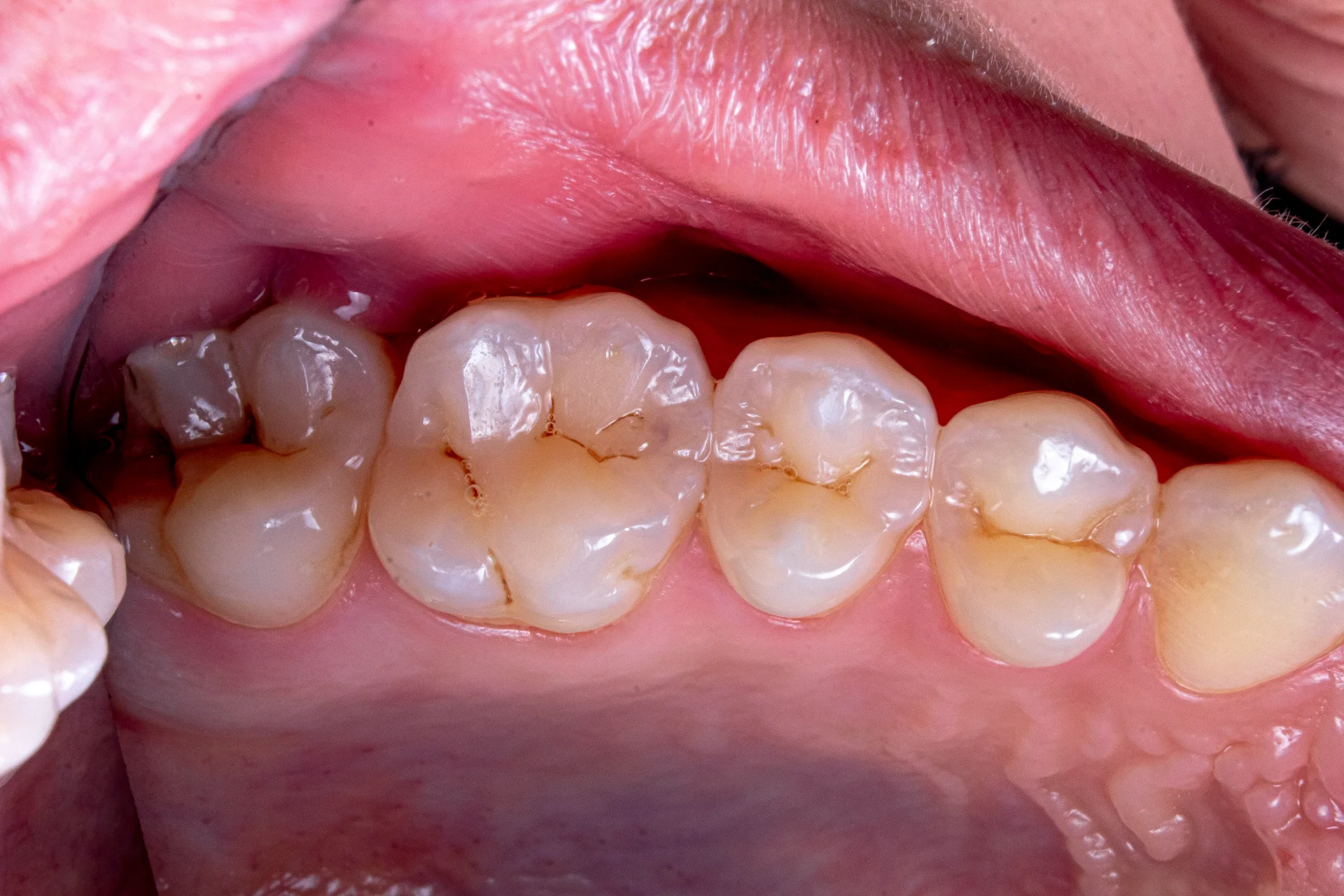
Swollen gums are one of the most common dental complaints, and for good reason – they can be uncomfortable, alarming, and sometimes a sign that something more serious is developing beneath the surface. Millions of people experience gum swelling at some point in their lives, and understanding the underlying cause is the first step toward effective relief.
This guide covers everything from the most frequent triggers of inflamed gums to early warning signs of gum disease, professional treatment options, and practical home remedies. Whether the discomfort appeared suddenly overnight or has been building for weeks, this article will help make sense of what is happening in the mouth and what to do about it.
What Does Gum Swelling Actually Mean?
The gums (gingiva) are the soft tissue that surrounds and supports the teeth. When they become inflamed, the swelling is a result of increased blood flow and immune activity in the area. Gum swelling is the body’s natural response to irritation, infection, or injury – the same fundamental process that causes a sprained ankle to puff up.
Swollen or inflamed gums can present in different ways. Sometimes the swelling affects the entire gumline, while other times it is concentrated in one spot, such as a gum swollen around one tooth or a swollen gum between teeth. The gums may appear red or darker than usual, feel tender to the touch, bleed when brushing or flossing, or seem to be pulling away from the teeth.
These signs should not be ignored. While gum swelling is sometimes caused by something minor and temporary, such as food getting lodged in the gumline, it can also be an early warning sign of gum disease, infection, or other conditions that require professional treatment. According to the Centers for Disease Control and Prevention (CDC), nearly half of adults aged 30 and older show signs of periodontal disease, making gum health a widespread concern.
The Most Common Causes of Swollen Gums
Gum swelling can stem from a wide variety of causes, ranging from mild and easily treatable to more complex conditions that require professional intervention. Understanding the most frequent triggers helps determine the appropriate course of action.
Gingivitis
Gingivitis is the most frequent cause of inflamed gums and represents the beginning stages of gum disease. It occurs when plaque – a sticky film of bacteria – builds up along the gumline and is not removed through regular brushing and flossing. The bacteria in plaque produce toxins that irritate gum tissue, causing it to become red, puffy, and prone to bleeding.
Many people have gingivitis without realizing it because the condition is often painless in its early stages. The only noticeable signs may be gums that bleed during brushing or appear slightly puffier than usual. According to the American Dental Association, gingivitis is reversible with improved oral hygiene and professional cleaning. However, if left untreated, it progresses to periodontitis, a much more serious condition. Using a toothpaste formulated for gum health can support treatment efforts significantly.
Periodontitis (Advanced Gum Disease)
When gingivitis is not treated, it can develop into periodontitis – a deeper infection that affects the gums, bone, and connective tissue supporting the teeth. Research published in the Journal of Clinical Periodontology has linked severe gum disease to systemic conditions, including heart disease, diabetes complications, and stroke. The chronic inflammation and bacteria involved in periodontitis can enter the bloodstream and contribute to problems throughout the body.
Signs of periodontitis tend to be more pronounced than those of gingivitis. Patients may notice gums that have receded significantly, exposing more of the tooth or even the root. Teeth may feel loose, and there may be persistent bad breath, pus between the teeth and gums, or a bad taste in the mouth. The pockets between the teeth and gums deepen as the disease progresses, creating spaces where bacteria thrive.
What Does Gum Disease Look Like?
In the early stages, gum disease can appear deceptively mild. The gums may be slightly red rather than their usual coral hue, mildly swollen, and prone to bleeding during brushing. As the condition advances, more dramatic changes become visible, including gum recession, teeth that appear longer than before, redness extending further up the gum, and gaps between teeth that were not previously there.
A red line along the gumline where gum meets tooth is often one of the first visible signs. Healthy gums form a firm, scalloped edge around each tooth. When that edge becomes red, puffy, or irregular, it warrants attention from a dental professional.
Tooth Abscess or Infection
A tooth abscess is a pocket of pus caused by a bacterial infection. It can form at the tip of a tooth root (periapical abscess) or in the gum tissue next to a tooth (periodontal abscess). One of its most recognizable symptoms is localized swelling, specifically a gum swollen around one tooth, often accompanied by pain, sensitivity to temperature, and sometimes a visible bump on the gum.
An abscess is one of the more serious causes of gum pain in a single location, and it requires prompt dental treatment. Left untreated, the infection can spread to adjacent teeth, the jawbone, and in rare but serious cases, other parts of the body. Antibiotics and drainage, often combined with a root canal or extraction, are typically necessary. The Cleveland Clinic notes that a dental abscess will not resolve without professional treatment and can become life-threatening if the infection spreads.
Gum Swollen Around One Tooth: Localized Causes
When swelling appears around a single tooth rather than throughout the mouth, the cause is usually localized. Several common culprits can trigger this type of inflammation.
Trapped food or debris. Food particles, particularly from hard or fibrous foods like popcorn hulls or seeds, can get lodged between the tooth and gum, causing significant irritation. The gum responds with swelling, and the discomfort can appear overnight. Gently cleaning the area and rinsing with salt water often resolves this within a day or two.
A cracked tooth. Cracks in teeth create pathways for bacteria to enter. Even hairline fractures invisible to the naked eye can lead to localized gum swelling, sensitivity, and eventually infection if not treated.
A failing dental restoration. Old fillings, crowns, or bridges that no longer fit properly can create pockets where bacteria accumulate, leading to inflammation around that specific tooth. Understanding dental filling costs can help with planning timely replacements.
Gum trauma. Aggressive brushing, recent dental work, or an injury to the mouth can cause localized swelling. This type of swelling often resolves on its own as long as the area heals properly. Switching to an electric toothbrush with a pressure sensor can help prevent this issue from recurring.
Swollen Gum Behind Molar
A swollen gum behind a molar, particularly the very last molar in the mouth, is often a sign of pericoronitis. This condition occurs when a wisdom tooth is only partially erupted, leaving a flap of gum tissue (called the operculum) partially covering it. Food and bacteria get trapped beneath this flap, leading to infection and swelling.
Pericoronitis can be quite painful and may cause difficulty opening the mouth fully, bad breath, swollen lymph nodes, and pain that radiates to the ear or jaw. It is most common in people in their late teens and twenties, whose wisdom teeth are emerging. Treatment ranges from professional cleaning of the area and antibiotics to surgical removal of the flap or extraction of the wisdom tooth itself.
Hormonal Changes
Hormones have a significant effect on the gums. During puberty, menstruation, pregnancy, and menopause, fluctuating hormone levels – particularly estrogen and progesterone – increase blood flow to the gums and can heighten sensitivity to plaque bacteria. Pregnant women are particularly susceptible to what is sometimes called “pregnancy gingivitis,” and many women notice their gums feel more tender or appear more swollen during certain phases of their menstrual cycle.
Hormonal gum swelling does not necessarily indicate a serious problem, but it does underscore the importance of maintaining consistent oral hygiene during these life stages, since the gums are more reactive than usual.
Nutritional Deficiencies
A deficiency in vitamin C can lead to a condition called scurvy, which causes the gums to become swollen, spongy, and prone to bleeding. While severe scurvy is rare in developed countries, mild vitamin C deficiency is not uncommon and can still contribute to gum inflammation. Vitamin B deficiencies, particularly B12 and folate, have also been associated with gum problems, according to research published in the National Institutes of Health. If the gums are consistently inflamed despite good oral hygiene, nutritional testing may be worth discussing with a healthcare provider.
Medications
Certain medications can cause gum overgrowth, a condition called gingival hyperplasia, as a side effect. The most commonly associated medications include calcium channel blockers (used for high blood pressure), phenytoin (used for epilepsy), and cyclosporine (an immunosuppressant). The gums may enlarge significantly, making them appear swollen and making it harder to clean the teeth properly, which can worsen gum disease over time.
Anyone who has recently started a new medication and noticed changes in the gums should mention it to both their dentist and prescribing physician.
Dentures and Dental Appliances
Ill-fitting dentures, retainers, or other dental appliances can rub against the gum tissue and cause chronic irritation. The gums respond with swelling, redness, and soreness. Getting appliances properly fitted and maintaining them with regular professional adjustments can prevent this type of swelling.
Viral or Fungal Infections
Less commonly, gum swelling can be caused by viral infections such as herpes simplex virus (which can cause herpetic gingivostomatitis, particularly in children) or fungal infections like oral thrush. These conditions typically present with additional symptoms such as blisters, white patches, or widespread soreness and usually require antiviral or antifungal treatment.
Swollen Gum Between Teeth
A swollen gum between two teeth – known as the papilla, the pointed triangle of gum tissue that fills the space between adjacent teeth – is often the first place gum disease becomes visible. It is also a common site for food trapping, especially if the contact between two teeth is imperfect or if there is a gap creating a food trap.
Interdental swelling can result from gingivitis, an interdental cavity, a broken contact point between two fillings or crowns, or trauma from overly aggressive flossing. Consistent redness, puffiness, or bleeding between specific teeth warrants investigation into whether there is a structural issue in that area, not just a hygiene problem.
How to Tell if You Have Periodontal Disease
Recognizing the signs of periodontal disease early can make a significant difference in treatment outcomes. The condition progresses through distinct stages, each with characteristic symptoms.
Early signs (gingivitis stage). Gums that bleed when brushing or flossing are the most reliable early indicator. The gums may also look redder than normal, feel tender when touched, or appear slightly swollen. At this stage, the bone is not yet affected, and the condition is fully reversible.
Progressing signs. As gingivitis advances toward early periodontal disease, persistent bad breath may develop, gums may start pulling away from the teeth, tooth sensitivity may increase, and pockets may form between the teeth and gums.
Advanced signs. In later-stage periodontitis, the gums have receded noticeably, teeth may be loose or shifting, there may be pain when chewing, and pus may be visible between the teeth and gums. Tooth loss is a real possibility at this stage without treatment.
A dentist or periodontist can confirm a diagnosis using a periodontal probe to measure pocket depths. Depths of 1–3 mm are normal, while anything above 4 mm indicates some degree of periodontal disease.
Early Periodontal Disease: What to Expect
The early periodontal disease stage is a critical point in treatment. Some bone loss may have already begun, but the damage is not yet severe, and treatment can halt its progression. Early periodontitis is characterized by pocket depths of around 4–5 mm, some visible bone loss on X-rays, gum recession, and consistent bleeding.
The standard treatment at this stage is scaling and root planing – a deep cleaning procedure in which a dental hygienist removes plaque and tartar from below the gumline and smooths the root surfaces to make it harder for bacteria to reattach. According to the American Academy of Periodontology, most patients see significant improvement when this treatment is combined with improved home care and more frequent professional cleanings. Modern dental equipment has made these procedures more comfortable and effective than ever before.
Why Is Gum Swollen Around One Tooth With No Pain?
Painless gum swelling around a single tooth is actually quite common, particularly in the early stages of gum disease, when a tooth abscess has developed to the point of draining on its own (which relieves pressure), or when mild infection or trapped debris has caused localized inflammation without triggering the nerve.
The absence of pain does not mean the condition is harmless. Periodontitis can cause significant structural damage to the gum and bone without producing discomfort. A chronic abscess can quietly erode bone. Painless swelling around a single tooth still warrants a dental visit, particularly if it persists for more than a few days or recurs.
Unhealthy Gums vs. Healthy Gums: What to Look For
Understanding what unhealthy gums look like starts with knowing what healthy gums look like. Healthy gums are firm, pale pink (the exact shade varies depending on skin tone), and fit snugly around each tooth. They do not bleed during brushing, pull away from the teeth, or cause discomfort.
Unhealthy gums, on the other hand, may exhibit these characteristics:
Red, dark red, or purplish in color
Swollen, puffy, or visibly enlarged
Bleeding during or after brushing and flossing
Receding, making the teeth look longer
Pulling away from the teeth to form pockets
Tender or sore to the touch
Accompanied by persistent bad breath
Even one or two of these signs is worth discussing with a dentist. Gum problems almost always progress rather than resolve when left untreated.
Sore Gum Around One Tooth
A sore gum around one tooth is one of the most common reasons people search for dental information online. The discomfort can range from a mild ache when pressing on the area to sharp pain when chewing or when anything touches the gum.
The most likely causes include a trapped food particle, a developing abscess, a cracked tooth, gum disease concentrated in that area, or trauma. Less commonly, a sore spot on the gum could be an oral ulcer (canker sore), which typically appears as a small white or yellow lesion with a red border and heals on its own within one to two weeks. If the soreness is accompanied by swelling, fever, or a bad taste in the mouth, the likelihood of infection is higher, and prompt dental care is recommended.
Can Gum Disease Go Away on Its Own?
The answer depends on the stage of the disease. Gingivitis, the earliest and mildest form, can be fully reversed with consistent and thorough oral hygiene combined with professional cleaning. In that sense, it can go away with the right approach.
Periodontitis, however, cannot resolve on its own. Once the bone and connective tissue supporting the teeth have been damaged, that damage is permanent. The disease can be controlled and its progression halted, but the lost tissue does not regenerate without surgical intervention. This distinction between gingivitis and periodontitis is one of the most important facts in dental health.
Can You Stop Gum Disease?
Gum disease progression can absolutely be stopped, and for many patients, treatment brings the condition under control to the point that it has no further impact on daily life. The key requirements are regular professional treatment (scaling and root planing for moderate cases, surgical procedures for severe cases) and thorough home care, including brushing twice daily with a soft-bristled brush, flossing daily, and using additional tools like interdental brushes or water flossers.
Choosing the right tools makes a difference. An electric toothbrush designed for sensitive gums can remove plaque more effectively while protecting delicate tissue. Smoking cessation is also critical, as tobacco use is one of the strongest risk factors for gum disease progression.
Does Gum Inflammation Go Away?
Gum inflammation caused by a minor, addressable trigger – such as food debris, a new toothbrush that is too hard, or a temporary hormonal fluctuation – often resolves on its own once the cause is removed. Switching to a softer brush, flossing out the trapped particle, or adjusting habits can bring relief within a few days.
Gum inflammation caused by bacterial plaque buildup will not resolve without intervention. The bacteria continue to produce irritants as long as they remain present. Professional cleaning to remove tartar, followed by thorough home care, is the only way to eliminate this type of inflammation. For patients with treated periodontitis, the underlying susceptibility remains, and most require maintenance cleanings every three to four months rather than the standard six-month interval.
How to Reduce Gum Inflammation
Reducing gum inflammation requires a combination of improved home care and, in many cases, professional dental treatment. The approach depends on the severity and underlying cause of the swelling.
At-Home Remedies
Several evidence-based strategies can help reduce gum inflammation at home while waiting for or supplementing professional care.
Brush correctly. Use a soft-bristled brush at a 45-degree angle to the gumline, applying gentle circular or short back-and-forth strokes. Brushing too hard damages gum tissue rather than helping it. Brush for a full two minutes, twice a day.
Floss daily. Flossing removes plaque and food from between the teeth and just below the gumline, areas a toothbrush cannot reach. If traditional floss is difficult to use, interdental brushes or water flossers are effective alternatives. Consistent, thorough interdental cleaning is essential.
Rinse with salt water. Dissolving half a teaspoon of salt in a glass of warm water and swishing for 30 seconds can help reduce inflammation and eliminate some bacteria. It is a simple, evidence-supported home remedy that can provide relief, but it is not a substitute for professional care.
Use an antiseptic mouthwash. Chlorhexidine gluconate mouthwash is the most effective antiseptic option for gum disease and is available by prescription. Over-the-counter options containing cetylpyridinium chloride or essential oils can also help reduce bacteria in the short term.
Avoid irritants. Smoking, alcohol, and very sugary foods all worsen gum inflammation. Reducing or eliminating these can have a meaningful positive effect on gum health.
How to Treat a Swollen Gum Around One Tooth
For localized swelling around a single tooth, the approach depends on the cause. If food debris is suspected, rinsing vigorously with salt water and gently attempting to dislodge the particle with floss is a good first step. Avoid probing aggressively with toothpicks, which can push debris deeper or damage the gum.
Over-the-counter dental pain gels containing benzocaine can temporarily numb the area and reduce discomfort. Anti-inflammatory medications such as ibuprofen can reduce both pain and swelling in the short term. If the swelling is accompanied by signs of infection, such as pus, fever, spreading pain, or swelling in the face or neck, these symptoms indicate that the infection may be spreading and require urgent dental care.
Professional Treatment Options
A dentist or periodontist has a broader range of treatment tools available. Professional cleaning removes tartar that cannot be eliminated through brushing alone. Scaling and root planing reach below the gumline to treat deeper infections. Antibiotics, both systemic (oral medication) and locally administered (pellets or gels placed directly into the gum pocket), can address bacterial infections. In more advanced cases, gum surgery, bone grafting, or guided tissue regeneration may be necessary to restore lost structure.
Gums Redness Around One Tooth
Redness concentrated around a single tooth is often the earliest visible sign of a localized problem. Common causes include plaque accumulation in that specific area (perhaps because a restoration makes it harder to clean), a cavity at the gumline, a cracked tooth, or the beginning of an abscess.
Red gums around one tooth that do not improve with thorough cleaning for a week or more should prompt a dental visit. The sooner the underlying cause is identified, the simpler the treatment is likely to be.
Can Gum Disease Kill You?
The relationship between periodontal disease and systemic health conditions is well-established in the research literature. The National Institute of Dental and Craniofacial Research has documented connections between gum disease and cardiovascular disease, diabetes, respiratory disease, and adverse pregnancy outcomes. The inflammation and bacteria involved in periodontal disease can affect the entire body.
That said, gum disease progresses slowly in most people, is manageable with proper care, and is far more likely to result in tooth loss than life-threatening complications when treated. The greater risk comes from leaving it entirely unmanaged for years or decades. Treating gum disease is beneficial for overall health, not just oral health.
When to See a Dentist
Some degree of urgency is appropriate in certain situations. Prompt dental care, ideally within 24 to 48 hours, should be sought for the following symptoms:
Swelling that is spreading beyond the gum into the face, jaw, or neck
Difficulty swallowing or breathing
Fever accompanying oral swelling
A gum abscess (a visible pimple or boil on the gum) with increasing pain
Sudden loosening of a tooth
For gum swelling that is uncomfortable but not accompanied by these warning signs, scheduling a dental appointment within a week or two is appropriate. Home remedies should not be relied upon as a substitute for professional evaluation if the swelling persists or returns.
Preventing Gum Swelling in the Long Term
Prevention is built on consistency rather than intensity. The gums respond well to steady, thorough daily care. The following habits form the foundation of long-term gum health.
Brush after meals when possible, and always before bed. The overnight period is particularly damaging because saliva flow, which helps neutralize bacterial acids, decreases during sleep.
Floss every day, not just when food is visibly stuck. The daily removal of interdental plaque breaks the cycle of bacterial accumulation that leads to gingivitis.
Get professional cleanings on schedule. Even with excellent home care, tartar builds up over time and can only be removed professionally. Most people benefit from a cleaning every six months, while those with a history of gum disease may need cleanings every three to four months.
Eat a balanced diet. Foods rich in vitamin C, vitamin D, and calcium support gum and bone health. A diet high in sugar feeds the bacteria responsible for gum disease.
Quit smoking. Tobacco use is one of the most significant preventable risk factors for gum disease and dramatically reduces the effectiveness of treatment.
Manage systemic conditions. Diabetes in particular has a bidirectional relationship with gum disease – poorly controlled diabetes worsens gum disease, and untreated gum disease makes blood sugar harder to control. Managing underlying health conditions benefits gum health as well.
Bottom Line
Gum swelling is almost never something to dismiss. Whether it presents as a swollen gum between teeth, a swollen gum around one tooth overnight, diffuse redness along the gumline, or a swollen gum behind a molar, it is the body’s way of signaling that something needs attention.
The causes range from the easily addressed – a trapped food particle, aggressive brushing, minor plaque buildup – to conditions that require professional treatment, like an abscess or advanced periodontitis. The good news is that gum disease, when caught early, is both treatable and reversible. Even in more advanced cases, professional care combined with diligent home maintenance can halt progression and protect the teeth for the long term. Using the right oral care products and investing in quality dental tools for home use can make a meaningful difference in outcomes. If there is any concern about gum health, consulting a dentist sooner rather than later is always the best course of action.
This article is for informational purposes only and does not constitute medical advice. Always consult with qualified healthcare professionals for diagnosis and treatment recommendations specific to your situation.
Frequently Asked Questions
Why are my gums swollen if I brush every day?
Brushing alone may not remove all plaque, especially between teeth and below the gumline. Flossing or using interdental brushes daily is essential for reaching those areas. Tartar buildup, which can only be removed professionally, may also be contributing to the swelling, even when brushing habits are consistent.
How long does gum swelling last?
Swelling caused by minor irritation, such as trapped food or a new toothbrush, typically resolves within a few days. Swelling related to gum disease or infection may persist until the underlying cause is treated. If swelling lasts longer than a week, a dental evaluation is recommended.
Is a swollen gum around one tooth an emergency?
In most cases, localized gum swelling is not an emergency but should be evaluated by a dentist within a week or two. However, if the swelling is accompanied by fever, difficulty swallowing or breathing, or spreading facial swelling, urgent care should be sought immediately.
Can stress cause swollen gums?
Stress can contribute to gum inflammation indirectly. Elevated stress hormones weaken the immune system, making it harder for the body to fight off bacterial infections, including those that cause gum disease. Stress can also lead to teeth grinding and neglected oral hygiene habits, both of which worsen gum health.
What is the fastest way to reduce swollen gums at home?
Rinsing with warm salt water several times a day is one of the most effective immediate remedies. Taking an over-the-counter anti-inflammatory medication such as ibuprofen can also help. Gentle brushing and flossing the area to remove any trapped debris should be part of the routine. If symptoms persist beyond a few days, professional dental care is necessary.