What Is Dental Equipment?
Dental equipment encompasses the vast array of specialized tools, instruments, machines, and technology that dental professionals use to diagnose, prevent, and treat oral health...
Written by Rachel Thompson
Read time: 13 min read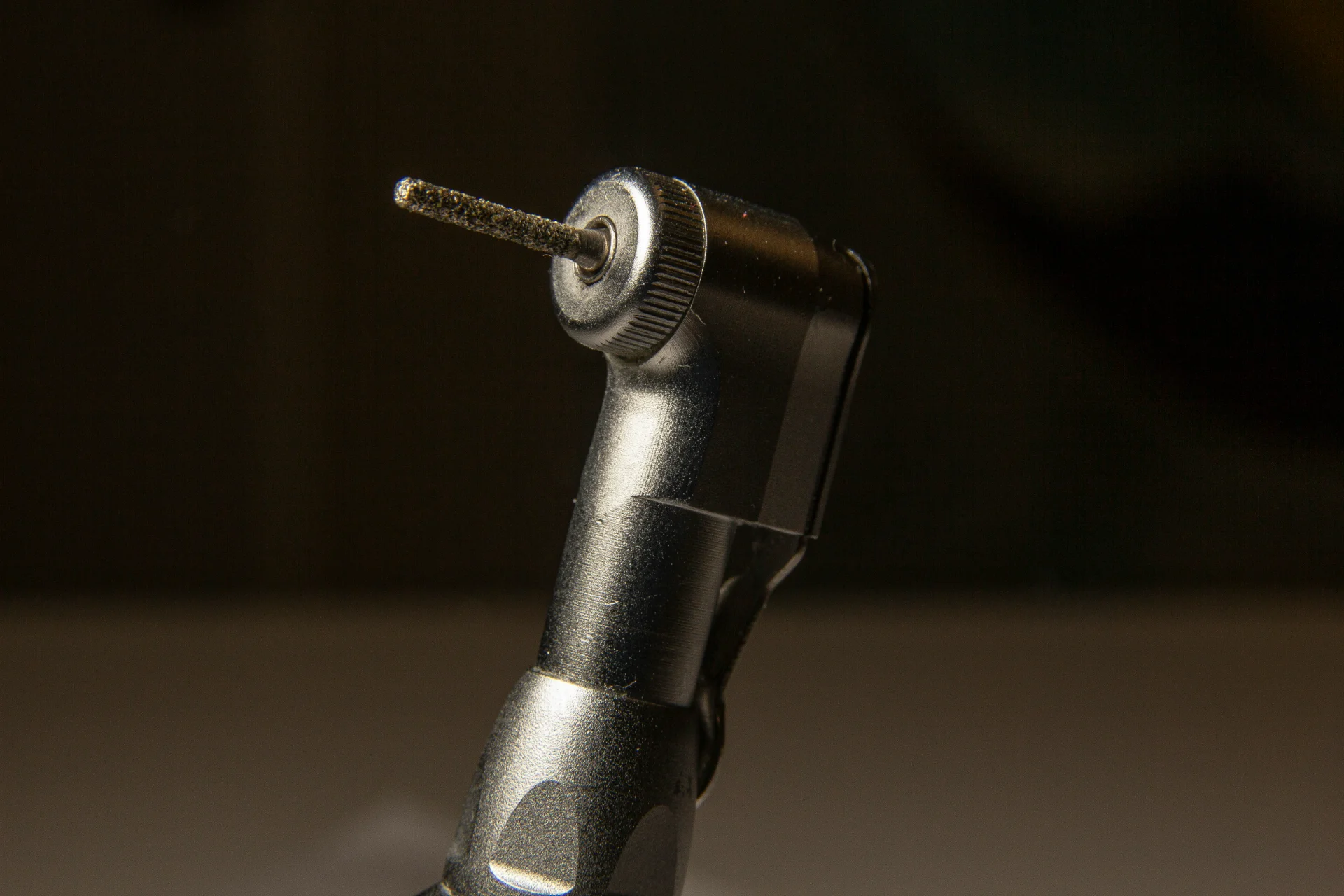
Dental equipment encompasses the vast array of specialized tools, instruments, machines, and technology that dental professionals use to diagnose, prevent, and treat oral health conditions. From the simple mouth mirror that has been used for centuries to today's AI-powered diagnostic systems, dental equipment represents the intersection of medical science, engineering innovation, and patient care. These essential tools enable dentists, dental hygienists, and specialists to perform everything from routine cleanings to complex surgical procedures with precision and safety.
The evolution of dental equipment tells a fascinating story of medical advancement. Early dentists worked with rudimentary hand tools, often borrowed from other trades. Today's dental professionals have access to digital imaging systems, laser technology, and computer-aided design systems that would have seemed like science fiction just decades ago. This transformation has dramatically improved patient outcomes, reduced treatment times, and enhanced the overall dental experience.
Understanding dental equipment matters for multiple audiences. Dental students need comprehensive knowledge of the tools they'll use throughout their careers. Patients benefit from knowing what various instruments do and why they're necessary. New practitioners setting up their first offices must make informed decisions about equipment purchases. This guide explores the complete landscape of dental equipment, from basic hand instruments to cutting-edge technology, providing insights into how these tools work, why they matter, and where the industry is heading in 2026 and beyond.
What Exactly Is Dental Equipment?
Dental equipment refers to all medical devices, instruments, tools, and machinery specifically designed for use in oral healthcare settings. These range from handheld instruments that fit in a pocket to large diagnostic machines that occupy entire rooms. The common thread connecting all dental equipment is its purpose: to facilitate the examination, diagnosis, prevention, or treatment of conditions affecting the teeth, gums, and oral cavity.
Definition and Scope
The term "dental equipment" encompasses a broader category than many people realize. It includes diagnostic devices that help identify problems, preventive tools that stop issues before they start, restorative equipment that repairs damage, surgical instruments for more invasive procedures, and sterilization systems that ensure patient safety. The U.S. Food and Drug Administration regulates dental equipment as medical devices, classifying them into three categories based on risk level. Class I devices present minimal risk and include basic examination tools. Class II devices require more regulatory control and include items like powered toothbrushes and dental lasers. Class III devices, which present the highest risk, include dental implants and require premarket approval.
Modern dental equipment also extends to administrative and practice management systems. Digital record-keeping systems, appointment scheduling software, and patient communication platforms have become integral to dental practice operations. While these may not directly touch patients, they're essential equipment for running an efficient, modern dental office.
Categories of Dental Equipment
Dental professionals organize equipment into several functional categories. Diagnostic equipment helps identify problems and assess oral health status. This includes everything from basic mouth mirrors to sophisticated cone beam computed tomography (CBCT) scanners. Preventive equipment focuses on maintaining oral health and includes scaling tools, polishing systems, and fluoride application devices.
Restorative equipment enables dentists to repair damaged teeth and includes handpieces (dental drills), filling materials, and increasingly, CAD/CAM systems for creating crowns and other prosthetics. Surgical equipment encompasses tools for extractions, implant placement, and other invasive procedures. Sterilization equipment ensures all instruments meet infection control standards, protecting both patients and dental staff. Finally, operatory equipment includes the dental chair, delivery systems, and lighting that create the workspace where dental care happens.
Diagnostic Dental Equipment and Tools
Diagnostic equipment forms the foundation of quality dental care because accurate diagnosis must precede effective treatment. These tools allow dental professionals to see what's happening both on tooth surfaces and beneath the gum line, identifying problems in their earliest stages when treatment is simplest and most effective.
Basic Examination Tools
The mouth mirror remains one of the most essential diagnostic tools despite its simplicity. These small, angled mirrors allow dentists to see tooth surfaces and areas of the mouth that would otherwise be invisible. Modern versions often incorporate LED lighting to improve visibility in the shadowy oral cavity. Dental mirrors come in various sizes and handle lengths to accommodate different procedures and patient sizes.
Explorers, also called sickle probes, are thin, pointed instruments that dentists use to detect cavities, calculus deposits, and other tooth surface irregularities. The explorer's sharp tip can catch on rough spots or stick in soft, decayed areas, alerting the dentist to problems. Periodontal probes are specialized explorers with millimeter markings that measure pocket depths around teeth, a critical diagnostic tool for assessing gum disease. According to the American Dental Association, regular periodontal probing is essential for detecting and monitoring gum disease, which affects nearly half of adults over 30.
Cotton forceps, sometimes called college pliers, are tweezer-like instruments used to place and remove cotton rolls, apply medications, and handle small objects during examinations. While seemingly simple, these tools exemplify the precision required in dental work. Many modern examination tools now incorporate fiber optic or LED lighting, transforming basic instruments into enhanced visualization devices.
Advanced Diagnostic Technology
Digital radiography has revolutionized dental diagnostics over the past two decades. Unlike traditional film X-rays, digital systems capture images using electronic sensors and display them instantly on computer screens. This technology reduces radiation exposure by up to 90% compared to conventional film, processes images in seconds rather than minutes, and allows for immediate enhancement and analysis. Intraoral digital X-rays capture detailed images of individual teeth, while panoramic systems create wide-angle views of the entire jaw, teeth, and surrounding structures in a single image.
Cone beam computed tomography (CBCT) represents the cutting edge of dental imaging. These specialized CT scanners create three-dimensional images of teeth, soft tissues, nerve pathways, and bone in a single scan. CBCT has become invaluable for implant planning, evaluating jaw pathology, assessing airway issues, and planning complex surgical procedures. The technology provides unprecedented detail while using less radiation than medical CT scans.
Intraoral cameras are small, pen-sized devices with built-in cameras and lights that capture high-resolution images and video inside the mouth. These tools have transformed patient communication, allowing people to see exactly what their dentist sees. When a patient can view a cracked filling or early cavity on a screen, the need for treatment becomes immediately clear and understandable.
How Diagnostic Equipment Works
Understanding the science behind diagnostic equipment helps appreciate its value. Digital X-ray systems work by passing controlled X-ray beams through teeth and bone. Dense materials like enamel and metal fillings absorb more radiation and appear white on images, while less dense areas like cavities or infections allow more radiation through and appear darker. Digital sensors convert this radiation into electronic signals that computers process into viewable images.
Intraoral cameras use charge-coupled device (CCD) or complementary metal-oxide-semiconductor (CMOS) sensors, the same technology found in smartphone cameras, but optimized for the unique lighting conditions and close-up requirements of oral imaging. LED lights surrounding the camera lens eliminate shadows and provide consistent illumination, capturing details as small as microfractures in tooth enamel.
The real-time visualization these technologies provide has changed the dynamic between dentist and patient. Rather than relying solely on the dentist's description of a problem, patients can see issues themselves, leading to more informed decision-making and higher treatment acceptance rates.
Preventive Care Dental Equipment
Prevention remains the cornerstone of modern dentistry, with professional cleaning equipment playing a central role in maintaining oral health and preventing disease. These tools remove plaque and calculus (tartar) that daily brushing and flossing can't eliminate, helping patients avoid more serious problems.
Scaling and Polishing Tools
Ultrasonic scalers have largely replaced manual scaling for initial plaque and calculus removal during dental cleanings. These devices use high-frequency vibrations, typically 25,000 to 50,000 cycles per second, combined with a water spray to break apart and wash away deposits from tooth surfaces. The vibrating tip disrupts bacterial cell walls and breaks the bond between calculus and tooth enamel without the forceful scraping required by hand instruments. Research published in the Journal of Dental Hygiene indicates that ultrasonic scaling is not only effective but often more comfortable for patients than traditional hand scaling.
Hand scalers and curettes remain essential tools despite the prevalence of ultrasonic devices. These instruments come in dozens of specialized shapes, each designed for specific tooth surfaces and areas of the mouth. Gracey curettes, the most common type, have curved blades designed to fit around tooth contours and remove subgingival (below the gum line) deposits. Skilled hygienists use these instruments for detailed work that ultrasonic scalers might miss and for patients who can't tolerate ultrasonic vibrations.
Prophy angles and handpieces deliver the familiar polishing paste that gives teeth their smooth, clean feeling after a dental visit. These slow-speed devices use rubber cups or brushes that rotate against tooth surfaces, removing surface stains and creating a smooth enamel surface that resists plaque accumulation. Air polishing systems represent a newer technology that sprays a mixture of water, compressed air, and fine powder particles (typically sodium bicarbonate or glycine) to remove stains and biofilm. This method is particularly effective for hard-to-reach areas and around orthodontic appliances.
Fluoride and Sealant Application Tools
Fluoride application equipment includes trays that hold fluoride gel or foam against teeth for several minutes, allowing the mineral to incorporate into tooth enamel and strengthen it against decay. Modern systems have evolved from uncomfortable, oversized trays to customized or universal-fit designs that maximize patient comfort while ensuring adequate fluoride contact. Fluoride varnish application requires only a brush and the varnish material itself, offering a quick-drying alternative that doesn't require trays or waiting periods.
Dental sealant application involves several specialized tools and materials. After cleaning and drying the tooth, an etching gel or solution is applied to create microscopic roughness on the enamel surface, allowing the sealant material to bond securely. Small brushes or applicators are then place liquid resin sealant into the deep grooves and pits of molars and premolars. A curing light hardens the material in seconds, creating a protective barrier that prevents bacteria and food particles from settling into vulnerable areas. According to the Centers for Disease Control and Prevention, dental sealants prevent 80% of cavities in molars for two years after application and continue to protect against 50% of cavities for up to four years.
Patient Education Equipment
While not directly involved in treatment, patient education tools have become sophisticated equipment in their own right. Anatomical models showing tooth structure, gum disease progression, and treatment outcomes help patients understand their oral health. Digital displays and tablets running specialized software can show animations of procedures, compare before-and-after scenarios, and present treatment options visually. These educational tools improve patient understanding, reduce anxiety about unfamiliar procedures, and support informed consent by clearly communicating what treatment involves.
Equipment for Restorative Dentistry
Restorative dentistry equipment enables dental professionals to repair damaged teeth, replace missing tooth structure, and restore both function and aesthetics. These tools have evolved dramatically, with digital technology increasingly complementing or replacing traditional techniques.
Handpieces and Drills
The dental handpiece, commonly called a dental drill, is perhaps the most iconic piece of dental equipment. Modern handpieces come in two primary categories: high-speed and low-speed. High-speed handpieces rotate at speeds between 180,000 and 800,000 revolutions per minute (RPM), allowing efficient cutting through hard tooth enamel. These devices use compressed air to spin the turbine and include water spray systems to cool the tooth and flush debris. The characteristic high-pitched whine that many people associate with dental visits comes from these air-driven turbines.
Low-speed handpieces operate between 100 and 120,000 RPM and are used for polishing, removing decay from softer dentin, and finishing restorations. These handpieces offer more torque (rotational force) than high-speed units, making them better suited for certain tasks. Electric handpieces have gained popularity over traditional air-driven models because they maintain consistent speed under load, produce less noise, and offer more precise control. Many incorporate fiber optic technology that delivers light directly to the working area, improving visibility.
The business end of any handpiece is the bur (cutting tool), available in hundreds of shapes and sizes. Diamond burs, coated with industrial diamond particles, efficiently cut enamel. Carbide burs work well on softer materials and come in various shapes for specific tasks like removing old fillings or shaping tooth preparations. The selection and condition of burs significantly impact procedural efficiency and patient comfort.
Curing and Bonding Equipment
LED curing lights have become standard equipment in restorative dentistry. These devices emit blue light in the 430-490 nanometer wavelength range that activates photoinitiators in composite resin materials, causing them to harden in seconds. Modern curing lights use high-intensity LEDs that reduce curing times to as little as 3-5 seconds for some materials, improving efficiency and patient comfort. Cordless, battery-powered models give dentists freedom of movement without worrying about power cords.
Dental lasers represent a significant advancement in restorative and surgical dentistry. These devices deliver concentrated light energy to cut or vaporize tissue with minimal bleeding and often without the need for anesthesia. Different laser wavelengths interact with different tissues, with some specialized for soft tissue work and others capable of cutting tooth structure. Research in laser dentistry continues to expand applications, though cost remains a barrier for many practices.
Composite placement instruments are specialized hand tools designed to manipulate tooth-colored filling materials. These instruments have non-stick coatings and precise shapes that allow dentists to place composite resin into prepared tooth cavities, sculpt it to match natural tooth anatomy, and remove excess material before curing. The proper use of these instruments creates restorations that blend seamlessly with natural tooth structure.
Impression and CAD/CAM Technology
Traditional dental impressions involved filling a tray with putty-like material and holding it in the patient's mouth while the material set. This process, while effective, could be uncomfortable and occasionally trigger gagging. Digital impression technology has transformed this experience. Intraoral scanners are wand-like devices that capture thousands of images per second as they pass over teeth, using optical technology to build detailed three-dimensional models. These digital impressions eliminate the discomfort of impression material, provide instant results, and can be immediately sent to dental laboratories or milling machines.
CAD/CAM (Computer-Aided Design/Computer-Aided Manufacturing) systems have revolutionized dental restorations. These integrated systems combine intraoral scanning with design software and in-office milling machines. A dentist can scan a prepared tooth, design a crown or inlay using specialized software, and mill the final restoration from a ceramic block while the patient waits. Systems like CEREC have made same-day crowns a reality, eliminating the need for temporary restorations and multiple appointments. The technology continues to advance, with newer materials and more efficient milling processes expanding possibilities.
3D printers designed for dental applications represent the newest frontier in dental manufacturing. These devices build objects layer by layer from liquid resins or other materials, creating everything from surgical guides to temporary crowns to orthodontic aligners. Dental 3D printing allows for customization that was previously impossible or impractical, opening new treatment possibilities while potentially reducing costs.
Crown and Bridge Equipment
Beyond the impression and manufacturing equipment, restorative dentistry requires various tools for the placement and adjustment of crowns and bridges. Articulating paper and silk mark high spots in the bite, showing where new restorations need adjustment. These thin, colored papers or ribbons leave marks where teeth contact during biting and chewing movements.
Shade guides help match restorations to existing tooth color. Traditional shade guides consist of porcelain tabs in standardized colors that dentists compare against natural teeth. Digital shade-matching devices use spectrophotometry to analyze tooth color objectively, capturing subtle color variations that the human eye might miss. This technology improves aesthetic outcomes, particularly in the visible front teeth, where color matching is most critical.
Temporary crown and bridge materials and the tools to manipulate them allow dentists to protect prepared teeth between appointments. While CAD/CAM systems can eliminate the need for temporaries, traditional crown and bridge work still requires these interim restorations to maintain tooth position, protect sensitive prepared surfaces, and provide acceptable aesthetics during the fabrication period.
Surgical and Extraction Equipment
Surgical dental equipment encompasses tools for more invasive procedures, including tooth extractions, implant placement, and oral surgery. These instruments must be robust enough to handle significant forces while maintaining the precision necessary for delicate work in a small space.
Extraction Instruments
Elevators are wedge-shaped instruments that dentists insert between the tooth and surrounding bone to loosen teeth before extraction. These tools come in various sizes and angles, from small, delicate elevators for fragile teeth to large, robust instruments for impacted wisdom teeth. Straight elevators work in accessible areas, while angled versions reach difficult posterior teeth. The proper use of elevators reduces the force needed during extraction and minimizes trauma to surrounding tissues.
Extraction forceps are pliers-like instruments specifically designed to grasp teeth firmly and remove them from their sockets. Dozens of forceps designs exist, each optimized for specific teeth. Upper forceps differ from lower forceps due to the different angles of approach. Forceps for molars have broader beaks to grasp multiple roots, while those for single-rooted teeth have narrower, more pointed beaks. The handles may be straight or bayonet-shaped, depending on which area of the mouth they access.
Surgical scissors, rongeurs, and bone files round out the basic extraction toolkit. Surgical scissors cut gum tissue when flaps must be raised to access impacted teeth. Rongeurs are heavy-duty instruments that remove small pieces of bone, smoothing rough edges after extractions. Bone files similarly smooth and contour the bone, but work through abrading rather than cutting action. Each instrument serves specific purposes in managing the hard and soft tissues involved in extractions.
Surgical Handpieces
Specialized surgical handpieces differ from those used for routine restorative work. These devices often have external irrigation systems to cool the bone during cutting and wash debris from the surgical site. Surgical burs are designed to cut bone efficiently while minimizing heat generation that could damage living tissue. Many surgical motors include torque control that reduces speed when encountering resistance, preventing the bur from grabbing or causing instrument breakage.
Piezoelectric surgery devices represent advanced surgical technology. These units use ultrasonic vibrations to cut hard tissue like bone while leaving soft tissues unharmed. This selective cutting ability makes piezoelectric devices particularly valuable for delicate procedures near nerves, blood vessels, or sinus membranes. The technology has applications in implant site preparation, sinus lifts, bone grafting, and other procedures where precision is paramount.
Implant Equipment
Dental implant placement requires specialized surgical equipment beyond basic extraction tools. Implant motors are precision devices that control drilling speed and torque during implant site preparation. These motors often include integrated irrigation systems and must maintain exact speed despite varying bone density. Precise depth control prevents the dentist from drilling too deeply and damaging underlying structures.
Torque wrenches and ratchets are used to place implants and abutments (the connectors between implants and crowns) with exact force. Too little torque results in loose components that may fail, while excessive torque can damage the implant or surrounding bone. Digital torque devices display applied force in real-time, ensuring optimal placement.
Bone grafting instruments include specialized curettes for harvesting bone, mixing devices for bone graft materials, and carriers that place graft material into prepared sites. As implant dentistry has grown, so has the sophistication of tools designed specifically for these procedures. Research published in the International Journal of Oral & Maxillofacial Implants continually evaluates new instruments and techniques to improve implant success rates.
Suturing Materials
While sutures themselves are single-use materials rather than reusable equipment, the instruments used to place them are essential surgical tools. Needle holders grasp the curved suture needles, allowing precise placement of stitches. These instruments must grip needles securely without damaging them while providing good visibility and control in the confined oral cavity.
Suture materials come in two main categories: absorbable sutures that dissolve on their own over days or weeks, and non-absorbable sutures that must be removed. The choice depends on the location and nature of the surgical wound. Modern suture materials are designed to minimize tissue reaction while providing adequate wound support during healing.
Sterilization Equipment and Infection Control
Infection control represents a non-negotiable priority in dental practice, making sterilization equipment as essential as the instruments being sterilized. Proper sterilization protects patients from disease transmission and ensures dental staff safety.
Autoclaves and Sterilizers
Steam sterilization using autoclaves remains the gold standard for dental instrument sterilization. Autoclaves use pressurized steam at high temperature, typically 270-275°F (132-135°C), to kill all forms of microbial life, including bacterial spores. The combination of heat, pressure, and moisture achieves sterilization in 3-30 minutes, depending on the specific cycle. Modern dental autoclaves feature automatic cycles, built-in recording systems that document sterilization parameters, and often integrate with practice management software to maintain sterilization records.
The Centers for Disease Control and Prevention provides detailed guidelines for dental sterilization procedures. These protocols specify that all instruments entering tissue or contacting bone, blood, or saliva must be sterilized between patients. Biological indicators containing heat-resistant bacterial spores test autoclave effectiveness weekly, ensuring the equipment functions properly.
Dry heat sterilizers offer an alternative sterilization method, particularly useful for instruments that might rust or corrode in steam. These devices use hot air at even higher temperatures, typically 320-375°F (160-190°C), for longer periods. While effective, dry heat sterilization takes longer than steam sterilization and isn't suitable for all materials.
Chemical sterilization systems, often called chemoclaves, use chemical vapor under pressure to sterilize instruments. These systems work well for carbon steel instruments that might rust in steam autoclaves. However, they require more ventilation due to chemical fumes and have become less common as instrument metallurgy has improved.
Cleaning and Maintenance Equipment
Before sterilization, instruments must be thoroughly cleaned to remove blood, tissue, and other debris. Ultrasonic cleaners use high-frequency sound waves to create microscopic bubbles in the cleaning solution. When these bubbles collapse, they create tiny shock waves that dislodge debris from instruments, including areas that hand cleaning might miss. This process, called cavitation, cleans even complex instruments with joints, serrations, or lumens.
Automated instrument washers function similarly to large dishwashers but are specifically designed for medical instruments. These machines clean, rinse, and dry instruments through controlled cycles, reducing staff exposure to contaminated instruments and ensuring consistent cleaning results. Many automated washers can handle handpieces and other delicate instruments with appropriate accessories.
Handpiece maintenance systems are specialized devices that clean, lubricate, and purge dental handpieces. Proper handpiece maintenance extends instrument life and ensures reliable performance. These automated systems remove debris from internal passages, apply appropriate lubricants, and purge excess oil in a fraction of the time required for manual maintenance.
Personal Protective Equipment
While not equipment in the traditional sense, personal protective equipment (PPE) is essential for infection control. Dental professionals wear disposable gloves, masks, protective eyewear, and sometimes face shields during procedures. These barriers prevent pathogen transmission between patients and staff.
Treatment rooms stock various disposable items considered infection control equipment: surface barriers for chairs and lights, disposable suction tips, air-water syringe tips, and patient bibs. Proper use of these disposables, combined with effective sterilization of reusable instruments, creates multiple layers of infection control protection.
Dental Chairs and Operatory Equipment
The dental operatory, the room where dental treatment occurs, contains several pieces of large equipment that create the working environment. The dental chair and its associated delivery systems form the centerpiece of this space.
Dental Chair Features
Modern dental chairs are sophisticated pieces of engineering designed to position patients comfortably while providing dentists with optimal access to the oral cavity. Electric or hydraulic systems smoothly raise, lower, and tilt the chair through a wide range of positions. Programmable positioning allows dentists to save preferred positions for different procedures and recall them instantly.
Ergonomic design considerations have become increasingly important as the dental profession recognizes the physical demands placed on practitioners. Thin chair backs allow dentists to position themselves close to patients without awkward reaching. Articulating headrests adjust to support patients' heads at comfortable angles while maintaining appropriate working positions for dentists. Memory foam padding and contoured designs keep patients comfortable during lengthy procedures.
Patient comfort features extend beyond just padding. Many modern dental chairs include massage functions, heated seats, and even entertainment systems with mounted screens and headphones. While these amenities might seem luxurious, they serve important functions in reducing patient anxiety and making long procedures more tolerable.
Delivery Systems
Dental delivery systems organize and present the handpieces, air-water syringes, and suction devices dentists use during procedures. Side delivery units mount to the chair's side, with articulating arms that swing instruments into position. Over-the-patient delivery systems suspend instrument delivery from above, keeping the working area uncluttered. Each configuration offers advantages depending on the dentist's working style and office layout.
Modern delivery systems integrate controls for multiple functions. Touchpads or foot pedals activate and control handpieces. Adjustable settings manage water spray volume, suction strength, and chair positioning. Some advanced systems include digital displays showing treatment timers, patient information, and procedural notes.
The assistant's instrumentation includes separate suction devices and instruments positioned for the dental assistant's use. Four-handed dentistry, where the dentist and assistant work together with optimized instrument positioning, improves efficiency and reduces physical strain on both practitioners.
Lighting
Proper illumination is absolutely critical for detailed dental work. LED operatory lights have replaced older halogen systems in most modern offices. These lights produce bright, color-accurate illumination without generating excessive heat. Multiple adjustment points allow positioning the light precisely where needed without creating shadows.
Shadow-free illumination represents a key goal in operatory lighting design. Multiple LED sources arranged in patterns and specialized reflectors minimize shadows from the dentist's hands and instruments. Some systems include intensity adjustment, allowing dentists to increase brightness for detailed work and reduce it when patient comfort requires lower levels.
Auxiliary lighting increasingly comes from the instruments themselves. Fiber optic handpieces deliver light directly to the tooth being worked on, eliminating shadows and improving visibility even in difficult posterior areas. Loupes (magnifying glasses) worn by many dentists and hygienists often include integrated LED lights that illuminate the specific area being viewed.
Cutting-Edge Dental Equipment Technology
The pace of technological advancement in dentistry has accelerated dramatically over the past decade. Digital integration, artificial intelligence, and novel treatment modalities are transforming both what dentists can accomplish and how they accomplish it.
Digital Dentistry Tools
Artificial intelligence is making inroads into dental diagnostics. AI-powered software analyzes dental radiographs, identifying cavities, bone loss, and other pathologies with accuracy that matches or exceeds human interpretation in some studies. These systems don't replace a dentist's judgment but rather serve as a second set of eyes, catching issues that might otherwise be missed. The technology continues to evolve, with neural networks trained on millions of dental images becoming increasingly sophisticated.
Cloud-based practice management systems have revolutionized dental office administration. These platforms handle appointment scheduling, digital records, billing, insurance claims, and patient communication through integrated systems accessible from any device with internet access. The cloud model eliminates the need for on-site servers, provides automatic backups, and enables access to patient information from multiple locations or even at home.
Teledentistry equipment has grown in importance, particularly following the COVID-19 pandemic. High-resolution cameras, secure video conferencing platforms, and remote consultation tools allow dentists to evaluate patients, provide emergency triage, and deliver follow-up care without in-person visits. While teledentistry can't replace hands-on treatment, it expands access to dental advice and screening, particularly for underserved populations.
Laser Technology
Dental lasers have expanded beyond basic soft tissue procedures to encompass a growing range of applications. Soft tissue lasers excel at procedures like gum recontouring, frenectomies (releasing restrictive tissue attachments), and treating periodontal disease. These lasers vaporize tissue with minimal bleeding and often require no sutures, leading to faster healing and less post-operative discomfort.
Hard tissue lasers can cut tooth enamel and dentin, offering an alternative to traditional drills for some procedures. These lasers often reduce the need for anesthesia because they generate less vibration and heat than conventional handpieces. However, hard tissue lasers work more slowly than drills and require significant investment, limiting their adoption.
Whitening lasers or lights activate bleaching agents to accelerate teeth whitening procedures. While the additional benefit of light activation over bleaching agents alone remains debated in dental literature, many patients appreciate faster whitening sessions.
Emerging Technologies
Augmented reality (AR) systems and AI-powered dentistry tools are beginning to appear in dental education and complex procedure planning. These systems overlay digital information onto the real world, potentially showing dentists internal tooth anatomy, planned implant positions, or step-by-step procedural guidance. While still in early stages of dental adoption, AR technology shows promise for training and complex case management.
Robotic assistance in dentistry remains largely experimental but could address some persistent challenges. Robotic systems could potentially perform routine procedures with superhuman precision and consistency, though significant technical, ethical, and practical hurdles must be overcome before widespread clinical implementation.
Smart toothbrush integration represents a different kind of dental technology, connecting home oral care to professional oversight. App-connected toothbrushes track brushing habits, technique, and coverage, providing data that dentists can review during appointments. This integration of home and professional care could improve oral hygiene outcomes, particularly for patients who struggle with consistent brushing.
Specialized Dental Equipment by Practice Type
While general dentists use a broad range of equipment, dental specialists require additional tools specific to their focus areas. Understanding specialty equipment provides insight into the depth and breadth of modern dental practice.
Orthodontic Equipment
Orthodontists who straighten teeth and correct bite problems need specialized instruments beyond what general dentists use. Bracket placement tools include tweezers designed to handle tiny orthodontic brackets without contaminating their bonding surfaces, positioning gauges that ensure proper bracket placement, and specialized adhesive delivery systems. Precision in bracket positioning significantly affects treatment outcomes and duration.
Wire-bending instruments allow orthodontists to create custom bends in orthodontic wires, fine-tuning the forces applied to teeth. Pliers come in dozens of specialized designs, each creating specific wire bends or adjustments. Modern orthodontics increasingly uses pre-formed, computer-designed wires, but custom bending remains important for challenging cases.
3D orthodontic scanners and treatment planning software have transformed orthodontic practice. These systems capture detailed models of teeth and jaws, simulate treatment outcomes, and even design custom brackets positioned for optimal results. Clear aligner systems like Invisalign rely entirely on this digital technology, with treatment plans designed on computers and aligners manufactured through 3D printing.
Endodontic Equipment
Endodontists specialize in root canal treatment, working inside the tiny canals within tooth roots. This demanding specialty requires highly specialized equipment. Rotary file systems use NiTi (nickel-titanium) files that rotate in handpieces to clean and shape root canals. These files' unique flexibility allows them to navigate curved canals that rigid stainless steel files cannot safely negotiate.
Apex locators are electronic devices that determine how far files have advanced within root canals. These instruments measure electrical resistance changes as files approach the root tip, allowing precise working length determination without excessive radiographs. Modern apex locators integrate with rotary file motors, automatically stopping file advancement when the proper depth is reached.
Obturation systems seal cleaned root canals with filling materials. Heated gutta-percha delivery systems, ultrasonic condensers, and various carrier-based obturation methods each have specific applications. The goal is to achieve a three-dimensional seal that prevents bacterial re-infection of the root canal system.
Pediatric Dental Equipment
Pediatric dentists adapt many standard instruments and equipment for smaller mouths and the specialized needs of children. Child-sized instruments include smaller mirrors, explorers, and forceps proportioned for baby teeth and developing jaws. The materials and techniques used in pediatric dentistry differ somewhat from those used in adult care, requiring specific equipment.
Nitrous oxide sedation systems provide safe, effective anxiety reduction for pediatric patients. These systems mix nitrous oxide (laughing gas) with oxygen in precise ratios, delivering the mixture through small nasal masks. Proper equipment includes scavenging systems that capture exhaled gas, protecting office staff from chronic exposure.
Behavior management tools, while not equipment in the traditional sense, play important roles in pediatric dental offices. Visual timers, reward systems, and child-friendly operatory decorations help create a positive dental experience. Some pediatric offices use virtual reality headsets or ceiling-mounted entertainment systems as distraction techniques during procedures.
Maintaining Dental Equipment
Even the highest-quality dental equipment requires proper maintenance to function reliably and last its expected lifespan. Maintenance protocols protect equipment investments while ensuring patient safety and treatment quality.
Regular cleaning represents the most basic maintenance requirement. Beyond the sterilization discussed earlier, equipment requires cleaning of surfaces and components that don't contact patients directly. Dental chairs, delivery systems, and lights need regular disinfection with appropriate cleaning agents. Manufacturers provide specific recommendations for cleaning products that effectively disinfect without damaging equipment surfaces or electronics.
Calibration requirements vary by equipment type. Digital sensors, apex locators, and curing lights should be tested regularly to ensure they provide accurate readings or adequate output. Many devices include self-test functions that verify proper operation. External calibration services can test equipment more thoroughly, providing documentation of performance for quality assurance records.
Handpiece maintenance deserves special attention due to these instruments' complexity and importance. Daily maintenance includes cleaning, lubrication, and sterilization following manufacturer protocols. Internal components eventually wear out, requiring replacement of bearings, O-rings, and other parts. Preventive maintenance programs, whether handled in-office or through service contracts, extend handpiece life significantly. Well-maintained handpieces can provide years of reliable service, while neglected instruments may fail within months.
Equipment lifespan expectations help practices plan for replacement costs. Dental chairs typically last 15-20 years with proper care. Digital sensors and computers may need replacement every 5-7 years as technology advances. Handpieces vary widely, with lifespans ranging from 1-2 years for heavily used disposable types to 5-10 years for high-quality professional handpieces with regular maintenance. Autoclaves can function reliably for 10-15 years when properly maintained.
The decision of when to replace versus repair equipment involves multiple factors. Minor repairs often make economic sense, extending useful equipment life at a reasonable cost. However, older equipment may lack parts availability, have reduced efficiency, or miss features that newer models offer. Major repairs costing more than half the replacement cost usually justify purchasing new equipment instead.
Manufacturer guidelines provide the roadmap for effective maintenance. Following these recommendations protects warranty coverage and ensures equipment operates as designed. Documentation of maintenance activities, including dates, procedures performed, and any issues noted, supports quality assurance programs and helps identify recurring problems that might warrant equipment replacement.
How to Select the Right Dental Equipment
Equipment selection represents one of the most consequential decisions dental practitioners make. The right choices support efficient, high-quality care, while poor selections can frustrate staff and compromise treatment for years.
Quality versus budget considerations create the central tension in equipment purchasing. The least expensive option rarely proves most economical over time when factoring in reliability, performance, and longevity. However, premium pricing doesn't always correlate with meaningfully better performance. Research and hands-on evaluation help identify equipment that provides the best value, defined as the optimal balance of quality, features, and price for a specific practice's needs.
FDA approval and relevant certifications ensure equipment meets safety and performance standards. In the United States, dental equipment must have FDA clearance or approval before sale. International standards organizations like ISO (International Organization for Standardization) establish additional benchmarks for medical devices. Equipment from reputable manufacturers carries these certifications, providing assurance of quality and safety.
Warranty and support services vary dramatically between manufacturers and suppliers. Comprehensive warranties covering parts and labor for extended periods indicate the manufacturer's confidence in their products. However, warranty terms matter less than the availability and responsiveness of service support. Equipment that breaks down and sits unused while awaiting repair harms practice productivity regardless of warranty coverage. Investigating manufacturers' service reputations, reading reviews from other practitioners, and understanding what local or regional support is available all inform smart purchasing decisions.
Training requirements deserve consideration, particularly for complex technological equipment. Some manufacturers provide comprehensive training as part of equipment purchase, while others offer minimal instruction. The time and cost required for staff to become proficient with new equipment affect its real-world value. Equipment that staff struggle to use effectively may sit underutilized despite significant investment.
Compatibility with existing systems matters increasingly in the digital age. Dental equipment increasingly connects to practice management software, shares data between devices, and integrates into digital workflows. Equipment that doesn't communicate effectively with existing systems creates inefficiency and may require additional software purchases or workarounds. Evaluating integration capabilities before purchase prevents compatibility headaches later.
Future-proofing investments means considering not just current needs but likely future requirements. Technology evolves rapidly, and equipment purchased today may need to serve a practice for a decade or longer. Choosing systems with upgrade paths, expandable capabilities, and ongoing manufacturer support increases the likelihood that equipment remains relevant as practices grow and technology advances.
The new versus refurbished equipment decision involves weighing cost savings against risks. Refurbished equipment from reputable sources can provide substantial savings with minimal risk, particularly for items like dental chairs and delivery systems where the underlying mechanical systems are proven and durable. However, refurbished technology products like digital sensors or computers may be outdated before purchase. Understanding what refurbishment involves, who performed it, and what warranty accompanies refurbished equipment helps manage the risk-reward calculation.
Bottom Line
Dental equipment is the tools that help every dental practitioner examine, diagnose, prevent, and treat oral health conditions efficiently and safely. From basic hand instruments to advanced digital and AI-powered systems, each piece of equipment plays a practical role in improving accuracy, reducing treatment time, and supporting consistent clinical outcomes. Understanding how these tools work, how they're maintained, and how they fit into daily workflows helps professionals make better decisions, for patient care today and for adapting to where dentistry is heading next.
Frequently Asked Questions
What is the most important dental equipment?
While all dental equipment serves important purposes, diagnostic tools arguably hold the most critical role because accurate diagnosis must precede effective treatment. Within diagnostics, digital radiography systems provide essential information about tooth structure, bone levels, and pathology that visual examination alone cannot reveal. However, the "most important" equipment really depends on the procedure type. For routine care, basic examination instruments and cleaning equipment take priority, while complex procedures require specialized surgical or restorative tools.
How much does dental equipment cost?
Dental equipment costs vary enormously depending on the type and sophistication of equipment. Basic hand instruments like mirrors and explorers cost $10-50 each, while a complete basic instrument set might run $500-1,000. Dental chairs with integrated delivery systems range from $15,000-50,000. Digital radiography systems cost $20,000-100,000, depending on capabilities. A complete operatory setup with chair, delivery system, X-ray, and basic instruments typically costs $50,000-100,000. Setting up a full dental practice with multiple operatories, sterilization equipment, office systems, and all necessary instruments and supplies typically requires $250,000-500,000 in equipment investment.
How often should dental equipment be replaced?
Replacement schedules depend on equipment type, usage intensity, and maintenance quality. Hand instruments may last decades with proper care, though cutting instruments need periodic sharpening or replacement. Handpieces typically need replacement every 3-10 years depending on quality and maintenance. Digital sensors often need replacement every 5-7 years as technology advances. Dental chairs can last 15-20 years. Autoclaves function reliably for 10-15 years. However, malfunction, damage, or obsolescence may necessitate earlier replacement. Regular maintenance extends equipment life significantly, making preventive care economically wise.
What is the difference between dental instruments and equipment?
The terms are often used interchangeably, but some practitioners distinguish between them based on complexity and cost. Dental instruments typically refer to handheld tools like mirrors, explorers, forceps, and scalers. These are relatively simple, often entirely manual devices that dental professionals manipulate directly. Dental equipment usually refers to larger, more complex devices like dental chairs, X-ray machines, autoclaves, and handpieces. Equipment often involves motors, electronics, or sophisticated mechanisms and typically costs significantly more than instruments. However, this distinction isn't universally applied, and many people use both terms to encompass all tools used in dental practice.
Is dental equipment regulated?
Yes, dental equipment is extensively regulated to ensure safety and effectiveness. In the United States, the Food and Drug Administration regulates dental equipment as medical devices under the Federal Food, Drug, and Cosmetic Act. Equipment must receive FDA clearance or approval before marketing, with requirements varying based on risk classification. Class I devices, like hand instruments, face minimal regulatory control, Class II devices, like handpieces, require premarket notification, and Class III devices, like implants, need premarket approval involving clinical trials. International standards from organizations like ISO provide additional quality and safety requirements. State dental boards also regulate some aspects of equipment use within dental practices.