AI in Dentistry Explained: Benefits, Applications & Future
Picture a dental practice where cavity detection happens in seconds with 95% accuracy, where administrative tasks complete themselves, and where patients understand their...
Written by Marcus Hale
Read time: 11 min read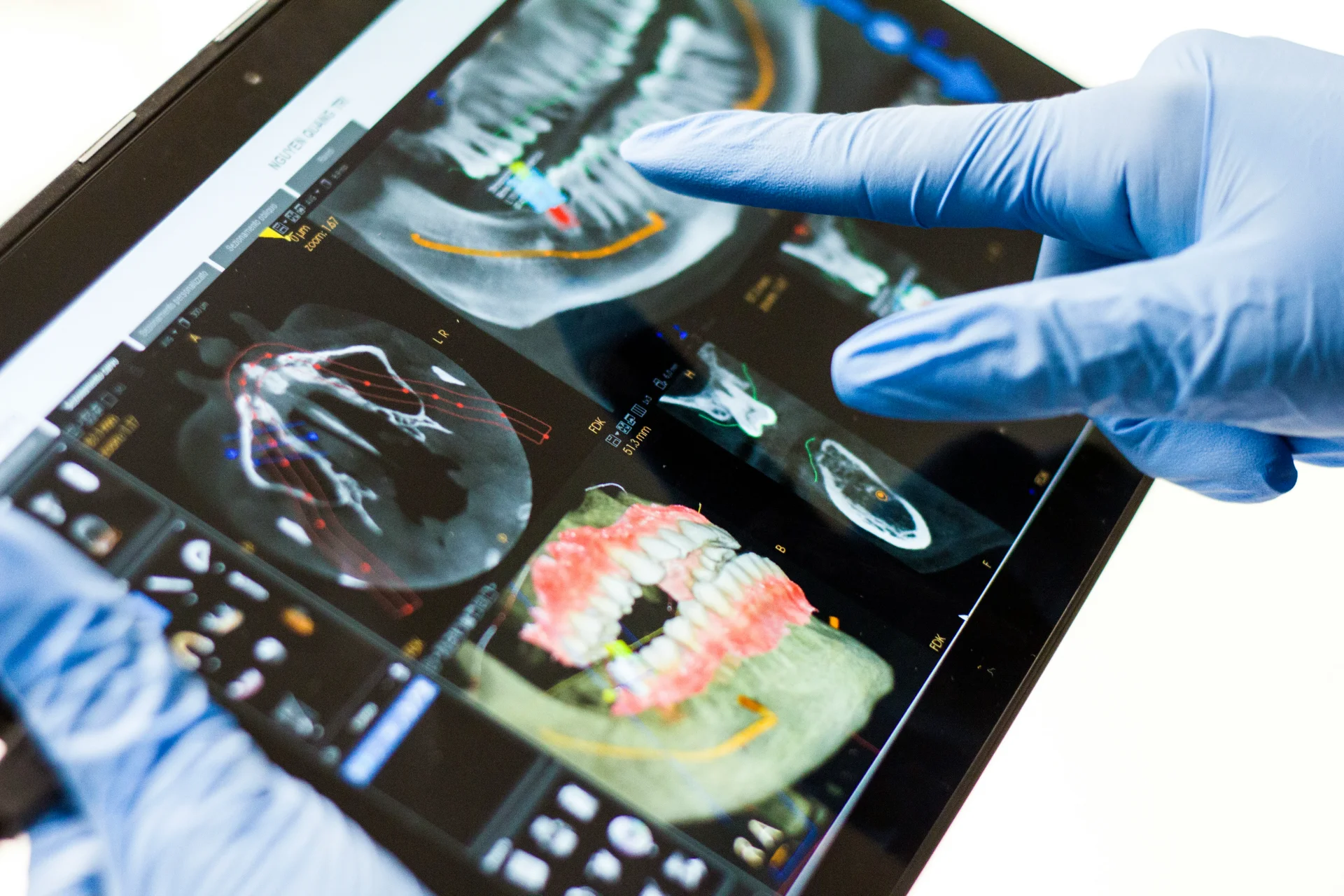
Picture a dental practice where cavity detection happens in seconds with 95% accuracy, where administrative tasks complete themselves, and where patients understand their treatment plans through crystal-clear AI-powered visuals. Artificial intelligence in dentistry has moved from experimental technology to practical reality, with recent studies showing AI diagnostic accuracy ranging from 82% to 95% across dental specialties.
The transformation extends beyond just improved diagnostics. Dental practices using AI report operational cost reductions of 20-30%, while patients experience faster appointments, earlier disease detection, and more personalized care. With 35% of dentists globally already implementing AI in their practices, this technology represents the most significant advancement in dentistry since digital X-rays.
This comprehensive guide explores how AI is reshaping dental care, from revolutionary diagnostic tools to practice management automation. Whether you're a dental professional considering AI adoption or a patient curious about these technologies, you'll discover the real-world applications, benefits, challenges, and future of artificial intelligence in dentistry.
What Is Artificial Intelligence in Dentistry?
Artificial intelligence in dentistry refers to computer systems that can perform tasks typically requiring human intelligence, including analyzing dental images, predicting treatment outcomes, and automating administrative workflows. Unlike traditional dental software that simply stores and displays information, AI actively learns from data patterns to make informed decisions and recommendations.
At its core, dental AI relies on machine learning, a subset of AI where algorithms improve through experience without explicit programming. Deep learning, an advanced form of machine learning, uses artificial neural networks inspired by the human brain to process complex data. Convolutional Neural Networks (CNNs) have proven particularly effective in dental applications, achieving accuracy rates of 93.1% in diagnostic tasks by recognizing patterns in radiographic images, much like the human eye identifies visual features.
The journey of AI in dentistry began with basic digital record-keeping systems in the 1980s. The real breakthrough came in the 2010s when advances in computing power and neural networks enabled sophisticated image analysis. Today, dental AI encompasses three main categories: diagnostic AI that identifies diseases in images, predictive analytics that forecast treatment outcomes, and automation tools that streamline practice operations.
How Does AI Work in Dental Practices?
Modern dental AI systems function by processing vast amounts of training data, such as thousands of annotated X-rays showing various dental conditions. The algorithms learn to recognize patterns associated with cavities, periodontal disease, or other issues. When presented with a new patient's radiograph, the system compares it against these learned patterns to identify potential problems, often highlighting areas of concern with color-coded overlays for the dentist to review.
Research demonstrates that AI systems can achieve sensitivity rates up to 98.85% and specificity rates up to 98.19% in cavity detection, meaning they correctly identify both diseased and healthy teeth with remarkable accuracy. This performance rivals or even exceeds traditional diagnostic methods, particularly for early-stage conditions that human eyes might miss.
Companies building or selling AI tools can validate demand and benchmark competitors through Dental Clarity, our dental market research service.
How AI Is Transforming Dental Care Today
The integration of AI across dental specialties has created tangible improvements in how dentists diagnose, plan, and deliver care. Current applications span the entire patient journey, from the moment someone books an appointment to years of ongoing oral health monitoring.
Diagnostic Imaging and Analysis
AI-powered diagnostic imaging represents one of the most mature and impactful applications in dentistry. These systems analyze radiographs in real-time as they're captured, instantly highlighting potential areas of concern before the dentist even reviews the image. The technology works seamlessly with existing imaging systems, requiring no additional hardware or workflow disruption.
For cavity detection, AI excels at identifying interproximal caries (cavities between teeth) that traditional visual inspection often misses until they're quite advanced. Studies show accuracy rates between 73.3% and 98.6% across different datasets, with AI systems reducing missed lesions by up to 31%. This early detection allows for conservative treatment options, potentially saving patients from more invasive procedures later.
Periodontal disease assessment has also benefited significantly from AI integration. Systems can measure bone loss with precision comparable to senior specialists, automatically tracking disease progression over time. Research comparing AI to human practitioners found that AI achieved a mean score of 6.12 in identifying teeth with attachment loss, compared to 5.43 for senior specialists, 4.58 for specialists, and 3.65 for general dentists.
Beyond routine diagnostics, AI assists with oral cancer screening by analyzing suspicious lesions in clinical photographs or radiographs. While not replacing traditional biopsy procedures, these tools help dentists decide when referrals to specialists are necessary. For implant planning, AI analyzes cone beam CT scans to identify optimal placement locations, assess bone density, and flag proximity to sensitive structures like nerves and sinuses.
Leading diagnostic platforms with FDA clearance include solutions from companies like Pearl, Overjet, VideaHealth, and DentalMonitoring. As of 2025, 44 dental AI devices have received FDA 510(k) clearance, with 18 new clearances granted in 2025 alone, reflecting rapid regulatory acceptance of these technologies.
Treatment Planning and Predictive Analytics
AI assists dentists in developing comprehensive treatment plans by analyzing patient data to predict outcomes and identify potential complications before they occur. In orthodontics, AI-powered systems simulate tooth movement and predict final results with 73% accuracy for treatment outcomes, helping both practitioners and patients visualize the end result before beginning treatment.
For restorative procedures, AI evaluates factors like bite force distribution, material stress, and anatomical constraints to recommend optimal approaches. These systems consider variables that even experienced dentists might overlook, leading to more durable and comfortable restorations. In endodontics, AI helps estimate root canal lengths and predict treatment success rates based on radiographic characteristics and patient history.
Risk assessment represents another powerful application. By analyzing comprehensive patient data, including medical history, genetics, lifestyle factors, and past dental records, AI can predict which patients face elevated risks for cavities, gum disease, or implant failure. This enables targeted preventive interventions for high-risk individuals while avoiding unnecessary treatments for low-risk patients.
Practice Management and Administrative AI
Beyond clinical applications, AI transforms the business side of dental practices by automating time-consuming administrative tasks. Dental practices report saving up to 25% in operational costs through AI-powered chatbots and virtual assistants that handle appointment scheduling, reminders, and basic patient inquiries 24/7.
Appointment scheduling optimization uses AI to analyze historical patterns, predicting which patients are likely to cancel or no-show. The system can automatically overbook strategically, send personalized reminders at optimal times, and suggest the best scheduling slots based on procedure type and patient preferences. This reduces gaps in the schedule and maximizes practice productivity.
Insurance verification and claims processing benefit enormously from automation. AI systems can check insurance eligibility in seconds, predict claim denial likelihood, and correct coding errors before submission. Practices using AI billing systems report 40% faster processing times and 15% reduction in billing errors, directly improving cash flow.
Patient communication has evolved through AI-powered tools that send personalized treatment education, post-operative care instructions, and follow-up messages. These systems adapt messaging based on patient engagement levels, using the communication channels each patient prefers. Natural language processing enables AI to draft patient-friendly explanations of complex procedures, ensuring better understanding and compliance.
Inventory management and supply ordering become proactive rather than reactive with AI systems that track usage patterns and predict needs. The technology can automatically reorder supplies before they run out, negotiate optimal pricing, and identify cost-saving opportunities without manual intervention.
Robotics and Procedural Assistance
While still in relatively early stages, robotic systems guided by AI are beginning to assist with complex dental procedures requiring extreme precision. Robot-assisted implant placement uses data from 3D imaging to guide drilling with sub-millimeter accuracy, reducing surgical complications and improving long-term success rates.
In endodontics, AI-guided systems help navigate intricate root canal systems, adapting to the unique anatomy of each tooth. The technology provides real-time feedback during procedures, alerting practitioners to potential issues before they become problems. Studies show that robotic-assisted procedures have reduced errors by 20% and decreased operation times by 15% in clinical trials.
Current robotic systems always operate under direct human supervision. The technology serves as a precision tool that enhances the dentist's capabilities rather than replacing their judgment and manual skills. Regulatory frameworks require human oversight for all patient care, and this requirement is unlikely to change in the foreseeable future.
Key Advantages of AI in Dental Practices
The integration of AI delivers measurable benefits across three stakeholder groups: dental professionals, patients, and practice operations. These advantages extend beyond simple efficiency gains to fundamentally improve the quality and accessibility of dental care.
For Dental Professionals
Enhanced diagnostic accuracy stands as perhaps the most compelling benefit for dentists. Meta-analysis of 12 low-bias reviews showed AI diagnostic accuracy ranging from 82% to 95% across dental specialties, with a pooled sensitivity of 0.85 and a specificity of 0.93. This means fewer missed diagnoses and reduced false positives, leading to more appropriate treatment decisions.
AI significantly reduces time spent on administrative tasks, freeing dentists to focus on direct patient care. Documentation that once took 15-20 minutes per patient now completes in under five minutes with AI-powered voice recognition and automated clinical note generation. This time savings addresses a major contributor to professional burnout.
Treatment outcome predictions provide dentists with data-driven confidence when discussing options with patients. Rather than relying solely on experience and intuition, practitioners can show patients the statistical likelihood of success, potential complications, and long-term prognosis based on thousands of similar cases analyzed by AI.
Continuing education happens organically as AI systems expose dentists to best practices and cutting-edge techniques. When AI suggests alternative approaches or identifies patterns a dentist might not have noticed, it creates learning opportunities that enhance clinical skills over time.
For Patients
Earlier disease detection translates directly to better outcomes and reduced treatment costs. AI identifies cavities at their earliest stages when minimally invasive treatments suffice, rather than after they've progressed to require crowns or root canals. For oral cancer, early detection can literally be lifesaving.
More accurate diagnoses mean patients receive appropriate treatment the first time, avoiding the frustration and expense of failed procedures or misdiagnosed conditions. The confidence that comes from AI-verified diagnoses also reduces anxiety and increases trust in their dental provider.
Personalized treatment plans consider each patient's unique anatomy, risk factors, and preferences rather than applying one-size-fits-all protocols. AI analyzes individual characteristics to recommend approaches most likely to succeed for that specific person, improving both outcomes and satisfaction.
Research shows that 85% of patients respond that they would be more likely to accept treatment if oral disease were clearly presented with AI annotations. The visual aids generated by AI systems help patients understand their conditions and the necessity of recommended treatments, leading to higher case acceptance rates.
Reduced treatment time benefits patients both financially and practically. AI-optimized scheduling ensures shorter wait times, while procedural assistance from robotic systems can reduce chair time for complex treatments. Faster, more efficient care means less time away from work or other obligations.
For Practice Operations
Increased efficiency manifests in every aspect of practice operations. AI has reduced diagnostic times by up to 50%, allowing practices to see more patients without sacrificing quality. Administrative automation handles tasks that previously required dedicated staff hours.
Better resource allocation emerges from AI-driven analytics that identify bottlenecks, optimize provider schedules, and predict equipment maintenance needs. Practices can make data-informed decisions about hiring, equipment purchases, and service offerings rather than relying on guesswork.
Improved patient satisfaction scores result from shorter wait times, better communication, more successful treatments, and the perception that the practice employs cutting-edge technology. Higher satisfaction drives positive reviews, referrals, and patient retention.
Competitive advantage in crowded markets goes to practices that can demonstrate superior outcomes and patient experience. AI adoption signals commitment to excellence and positions practices as innovative leaders in their communities.
Data-driven decision-making replaces intuition-based management. AI systems provide detailed analytics on everything from procedure profitability to patient acquisition costs, enabling practice owners to optimize operations continuously.
Current Challenges in AI Dental Implementation
Despite its considerable benefits, AI adoption in dentistry faces several obstacles that practices must carefully consider and address before implementation.
Financial and Training Barriers
High initial investment costs present a significant hurdle, particularly for small and solo practices. While AI subscription services for diagnostic support might range from $50-200 per month, comprehensive practice management AI systems can cost thousands of dollars in initial setup fees plus ongoing monthly costs. Hardware requirements, such as compatible imaging systems or servers for on-premise AI, add to these expenses.
Return on investment timelines vary considerably. Some practices report recouping AI costs within 6-12 months through increased case acceptance and improved efficiency, while others experience longer payback periods depending on patient volume and implementation success.
Learning curves for staff training shouldn't be underestimated. Even user-friendly AI systems require time for teams to master. Initial productivity may actually decrease during the transition period as staff adapt to new workflows. Comprehensive training programs, ongoing support, and patience are essential for successful adoption.
Technical and Integration Challenges
Data privacy and security concerns loom large when implementing AI systems that process sensitive patient information. Practices must ensure AI vendors comply with HIPAA regulations and maintain robust cybersecurity measures. Questions about data ownership, storage locations, and third-party access require careful contractual attention.
Integration with existing systems poses technical challenges. Not all AI solutions work seamlessly with every practice management software or imaging system. Some practices discover compatibility issues only after purchase, requiring additional investments in interfaces or even system replacements. Due diligence during vendor selection helps avoid these pitfalls.
Regulatory considerations continue evolving as regulatory bodies adapt to AI technologies. While FDA clearance provides confidence in safety and effectiveness, new AI features or updates may require additional regulatory submissions. International practices face varying regulatory landscapes across different jurisdictions.
Clinical and Ethical Considerations
Limited evidence base for some applications means dentists must exercise caution when relying on AI recommendations. While diagnostic imaging AI has substantial research support, newer applications like predictive analytics or treatment simulation have less extensive validation. Critical evaluation of the evidence supporting specific AI claims is essential.
Need for human oversight remains paramount. AI serves as a decision support tool, not a replacement for clinical judgment. Dentists bear ultimate responsibility for diagnoses and treatment decisions, regardless of AI input. Over-reliance on AI recommendations without independent verification poses risks to patient safety.
Potential for bias in training data represents a subtle but important concern. If AI systems train primarily on data from certain demographic groups, they may perform less accurately for underrepresented populations. Dentists should understand the diversity of training data used by their AI tools and remain alert for unexpected patterns.
Algorithm transparency varies between vendors. Some systems operate as "black boxes" where the reasoning behind recommendations isn't accessible to users. Others provide explainable AI that shows which factors influenced each decision. Greater transparency enables dentists to better evaluate and trust AI output.
Leading AI Solutions in Dentistry
The dental AI marketplace has matured significantly, with numerous proven solutions now available across different categories. Understanding the landscape helps practices identify tools that address their specific needs.
Diagnostic AI Platforms
Dental imaging AI represents the most established category, with platforms like Pearl's Second Opinion, Overjet, VideaHealth's Videa Dental AI, and Relu offering FDA-cleared diagnostic capabilities. These systems integrate with existing imaging software to provide real-time analysis of periapical, bitewing, and panoramic radiographs.
Pearl stands out as the first dental AI company cleared by the FDA for both 2D and 3D imaging, with its Second Opinion platform deployed in over 100 countries. The company's recent clearance for panoramic radiograph analysis expands its already comprehensive diagnostic capabilities.
VideaHealth's platform includes over 30 AI algorithms that detect virtually every common dental disease, positioning it as one of the most comprehensive diagnostic solutions available. The system integrates directly into major imaging platforms through partnerships with manufacturers.
Practice Management AI
Solutions like Dentrix Detect AI (powered by VideaHealth) integrate diagnostic AI directly into practice management workflows, eliminating the need for separate systems. Denota.ai focuses specifically on clinical documentation, converting voice inputs or shorthand notes into complete clinical records with pricing starting around $49 per month.
Administrative AI tools from providers like Simbo AI and Thoughtful.ai automate phone answering, appointment scheduling, insurance verification, and claims processing. Practices using these tools report reducing administrative expenses significantly while improving patient communication.
Patient Engagement Tools
AI-powered patient communication platforms send automated appointment reminders, treatment education, and post-operative instructions tailored to individual patient needs. ChatGPT and similar language models help practices generate patient-friendly explanations, consent forms, and educational materials quickly.
Smile simulation software like PreVu Dental uses AI to show patients potential outcomes from cosmetic procedures, dramatically improving case acceptance for elective treatments. These visualization tools transform abstract treatment discussions into concrete, personalized previews.
Selection Criteria for AI Software
When evaluating AI dental solutions, practices should assess several factors: clinical validation through peer-reviewed research or FDA clearance, integration capabilities with existing systems, total cost of ownership including training and support, vendor reputation and longevity, data security and HIPAA compliance, and quality of customer support and training resources.
Requesting demonstrations, speaking with current users, and starting with pilot programs before full commitment can reduce implementation risks. Many vendors offer free trials or money-back guarantees that allow practices to evaluate effectiveness before long-term commitments.
AI in Action: Dental Practice Success Stories
Real-world implementations demonstrate how different practice types successfully integrate AI to achieve measurable improvements.
Large Practice Network Implementation
A 25-location dental service organization implemented Overjet's diagnostic AI across all practices to standardize care quality and improve patient communication. Within 12 months, the network reported a 28% increase in treatment case acceptance rates, attributed largely to AI-enhanced patient education visuals that made conditions and treatment needs more understandable.
The diagnostic consistency achieved across locations proved particularly valuable. Previously, similar cases might have received different diagnoses depending on which location or dentist examined them. AI provided a standardized baseline that reduced variation while still allowing clinical judgment on individual cases.
Revenue impacts exceeded expectations, with the network calculating that improved case acceptance generated an additional $850,000 in annual treatment revenue across all locations. This far exceeded the annual AI subscription costs, delivering a strong return on investment.
Solo Practitioner Efficiency Gains
Dr. Sarah Chen, a solo general dentist in suburban California, adopted AI-powered scheduling and patient communication tools to address administrative burden without hiring additional staff. The AI virtual assistant handled appointment scheduling, reminders, and basic patient questions, reducing phone traffic during clinical hours.
Within six months, no-show rates dropped from 12% to 5%, filling schedule gaps that previously cost the practice approximately $2,000 monthly in lost productivity. Dr. Chen reported spending 30% less time on administrative tasks, allowing her to add two additional patient appointments daily without extending office hours.
The practice's Google reviews improved significantly, with patients commenting positively on prompt appointment confirmation, helpful reminders, and feeling that the practice was technologically advanced and patient-focused.
Academic Research Application
Researchers at a dental school implemented AI diagnostic tools in their clinic to study the impact on student learning and patient outcomes. The AI system provided real-time feedback to students on their diagnostic interpretations, essentially offering a second opinion during training.
Study results showed that students using AI assistance achieved diagnostic accuracy comparable to experienced practitioners by their third year, rather than the typical fourth or fifth year. This accelerated learning curve suggests AI could enhance dental education while ensuring patient care quality in academic settings.
Patient outcomes improved measurably, with early caries detection increasing by 34% compared to pre-AI implementation. This led to more conservative treatments and better long-term oral health for the clinic's patient population.
What's Next for AI in Dental Care?
The trajectory of AI development suggests several transformative changes on the horizon that will further reshape dental practice within the next 5-10 years.
Emerging Technologies
Predictive and preventive care evolution will shift dentistry's focus from treating problems to preventing them. Advanced AI systems will analyze longitudinal patient data, genetic markers, lifestyle factors, and microbiome composition to predict oral disease risk years in advance. Personalized prevention protocols will target interventions to each patient's specific vulnerabilities.
AI-powered personalized oral health monitoring through consumer devices represents another frontier. Smart toothbrushes already collect data on brushing habits, but future iterations will use cameras and sensors to detect early signs of disease, automatically alerting patients and dentists to potential problems between visits.
Integration with wearable devices will connect oral health to systemic health monitoring. AI systems will correlate data from dental devices with sleep trackers, glucose monitors, and other health metrics to identify connections between oral conditions and overall wellness. This holistic approach could reveal important insights about conditions like diabetes, cardiovascular disease, and inflammatory disorders.
Teledentistry enhanced by AI will extend specialist-level care to underserved areas. Remote diagnostic AI can provide initial screening and triage, with human dentists reviewing cases and providing guidance. This hybrid model could address dental care deserts while making efficient use of limited practitioner time.
Procedural Automation Advances
Fully automated procedures remain decades away if they prove feasible at all, but semi-autonomous systems will continue advancing. Within 5-10 years, robotic assistance for routine procedures like cavity preparation or crown placement could become more common, though always under direct dentist supervision.
AI-guided surgical navigation will likely advance significantly, using real-time imaging and predictive modeling to guide implant placement, wisdom tooth extraction, and other surgical procedures with unprecedented precision. These systems will adapt dynamically to anatomical variations encountered during surgery.
Professional Role Evolution
Dental professionals' roles will evolve toward higher-value activities that truly require human judgment, empathy, and manual skills. As AI handles more routine tasks, dentists will focus increasingly on complex cases, patient relationships, and ethical decision-making that machines cannot replicate.
Expert consensus emphasizes that "AI will not replace dentists; it will help make their clinical outcomes more predictable." The most successful practitioners will be those who effectively integrate AI tools while maintaining the human elements of care that patients value.
Educational requirements for dental professionals will necessarily evolve to include AI literacy. Future dentists will need to understand how AI systems work, when to trust their recommendations, and how to communicate AI-informed insights to patients. Dental schools are already beginning to incorporate AI education into curricula.
Patient experience transformations will continue as AI enables more efficient, comfortable, and personalized care. Virtual reality combined with AI could revolutionize patient anxiety management, while AI-optimized treatment sequencing might reduce the number of visits required for c
How to Implement AI in Your Dental Practice
Successfully integrating AI requires thoughtful planning and execution. Following a structured approach increases the likelihood of achieving desired outcomes.
First, assess your practice needs and pain points. Identify specific challenges AI might address: missed diagnoses, scheduling inefficiencies, low case acceptance, administrative burden, or staff burnout. Prioritize problems based on impact and feasibility, focusing on areas where AI solutions are most mature.
Second, research available solutions for your specific challenges. Consult with peers who have implemented AI, attend dental technology conferences, and request demonstrations from multiple vendors. Evaluate solutions based on clinical validation, ease of integration, total cost, vendor reputation, and alignment with your practice culture.
Third, calculate ROI and budget considerations. Project costs include subscription fees, implementation expenses, training, and ongoing support. Estimate potential benefits such as increased case acceptance, improved scheduling efficiency, reduced staffing needs, and enhanced patient satisfaction. Build a realistic timeline for achieving return on investment.
Fourth, start with one area rather than attempting a comprehensive transformation immediately. Diagnostic imaging AI or automated appointment reminders represent good starting points with clear benefits and minimal workflow disruption. Success in one area builds confidence and buy-in for expanding AI use.
Fifth, ensure proper training and support for all team members who will interact with AI systems. Schedule dedicated training time, create reference materials, and establish clear protocols for using AI in daily workflows. Designate an "AI champion" on staff to serve as a go-to resource for questions.
Sixth, monitor results and adjust implementation as needed. Track metrics established during planning to assess whether AI delivers expected benefits. Gather feedback from staff and patients about their experiences with the technology. Be prepared to modify workflows, adjust settings, or even switch vendors if initial results disappoint.
Seventh, expand implementation gradually as competence and confidence grow. Add new AI tools or extend existing ones to additional use cases. This iterative approach maintains momentum while preventing team overwhelm and allowing for continuous learning.
Bottom Line
Artificial intelligence has transformed from experimental technology to an essential tool in modern dentistry. With diagnostic accuracy ranging from 82% to 95%, operational cost reductions of 20-30%, and adoption rates reaching 35% of dentists globally, AI has proven its value across diverse practice settings.
The technology delivers measurable benefits for all stakeholders. Dental professionals gain enhanced diagnostic capabilities, reduced administrative burden, and data-driven confidence in treatment planning. Patients experience earlier disease detection, more personalized care, and improved treatment outcomes. Practices achieve greater efficiency, better resource allocation, and competitive advantage.
Challenges remain, including initial investment costs, integration complexities, and the need for ongoing human oversight. Yet these obstacles are steadily diminishing as AI technology matures, costs decrease, and best practices emerge. The question for dental professionals is no longer whether to adopt AI but rather when and how to integrate it strategically.
The future of dentistry will undoubtedly involve deeper AI integration, from predictive preventive care to sophisticated robotic assistance. Rather than replacing dentists, this technology will amplify their capabilities, allowing them to focus on the uniquely human aspects of patient care while AI handles routine tasks with superhuman speed and accuracy.
For practices ready to take the next step, numerous proven AI solutions now offer low-risk entry points. Starting with diagnostic assistance or administrative automation can deliver quick wins that build momentum for broader implementation. The most successful practices will be those that thoughtfully integrate AI while maintaining the empathy, judgment, and manual skills that make dentistry both an art and a science.
The AI revolution in dentistry has arrived. The only question remaining is how quickly your practice will join it.
Frequently Asked Questions
What is AI in dentistry?
AI in dentistry refers to computer systems that use machine learning and deep learning algorithms to analyze dental images, predict treatment outcomes, and automate practice workflows. Unlike traditional dental software, AI actively learns from data patterns to identify cavities, periodontal disease, and other conditions with 82-95% accuracy. Modern dental AI includes diagnostic imaging tools, treatment planning assistants, and practice management automation that improve both clinical outcomes and operational efficiency.
How accurate is AI for dental diagnosis?
AI dental diagnosis achieves accuracy rates between 82-95% across different specialties, according to a meta-analysis of peer-reviewed studies. For cavity detection specifically, AI systems demonstrate 73.3-98.6% accuracy depending on the algorithm and imaging type, with a pooled sensitivity of 0.85 and a specificity of 0.93. AI performs comparably to senior specialists in periodontal disease assessment and can detect early-stage conditions that human eyes might miss. However, accuracy depends on image quality, proper calibration, and human verification remains essential for patient safety.
Will AI replace dentists?
No, AI will not replace dentists. Dental care requires manual dexterity, tactile feedback, emotional intelligence, and complex clinical judgment that AI cannot replicate. The American Dental Association confirms AI will augment dentists, not replace them, by handling routine tasks while professionals focus on complex cases and patient relationships. Regulatory frameworks require human oversight for all patient care, and this is unlikely to change. AI serves as a decision support tool that enhances dentists' capabilities rather than substituting for their expertise.
What are the benefits of AI in dental practices?
AI benefits dental practices through enhanced diagnostic accuracy (82-95%), operational cost reductions of 20-30%, and improved patient outcomes. Dentists save time on administrative tasks, achieve earlier disease detection, and make more confident treatment decisions. Patients experience 28% higher case acceptance when AI visualizations explain conditions clearly. Practice operations improve through automated scheduling, reduced no-shows (from 12% to 5% in documented cases), faster billing, and optimized resource allocation. AI also reduces staff burnout by handling repetitive tasks.
How much does AI dental technology cost?
AI dental technology costs range from $50-500 monthly, depending on capabilities and practice size. Basic diagnostic AI subscriptions start at $50-200 per month for cavity detection, while comprehensive platforms cost $300-500 monthly. Practice management AI with scheduling and billing automation typically runs $100-400 per month. One-time implementation costs range from minimal for cloud solutions to $5,000-15,000 for complex integrations. Most practices report ROI within 6-12 months through increased case acceptance and improved efficiency.
Is AI dental diagnosis safe?
Yes, AI dental diagnosis is safe when used as a decision support tool under professional supervision. FDA-cleared dental AI systems must demonstrate safety and effectiveness before market release, with 44 devices cleared as of 2025. AI doesn't make final diagnostic decisions; it highlights areas of concern for the dentist's review. The technology enhances rather than replaces human judgment, reducing missed diagnoses while maintaining safety standards. Dentists retain full responsibility for patient care and must verify all AI findings before treatment.
How is AI used in dentistry today?
AI is used in dentistry for diagnostic imaging analysis (detecting cavities, periodontal disease, and oral cancer), treatment planning and outcome prediction, practice management automation (scheduling, reminders, billing), patient communication, and robot-assisted procedures. Specific applications include AI-powered X-ray interpretation that highlights problem areas in real-time, orthodontic treatment simulation, automated insurance verification, predictive analytics for disease risk, and implant placement guidance. Over 35% of dentists globally now use some form of AI in their practices.