How Much Does Dental Deep Cleaning Cost in the US?
A dental deep cleaning is one of those procedures that catches many patients off guard, especially when they see the price. Unlike a routine prophylaxis cleaning, which removes...
Written by Maren Solvik
Read time: 6 min read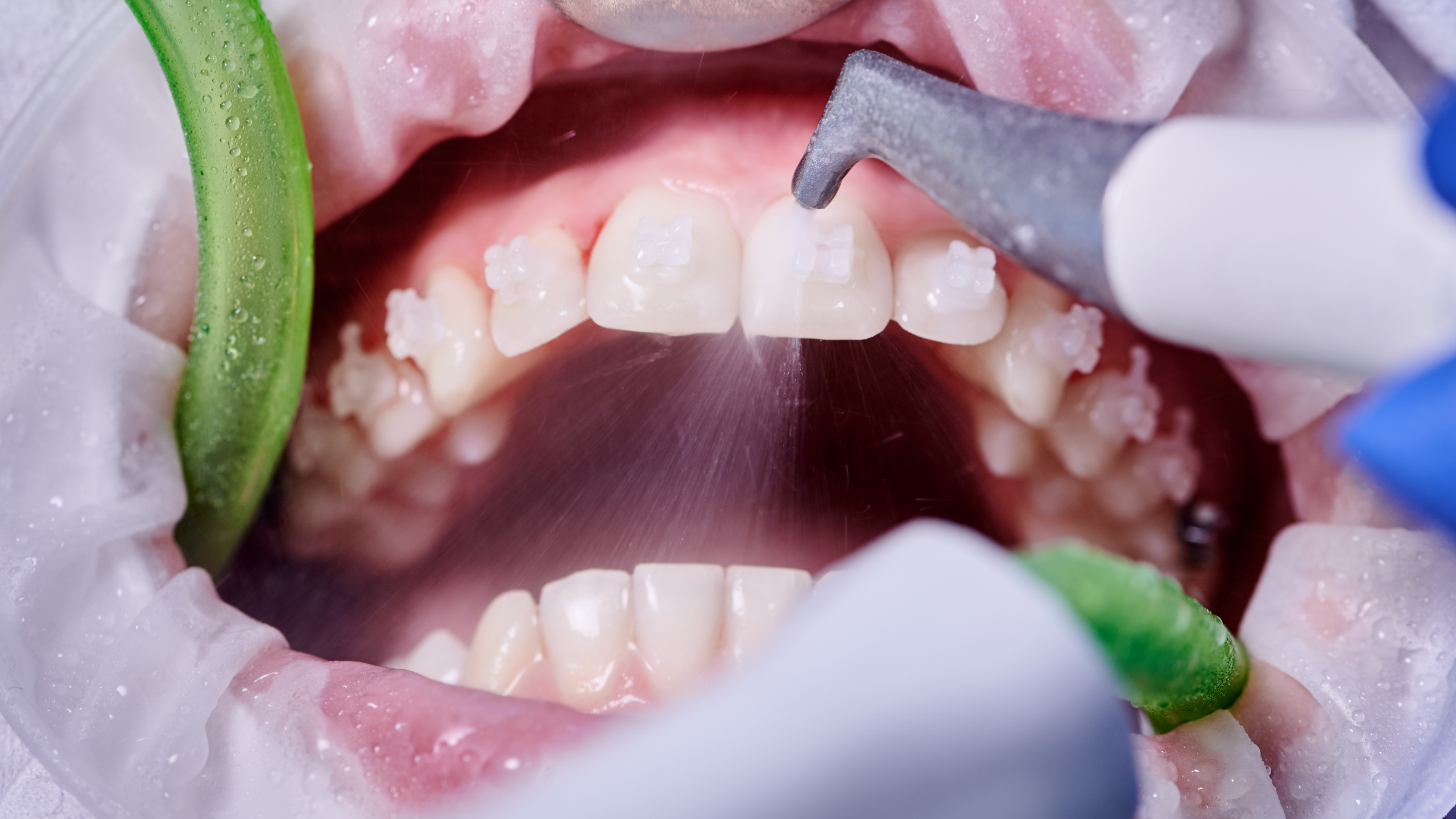
A dental deep cleaning is one of those procedures that catches many patients off guard, especially when they see the price. Unlike a routine prophylaxis cleaning, which removes surface plaque and tartar, a deep cleaning goes below the gumline to address or prevent gum disease. Dentists and periodontists typically recommend it when periodontal pocket depths exceed 4 millimeters, indicating that bacteria have migrated into areas that regular brushing and standard professional cleanings cannot reach.
The cost of a dental deep cleaning, formally called scaling and root planing, varies more than most patients expect. Geographic location, insurance coverage, the number of quadrants treated, and the type of provider all play significant roles. Understanding what drives these numbers helps with planning and budgeting alike. This guide covers average prices across the US, breaks down what insurance typically covers, compares costs across provider types, and outlines practical steps for managing the expense.
TL;DR
The average cost of dental deep cleaning per quadrant in the US ranges from $150 to $400 without insurance, and from $75 to $200 with insurance coverage.
A full-mouth treatment covering all four quadrants typically costs $600 to $1,600 without insurance.
Dental insurance commonly covers 50 to 80 percent of the cost after the deductible is met.
Affordable alternatives include dental school clinics, federally qualified health centers, dental discount plans, and in-office financing programs.
What Is a Dental Deep Cleaning?
The term "deep cleaning" describes a non-surgical periodontal procedure targeting bacteria and deposits below the gumline. Understanding exactly what the procedure involves helps clarify its cost structure and why it is priced differently from a standard cleaning.
A dental deep cleaning consists of two connected steps: scaling and root planing. Scaling removes plaque, tartar (calculus), and bacterial deposits from tooth surfaces and from inside the periodontal pockets that form when gums separate from the teeth. Root planing follows, smoothing the root surfaces to discourage bacteria from re-adhering and to help gum tissue reattach to the tooth. The procedure is performed under local anesthesia to keep the patient comfortable, and the mouth is divided into four quadrants – upper right, upper left, lower right, and lower left with treatment typically completed across one or two appointments.
A routine prophylaxis cleaning only addresses surfaces above and just at the gumline. Periodontal probing during an examination triggers the recommendation for deep cleaning when pocket depths measure 4 millimeters or more. Patients presenting with bleeding gums, gum recession, loose teeth, or persistent bad breath may also be candidates.
The dental team uses specialized instruments, including dental curettes and ultrasonic scalers, to access subgingival deposits that no amount of at-home hygiene can dislodge. According to the American Academy of Periodontology, scaling and root planing are the most widely recommended first-line non-surgical treatments for periodontitis.
How Much Does a Dental Deep Cleaning Cost?
This is the section most readers come here for. Pricing should be treated as a range and a starting point rather than a fixed figure, because actual charges vary by region, provider, insurance status, and the extent of disease present.
Average Cost Per Quadrant
The mouth is divided into four quadrants, and deep cleaning is charged per quadrant. The number of quadrants requiring treatment depends on how widespread the gum disease is. According to research conducted by ASQ360° on behalf of
According to research conducted by ASQ360° on behalf of CareCredit, the average cost of scaling and root planing per quadrant in the US is $242, with a range of $185 to $444. WebMD, in a medically reviewed article, places the broader range at $150 to $350 per quadrant without insurance. Delta Dental puts the average without dental benefits at $180 to $295 per quadrant.
These ranges reflect general national averages. Costs in major metropolitan areas such as New York City, San Francisco, or Boston tend to sit toward the higher end, while rural and smaller suburban markets are typically lower.
Scenario | Estimated cost range |
Per quadrant (without insurance) | $150 – $400 |
Two quadrants (without insurance) | $300 – $800 |
Full mouth – 4 quadrants (without ins.) | $600 – $1,600 |
Local anesthesia (billed separately) | $50 – $100 additional |
Laser-assisted deep cleaning per quadrant | $500 – $1,000 |
Periodontal maintenance visit (follow-up) | $100 – $300 |
Sources: CareCredit/ASQ360° (2024), Delta Dental, Authority Dental, WebMD. Ranges reflect national averages and vary by region and provider.
Deep Cleaning Cost With and Without Insurance
Understanding how dental insurance applies to scaling and root planing requires familiarity with how insurers classify dental procedures. This section explains coverage tiers, typical out-of-pocket figures, and what to verify before scheduling treatment.
Most dental insurance plans organize procedures into three categories: preventive (covered at 80 to 100 percent), basic (covered at 70 to 80 percent), and major (covered at 50 percent). Scaling and root planing is typically classified as either a basic or a periodontal service, covered at 50 to 80 percent after the annual deductible. CareCredit notes that since deep cleaning is medically necessary for treating gum disease, most plans do extend coverage once the treating dentist provides documentation – typically periodontal charting, probing depths, and radiographs demonstrating disease severity.
Many plans carry annual maximums between $1,000 and $2,000. This is relevant for patients who need all four quadrants treated within the same plan year. A commonly used strategy is completing two quadrants in December and the remaining two in January, splitting the charges across two benefit periods. Patients should also check for waiting periods, as some plans impose a 6-to-12-month waiting period before covering periodontal services.
Insurance coverage level | Estimated patient cost, full mouth (4 quadrants) |
No insurance | $600 – $1,600 |
Insurance covers 50% | $300 – $800 |
Insurance covers 70% | $180 – $480 |
Insurance covers 80% | $120 – $320 |
Dental discount plan (20–50% savings) | $300 – $960 |
Estimates based on a full-mouth cost of $600 – $1,600. Actual figures vary by plan, deductible status, and provider network.
For a side-by-side comparison of major dental plans and their periodontal benefits, the best dental insurance companies in the US guide cover the leading options. Patients with Delta Dental coverage can also review what Delta Dental insurance covers to understand exactly how scaling and root planing fit within their specific benefits structure.
Cost of Dental Deep Cleaning by Provider Type and Location
The type of dental provider has a significant effect on the price a patient pays for scaling and root planing. The same procedure can cost markedly less at a dental school than at a periodontal specialty practice.
Provider Type Comparison
General dentists and dental hygienists handle the majority of scaling and root planing cases, particularly for moderate periodontal disease. Periodontists, specialists with three additional years of post-dental training in gum disease, handle advanced or complex cases and generally charge more. Dental chains like Aspen Dental often advertise competitive pricing, though rates vary significantly by location. Dental school clinics offer the lowest prices, with procedures performed by supervised dental students. Federally qualified health centers (FQHCs) operate on an income-based sliding scale, making them a realistic option for patients without insurance.
Provider type | Typical cost per quadrant | Notes |
General dentist – private practice | $200 – $400 | Most common option |
Periodontist specialist | $300 – $500 | Recommended for advanced cases |
Dental chain (e.g., Aspen Dental) | $150 – $300 | Varies significantly by location |
Dental school clinic | $75 – $150 | Supervised students – longer appointments |
FQHC – federally qualified health center | $0 – $150 | Sliding scale fees based on income |
Sources: Authority Dental, WebMD, Delta Dental. Figures are national estimates and vary by market.
How Location Affects Deep Cleaning Prices
Urban areas, particularly high-cost-of-living cities, price dental procedures at a consistent premium compared to suburban and rural markets. A quadrant of deep cleaning in Manhattan or San Francisco can reach $400 to $500, while the same procedure in a mid-sized midwestern city might cost $175 to $250. CareCredit's 2024 research, which surveyed pricing across all 50 states, confirms wide variation – some states average below $200 per quadrant while others exceed $300.
What Factors Influence Deep Cleaning Procedure Prices?
Several variables drive the final cost of a teeth deep cleaning beyond the base per-quadrant rate. Knowing these factors helps patients ask the right questions when requesting a price estimate.
The severity of gum disease is the most direct driver. Patients with deep periodontal pockets, significant bone involvement, or heavy calculus accumulation require more clinical time and more complex instrumentation, which increases the fee. The number of quadrants involved directly multiplies the base price – a patient needing only two quadrants treated pays roughly half the cost of a full-mouth case.
Geographic location affects practice overhead and, therefore, pricing, as noted above. Provider type matters considerably: a periodontist brings specialized expertise that a general practice may not have, particularly for advanced or surgical-adjacent cases.
The use of adjunct treatments adds cost beyond the base procedure. Local anesthesia is standard but may be billed separately at some practices. Antibiotic microspheres (such as PerioChip or Arestin, placed directly into pockets after cleaning) typically add $50 to $150 per tooth. Diagnostic imaging required before treatment – primarily bite-wing and periapical radiographs – contributes to the total visit cost if not covered under a separate diagnostic benefit. Advances in dental hygiene technology, including piezoelectric ultrasonic scalers and enhanced visualization tools, have improved the precision of deep cleaning, though practices investing in newer equipment may reflect that in their fees.
Laser-Assisted Deep Cleaning: Is It Worth the Extra Cost?
Laser-assisted scaling and root planing, most notably the LANAP (Laser-Assisted New Attachment Procedure) protocol, has gained traction as a less invasive alternative to conventional periodontal treatment. Rather than relying solely on hand instruments and ultrasonic scalers, LANAP uses a specific wavelength laser to target diseased tissue while leaving healthy tissue intact.
The claimed clinical benefits include reduced postoperative pain, faster tissue healing, less bleeding during the procedure, and, in some cases, improved attachment levels compared to traditional scaling alone. The American Academy of Periodontology acknowledges laser use in periodontal treatment as an adjunct therapy, though evidence for its superiority over traditional scaling and root planing remains mixed and continues to be studied.
The cost premium for laser-assisted treatment is meaningful. Laser deep cleaning typically ranges from $500 to $1,000 per quadrant, compared to $150 to $400 for conventional methods. A full-mouth laser treatment can therefore cost $2,000 to $4,000 without insurance, and most dental plans do not cover the laser premium separately from standard scaling and root planing codes. For patients with moderate gum disease, traditional scaling and root planing performed by a skilled clinician delivers excellent outcomes at a fraction of the cost. Patients with more advanced disease, high sensitivity to conventional instruments, or slower healing may find the additional expense justified after discussing the options with their periodontist.
How to Find Affordable Deep Dental Cleaning Services Near You
The cost of scaling and root planing can feel prohibitive, but there are several practical avenues for reducing the financial burden without delaying necessary treatment. Gum disease does not resolve on its own, and postponing care typically leads to more extensive and expensive intervention later.
Dental school clinics represent the most consistent source of lower-cost periodontal treatment in the US. Schools accredited by the Commission on Dental Accreditation (CODA) provide supervised student treatment at significantly reduced rates. Appointments are longer than private-practice visits, as students work under faculty supervision, but the standard of care meets the same clinical criteria. Most major metropolitan areas have at least one dental school clinic.
Federally qualified health centers (FQHCs) operate on a sliding fee scale based on household income, making them accessible to patients without insurance or on limited incomes. The Health Resources and Services Administration (HRSA) maintains a clinic finder at findahealthcenter.hrsa.gov to locate nearby FQHCs.
Dental discount plans, such as Careington or networks available through DentalPlans.com, provide discounts of 20 to 50 percent at participating dentists in exchange for an annual membership fee. Unlike insurance, there are no annual maximums, no waiting periods, and no claim forms. The plan activates immediately after enrollment, making it a practical solution for patients who need treatment without delay.
Negotiating a self-pay rate directly with a dental office is also worth attempting. Many practices offer a discount of 10 to 20 percent for patients paying in full at the time of service, and some have an in-house membership plan bundling exams and cleanings for an annual fee. Many dental offices now offer online scheduling with upfront price estimates or provide free periodontal consultations. Calling ahead to ask about CDT codes D4341 (scaling and root planing, four or more teeth per quadrant) and D4342 (one to three teeth per quadrant) allows a direct fee comparison across multiple offices.
Payment Plans and Financing Options for Dental Deep Cleaning
For patients managing the full cost of deep cleaning out of pocket, several financing tools are available. Delaying treatment due to cost tends to result in more advanced gum disease and eventually more expensive interventions, so exploring all available options is strongly encouraged.
CareCredit is the most widely accepted dental financing option in the US. It functions as a healthcare credit card accepted at hundreds of thousands of dental offices and offers promotional periods with deferred interest, typically 6 to 24 months, for balances above a minimum threshold. Sunbit is another point-of-sale financing solution growing in dental practices, known for high approval rates. In-house payment plans at individual practices allow the total cost to be spread over monthly installments, sometimes at no interest. Asking about this directly when calling for a consultation is worthwhile, as these arrangements are not always advertised.
Flexible Spending Accounts (FSAs) and Health Savings Accounts (HSAs) both cover dental deep cleaning, as it qualifies as a medically necessary procedure. Using pre-tax FSA or HSA funds effectively reduces the real cost by the patient's marginal tax rate percentage. Patients navigating a complex multi-visit treatment timeline often benefit from establishing a clear
Patients navigating a complex multi-visit treatment timeline often benefit from establishing a clear dental treatment plan before committing to a schedule of appointments. A structured plan allows the total cost to be mapped out across multiple visits, which helps with financing decisions and prioritization when annual insurance maximums are limited.
Does Dental Deep Cleaning Hurt? What to Expect
Concern about pain or discomfort is one of the most common reasons patients postpone deep cleaning, and it is understandable. The procedure involves working below the gumline in inflamed tissue, which sounds more alarming than the actual experience for most patients.
Local anesthesia is standard practice for scaling and root planing. The injection numbs the treated quadrant so that most patients feel pressure and some vibration during the procedure, but not sharp pain. The anesthetic itself takes a minute to administer and a few minutes to reach full effect. Patients who experience significant dental anxiety may also ask about nitrous oxide sedation or oral sedation, both of which are available at many practices and add moderately to the total cost.
Afterward, it is normal to experience mild soreness, gum tenderness, and tooth sensitivity for 24 to 72 hours. Humana notes that pain typically persists for one to two days and that sensitivity can last up to a week. Over-the-counter pain relievers, a soft-food diet, and lukewarm saltwater rinses help manage this recovery period effectively. An antimicrobial mouth rinse is often prescribed following the procedure to reduce bacterial load during healing. Peridex dental rinse – a chlorhexidine gluconate product – is among the most commonly prescribed post-procedure rinses and is typically used twice daily for one to two weeks.
Alongside the prescribed rinse, using a dental rinse formulated for gum health as part of the ongoing home care routine supports long-term gum tissue recovery and helps prevent the bacterial recolonization that can lead to reinfection. Sensitivity-friendly hygiene products, including enamel and gum repair toothpaste, can also ease the transition back to a normal brushing routine in the days following treatment.
Bottom Line
Scaling and root planing is a medically necessary procedure for patients diagnosed with gum disease, and its cost reflects the clinical complexity involved. The price for a dental deep cleaning in the US without insurance generally falls between $600 and $1,600 for a full mouth, with per-quadrant fees averaging $150 to $400. With dental insurance covering 50 to 80 percent after the deductible, many patients pay significantly less. Provider type, location, and the severity of disease all influence the final figure.
For patients without insurance or facing high out-of-pocket costs, dental school clinics, FQHCs, and dental discount programs offer meaningful savings. Financing options, including CareCredit, FSA, and HSA funds, and in-office payment plans, can make the total cost manageable over time.
The downstream cost of untreated periodontitis is considerably higher than the cost of treatment today. Untreated gum disease progresses to bone loss and eventually tooth loss, which may require procedures such as a dental bridge or dental implants to restore function – expenses that run into the thousands per tooth. Acting on a diagnosis of gum disease is nearly always less expensive than managing the consequences of inaction.
This article is for informational purposes only and does not constitute medical advice. Always consult with qualified healthcare professionals for diagnosis and treatment recommendations specific to your situation.
Frequently Asked Questions
How much does a dental deep cleaning usually cost?
The average cost per quadrant in the US is $150 to $400 without insurance. A full-mouth treatment covering all four quadrants typically ranges from $600 to $1,600. With insurance covering 50 to 80 percent after the deductible, many patients pay $120 to $800, depending on their plan. The final amount depends on location, provider type, and the extent of disease.
What is the average price for scaling and root planing without insurance?
Research by CareCredit/ASQ360° (2024) found the national average per-quadrant cost is $242, with a range of $185 to $444. Delta Dental places the average at $180 to $295 per quadrant. Regional variation is significant – urban markets trend toward the higher end of these ranges.
How much does deep cleaning cost per quadrant of the mouth?
Per quadrant, patients pay $150 to $400 at a general dental practice, $300 to $500 at a periodontist, and $75 to $150 at a dental school clinic. The full-mouth cost is calculated by multiplying the per-quadrant rate by the number of quadrants requiring treatment, which can range from one to four.
Does dental insurance cover deep cleaning?
Most dental insurance plans cover scaling and root planing as a periodontal or basic service, typically at 50 to 80 percent after the deductible. The treating dentist will generally need to submit periodontal charting records, pocket depth measurements, and radiographs to justify the procedure to the insurer. Some plans also limit how frequently the procedure is covered – usually once every 24 months per quadrant.
Is deep cleaning at Aspen Dental cheaper than at a private dentist?
Aspen Dental pricing is not published as a fixed national fee and varies by location. Rates at dental chains may be comparable to or somewhat lower than private practices, but the most important variable is whether the office participates in the patient's insurance network. An in-network provider, whether a chain or a private practice, will typically result in a lower out-of-pocket cost than an out-of-network office.
How do I get a price estimate for non-surgical gum therapy before my appointment?
Call the dental office and ask for the fee associated with CDT codes D4341 (scaling and root planing, four or more teeth per quadrant) and D4342 (one to three teeth per quadrant). Providing insurance information in advance allows the front office team to run a benefits check and give a more precise estimate of the expected patient portion, including any applicable deductible or annual maximum considerations.
Can I use my HSA or FSA for dental deep cleaning?
Scaling and root planing qualify as a medically necessary dental procedure, making it an eligible expense under both Health Savings Accounts (HSAs) and Flexible Spending Accounts (FSAs). Using pre-tax dollars from these accounts effectively reduces the real cost of treatment by the patient's marginal income tax rate percentage.
What is the difference in cost between a regular cleaning and a deep cleaning?
A routine prophylaxis cleaning typically costs $75 to $200 without insurance, compared to $150 to $400 per quadrant for deep cleaning. The price difference reflects the difference in scope: deep cleaning requires local anesthesia, more chair time, specialized subgingival instrumentation, and clinical expertise in treating active periodontal disease. These are fundamentally different procedures with different billing codes.
Are there dental packages that include deep cleaning?
Some dental practices offer in-house wellness or membership plans that bundle exams, standard cleanings, and radiographs for an annual fee, occasionally with discounted rates for periodontal services. Dental discount programs such as Careington similarly offer reduced rates across all procedures, including scaling and root planing, for a modest annual membership fee with no waiting period or annual maximum.
How do I compare prices for deep dental cleaning providers near me?
The most reliable approach is to use the Fair Health Consumer Cost Lookup, CareCredit's online pricing guide, and direct calls to multiple practices in the area. Asking each office for their posted fee for CDT codes D4341 and D4342 enables a direct comparison. Confirming insurance network participation and asking about self-pay discounts at the same time gives the clearest picture of actual out-of-pocket cost before committing to a provider.