What Is a Dental Bridge? Types, Costs, and What to Expect in 2026
A missing tooth affects far more than the appearance of a smile. It can change the way a person chews, speaks, and carries themselves in daily life. Over time, the gap left behind...
Written by Maren Solvik
Read time: 8 min read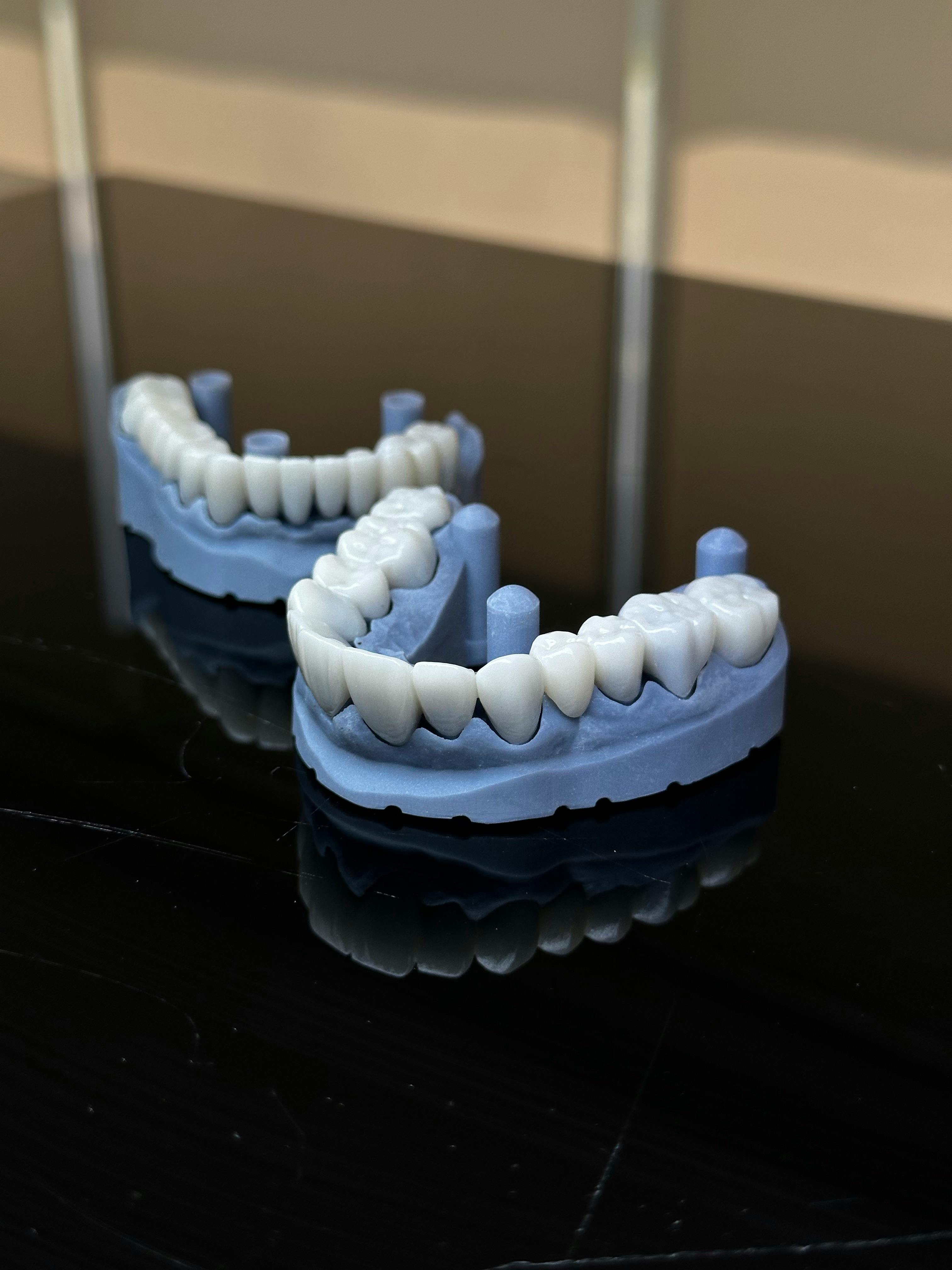
A missing tooth affects far more than the appearance of a smile. It can change the way a person chews, speaks, and carries themselves in daily life. Over time, the gap left behind allows neighboring teeth to shift out of alignment, increases the risk of gum disease, and can even contribute to jawbone deterioration. For patients who have been told they need a tooth replacement, understanding the available options is a critical first step.
A dental bridge is one of the most established and reliable solutions in restorative dentistry. It replaces one or more missing teeth with a fixed prosthetic that looks, feels, and functions much like natural teeth. Dental bridges have been used successfully for decades, and modern materials and techniques have made them more durable and natural-looking than ever before.
This guide covers everything a dental patient needs to know about bridges for teeth, including what a dental bridge is, the different types available, how much dental bridges cost in 2026, what the procedure involves, and how to decide if a bridge is the right choice. Whether a dentist has already recommended a bridge or a patient is exploring options independently, this article will provide the clarity needed to move forward with confidence.
What Is a Dental Bridge?
A dental bridge is a fixed (non-removable) prosthetic device designed to replace one or more missing teeth. The bridge literally "bridges" the gap in the dental arch, restoring both function and aesthetics. Understanding the basic anatomy of a bridge in dentistry helps patients feel more comfortable with the treatment plan their dentist recommends.
Every dental bridge consists of two main components. The first is the pontic, which is the artificial tooth (or teeth) that fills the gap. The second is the abutment, which refers to the natural teeth or dental implants on either side of the gap that anchor and support the bridge. In a traditional bridge, the abutment teeth are covered with dental crowns that are cemented permanently into place, holding the pontic securely between them.
The materials used for dental bridges include porcelain, ceramic, zirconia, porcelain-fused-to-metal (PFM), and gold alloy. Porcelain and zirconia bridges are the most popular choices for visible areas of the mouth because they closely mimic the translucency and color of natural teeth. Metal-based options are sometimes preferred for back teeth where strength is the primary concern.
Replacing a missing tooth promptly matters for long-term oral health. When a gap is left untreated, the adjacent teeth begin to drift toward the empty space, creating bite problems and making future dental work more complex and expensive. The jawbone beneath the missing tooth also begins to resorb over time, which can change the shape of the face and compromise the foundation for future restorations. A dental bridge helps prevent these complications while restoring the ability to chew, speak, and smile with confidence.
Dental bridges are also worth considering for their positive impact on nutritional health. Patients with missing teeth often avoid certain foods, particularly raw fruits, vegetables, and proteins that require thorough chewing. Restoring a complete bite with a bridge allows patients to maintain a balanced diet and avoid the digestive issues that can result from inadequate chewing.
Types of Dental Bridges
There are several types of dental bridges, and the right choice depends on the location of the missing teeth, the health of the surrounding teeth, the patient's budget, and the dentist's clinical recommendation. Here is a detailed look at each option.
Traditional Dental Bridge
The traditional bridge is the most common type used in dentistry today. It consists of one or more pontics held in place by dental crowns cemented onto the abutment teeth on both sides of the gap. This type of bridge requires the dentist to reshape (prepare) the abutment teeth, removing a layer of enamel to make room for the crowns.
Traditional bridges are best suited for patients who have strong, healthy natural teeth on both sides of the gap. They work well for replacing one to four consecutive missing teeth and offer a reliable balance of durability, aesthetics, and cost. With proper care, a traditional dental bridge typically lasts 10 to 15 years, and many last significantly longer. The primary trade-off is that the abutment teeth must be permanently altered to accommodate the crowns, which means healthy tooth structure is removed. For this reason, some patients and dentists prefer implant-supported options when preserving natural tooth structure is a priority.
Cantilever Bridge
A cantilever bridge is similar to a traditional bridge, but it is anchored on only one side of the gap rather than both. This design is used when there is only one adjacent tooth available to serve as an abutment. Because the pontic is supported from only one direction, cantilever bridges are generally not recommended for back teeth, where chewing forces are greatest.
Cantilever bridges are most commonly placed in the front of the mouth, where biting pressure is lower. They cost roughly the same as traditional bridges but carry a higher risk of placing excess leverage on the supporting tooth over time.
Maryland Bridge (Resin-Bonded Bridge)
A Maryland bridge uses a metal or porcelain framework with small wings that bond to the back surfaces of the adjacent teeth. Unlike a traditional bridge, it does not require the abutment teeth to be significantly reshaped. This makes it a more conservative option that preserves more natural tooth structure.
Maryland bridges are typically recommended for replacing a single missing front tooth. They are less invasive and generally less expensive than traditional bridges, with an average lifespan of 5 to 10 years. However, the bonded wings can occasionally come loose, requiring reattachment, and this type of bridge is not strong enough for the heavy chewing demands of molar teeth.
Implant-Supported Bridge
An implant-supported bridge is anchored by dental implants surgically placed into the jawbone rather than by natural teeth. This option is typically recommended when three or more consecutive teeth are missing, or when the adjacent natural teeth are not strong enough to support a traditional bridge.
Implant-supported bridges are the most durable and stable option available. They also help preserve jawbone density because the implant posts function like artificial tooth roots, stimulating the bone and preventing resorption. The trade-off is a longer treatment timeline (typically 3 to 6 months to allow for implant healing) and a higher cost. With proper maintenance, implant-supported bridges can last 15 to 20 years or more.
Removable Bridge (Partial Denture)
A removable bridge, more commonly known as a partial denture, is a detachable appliance that clips onto the remaining natural teeth using metal or plastic clasps. It is the least expensive tooth replacement option, but it is also the least stable and least comfortable compared to fixed bridges.
Removable partial dentures require nightly removal for cleaning and typically need replacement every 5 to 8 years. They are a practical short-term solution for patients on a tight budget, but most dental professionals recommend a fixed bridge or implant when long-term durability and comfort are priorities.
How Much Does a Dental Bridge Cost in 2026?
Understanding how much a dental bridge costs is one of the first concerns for patients who have been recommended this treatment. The short answer is that the average cost of a dental bridge in the United States ranges from approximately $1,700 to $5,500 for a standard three-unit bridge (one pontic and two crowns). However, total costs can range from $1,500 to $16,000 or more, depending on the type of bridge, the materials used, the number of teeth involved, and the geographic location of the dental practice.
According to Aspen Dental's internal data, the average dental bridge price for their patients is approximately $3,769, with prices ranging from $2,673 to $5,857 per bridge. Delta Dental reports the average out-of-network cost for a three-unit bridge at approximately $3,965.
Average Cost by Bridge Type
The following table summarizes the typical price ranges for each type of dental bridge in 2026. These figures represent national averages and may vary based on location, materials, and individual treatment needs.
Bridge type | Average cost | Notes |
|---|---|---|
Traditional bridge (3-unit) | $2,000 – $5,000 | Most common, replaces one missing tooth |
Cantilever bridge | $2,000 – $5,000 | Single-side anchor, best for front teeth |
Maryland bridge | $1,500 – $2,500 | Less invasive, bonded wings, front teeth only |
Implant-supported bridge | $5,000 – $15,000+ | Requires surgery, most durable option |
Removable partial denture | $300 – $3,000 | Least expensive, removable, shorter lifespan |
How Much Does a 4-Tooth Bridge Cost?
A 4-tooth bridge replaces two adjacent missing teeth and typically includes two pontics and two abutment crowns, for a total of four units. The cost of a 4-tooth bridge generally ranges from $4,000 to $8,000 for a traditional bridge using porcelain or porcelain-fused-to-metal materials. Implant-supported versions of a 4-unit bridge can reach $10,000 to $20,000, depending on the number of implants required and the materials selected.
Larger spans increase costs proportionally because they require more materials, more lab fabrication time, and greater precision in design to ensure proper fit and bite alignment. Patients needing multi-tooth replacements should discuss all available options with their dentist, including whether an implant-supported bridge offers better long-term value compared to a traditional bridge for their specific situation.
Factors That Affect Dental Bridge Cost
Several factors influence the final price tag of dental bridgework. Understanding these variables helps patients anticipate what they will pay and have more informed conversations with their dental team.
Number of missing teeth: more pontics and abutment crowns mean higher material and lab costs
Type of bridge: Implant-supported bridges cost significantly more than traditional or Maryland bridges due to the surgical component
Materials used: Porcelain and zirconia are more expensive than metal alloys but offer superior aesthetics, especially for front teeth
Geographic location: Dental fees in major metropolitan areas are typically 20% to 40% higher than in rural or suburban practices
Dentist's experience: Specialists such as prosthodontists may charge more than general dentists, but they often bring advanced training in complex bridge cases
Preliminary procedures: Tooth extractions ($50 to $500), root canals ($700 to $1,500), gum disease treatment, or bone grafting may be needed before the bridge can be placed, adding to the total cost
Lab fees and technology: Practices using in-house CAD/CAM technology may offer same-day bridges at a 10% to 20% premium, while traditional lab-fabricated bridges take two to three weeks
Does Insurance Cover Dental Bridges?
Most dental insurance plans classify bridges as a major restorative service and cover 50% to 80% of the cost after the deductible has been met. However, annual maximums (typically $1,000 to $2,000 per year) can limit coverage significantly, especially for multi-unit bridges. Preliminary services such as exams, X-rays, and extractions also count toward the annual maximum.
One practical strategy is to time the treatment across two calendar years, using benefits from each plan year to cover a greater portion of the cost. For patients without insurance, dental discount plans, in-house financing, third-party financing through providers like CareCredit, dental school clinics, and community health centers can all help reduce out-of-pocket expenses.
What to Expect During the Dental Bridge Procedure
Knowing what to expect during the dental bridge procedure can help ease any anxiety a patient may feel before their first appointment. The process typically requires two visits spaced two to three weeks apart, though some offices with advanced CAD/CAM technology can complete the entire process in a single day.
Visit #1: Consultation and Tooth Preparation
During the first visit, the dentist performs a comprehensive oral exam and takes X-rays to evaluate the health of the abutment teeth, the surrounding gum tissue, and the underlying bone. Once the treatment plan is confirmed, the abutment teeth are prepared. This involves removing a thin layer of enamel from the abutment teeth to create space for the dental crowns that will support the bridge.
After preparation, the dentist takes impressions or digital scans of the teeth. These records are sent to a dental laboratory where the permanent bridge is custom-fabricated to match the size, shape, and shade of the patient's natural teeth. A temporary bridge is placed over the prepared teeth to protect them and maintain function while the permanent restoration is being made. The temporary bridge also helps the patient get accustomed to the feel of having a bridge in their mouth before the final version is placed.
Visit #2: Bridge Fitting and Cementation
At the second appointment, the temporary bridge is removed, and the permanent bridge is tried in. The dentist checks the fit, bite alignment, and color match against the surrounding natural teeth. Minor adjustments are made as needed to ensure comfort and proper function. Once everything looks and feels right, the bridge is permanently cemented into place.
Mild sensitivity or discomfort in the days following placement is normal and typically resolves within a week. The dentist will provide specific aftercare instructions and schedule a follow-up visit to confirm the bridge has settled properly. During this adjustment period, patients should stick to softer foods and avoid chewing directly on the new bridge until any tenderness has subsided. Most patients report that the bridge feels completely natural within two to three weeks of placement.
How to Care for a Dental Bridge
A dental bridge is a significant investment in oral health, and proper daily care is essential to maximize its lifespan. The good news is that maintaining a bridge does not require any complicated routines, just consistent attention to a few key habits.
Brush twice daily with a soft-bristled toothbrush, paying close attention to the area where the bridge meets the gumline. Most dental professionals recommend using an electric toothbrush for more efficient cleaning and improved plaque removal around hard-to-reach areas
Floss daily using a floss threader, super floss, or interdental brush to clean under the pontic and around the abutment teeth
Consider using an oral irrigator (water flosser) to flush debris from hard-to-reach areas beneath the bridge
Avoid chewing ice, hard candy, or very sticky foods that could damage or dislodge the bridge
Attend regular dental checkups every six months so the dentist can inspect the bridge, abutment teeth, and surrounding gum tissue for any signs of wear or decay
With consistent care, traditional bridges typically last 10 to 15 years, Maryland bridges last 5 to 10 years, and implant-supported bridges can last 20 years or more. Some patients get even longer service from their bridges when they maintain excellent oral hygiene and attend regular professional cleanings. It is also important to address any issues promptly, as small problems like a slightly loose bridge or early signs of decay in an abutment tooth are much easier and less expensive to fix when caught early. For more information on how to prevent cavities and other hygiene tips, explore our guide.
Dental Bridge vs. Implant vs. Denture
Patients who have lost one or more teeth often face a choice between a dental bridge, a dental implant, and a removable partial denture. Each option has distinct advantages and trade-offs. The following comparison table summarizes the key differences to help patients and their dentists determine the most appropriate treatment.
Factor | Dental bridge | Dental implant | Partial denture |
|---|---|---|---|
Average cost | $2,000 – $5,000 | $3,500 – $6,000+ | $300 – $3,000 |
Lifespan | 10 – 15 years | 20+ years | 5 – 8 years |
Procedure time | 2 – 3 weeks | 3 – 6 months | 2 – 4 weeks |
Surgery required | No | Yes | No |
Adjacent teeth affected | Yes (reshaped) | No | Minimal (clasps) |
Bone preservation | No | Yes | No |
Removable | No (fixed) | No (fixed) | Yes |
Best for | 1 – 4 missing teeth with healthy neighbors | Long-term single or multi-tooth replacement | Budget-conscious patients, temporary solution |
Dental bridges are generally the fastest, least invasive, and most affordable fixed tooth replacement option. They are an excellent choice when the abutment teeth are healthy and strong enough to support the restoration. Dental implants offer superior longevity and the added benefit of preserving jawbone density, but they require surgery, a longer healing period, and a higher upfront investment. Partial dentures are the most budget-friendly option, but they sacrifice stability, comfort, and convenience.
The best choice depends on a patient's specific dental condition, budget, lifestyle, and long-term goals. A qualified dental professional can evaluate all of these factors and provide a personalized recommendation. It is also worth noting that some patients benefit from a combination approach, such as using an implant to anchor one end of a bridge while a natural tooth serves as the other abutment. These hybrid solutions are becoming more common as dental technology advances and give patients additional flexibility in treatment planning.
How to Choose the Right Option
Choosing the right dental bridge involves more than comparing prices. It requires a thorough conversation with a dental professional who can evaluate the patient's unique oral health situation and recommend the most appropriate treatment. Here are some practical guidelines to help patients navigate that decision.
Discuss all available options with the dentist, including traditional bridges, cantilever bridges, Maryland bridges, implant-supported bridges, and partial dentures
Ask about materials, as porcelain and zirconia offer the most natural appearance but cost more than metal-based alternatives
Consider long-term value, not just upfront cost, because a more expensive implant-supported bridge may cost less per year of service than a traditional bridge that needs replacement sooner
Check insurance coverage and ask the dental office about financing options when you receive a dental treatment plan from a professional.
If a dental bridge has been specifically recommended, ask these questions: how many teeth are involved, what type of bridge is being recommended and why, what materials will be used, what is the total cost including any preliminary procedures, and how long the bridge should last
Patients who take the time to understand their options and ask the right questions are more likely to feel confident and satisfied with their treatment outcome. It is also helpful to seek a second opinion if the recommended treatment feels uncertain or if the quoted cost seems significantly higher or lower than the national averages outlined in this guide. Many dental offices offer complimentary or low-cost consultations, making it easy to compare recommendations and pricing before making a final decision.
Bottom Line
A dental bridge is one of the most proven and effective ways to replace missing teeth and restore oral function, appearance, and confidence. Whether the goal is to replace a single tooth or close a larger gap, modern dental bridges offer durable, natural-looking results that can last well over a decade with proper care.
The cost of a dental bridge varies widely depending on the type, materials, and complexity of the case, but options exist at nearly every price point. A traditional three-unit bridge averages $2,000 to $5,000, Maryland bridges start around $1,500, and implant-supported bridges offer the most durability at $5,000 to $15,000 or more. Insurance coverage, financing plans, and strategic treatment timing can all help make the investment more manageable.
For patients who have been recommended a dental bridge, the most important next step is to have an open conversation with a trusted dental professional about the available options, the expected costs, and the long-term benefits of treatment. Delaying tooth replacement can lead to additional complications, including shifting teeth, bone loss, and higher costs down the road, so acting promptly is always in the patient's best interest.
Frequently Asked Questions
How long does a dental bridge last?
Traditional dental bridges typically last 10 to 15 years with proper care, and many last even longer. Maryland bridges average 5 to 10 years, while implant-supported bridges can last 20 years or more. Regular dental checkups, consistent brushing and flossing, and avoiding hard or sticky foods all contribute to a longer bridge lifespan.
Is getting a dental bridge painful?
The dental bridge procedure is performed under local anesthesia, so patients feel little to no pain during the tooth preparation and placement appointments. Mild sensitivity or discomfort in the days after the bridge is cemented is normal and typically resolves within a week. Over-the-counter pain relievers are usually sufficient to manage any post-procedure soreness.
Can a dental bridge fall out?
A dental bridge can become loose or dislodge over time if the cement weakens, if decay develops in one of the abutment teeth, or if the bridge sustains physical damage. This is relatively uncommon with well-maintained bridges, but it does happen. If a bridge feels loose, patients should contact their dentist promptly. In most cases, the bridge can be recemented or repaired without needing a full replacement.
How many teeth can a dental bridge replace?
A dental bridge can typically replace one to four consecutive missing teeth. The exact number depends on the strength of the abutment teeth and the type of bridge used. Larger spans of missing teeth may require implant-supported bridges for adequate stability, as traditional bridges anchored to natural teeth become less reliable over longer spans.
What is the cheapest type of dental bridge?
The most affordable fixed bridge option is the Maryland bridge, which typically costs $1,500 to $2,500. Removable partial dentures are even less expensive, starting as low as $300, but they are not fixed restorations. For patients looking for the most cost-effective fixed solution, a Maryland bridge is a good choice for front teeth, while a traditional bridge offers the best value for broader applications.
How much does a 4-tooth bridge cost?
A 4-unit traditional dental bridge generally costs between $4,000 and $8,000, depending on the materials used and the geographic location of the practice. Implant-supported versions of a 4-tooth bridge can range from $10,000 to $20,000 or more, particularly if multiple implant posts are needed for support.
Can you eat normally with a dental bridge?
Yes, once the bridge is permanently cemented and any initial sensitivity subsides, most patients can eat a normal diet. It is advisable to avoid extremely hard foods (like ice or hard candy) and very sticky foods (like caramel or taffy) that could damage or dislodge the bridge. Cutting food into smaller pieces can also reduce stress on the restoration during the adjustment period.
What happens if you don't replace a missing tooth?
Leaving a gap untreated can lead to a cascade of dental problems. The adjacent teeth will gradually shift toward the empty space, creating alignment and bite issues. The jawbone beneath the missing tooth will begin to deteriorate due to a lack of stimulation. The risk of gum disease and further tooth loss increases. Over time, these changes can make future dental treatment more complex and expensive, which is why dental professionals strongly recommend replacing missing teeth as soon as it is practical to do so.
Are dental bridges covered by insurance?
Most dental insurance plans classify bridges as a major restorative service and cover 50% to 80% of the cost after the deductible has been met. Annual maximums (typically $1,000 to $2,000) can limit how much the plan will pay in a given year. Patients should check with their insurance provider about specific coverage details, waiting periods, and whether splitting treatment across two plan years could help maximize benefits. For more information on dental insurance, see our dental insurance guide.
How much does a dental bridge cost without insurance?
Without dental insurance, the cost of a dental bridge ranges from approximately $1,500 to $16,000, depending on the type of bridge, materials, number of teeth, and location. A standard three-unit traditional bridge typically falls between $2,000 and $5,000 out of pocket. Patients without insurance should ask about dental discount plans, in-house payment plans, and third-party financing options such as CareCredit to help manage the cost.