15 Best Dental Hygiene Tips For A Healthier, Brighter Smile
Your smile is one of the first things people notice about you, and maintaining it goes far beyond aesthetics. Good dental hygiene affects your overall health, confidence, and...
Written by Agnes Markovic
Read time: 9 min read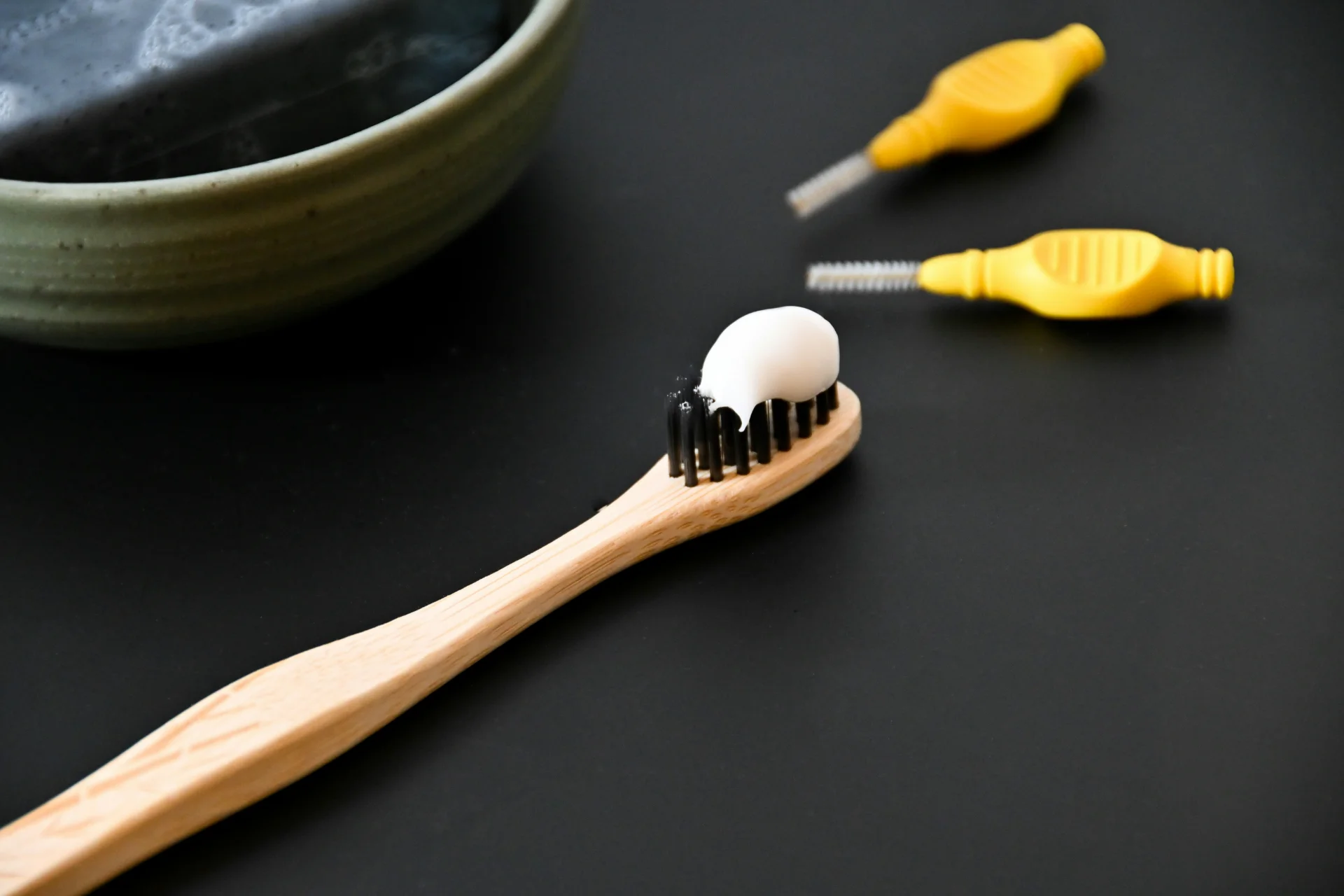
Your smile is one of the first things people notice about you, and maintaining it goes far beyond aesthetics. Good dental hygiene affects your overall health, confidence, and quality of life in ways that might surprise you. According to the Centers for Disease Control and Prevention, tooth decay affects approximately 90% of adults aged 20 to 64, making it one of the most common chronic conditions in the United States. This staggering figure highlights just how prevalent dental problems are, even in an era of advanced dental care and widespread oral health education.
The statistics paint a troubling picture of oral health in America. More than 40% of adults experience mouth pain annually, and nearly half of all adults over 30 show signs of gum disease. The World Health Organization estimates that oral diseases affect nearly 3.5 billion people worldwide, making dental problems among the most common health conditions globally. These numbers reveal a troubling reality: despite advances in dental care, many people still struggle with preventable oral health problems that could be avoided with proper knowledge and consistent habits.
This comprehensive guide covers everything you need to know about protecting your teeth and gums. From mastering proper brushing techniques to understanding how your diet impacts your smile, these 15 essential dental hygiene tips will help you build a routine that keeps your mouth healthy for years to come. Along the way, you will learn why dental care matters for your whole body, what habits to avoid, and when to seek professional help.
Why Dental Hygiene Matters More Than You Think
Many people view dental care as separate from their overall health, but research consistently shows that your mouth serves as a gateway to your entire body. The connection between oral health and systemic diseases has become increasingly clear over the past two decades, making dental hygiene essential for far more than just a bright smile. Understanding these connections can motivate you to prioritize your oral care routine.
Studies published in the Journal of the American Heart Association have found associations between periodontal disease and cardiovascular conditions. Researchers have discovered that the bacteria responsible for gum disease can enter the bloodstream and potentially contribute to inflammation throughout the body. Harvard Medical School notes that people with poor oral health tend to have higher rates of cardiovascular problems compared to those who maintain good dental hygiene. While researchers continue to study the exact mechanisms, the correlation between gum disease and heart health appears significant enough to warrant attention.
The relationship between oral health and diabetes is particularly noteworthy. People with diabetes are approximately twice as likely to develop gum disease, and the connection works both ways. Poor oral health can make it more difficult to control blood sugar levels, creating a cycle that affects both conditions. Research from the National Institutes of Health indicates that managing periodontal disease may help improve glycemic control in diabetic patients. This bidirectional relationship means that taking care of your teeth could have benefits extending well beyond your mouth.
Beyond systemic health connections, poor dental hygiene carries substantial economic consequences. Americans spend over $124 billion annually on dental care, with much of that going toward treating preventable conditions. Untreated dental disease causes approximately $45 billion in lost productivity each year. The cost of a dental emergency, root canal, or tooth extraction far exceeds what you would spend on preventive care like regular cleanings and quality dental products. Investing time in proper oral care today can save significant money and discomfort in the future.
The Foundation: Proper Brushing Techniques
Brushing your teeth might seem straightforward, but the technique you use matters enormously. The American Dental Association (ADA) recommends specific methods that maximize plaque removal while protecting your enamel and gums. Understanding these fundamentals transforms a daily routine into an effective defense against dental problems. Most people brush their teeth regularly, but do not realize they may be missing significant portions of tooth surfaces or damaging their gums with improper technique.
Choosing The Right Toothbrush
The ADA recommends using a soft-bristle toothbrush for most people. While it might seem logical that firmer bristles would clean better, medium and hard bristles can actually damage tooth enamel and irritate sensitive gum tissue over time. Soft bristles effectively remove plaque and debris when used correctly, without causing abrasion that can lead to receding gums or enamel wear. Look for a brush head size that fits comfortably in your mouth and can reach all areas, including back molars.
When comparing electric versus manual toothbrushes, research suggests that both can be effective when used properly. However, a Cochrane review analyzing over 50 clinical studies found notable differences. The following table compares key aspects of each type:
Feature | Electric toothbrush | Manual toothbrush |
Plaque removal | Up to 21% more effective with long-term use | Effective with proper technique |
Gum inflammation reduction | Approximately 11% better reduction | Good results with consistent use |
Built-in timer | Most models include a 2-minute timer | Requires manual timing |
Best for | Limited dexterity, those who brush too hard, inconsistent brushers | Budget-conscious, travel, and those with good technique |
Cost | Higher initial cost, replacement heads needed | Low cost, easy to replace |
Regardless of which type you choose, replace your toothbrush every three to four months, or sooner if the bristles become frayed. A worn toothbrush cannot clean your teeth effectively because flattened bristles do not reach into the crevices between teeth and along the gum line. Additionally, damaged bristles may harbor bacteria. Mark your calendar or set a reminder to help you remember when replacements are due.
The Two-Minute Brushing Rule
The ADA recommends brushing for a full two minutes, twice daily. Studies show that brushing for this duration achieves clinically significant plaque removal that shorter brushing sessions cannot match. However, most people brush for only about 45 seconds on average, leaving substantial plaque behind on tooth surfaces. This leftover plaque continues to produce acid and can harden into tartar within days, making it impossible to remove without professional cleaning.
Proper technique matters as much as duration. According to the American Dental Association's brushing guidelines, position your toothbrush at a 45-degree angle to your gums and use gentle, short strokes about the width of a tooth. This angle allows the bristles to reach the gum line where plaque tends to accumulate and where gum disease begins. Brush the outer surfaces, inner surfaces, and chewing surfaces of all teeth systematically to ensure complete coverage. For the inside surfaces of front teeth, tilt the brush vertically and make several up-and-down strokes to clean these often-neglected areas.
Do not forget your tongue, which harbors bacteria that can contribute to bad breath and affect overall oral health. Bacteria accumulate on the tongue's rough surface throughout the day, and simply brushing teeth leaves this reservoir untouched. Gently brush your tongue from back to front, or use a tongue scraper for more thorough cleaning. Many people notice fresher breath immediately after incorporating tongue cleaning into their routine.
Selecting The Right Toothpaste
Fluoride toothpaste is essential for cavity prevention and represents one of the most significant advances in dental care over the past century. Research shows that fluoride strengthens enamel by enhancing the remineralization process, making teeth more resistant to acid attacks from bacteria. When teeth are exposed to acids from food or bacterial plaque, minerals leach out of the enamel in a process called demineralization. Fluoride helps replace these minerals and can even reverse early decay before a cavity fully forms. Studies indicate that fluoride toothpaste can reduce cavity risk by approximately 30% compared to non-fluoride alternatives.
Look for the ADA Seal of Acceptance on toothpaste products. This seal indicates that the product has met rigorous scientific standards for safety and effectiveness. The ADA Council on Scientific Affairs evaluates each product through a thorough review process before granting approval, giving you confidence in your choice. Products without the seal may still be effective, but the seal provides independent verification of claims.
If you have specific concerns such as sensitivity, gum problems, or tartar buildup, specialty toothpastes can address these issues. Desensitizing toothpastes contain ingredients that block pain signals from the tooth surface to the nerve. Tartar-control formulas include pyrophosphates that help prevent plaque from hardening. Discuss your needs with your dentist to determine which formulation works best for your situation, as using the wrong type of specialty toothpaste may not address your actual concerns.
Mastering The Art Of Flossing
Flossing remains one of the most important yet frequently neglected aspects of dental care. The U.S. Department of Health and Human Services reaffirmed that flossing is an important oral hygiene practice, noting that tooth decay and gum disease can develop when plaque builds up on teeth and along the gum line. Despite this recommendation from health authorities, data from the National Health and Nutrition Examination Survey shows that only about 32% of adults floss daily, leaving the majority of Americans at increased risk for cavities between teeth and gum disease.
Proper flossing technique ensures you get the most benefit from this essential habit. Use about 18 inches of floss, winding most of it around your middle fingers and leaving an inch or two to work with. Guide the floss between teeth using a gentle rubbing motion rather than snapping it, which can damage delicate gum tissue. When you reach the gum line, curve the floss into a C-shape against one tooth and gently slide it into the space between the gum and the tooth. Hold the floss tightly against the tooth surface and rub up and down to remove plaque from the entire side of the tooth. Repeat for each tooth, including the back side of your last molars, using a clean section of floss as you go to avoid redistributing bacteria.
Several alternatives to traditional floss exist for those who find string floss challenging or uncomfortable. Water flossers use pressurized water to remove debris and can be particularly helpful for people with braces, bridges, dental implants, or limited dexterity. Studies have shown that water flossers can be as effective as traditional floss for reducing gum bleeding when used consistently. Interdental brushes are small brushes designed to clean between teeth and work well for those with wider gaps between teeth or periodontal pockets. Floss picks offer convenience for on-the-go cleaning and may encourage more consistent use. The American Academy of Periodontology recommends cleaning between teeth daily using whichever method you find most comfortable and effective, as the best method is the one you will actually use.
The Role Of Mouthwash In Your Routine
Mouthwash serves as a valuable supplement to brushing and flossing, though it should never replace them. While a liquid rinse cannot physically remove plaque the way mechanical cleaning does, antibacterial mouthwashes can help reduce bacteria throughout the mouth, including in areas that brushes and floss might miss. The ADA notes that therapeutic mouthwashes containing active ingredients can reach the tongue, cheeks, and throat, contributing to fresher breath and reduced bacterial load.
When choosing a mouthwash, consider whether you want an alcohol-based or alcohol-free formula. Alcohol-containing mouthwashes can be effective at killing bacteria but may cause dry mouth or irritation for some users, particularly those with sensitive oral tissues or who use mouthwash frequently. Prolonged dry mouth actually increases cavity and gum disease risk, which could counteract the benefits of the mouthwash. Alcohol-free options work well for people with sensitive mouths or those who prefer to avoid alcohol for personal reasons, and many formulas are equally effective at reducing plaque and gingivitis.
Use mouthwash after brushing and flossing for maximum benefit, swishing vigorously for 30 seconds to one minute as directed on the product label. The swishing action helps the liquid reach all areas of the mouth. Avoid eating or drinking for 30 minutes afterward to allow the active ingredients to continue working on the tooth surfaces. Remember that mouthwash enhances your routine but cannot substitute for mechanical cleaning with a brush and floss. Think of it as the third step in a three-step process rather than a shortcut.
Diet And Nutrition For Healthy Teeth
What you eat significantly impacts your oral health in both immediate and long-term ways. Every time you eat, you create an environment in your mouth that can either support or harm your teeth. Your diet can strengthen your teeth by providing essential minerals, or it can accelerate their deterioration by feeding harmful bacteria. Understanding which foods support dental health and which pose risks helps you make choices that protect your smile while still enjoying a varied diet.
Foods That Strengthen Your Teeth
Certain foods actively support dental health by providing essential nutrients or helping clean teeth naturally. Include the following in your diet:
Dairy products. Cheese, milk, and yogurt provide calcium and phosphates that help replenish minerals in tooth enamel. Cheese also stimulates saliva production, which neutralizes acids.
Crunchy fruits and vegetables. Apples, carrots, and celery increase saliva production while you chew and gently scrub tooth surfaces with their fibrous texture.
Leafy greens. Spinach and kale are packed with calcium and folic acid, both of which contribute to healthy teeth and gums while being low in sugar.
Fatty fish. Salmon and mackerel provide vitamin D, which helps your body absorb calcium effectively for stronger enamel.
Green and black teas. These contain polyphenols that can help reduce bacterial growth and acid production in the mouth.
Nuts. Almonds and other nuts provide calcium and protein with minimal sugar content.
Foods And Drinks To Limit
Some foods and beverages can damage teeth through sugar content, acidity, or both. Limit your consumption of the following:
Sugary snacks and candies. Bacteria feed on sugar and produce acid that attacks enamel for up to 20 minutes after eating. Sticky candies are especially harmful as they cling to teeth.
Carbonated soft drinks. Both regular and diet sodas contain phosphoric and citric acids that erode enamel. The carbonation itself adds acidity.
Citrus fruits and juices. While nutritious, these are highly acidic and can wear away enamel over time. Consume them with meals rather than alone.
Sports and energy drinks. These often contain both high sugar levels and acids, making them doubly harmful to teeth.
Coffee and tea with sugar. Beyond staining, adding sugar turns these beverages into fuel for cavity-causing bacteria.
Starchy foods. Chips, bread, and pasta break down into sugars and can get stuck between teeth, providing a prolonged food source for bacteria.
When consuming acidic items, rinse your mouth with plain water afterward to dilute the acid. Wait at least 30 minutes before brushing, as enamel is temporarily softened by acid exposure, and brushing too soon can cause additional wear.
Hydration And Oral Health
Water is essential for maintaining good oral health, and drinking plenty of it throughout the day provides multiple benefits for your teeth and gums. Water helps wash away food particles and bacteria, reducing the substrate available for harmful microorganisms to feed on. Unlike sugary or acidic beverages, water does not contribute to tooth decay and actually helps protect your teeth by maintaining a neutral pH in your mouth. Making water your primary beverage is one of the simplest steps you can take for better dental health.
Fluoridated water provides additional protection against cavities beyond simple rinsing. The CDC considers community water fluoridation one of the ten great public health achievements of the 20th century, estimating that it prevents about 25% of tooth decay in children and adults. If your tap water is fluoridated, drinking it regularly helps strengthen your enamel every time you take a sip. The fluoride becomes incorporated into the tooth structure, making it more resistant to acid attacks. Check with your local water utility to find out if your water contains fluoride and at what concentration.
Saliva serves as your mouth's natural defense system, performing several critical functions that protect your teeth around the clock. Saliva contains enzymes that help break down food and neutralize acids. It provides minerals that help remineralize enamel after acid exposure. It also contains antibacterial compounds that help control bacterial populations. Staying hydrated supports adequate saliva production, which is essential for these protective mechanisms. Dry mouth, which can result from certain medications, medical conditions, or inadequate fluid intake, significantly increases the risk of tooth decay and gum disease. If you experience persistent dry mouth, talk to your dentist about strategies to manage it, such as sugar-free gum, special mouth rinses, or saliva substitutes.
Breaking Bad Habits For Better Oral Health
Certain habits can undermine even the most diligent dental care routine, potentially causing damage that takes years to manifest. Recognizing and addressing these behaviors is essential for protecting your oral health long-term.
The following habits are particularly damaging to your teeth and gums:
Smoking and tobacco use. According to the CDC, smokers are approximately four times more likely to develop advanced periodontal disease. About 41% of daily smokers over age 65 have lost all their teeth, compared to 20% of non-smokers. Quitting helps: after 11 years smoke-free, gum disease risk approaches that of non-smokers.
Teeth grinding (bruxism). Often occurs during sleep and can cause chips, cracks, and excessive wear. Bruxism signs often include jaw pain upon waking, headaches, and visibly worn tooth surfaces. A custom mouth guard can protect teeth.
Nail biting. Places excessive stress on teeth and can cause chips or cracks over time. Try keeping hands busy with other activities or using bitter-tasting nail polish as a deterrent.
Using teeth as tools. Opening packages, bottles, or holding objects with teeth can result in chips, fractures, or tooth loss. Keep scissors and bottle openers handy instead.
Chewing ice. The hardness of ice can crack or chip enamel, potentially requiring expensive repairs.
Brushing too hard. Aggressive brushing can wear away enamel and cause gum recession. Use gentle pressure and let the bristles do the work.
Maintaining A Bright, White Smile
A bright smile boosts confidence and contributes to a polished appearance in both personal and professional settings. Understanding what causes tooth discoloration and how to safely address it helps you maintain your smile's natural radiance without risking damage to your enamel. While some degree of yellowing is natural with age, many factors within your control influence how bright your teeth remain.
Tooth discoloration occurs for various reasons that fall into two main categories. Extrinsic stains affect the outer surface and result from foods, beverages, and tobacco. Coffee, tea, red wine, and dark berries are common culprits that deposit pigments onto enamel over time. Intrinsic stains within the tooth structure are more difficult to address and can result from certain medications taken during tooth development, excessive fluoride exposure in childhood, or aging as the outer enamel thins and reveals the naturally yellowish dentin beneath. Understanding which type of staining affects your teeth helps determine the best approach to treatment.
Daily habits make a significant difference in preventing stains from accumulating. Brushing twice daily removes surface pigments before they can set into enamel. Rinsing with water after consuming staining foods or drinks dilutes pigments and washes them away. Using a straw for dark beverages minimizes contact with front teeth. Regular professional cleanings remove surface stains and polish teeth for a brighter appearance that daily brushing alone cannot achieve.
Safe Teeth Whitening Options
If you want to enhance your smile's brightness beyond what routine care provides, several safe and effective options exist. Over-the-counter whitening products include strips, gels, and trays containing peroxide-based bleaching agents that penetrate enamel to break apart stain molecules. These products vary in strength and application method. For those exploring at-home options, researching the best over-the-counter teeth whitening products can help you find effective solutions that fit your budget and preferences while ensuring you choose products that have been evaluated for safety.
Professional whitening treatments performed by dentists typically produce faster and more dramatic results using higher-concentration bleaching agents that are not available over the counter. Your dentist can also assess whether whitening is appropriate for your teeth, as not all discoloration responds to bleaching. Teeth with certain types of intrinsic staining, restorations, or sensitivity issues may require different approaches. For guidance on protecting your enamel while brightening your smile, consult resources on safe teeth whitening tips approved by dental professionals to ensure you achieve results without causing harm.
Some natural approaches, such as oil pulling or brushing with baking soda, are popular but have limited scientific evidence supporting their whitening effectiveness. While these methods are generally safe when used occasionally, they should not replace proven whitening methods or regular dental care. Be cautious about DIY whitening trends found online, as some use highly acidic substances that can permanently damage enamel or irritate gums. Charcoal toothpastes, while trendy, may be abrasive enough to wear away enamel over time. When in doubt, ask your dentist before trying a new whitening method.
The Importance Of Regular Dental Checkups
Professional dental care complements your at-home routine in ways that brushing and flossing alone cannot achieve. Most dentists recommend visits every six months for examinations and cleanings, though your specific needs may require more or less frequent appointments. These visits serve both preventive and diagnostic purposes, catching problems early when they are easiest and least expensive to treat.
Professional cleanings remove tartar, the hardened form of plaque that forms when plaque is left undisturbed for too long. Once tartar forms along the gum line or between teeth, only specialized dental instruments can remove it. Home brushing and flossing cannot break through this calcified deposit. Left untreated, tartar buildup creates rough surfaces where more plaque accumulates easily, contributes to gum inflammation and disease, and can eventually lead to bone loss and tooth loss. Regular professional cleanings prevent this cascade of problems.
During examinations, your dentist checks for early signs of cavities, gum disease, and oral cancer that you might not notice yourself. Many dental problems are completely painless in their early stages, making professional detection crucial for timely treatment. A small cavity that causes no symptoms can be repaired with a simple filling, but the same cavity left to grow might require a root canal and crown. The Cleveland Clinic notes that catching issues early typically means simpler, less expensive, and less invasive treatments with better outcomes.
X-rays taken during dental visits reveal problems hidden beneath the surface that visual examination alone cannot detect. These images show decay between teeth, infections at the root tip, bone loss around teeth, and impacted teeth that have not erupted. Your dentist uses this comprehensive view to develop treatment plans and track changes over time. The small amount of radiation from dental X-rays is considered very safe, and the diagnostic benefits far outweigh any minimal risk.
Special Considerations For Different Life Stages
Oral health needs change throughout life as our bodies change and we face different challenges. Understanding the unique considerations of different stages helps you adapt your dental care routine appropriately and address problems before they become serious. What works well for a teenager may not be sufficient for a senior, and vice versa.
Dental Care During Pregnancy
Pregnancy brings hormonal changes that can increase susceptibility to gum problems, making dental care especially important during this time. Pregnancy gingivitis, characterized by swollen, tender, and bleeding gums, affects many expectant mothers even if they had healthy gums before becoming pregnant. Increased progesterone levels make gum tissue more sensitive to plaque bacteria, resulting in an exaggerated inflammatory response. The American Academy of Periodontology recommends that women maintain meticulous oral hygiene and attend dental appointments before and during pregnancy to manage this increased risk.
Morning sickness poses additional challenges for dental health that many women do not anticipate. The acid from vomiting can erode tooth enamel over time, potentially leading to increased sensitivity and decay risk. Rather than brushing immediately after vomiting, when enamel is temporarily weakened by acid exposure, rinse with water or a diluted baking soda solution to neutralize acid. Wait about 30 minutes before brushing to allow enamel to reharden. If frequent vomiting continues throughout pregnancy, discuss protective strategies with your dentist.
Routine dental care, including cleanings and necessary treatments, is safe during pregnancy and should not be postponed. In fact, maintaining oral health during pregnancy is important because some studies suggest associations between periodontal disease and adverse pregnancy outcomes such as preterm birth or low birth weight. Inform your dentist about your pregnancy so they can adjust treatment plans as needed, avoiding certain medications and delaying elective procedures until after delivery while still addressing urgent issues.
Oral Health For Older Adults
Aging presents specific oral health challenges that require adaptation of care routines. Many medications commonly taken by older adults cause dry mouth as a side effect, dramatically increasing dental risks. According to the CDC, over 400 commonly used medications can reduce saliva production, including drugs for high blood pressure, depression, allergies, pain, and Parkinson's disease. Using saliva substitutes, chewing sugar-free gum containing xylitol, sipping water frequently, and avoiding alcohol-containing mouthwashes can help manage dry mouth and reduce its impact on oral health.
Those with dentures or dental implants need specialized care to maintain these restorations and the health of surrounding tissues. Dentures should be cleaned daily with a denture brush and cleanser, not regular toothpaste, which is too abrasive. Remove dentures at night to give gums a rest and allow saliva to contact and cleanse the tissue. Dental implants require the same careful brushing and flossing as natural teeth, as gum disease can still develop around implants and potentially cause implant failure if not controlled.
Physical limitations can make brushing and flossing difficult for some older adults, requiring creative solutions. Electric toothbrushes with larger handles may be easier to grip and manipulate for those with arthritis or reduced dexterity. Water flossers can simplify interdental cleaning when manipulating string floss becomes challenging. Long-handled brushes help reach all areas of the mouth. Caregivers should assist with oral care when needed to ensure adequate hygiene, as neglected oral health can lead to pain, infection, and nutrition problems that affect overall health and quality of life.
Recognizing Warning Signs Of Dental Problems
Knowing when to seek dental care beyond routine checkups can prevent minor issues from becoming major problems that require extensive treatment. Pay attention to the following warning signs and contact your dentist if you experience any of them:
Bleeding gums. Bleeding during brushing or flossing often signals gingivitis, the earliest and most reversible stage of gum disease. Persistent bleeding after two weeks of consistent flossing needs professional attention.
Persistent bad breath. Chronic halitosis that does not improve with brushing, flossing, and mouthwash may indicate decay, gum disease, or infection.
Tooth sensitivity. Pain when consuming hot, cold, or sweet foods can signal worn enamel, exposed roots, cavities, cracked teeth, or failing fillings.
Receding gums. Gums that make teeth appear longer indicate gum disease progression. Early intervention produces better outcomes than waiting.
Loose teeth. Adult teeth should not feel loose. This can indicate advanced gum disease or other serious problems requiring immediate attention.
Mouth sores that do not heal. Sores lasting more than two weeks should be evaluated, as they can sometimes indicate oral cancer.
Seek immediate dental care for: severe toothache, facial swelling, trauma to teeth or mouth, fever with dental pain, or pus around teeth or gums. These symptoms require urgent attention to prevent serious complications.
Building Your Daily Dental Hygiene Routine
Consistency is key to effective dental care. Establishing structured morning and evening routines ensures you maintain optimal oral health day after day. The following checklist outlines an ideal daily dental care routine:
Time | Action | Duration/notes |
Morning | Brush teeth with fluoride toothpaste | 2 minutes, 45-degree angle to gums |
Morning | Clean tongue | Brush or scrape from back to front |
Morning (optional) | Use mouthwash | 30-60 seconds, avoid eating for 30 minutes after |
Throughout day | Drink water | Rinse after meals, especially acidic foods |
Evening | Floss between all teeth | C-shape motion, include back molars |
Evening | Brush teeth with fluoride toothpaste | 2 minutes, cover all surfaces |
Evening | Use fluoride mouthwash | Provides overnight protection |
Making dental care a non-negotiable habit helps ensure consistency over the long term. Keep supplies organized and accessible so you do not have to search for them when tired. Set phone reminders if needed until the habit becomes automatic. Link dental care to existing habits, such as always flossing right after showering or brushing immediately after breakfast. Remember that the few minutes you invest each day protect your smile for a lifetime and save you from potentially painful and expensive problems down the road.
Bottom Line
Good dental hygiene is an investment in your overall health and quality of life that pays dividends for decades. The 15 tips covered in this comprehensive guide provide a framework for protecting your teeth and gums through every stage of life. From proper brushing and flossing techniques to understanding the impact of diet, breaking harmful habits, and recognizing warning signs, each element contributes to a healthier smile and potentially a healthier body.
Start by evaluating your current routine against these recommendations and identifying areas for improvement. Even small changes, such as brushing for the full two minutes instead of rushing, adding daily flossing, or switching to a soft-bristled brush, can make a significant difference over time. You do not need to overhaul everything at once. Pick one or two changes to implement first, then build from there as new habits become automatic.
Partner with your dentist to address any existing concerns and develop a personalized plan that meets your specific needs. Regular checkups allow your dental team to catch problems early, provide professional cleanings that home care cannot replicate, and offer guidance tailored to your situation. Your teeth are designed to last a lifetime with proper care. Commit to these dental hygiene practices today, and enjoy the benefits of a healthy, confident smile for years to come.
Frequently Asked Questions
How often should I brush my teeth?
The American Dental Association recommends brushing your teeth twice a day for two minutes each time. Brushing in the morning helps remove bacteria that accumulated overnight, while evening brushing clears away debris from the day and protects teeth during sleep when saliva production decreases and leaves teeth more vulnerable to acid attacks from bacteria.
Is flossing really necessary?
Yes, flossing is essential for complete oral care because toothbrush bristles cannot reach the tight spaces between teeth where plaque and food particles accumulate. The U.S. Department of Health and Human Services reaffirms that cleaning between teeth daily helps prevent tooth decay and gum disease that starts in these hard-to-reach areas. The type of interdental cleaner you use matters less than using one consistently.
What is the best toothpaste for cavity prevention?
Fluoride toothpaste is the most effective type for preventing cavities because fluoride strengthens enamel and helps reverse early decay. Look for the ADA Seal of Acceptance, which indicates the product has been evaluated for safety and effectiveness by dental professionals. The specific brand matters less than ensuring it contains fluoride and carries this seal of approval.
How can I prevent gum disease naturally?
Prevent gum disease through consistent oral hygiene habits that remove plaque before it can cause inflammation. Brush twice daily with proper technique, floss once daily to clean between teeth, and use an antiseptic mouthwash if recommended by your dentist. Eating a balanced diet rich in vitamins and minerals, avoiding tobacco in all forms, staying hydrated, and attending regular dental checkups also reduce your risk significantly.
Are electric toothbrushes better than manual?
Research suggests electric toothbrushes, particularly those with oscillating-rotating heads, can reduce plaque and gingivitis more effectively than manual brushes for most users. However, a manual toothbrush used with proper technique and for the full recommended time works well for most people. Electric brushes may be especially helpful for those with limited dexterity, those who tend to brush too hard, or those who struggle to brush for the full two minutes.
How often should I visit the dentist?
Most dentists recommend visits every six months for examinations and professional cleanings. However, your optimal frequency depends on your individual oral health status and risk factors. People with gum disease, high cavity risk, diabetes, or other dental concerns may need more frequent visits, while those with excellent oral health and low risk might extend intervals slightly with their dentist's approval, based on their specific situation.
What causes bad breath and how can I fix it?
Bad breath often results from bacteria on the tongue, food particles trapped between teeth, dry mouth, or underlying dental problems like gum disease, cavities, or infections. Address it through thorough brushing, including the tongue surface, daily flossing to remove trapped debris, staying well hydrated to support saliva production, and using mouthwash to reduce bacterial populations. If bad breath persists despite good oral hygiene practices, visit your dentist to rule out dental issues or discuss whether a medical evaluation might be needed for other potential causes.