Safe Teeth Whitening Tips: Dentist-Approved Guide
A bright white smile can boost confidence and make a great first impression, but with so many products and tips online, it’s important to know which methods are effective and truly safe for your oral health. Teeth can become discolored for many reasons. From daily habits like drinking coffee or tea to the natural aging process, not all whitening approaches are created equal. In this guide, we’ll walk through dentist-recommended strategies for achieving a whiter smile while protecting your enamel and gums.
Written by Rachel Thompson
Read time: 4 min read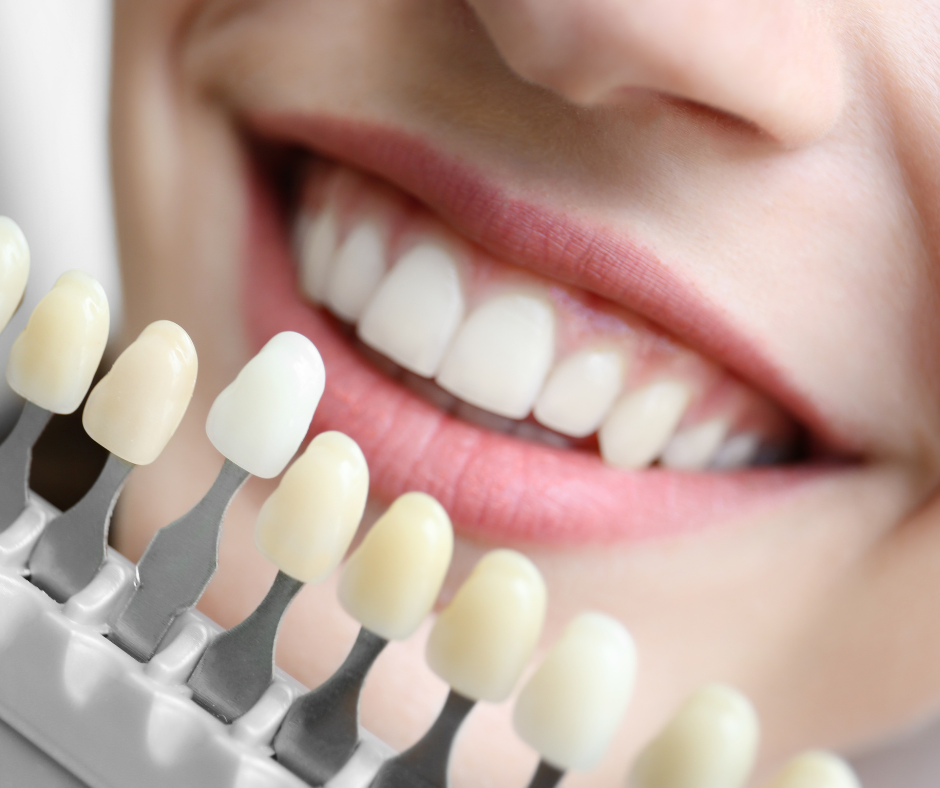
Whitening can be effective when done correctly, but it requires a thoughtful approach and an understanding of what works and what to avoid. From professional treatments to safe at-home routines and lifestyle habits that help preserve your results, this comprehensive guide offers up-to-date advice you can trust.
Why Teeth Discolor
Before exploring whitening strategies, it helps to understand what causes tooth color changes in the first place. Tooth discoloration generally falls into two broad types:
Surface (Extrinsic) Stains
Caused by pigments in food, beverages, and tobacco that stick to enamel. Drinks like coffee, tea, red wine, and cola are common contributors. Plaque or tartar buildup can also dull enamel over time.
Internal (Intrinsic) Stains
These occur within the tooth structure itself. They may come from certain medications, dental trauma, aging, or conditions that affect enamel development. Unlike surface stains, intrinsic discoloration usually requires stronger professional interventions.
The safest whitening approaches address surface stains. For deeper internal discoloration, professional evaluation is a must.
Start With a Dental Consultation
Before attempting any whitening regimen, a check-up with your dentist is the safest first step. A licensed dental professional will assess:
Oral health status (gum health, enamel thickness, decay)
Existing dental restorations (fillings, crowns, veneers)
Sensitivity issues or conditions like enamel erosion
The most appropriate type of whitening for your needs
A dentist can recommend suitable products or professional treatments and ensure whitening won’t exacerbate underlying issues.
Skipping professional evaluation can lead to unnecessary sensitivity, uneven results, and damage to enamel or gums.
Professional Whitening Options
Professional whitening, either in-office or through dentist-supervised at-home kits, remains the most reliable way to achieve noticeable, safe results.
In-Office Treatments
During an in-office whitening session, a dental professional applies a concentrated bleaching agent to your teeth. These products contain hydrogen peroxide or carbamide peroxide in higher strengths than store versions. Sometimes a special light or laser is used to enhance activation.
Benefits include:
Faster, noticeable results
Custom application tailored to your teeth
Gum protection and professional oversight
While in-office treatments cost more than at-home options, they are considered the gold standard for safe, dramatic whitening.
Custom Take-Home Trays
Dentists can also provide custom-fitted trays that hold professional-grade whitening gel. These are used at home, usually for a few hours a day or overnight, depending on instructions. The trays ensure the whitening gel contacts enamel evenly and minimizes contact with gums, reducing irritation and sensitivity.
Professional take-home kits often produce stronger results than over-the-counter options while maintaining safety under dental guidance.
Safe Over-the-Counter Options
If you prefer convenience and a lower price point, there are safe over-the-counter (OTC) products – just use them wisely.
Whitening Toothpaste
Whitening toothpastes often contain mild abrasives that polish away surface stains. Some also include low concentrations of peroxide for additional whitening. Used as directed twice daily, they can gradually improve tooth brightness over a few weeks.
These are best for maintenance or as a gentle first step if you have mild staining.
Whitening Strips and Gels
Peroxide-based strips and gels are popular OTC whitening tools. They adhere to the teeth and work to lighten stains over days or weeks. To use these safely:
Choose products with reputable safety seals.
Follow the duration and frequency on the package exactly.
Avoid extended exposure that exceeds instructions.
Whitening strips can deliver noticeable results but can also cause temporary sensitivity if misused.
What to Avoid
Certain DIY and “natural” approaches might sound appealing, but can be harmful if misused. Here are several you should avoid:
Highly Abrasive Substances
Activated charcoal, baking soda directly applied without professional guidance, and acidic mixtures like lemon juice can wear down enamel if overused. While mild abrasives can remove surface stains when used occasionally and with care, excessive abrasion gradually erodes enamel and weakens tooth structure.
Unregulated Home Remedies
Various natural or homemade recipes, such as hydrogen peroxide straight from the bottle or acidic rinses, are not recommended without supervision, as uncontrolled peroxide concentrations or acids can irritate soft tissue or damage enamel.
Always be cautious with DIY methods and check with a dentist before trying them.
Routine Oral Care Builds a Whiter Smile
No whitening product can replace solid everyday oral hygiene. Regular brushing and flossing help prevent stain buildup, which makes whitening more effective and long-lasting.
Brush and Floss Daily
Brush your teeth at least twice a day with a soft-bristle toothbrush and fluoride toothpaste, and floss daily to remove plaque and debris that contribute to discoloration.
Use Mouthwash Appropriately
A therapeutic mouthwash can reduce bacteria and keep breath fresh. For whitening support, choose alcohol-free rinses that won’t dry out enamel or tissues.
These foundational habits are essential, whether you’re planning professional whitening or using OTC treatments.
Mind Your Diet
What you eat and how you drink influences how well whitening results hold up over time.
Limit Staining Foods and Drinks
Coffee, tea, red wine, sodas, and deeply colored sauces all contain pigments that cling to enamel. Reducing intake can slow exterior staining.
Use Straws and Rinse
Drinking staining beverages through a straw reduces direct contact with teeth. Rinsing your mouth with water after eating or drinking can also help wash away staining molecules before they settle.
Planning meals and drinks thoughtfully supports long-term whiteness without giving up favorites entirely.
Manage Sensitivity
Many whitening treatments, especially peroxide-based ones, can cause temporary tooth sensitivity to cold, heat, or sweets.
Ways dentists recommend handling sensitivity:
Use products formulated for sensitive teeth.
Temporarily reduce application frequency if discomfort occurs.
Discuss pre-treatments with your dentist, such as desensitizing gels.
If sensitivity persists or worsens, stop whitening and consult a dental professional before continuing.
Maintain Your Results
Whitening isn’t a one-time event, it’s a process. Even professional treatments fade with time as you continue regular eating, drinking, and daily habits.
To sustain brighter teeth:
Maintain diligent oral hygiene.
Schedule regular professional cleanings to remove new surface stains.
Consider touch-up treatments under dental guidance when needed.
Avoid smoking and tobacco, which cause deep stains and impact overall oral health.
Renewed habits towards oral care and stain prevention prolong whitening results significantly.
Special Considerations
Teeth whitening is not suitable for everyone. People with thin enamel, cavities, gum disease, or sensitive teeth may need care before whitening. Pregnant or breastfeeding individuals and children should consult a dentist before any bleaching procedures.
Additionally, whitening won’t change the color of crowns, veneers, or dental fillings, so expect results to vary if you have restorative dental work.
Bottom Line
This guide offers a complete, dentist-approved roadmap to safe teeth whitening, covering professional treatments, effective at-home routines, essential oral care habits, diet considerations, and sensitivity management, equipping you with everything you need to achieve a brighter smile while protecting your enamel and gums.