Peridex Dental Rinse: How To Use Chlorhexidine For Gum Health
Peridex is a prescription oral rinse containing 0.12% chlorhexidine gluconate, prescribed by dentists to treat gingivitis. Using it incorrectly, or stopping too early, reduces its...
Written by Mantas Petraitis
Read time: 7 min read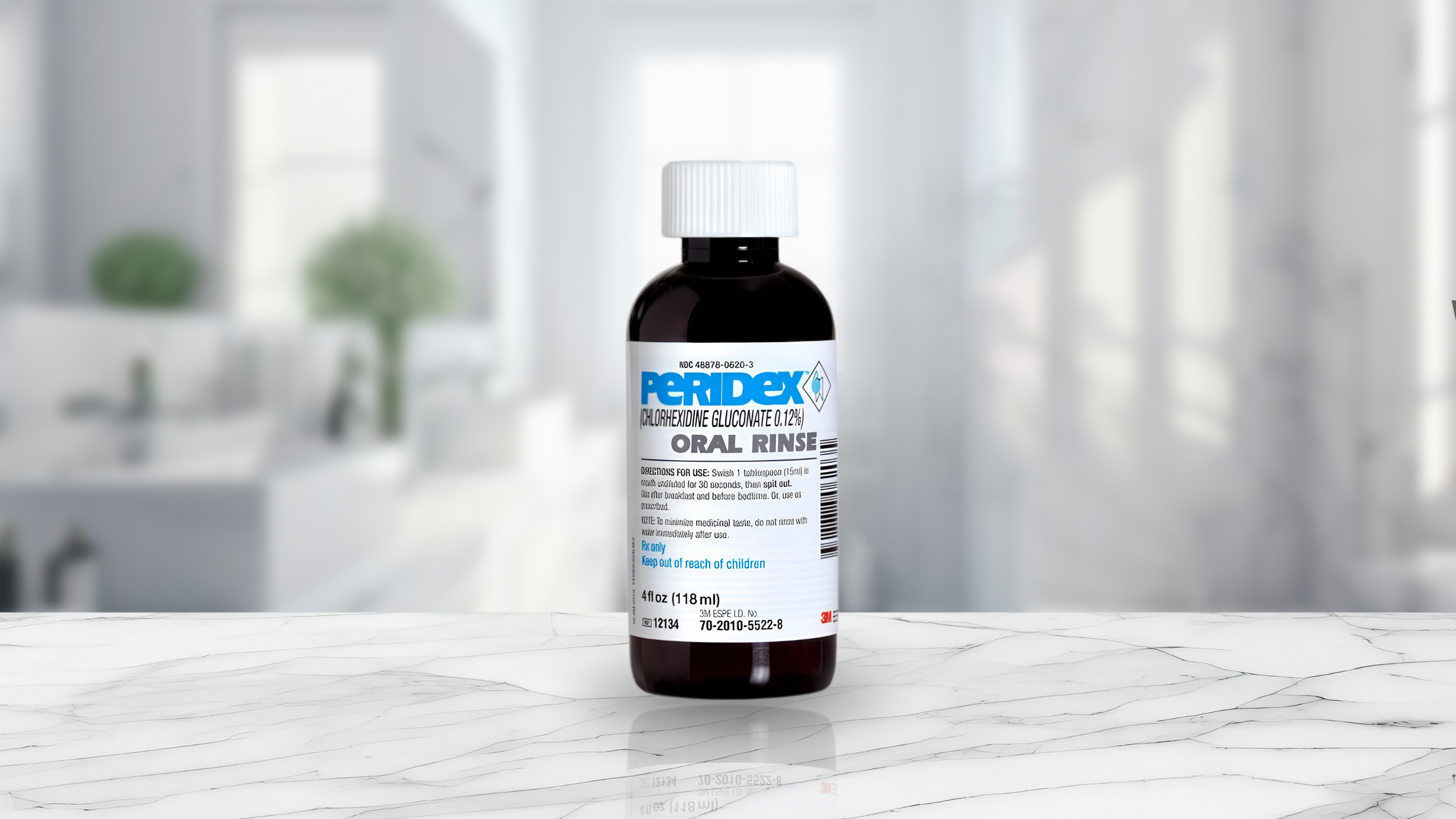
Peridex is a prescription oral rinse containing 0.12% chlorhexidine gluconate, prescribed by dentists to treat gingivitis. Using it incorrectly, or stopping too early, reduces its effectiveness and can worsen side effects like tooth staining.
TL;DR
Peridex is a prescription antibacterial rinse that outperforms any OTC mouthwash for treating gingivitis, but only if you use it right.
The dose is 15 ml twice daily after brushing, and the 30-minute no-eat, no-drink, no-rinse window after spitting is the step most people skip
Tooth staining is real and starts within a week, but a professional cleaning removes it
Generic chlorhexidine gluconate 0.12% is the same drug and costs as little as $5 with a GoodRx coupon
Peridex manages gingivitis while you use it. It does not cure it permanently, so brushing, flossing, and regular cleanings still carry the load
If your gums bleed when you brush, that is the signal to bring it up at your next dental appointment.
What Is Peridex And Who Makes It?
Peridex is a brand-name dental rinse from dentist offices and pharmacies alike, manufactured by 3M, which has since transitioned its dental division under the Solventum brand. The active ingredient is chlorhexidine gluconate at a concentration of 0.12%, suspended in a water-based solution that also contains 11.6% alcohol, glycerin, PEG-40 sorbitan diisostearate, sodium saccharin, and FD&C Blue No. 1, giving the product its characteristic blue appearance. Its near-neutral pH range of 5 to 7 and mint flavoring make it more tolerable than many antiseptic rinses.
The FDA has approved Peridex specifically for treating gingivitis, the early stage of gum disease characterized by redness, swelling, and bleeding of gum tissue. It is classified as a germicidal mouthwash, meaning it actively kills bacteria rather than simply masking odor or freshening breath.
Peridex is available by prescription only in the United States and is not approved for patients under 18. Other brands containing the same 0.12% chlorhexidine gluconate formula include Periogard (Colgate) and Paroex. Generic chlorhexidine gluconate 0.12% oral rinse is widely available and therapeutically equivalent to all brand-name versions. When this article refers to Peridex, that applies equally to its generic and brand-name equivalents unless specifically noted otherwise.
One clinical clarification worth noting upfront: Peridex treats gingivitis, a condition driven by bacterial accumulation at the gum line. Canker sores, oral thrush (a fungal infection), and other non-bacterial oral conditions do not respond to chlorhexidine and require entirely different treatments. Using Peridex for these conditions is not appropriate.
Is Peridex An Antibiotic?
Peridex is not an antibiotic. It is an antiseptic. Antibiotics target specific bacteria through biochemical pathways and can contribute to antibiotic resistance. Chlorhexidine gluconate works by physically disrupting the bacterial cell membrane, which gives it a broader antibacterial action without the resistance concerns that accompany antibiotic prescriptions. This distinction matters clinically – six-month studies from the FDA product label confirmed no significant changes in bacterial resistance after consistent use, which is not something that can be said for antibiotic-based treatments.
How Does A Dental Rinse with Chlorhexidine Work?
Understanding the mechanism behind the dental rinse chlorhexidine helps explain why it works when standard OTC mouthwash falls short, and why following the usage instructions precisely matters so much clinically.
Chlorhexidine gluconate works through a process called membrane disruption. When the rinse contacts bacterial cells, the positively charged chlorhexidine molecule binds to the negatively charged outer membrane of those cells and destabilizes it, causing the cell to break down and die. This mechanism is effective against both aerobic and anaerobic bacteria, including the specific species most closely associated with gum inflammation and periodontal disease.
A property that distinguishes chlorhexidine from standard OTC mouthwashes is substantivity, the ability of the compound to bind to oral tissues, tooth surfaces, and plaque, then continue releasing antimicrobial activity for 12 to 24 hours after rinsing. This sustained release is what makes twice-daily dosing effective and why the 30-minute post-rinse window, meaning no food, drink, or rinsing afterward, matters as much as the rinse itself.
Clinical data from the FDA-approved product label confirms that Peridex reduces certain aerobic and anaerobic mouth bacteria by 54 to 97 percent over six months of consistent use, without producing significant changes in bacterial resistance or the broader oral microbial ecosystem. That range reflects individual variation in plaque levels and compliance.
One important limitation: Chlorhexidine does not penetrate thick plaque deposits deeply and cannot reach the depths of gum pockets on its own. Peridex therapy is therefore always initiated after a professional dental cleaning or scaling and root planing procedure. It works on recently cleaned surfaces, not through accumulated tartar. For more on the instruments used during that scaling process, Dental Reviewed's guide to dental curettes provides a detailed clinical walkthrough of the procedure.
What Are The Benefits Of Using Peridex?
Patients who use Peridex correctly, as part of a broader periodontal treatment program, can expect several meaningful clinical improvements. These extend beyond gum tissue health into quality-of-life concerns like breath odor and post-procedural healing comfort.
Reduction Of Gum Inflammation And Bleeding
The most consistently reported benefit is a reduction in gum bleeding during brushing. Most patients notice this improvement within two to three weeks of starting twice-daily use. Chlorhexidine reduces the bacteria triggering the inflammatory response in gum tissue, which reduces the tissue's tendency to bleed on contact. Redness and swelling typically improve over the same timeframe, making this one of the clearest early indicators that the rinse is working.
Plaque Control Between Dental Visits
Peridex provides antibacterial coverage between professional cleanings at a level that brushing and flossing alone cannot achieve. This is particularly valuable for patients healing from scaling and root planing, or those with difficulty maintaining thorough mechanical hygiene due to orthodontic appliances, physical limitations, or post-surgical sensitivity.
Patients looking to enhance plaque control alongside their Peridex course may benefit from adding a quality oral irrigator, which helps dislodge debris from gum pockets. An oral irrigator is not a substitute for the rinse, but when used in combination, it can support tissue healing during the treatment window.
Relief Of Gum-Disease-Related Bad Breath
Halitosis related to gum disease is largely bacterial in origin. The same anaerobic organisms that inflame gum tissue also produce volatile sulfur compounds responsible for the characteristic odor. Because Peridex targets those bacteria directly, patients with gum-disease-related bad breath typically notice meaningful improvement during the treatment course. The rinse does not address bad breath from other sources, such as tongue coating, dry mouth, or post-nasal drip.
Support During Post-Procedural Healing
Dentists frequently prescribe Peridex for one to two weeks following scaling and root planing, tooth extractions, or periodontal surgery to reduce infection risk during the healing window, when mechanical brushing of affected areas may be restricted. Chlorhexidine provides antibacterial coverage in areas the patient cannot reach with a toothbrush during recovery. This application is well-supported in clinical practice and reflects one of the most common scenarios in which patients receive a Peridex prescription.
How To Use Peridex Correctly
Correct technique is not optional with Peridex. Common side effects, tooth staining in particular, are worsened by improper use, and the antibacterial effectiveness drops significantly if the post-rinse waiting window is not respected. The following instructions reflect the official prescribing information from 3M and the FDA product label.
Step-By-Step Instructions
Brush your teeth thoroughly before using Peridex. Some clinicians recommend rinsing briefly with plain water after brushing to remove residual toothpaste, as certain toothpaste compounds can interact with chlorhexidine and slightly reduce its uptake on oral surfaces.
Measure 15 ml using the cap provided with the bottle. The cap has a fill line. Do not estimate the dose or use a different measuring cup, as an under-dose reduces effectiveness and an over-dose increases side effect risk without added benefit.
Swish the full 15 ml around the mouth for exactly 30 seconds. Do not gargle. Do not swallow.
Spit completely. Do not rinse with water, use another mouthwash, brush teeth, eat, or drink for at least 30 minutes after spitting. This window is critical and is the most commonly skipped step.
Do not dilute Peridex with water before or during use. The product should be used undiluted as dispensed.
Frequency And Duration
The standard dosing schedule is twice daily: once in the morning after breakfast, after brushing, and once in the evening at bedtime, after brushing. This aligns with the substantivity window of chlorhexidine, ensuring consistent antibacterial activity across the day and overnight.
Most prescription courses run four to six weeks. Dentists may prescribe up to six months for patients with ongoing gum inflammation, but use beyond six months is not standard practice and requires active dental supervision. After stopping Peridex, bacteria return to pre-treatment baseline levels within approximately three months. This confirms that the rinse manages the condition during use rather than permanently resolving it, and underscores why it is one component of a care program rather than a standalone treatment.
For patients who want to understand where Peridex fits within a longer care sequence, reviewing a structured dental treatment plan can clarify how prescription rinse therapy relates to cleaning schedules, follow-up appointments, and other treatment phases.
Missed Doses
If a dose is missed, use it as soon as remembered, but brush teeth first. If the next scheduled dose is approaching soon, skip the missed one. Doses should never be doubled up in one session, as this increases the risk of oral irritation and does not provide additional antibacterial benefit.
Is Peridex Over The Counter?
Peridex is not available over the counter. In the United States, 0.12% chlorhexidine gluconate oral rinse is a prescription-only medication under FDA regulation. A licensed dentist or physician must evaluate and prescribe it before a patient can fill it at a pharmacy. No OTC mouthwash in the US contains 0.12% chlorhexidine at prescription strength.
Telehealth dental platforms are expanding access in some states, with licensed dentists reviewing patient health questionnaires online before issuing a prescription remotely. Even so, the prescription requirement itself does not change. Peridex cannot be purchased without a valid prescription from a licensed provider.
Side Effects Of A Prescription Strength Gum Rinse
Peridex carries a well-documented side effect profile. Most patients tolerate it without significant difficulty, but understanding what is common, what is manageable, and what warrants immediate attention supports safe use of this prescription dental rinse.
Common Side Effects
According to the official prescribing information, the three most frequently reported side effects are:
Tooth staining (covered in full detail in the next section)
Increased tartar (calculus) buildup on tooth surfaces
Altered taste perception, often described as bitter or metallic, during the treatment course
Increased calculus formation is a documented pharmacological effect of chlorhexidine. Regular professional cleanings, ideally every six months or as directed by the treating dentist, will address this buildup. Patients who use a consistently applied gum repair toothpaste twice daily may help maintain surface cleanliness between appointments.
Taste changes typically resolve after the course ends and do not indicate a problem with the medication. Some patients find that rinsing with plain water after the 30-minute post-rinse window reduces the residual aftertaste throughout the day.
Less common side effects reported in placebo-controlled clinical trials include mild oral mucosal irritation, aphthous ulcers, and minor tongue coating changes. Each was reported at a frequency below 1 percent in clinical trial populations.
Rare But Serious Reactions
Anaphylaxis and serious allergic reactions have been reported in postmarketing surveillance of dental products containing chlorhexidine. Signs include hives, difficulty breathing, swelling of the face, lips, or throat, cold sweats, and dizziness. These reactions can occur within minutes of exposure. Anyone experiencing these symptoms should stop using Peridex immediately and seek emergency medical care.
Peridex must not be used by anyone with a known allergy or sensitivity to chlorhexidine gluconate. This is a contraindication, not a precaution.
Safety Considerations For Special Populations
Peridex is not approved for patients under 18 years old. In young children, accidental ingestion can produce serious effects, including nausea, slurred speech, and slowed motor responses. If a child swallows Peridex, call Poison Control immediately at 1-800-222-1222.
Pregnant and breastfeeding patients should consult their physician before starting Peridex. The effects of chlorhexidine gluconate on fetal development and breast milk content have not been fully established in clinical research, and prescribing decisions in these populations should involve the patient's OB-GYN or primary care provider in addition to the dentist.
How Long Before Peridex Stains Teeth?
Tooth staining is the most commonly searched concern about Peridex, and for good reason. It is common, visible, and can be alarming for patients who are not prepared for it. The short answer: staining can appear within one week of starting treatment, though severity varies considerably between individuals.
The mechanism involves chlorhexidine's positive charge, causing it to bind to tooth enamel surfaces, plaque films, and oral soft tissues. Over time, this binding creates brown or yellowish deposits, particularly in areas where plaque is not removed thoroughly by brushing. Foods and beverages with strong pigmentation, including coffee, tea, red wine, and dark berries, accelerate the process because their chromogenic compounds bind alongside chlorhexidine-coated surfaces.
According to the official prescribing information on DailyMed, 56 percent of Peridex users showed a measurable increase in anterior tooth staining after six months of use, compared to 35 percent of control users. Heavy staining developed in 15 percent of Peridex users versus only 1 percent of controls over the same period. Not every patient will experience visible staining, but the majority will experience at least some degree of surface discoloration.
For natural tooth enamel, staining is generally removable by a dental hygienist during a routine professional cleaning. Tooth-colored restorative work warrants greater caution. Composite fillings, ceramic crowns, and similar restorations can stain more deeply than enamel, and in some cases, the discoloration may be very difficult to remove without replacing the restoration. Patients with visible anterior (front tooth) restorations should discuss this risk with their dentist before starting the course.
Practical steps to minimize staining:
Brush and floss thoroughly before every rinse to remove as much plaque as possible from all surfaces
Limit coffee, tea, red wine, and berry-based drinks during the active treatment course
After the 30-minute post-rinse window has passed, rinse with plain water after consuming staining foods or beverages
Maintain professional cleanings every six months throughout the prescription course
Use a soft toothbrush or tongue scraper to clean the tongue, which is also prone to chlorhexidine-related staining
Patients managing staining from multiple sources may find the resources on preventing coffee and tea stains on teeth and on tetracycline-related tooth discoloration at Dental Reviewed helpful for understanding how different staining mechanisms interact and compound each other.
Brands, Generics, And OTC Alternatives
Understanding the full range of available options, from brand-name Peridex to generic equivalents to OTC products, helps patients make informed decisions about cost, accessibility, and what each category can realistically deliver.
Generic Chlorhexidine: The Same Drug At A Lower Price
Generic chlorhexidine gluconate 0.12% oral rinse is therapeutically equivalent to Peridex. When a dentist writes a prescription for Peridex, most pharmacies will automatically dispense the generic version unless the prescription specifies the brand as medically necessary. This substitution is clinically appropriate and can reduce out-of-pocket costs significantly.
The same 0.12% chlorhexidine formula is also sold under the brand names Periogard (Colgate) and Paroex. All three require a prescription in the US and contain the same active ingredient at the same concentration. Choosing between them is a matter of pharmacy availability and price, not clinical difference. All three are equally valid as prescription dental rinses from dentist offices or pharmacy dispensaries.
OTC Alternatives For Gum Care
No OTC mouthwash available in the United States contains 0.12% chlorhexidine gluconate. That concentration is prescription-only under FDA regulation, and no OTC product matches it for clinical potency against gingivitis-related bacteria.
For patients who need a maintenance rinse between prescription courses, or those who cannot access a prescription at a given time, OTC options with clinical evidence for plaque and mild gingivitis control include essential-oil-based rinses (such as Listerine Antiseptic) and cetylpyridinium chloride (CPC) formulations. Fluoride rinses address enamel health and remineralization, but do not replace chlorhexidine's targeted antibacterial mechanism. Our ACT fluoride mouthwash review covers in detail what that category of rinse does and does not accomplish clinically.
The American Dental Association recognizes both prescription chlorhexidine and essential-oil-based rinses as effective for plaque and gingivitis control. The evidence base for prescription-strength chlorhexidine is considerably more robust for treating active gingivitis, making OTC alternatives best suited as adjuncts or maintenance tools rather than primary treatments.
Complementary tools worth considering alongside any rinse course include a quality oral irrigator for flushing debris from gum pockets and, for patients experiencing gum sensitivity during the course, a toothbrush designed for sensitive teeth and gums that minimizes irritation during brushing.
Where To Buy Peridex, What It Costs, And How To Save
Peridex and its generic equivalents are widely available in the US, but as a prescription item, the process of obtaining and filling them differs from buying an OTC mouthwash. Knowing where to look and how to reduce costs can make a meaningful difference, particularly for patients on extended courses.
Pharmacy And Online Options
Peridex and generic chlorhexidine gluconate 0.12% oral rinse are stocked at most major US pharmacy chains, including CVS, Walgreens, Rite Aid, and Walmart Pharmacy. Because it is a prescription item with moderate retail turnover, calling ahead to confirm availability is advisable, particularly at smaller pharmacy locations where it may need to be ordered in advance. The generic version is more consistently stocked than the branded Peridex.
Amazon Pharmacy stocks both brand-name and generic versions and accepts most major insurance plans, making it a practical option for patients who prefer home delivery. Other licensed online pharmacies also carry chlorhexidine rinse with a valid prescription. Always confirm that any online pharmacy is licensed and operating within the US before submitting a prescription.
Price Range And How To Save
Without insurance, the average retail price for a 4 oz (118 ml) bottle of generic chlorhexidine gluconate 0.12% is approximately $21. According to GoodRx, as of May 2026, a free GoodRx coupon brings the price to approximately $5.27 at participating pharmacies. GoodRx Gold members may access prices as low as $4.82 for the same quantity. These figures are updated frequently and may vary by region.
Most dental and medical insurance plans cover generic chlorhexidine under their pharmacy benefit. Confirming the applicable copay tier before filling the prescription is advisable. For patients managing dental insurance coverage more broadly, Dental Reviewed's guide to Delta Dental coverage explains how dental plans handle prescription items and preventive care.
There is no official Peridex brand manufacturer coupon program for individual patients. Generic pricing through GoodRx already offers comparable savings without one. No dedicated subscription service exists specifically for prescription dental rinses, though pharmacy delivery services, including Amazon Pharmacy, offer recurring refill options that work similarly for patients on extended treatment courses.
The Peridex Rinse Dental Code Explained
When Peridex is dispensed directly by a dental office rather than written as a take-home pharmacy prescription, the charge typically appears on the patient's Explanation of Benefits under CDT code D9630, which covers other drugs and medicaments, by report. This is the billing code used for in-office dispensing of prescription medications, including oral rinses. When a dentist writes a standard pharmacy prescription instead, no CDT code applies, and the charge processes through the pharmacy benefit as a standard prescription fill.
How To Get A Prescription For A Dental Rinse From Your Dentist
Peridex is prescription-only in the United States. A licensed dentist or physician must evaluate the patient before any prescription can be issued, which means there is no path to obtaining it without a clinical encounter.
The most common route runs through a routine dental examination or cleaning appointment. When a dentist observes active gingivitis, with redness, swelling, and bleeding on probing, Peridex is often prescribed at that visit, typically alongside a professional prophylaxis. It is also frequently prescribed after scaling and root planing as part of the post-procedural care protocol.
Patients who believe a prescription rinse may be appropriate for their situation can raise the topic directly with their dentist. Describing specific symptoms, such as gums that bleed during brushing, persistent soreness along the gum line, or visible redness and swelling, gives the clinician the clinical context needed to assess whether a prescription is warranted and whether Peridex specifically is the right choice.
Telehealth dental platforms are expanding access in many states, though most continue to require a physical examination before issuing a prescription for a medicated rinse. For patients who want to understand how a Peridex course fits within a full periodontal care sequence, the dental treatment plan tool at Dental Reviewed can help map out how rinse therapy relates to cleaning appointments, follow-up assessments, and longer-term maintenance.
Before any prescription consultation, patients should provide a complete medical history, including all current medications, known drug allergies, and relevant health conditions. Pregnancy, breastfeeding, and known sensitivity to chlorhexidine are all clinically relevant factors that directly affect the prescribing decision.
Bottom Line
Peridex is a well-established, FDA-approved prescription dental rinse with clear clinical evidence, a manageable side effect profile for most patients, and a straightforward mechanism of action. The active ingredient, chlorhexidine gluconate, is the most clinically validated antibacterial agent available in an oral rinse format, and prescription-strength chlorhexidine has been the standard of care for gingivitis management in dentistry for decades.
Using it correctly makes a significant clinical difference. The dose is 15 ml, the swish time is 30 seconds, and the post-rinse window of 30 minutes, with no eating, drinking, or rinsing, is non-negotiable. Starting the course after a professional cleaning, completing the full prescribed duration, and attending follow-up cleanings every six months are the practical factors that determine whether the rinse delivers its intended benefit.
Staining is real, often unavoidable to some degree, and manageable with thorough daily oral hygiene and regular professional cleanings. Patients with visible anterior restorations should discuss staining risk with their dentist before starting the course.
Generic chlorhexidine gluconate 0.12% is clinically equivalent to Peridex and costs a fraction of the brand-name price with a GoodRx coupon. For patients without insurance coverage, the generic is the most practical and cost-effective option without any compromise in treatment quality.
Peridex is one component of a treatment program, not a standalone cure. Consistent brushing, flossing, and regular professional care before, during, and after the prescription course determine how well the results hold over time.
This article is for informational purposes only and does not constitute medical advice. Always consult with qualified healthcare professionals for diagnosis and treatment recommendations specific to your situation.
Frequently Asked Questions
How long can I safely use a chlorhexidine gluconate rinse?
Most Peridex courses last four to six weeks. A dentist may extend use up to six months for ongoing gum management. Beyond six months is not standard practice and requires active dental supervision. After stopping use, bacteria return to pre-treatment baseline levels within approximately three months, so the rinse manages the condition during use rather than permanently eliminating it.
Should I rinse my mouth with water after using Peridex?
Not immediately. Rinsing with water right after using Peridex dilutes the chlorhexidine and reduces its effectiveness significantly. Wait at least 30 minutes before eating, drinking, or rinsing with anything. Normal activity can resume comfortably after that window closes.
Can I use Peridex and a regular mouthwash at the same time?
Generally not within the same session. Using other mouthwashes immediately before or after Peridex can interfere with its uptake and effectiveness. For patients who also use a fluoride rinse, the prescribing dentist can advise on how to time the two rinses appropriately during the day to avoid overlap.
Does Peridex work for canker sores or oral thrush?
No. Peridex is an antibacterial rinse and has no clinical effect on viral or fungal conditions. Canker sores (aphthous ulcers) and oral thrush (a yeast infection caused by Candida) require separate, targeted treatments that a dentist or physician can prescribe.
Will Peridex cure my gum disease permanently?
Peridex reduces the bacterial load that drives gingivitis while the course is in progress. After stopping the rinse, bacteria gradually repopulate and return to baseline within approximately three months. Long-term control of gum disease depends on sustained daily hygiene habits and regular professional care, and the rinse is one part of a treatment program rather than a permanent solution on its own.
Is Peridex safe to use during pregnancy?
The effects of chlorhexidine gluconate on fetal development and breast milk content have not been fully established in clinical research. Pregnant or breastfeeding patients should consult their physician or OB-GYN before starting Peridex, even when it has already been prescribed at a dental visit.
Where can I find patient reviews for dentist-prescribed antiseptic rinses like Peridex?
Patient reviews for Peridex and generic chlorhexidine gluconate are available on Drugs.com, the WebMD drug review section, and GoodRx. These provide useful real-world impressions of tolerability, taste changes, and staining experiences. Individual responses to medication vary considerably, and clinical guidance from the prescribing dentist should always take priority over review platform feedback.
Can a prescription dental rinse help with bad breath from gum disease?
Yes, to a meaningful degree. Bad breath related to gum disease is largely caused by the same anaerobic bacteria that Peridex targets. Reducing that bacterial load typically produces a noticeable improvement in breath odor for patients whose halitosis has a gum-disease component. It will not address breath issues originating from the tongue, sinuses, stomach, or dry mouth.
What is the active ingredient in Peridex, and how does it compare to OTC mouthwash?
The active ingredient is chlorhexidine gluconate at 0.12%. OTC mouthwashes contain no prescription-strength chlorhexidine. The most comparable OTC options use essential oils such as thymol, eucalyptol, and menthol (Listerine) or cetylpyridinium chloride (CPC). Both have clinical evidence for plaque control, but neither matches chlorhexidine's antibacterial breadth, sustained release, or the clinical evidence base for treating active gingivitis.
Is Peridex an antibiotic?
No. Peridex is an antiseptic, not an antibiotic. It kills bacteria by physically disrupting their cell membranes rather than through biochemical pathways. This means it does not carry the same resistance concerns as antibiotic-based treatments, and FDA-reviewed clinical data confirms no significant bacterial resistance after six months of consistent use.
Where can I buy Peridex oral rinse?
Peridex and its generic equivalent are stocked at most major US pharmacies, including CVS, Walgreens, Rite Aid, and Walmart Pharmacy, as well as through Amazon Pharmacy and other licensed online pharmacies. Because it is prescription-only, a valid dentist or physician prescription is required before filling. Calling ahead to confirm stock availability is advisable, particularly at smaller pharmacy locations.