ACT Fluoride Rinse: What It Actually Does For Your Teeth
Most people grab whatever mouthwash is on sale, swish for a few seconds, and assume the job is done. In dental offices, that assumption comes up almost daily. The truth is that...
Written by Marcus Hale
Read time: 6 min read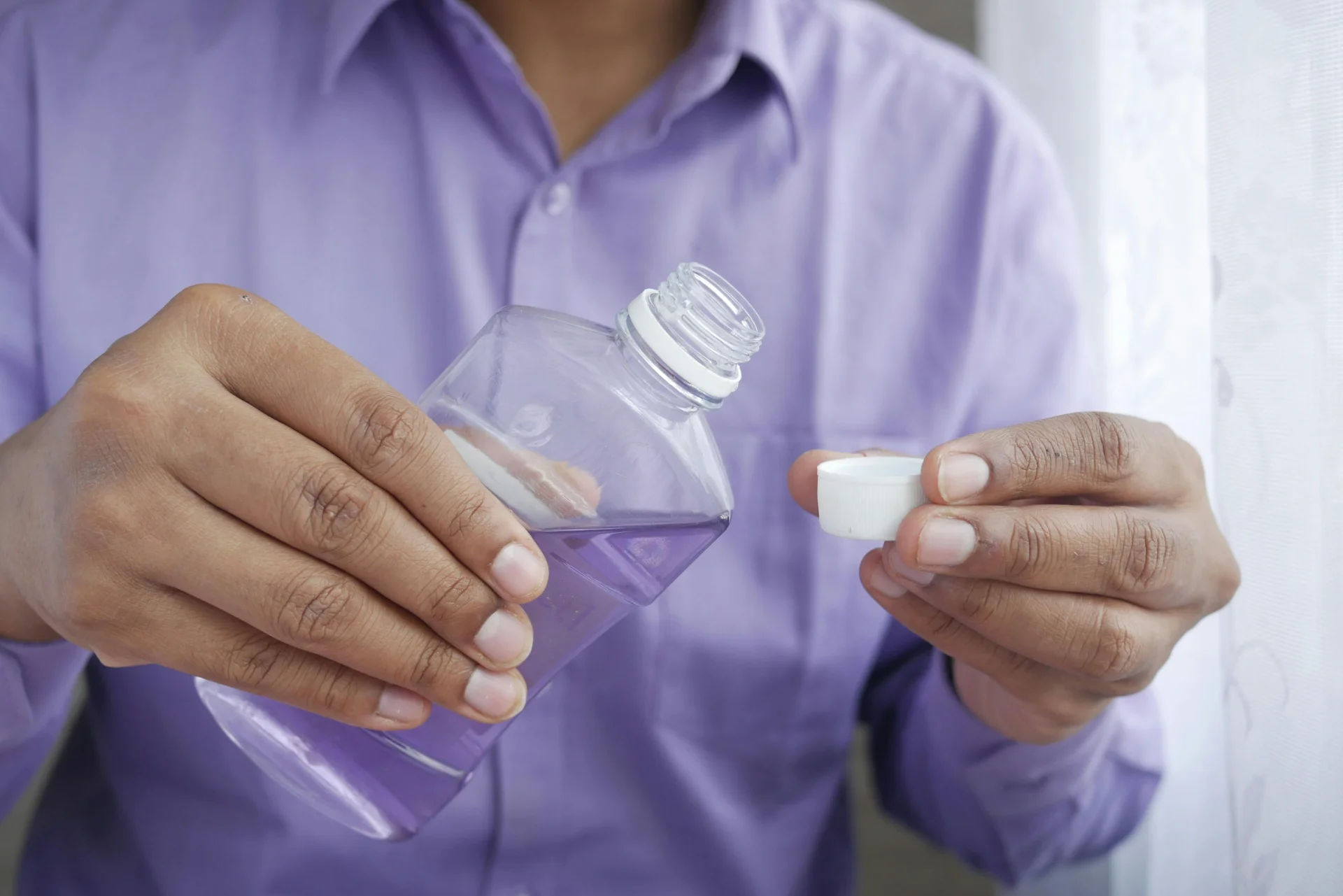
Most people grab whatever mouthwash is on sale, swish for a few seconds, and assume the job is done. In dental offices, that assumption comes up almost daily. The truth is that standard mouthwash, the kind that burns and leaves a strong minty aftertaste, is often a cosmetic product with limited clinical benefit beyond temporarily freshening breath.
That is why a growing number of dental professionals are steering patients toward ACT fluoride mouthwash instead. ACT is the most recommended fluoride rinse brand among dentists in the United States, and its popularity is not based on marketing alone. The product delivers the maximum concentration of sodium fluoride available over the counter, giving teeth measurable protection against decay.
This article offers a thorough, evidence-based review of the ACT fluoride rinse. It covers what the product is, how it works at a chemical level, which formulas exist, what dentists and real users think, and how it compares to competitors. If you have been told to start using an anti-cavity mouthwash and want an honest opinion before spending your money, this guide was written for you.
What Is ACT Fluoride Mouthwash, And How Is It Different From Regular Mouthwash?
ACT anticavity fluoride rinse mouthwash is a therapeutic oral rinse containing 0.05% sodium fluoride, which translates to 0.02% fluoride ion. That concentration is the highest level of fluoride permitted in a non-prescription rinse, according to the product’s drug facts label on DailyMed. This distinction matters because it draws a clear line between ACT and the cosmetic mouthwashes that dominate store shelves.
A cosmetic mouthwash temporarily masks bad breath. It may contain alcohol, flavouring agents, and mild antiseptics, but it does not actively strengthen tooth enamel or reduce cavity risk. A therapeutic rinse like ACT, on the other hand, delivers fluoride directly to the tooth surface, helping to reverse the early stages of decay through a process called remineralisation.
ACT’s formulation is also pH-neutral, sitting between 6.0 and 7.6. This is significant because the cavity process depends on acid production. Using an acidic product in the mouth can accelerate demineralisation rather than slow it. The American Dental Association notes that therapeutic mouthrinses with active ingredients like fluoride are intended to help control or reduce conditions, including tooth decay, distinguishing them from purely cosmetic products.
The brand has been producing fluoride rinses for over 30 years, and its flagship ACT Anticavity product has earned the ADA Seal of Acceptance, a designation that requires manufacturers to submit clinical or laboratory evidence of safety and efficacy. One practical detail worth mentioning: every bottle features a built-in squeeze-cap dosing system that fills to exactly 10 ml, which eliminates guesswork and reduces mess.
ACT Mouthwash Products: Which One Is Right For You?
ACT offers several product lines, each targeting different oral care needs. Choosing the right one depends on your specific situation, so here is a breakdown of the main options available through the brand’s official product page.
ACT Anticavity (The Original)
This is ACT’s core product and the formula most commonly recommended in dental offices. It is alcohol-free, designed for once-daily use after brushing, and available in mint and cinnamon. The active ingredient is 0.05% sodium fluoride. For anyone looking for a straightforward, no-frills anti-cavity mouthwash, this is the logical starting point.
ACT Restoring
ACT Restoring is formulated to go beyond basic cavity prevention and actively remineralise soft spots in tooth enamel. It uses the same sodium fluoride concentration but is intended for twice-daily use. Important to note: some variants of ACT Restoring contain 11% alcohol. If sensitivity or dry mouth is a concern, look specifically for the zero-alcohol version, labelled ACT Restoring Zero Alcohol.
ACT Total Care
Total Care combines cavity protection with breath-freshening and enamel-strengthening in a triple-action formula. It is available in both 18 oz and 33.8 oz sizes, in fresh mint and icy clean mint. Like the Restoring line, some Total Care products contain alcohol, so reading the label carefully before purchasing is essential.
ACT Dry Mouth
Designed for people dealing with xerostomia (chronic dry mouth), this formula adds moisturising ingredients to the standard fluoride base. Dry mouth significantly increases cavity risk because saliva plays a critical role in neutralising acids and washing away food particles. Reduced saliva production is a common side effect of many medications, making this product particularly relevant for older adults. For a deeper look at how oral care products address different dental needs, the best toothpaste guide on Dental Reviewed covers complementary options.
ACT Kids
Formulated for children aged 6 and older, ACT Kids uses a lower fluoride concentration and comes in child-friendly flavours. All kids’ formulas are alcohol-free. Children under 6 should not use any fluoride rinse unless specifically directed by a dentist, because swallowing reflexes may not be fully developed at that age.
Product | Alcohol-free? | Use frequency | Best for | Flavours |
ACT Anticavity | Yes | Once daily | General cavity prevention | Mint, cinnamon |
ACT Restoring | Some variants | Twice daily | Remineralising weakened enamel | Cool mint, mint burst |
ACT Total Care | Some variants | Twice daily | Multi-benefit (cavity + breath + enamel) | Fresh mint, icy clean mint |
ACT Dry Mouth | Yes | As directed | Dry mouth and cavity prevention | Soothing mint |
ACT Kids | Yes | Once daily | Children aged 6+ | Multiple kid-friendly |
How Does ACT Fluoride Rinse Actually Prevent Cavities?
Understanding what fluoride does at the tooth surface helps explain why dental professionals place so much emphasis on it. The cavity process is not a sudden event. It is a continuous tug-of-war between demineralisation and remineralisation that plays out across every tooth, every day.
When you eat or drink, especially foods and beverages high in sugar or acid, bacteria in dental plaque produce acids that dissolve calcium and phosphate from the enamel surface. This is demineralisation. Left unchecked, it leads to white spot lesions and eventually full cavities.
Fluoride reverses this process. When sodium fluoride from ACT mouthwash contacts the tooth surface, fluoride ions are absorbed into the weakened enamel. They combine with calcium and phosphate from saliva to form fluorapatite, a mineral compound that is harder and more acid-resistant than the original enamel. Research published by Featherstone (1999) in Community Dentistry and Oral Epidemiology demonstrated that low-level, consistent fluoride exposure supports ongoing remineralisation and can prevent and even reverse early-stage caries.
A Cochrane systematic review referenced by the ADA also found that regular use of fluoride mouthrinse reduced tooth decay in children, regardless of other fluoride sources like water or toothpaste. This finding reinforces the idea that a fluoride rinse provides additive protection beyond brushing alone.
One common misunderstanding deserves correction here. Fluoride rinse is not a replacement for brushing and flossing. It is a supplement that delivers fluoride to areas toothpaste may not reach effectively, and it keeps fluoride in prolonged contact with the enamel, particularly when used at bedtime. After rinsing, you should avoid eating, drinking, or rinsing with water for at least 30 minutes so the fluoride has time to fully absorb into the tooth surface.
Dentist Opinions: Can We Recommend ACT Mouthwash?
For readers searching for professional perspectives on ACT fluoride, this section pulls together what dental professionals are consistently saying about the product.
ACT markets itself as the number-one dentist-recommended fluoride brand among over-the-counter mouth rinses. The brand’s professional-facing website features endorsements from dental hygienists, with one stating that she recommends ACT because it remineralises enamel, is safe for all types of dental work, and offers multiple flavour options. Another hygienist noted that she finds it easy to recommend because she uses it herself and has seen measurable improvement in her patients’ oral health.
Beyond brand-published testimonials, independent user reviews paint a consistent picture. Across Amazon, Walmart, and iHerb, hundreds of reviewers specifically mention that their dentist or hygienist told them to switch from a standard mouthwash to ACT. A periodontist-recommended reviewer on Walmart highlighted the 0.05% sodium fluoride concentration as a meaningful supplement to toothpaste, especially given that some regions have reduced or eliminated fluoride from their water supply.
The distinction between cosmetic and therapeutic mouthwash is central to the professional perspective. An NBC Select review of ADA-accepted mouthwashes explained that therapeutic rinses like ACT contain active ingredients that address specific issues, such as decay prevention, while cosmetic options only mask symptoms like bad breath. Several dentists quoted in the piece stressed that ACT’s fluoride-based formula places it firmly in the therapeutic category.
For a balanced view, it is worth noting that not every dental professional considers a fluoride rinse essential for all patients. Some feel that fluoride toothpaste alone provides sufficient protection for low-risk individuals. The ADA’s MouthHealthy resource on fluoride recommends that adults with higher cavity risk talk to their dentist about adding a fluoride rinse to their routine. The consensus is that ACT fluoride mouthwash is most beneficial for people who are cavity-prone, have dry mouth, wear braces, or live in areas with low water fluoridation.
ACT Fluoride Rinse Reviews: The Good, The Bad, And The Unexpected
Real-world user feedback provides a perspective that clinical data alone cannot capture. After reviewing hundreds of ratings across Amazon, Walmart, and iHerb, several clear patterns emerge.
What Users Consistently Praise
No burning or stinging, the single most frequently mentioned positive across all review platforms, with users repeatedly contrasting the gentle experience against the aggressive burn of alcohol-based rinses like Listerine
Noticeable improvement in tooth sensitivity after regular use, with some reviewers reporting that their teeth felt smoother and looked whiter within weeks
The built-in squeeze-cap dosing system, which users describe as convenient, hygienic, and ideal for households where multiple people share a bottle
Affordable price point, typically ranging from $4 to $7 per 18 oz bottle, making daily use realistic for most budgets
Long-term loyalty, with many reviewers reporting consistent use for years after an initial dentist recommendation
On Amazon, ACT Anticavity Zero Alcohol Fluoride Mouthwash holds a 4.7 out of 5-star rating across thousands of reviews. That level of sustained positive feedback is uncommon for an oral care product.
Common Criticisms
Some users prefer natural sweeteners like xylitol and are disappointed that ACT uses sorbitol and sodium saccharin
Concerns about artificial colours in certain formulas, particularly blue 1 and yellow 5
The mild flavour profile, which a few users find too subtle, preferring a stronger sensation of cleanliness
Confusion between alcohol-free and alcohol-containing variants, with some buyers accidentally purchasing a formula with 11% alcohol and experiencing irritation
That last point is worth emphasising. If you are specifically looking for a gentle, alcohol-free experience, confirm that the label says “zero alcohol” before purchasing. The Restoring and Total Care lines include both types, and the packaging is not always obvious at a glance. For readers researching safe oral care options for children, this distinction is especially important.
How Does ACT Fluoride Mouthwash Compare To Listerine, Crest, And CloSYS?
Choosing the right anti-cavity mouthwash means understanding what each brand prioritises. Below is a comparison of the most commonly considered options.
Feature | ACT Anticavity | Listerine Total Care | Crest Pro-Health | CloSYS |
Fluoride | 0.05% sodium fluoride | 0.02% sodium fluoride | 0.07% cetylpyridinium chloride (no fluoride) | None |
Alcohol | None | None (some variants have alcohol) | None | None |
Primary benefit | Cavity prevention via fluoride | Multi-benefit (fluoride + antiseptic) | Antibacterial, gum protection | Gentle bacteria reduction, breath |
ADA Seal | Yes | Yes | Yes | Yes |
Best for | Cavity-prone users, fluoride supplementation | Users wanting all-in-one coverage | Gum health, plaque reduction | Sensitive mouths, breath issues |
ACT’s key differentiator is its fluoride concentration. At 0.05% sodium fluoride, it delivers the maximum allowable OTC dose, making it the strongest non-prescription option for enamel protection. Listerine Total Care also includes fluoride but at a lower concentration, while combining it with essential oils for antibacterial action. Crest Pro-Health takes a different approach entirely, focusing on cetylpyridinium chloride for gum and plaque control without including fluoride at all.
CloSYS is worth considering for anyone who needs an ultra-gentle rinse, as it uses chlorine dioxide rather than fluoride. It is excellent for reducing bad breath bacteria but does not provide the remineralisation benefits of a fluoride product.
For users who want cavity prevention as the primary goal, ACT fluoride rinse remains the strongest standalone choice. Those seeking broader coverage may consider pairing ACT with a product that targets gum health separately. The Dental Reviewed blog regularly covers product comparisons across oral care categories.
How To Use ACT Mouthwash Correctly (Most People Get This Wrong)
Getting the full benefit from the ACT fluoride rinse requires using it properly. A surprising number of people undermine the product’s effectiveness through simple mistakes.
Step-By-Step Usage
Brush and floss your teeth first, removing as much plaque and food debris as possible before the rinse
Hold the ACT bottle upright and squeeze until the reservoir cap fills to the 10 ml line
Swish vigorously for one full minute, making sure the liquid reaches all surfaces, including between teeth and along the gumline
Spit out the rinse completely, do not swallow
Do not eat, drink, or rinse with water for 30 minutes after use
Best Time To Rinse
Bedtime is the ideal time to use ACT fluoride mouthwash. During sleep, saliva production drops significantly, which means teeth are more vulnerable to acid attacks from bacteria. Rinsing with fluoride right before bed allows the mineral to sit on the enamel surface for hours without being diluted by food, drink, or additional saliva.
Common Mistakes To Avoid
Rinsing with water immediately after using ACT, which washes away the fluoride before it can be absorbed into the enamel
Using the rinse before brushing instead of after, which reduces fluoride contact with clean tooth surfaces
Rushing the swish, cutting it short of the recommended 60 seconds
Not checking the product label for frequency, as ACT Anticavity is designed for once-daily use, while Restoring and Total Care call for twice-daily use
Safety note: ACT mouthwash is not suitable for children under 6. For children aged 6 to 12, adult supervision is recommended during every use. The product should never be swallowed, and the Drugs.com safety information for ACT Fluoride Rinse provides additional details on precautions and potential interactions.
Is ACT Fluoride Mouthwash Right For You?
A fluoride rinse is not a universal necessity for every person. Some people stand to benefit significantly, while others may not need the extra step. Here is a practical breakdown.
People Who Benefit Most From ACT Fluoride Rinse
Adults and teens with a history of frequent cavities or active decay
Orthodontic patients wearing braces, which create hard-to-reach areas where plaque accumulates quickly
People with dry mouth caused by medications, medical conditions, or aging
Those living in areas where municipal water lacks adequate fluoride
Older adults with receding gums and exposed root surfaces, which are softer and more vulnerable to decay than enamel
Patients recovering from extensive dental work, such as crowns, bridges, or implants, who may benefit from reviewing dental product recommendations alongside their dentist’s guidance
People Who May Not Need It
Individuals with very low cavity risk who already brush twice daily with fluoride toothpaste and have fluoride in their water supply
Children under 6, due to the risk of swallowing
Anyone with a known allergy or sensitivity to sodium fluoride or other listed inactive ingredients
When in doubt, a brief conversation with your dentist can clarify where you fall on the risk spectrum. A fluoride rinse adds the most value for moderate-to-high-risk patients who need extra protection beyond what brushing alone provides.
Bottom Line: Is ACT Fluoride Mouthwash Worth It?
ACT fluoride mouthwash has earned its reputation through three decades of consistent performance, professional endorsements, and thousands of positive user reviews. For people at elevated cavity risk, it offers measurable, evidence-backed protection at a price that makes daily use accessible.
The product is not a miracle solution. It will not reverse advanced decay, replace professional cleanings, or make up for poor brushing habits. What it does exceptionally well is deliver the maximum OTC fluoride concentration in a gentle, pH-neutral formula that actually supports the remineralisation process rather than working against it.
For anyone whose dentist has suggested adding a fluoride rinse, ACT Anticavity is a reliable, well-studied starting point. Pair it with a quality fluoride toothpaste, consistent flossing, and regular dental visits, and you have a comprehensive oral care routine that addresses the fundamentals of long-term dental health.
This article is for informational purposes only and does not constitute medical advice. Always consult with qualified healthcare professionals for diagnosis and treatment recommendations specific to your situation.
Frequently Asked Questions
Can ACT fluoride mouthwash reverse cavities?
ACT fluoride rinse can remineralise early-stage enamel damage, such as white spot lesions, where the tooth surface has weakened but has not yet broken through. Once a cavity has formed a physical hole in the enamel, no mouthwash can repair it, and professional dental treatment is necessary.
Is ACT mouthwash safe for kids?
ACT Kids products are designed for children aged 6 and older and use alcohol-free, lower-concentration formulas. Children under 6 should not use any fluoride rinse unless a dentist specifically recommends it. The ADA advises that younger children may not have fully developed swallowing reflexes, which creates a risk of ingesting too much fluoride.
Should I use ACT fluoride rinse before or after brushing?
After brushing. The goal is to apply fluoride to clean tooth surfaces so it can be absorbed effectively. Brushing first removes plaque and food debris, giving the fluoride direct access to the enamel. Rinsing before brushing reduces the product’s effectiveness significantly.
Does ACT mouthwash contain alcohol?
The ACT Anticavity line is alcohol-free. However, some variants within the Restoring and Total Care lines contain 11% alcohol. Always check the label before purchasing, especially if you have sensitive gums, dry mouth, or a preference for alcohol-free products.
How long should I swish ACT mouthwash?
One full minute. This is the duration recommended on the product label, and it allows enough contact time for the fluoride to begin interacting with the enamel surface. Cutting the time short reduces the benefit.
Can I use ACT fluoride mouthwash with braces?
Absolutely, and dental professionals frequently recommend it for orthodontic patients. Braces create numerous small spaces where plaque accumulates, and brushing is difficult. A fluoride rinse helps protect these vulnerable areas from developing white spot lesions or cavities during treatment.
Is fluoride mouthwash really necessary if I already use fluoride toothpaste?
For low-risk individuals, fluoride toothpaste may provide adequate protection. For people with a history of cavities, dry mouth, reduced fluoride in their water, or extensive dental work, a fluoride rinse provides meaningful additional benefit. The Cochrane review cited by the ADA found that fluoride mouthrinse reduced decay independently of other fluoride sources.
What’s the difference between ACT Anticavity and ACT Restoring?
Both contain the same fluoride concentration. ACT Anticavity is the original, once-daily, alcohol-free formula designed for general cavity prevention. ACT Restoring is formulated for twice-daily use and focuses on actively remineralising already-weakened enamel. Some Restoring variants contain alcohol, so check the label if that is a concern.