Best Dental Rinse For Gums: What Actually Works
Gum problems are among the most common dental complaints in the United States. According to the CDC, nearly half of adults over age 30 have some form of periodontal disease,...
Written by Maren Solvik
Read time: 8 min read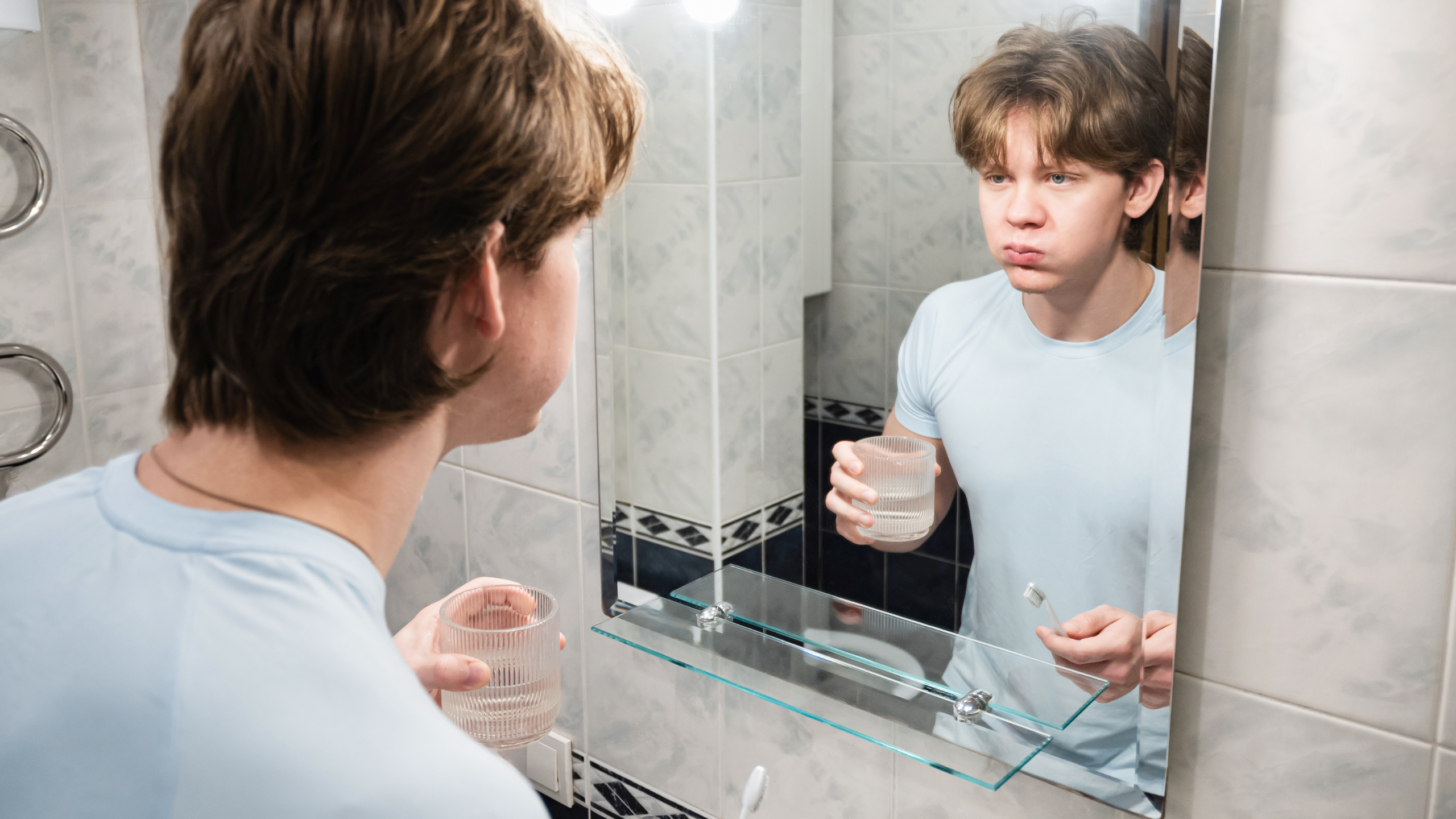
Gum problems are among the most common dental complaints in the United States. According to the CDC, nearly half of adults over age 30 have some form of periodontal disease, ranging from mild gingivitis to advanced gum disease that leads to tissue and bone loss. A well-chosen dental rinse is one of the most accessible tools a patient can add to their daily routine to manage symptoms, support gum healing, and complement professional treatment.
The challenge is that the market offers dozens of products that all claim to be the best oral rinse for gum health. The right choice depends on the specific gum concern, the active ingredient, and the purpose of use, whether active treatment or long-term maintenance. This article compares the best dental rinse for gums options available today, organized by condition and backed by clinical evidence, with a full breakdown of ingredients, prices, and dentist-recognized picks.
TL;DR
The best dental rinse for gums depends on the specific concern: CPC-based rinses like TheraBreath Healthy Gums are the top OTC pick for bleeding and sensitivity, while prescription chlorhexidine remains the strongest option for active gingivitis
Alcohol-free formulations are preferable for sensitive, inflamed, or receding gums, as alcohol dries oral tissue and worsens irritation
Mouthwash reduces bacterial load and supports gum healing, but cannot reverse periodontitis or gum recession on its own
For best results, pair a therapeutic rinse with brushing, flossing, and regular professional cleanings
What To Look For In A Dental Rinse For Gums
Not all mouthwashes are created equal, and the distinction matters most when gum health is the goal. The market divides broadly into cosmetic rinses, which only mask odor without treating its source, and therapeutic rinses, which contain active ingredients that reduce bacteria, inflammation, or both. For anyone managing gum concerns, therapeutic formulations are the only category worth considering.
The most important variable to evaluate is the active ingredient. Each ingredient class works differently, suits different severity levels, and carries its own benefit and limitation profile. Checking the ADA Seal of Acceptance is a reliable shortcut: products carrying the seal have passed independent testing for the safety and efficacy claims on the label.
Ingredient | How it works | Best for | Example products | Rx or OTC |
|---|---|---|---|---|
Chlorhexidine gluconate | Broad-spectrum antibacterial; binds to oral tissue and releases over 12-24 hours | Active gingivitis, gum pockets, post-procedural healing | Peridex, Periogard, generic | Prescription only |
Cetylpyridinium chloride (CPC) | Kills plaque bacteria on contact, reduces interproximal plaque | Daily maintenance, bleeding gums, and gingivitis prevention | TheraBreath Healthy Gums, Parodontax, Crest Pro-Health | OTC |
Essential oils (eucalyptol, thymol, menthol, methyl salicylate) | Broad antibacterial, proven plaque and gingivitis reduction | Daily maintenance, moderate gingivitis | Listerine Gum Therapy, Listerine Clinical Solutions | OTC |
Hydrogen peroxide (1.5%) | Oxygenating antiseptic, soothes inflamed tissue, disrupts debris | Post-procedural soreness, minor gum irritation | Colgate Peroxyl | OTC |
Stannous fluoride | Dual action: antibacterial and enamel-protective | Gingivitis prevention with cavity protection | Crest Pro-Health Advanced | OTC |
Zinc chloride | Anti-inflammatory, reduces bleeding triggers | Bleeding and swollen gums | Listerine Clinical Solutions | OTC |
Chlorine dioxide | Mild antibacterial, odor-neutralizing | Sensitive gums, gentle daily maintenance | CloSYS Ultra Sensitive | OTC |
Beyond the active ingredient, two additional factors deserve attention:
Alcohol content: Alcohol-based rinses can dry and irritate already-inflamed gum tissue. For sensitive or bleeding gums, alcohol-free is the better choice in most cases
Flavor and pH: heavily flavored or acidic rinses can sting on irritated gum tissue, which discourages consistent use and undermines the treatment benefit
The Best Dental Rinses For Gums At A Glance
The comparison table below covers the top picks across all categories, with verified pricing, active ingredients, and ADA recognition status. It serves as a quick reference before reading the detailed section for each specific gum concern. Pricing reflects typical retail values as of May 2026 and may vary by retailer and region.
Product | Active ingredient | Alcohol-free | Avg. price | Best for | ADA accepted | User rating |
|---|---|---|---|---|---|---|
Chlorhexidine gluconate (generic) | Chlorhexidine 0.12% | Yes | $5-$21 (Rx) | Active gingivitis, gum pockets | N/A (Rx) | N/A |
TheraBreath Healthy Gums | CPC | Yes | ~$12-$16 | Bleeding, sensitive, daily use | Yes | 4.8/5 |
Listerine Gum Therapy Antioxidant | Essential oils | No | ~$8-$10 | Moderate gingivitis, daily maintenance | Yes | 4.6/5 |
Listerine Clinical Solutions Gum Health | Essential oils + zinc | No | ~$9-$12 | Bleeding, swollen gums | Yes | 4.5/5 |
Parodontax Active Gum Health | CPC | Yes | ~$8-$12 | Bleeding gums, gingivitis | Yes | 4.5/5 |
Crest Pro-Health Gum & Breath Purify | CPC | Yes | ~$7-$9 | Early gingivitis, budget pick | Yes | 4.4/5 |
Colgate Peroxyl | 1.5% hydrogen peroxide | Yes | ~$5-$7 | Post-procedure soreness, irritation | No | 4.3/5 |
CloSYS Ultra Sensitive | Chlorine dioxide | Yes | ~$13-$16 | Sensitive gums, maintenance | No | 4.4/5 |
Tom's of Maine Natural Antiseptic | Zinc chloride | Yes | ~$6-$8 | Natural preference, mild sensitivity | No | 4.2/5 |
Dentist's note
Chlorhexidine pricing reflects generic with a GoodRx coupon at the low end and the retail brand at the high end. A valid prescription is required. All other products are available without a prescription.
Best Dental Rinse For Bleeding Gums
Gum bleeding is the most common early sign of gingivitis, the bacterial-driven inflammation that affects a significant portion of US adults. Bleeding during brushing or flossing signals that gum tissue is inflamed and that bacterial plaque is accumulating at or below the gum line. The right oral rinse targets that bacterial source directly, reducing the inflammatory response that causes bleeding.
Top Pick: TheraBreath Healthy Gums Oral Rinse
The TheraBreath Healthy Gums oral rinse active ingredient is cetylpyridinium chloride (CPC), which the ADA recognizes for its antibacterial and anti-gingivitis efficacy. The alcohol-free, pH-balanced formula avoids the irritation that alcohol-based rinses can cause on already-inflamed tissue. Users report a noticeable reduction in gum bleeding within seven to ten days of twice-daily use. At approximately 60 doses per bottle, the cost per use is roughly $0.25, making it cost-effective for a daily routine.
Runner-up: Parodontax Active Gum Health
The Parodontax Active gum health oral rinse is also CPC-based and alcohol-free, with a similar mechanism of action. The formula is designed to kill 99.9% of plaque bacteria in laboratory testing. A practical alternative for patients who prefer a drugstore pick with comparable active ingredient credentials and wide retail availability.
For Essential Oil Preference: Listerine Clinical Solutions Gum Health
Listerine Clinical Solutions Gum Health formula combines the proven essential oil blend with zinc chloride, which specifically targets the inflammatory response behind gum swelling and bleeding. The brand references a controlled study claiming three times healthier gums in one week compared to a brushing-alone baseline. The formula contains alcohol, which some patients find too harsh on inflamed tissue, and this is worth considering when making a selection.
Dentist's note
Persistent gum bleeding that does not improve within two weeks of consistent oral hygiene and a therapeutic rinse warrants a dental evaluation. Bleeding can indicate established gingivitis or the early stages of periodontitis, both of which require professional intervention that a mouthwash alone cannot provide.
Best Dental Rinse For Receding Gums
Gum recession is a different clinical concern from gingivitis-driven bleeding. As gum tissue pulls back from the tooth, it exposes root surfaces that are more porous and sensitive than enamel, more prone to decay, and more vulnerable to continued bacterial attack. No mouthwash can reverse gum recession or regenerate lost tissue, but the right rinse can prevent further bacterial-driven recession, reduce inflammation, and protect exposed root surfaces.
Top Pick: TheraBreath Healthy Gums Oral Rinse
The TheraBreath Healthy Gums oral rinse alcohol-free formulation is particularly important here because exposed root surfaces are significantly more sensitive to alcohol than intact enamel. Alcohol-based rinses cause stinging and dryness that discourages consistent use, which ultimately defeats the purpose of treatment. CPC provides meaningful antibacterial coverage at the gum line, reducing the plaque that drives further recession. The gentle pH minimizes chemical irritation of exposed root tissue.
Secondary Recommendation: Crest Pro-Health Advanced (stannous fluoride)
Patients with gum recession face an elevated decay risk on exposed root surfaces. Crest Pro-Health Advanced stannous fluoride delivers dual protection: an antibacterial effect that reduces gingival bacteria, paired with fluoride that remineralizes and hardens exposed root surfaces. Pairing this with a CPC rinse at a separate time of day provides both antibacterial and enamel-protective coverage without the two products interfering with each other.
Pairing any rinse with a toothbrush designed for sensitive teeth and gums reduces the mechanical trauma that contributes to further tissue recession. A water-based oral irrigator also helps clean along recession margins without abrasion. For patients with significant recession, a periodontist evaluation is warranted before selecting any home care product independently.
Best Dental Rinse For Sensitive And Inflamed Gums
Gum sensitivity and active inflammation are related but distinct states. Sensitivity reflects ongoing tissue reactivity, often from root exposure or overly aggressive hygiene habits, while inflammation involves redness, swelling, and a heightened response to bacterial irritants. The approach to each differs enough to warrant separate product recommendations.
Best For Sensitive Gums
Patients with chronically sensitive gum tissue need a rinse that delivers meaningful antibacterial activity without the burning, drying, or chemical irritation associated with alcohol-based or high-concentration formulas.
Top Pick: CloSYS Ultra Sensitive
CloSYS Ultra Sensitive dental rinse's main ingredient, chlorine dioxide, is a milder antibacterial agent than CPC or essential oils, making it suitable for patients with reactive or very sensitive gum tissue who find other rinses too harsh. An unflavored version is available for patients who react to mint or other flavor compounds. The limitation is potency – chlorine dioxide is appropriate for maintenance, but may not be sufficient as a standalone treatment for active gingivitis.
Runner-up for Sensitive Gums: TheraBreath Healthy Gums
For patients who need more antibacterial power alongside gentleness, TheraBreath Healthy Gums is the go-to choice. CPC in an alcohol-free, pH-balanced formula is a strong second choice. It delivers more targeted antibacterial action than CloSYS while remaining gentle enough for daily use on reactive gum tissue.
Best For Swollen Or Inflamed Gums
Active gum swelling and redness respond best to formulas with direct anti-inflammatory ingredients or a higher level of antibacterial potency than a gentle maintenance rinse provides.
Top Pick: Listerine Clinical Solutions Gum Health
If you've got swollen or inflamed gums, Listerine Clinical Solutions Gum Health oral rinse might be the best option on the market right now. The zinc chloride added to the standard essential oil blend specifically targets the inflammatory mediators behind gum swelling. The formula is ADA-accepted and references clinical data supporting gum health improvement within one week compared to a brushing-alone control. The alcohol content is a consideration for some patients, particularly those with very sensitive tissue.
For Post-procedural or Acute Soreness: Colgate Peroxyl
The 1.5% hydrogen peroxide formula in Colgate Peroxyl oxygenates the area around inflamed tissue, disrupts debris, and reduces bacterial load in a way that is soothing rather than irritating. Alcohol-free and appropriate for short-term use during healing from a dental procedure or an acute gum flare-up. Hydrogen peroxide-based rinses are not recommended for indefinite daily use without dental guidance.
Gum concern | Best pick | Active ingredient | Alcohol-free | Why it fits |
|---|---|---|---|---|
Sensitive gums | Chlorine dioxide | Yes | Mildest effective antibacterial, unflavored option available | |
Sensitive gums (need more power) | CPC | Yes | Stronger antibacterial action, still a gentle formula | |
Swollen or inflamed gums | Essential oils + zinc | No | Zinc targets the inflammatory response directly | |
Post-procedural soreness | 1.5% hydrogen peroxide | Yes | Oxygenating and soothing for acute irritation |
Prescription Vs OTC Dental Rinse For Gum Disease
One of the most common questions patients bring to dental appointments is whether they need a prescription rinse or whether an OTC product is sufficient. The answer depends on the stage of gum disease and the clinical goals of treatment.
Chlorhexidine gluconate 0.12%, sold under brand names Peridex and Periogard and as a widely available generic, is the clinical gold standard for gingivitis treatment. A 2025 systematic review and meta-analysis published in the International Journal of Dental Hygiene confirmed that chlorhexidine mouthwash consistently outperforms control conditions in reducing plaque and gingivitis scores, while CPC demonstrates comparable effectiveness for daily maintenance. The mechanism, called substantivity, means the compound binds to oral tissue and continues releasing antibacterial activity for 12 to 24 hours after rinsing.
Chlorhexidine is most appropriate for short-term use, typically four to six weeks following a professional cleaning or scaling and root planing procedure, and carries well-documented side effects, including tooth staining, taste changes, and potential disruption of the oral microbiome with prolonged use. For context on the professional procedures that typically precede a chlorhexidine prescription, our guide to dental curettes and scaling explains the clinical tools and process involved.
OTC options, particularly CPC and essential-oil formulas, are appropriate for daily maintenance and mild to moderate gingivitis. They do not match chlorhexidine's raw antibacterial potency, but they are sustainable long-term without the staining or microbiome concerns associated with extended chlorhexidine use. A common clinical approach is to prescribe chlorhexidine for the acute phase of treatment, then transition the patient to an OTC CPC or essential-oil rinse for ongoing maintenance.
For patients managing these costs through dental insurance, our guide to Delta Dental coverage explains how dental plans handle prescription items under the pharmacy benefit.
Chlorhexidine (Rx) | Essential oil OTC (e.g., Listerine) | CPC OTC (e.g., TheraBreath) | |
|---|---|---|---|
Antibacterial potency | Highest | High | High |
Duration of action | 12-24 hours | 3-5 hours | Several hours |
Suitable for daily long-term use | No | Yes | Yes |
Tooth staining risk | Significant | Minimal | Minimal |
Alcohol-free option available | Yes (generic) | Some products | Yes |
Requires prescription | Yes | No | No |
ADA accepted | N/A (Rx) | Yes | Yes |
Approx. cost per dose | $0.08-$0.35 | ~$0.10-$0.15 | ~$0.20-$0.30 |
Natural And Herbal Dental Rinses For Gum Health
A growing number of patients prefer plant-based or minimal-ingredient dental rinses over conventional antibacterial formulas. Some natural ingredients have demonstrated antimicrobial and anti-inflammatory properties in clinical research, though the evidence base is considerably less robust than for CPC, essential oils, or chlorhexidine.
Tea tree oil (Melaleuca alternifolia) has shown antibacterial activity against several oral pathogens in laboratory testing. Clinical evidence in humans is promising but limited in scale and duration. Neem (Azadirachta indica) extract has shown some benefit for reducing plaque and gingival inflammation in small studies. Aloe vera has demonstrated mild antibacterial and soothing properties in oral care research. Xylitol inhibits the adhesion of cariogenic bacteria and has a mild antibacterial effect, though it is not a primary treatment for gingivitis.
Best natural picks
Tom's of Maine natural antiseptic mouthwash with zinc chloride as an active ingredient, paired with tea tree oil. Fluoride-free, SLS-free, ADA-accepted for plaque reduction. Approximately $6 to $8 per 16-oz bottle.
Desert Essence tea tree oil mouthwash combines tea tree oil and neem extract. Fluoride-free and widely available at health food retailers.
Dr. Bronner's peppermint mouthwash has a minimal ingredient list built around tea tree oil and peppermint. Growing consumer base among patients who prioritize simple, recognizable ingredient lists
Natural rinses are a reasonable choice for patients with mild gum concerns who prioritize ingredient simplicity. For patients with established gingivitis, a clinically validated CPC or essential-oil formula will provide more reliable and measurable results. Natural options can complement a primary antibacterial rinse or serve as a maintenance product for patients who have resolved active gum disease.
What Reddit Says About Dental Rinses For Gums
While we mainly talk from our clinical perspective, we also like to hear it from the people who are invested in their oral health. Communities on Reddit, including r/Dentistry, r/DentalHygiene, and r/AskDocs, generate a significant volume of real-world discussion about dental rinses that shapes how many patients approach this decision. Several patterns emerge consistently across these communities.
TheraBreath Healthy Gums is among the most positively discussed rinses in these forums, particularly from users who found alcohol-based rinses too harsh or drying. CloSYS Ultra Sensitive is frequently recommended for patients who react to strong flavors or high-intensity formulas. Listerine Gum Therapy and Listerine Clinical Solutions are among the most referenced OTC options for users looking for a budget-accessible, proven formula with established clinical evidence.
A recurring caution in these threads concerns the misuse of chlorhexidine gluconate. Users who obtain it without dental supervision, or who continue to use well beyond the recommended course duration, frequently report significant tooth staining that requires professional cleaning to address. This aligns with the clinical literature on chlorhexidine's known side effect profile when used outside the recommended parameters.
One consistent recommendation across dental subreddits: mouthwash is a supplement to brushing and flossing, not a replacement. Community members with dental hygiene training regularly note that patients who rely primarily on a rinse while neglecting mechanical cleaning do not see the improvements they expect.
Where To Buy And Price Comparison
Therapeutic gum rinses are available at most major US pharmacy chains, general retailers, and online. Pricing varies significantly based on bottle size, brand, and purchasing channel.
OTC picks, including TheraBreath, Listerine, Parodontax, Crest Pro-Health, and CloSYS, are stocked at CVS, Walgreens, Rite Aid, Target, and Walmart. Amazon typically offers the most competitive per-ounce pricing on multi-pack purchases, and a Subscribe and Save arrangement reduces cost further for patients on an ongoing rinse regimen.
According to GoodRx, a free GoodRx coupon brings the price of generic chlorhexidine gluconate to approximately $5.27 at participating pharmacies as of May 2026, compared to a retail average of approximately $21 without a coupon. Amazon Pharmacy also stocks the generic and accepts most major insurance plans. Patients whose insurance covers the prescription should verify the applicable copay tier before filling.
For guidance on what dental insurance typically covers, the Delta Dental coverage guide covers how pharmacy benefits apply to dental prescriptions.
Natural rinses from Tom's of Maine, Desert Essence, and Dr. Bronner's are widely available at health food retailers, including Whole Foods and Sprouts, as well as on Amazon and iHerb.
Product | Size | Approx. retail price | Cost per dose | Where to buy |
|---|---|---|---|---|
Chlorhexidine gluconate (generic) | 4 oz | $5-$21 (Rx) | $0.08-$0.35 | CVS, Walgreens, Amazon Pharmacy |
TheraBreath Healthy Gums | 16 oz | ~$12-$16 | ~$0.25 | Amazon, Target, Walgreens |
Listerine Gum Therapy | 33.8 oz | ~$8-$10 | ~$0.10 | CVS, Walgreens, Walmart |
Listerine Clinical Solutions | 16.9 oz | ~$9-$12 | ~$0.18 | CVS, Walgreens, Target |
Parodontax Active Gum Health | 16.9 oz | ~$8-$12 | ~$0.15 | Amazon, Walgreens, Target |
Crest Pro-Health Gum & Breath | 33.8 oz | ~$7-$9 | ~$0.09 | CVS, Walmart, Target |
Colgate Peroxyl | 8.4 oz | ~$5-$7 | ~$0.20 | CVS, Walgreens, Amazon |
CloSYS Ultra Sensitive | 16 oz | ~$13-$16 | ~$0.27 | Amazon, select Walgreens |
Tom's of Maine Natural Antiseptic | 16 oz | ~$6-$8 | ~$0.13 | Whole Foods, Target, Amazon |
How To Use A Dental Rinse For Gum Health Correctly
Even the best oral rinse for gum health delivers reduced results when used incorrectly. The steps below apply to all therapeutic gum rinses unless the specific product label directs otherwise.
Brush and floss first. This removes food debris and loosens plaque before the rinse contacts gum tissue, allowing the active ingredient to reach bacteria rather than debris.
Measure the correct dose. Most therapeutic rinses specify 15 to 20 ml per use, as marked on the cap. Using a larger volume does not increase effectiveness.
Swish for 30 to 60 seconds. Move the rinse around the entire mouth, including along the gum line and between teeth. Do not gargle.
Spit completely. Do not swallow.
Avoid eating, drinking, or rinsing with water for at least 30 minutes after spitting. This window is particularly important for CPC and chlorhexidine, which bind to oral tissue and continue working after the rinse is expelled.
For chlorhexidine specifically: allow at least 30 minutes between toothpaste use and rinsing, as certain toothpaste compounds interact with chlorhexidine and reduce its uptake. Patients who use both a fluoride rinse and an antibacterial gum rinse should space them at different times of day to avoid reducing the effectiveness of either.
Patients who want to flush debris from deeper gum margins should consider adding an oral irrigator to their routine. For the strongest home care approach, combine the gum rinse with a gum repair toothpaste and a toothbrush suited for sensitive gum tissue. These tools work together and, paired with regular professional cleanings, sustain gum improvement over time. Understanding how a dental rinse fits into a broader care sequence is easier with a structured dental treatment plan that maps out professional appointments, home care products, and treatment phases together.
Bottom Line
The best dental rinse for gums is not a single product for every person. The right choice depends on the severity of the gum concern, the active ingredient required, the patient's tolerance for alcohol and strong flavors, and the purpose of use, whether active treatment or long-term maintenance.
For most OTC users with mild to moderate gum concerns, TheraBreath Healthy Gums is the most consistently well-reviewed option across dentist recommendations and consumer data. The CPC active ingredient, alcohol-free formula, and strong user rating make it the default recommendation for bleeding, sensitive, or inflamed gums that do not require prescription intervention.
For the strongest available antibacterial action, prescription chlorhexidine gluconate remains the clinical gold standard. It requires dental supervision, carries a staining risk with extended use, and is best positioned as a short-term treatment following professional scaling rather than an indefinite daily rinse. For details on how chlorhexidine staining compares to other forms of tooth discoloration, the tetracycline tooth staining guide at Dental Reviewed provides useful context.
Mouthwash is one layer of gum protection. Consistent brushing, flossing, regular professional cleanings, and a structured dental treatment plan determine whether gum health improvements hold over time. For patients who want to understand the document their dentist provides, a guide on how to read a dental treatment plan offers a practical walkthrough of what those documents contain and how to use them.
This article is for informational purposes only and does not constitute medical advice. Always consult with qualified healthcare professionals for diagnosis and treatment recommendations specific to your situation.
Frequently Asked Questions
What is the best dental rinse for gums overall?
TheraBreath Healthy Gums is the most broadly recommended OTC option, since its alcohol-free CPC formula works across bleeding, receding, and sensitive gum concerns.
Can mouthwash reverse gum disease?
Mouthwash can reverse gingivitis, the earliest stage, when paired with consistent brushing and flossing. It cannot reverse the bone loss or recession of periodontitis.
Is alcohol in mouthwash bad for gums?
Alcohol dries oral tissue and can irritate gums that are already inflamed, sensitive, or receding. Alcohol-free formulas are preferable for those cases.
Is alcohol in mouthwash bad for gums?
Alcohol dries oral tissue and can irritate already-inflamed or sensitive gum tissue. For patients with active gum disease, recession, or pronounced sensitivity, alcohol-free formulations are preferable and equally effective at delivering the active ingredient to the gum line.
Can I use a fluoride rinse and a gum rinse together?
Yes, but space them at different times of day. Using them within 30 minutes of each other can reduce the effectiveness of both.
Are prescription rinses covered by insurance?
Generic chlorhexidine is often covered under a dental or medical pharmacy benefit, and a GoodRx coupon can lower the price further without insurance.
How often should I use a gum rinse?
Twice daily is standard for active symptoms. Once daily may be enough for maintenance once gum health has stabilized.
What is the best rinse for gingivitis during pregnancy?
Alcohol-free, mild-flavored CPC rinses like TheraBreath Healthy Gums or CloSYS Ultra Sensitive are generally the safer pregnancy picks.