Best Toothbrush for Braces in 2026: 5 Dentist-Recommended Picks That Actually Work
Braces straighten teeth and correct bite issues, but they also make daily oral hygiene significantly harder. Brackets, wires, and elastics create dozens of tiny spaces where food...
Written by Marcus Hale
Read time: 8 min read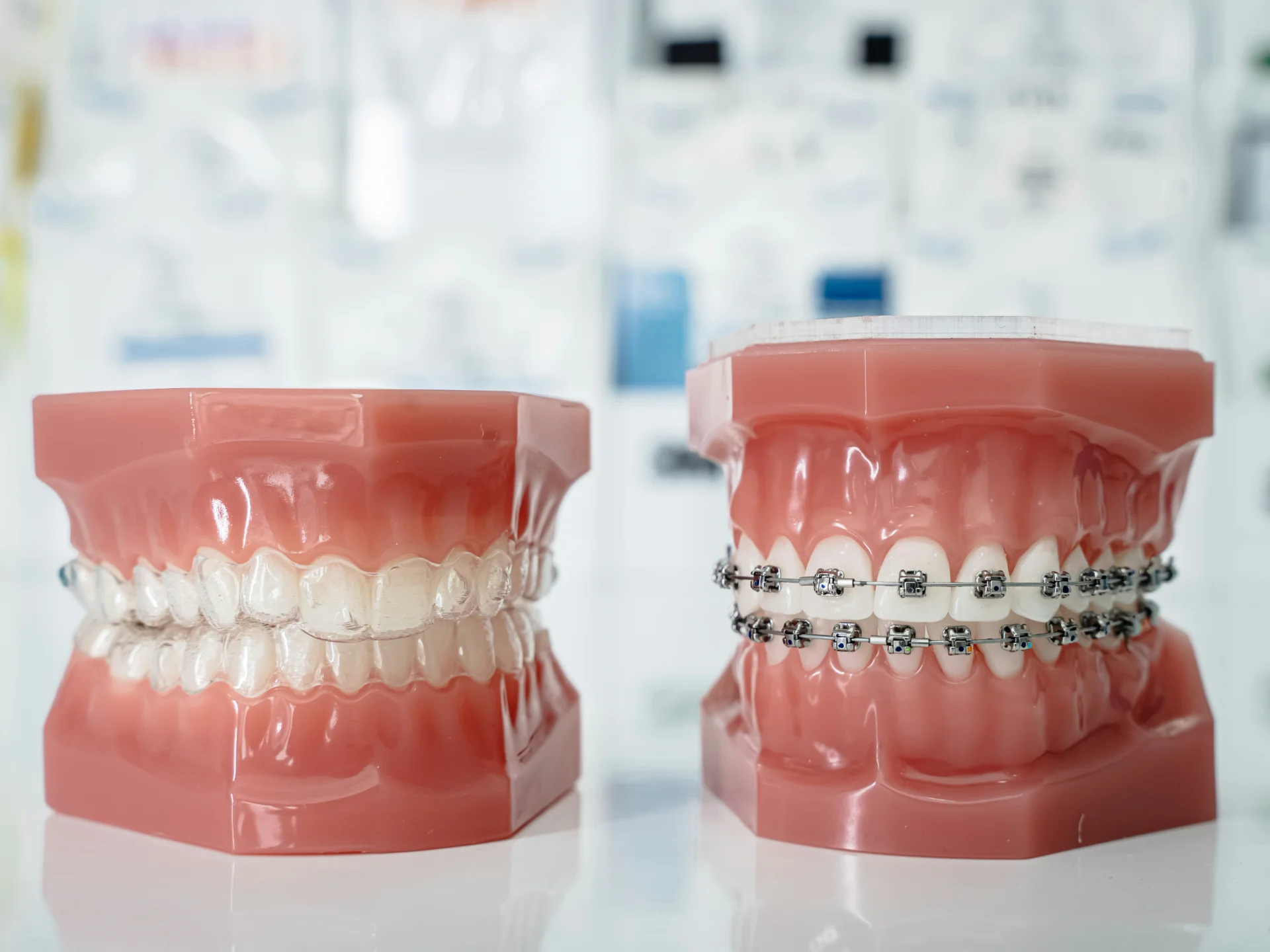
Braces straighten teeth and correct bite issues, but they also make daily oral hygiene significantly harder. Brackets, wires, and elastics create dozens of tiny spaces where food particles and plaque accumulate, and a standard toothbrush often cannot reach those areas effectively. Choosing a good toothbrush for braces is one of the simplest and most impactful decisions any orthodontic patient can make.
This article breaks down the five best toothbrush options for braces in 2026, covering both electric and manual models. Every recommendation draws on guidance from dental professionals, clinical research, and real user feedback from patients currently in orthodontic treatment. Whether the goal is finding the best electric toothbrush for braces or a reliable manual option on a budget, this guide covers it all. For patients and dental professionals working together on a comprehensive dental treatment plan, choosing the right toothbrush should be part of the conversation from day one.
Dentist's answer
The Oral-B iO Series 5 is the best overall toothbrush for braces in 2026. It's round brush head and oscillating-rotating technology clean thoroughly around brackets and wires, and its built-in pressure sensor protects both braces and gums. For a budget-friendly manual option, the Colgate Ortho Toothbrush is hard to beat.
Why Choosing the Right Toothbrush Matters When You Have Braces
Orthodontic treatment is a significant investment in long-term oral health, and the wrong toothbrush can quietly undermine those results. Brackets bonded to tooth surfaces create ledges where bacterial plaque builds up quickly, and archwires connecting those brackets trap food debris in areas that are nearly impossible to reach with a flat-bristled brush.
When plaque accumulates around brackets for extended periods, it produces acids that erode enamel and cause white spot lesions, which are permanent chalky marks that appear on teeth after braces are removed. According to the American Dental Association, people with dental appliances like braces may find a powered toothbrush easier to use and more effective at removing plaque than manual alternatives.
Gingivitis is another common issue during orthodontic treatment. Swollen, bleeding gums develop when plaque irritates the gum tissue along the bracket line. Left unchecked, gingivitis can progress into more serious periodontal problems. A good toothbrush for braces needs to clean effectively without putting excessive pressure on brackets or irritating already-sensitive gum tissue.
How Braces Change Your Brushing Needs
Without braces, a toothbrush needs to clean relatively smooth, accessible tooth surfaces. Braces change that equation entirely. Each bracket acts as a small obstacle that divides the tooth surface into separate zones, requiring the bristles to approach from multiple angles rather than a single sweeping motion.
The archwire running across all brackets creates an additional barrier that prevents bristles from making full contact with the tooth surface between the bracket and the gum line. This area, often called the gingival margin, is exactly where plaque causes the most damage. Patients who rely on a standard flat toothbrush tend to miss these zones consistently, visit after visit, which is why orthodontists emphasize upgrading to a toothbrush designed for braces teeth.
Common Oral Health Risks During Orthodontic Treatment
Understanding the specific risks helps explain why the right toothbrush makes such a difference. The most frequent complications during braces treatment include:
White spot lesions (decalcification) around bracket margins that leave permanent marks on enamel
Gingivitis and gum inflammation caused by plaque buildup along the gum line
Increased cavity risk due to food trapping between wires and tooth surfaces
Gum recession from aggressive brushing with hard bristles or excessive pressure
Halitosis (bad breath) from bacterial colonies forming in hard-to-reach spaces
Patients who are already dealing with receding gums or sensitive teeth face an even greater challenge. A good toothbrush for receding gums and braces needs to combine thorough plaque removal with an exceptionally gentle touch, which is why soft bristles and pressure sensors are so important for orthodontic patients.
What to Look for in a Good Toothbrush for Braces: A Buying Guide
Not all toothbrushes are created equal, and the features that matter most for braces patients differ from what the average consumer needs. This buying guide outlines the key criteria to evaluate when shopping for the best toothbrush to use for braces, whether electric or manual.
Bristle Type: Why Soft Bristles Are Non-Negotiable
Dental professionals universally recommend soft or extra-soft bristles for patients with braces. Medium and hard bristles can damage bracket adhesive, bend wires, and cause gum irritation or recession over time. Soft bristles flex around the contours of brackets and slip under wires more effectively than stiff alternatives. For patients with sensitive teeth, extra-soft bristles reduce discomfort during brushing, especially in the days following an adjustment appointment when teeth are already tender.
Brush Head Size and Shape
A compact or small brush head is essential for navigating around brackets, especially in the back of the mouth. Larger brush heads can bump against brackets and fail to make contact with the tooth surface between the hardware. For manual toothbrushes, V-shaped bristle patterns (sometimes called orthodontic bristle cuts) are specifically engineered for braces. The shorter bristles in the center of the V straddle the bracket, while the taller outer bristles clean the tooth surface above and below. Dentists recommend a brush head measuring roughly 2 to 2.5 cm for orthodontic patients.
Pressure Sensors and Smart Features
A pressure sensor is one of the most valuable features in an electric toothbrush for braces. Pressing too hard can pop off a bracket, damage archwires, or cause gum recession, and many patients unconsciously apply excessive force. A built-in pressure sensor alerts the user with a light, vibration, or audible signal when they are pressing too hard. Built-in 2-minute timers with 30-second quadrant alerts also help ensure even coverage across all areas of the mouth, including the spots behind molars that are easy to rush past.
Electric vs. Manual: Which Is Better for Braces?
This is one of the most frequently searched questions among braces patients. Research consistently shows that electric toothbrushes provide superior plaque removal compared to manual brushing. A randomized clinical trial published in The Angle Orthodontist found that oscillating-rotating electric toothbrushes with orthodontic brush heads removed significantly more plaque than sonic toothbrushes in adolescent patients with fixed orthodontic appliances.
The University of Iowa College of Dentistry summarizes ADA research showing that electric toothbrush use over three months can reduce plaque by 21% and lower the risk of gingivitis by 11%. For orthodontic patients, where plaque accumulation is already accelerated, these improvements are especially meaningful.
That said, a manual toothbrush used with proper technique can still deliver good results. Patients who prefer manual brushes should choose a model with V-shaped orthodontic bristles and commit to brushing for the full two minutes, angling bristles carefully above and below each bracket. The ADA considers both manual and powered toothbrushes effective at removing plaque when used correctly.
The 5 Best Toothbrushes for Braces in 2026
After reviewing clinical evidence, dental professional recommendations, and real-world patient feedback, these five toothbrushes stand out as the best options for braces wearers in 2026. The list includes both electric and manual models to suit different budgets and preferences.
#1. Oral-B iO Series 5: Best Overall Electric Toothbrush for Braces
The Oral-B iO Series 5 earns the top spot because it combines clinically proven oscillating-rotating technology with a round brush head that follows the natural contours of teeth and brackets. Orthodontists have long favored Oral-B's round head design because it cups individual teeth and cleans around each bracket more thoroughly than rectangular sonic brush heads. According to Oral-B's clinical team, the iO series delivers powerful micro-vibrations combined with a dentist-inspired brush head for a professional clean feeling, even while wearing braces.
The iO 5 features a smart pressure sensor that displays a red light when brushing too hard and green when pressure is optimal. This feedback loop is critical for braces patients who risk damaging brackets with excessive force. Five cleaning modes include a dedicated Sensitive setting that reduces intensity for sore gums after adjustments. The interactive display shows brushing time, mode selection, and battery status.
"I found the Oral-B iO series is way better than my Sonicare. I kept getting bad reviews of my teeth each time I went to the dentist. After buying Oral-B, that has stopped."
– Reddit user, r/BuyItForLife
Pros: round brush head reaches around brackets, smart pressure sensor, 5 brushing modes including Sensitive, 2-minute timer with quadrant alerts, long battery life
Cons: replacement brush heads are more expensive than standard Oral-B heads, higher upfront cost than budget models
Best for: adults and teens with metal or ceramic braces who want the most effective clean
Where to buy: Amazon, Walmart, Target, CVS, Walgreens, official Oral-B website
#2. Philips Sonicare ProtectiveClean 6100: Best Sonic Toothbrush for Braces
For patients who prefer sonic technology over oscillating-rotating action, the Philips Sonicare ProtectiveClean 6100 is the strongest choice. Its sonic vibrations generate dynamic fluid action that helps dislodge plaque from hard-to-reach areas around wires and brackets. The brush delivers up to 62,000 bristle movements per minute, and its BrushSync technology tracks brush head wear and alerts the user when a replacement is needed. Many orthodontic practices specifically recommend the Sonicare ProtectiveClean line for braces patients who need gentler cleaning action.
The 6100 includes three brushing modes (Clean, White, and Gum Care) with three intensity levels each, giving patients nine combinations to customize their experience. The pressure sensor pulsates to warn users when they are pressing too hard. For patients managing receding gums or gum sensitivity during orthodontic treatment, the Gum Care mode at low intensity provides thorough cleaning without aggravating tender tissue.
"My hygienist always compliments how well I'm taking care of my teeth and how great my gums look. I upgraded to the 6100 almost a year ago, and I'm glad I did."
– Best Buy verified purchaser
Pros: gentle sonic vibrations for sensitive gums, 3 modes with 3 intensity levels, BrushSync head replacement reminder, pressure sensor, travel case included
Cons: rectangular brush head does not cup individual teeth as closely as Oral-B's round head, slightly higher price point for what it offers
Best for: patients with sensitive gums or receding gums, adults who prefer sonic vibration
Where to buy: Amazon, Walmart, Target, Best Buy, philips.com
#3. Oral-B Pro 1000: Best Budget Electric Toothbrush for Braces
The Oral-B Pro 1000 proves that effective orthodontic cleaning does not require a premium price tag. This entry-level electric toothbrush uses the same oscillating-rotating technology found in Oral-B's higher-end models, delivering 3D cleaning action that sweeps, rotates, and pulsates to break up and remove plaque around brackets. The CrossAction brush head features angled bristles set at 16 degrees, which allows the tips to reach into the spaces around braces hardware.
Reddit communities consistently recommend the Pro 1000 as the best value electric toothbrush for braces. Users on r/OralCare and r/Dental frequently describe it as the ideal starting point for anyone switching from a manual toothbrush. The ADA recognizes both manual and powered toothbrushes as effective, and the Pro 1000 carries the ADA Seal of Acceptance, confirming its safety and efficacy for plaque removal and gingivitis reduction.
Pros: affordable entry point for electric brushing, proven oscillating-rotating technology, pressure sensor, 2-minute timer, ADA Accepted, compatible with all Oral-B brush heads, including Ortho head
Cons: only one brushing mode, no smart features or app connectivity, slightly louder motor than iO models
Best for: budget-conscious braces patients, teens, first-time electric toothbrush users
Where to buy: Walmart, Amazon, Target, CVS, most drugstores
#4. Colgate Ortho Toothbrush: Best Manual Toothbrush for Braces
The Colgate Ortho Toothbrush is one of the most widely recommended manual options among orthodontists. Its compact head and V-shaped bristle pattern are purpose-built for cleaning around brackets and under wires. The shorter center bristles straddle each bracket while the longer outer bristles sweep the exposed tooth surface above and below the hardware.
The soft bristles flex without irritating gums, and the slim handle provides good control for precise angling. At around $4 to $8, the Colgate Ortho is accessible to virtually any patient, making it an excellent recommendation for patients who prefer manual brushing or need a backup travel brush alongside their electric model.
Pros: purpose-built V-trim bristle pattern for braces, compact head for maneuverability, soft bristles, very affordable, widely available
Cons: no timer or pressure sensor, requires excellent manual technique for thorough cleaning, bristles wear faster due to bracket friction
Best for: budget-conscious patients, backup travel brush, patients who prefer manual control
Where to buy: Walmart, Amazon, Target, most pharmacies, and grocery stores
#5. GUM Orthodontic Toothbrush: Best Specialty Manual Toothbrush for Braces
The GUM Orthodontic Toothbrush (also sold as the GUM Ortho brush) is designed by Sunstar, a company that specializes in oral care products for patients with dental appliances. The V-trim bristle design is paired with an ergonomic handle that provides a stable grip during the precise angling movements required for orthodontic brushing. The bristles are set at angles that naturally reach into the gaps above and below brackets. The GUM Orthodontic Toothbrush has angled bristles specifically designed for better access around brackets and wires.
This brush is a strong option for patients who want a specialty manual toothbrush from a dedicated orthodontic care brand. It works well as part of a comprehensive oral hygiene kit alongside interdental brushes and a water flosser.
Pros: orthodontic-specific V-trim bristles, angled bristle placement for bracket access, ergonomic handle, affordable
Cons: availability can be limited in some retail locations, no pressure feedback, and the manual technique dependent
Best for: patients who prefer a specialty orthodontic manual brush, dental professionals recommending in-office
Where to buy: Amazon, CVS, Walgreens, and dental supply retailers
Quick Overview of The Best Toothbrushes for Braces
Keeping braces clean takes more than a standard brush, so we tested and compared options designed to reach around brackets and wires. Below, you'll find our top picks across powered and manual models, with key details to help you choose the right fit.
Product | Type | Best for | Pressure sensor | Timer | Price range |
Oral-B iO Series 5 | Electric (oscillating-rotating) | Best overall | Yes | Yes | $80–$130 |
Philips Sonicare ProtectiveClean 6100 | Electric (sonic) | Best for sensitive gums | Yes | Yes | $70–$120 |
Oral-B Pro 1000 | Electric (oscillating) | Best budget electric | Yes | Yes | $30–$50 |
Colgate Ortho Toothbrush | Manual (V-trim) | Best manual | No | No | $4–$8 |
GUM Orthodontic Toothbrush | Manual (V-trim/angled) | Best specialty manual | No | No | $4–$7 |
Best Toothbrushes for Braces by Age and Type
Different patients have different needs, and what works for an adult may not suit a child or teenager. This section provides quick recommendations based on age group and brace type.
Best Toothbrush for Kids with Braces
Children ages 7 to 12 with braces benefit from an electric toothbrush with a smaller brush head and a gentler motor. The Oral-B Pro 1000 with a Sensitive brush head is a strong option, as its compact, round head navigates kid-sized mouths more easily. For parents looking for the best toothbrush for a 7-year-old or 9-year-old with braces, the key priorities are soft bristles, a comfortable handle, and a built-in timer that encourages the full two-minute brushing session. Manual options like the Colgate Ortho work well for children who find electric vibrations uncomfortable.
Best Toothbrush for Teens with Braces
Teens represent the largest group of braces patients in the U.S., and their compliance with oral hygiene routines varies widely. A toothbrush with smart features, like the Oral-B iO's app connectivity and real-time brushing coaching, can motivate teens to brush more thoroughly. The visual feedback from a color-coded pressure sensor also helps build better habits during a stage of life where long-term consequences feel abstract.
Best Toothbrush for Adults with Braces
Adults undergoing orthodontic treatment often face additional challenges like existing gum recession, sensitivity, or prior dental work. The Philips Sonicare ProtectiveClean 6100 is especially well-suited for adult patients because its Gum Care mode and adjustable intensity settings accommodate sensitive tissue. Adults with metal braces and adults with ceramic braces can use the same toothbrushes, though ceramic braces may require extra care to avoid staining around the brackets, making thorough plaque removal even more critical.
Best Toothbrush for Metal vs. Ceramic Braces
Both metal and ceramic braces create the same fundamental cleaning challenges, and all five toothbrushes in this list work effectively with either type. The primary difference is that ceramic brackets are more prone to visible staining, so patients with ceramic braces should prioritize consistent, thorough cleaning and consider an electric toothbrush with a whitening or deep clean mode. The Oral-B iO's dedicated modes and the Sonicare 6100's White mode both address this need.
Best Toothpaste to Pair with Your Braces Toothbrush
A good toothbrush is only half the equation. The toothpaste used during orthodontic treatment plays an equally important role in protecting enamel and preventing cavities around brackets.
Fluoride toothpaste is essential for braces patients. Fluoride strengthens enamel and helps reverse early stages of demineralization, which is the process that leads to white spot lesions. The American Dental Association recommends brushing twice daily with fluoride toothpaste containing at least 1,000 ppm fluoride.
Patients should avoid aggressive whitening toothpastes while wearing braces, as these products can bleach exposed enamel while the areas beneath brackets remain unchanged, leading to an uneven appearance once braces are removed. A good toothpaste to use with braces should be fluoride-based, gentle on enamel, and free from highly abrasive whitening agents. Popular choices recommended by orthodontists include Sensodyne Pronamel, Colgate Total, and ClinPro 5000 (a prescription-strength fluoride toothpaste for patients at high cavity risk).
How to Brush Your Teeth with Braces: Step-by-Step Technique
Having the best toothbrush for braces means little without proper technique. The following steps outline the recommended approach endorsed by the American Association of Orthodontists for both electric and manual toothbrush users.
Rinse your mouth with water first to loosen and flush out large food particles trapped around brackets and wires.
Apply a pea-sized amount of fluoride toothpaste to a soft-bristled or electric toothbrush.
Hold the brush at a 45-degree angle to the gum line. Brush along the top of each bracket, angling the bristles downward so they slide between the bracket and the gum.
Angle the brush to clean below each bracket, tilting upward so the bristles reach the space between the bracket and the biting edge of the tooth.
Brush the chewing surfaces and the inside (lingual) surfaces of all teeth.
Spend at least two full minutes brushing. Use a timer or the built-in timer on an electric toothbrush to stay on track.
Brush after every meal when possible. Food debris left around braces accelerates plaque formation.
Follow up with an interdental brush or water flosser to clean between teeth and under the archwire.
For electric toothbrush users, the technique is slightly different. Let the brush do the work rather than scrubbing back and forth. Hold the oscillating or sonic brush head against each tooth for a few seconds before moving to the next surface. The rapid bristle movement handles plaque disruption, so only light pressure is needed.
Beyond the Toothbrush: Supplementary Tools for Braces Care
A toothbrush alone cannot clean every surface that braces are exposed to plaque. The following supplementary tools round out a complete orthodontic hygiene routine.
Interdental brushes: small cone-shaped brushes that slide between teeth and under archwires to remove debris that the toothbrush misses. Reddit communities, particularly r/braces, frequently recommend TePe and GUM brand interdental brushes for orthodontic patients.
Water flossers: oral irrigators like the Waterpik or Oral-B Water Flosser use a pressurized stream of water to flush food and plaque from around brackets, between teeth, and along the gum line. Especially helpful for patients who find traditional flossing with braces too difficult.
Floss threaders and orthodontic flossers: allow traditional floss to be threaded under the archwire for interproximal cleaning.
Fluoride mouthwash: an alcohol-free fluoride rinse used after brushing provides additional enamel protection and reaches areas the toothbrush cannot.
Orthodontic wax: not a cleaning tool, but essential for covering brackets that irritate cheeks or lips, which encourages patients to continue brushing without pain.
Where to Buy the Best Toothbrush for Braces
All five recommended toothbrushes in this guide are widely available through major U.S. retailers and online marketplaces.
U.S. Retail Availability
Walmart carries the Oral-B iO, Oral-B Pro 1000, Colgate Ortho, and GUM Ortho in-store and online.
Amazon offers all five products, often at competitive prices with same-day or next-day delivery for Prime members.
Target stocks the Oral-B and Philips Sonicare lines in the oral care aisle.
CVS and Walgreens carry the Oral-B Pro 1000, Colgate Ortho, and GUM Orthodontic Toothbrush.
Brand websites (oralb.com, philips.com, colgate.com) sell directly and occasionally offer bundle deals with replacement brush heads.
International Availability
Readers outside the U.S. can find these products through the following retailers. In the UK, Boots, Superdrug, and ASDA carry Oral-B and Philips Sonicare models, and many orthodontic patients refer to metal braces as "train track braces." In Australia, Coles and Woolworths stock the major electric toothbrush brands. Patients in India and the Philippines can find Oral-B and Colgate products through local pharmacy chains and Amazon international marketplaces. In South Africa, Clicks and Dis-Chem carry orthodontic toothbrush options, and in Singapore, Guardian Pharmacy stocks both Oral-B and Colgate orthodontic models.
What Dental Professionals Say About Brushing with Braces
Dental professionals overwhelmingly recommend electric toothbrushes for orthodontic patients, though they emphasize that the best brush is one the patient will actually use consistently.
Dr. Kami Hoss, a board-certified orthodontist and founder of SuperMouth, notes in his clinical guide to braces toothbrushes that patients should always choose soft or extra-soft bristles and look for bristles engineered specifically for braces. He argues that investing in the right toothbrush protects the thousands of dollars already spent on orthodontic treatment.
Dr. Felipe Porto of Enjoy Orthodontics recommends electric toothbrushes for braces because they provide consistent pressure and motion, making it easier to clean around brackets. His practice specifically recommends the Oral-B iO Series and the Philips Sonicare ProtectiveClean as top choices.
The Philips Sonicare brand holds the distinction of being the number one dental professional-recommended sonic toothbrush, according to King Orthodontics, which notes that Sonicare delivers a month's worth of manual brushing strokes in just two minutes of electric brushing.
What Reddit and Online Communities Recommend
Reddit threads on r/braces, r/OralCare, and r/Dental are among the most-referenced sources for real patient opinions on toothbrushes for braces. The consensus across hundreds of posts reveals a few clear patterns.
The Oral-B iO Series is the most frequently praised electric toothbrush in braces-related threads. Users consistently report cleaner dental checkups, reduced gum bleeding, and a noticeable difference in plaque removal compared to manual brushing. The pressure sensor receives particular praise for preventing bracket damage.
"Oral-B iO Series 7. Love that thing. Switched over from Sonicare and this thing is leagues better."
– Reddit user, r/BuyItForLife
The Oral-B Pro 1000 is the most recommended budget option across Reddit communities. Users describe it as the "sweet spot" between performance and price, delivering the same oscillating-rotating technology as premium models at a fraction of the cost. For patients asking about the best electric toothbrush for braces on Reddit, the Pro 1000 appears in nearly every thread.
Manual toothbrush discussions are less common on Reddit, but when they appear, the Colgate Ortho and GUM Orthodontic brushes are the names that surface most often. Users recommend keeping a manual orthodontic brush as a travel backup, even if an electric toothbrush is the primary tool at home.
Bottom Line
Finding the best toothbrush for braces comes down to matching the right tool to the patient's needs, budget, and lifestyle. For the most effective clean around brackets and wires, the Oral-B iO Series 5 stands out as the top recommendation thanks to its oscillating-rotating technology, round brush head, pressure sensor, and multiple cleaning modes. Patients looking for a gentler sonic alternative will appreciate the Philips Sonicare ProtectiveClean 6100, while budget-conscious patients can achieve excellent results with the Oral-B Pro 1000 or either of the two manual orthodontic brushes from Colgate and GUM.
Regardless of which toothbrush a patient chooses, proper technique, consistent use, and regular visits to the orthodontist are the real keys to maintaining healthy teeth and gums throughout treatment. Every patient should consult with their orthodontist or dentist for personalized recommendations based on their specific oral health needs.
This article is for informational purposes only and does not constitute medical advice. Always consult with qualified healthcare professionals for diagnosis and treatment recommendations specific to your situation.
Frequently Asked Questions
What is the best toothbrush for someone wearing braces?
The Oral-B iO Series 5 is the best overall toothbrush for braces patients in 2026. Its oscillating-rotating round brush head cleans thoroughly around brackets and wires, and its built-in pressure sensor prevents damage to orthodontic hardware. For a manual alternative, the Colgate Ortho Toothbrush is the top pick among dental professionals.
Are electric toothbrushes safe to use with braces?
Yes, electric toothbrushes are completely safe for braces and are recommended by most orthodontists. Models with pressure sensors are especially beneficial because they prevent excessive force that could loosen brackets. Clinical studies published in The Angle Orthodontist confirm that electric toothbrushes remove significantly more plaque than manual brushes in orthodontic patients.
What is the best manual toothbrush for braces?
The Colgate Ortho Toothbrush and the GUM Orthodontic Toothbrush are the two most widely recommended manual options. Both feature V-shaped bristle patterns designed to clean around brackets and under wires effectively. They cost between $4 and $8, making them the most affordable option on this list.
How often should I replace my toothbrush when I have braces?
Toothbrush bristles wear down faster with braces because they constantly rub against metal brackets and wires. Plan to replace a manual toothbrush or electric brush head every 6 to 8 weeks rather than the standard 3 months. Frayed or flattened bristles lose their ability to clean effectively around orthodontic hardware.
What toothpaste should I use with braces?
A fluoride toothpaste with at least 1,000 ppm fluoride is recommended. Avoid aggressive whitening toothpastes, which can create uneven coloring when braces are removed. Good options include Sensodyne Pronamel, Colgate Total, and ClinPro 5000 for patients at high risk of cavities.
What is the best toothbrush for a child with braces?
For children ages 7 to 12, the Oral-B Pro 1000 with a Sensitive brush head provides effective cleaning in a kid-sized mouth. The built-in timer helps ensure a full two-minute brushing session. Children who find electric vibrations uncomfortable can start with the Colgate Ortho manual toothbrush and transition to electric later.
Should I use an interdental brush with braces?
Yes, interdental brushes are strongly recommended as a supplement to regular brushing. They clean the spaces between teeth and under archwires that toothbrush bristles cannot reach. TePe and GUM brand interdental brushes are popular choices among orthodontic patients and dental professionals.
Can I buy a good toothbrush for braces at Walmart or Target?
Both Walmart and Target carry several of the toothbrushes recommended in this guide, including the Oral-B iO Series, Oral-B Pro 1000, Colgate Ortho, and Philips Sonicare ProtectiveClean. Prices and availability vary by location, and online ordering with in-store pickup is available at both retailers.
What toothbrush do orthodontists recommend most?
Most orthodontists recommend the Oral-B iO Series as their top electric toothbrush for braces patients, followed by the Philips Sonicare ProtectiveClean line. For manual brushes, the Colgate Ortho and GUM Orthodontic are the most commonly suggested options during in-office consultations.
What is the best toothbrush to use after braces are removed?
After braces come off, patients can transition to any quality soft-bristle electric toothbrush. The Oral-B iO remains an excellent option post-braces, as does the Philips Sonicare. The key priority shifts from navigating brackets to maintaining the straightened alignment and addressing any lingering gum sensitivity from the treatment period.