Dental Braces Care: How to Keep Your Teeth Healthy and Protected
Wearing braces is a commitment that goes well beyond monthly orthodontist appointments. The brackets, wires, and bands create dozens of tiny spaces where food and plaque collect,...
Written by Maren Solvik
Read time: 8 min read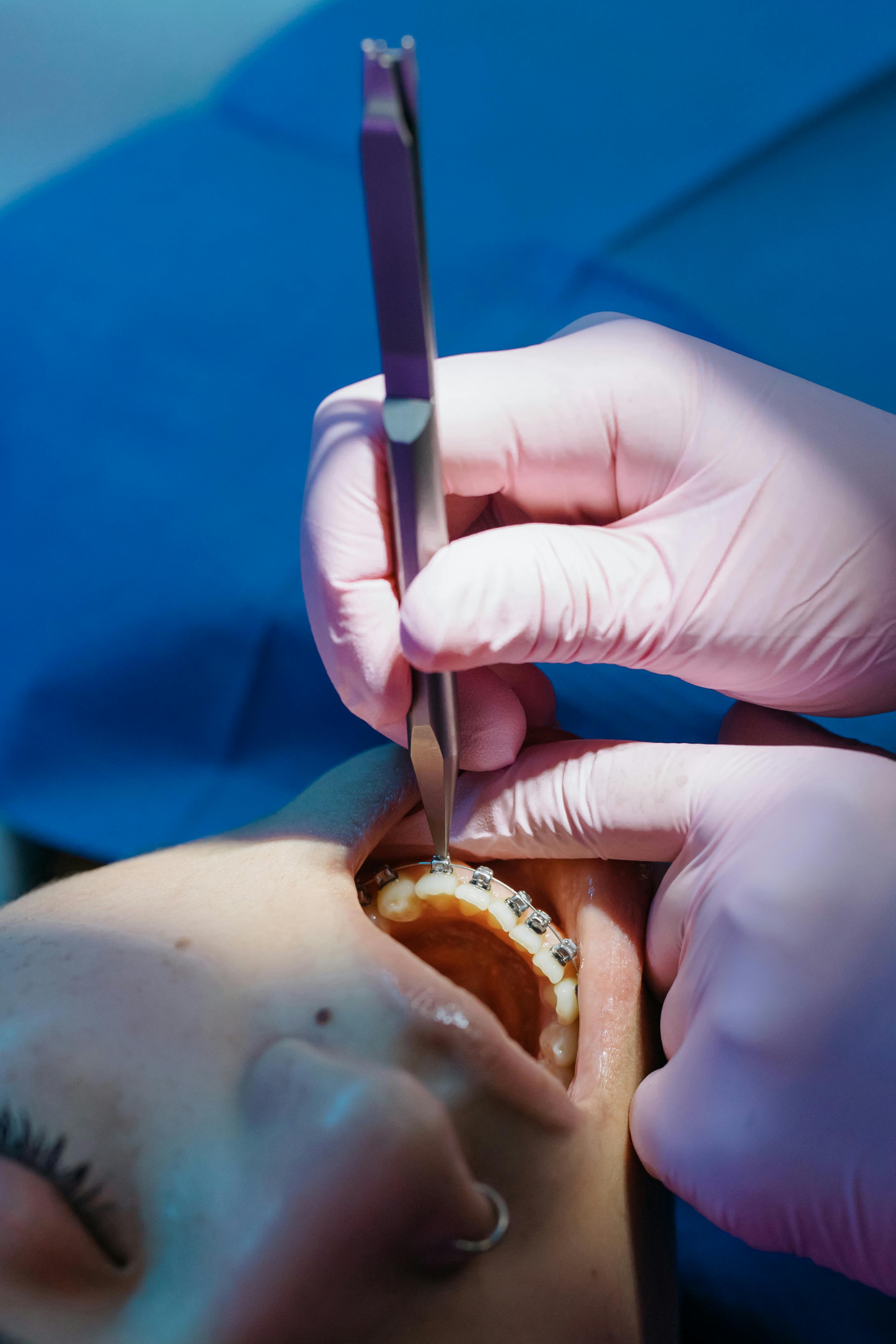
Wearing braces is a commitment that goes well beyond monthly orthodontist appointments. The brackets, wires, and bands create dozens of tiny spaces where food and plaque collect, which makes consistent dental braces care the single most important factor in achieving a great result on schedule. Without the right routine, patients risk white spots, cavities, swollen gums, and frustrating treatment delays.
Poor oral hygiene during orthodontic treatment is one of the most common reasons for extended timelines and disappointing results. Research consistently shows that patients who follow a structured daily routine experience fewer emergency visits, fewer cavities, and better overall outcomes. The good news is that the habits needed to protect teeth during treatment are straightforward once they become second nature.
This guide covers everything a braces wearer needs to know, from understanding how the appliance works to assembling a dental braces care kit, choosing bracket colors, managing soreness, and cleaning effectively every day. Every recommendation in this article reflects current best practices endorsed by orthodontic professionals and organizations such as the American Association of Orthodontists (AAO) and the American Dental Association (ADA).
How Do Braces for Teeth Work?
Understanding how braces for teeth work makes it easier to see why daily maintenance matters so much. Braces are precision instruments that rely on gentle, constant pressure to reposition teeth over time. Each component has a specific role in that process.
Brackets. small metal or ceramic pieces bonded to the front surface of each tooth. They serve as anchors that hold the archwire against the tooth.
Archwire. a thin metal wire threaded through every bracket. This wire delivers the force that moves teeth. Your orthodontist replaces or adjusts it at each visit to keep the pressure steady and progressive.
Ligatures. tiny elastic ties (or thin metal wires) that secure the archwire inside each bracket. Elastic ligatures are available in a wide range of colors, which is where dental braces' color choices come into play.
Bands. metal rings cemented around the back molars. They act as firm anchor points for the archwire and any additional appliances.
Elastics (rubber bands). removable bands hooked between specific upper and lower brackets. They correct bite alignment and need to be worn exactly as prescribed.
When the archwire presses against a tooth, the bone on the pressure side gradually breaks down while new bone forms on the opposite side. This biological remodeling process is the reason dental braces treatment typically takes 12 to 36 months, depending on case complexity. Rushing the timeline risks root damage and tooth instability, so patience and consistent care are essential. For more on the financial side of orthodontic treatment, our braces pricing guide breaks down average costs, insurance, and payment options.
Why Braces Are Important
Many people think of braces as a cosmetic treatment, but the health benefits are just as significant as the visual transformation. Here are the key reasons why braces are important for long-term oral and overall wellness.
Easier oral hygiene. Crooked or overlapping teeth create narrow crevices where plaque and bacteria thrive. Straightening the teeth makes brushing and flossing far more effective, which lowers the lifetime risk of cavities and gum disease.
Corrected bite alignment. Malocclusions such as underbites, overbites, and crossbites place uneven stress on certain teeth, the jaw joints, and the surrounding muscles. Over time, untreated bite problems can lead to chronic headaches, TMJ disorders, and premature enamel wear.
Improved digestion. Properly aligned teeth chew food more thoroughly, supporting healthier digestion. This is a benefit that often goes unmentioned.
Clearer speech. Tooth and jaw positioning directly affect sound formation. Braces can resolve lisps and other speech difficulties tied to structural misalignment.
Reduced injury risk. Protruding front teeth are more vulnerable to trauma during sports and accidents. Bringing them into alignment provides a degree of natural protection.
Long-term cost savings. preventing decay, gum disease, and excessive enamel wear now means fewer crowns, root canals, and extractions later.
Browsing teeth braces treatment before and after photos online can be genuinely motivating, but the invisible improvements in chewing function, gum health, and joint comfort are equally valuable.
For children and teenagers, orthodontic treatment during the growth years can guide jaw development and prevent more invasive interventions later. For adults, braces remain one of the most reliable ways to correct alignment issues that have caused discomfort or dental complications for decades. Regardless of age, the long-term return on a few years of treatment is substantial.
Daily Dental Braces Cleaning Routine
Braces create a complex landscape of brackets, wires, and elastic ties that trap food and plaque far more easily than unadorned teeth. A thorough dental braces cleaning routine performed multiple times a day is the foundation of successful treatment. The following schedule is recommended by most orthodontic professionals.
Morning Routine
Brush for a full two minutes. Use a soft-bristled toothbrush or an orthodontic brush with a V-shaped bristle pattern. Angle the bristles at 45 degrees toward the gumline and clean above, below, and directly on each bracket. The strip of enamel between the wire and the gumline collects plaque faster than any other area.
Clean between the teeth. Use a floss threader, an orthodontic flosser, or a water flosser to get between every pair of teeth. A water flosser is particularly effective at flushing debris from around brackets and underneath the archwire.
Rinse with fluoride mouthwash. Fluoride strengthens enamel and provides extra cavity protection in the hard-to-reach zones that braces create.
After Meals and Snacks
Ideally, patients should brush after every meal. When that is not possible (at work, at school, or on the go), rinsing vigorously with water for 30 seconds will help dislodge trapped particles. Carrying a travel-sized toothbrush and a small tube of fluoride toothpaste in a bag or locker makes mid-day brushing much more realistic.
Evening Routine
The evening session mirrors the morning routine: brush, floss, rinse. This session is arguably the most important one because saliva production drops significantly during sleep, giving bacteria an extended window to multiply. Going to bed with a clean mouth substantially reduces the risk of decalcification and gum inflammation.
Patients who have trouble remembering the evening routine can set a phone reminder 30 minutes before their usual bedtime. Building the habit into a consistent schedule, such as brushing immediately after the last meal or snack of the day, helps turn it into an automatic behavior rather than a chore that feels easy to skip.
Weekly Self-Check
Inspect the braces in a mirror. Look for loose brackets, poking wires, or spots where plaque is accumulating despite daily brushing.
Use a disclosing tablet. These chewable tablets stain plaque pink or purple, revealing areas the toothbrush consistently misses. They are an excellent training tool for improving technique over time.
Dentist-Approved Tips for Taking Care of Teeth With Braces
Knowing how to take care of teeth with braces requires more than just brushing and flossing on autopilot. The following expert recommendations address the details that separate an adequate routine from a truly protective one.
Choose the Right Toothpaste
Select a fluoride toothpaste with at least 1,000 ppm (parts per million) of fluoride. Some orthodontists prescribe a higher-strength fluoride toothpaste (5,000 ppm) for patients at elevated risk of decalcification. Avoid whitening toothpastes during treatment. They will lighten the exposed enamel around brackets but leave darker patches underneath, creating an uneven appearance once the braces come off.
For patients prone to sensitivity, a toothpaste containing potassium nitrate can help calm the nerve endings inside teeth that are actively being moved. Sensitive toothpaste can be used alongside regular fluoride toothpaste, or as a standalone option if it meets the minimum fluoride concentration.
Invest in an Electric Toothbrush
Oscillating-rotating electric toothbrushes, the kind with a small round head, are especially effective at cleaning around brackets. Research published in the Journal of Clinical Periodontology has shown that they remove more plaque than manual brushing. Many models include a two-minute timer and a pressure sensor, both helpful for braces wearers who tend to rush or push too hard.
Never Skip Flossing
Flossing with braces is tedious, but skipping it almost guarantees gum problems. If traditional floss feels impossible, a water flosser is a practical alternative. Many orthodontists now consider water flossers an essential part of any dental braces cleaning routine rather than a luxury add-on. According to the ADA, interdental cleaning is a critical part of oral hygiene regardless of whether a patient wears braces, and the best tool is whichever one a patient will actually use consistently.
Keep Up With Regular Dental Checkups
The orthodontist visits to adjust the braces. Dentist visits clean the teeth professionally and catch early signs of decay or gum disease. Both are necessary. Aim for a professional cleaning every four to six months, or more frequently if the dentist recommends it. Some patients benefit from cleanings at three-month intervals during active orthodontic treatment.
Apply Dental Braces Wax for Sore Spots
New brackets and freshly adjusted wires often irritate the inner cheeks, lips, and tongue. Dental braces wax is a soft, non-toxic wax that patients press over any bracket or wire end, causing friction. It forms a smooth barrier that prevents sores or allows existing ones to heal.
How to apply dental braces wax:
Dry the bracket or wire with a tissue or cotton swab.
Pinch off a small, pea-sized piece of wax and roll it into a ball.
Press the wax firmly over the problem area, molding it around the bracket.
Replace the wax after eating or if it falls off. It is safe to swallow accidentally.
Keep wax in your dental braces kit at all times, including in a bag or locker for easy access outside the house.
Watch for Warning Signs
Contact the orthodontist promptly if any of the following occur: persistent pain lasting more than five days after an adjustment, a bracket that has detached from the tooth, a wire poking into the cheek that cannot be managed with wax, swollen or bleeding gums that do not improve with better brushing, or any sign of infection, such as pus or unusual swelling. Catching these issues early prevents more complicated and costly problems down the road.
Building Your Dental Braces Care Kit
Having the right tools on hand makes daily dental care for braces faster, easier, and more effective. A well-stocked dental braces care kit should include both a home setup and a smaller portable version for school, work, or travel.
Home Kit Essentials
An orthodontic toothbrush or a soft-bristle electric toothbrush
Interdental brushes (small "Christmas tree" brushes that slide between the wire and the tooth)
Floss threaders or a water flosser
Fluoride toothpaste (at least 1,000 ppm)
Fluoride mouthwash
Dental braces wax
Disclosing tablets for periodic plaque checks
A compact mirror with good lighting
Oral analgesic gel (such as an ADA-accepted benzocaine product) for soreness relief
Portable Kit for On-the-Go
Travel toothbrush and small toothpaste tube
A few interdental brushes
Dental braces wax
Lip balm (brackets can dry out the lips)
A small resealable pouch to keep everything together
Several brands sell pre-assembled dental brace cleaning kit options at drugstores and online, which can be a convenient starting point. However, building a custom kit allows patients to choose higher-quality items tailored to their specific needs. For a broader perspective on dental tools and technology, our dental equipment guide covers the instruments and devices used across modern dental practice.
Foods to Eat and Avoid With Braces
Food choices have a direct impact on treatment progress. Certain textures can snap wires, pop brackets loose, or wedge into spaces that are nearly impossible to clean. Sticking to braces-friendly options keeps the appliance intact and the teeth healthier.
Foods to Avoid
Hard foods. nuts, hard pretzels, ice, popcorn kernels, raw carrots (unless cut very thin), hard candy, and crusty bread.
Sticky foods. caramel, taffy, gummy candy, dried fruit, and chewing gum. These can pull brackets off and get trapped under wires.
Biting directly into firm items. Whole apples, corn on the cob, and large raw vegetables should be cut into small pieces first.
Sugary drinks. Soda, sports drinks, and sweetened juice bathe the teeth in sugar for extended periods, dramatically increasing cavity risk around brackets.
Braces-Friendly Foods
Soft fruits such as bananas, berries, and sliced melon
Cooked vegetables
Pasta, rice, and soft bread
Yogurt, pudding, and smoothies
Eggs, fish, and tender cooked meats
Cheese and other soft dairy products
Smart Eating Habits
Cut food into small, bite-sized pieces before eating. Chew with the back teeth whenever possible to reduce pressure on the front brackets. Avoid biting directly into hard items, even if the food itself is technically allowed. These small adjustments prevent the majority of bracket-related emergencies.
Staying hydrated with plain water throughout the day is another underrated tip. Water rinses away food particles between brushings, keeps saliva flowing, and does not introduce sugar or acid to the teeth. Patients who replace sugary beverages with water often notice a marked improvement in their oral health within just a few weeks of making the switch.
Managing Pain and Discomfort
Some degree of soreness is normal after the initial placement of braces and following each adjustment appointment. The teeth are actively moving through bone, and the surrounding tissues need time to adapt. Most patients describe the sensation as pressure or tenderness rather than sharp pain.
Effective Pain Relief Strategies
Over-the-counter pain relievers. Ibuprofen or acetaminophen, taken according to the package directions, can reduce soreness significantly. Consult the orthodontist before using pain medication regularly.
Cold foods and drinks. Ice water, frozen yogurt, and cold smoothies provide soothing relief for sore gums and teeth.
Saltwater rinses. Dissolve half a teaspoon of salt in a cup of warm water and swish gently for 30 seconds. Saltwater reduces inflammation and promotes healing of any minor sores inside the mouth.
Dental braces wax. Applying wax to any bracket or wire, causing friction, prevents further irritation and gives existing sores time to heal.
Soft diet for the first few days. Sticking to softer foods after an adjustment minimizes chewing pressure on sensitive teeth.
Soreness typically subsides within three to five days after each adjustment. If discomfort persists beyond a week, or if a specific area of the mouth is in consistent pain, contact the orthodontist to check for issues such as a displaced wire or an over-tightened bracket.
Dental Braces Color Choices: Expressing Yourself During Treatment
One of the more enjoyable aspects of wearing braces is choosing ligature colors at each adjustment appointment. Since elastic ties are swapped out every four to eight weeks, the choices are never permanent, making it easy to experiment.
Popular Color Strategies
School or team colors for spirit and consistency
Seasonal palettes such as red and green for the winter holidays, pastels for spring, or orange and black for Halloween
Colors that complement skin tone, creating a flattering contrast
Darker shades, such as navy, dark purple, or deep teal, tend to make teeth appear whiter
Colors to Approach With Caution
White and light yellow. These can resemble food stains or tooth discoloration, making the smile look less clean.
Clear or transparent elastics. They tend to stain quickly from foods like curry, coffee, and tomato sauce, turning a yellowish hue within days.
Very dark black. While popular, black elastics can sometimes create the visual impression of food stuck in the teeth at a distance.
Patients with ceramic or clear brackets have fewer color options since colored ligatures can stand out more prominently against the translucent material. Ask the orthodontist for guidance on which shades pair well with the specific bracket type.
Teeth Braces Treatment Before and After: What to Expect
Understanding the typical timeline of dental braces treatment helps patients set realistic expectations and stay motivated throughout the process. While every case is different, most orthodontic treatments follow a similar progression of milestones.
Months 1 Through 6: Initial Alignment
The most noticeable changes happen during the first six months. Crowded or rotated teeth begin shifting into straighter positions, and gaps may start closing. This phase often feels the most rewarding because progress is visible relatively quickly.
Months 6 Through 12: Space Closure and Refinement
Once the initial alignment is underway, the orthodontist focuses on closing remaining gaps and fine-tuning tooth positions. Elastics (rubber bands) are commonly introduced during this phase to correct bite relationships. Progress may feel slower month to month, but the adjustments during this stage are critical.
Months 12 Through 24 (or Longer): Bite Correction and Detailing
Complex cases may require additional time to perfect the bite and finalize tooth positioning. Small adjustments during this stage make the difference between a good result and an excellent one. The orthodontist may use different wire sizes, repositioned brackets, or additional elastics to achieve the finishing touches.
The Retention Phase
After the braces come off, the teeth will naturally want to shift back toward their original positions. Retainers, whether fixed or removable, are non-negotiable for maintaining results. Most orthodontists recommend wearing a retainer full-time for several months, then transitioning to nighttime-only wear indefinitely. Skipping retainer use is the most common reason patients lose the alignment they worked so hard to achieve.
Fixed retainers, which consist of a thin wire bonded to the back of the front teeth, provide continuous retention without requiring patient compliance. Removable clear retainers, on the other hand, offer more flexibility but depend entirely on the patient wearing them as directed. Many orthodontists now recommend a combination of both: a fixed retainer on the lower teeth and a removable retainer for the upper arch.
Taking progress photos at home every four to six weeks is an excellent way to track changes that are hard to notice day to day. Comparing early photos with current ones provides tangible evidence of how far the treatment has come.
How to Care for Braces on Your Teeth: Common Mistakes to Avoid
Even patients with good intentions sometimes develop habits that undermine their treatment. Knowing how to care for braces on your teeth also means knowing which pitfalls to avoid.
Brushing too quickly. A 30-second brush is not enough when wearing braces. Two minutes is the minimum, and three minutes is even better for thorough coverage around every bracket.
Using a hard-bristle toothbrush. Stiff bristles can damage the gums and bend wires. Always use a soft-bristled brush or an orthodontic-specific model.
Ignoring the gumline. Plaque accumulates most aggressively between the bracket and the gum. Angling the brush toward the gumline at 45 degrees is essential.
Skipping orthodontist appointments. Missing or delaying adjustment visits extends treatment time and can allow developing problems to go undetected.
Chewing on non-food items. pen caps, fingernails, and ice are among the most common causes of broken brackets.
Not wearing elastics as directed. Rubber bands only work if worn for the prescribed number of hours per day. Inconsistent use slows bite correction significantly.
Relying on mouthwash alone. Mouthwash is a supplement, not a substitute, for brushing and flossing. It cannot remove plaque that has adhered to the tooth surface.
Using teeth as tools. Opening packages, tearing tape, or holding objects with the teeth can damage brackets and wires. This habit is especially common among teenagers and should be addressed early in treatment.
Neglecting the retainer after treatment. Once the braces are removed, consistent retainer use is the only way to prevent relapse. Teeth can begin shifting within days if the retainer is not worn as prescribed.
If the cost of orthodontic care or dental visits is a concern, exploring dental insurance options that cover orthodontic treatment can help ease the financial burden. Many plans now include partial coverage for braces, especially for patients under 18.
Bottom Line
Successful dental braces care comes down to consistency, the right tools, and a genuine understanding of how the treatment works. Brushing thoroughly after every meal, flossing daily, keeping dental floss wax on hand, attending all scheduled appointments, and making smart food choices are the pillars of a smooth, on-time treatment. The effort invested during these months pays off with a healthier mouth, a more comfortable bite, and a smile that lasts a lifetime.
Patients who build a reliable dental braces care kit, follow a disciplined dental braces cleaning routine, and avoid the most common mistakes will see the best results when the brackets finally come off. Every day of diligent care brings the finish line closer.
Frequently Asked Questions
How often should I brush my teeth with braces?
Dentists and orthodontists recommend brushing at least three times a day when wearing braces: once in the morning, once after lunch, and once before bed. Ideally, patients should brush after every meal or snack. When brushing is not possible, rinsing thoroughly with water is a helpful short-term alternative.
Can I use a regular toothbrush with braces?
A regular soft-bristled toothbrush will work, but an orthodontic toothbrush or an oscillating electric toothbrush is more effective at cleaning around brackets and under the archwire. Interdental brushes should also be part of the routine for cleaning tight spots that a standard brush cannot reach.
What happens if I eat something I'm not supposed to?
Eating hard, sticky, or crunchy foods increases the risk of breaking a bracket or bending a wire. If a bracket comes loose, contact the orthodontist to schedule a repair. Broken brackets that are not fixed promptly can extend overall treatment time because the affected tooth is no longer receiving corrective pressure.
How do I fix a poking wire at home?
If a wire end is poking the inside of the cheek, try pressing it down with the eraser end of a pencil or covering it with a small piece of dental braces wax. If the wire cannot be repositioned, clip it carefully with clean, sterilized nail clippers as close to the bracket as possible, and call the orthodontist for a follow-up visit.
Is it normal for braces to hurt after every adjustment?
Yes. Mild to moderate soreness for three to five days after an adjustment is completely normal. The sensation reflects the renewed pressure on the teeth as they continue to shift. Over-the-counter pain relievers, cold foods, and saltwater rinses all help manage the discomfort. If pain is severe or lasts more than a week, reach out to the orthodontist.
How do I clean ceramic brackets without staining them?
Ceramic brackets resist staining on their own, but the clear elastic ties around them can discolor. Avoid deeply pigmented foods and drinks such as coffee, red wine, curry, and tomato-based sauces in the days immediately after a color change. Brushing promptly after meals also helps keep the ties looking clean until the next appointment.
Can I play sports while wearing braces?
Absolutely. Athletes with braces should wear an orthodontic mouthguard designed to fit over brackets and wires. Standard mouthguards may not provide adequate protection or could damage the appliance. The orthodontist can recommend or provide a properly fitted guard. For parents researching dental care products for younger athletes, the Dental Reviewed blog covers age-appropriate oral health tools and safety considerations.
What is a dental braces cleaning kit, and do I need one?
A dental braces cleaning kit is a collection of tools assembled specifically for maintaining oral hygiene during orthodontic treatment. It typically includes an orthodontic toothbrush, interdental brushes, floss threaders, wax, and sometimes a travel case. Purchasing a pre-made kit is convenient, but building a custom dental braces kit with preferred brands and higher-quality items is just as effective.