The 10 Best Interdental Brushes in 2026
Interdental brushes clean the tight spaces between teeth that a toothbrush and floss both miss. This guide ranks the 10 best interdental brushes sold in the United States for...
Written by Marcus Hale
Read time: 7 min read
Interdental brushes clean the tight spaces between teeth that a toothbrush and floss both miss. This guide ranks the 10 best interdental brushes sold in the United States for 2026. It also covers sizing, technique, and how these brushes compare with floss.
TL;DR
Interdental brushes remove plaque that floss and brushing both leave behind
Sizes run from extra small to extra large, so most people need more than one
The ADA states interdental brushes may clean better than floss for many patients
TePe, Piksters, and GUM lead the US market on price, durability, and comfort
Quick Dentist-Recommended Choices
Budget Pick
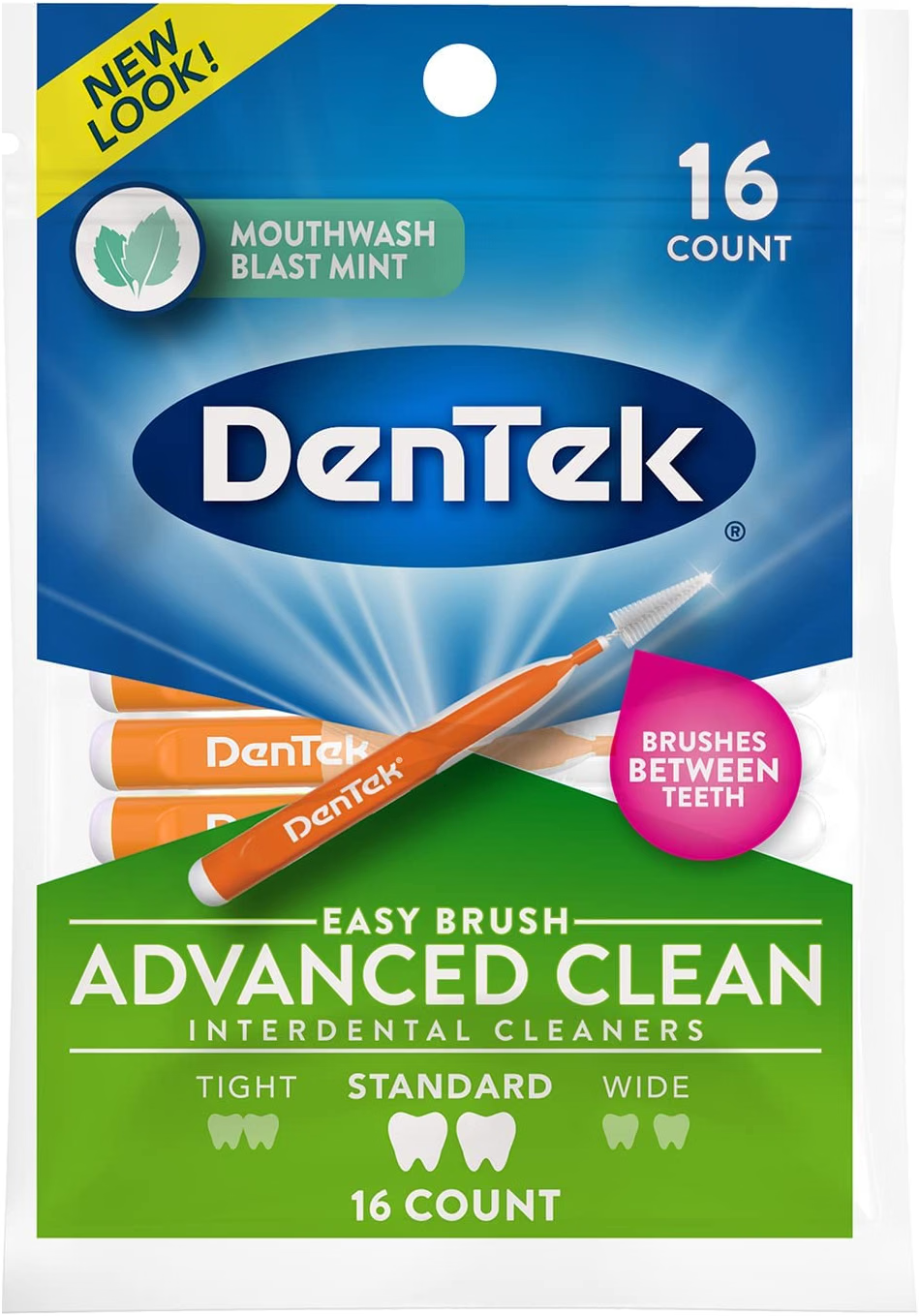
DenTek Easy Brush
Costs $4 to $6, uses a flexible fluoride-coated wire, and is sold at nearly every US pharmacy.
Best Overall
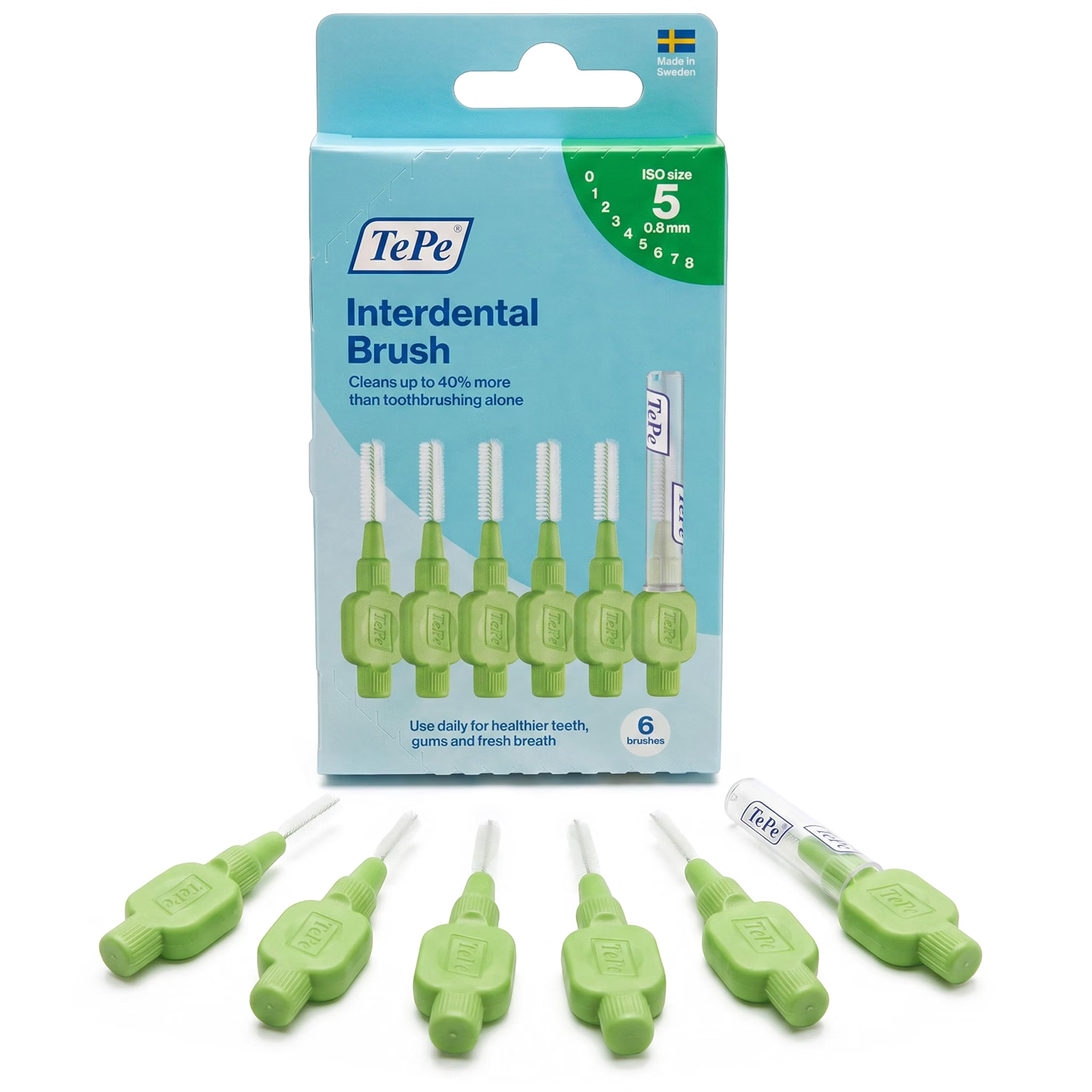
TePe Interdental Brush Original
The dentist benchmark since the 1960s, with nine sizes and a rounded wire tip, at $6 to $10 for a pack of 25.
Best for Sensitive Gums
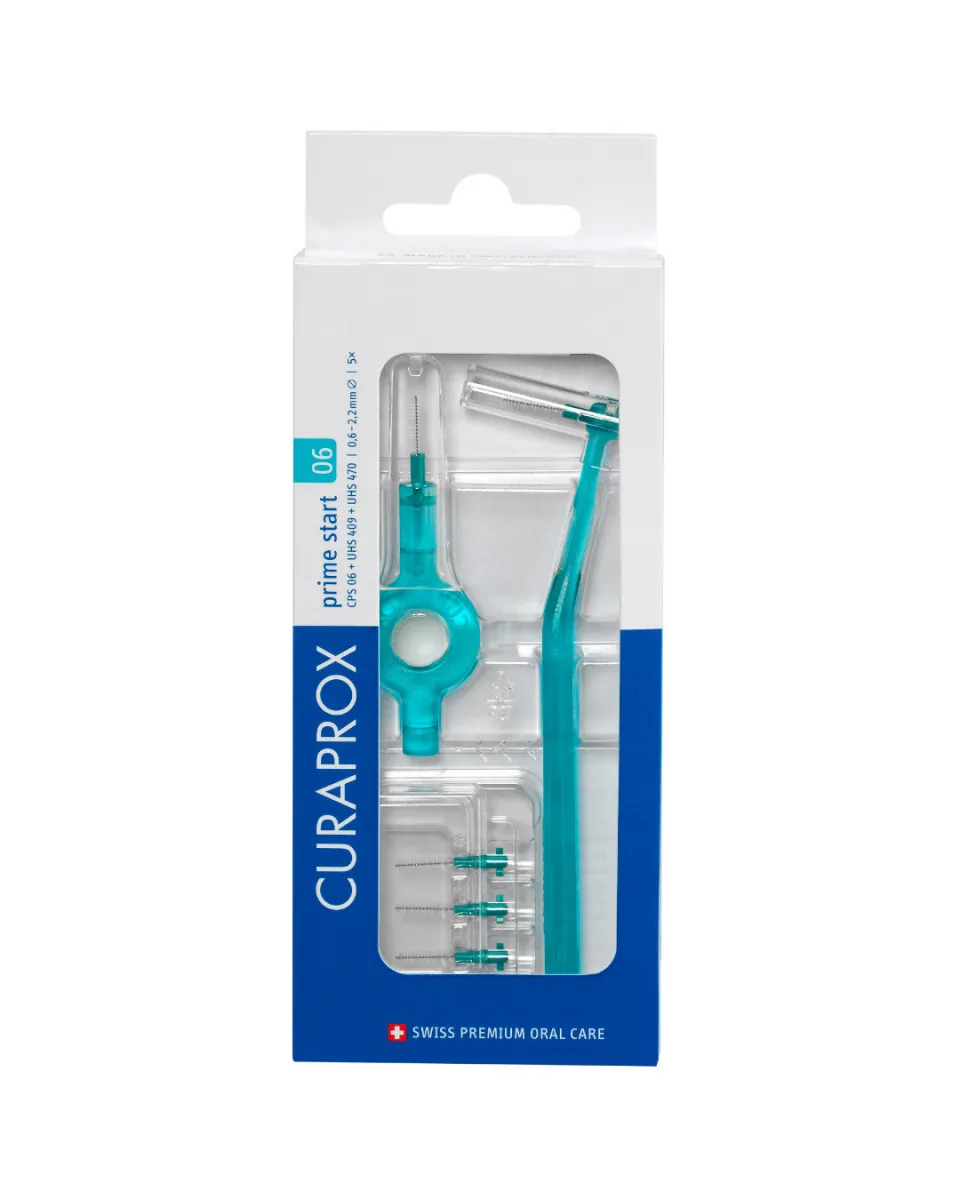
Curaprox CPS Prime
Ultra-fine CURAL wire and dense soft bristles for tender or receding gums, at $13 to $14 for a starter set.
We may earn a commission on purchases made through these links.
What Are Interdental Brushes
An interdental brush is a small, cone-shaped brush on a thin handle. It is sized to fit the gap between two teeth. The brush scrubs away plaque and food debris. A toothbrush cannot reach that space. Toothbrushes clean flat tooth surfaces only. They miss the curved area below the contact point.
Plaque collects in that missed area. It can trigger swollen gums or gingivitis over time. Interdental brushes clean that missed area every day. They help anyone with gaps from gum recession, braces, a dental bridge, or an implant.
Interdental Brushes Vs Floss
Floss and interdental brushes both target the same problem area. They work differently, and each one suits a different type of gap.
Floss is a thin strand pulled tight between two teeth. It scrapes two flat surfaces in a single pass. An interdental brush works differently. Its bristles fill the entire gap in one motion. This matters most for wider gaps, since floss cannot fill that space the same way.
The American Dental Association notes that interdental brushes may clean better than floss for many patients. This finding comes from a 2019 Cochrane review of home interdental cleaning devices.
One clinical study compared the two methods directly. Patients with moderate to severe gum disease used floss on one side of the mouth. They used an interdental brush on the other side. After six weeks, the brush side showed a bigger drop in plaque. It also showed a bigger reduction in probing depth.
Floss still has a role. Very tight gaps between healthy front teeth often cannot fit a brush at all. In those spots, floss remains the only option. Most dentists recommend using both together. A water flosser is another option worth considering alongside either tool.
So, are interdental brushes better than floss? For wider gaps, recession, braces, or implants, brushes usually win. For tight, healthy contacts, floss is still needed. The two tools work best together, not as a replacement for one another.
What To Look For Before Buying
Choosing the right interdental brush comes down to a few practical factors. Getting these right makes daily use easier and more effective.
Every interdental brush is sized by wire diameter, not by brand name. Sizes typically run from 00 up to 8. A dentist can measure gaps directly. This often happens as part of a full dental treatment plan. The dentist can then recommend exact sizes for each gap.
Most people need two or three sizes for a full mouth. Front teeth tend to need a smaller size. Back molars usually need a larger one. A wrong size either falls out or forces its way in, which can damage gum tissue.
Bristle material also matters. Wire brushes last longer and reuse well. Wire-free rubber picks feel gentler on the gums but wear out faster. Anyone with sensitive or receding gums may prefer a wire-free or extra-soft option.
Handle length and shape affect reach. A straight handle works well up front. An angled handle reaches back molars more comfortably. A longer handle also helps anyone with limited hand dexterity keep a steady grip.
Size range, since most mouths need more than one diameter
Bristle material, wire-coated or wire-free rubber
Handle shape, straight or angled for back teeth
Reusability, since some brushes last about a week and others are single-use
Safety around braces, bridges, or implants
The 10 Best Interdental Brushes
The following list ranks 10 interdental brushes sold across major US pharmacies, big-box retailers, and online. Pricing reflects typical US retail cost at the time of writing and may shift.
#1. TePe Interdental Brush Original
The TePe Interdental Brush Original is the benchmark most other brushes get compared against. It has been sold since the 1960s. It comes in nine color-coded sizes, ISO 00 through 8. A plastic-coated wire and rounded tip keep the brush gentle on gum tissue.
Price: About 6 to 10 dollars for a pack of 25 in one size
Where to buy: Major pharmacies, Amazon, Walmart, and the TePe US site
Material: Plastic-coated wire with a rounded loop tip
Sizes: Nine available, ISO 00 through 8, sold individually or in a mixed pack
Best for: First-time buyers who need to find their correct sizes
Pros:
Wide size range covering narrow to wide gaps
Well studied and widely recommended by dentists
Holds up to repeated rinsing and reuse
Cons:
No angled head in this specific line
Only one bristle firmness is available
#2. TePe Interdental Brush Extra Soft
The TePe Interdental Brush Extra Soft uses the same wire and loop design as the Original line. Its bristles are noticeably softer and denser. It suits people with sensitive or receding gums, or anyone healing after gum treatment.
Price: About 7 to 11 dollars for a pack of 25 in one size
Where to buy: Major pharmacies, Amazon, and the TePe US site
Material: Plastic-coated wire with extra-soft, dense bristles
Sizes: Six color-coded sizes, ISO 1 through 6
Best for: Sensitive gums and the first weeks after a deep cleaning
Pros:
Gentle on inflamed or receding gum tissue
Same durable wire core as the Original line
Cons:
Fewer size options than the Original line
#3. TePe Interdental Brush Angle
The TePe Interdental Brush Angle uses an angled brush head. The angle makes it easier to reach back molars without twisting the wrist. It shares the same plastic-coated wire as the rest of the TePe range.
Price: About 8 to 12 dollars for a pack of 25
Where to buy: Major pharmacies, Amazon, and the TePe US site
Material: Plastic-coated wire, angled head, straight handle
Sizes: Six color-coded sizes, ISO 0 through 5
Best for: Back-of-mouth cleaning and anyone who struggles to angle a straight brush
Pros:
Easier access to back molars
Less wrist strain than a straight brush
Cons:
The angle can feel awkward on front teeth
#4. Piksters Interdental Brushes
Piksters Interdental Brushes use a stiffer, plastic-coated wire than many competitors. The wire resists bending and buckling. This gives each brush a longer working life than several rival brands.
Price: About 15 dollars for a 40-count pack, or roughly 37 cents per brush
Where to buy: Amazon, Walmart, and the Piksters US site
Material: Reinforced plastic-coated wire, standard bristle
Sizes: 11 color-coded sizes, one of the widest ranges sold in the US
Best for: Durability and value across narrow to wide gaps
Pros:
Strong wire that resists buckling
One of the widest size ranges on the market
Includes a connector cap for extended reach
Cons:
A stiffer feel than TePe for people with tender gums
#5. GUM Proxabrush Go-Betweens
GUM Proxabrush Go-Betweens use a nylon-coated wire and a triangular soft bristle head. Sunstar, the brand behind GUM, states that the triangular shape removes more plaque than a round bristle. Each brush is rated for about seven to ten days of reuse.
Price: About 5 to 8 dollars for a 10- to 15-count pack
Where to buy: CVS, Walgreens, Walmart, Amazon, and the GUM US site
Material: Nylon-coated wire, triangular soft bristle
Sizes: Four core sizes, from ultra-tight to wide
Best for: Convenient in-store restocking without ordering online
Pros:
Widely stocked in US drugstores
Reusable for about a week per brush
Supports daily gum health
Cons:
The handle is short for reaching back molars comfortably
#6. GUM Soft-Picks Original
GUM Soft-Picks Original replaces the metal wire with a flexible rubber pick. There is no wire to bend, snap, or catch on metal dental work. Sunstar's own product guidance confirms these picks are single-use and not meant for reuse.
Price: About 5 to 8 dollars for an 80- to 100-count box
Where to buy: CVS, Walgreens, Walmart, Amazon, and the GUM US site
Material: Flexible rubber, latex-free and wire-free
Sizes: One universal size per pick
Best for: People who dislike wire brushes or have a lot of metal dental work
Pros:
Comfortable around fillings and crowns
No metallic feel against dental work
Travel case included
Cons:
Single-use only
Less durable than a wire brush
#7. Curaprox CPS Prime Interdental Brushes
Curaprox CPS Prime brushes are a premium Swiss line built around a very fine, dense bristle. Curaprox calls its CURAL wire ultra-thin and extra strong, designed for a single smooth pass through each gap.
Price: About 13 to 14 dollars for a starter set or an 8-piece refill
Where to buy: The Curaprox US site and select US dental retailers
Material: CURAL surgical wire, dense fine bristles
Sizes: Five CPS Prime sizes, plus a mixed starter set with holders
Best for: People who find standard wire brushes too rough on the gums
Pros:
Very gentle on soft tissue
Click-in refill system reduces waste
Cons:
Fewer sizes than TePe or Piksters
Refills need a separate holder
#8. DenTek Easy Brush Interdental Cleaners
DenTek Easy Brush is a budget, mostly single-use option. A tapered, flexible wire bends to fit tight to standard spaces. Bristles carry a fluoride coating and a mint flavor.
Price: About 4 to 6 dollars for a multi-pack
Where to buy: Major US pharmacies, Walmart, Amazon, and the DenTek site
Material: Flexible coated wire, fluoride-treated bristles
Sizes: Two main widths, extra tight and standard
Best for: Light daily use on tight to standard gaps
Pros:
Low cost compared with premium brands
Widely available at major US retailers
Antimicrobial cap included
Useful for daily braces care
Cons:
Fewer size options than premium brands
Shorter bristle life than premium brands
#9. Oral-B Precision Clean Interdental Brushes
Oral-B Precision Clean Interdental Brushes come from a brand most US shoppers already trust for toothbrushes. Oral-B markets the brush as a way to reach gum inflammation in hard-to-reach spots that brushing alone can miss.
Price: About 5 to 7 dollars for 20 brushes
Where to buy: Major US pharmacies, Walmart, Amazon, and the Oral-B site
Material: Soft, flexible bristles on a comfortable-grip handle
Sizes: One standard width, sold in a 20-count box
Best for: People who prefer sticking with a familiar oral care brand
Pros:
Familiar, trusted brand name
Comfortable grip for everyday use
Safe around crowns, implants, and bridges
Cons:
Only one size, so it may not fit every gap
#10. Piksters Interpik Interdental Brushes
Piksters Interpik swaps the wire core for a soft rubber, tapered pick. One end is thicker for back teeth, and the other is thinner for the front. It gives a one-size-fits-most option for anyone who wants to skip sizing altogether.
Price: Sold in 30- and 60-count packs, priced close to standard Piksters wire brushes
Where to buy: Amazon and the Piksters US site
Material: Soft rubber, wire-free, tapered at both ends
Sizes: One size, with two usable ends for front and back teeth
Best for: One gentle, wire-free option for the whole mouth
Pros:
No wire to bend or snap
Gentle on sensitive gums
No sizing needed before use
Cons:
Less precise fit than a sized wire brush in narrow gaps
Quick Comparison Of The 10 Best Interdental Brushes
This table lines up all 10 picks side by side. Use it to compare material, sizing, and price at a glance.
Product | Material | Sizes | Price range | Best for |
TePe Original | Wire, straight | 9 sizes | $6–$10 | First-time buyers |
TePe Extra Soft | Wire, extra soft | 6 sizes | $7–$11 | Sensitive gums |
TePe Angle | Wire, angled | 6 sizes | $8–$12 | Back molars |
Piksters Interdental | Reinforced wire | 11 sizes | ~$0.37 each | Durability and value |
GUM Proxabrush Go-Betweens | Nylon-coated wire | 4 sizes | $5–$8 | Drugstore restocking |
GUM Soft-Picks Original | Wire-free rubber | 1 size | $5–$8 | Metal dental work |
Curaprox CPS Prime | Fine surgical wire | 5 sizes | $13–$14 | Sensitive tissue |
DenTek Easy Brush | Flexible coated wire | 2 widths | $4–$6 | Budget daily use |
Oral-B Precision Clean | Soft flexible bristle | 1 size | $5–$7 | Familiar brand |
Piksters Interpik | Wire-free rubber | 1 size | Similar to Piksters wire | Whole-mouth simplicity |
How To Use Interdental Brushes
Using an interdental brush correctly takes less than a minute per gap. The technique stays the same across brands and sizes.
Pick the right size for each gap, one that slides in with light resistance
Insert the brush at a slight angle, right at the gum line
Move it back and forth, or give it a gentle quarter turn
Never force a brush that will not fit. Switch to a smaller size instead
Rinse the brush with water after each use
Clean once a day, ideally before bed
Over time, plaque left behind hardens into tartar. Only a dental professional can remove tartar during a cleaning. Daily interdental brushing helps prevent that buildup before it starts.
Are Interdental Brushes Reusable
Most interdental brushes are reusable, with limits. The material and design decide how many times a single brush can be used.
Wire brushes from TePe, Piksters, and Oral-B typically last three to seven days with daily rinsing. GUM Proxabrush brushes carry an antibacterial coating rated for up to ten days. Wire-free rubber picks, like GUM Soft-Picks, are built for single use only.
Replace any brush once the bristles fray or the wire bends out of shape. A bent wire will not hold its shape, and it can slip or scratch soft tissue.
A quick rinse under warm water after each use extends the life of a reusable brush. Storing the brush in its cap keeps the bristles from bending inside a bag or drawer. Most people go through one wire brush per gap size every week with normal daily use.
Bottom Line
Interdental brushes fill a real gap in daily oral care. Floss and brushing alone miss the curved space between teeth. TePe covers the widest range of sizes and bristle textures. Piksters offers strong value for durability. GUM keeps a reusable option on nearly every US drugstore shelf. Curaprox suits anyone who finds wire brushes too harsh.
Picking the right size matters more than picking a specific brand. Most mouths need two or three sizes for a full, comfortable clean. Add interdental brushing to a daily oral hygiene routine. Pair it with brushing and regular dental visits. Over time, this habit helps prevent cavities and supports long-term gum health.
Frequently Asked Questions
What are interdental brushes used for?
Interdental brushes clean the space between two teeth. They remove plaque and food debris that a toothbrush cannot reach. Dentists often recommend them for people with braces, bridges, implants, or wider natural gaps.
Are interdental brushes better than floss?
For wider gaps, gum recession, braces, or implants, interdental brushes usually clean better than floss. For tight, healthy gaps between front teeth, floss often works better. A brush may not fit those tighter spaces. Most dentists recommend using both.
How do I know what size interdental brush to use?
A dentist can measure each gap and recommend an exact size. At home, choose a size that slides in with light resistance and never forces its way through. Most people need two or three different sizes across the mouth.
Are interdental brushes reusable?
Wire brushes are reusable for three to ten days with rinsing after each use, depending on the brand. Wire-free rubber picks are usually single-use. Replace any brush once the bristles fray or the wire loses its shape.
Can interdental brushes damage gums if used incorrectly?
Yes, forcing an oversized brush into a tight gap can injure gum tissue and cause bleeding. Using the correct size and a gentle motion avoids this risk. Anyone with ongoing bleeding or pain should check with a dentist.
Are interdental brushes safe for braces and implants?
Yes, most interdental brushes use coated wire or rubber bristles that will not scratch metal brackets, wires, or implant surfaces. TePe, GUM, and Oral-B all make sizes built for orthodontic and implant care.