What Is Calculus or Tartar, How To Remove It, And Prevent It
Noticing a rough, yellowish buildup along your gum line or between your teeth can be concerning. This buildup, known as dental calculus or tartar, affects the majority of adults...
Written by Mantas Petraitis
Read time: 11 min read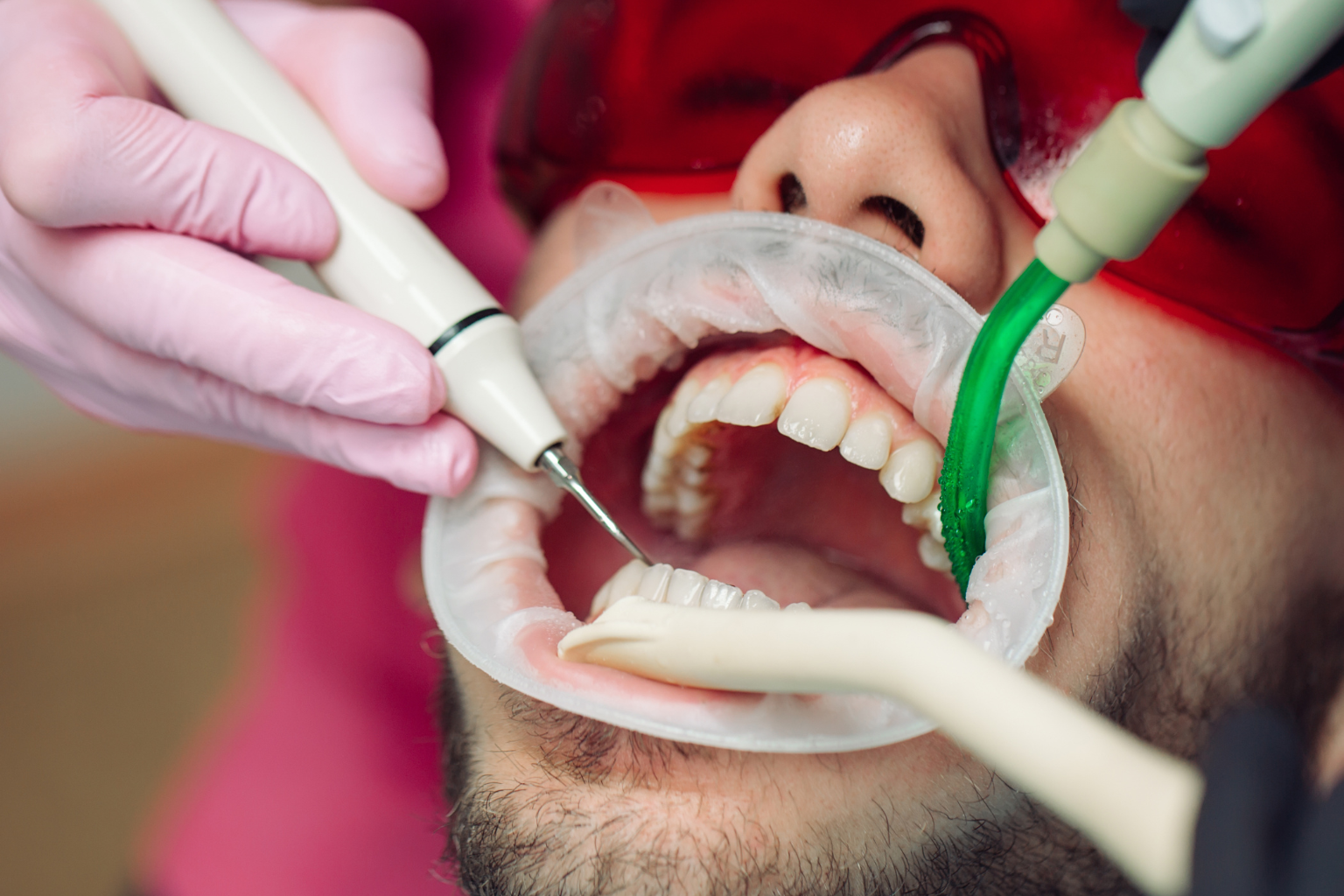
Noticing a rough, yellowish buildup along your gum line or between your teeth can be concerning. This buildup, known as dental calculus or tartar, affects the majority of adults and represents one of the most common oral health challenges people face.
Tartar on teeth develops when plaque, a soft bacterial film that forms daily on tooth surfaces, hardens through mineralization. Once plaque transforms into calculus tartar, regular brushing and flossing cannot remove it. This distinction matters because allowing tartar buildup on teeth to accumulate leads to gum disease, tooth decay, and other serious oral health problems.
Understanding what tartar is, recognizing what it looks like, and knowing the difference between what you can address at home versus what requires professional care empowers you to make informed decisions about your oral health. This guide covers everything from identification and causes to professional tartar removal and proven prevention strategies.
What Is Tartar? Understanding Dental Calculus
Dental calculus, commonly called tartar, is mineralized dental plaque that has hardened on the surfaces of teeth. Understanding how this transformation occurs helps explain why tartar presents such a persistent challenge for oral health.
Tartar is hardened dental plaque that forms when plaque is not removed through proper oral hygiene. The minerals in saliva, primarily calcium and phosphate, deposit into the plaque matrix and cause it to harden into a cement-like substance that bonds firmly to tooth enamel.
The process begins with plaque formation. Every time you eat, bacteria in your mouth feed on sugars and starches, producing acids as byproducts. These bacteria mix with food particles and saliva to create plaque, a soft, sticky, colorless film that coats your teeth. Plaque forms continuously throughout the day, which is why daily removal through brushing and flossing is essential.
When plaque remains on teeth, mineralization begins relatively quickly. Research published in scientific journals indicates that plaque can begin hardening within 24 to 72 hours if not removed, with significant calcification occurring within 10 to 14 days. The minerals from saliva crystallize within the plaque, transforming the soft film into hard tartar that cannot be brushed away.
Calculus forms in two main locations. Supragingival calculus develops above the gum line and is visible as yellow, brown, or cream-colored deposits. Subgingival calculus forms below the gum line within periodontal pockets and typically appears darker, ranging from brown to greenish-black due to blood pigments. Both types create rough surfaces that attract more plaque, perpetuating a cycle of buildup.
Tartar Vs Calculus: Is There A Difference?
People often wonder about the difference between tartar and calculus when reading dental information or discussing oral health with their dentist. The answer is straightforward: tartar and calculus refer to exactly the same thing.
"Tartar" is the common term used in everyday language and consumer products. "Calculus" is the clinical term used by dental professionals in medical literature and during patient consultations. When your calculus dentist mentions calculus during an examination, they are referring to the same hardened plaque deposits that product labels call tartar. Both terms describe mineralized plaque that has bonded to teeth and requires professional removal.
What Does Tartar Look Like On Teeth?
Identifying tartar on your own teeth helps you recognize when professional cleaning is needed. Knowing what tartar buildup looks like allows you to distinguish it from normal tooth structure and understand the extent of any accumulation.
Tartar typically appears as a crusty, hard deposit with colors ranging from yellowish-white to brown or even dark brown. The color depends on how long the tartar has been present and what substances it has absorbed. Coffee, tea, tobacco, and certain foods can stain tartar darker over time, making older deposits more noticeable.
The texture of tartar differs distinctly from smooth tooth enamel. While healthy teeth feel smooth when you run your tongue over them, tartar creates rough, uneven patches that feel gritty or bumpy. This textural difference often makes tartar detectable even before it becomes visually obvious.
Common locations for tartar accumulation include the inner surfaces of lower front teeth (near the sublingual salivary gland openings), the outer surfaces of upper back molars (near the parotid gland openings), along the gum line where teeth meet the gums, and in the spaces between teeth. These areas receive the most mineral-rich saliva, accelerating the calcification process.
Hard White Stuff On Teeth Near Gums
Many people notice hard white stuff on their teeth near the gums and wonder what it represents. In most cases, this describes early-stage tartar formation that has not yet absorbed stains from food and beverages.
Fresh tartar often appears whitish or cream-colored, especially near the tartar on gum line areas where mineral deposition is most active. This hard buildup differs from the temporary white plaque film that brushing removes. When you cannot brush or scrape away the white material, and it feels hard and rough rather than soft and sticky, you are likely dealing with calcified tartar rather than plaque.
Occasionally, hard white material near the gums may also represent exposed tooth root surfaces or enamel irregularities. A dental professional can definitively identify whether the material is tartar, tooth structure, or another concern requiring attention.
Why Can I Feel Tartar Constantly?
If you find yourself constantly running your tongue over rough patches on your teeth, wondering why you can feel tartar constantly, the explanation lies in tartar's distinctive texture. Unlike smooth enamel, hardened tartar creates an uneven, gritty surface that your tongue naturally detects.
The most common location for this sensation is behind the lower front teeth, where tartar between teeth and along the tongue-side surfaces accumulates quickly due to constant saliva exposure. Many people first become aware of tartar buildup through this tactile sensation rather than visual observation.
If you can feel hard tartar on teeth that you cannot brush away, this indicates the buildup requires professional removal. The sensation serves as a useful indicator that scheduling a dental cleaning appointment would benefit your oral health.
How Does Tartar Build Up On Teeth?
Understanding how tartar builds up on teeth helps explain why consistent oral hygiene matters so much. The process follows a predictable sequence that, once understood, reveals exactly where prevention efforts should focus.
The tartar formation process begins within hours of eating. Bacteria naturally present in the mouth begin colonizing tooth surfaces almost immediately after cleaning. These bacteria form a thin biofilm, initially consisting primarily of gram-positive cocci, which serve as early colonizers. Over the following hours and days, more bacterial species join this community, creating a complex biofilm structure.
As the biofilm matures into dental plaque, it begins absorbing minerals from saliva. According to research in the Journal of Critical Reviews in Oral Biology and Medicine, calcium and phosphate ions from saliva supersaturate the plaque fluid, triggering crystal formation. This mineralization process transforms soft plaque into hard calculus that resists mechanical removal.
Several factors accelerate tartar accumulation. Poor brushing technique or infrequent brushing allows plaque to remain long enough to calcify. Skipping flossing permits plaque to harden in areas between teeth where brushes cannot reach. Diets high in sugar and starch feed plaque bacteria, increasing acid production and biofilm growth. Dry mouth conditions reduce saliva's natural cleansing action. Smoking and tobacco use alter oral bacteria and increase tartar formation rates. Certain medications affect saliva composition or flow, promoting calcification. Individual variations in saliva mineral content and pH also influence how quickly some people develop tartar compared to others.
Professional Tartar Removal
Once tartar has formed, professional tartar removal becomes necessary. No amount of brushing, flossing, or home remedies can remove hardened calculus. Understanding what happens during professional cleaning helps patients feel more comfortable and appreciate why regular dental visits matter.
Plaque that is not removed can harden into tartar, a hard mineral deposit that forms on teeth and can only be removed through professional cleaning by a dental professional. This makes regular dental visits essential for maintaining oral health, regardless of how diligent your home care routine may be.
Scaling (Standard Cleaning)
Scaling represents the standard dental procedure for removing tartar during routine dental cleanings. Your dental hygienist or calculus dentist uses specialized instruments to carefully remove calculus deposits from tooth surfaces, both above and slightly below the gum line.
Two main types of instruments accomplish tartar removal. Hand scalers are curved metal tools with sharp edges designed to scrape tartar from tooth surfaces. The hygienist uses careful, controlled strokes to dislodge hardened deposits without damaging underlying enamel. Ultrasonic scalers use high-frequency vibrations combined with water spray to break apart tartar. These powered instruments work efficiently on heavy buildup while the water spray flushes away debris and keeps teeth cool.
Most patients experience minimal discomfort during scaling, though those with significant tartar buildup or sensitive teeth may feel some pressure or mild sensitivity. The procedure typically takes 30 to 60 minutes, depending on the amount of tartar present. After scaling, teeth feel noticeably smoother, and any rough patches that were detectable with the tongue are eliminated.
Deep Cleaning (Scaling And Root Planing)
When tartar extends significantly below the gum line into periodontal pockets, a more intensive procedure called scaling and root planing becomes necessary. This deep cleaning addresses tartar on gums and root surfaces that standard scaling cannot reach.
Scaling and root planing involves removing all plaque and tartar above and below the gum line, making sure to clean all the way down to the bottom of the pocket. Root planing then smooths the root surfaces, helping gums reattach to teeth and making it harder for tartar to accumulate in the future.
This procedure often requires local anesthesia to ensure comfort and may be completed over multiple appointments, treating one section of the mouth at a time. Some tenderness and sensitivity commonly follow deep cleaning, but these symptoms typically resolve within a week. The investment in deep cleaning pays dividends in preventing the progression of gum disease and potential tooth loss.
How To Remove Tartar From Teeth Without a Dentist
Searches for how to remove tartar from teeth without a dentist rank among the most common dental queries online. This reflects both the cost concerns many people have about dental care and a natural desire for self-sufficiency. However, understanding what home methods can and cannot accomplish is essential for protecting your oral health.
The fundamental truth is that true hardened tartar cannot be safely removed at home. Unlike soft plaque that brushing eliminates, calcified tartar bonds chemically and physically to tooth enamel with attachment forces requiring professional instruments to break.
Attempting to scrape tartar yourself using dental picks, sharp objects, or abrasive substances poses real risks. These include scratching or chipping tooth enamel, cutting or injuring gum tissue, pushing bacteria deeper below the gum line, causing gum recession, and creating uneven surfaces that attract more plaque. The hardness of tartar means amateur attempts often fail while causing collateral damage.
Home Remedies: Do They Work?
Various home remedies circulate online claiming to dissolve or remove tartar at home. Evaluating these claims against scientific evidence helps separate helpful practices from ineffective or potentially harmful ones.
Baking soda toothpaste offers legitimate plaque-fighting benefits. Toothpastes containing baking soda effectively reduce plaque accumulation. However, baking soda addresses soft plaque before it hardens, not existing tartar. Brushing with baking soda toothpaste helps prevent new tartar formation, but will not dissolve calculus already present.
Oil pulling involves swishing coconut or sesame oil in the mouth for 15 to 20 minutes. While some studies show modest reductions in plaque and bacteria with this practice, no scientific evidence supports oil pulling as a method to remove existing tartar. At best, it may serve as a supplement to regular brushing and flossing for plaque control.
White vinegar rinses are sometimes suggested to dissolve tartar. This advice is potentially harmful. Vinegar's acidity can erode tooth enamel, and no evidence supports its effectiveness against calcified deposits. Acidic rinses may actually worsen dental health rather than improve it.
Home dental scalers are marketed as tools for removing tartar yourself. Dental professionals strongly advise against their use. Without proper training, technique, and visibility, consumers risk damaging enamel, lacerating gums, and pushing tartar deeper under the gum line. Professional scaling requires years of training to perform safely and effectively.
Can You Remove Tartar At Home?
While you cannot remove tartar at home once it has formed, you absolutely can prevent new tartar from developing. The window between plaque formation and calcification provides the opportunity for effective home intervention.
Since plaque begins hardening within 24 to 72 hours, thorough twice-daily brushing and daily flossing remove plaque before it can calcify. This approach, combined with regular professional cleanings to address any tartar that does form, represents the most effective strategy for how to get rid of calculus long-term.
Between dental visits, focus on meticulous plaque removal rather than attempting to remove hardened tartar that already exists. Accept that existing tartar requires professional attention while preventing new buildup through consistent daily care.
How To Get Rid Of Plaque Before It Becomes Tartar
Prevention remains far easier than treatment when it comes to tartar. Learning how to take off plaque effectively before it mineralizes into calculus saves both the discomfort of heavy tartar buildup and the cost of more extensive dental treatments.
It’s best to brush twice daily with fluoride toothpaste, cleaning between teeth daily with floss or another interdental cleaner, and maintaining regular professional dental visits. These foundational practices, when performed correctly, effectively control plaque before it can harden.
You can explore our guide on the best toothpaste, where we rank the best options available for daily use, teeth whitening, and special oral conditions.
Proper Brushing Technique
Effective brushing removes plaque from all accessible tooth surfaces before calcification begins. Technique matters as much as frequency for achieving thorough plaque removal.
Brush for a full two minutes twice daily, spending approximately 30 seconds on each quadrant of your mouth. Hold your toothbrush at a 45-degree angle to the gum line, using gentle circular or short back-and-forth strokes. Brush all surfaces: outer surfaces facing your cheeks, inner surfaces facing your tongue, and chewing surfaces. Pay particular attention to areas where tartar commonly forms, including behind the lower front teeth and along the gum line of upper molars.
Use a soft-bristled brush to avoid enamel and gum damage, and replace your brush every three to four months or sooner if bristles become frayed. Electric toothbrushes with oscillating or sonic action may provide superior plaque removal for some individuals, particularly those with dexterity limitations.
Flossing And Interdental Cleaning
Brushing alone cannot reach plaque that accumulates between teeth and below the gum line in interdental spaces. Daily interdental cleaning addresses tartar between teeth before it has a chance to form.
Traditional dental floss works well for most people when used correctly. Guide the floss gently between teeth using a sawing motion, curve it around each tooth in a C-shape, and slide it beneath the gum line before scraping up and down against the tooth surface. Use a clean section of floss for each interdental space.
Alternatives to traditional floss include water flossers (oral irrigators), which use pressurized water streams to dislodge plaque, interdental brushes designed for larger spaces between teeth, and floss picks for those who find traditional floss difficult to maneuver. The best interdental cleaner is the one you will actually use consistently.
Tartar Control Products And Mouthwash
Tartar control toothpastes and mouthwashes provide additional protection against calculus formation. Understanding how these products work helps you select effective options.
Tartar control toothpastes typically contain pyrophosphates or zinc citrate, compounds that interfere with the crystallization process that transforms plaque into tartar. These ingredients help prevent new tartar formation but cannot remove existing calculus. Look for the American Dental Association Seal of Acceptance, which indicates the product has demonstrated safety and effectiveness.
Many people wonder, does original Listerine help prevent plaque, and does original Listerine help prevent tartar buildup? Research supports the use of antiseptic mouthwashes containing essential oils for plaque control. For example, some studies show that Listerine antiseptic can significantly reduce plaque development and gingivitis when used as directed. While mouthwash does not directly dissolve tartar, reducing plaque bacteria means less raw material available to calcify into tartar.
Antimicrobial mouthwashes work best as supplements to brushing and flossing, not replacements. Rinse for 30 seconds twice daily after brushing for maximum benefit. Products containing chlorhexidine provide the strongest antibacterial action but require a prescription and may cause staining with long-term use.
Diet And Lifestyle Factors
Daily habits beyond oral hygiene practices influence how quickly plaque forms and calcifies. Modifying certain behaviors reduces the raw materials bacteria need to create problematic biofilms.
Limiting sugary and starchy foods reduces the fuel available to plaque bacteria. When you do consume these foods, brushing soon afterward or at least rinsing with water helps clear residue before bacteria can process it. Staying well-hydrated promotes saliva production, and saliva naturally helps wash away food particles and buffer acids. Chewing sugar-free gum, particularly varieties containing xylitol, stimulates saliva flow while the xylitol itself inhibits bacterial growth.
Quitting smoking provides substantial oral health benefits. Tobacco users face significantly higher rates of tartar accumulation, gum disease, and tooth loss. Smoking alters oral bacterial populations and impairs the immune response, creating conditions that favor tartar formation and its harmful consequences.
What Happens If You Do Not Remove Tartar?
Allowing tartar buildup on teeth to accumulate without professional removal leads to progressive oral health problems. Understanding these consequences motivates consistent preventive care and timely professional treatment.
Gingivitis represents the first stage of gum disease caused by tartar accumulation. The rough surface of tartar irritates gum tissue, causing inflammation, redness, swelling, and bleeding during brushing or flossing. At this stage, the condition remains reversible with professional cleaning and improved home care.
Without treatment, gingivitis progresses to periodontitis, a serious infection that destroys the bone and connective tissue supporting teeth. According to the Centers for Disease Control and Prevention, nearly half of adults over 30 have some form of periodontal disease. Advanced periodontitis leads to tooth loosening and eventual tooth loss, representing a leading cause of tooth loss in adults.
Tartar also contributes to tooth decay. The bacteria trapped within tartar produce acids that erode enamel, creating cavities. Chronic bad breath often accompanies tartar buildup, as bacteria produce sulfur compounds that cause persistent unpleasant odors. The aesthetic impact includes visibly stained, discolored teeth that detract from the smile's appearance.
Emerging research suggests connections between oral bacteria, gum disease, and systemic health conditions, including cardiovascular disease, diabetes complications, and respiratory infections. While these relationships continue to be studied, maintaining good oral health through tartar control contributes to overall wellness.
When To See A Calculus Dentist For Tartar Removal
Knowing when to schedule a dental visit for tartar removal helps maintain optimal oral health. Certain signs indicate professional attention is needed sooner rather than later, especially if you’re also considering cosmetic improvements like teeth whitening.
Schedule a dental appointment if you notice visible tartar buildup that appears as yellowish, brown, or dark crusty deposits, gums that bleed when brushing or flossing, persistent bad breath despite good oral hygiene, gum redness, swelling, or tenderness, gums that appear to be pulling away from teeth, teeth that feel loose, pain or sensitivity in teeth or gums, or rough patches on teeth that you can feel with your tongue. Additionally, if more than six months have passed since your last professional cleaning, scheduling an appointment is advisable even without obvious symptoms.
During your appointment, expect a thorough examination of your teeth and gums, X-rays if needed to assess bone levels, scaling to remove tartar from all tooth surfaces, polishing to smooth teeth and remove surface stains, personalized recommendations for improving your home care routine, and a recommended schedule for future visits based on your individual needs. Most people benefit from professional cleanings every six months, though those with a history of heavy tartar buildup or gum disease may need more frequent visits.
Bottom Line
Calculus teeth, whether you call the condition tartar or dental calculus, represents hardened plaque that requires professional removal. While this may seem inconvenient, understanding the distinction between plaque and tartar empowers effective oral health management.
Plaque, the soft bacterial film that forms daily, can and should be removed at home through thorough brushing and flossing. When plaque remains on teeth beyond 24 to 72 hours, it begins to mineralize into tartar that bonds firmly to enamel. Once this transformation occurs, no amount of brushing, home remedies, or over-the-counter products can remove it safely.
The most effective approach combines diligent daily plaque removal to prevent new tartar formation with regular professional cleanings to address any buildup that does occur. This two-pronged strategy keeps tartar under control without risking the damage that DIY removal attempts can cause.
If you can see or feel tartar on your teeth, scheduling a professional cleaning is the appropriate response. Attempting home removal risks damaging your teeth and gums while likely proving ineffective against truly hardened deposits. Professional tartar removal is safe, effective, and typically takes less than an hour. Investing in regular professional care protects your oral health, preserves your natural teeth, and contributes to your overall well-being.
Frequently Asked Questions
What is tartar on teeth?
Tartar, also called dental calculus, is hardened plaque that has mineralized on tooth surfaces. When plaque, a soft bacterial film, is not removed through brushing and flossing, minerals from saliva cause it to harden within 24 to 72 hours. Unlike plaque, tartar cannot be removed with regular brushing and requires professional dental cleaning for removal.
Can you remove tartar at home?
True hardened tartar cannot be safely removed at home. The bond between calcified tartar and tooth enamel requires professional instruments to break without damaging teeth or gums. However, you can prevent tartar by removing plaque daily before it hardens. Focus on thorough brushing, flossing, and using tartar-control products while leaving existing tartar removal to dental professionals.
How to remove hardened tartar from teeth?
Hardened tartar requires professional removal using specialized dental instruments. Dentists and hygienists use hand scalers and ultrasonic devices to safely remove tartar without damaging enamel. For tartar below the gum line, scaling and root planing may be necessary. Schedule a dental cleaning every six months, or more frequently if recommended, to keep tartar under control.
What does tartar buildup look like?
Tartar appears as crusty, hard deposits ranging in color from yellowish-white to brown or dark brown. Fresh tartar often looks lighter, while older deposits darken from absorbing stains from food, drinks, and tobacco. Common locations include the inner surfaces of lower front teeth, outer surfaces of upper molars, along the gum line, and between teeth. The texture feels rough and gritty compared to smooth enamel.
Is tartar the same as calculus?
Yes, tartar and calculus are exactly the same thing. "Tartar" is the everyday term used by consumers and in product marketing, while "calculus" is the clinical term used by dental professionals. Both refer to mineralized plaque that has hardened on teeth and requires professional removal.
How often should tartar be removed professionally?
Most people should have professional cleanings every six months. However, those with a history of heavy tartar buildup, gum disease, diabetes, or certain other conditions may benefit from cleanings every three to four months. Your dentist will recommend a schedule based on your individual needs and how quickly tartar accumulates on your teeth.