Dental Loupes Explained: Types, Benefits And Buying Tips
The human eye can only distinguish details as small as approximately 0.1 millimeters under optimal conditions. Yet modern dentistry demands precision at the micrometer level, with...
Written by Rachel Thompson
Read time: 8 min read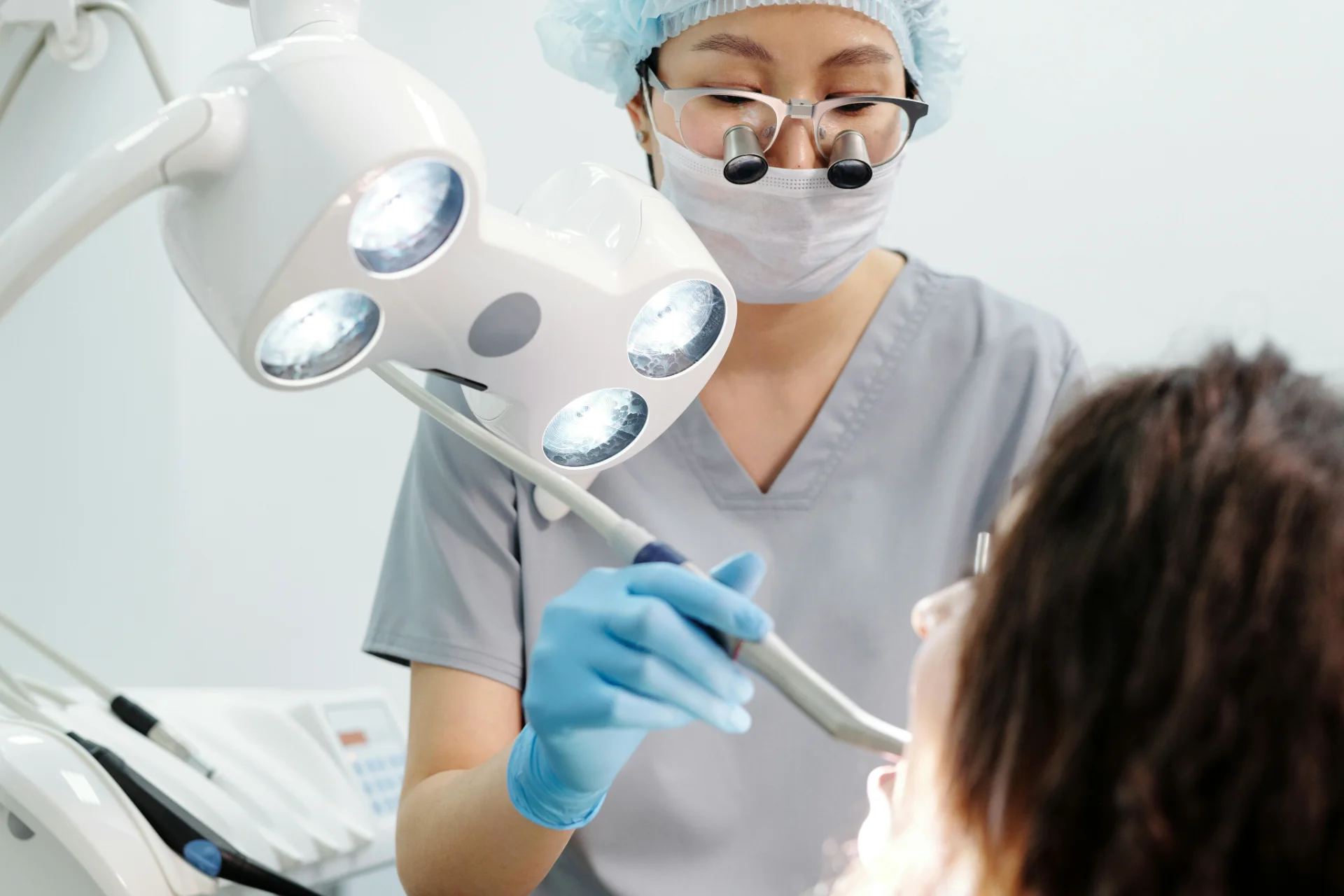
The human eye can only distinguish details as small as approximately 0.1 millimeters under optimal conditions. Yet modern dentistry demands precision at the micrometer level, with ideal crown margins measuring just 25 to 40 micrometers. This stark gap between natural visual capability and clinical requirements explains why dental loupes have become essential equipment for practitioners worldwide.
Dental loupes represent the modern hallmark of professional dentistry, much like the stethoscope symbolizes medicine. According to research published in Taylor & Francis Online, dental schools increasingly require students to use magnification devices from their first year of training. This early adoption promotes proper ergonomic habits while developing the visual precision essential for quality patient care.
The benefits of dental loupes extend far beyond enhanced visualization. These sophisticated optical instruments help practitioners maintain proper posture, reduce eye strain, and potentially extend their careers by preventing musculoskeletal disorders. This comprehensive guide explores everything dental professionals need to know about selecting and using dental loupes effectively.
What Are Dental Loupes? Definition And Purpose
Dental loupes are specialized magnification devices worn like eyeglasses or mounted on headbands, containing telescopic lens systems that enlarge the visual field during dental procedures. These precision instruments have transformed how dental professionals visualize and treat the oral cavity, offering capabilities far beyond simple magnifying glasses.
Basic Definition And Design
Unlike ordinary magnifying glasses, dental loupes feature fixed focal lengths calibrated to each practitioner's specific working distance. The binocular design maintains natural depth perception while providing magnification, and the hands-free operation allows clinicians to work without interruption. These characteristics distinguish professional dental loupes from general-purpose magnifiers available at retail stores.
How Dental Loupes Work
Dental loupes operate on fundamental optical principles using converging lens systems to magnify images. The binocular configuration creates stereoscopic vision, preserving the three-dimensional perception essential for precise clinical work. Each pair features a custom working distance that keeps objects in sharp focus within a specific range, typically measured from the practitioner's eyes to the patient's mouth while maintaining proper posture.
Primary Purposes In Dentistry
The primary functions of dental loupes address three critical needs in clinical practice. Enhanced visualization allows practitioners to see fine details impossible to detect with the naked eye, including microfractures, early carious lesions, and marginal discrepancies in restorations. For practitioners developing presbyopia with age, loupes compensate for declining near vision and maintain clinical acuity throughout their careers. Perhaps most importantly, properly fitted loupes support ergonomic posture by establishing and maintaining the correct working distance from patients.
Types Of Dental Loupes By Mounting Style
The mounting style of dental loupes significantly affects their functionality, comfort, and suitability for different practitioners. Understanding the distinctions between through-the-lens (TTL), flip-up, and hybrid designs helps professionals make informed purchasing decisions aligned with their clinical needs.
Through-The-Lens (TTL) Loupes
Through-the-lens loupes feature optical barrels permanently mounted within the carrier lens at positions custom-calculated for each user. Manufacturers build TTL loupes based on individual measurements, including pupillary distance, working distance, and facial dimensions. According to LumaDent, these loupes cannot be removed or modified after manufacturing, making them truly custom-made for each user.
TTL loupes offer several distinct advantages:
Lighter weight due to integrated design
Wider field of view with optics positioned closer to the eyes
Consistent optical alignment without adjustment needs
More aesthetically streamlined appearance
The primary disadvantages include higher initial cost, inability to share with colleagues, and the need for completely new loupes if prescription requirements change significantly. TTL loupes work best for practitioners who have established their preferred specifications and prioritize optical quality and comfort over flexibility.
Flip-Up Loupes
Flip-up loupes attach optical barrels to frames via adjustable hinge mechanisms positioned above the nose bridge. This design allows users to flip the magnification up and out of the field of view when direct visualization or patient communication requires unmagnified vision. The adjustability extends to declination angle and interpupillary distance, accommodating different working positions and user preferences.
Key advantages of flip-up loupes include:
Lower purchase cost compared to TTL options
Easier prescription lens updates without replacing the entire system
Shareable between practitioners with similar working distances
Adjustable declination angle for ergonomic customization
Modern flip-up designs have addressed historical concerns about weight, with some manufacturers now offering ultra-lightweight options comparable to TTL loupes. These devices suit practitioners needing flexibility, those anticipating vision changes, and budget-conscious buyers seeking quality magnification at lower price points.
Through-The-Flip (TTF) Loupes
Through-the-flip loupes represent a hybrid approach combining elements of both TTL and flip-up designs. These specialized loupes commonly serve dental specialists requiring interchangeable filters or those working in environments with specific safety requirements. The design accommodates prescription changes and laser safety needs while maintaining some benefits of through-the-lens optical positioning.
Types Of Dental Loupes By Optical System
The optical system within dental loupes determines magnification range, image quality, weight, and cost. Two primary systems dominate the market, with a third ergonomic category gaining popularity. Each system offers distinct characteristics suited to different clinical applications and practitioner preferences.
Galilean Loupes
Named after Galileo Galilei, who invented this telescope design in 1609, Galilean loupes utilize a simple two-lens system combining a concave eyepiece with a convex objective lens. This straightforward configuration produces magnification typically ranging from 2.0x to 3.5x. According to Dental Products Shopper, these loupes offer lightweight construction, compact profiles, and affordable pricing that make them ideal for general dental and surgical work.
Galilean loupes provide excellent benefits for many practitioners:
Lightweight and comfortable for extended wear
Compact barrel design with minimal facial obstruction
More affordable entry point for first-time users
Wide depth of field and forgiving optical alignment
The limitations of Galilean systems become apparent at higher magnifications, where the field of view narrows significantly and peripheral distortion known as the "halo effect" may occur. These characteristics make Galilean loupes particularly suitable for dental students, hygienists, general practitioners, and anyone beginning their journey with magnification.
Prismatic (Keplerian) Loupes
Prismatic loupes, also called Keplerian loupes, employ a complex multi-lens system incorporating prisms that fold the light path within the optical barrels. The Schmidt prism design enables excellent internal light reflection while shortening the barrel length to practical dimensions for spectacle mounting. These sophisticated systems typically provide magnification ranging from 3.5x to 8.0x, with some specialized models reaching 10x.
The advantages of prismatic systems include:
Superior optical clarity with edge-to-edge sharpness
Wider field of view at higher magnifications
Greater depth of field for viewing multiple planes
Minimal distortion and true color rendition
Prismatic loupes cost significantly more than Galilean options and weigh more due to additional optical components. However, for endodontists, periodontists, oral surgeons, and experienced practitioners requiring high magnification for detailed procedures, the investment in prismatic optics delivers substantial returns in clinical precision.
Ergonomic Loupes
Ergonomic loupes represent a relatively new category featuring specialized angled optics using deflection or prism technology. According to ADMETEC, these designs allow users to look straight ahead while viewing downward, specifically engineered to maintain neutral neck posture throughout procedures. This approach directly addresses the musculoskeletal concerns that affect a significant percentage of dental professionals.
Key Specifications Explained
Understanding the technical specifications of dental loupes helps practitioners select equipment optimized for their clinical needs and physical requirements. Each specification influences how effectively the loupes function in practice and how comfortably they can be worn during extended procedures.
Magnification Power
Magnification power indicates how much larger objects appear through the loupes compared to the naked eye. A 2.5x magnification makes objects appear two and a half times their actual size. Common magnification options include 2.5x, 3.0x, 3.5x, 4.0x, 4.5x, 5.0x, and 6.0x or higher for specialized applications.
Recommended magnification levels vary by clinical role:
Dental hygienists typically benefit from 2.5x to 3.0x
General dentists often work best with 2.5x to 3.5x
Endodontists and periodontists frequently use 3.5x to 5.0x or higher
Dental technicians and laboratory work may require 4.0x to 6.0x
Higher magnification provides greater detail but comes with trade-offs including narrower field of view and shallower depth of field. Most practitioners find that starting with lower magnification allows comfortable adaptation before progressing to higher powers if clinical needs require them.
Working Distance
Working distance defines the specific distance from the user's eyes to the focal point where objects appear in sharp focus. Typical working distances range from 340mm to 500mm (approximately 13 to 20 inches), though individual requirements vary based on height, arm length, and preferred working posture.
Proper working distance measurement requires the practitioner to sit or stand in a neutral, ergonomically correct position as if treating a patient. The distance from the bridge of the nose to the patient's mouth in this optimal posture determines the appropriate working distance specification. Incorrect working distance forces compensatory postural changes that can lead to musculoskeletal strain over time.
Field Of View (FOV)
Field of view refers to the diameter of the visible area when looking through the loupes. An inverse relationship exists between magnification and field of view, meaning higher magnification results in a narrower visible area. This characteristic requires practitioners using high-magnification loupes to move their heads more frequently to scan the entire treatment area.
Prismatic optical systems generally provide wider fields of view at equivalent magnification levels compared to Galilean systems. Understanding this trade-off helps practitioners balance their need for detailed magnification against the practical requirements of their clinical procedures.
Depth Of Field (DOF)
Depth of field describes the range of distances within which objects remain in acceptable focus. For example, loupes with a 20-inch working distance and 5.5-inch depth of field keep objects focused from approximately 17.25 inches to 22.75 inches from the user's eyes. A greater depth of field allows viewing multiple planes without repositioning, reducing the need for constant focal adjustments during procedures.
Declination Angle
Declination angle measures how far the user's eyes are inclined downward toward the work area through the loupe optics. According to research discussed in Dental Economics, this specification represents the most critical ergonomic factor affecting musculoskeletal health. Steep declination angles of 40 degrees or greater enable neutral head posture, while shallow angles force excessive neck flexion.
Ergonomic professionals recommend keeping the head tilt below 20 degrees from the neutral position. Research published in the Oral Health Group indicates that working with neck flexion greater than 20 degrees for extended periods correlates strongly with chronic neck, shoulder, and upper back pain. Insufficient declination angle remains the leading cause of loupe-related discomfort among dental professionals.
Benefits Of Using Dental Loupes
The advantages of dental loupes extend across clinical performance, practitioner health, and career sustainability. Research continues to validate what experienced clinicians have observed for decades: magnification enhances virtually every aspect of dental practice.
Clinical Benefits
Enhanced visual acuity allows practitioners to see details below the 0.1mm threshold of naked eye resolution. This capability improves caries detection, enables better assessment of marginal discrepancies in restorations, and supports more accurate diagnosis of subtle pathological conditions. Research published in PMC indicates that magnification positively affects tooth preparation quality and working posture during dental procedures.
The improved visualization enables more conservative, minimally invasive treatment approaches. Practitioners can identify and preserve healthy tooth structure while precisely removing only affected tissue. This precision translates to better clinical outcomes, increased patient satisfaction, and potentially longer-lasting restorations.
Ergonomic Benefits
A systematic review published in the International Journal of Dental Hygiene found that magnification loupes significantly improve the operator's working posture during dental procedures. Studies using the Rapid Upper Limb Assessment (RULA) scoring system demonstrate that loupe users show lower musculoskeletal risk scores compared to practitioners working with the naked eye.
Research published in Scientific Reports confirms that dental loupes contribute to improved clinician posture, particularly in the head, neck, and shoulder regions. The study found strong positive correlations between head/neck alignment and overall postural scores, highlighting how proper magnification equipment supports comprehensive ergonomic health.
According to a study published in PMC, dental loupe use correlates with significantly lower prevalence of pain in the lower back, neck, shoulders, elbows, upper back, and feet compared to non-users.
Career Longevity Benefits
Musculoskeletal disorders represent a leading cause of early retirement among dental professionals. Research cited by ADMETEC indicates that nearly three in four dentists across various specialties suffer from musculoskeletal pain, with up to one-third retiring prematurely due to physical ailments. Proper magnification equipment helps prevent this occupational hazard.
Dental loupes also compensate for presbyopia, the age-related decline in near vision that typically begins affecting practitioners in their forties. Rather than struggling with diminishing visual acuity or considering early retirement, practitioners using appropriate magnification can maintain clinical precision throughout their careers.
LED Headlights And Accessories
Magnification without adequate illumination limits the benefits dental loupes can provide. Integrating LED headlight systems with loupes creates optimal visualization conditions that enhance clinical precision and reduce practitioner fatigue.
Why Illumination Matters
According to Dimensions of Dental Hygiene, coaxial illumination enhances magnification by improving the field of vision while providing ergonomic benefits. Headlights increase operator comfort by providing a clear field, reducing eye strain, and encouraging neutral positioning by eliminating the need to lean toward overhead lights.
Coaxial lighting eliminates shadows in the treatment field because the light follows the practitioner's line of sight. This shadow-free illumination moves with the operator, maintaining optimal visibility regardless of working angle or patient positioning. The intraoral working field should be at least three times brighter than the surrounding areas for optimal clinical visualization.
LED Headlight Options
Modern LED headlight systems offer various configurations to suit different practice needs. Corded systems connect to hip-mounted battery packs, providing extended operation times, while cordless options integrate compact batteries directly on the headlight or use lightweight neck-mounted power sources. Battery life varies significantly between models, ranging from 4 to 24 hours depending on light intensity and battery capacity.
Light temperature affects clinical applications, with neutral color temperatures ideal for cosmetic dentistry and general procedures requiring accurate color assessment. Cool color temperatures enhance anatomical features and suit surgical applications. The lightest headlight options weigh under 20 grams, minimizing additional strain on neck muscles during extended procedures.
Other Accessories
Essential accessories for dental loupes include protective side shields that prevent debris and fluids from reaching the eyes during procedures. Quality carrying cases protect the investment during storage and transport, while cleaning supplies and maintenance kits help maintain optical clarity and extend equipment lifespan. Some practitioners also benefit from prescription lens inserts, anti-fog treatments, and specialized mounting clips for different frame styles.
How To Choose The Right Dental Loupes
Selecting appropriate dental loupes requires careful consideration of clinical requirements, individual characteristics, and practical factors. A systematic approach to this decision helps ensure satisfaction with what represents a significant professional investment.
Assessment Factors
Clinical specialty and typical procedures performed should guide initial decisions about magnification level and optical system type. Experience with magnification devices influences whether starting with forgiving Galilean optics or advancing to prismatic systems makes more sense. Budget considerations affect choices between TTL and flip-up mounting styles, as well as between premium and mid-range optical quality.
Existing vision conditions and prescription needs determine whether integrated prescription lenses, clip-on magnifiers over existing glasses, or contact lens wear with non-prescription loupes provides the best solution. Practitioners anticipating vision changes may prefer flip-up styles that allow easier prescription updates.
Getting Properly Fitted
Professional measurement ensures loupes perform optimally for each individual user. Key measurements include pupillary distance, working distance in proper ergonomic posture, and declination angle requirements based on individual facial anatomy and working style. Many manufacturers offer trial periods, allowing practitioners to evaluate loupes in actual clinical settings before committing to purchase.
Working distance should be measured with the practitioner in an optimal ergonomic position rather than compensating for current postural habits that may be contributing to discomfort. Representatives who measure working distance at convention booths using standard setups may not account for individual chair heights and preferred working positions.
Recommendations By Career Stage
Dental students benefit from starting with 3.0x to 3.5x magnification and should take advantage of student discounts offered by most manufacturers. The British Dental Journal notes that loupes improve student confidence and allow greater operative views while developing proper technique.
New graduates should master their initial magnification level before considering upgrades. Specialists typically require higher magnification (4.0x and above) based on specific procedure requirements. Those considering higher magnification should purchase before graduation to take advantage of student pricing, as discounts typically disappear upon entering private practice.
Common Mistakes To Avoid
Understanding common pitfalls helps practitioners make better decisions and maximize their investment in dental loupes. Many dissatisfactions with magnification equipment stem from avoidable errors during the selection and fitting process.
Choosing magnification based on what colleagues use rather than personal clinical needs leads to inappropriate equipment selection. Individual factors, including procedural requirements, visual acuity, and physical characteristics, vary significantly between practitioners, making peer recommendations potentially misleading.
Ignoring the declination angle during loupe selection represents perhaps the most consequential error. According to ergonomic experts, this specification has the greatest impact on musculoskeletal health, yet many practitioners focus primarily on magnification power and optical quality while neglecting postural considerations.
Selecting an improper working distance forces compensatory postural changes that accumulate over time into chronic pain and injury. Measurements should be taken in ideal ergonomic positions rather than adapting to current working habits that may themselves be problematic.
Prioritizing frame style or aesthetics over ergonomic design compromises the health benefits magnification should provide. Additionally, many practitioners do not allow adequate adjustment periods when adopting new loupes. Typical adaptation requires two to four weeks of consistent use before the brain fully adjusts to magnified vision and new working distances.
Caring For Your Dental Loupes
Proper maintenance extends the lifespan of dental loupes and ensures consistent optical performance throughout years of clinical use. Following manufacturer guidelines for cleaning and storage protects this significant professional investment.
Clean optical surfaces daily using microfiber cloths and lens cleaning solutions specifically designed for coated optics. Avoid household glass cleaners containing ammonia or alcohol that can damage anti-reflective coatings. Store loupes in protective cases when not in use, keeping them away from extreme temperatures and direct sunlight that could affect optical alignment or frame integrity.
Inspect frames and hinges regularly for signs of wear or loosening. Address minor adjustments promptly before they develop into larger problems requiring professional repair. Many manufacturers offer maintenance services and can restore loupes to optimal condition if issues arise during normal clinical use.
Conclusion
Dental loupes have evolved from optional accessories into essential professional equipment that enhances clinical precision while protecting practitioner health. The combination of improved visualization and ergonomic support makes properly selected loupes an investment in both treatment quality and career longevity.
Understanding the distinctions between mounting styles (TTL versus flip-up) and optical systems (Galilean versus prismatic) enables informed equipment selection aligned with individual clinical needs and physical requirements. Key specifications, including magnification power, working distance, field of view, depth of field, and declination angle, each contribute to the overall effectiveness and comfort of dental loupes.
The evidence supporting dental loupe use continues to grow, with research demonstrating benefits for clinical outcomes, working posture, and musculoskeletal health. Taking time to consult with loupe specialists, obtaining accurate measurements, and utilizing trial periods offered by manufacturers helps ensure the selection of equipment that will serve effectively for years of clinical practice.
Frequently Asked Questions
What magnification should I start with?
Most practitioners find 3.0x to 3.5x magnification provides an excellent starting point, offering meaningful visual enhancement while maintaining a manageable field of view and depth of field. This range allows comfortable adaptation to magnified vision while providing clinically relevant detail improvement. Beginning with lower magnification helps the brain adjust before progressing to higher powers if clinical needs require them.
TTL or flip-up loupes, which is better?
Neither option proves universally superior, as the best choice depends on individual priorities. TTL loupes offer lighter weight, wider field of view, and consistent optical alignment for practitioners valuing optical quality and knowing their specifications. Flip-up loupes provide greater flexibility, easier prescription updates, lower cost, and shareable use for those prioritizing versatility and affordability. Practitioners anticipating vision changes often prefer flip-up styles.
How long do dental loupes last?
Well-maintained dental loupes typically provide 5 to 10 years of service with proper care. Factors affecting longevity include optical quality, frame durability, and how carefully the equipment is handled and stored. Regular cleaning with appropriate solutions, secure storage in protective cases, and careful handling during use extend equipment lifespan significantly.
Can I wear loupes with prescription glasses?
Yes, several options accommodate practitioners requiring vision correction. Prescription carrier lenses can be built into TTL loupes during manufacturing. Flip-up loupes can be mounted on prescription frames or accept prescription lens inserts. Some practitioners prefer wearing contact lenses with non-prescription loupes for maximum flexibility. Consulting with both your eye care provider and loupe manufacturer helps identify the optimal solution.
Are dental loupes worth the investment?
Research consistently supports the value of quality dental loupes for improved clinical outcomes and musculoskeletal health. The investment helps prevent career-shortening injuries, enhances diagnostic accuracy, and supports higher-quality treatment delivery. When considering that musculoskeletal disorders represent a leading cause of early retirement among dental professionals, the protective benefits alone justify the cost for most practitioners.