Best Temporary Solutions for a Chipped Tooth at Home
A chipped tooth can happen in an instant. One unlucky bite into a popcorn kernel, a slip on a wet floor, or a stray elbow during a weekend basketball game, and suddenly, there is...
Written by Agnes Markovic
Read time: 9 min read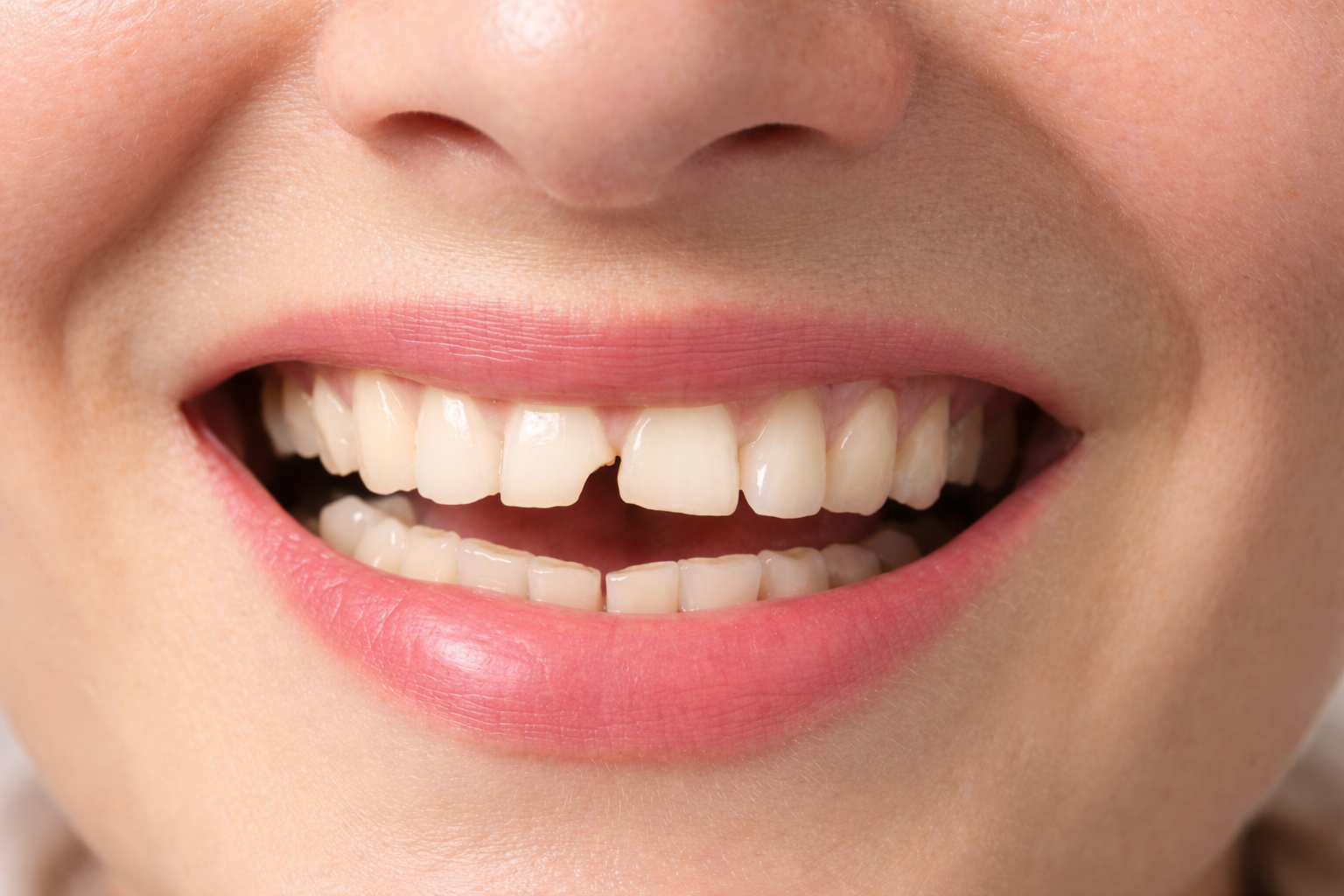
A chipped tooth can happen in an instant. One unlucky bite into a popcorn kernel, a slip on a wet floor, or a stray elbow during a weekend basketball game, and suddenly, there is a sharp, unfamiliar edge where smooth enamel used to be. According to the American Dental Association (ADA), chipped and cracked teeth are among the most common dental injuries treated in the United States every year. The experience can be alarming, but the good news is that several safe, effective temporary solutions for a chipped tooth at home can help manage pain, protect soft tissue, and preserve the tooth until a dental professional can provide a permanent repair.
This article walks through the immediate steps to take after chipping a tooth, the best over-the-counter products and dental repair kits, household items that offer short-term relief, and the critical reasons a dentist visit should never be skipped. Every recommendation here is rooted in established dental practice and intended as a temporary chipped tooth fix, not a permanent solution. A dental professional should always evaluate the damage as soon as possible.
A chipped tooth is never a welcome surprise. Here are the most common questions people have when it happens and what you should know.
What to Do Immediately After Chipping a Tooth
The first few minutes after chipping a tooth matter more than most people realize. Taking the right steps early can reduce pain, prevent infection, and even increase the chances that a dentist can reattach the broken fragment. The following first-response checklist covers the most important actions to take right away.
Start by rinsing the mouth gently with warm water. This removes debris from the area and gives a clear view of the damage. If the chipped piece is recoverable, pick it up carefully, rinse it with clean water, and store it in a small container of milk or saline solution. Milk preserves the cells on the tooth fragment and may allow a dentist to bond it back in place. Avoid wrapping the fragment in tissue or a paper towel, as it can dry out and become unusable.
If there is bleeding, apply light pressure with a clean piece of gauze or a damp tea bag for about ten minutes. A cold compress, such as an ice pack wrapped in a thin cloth, can be held against the outside of the cheek near the affected tooth to reduce swelling and numb the area. Over-the-counter pain relievers such as ibuprofen (Advil, Motrin) or acetaminophen (Tylenol) can help manage discomfort. Avoid placing aspirin directly on the gums or tooth, as this can cause a chemical burn on the soft tissue.
Until the tooth can be examined by a professional, avoid chewing on the affected side of the mouth. Stay away from very hot or very cold foods and drinks, as the exposed layer beneath the enamel (called dentin) is sensitive to temperature changes. Hard, crunchy, and sticky foods should also be avoided to prevent further damage to the compromised tooth structure.
How Can I Temporarily Fix a Chipped Tooth at Home with Over-the-Counter Products?
Pharmacies, big-box retailers, and online stores carry several over-the-counter products specifically designed for temporary dental repairs. These products are not permanent restorations, but they can protect the tooth, reduce sensitivity, and prevent the sharp edge of a chip from cutting the tongue, cheeks, or lips. Understanding the different product categories makes it easier to choose the right temporary fix for a broken tooth.
Temporary Dental Filling Material
Temporary dental filling materials are soft, pliable compounds that can be pressed into a chipped area or cavity to create a protective barrier. Brands like Dentemp and DenTek Temparin Max are widely available at pharmacies across the United States. The material is typically mixed or kneaded with clean, dry fingers and then pressed firmly into the damaged area. It hardens within a few minutes and can last anywhere from several hours to a few days, depending on the location of the chip and eating habits.
For best results, the tooth should be clean and as dry as possible before application. The product instructions should be followed carefully, as each brand has slightly different setting times. Temporary filling material works well for chips on the biting surface of back teeth (molars and premolars) where a small piece of enamel has broken away. It is less ideal for large chips on the front teeth where aesthetics matter, though it still provides useful short-term protection.
Dental Wax for Chipped Tooth Edges
Dental wax, also known as orthodontic wax, is commonly associated with braces, but it serves as an excellent temporary chipped tooth fix for covering a sharp or jagged edge. The wax comes in small, portable cases and is available at most drugstores in the oral care aisle. A small piece is pinched off, rolled between the fingers to soften it, and then pressed over the chipped edge of the tooth.
The primary benefit of dental wax is immediate comfort. It creates a smooth barrier that prevents the sharp edge from irritating or cutting the tongue, inner cheeks, and lips. Dental wax is non-toxic if accidentally swallowed, though it is meant to stay on the tooth. It does need to be replaced regularly, especially after eating or drinking, as it can soften and dislodge. While dental wax does not repair or strengthen the tooth, it is one of the quickest and easiest ways to protect the surrounding soft tissue from a sharp chip.
What Dental Cement Can I Use at Home for a Chipped Tooth?
Over-the-counter dental cements are zinc oxide-based products that provide a slightly more durable hold compared to standard temporary filling material. These products are designed to re-secure loose crowns, caps, and inlays, but they can also be used to cover a chipped area and reduce sensitivity. The cement is applied to the clean, dry surface of the chip and typically sets within a few minutes.
Dental cement offers better adhesion than wax and can withstand light chewing pressure for a short period. However, it is still a temporary measure. The bond will eventually break down, especially when exposed to moisture and the forces of normal chewing. Dental cement is best suited for situations where a chip has left a shallow depression or where a crown or cap has come loose due to the chip. Products like Dentemp Maximum Strength and Recapit are popular choices that can be found at CVS, Walgreens, Walmart, and online retailers.
Regardless of which over-the-counter product is used, it is essential to remember that these are temporary fixes for a broken tooth. None of them replicates the strength, durability, or appearance of professional restorative dentistry treatments like dental bonding, veneers, or crowns.
What Are the Best Dental Repair Kits Available for Fixing a Chipped Tooth?
A dental repair kit bundles the materials and tools needed for a temporary at-home fix into a single, easy-to-use package. These kits are designed for consumers, not dental professionals, and they come with step-by-step instructions. The following are among the most popular and well-reviewed options available to US consumers in 2026.
Dentemp Maximum Strength Dental Repair Kit
Dentemp is one of the most recognized names in temporary dental repair. The Maximum Strength kit includes a pre-mixed, zinc oxide-based filling material that can be applied directly to a chipped area or used to re-cement a loose crown. It sets in about 60 minutes and can last for days with careful use. The material is designed to be safe for oral use and provides a strong initial hold. Dentemp kits are widely available at CVS, Walgreens, Rite Aid, Walmart, Target, and Amazon, typically priced between $5 and $10.
DenTek Temparin Max Repair Kit
DenTek's Temparin Max is another popular choice for temporary dental repairs. This kit contains an eugenol-free formula, which is worth noting for individuals who may be sensitive to eugenol (the active compound in clove oil). The material mixes easily and can be shaped with a clean finger or the included applicator. DenTek Temparin Max is generally priced under $8 and is available at most major pharmacies and online retailers. It is a solid option for covering small chips on both front and back teeth.
Temptooth Temporary Tooth Replacement Kit
Temptooth takes a different approach. Rather than filling a chip, this kit uses thermoplastic beads that are heated in warm water and then molded to create a temporary cosmetic tooth. It is best suited for situations where a significant portion of a front tooth is missing, and the primary concern is appearance. Temptooth does not provide structural strength and should not be used for chewing. It is a cosmetic cover designed to help people feel more confident until a dental appointment. The kit is available on Amazon and the Temptooth website, typically priced between $20 and $30.
Where to Buy a Temporary Tooth Repair Kit
Temporary tooth repair kits are widely available across the United States. Major pharmacy chains such as CVS, Walgreens, and Rite Aid carry at least one brand in their oral care aisle. Big-box retailers like Walmart and Target also stock these products both in-store and online. For the widest selection and the ability to read consumer reviews before purchasing, Amazon or any other eCommerce platform is a convenient option. When shopping, look for products labeled specifically for dental use and avoid anything not intended for the mouth. Reading the product instructions before purchase can help confirm the kit is appropriate for the type of chip being treated.
Are There Any Temporary Dental Bonding Products I Can Apply Myself for a Chipped Tooth?
Dental bonding is one of the most common professional treatments for a chipped tooth. In a dental office, the procedure involves applying a tooth-colored composite resin to the damaged area and hardening it with a UV curing light. The result is a durable, natural-looking repair that can last for years. This level of precision and material science is not available in an over-the-counter product, but some consumer kits use language like "bonding" on their packaging, which can create confusion.
Most products marketed as "dental bonding" kits for home use are actually temporary filling materials or dental cements. They do not use composite resin, and they do not involve UV curing. They provide a temporary seal, not a true bond. This distinction matters because consumers should not expect a home product to deliver the same cosmetic result, structural strength, or longevity that a professional cosmetic dentistry bonding procedure provides.
That said, these products can still be useful as a short-term bridge to a dental visit. They can cover exposed dentin, reduce sensitivity, and prevent food from packing into the chipped area. The key is to manage expectations and treat every at-home application as a temporary dental bonding measure, not a permanent repair.
How to Smooth a Sharp Chipped Tooth Edge Until a Dental Appointment
One of the most immediate and uncomfortable problems with a chipped tooth is a sharp or jagged edge that catches on the tongue, lips, or inner cheek. This can cause small cuts, sores, and persistent irritation that makes eating and speaking difficult. Addressing the sharp edge quickly is an important part of any temporary chipped tooth fix.
The safest and most recommended approach is to cover the sharp edge rather than try to modify the tooth itself. Dental wax, as described earlier, is the most reliable option. A small piece of softened wax pressed over the jagged area creates a smooth protective layer that prevents tissue damage. Sugar-free chewing gum can serve a similar purpose in a pinch, though it should be replaced frequently and is not as secure as dental wax.
Some online sources suggest using an emery board or a fine nail file to gently smooth a rough chip. While this technique can work in very limited circumstances, it carries significant risk. Enamel is extremely thin and cannot regenerate once removed. Filing too aggressively, even with a fine-grit tool, can wear through the enamel and expose the dentin layer underneath, which is softer, more porous, and highly sensitive to temperature and pressure. This can make the tooth more vulnerable to decay and infection. If filing is attempted at all, it should be done with extreme gentleness, only on a very small rough spot, and only as a last resort. Covering the edge is almost always the safer choice.
What Household Items Can I Safely Use to Cover a Chipped Tooth Until I See a Dentist?
Not every chipped tooth happens during business hours, and not everyone has a dental repair kit on hand when it does. Knowing which common household items can serve as a safe, short-term cover for a chipped tooth is valuable, especially when the chip occurs late at night, over a weekend, or while traveling. The emphasis here is on safety. Only items that are non-toxic and will not cause additional damage to the tooth should be used.
Safe Household Options
Sugar-free chewing gum. A piece of sugar-free gum can be softened and pressed over the chipped area to create a temporary cushion. It must be sugar-free, as sugar feeds the bacteria that cause tooth decay. This option works well for a few hours at a time, though it needs to be replaced frequently.
Orthodontic wax. If someone in the household wears braces, their orthodontic wax works exactly the same way as the dental wax sold in pharmacies. Pinch off a small piece, roll it, and press it over the chip.
Paraffin wax or beeswax. In a pinch, food-grade paraffin wax or beeswax can be softened slightly and molded over a sharp edge. This is a short-term solution and should be replaced with a proper dental product as soon as possible.
Gauze. A small, clean piece of gauze held in place can protect soft tissue from a sharp edge, particularly overnight. It does not adhere to the tooth but can help prevent cuts to the tongue and cheeks during sleep.
Clove oil (eugenol). Clove oil is not a structural fix, but it has been used in dentistry for decades as a natural pain reliever. A small amount applied to the affected area with a cotton ball can provide temporary numbing relief. Eugenol, the active compound in clove oil, has documented analgesic and antibacterial properties according to a study published in the Journal of Dentistry.
Items to Avoid
Certain household items are sometimes suggested online, but should never be used on a chipped tooth. Super glue and other household adhesives are toxic and not formulated for oral use. They can bond to soft tissue, cause chemical burns, and make the damage worse. Regular chewing gum that contains sugar should also be avoided, as it promotes bacterial growth and increases the risk of decay in the already-compromised tooth. Hard materials that could put additional pressure on the chip, such as candle wax that has not been softened, should be avoided entirely. If in doubt, the safest approach is to leave the chip uncovered and focus on protecting it from further trauma until a proper product or dental visit is available.
Why You Should See a Dental Professional
It is natural to feel a sense of relief once a temporary fix is in place and the pain has faded. The sharp edge is covered, the sensitivity has eased, and normal life seems possible again. However, every temporary solution described in this article is designed to buy time, not to solve the problem. Delaying professional dental care after a chipped tooth can lead to serious complications that are more painful, more complex, and more expensive to treat than the original chip. Attempting a permanent fix at home can actually cause more harm than good, as improper materials or techniques risk infection, further fracture, and irreversible damage to the tooth or surrounding tissue.
A chipped tooth is structurally compromised. Even if the chip looks small on the surface, the crack may extend deeper into the tooth structure, reaching the dentin or even the pulp chamber, where the nerve and blood supply are housed. Without professional examination, which may include dental X-rays or a CBCT scan, the full extent of the damage is impossible to assess at home.
The risks of leaving a chipped tooth untreated include:
Infection. Exposed dentin and pulp tissue are vulnerable to bacterial invasion. An untreated chip can lead to a dental abscess, a painful pocket of infection that may require antibiotics, drainage, or even hospitalization in severe cases.
Further fracture. Normal chewing forces are significant. A structurally weakened tooth can crack further, sometimes splitting vertically in a way that makes the tooth unsalvageable.
Nerve damage. If the chip reaches the pulp, the nerve can become inflamed (a condition called pulpitis), causing intense, throbbing pain. Without treatment, the nerve may die, leading to discoloration and infection.
Bite misalignment. Even a small change in the shape of a tooth can alter how the upper and lower teeth fit together. Over time, this can contribute to uneven wear, jaw pain, and temporomandibular joint (TMJ) issues.
Cosmetic deterioration. Chipped surfaces are rougher than intact enamel and tend to accumulate plaque and staining more easily, making the tooth look progressively worse over time.
When to Seek Emergency Dental Care
Certain situations require urgent attention. If the chip is accompanied by severe pain that does not respond to over-the-counter pain medication, visible pink or red tissue inside the tooth (which indicates an exposed pulp), significant or persistent bleeding, swelling in the gum, face, or jaw, or a fever, emergency dental care should be sought immediately.
For US readers, the first step is to call a regular dentist, as many offices maintain after-hours emergency phone lines. If a regular dentist is not available, searching for "emergency dentist near me" will typically return results for urgent care dental clinics. Hospital emergency rooms can manage acute pain and infection with medication, but they generally cannot perform dental repairs, making a dentist a more effective option. Those without dental insurance can explore dental school clinics and community health centers, which often provide treatment at reduced rates. Managing dental anxiety is also important, as fear of the dentist should never be a reason to delay necessary care.
What to Expect at the Dentist After a Chipped Tooth
Understanding what happens during a professional repair can ease anxiety and reinforce why temporary fixes should not become long-term habits. The treatment a dentist recommends will depend on the size and location of the chip, whether the pulp is affected, and the overall health of the tooth. Modern dental procedures are advanced, efficient, and often painless thanks to improved materials and techniques.
Dental Bonding
For minor to moderate chips, dental bonding is the most common and cost-effective treatment. A tooth-colored composite resin is applied to the chipped area, sculpted into the correct shape, and hardened with a UV curing light. The entire procedure often takes less than an hour and can be completed in a single visit. Bonding typically costs between $100 and $400 per tooth.
Dental Veneer
When a front tooth has sustained a larger chip or when the patient wants an enhanced cosmetic result, a dental veneer may be recommended. Veneers are thin, custom-made porcelain shells that are permanently bonded to the front surface of the tooth. They provide a natural, durable finish and can also correct minor misalignment and discoloration. Veneers typically require two visits and cost between $500 and $2,500 per tooth. A detailed overview of veneer options is available in our cosmetic dentistry guide.
Dental Crown
Larger chips that compromise a significant portion of the tooth structure are often treated with a dental crown. A crown is a custom-made cap that covers the entire visible portion of the tooth, restoring its shape, strength, and appearance. Crowns are typically made from porcelain, ceramic, or porcelain fused to metal. The process usually requires two visits (one for preparation and a temporary crown, one for placement of the permanent crown), though same-day crowns are becoming more common thanks to CAD/CAM technology. Crown costs typically range from $800 to $3,000 per tooth.
Root Canal and Crown
If the chip has exposed the tooth's pulp (the soft tissue containing nerves and blood vessels), a root canal may be necessary before a crown can be placed. During a root canal, the infected or inflamed pulp is removed, the canal is cleaned and sealed, and the tooth is then restored with a crown. Root canal treatment costs between $700 and $1,500, in addition to the cost of the crown. While the phrase "root canal" can sound intimidating, modern techniques and anesthesia have made the procedure far more comfortable than its reputation suggests.
Extraction and Replacement
In severe cases where the tooth is damaged beyond repair, extraction may be the only option. Replacement options include dental implants, dental bridges, or partial dentures. A dental implant is generally considered the gold standard for replacing a single missing tooth, as it functions and looks like a natural tooth. The cost of extraction and replacement varies widely depending on the method chosen, the complexity of the case, and geographic location.
How to Prevent Chipping a Tooth in the Future
Prevention is always easier and less expensive than treatment. While accidents cannot always be avoided, several practical habits and precautions can significantly reduce the risk of chipping a tooth.
Wear a custom-fitted mouthguard during contact sports, recreational activities, and any physical pursuit where a blow to the face is possible
Avoid using teeth as tools for opening packages, tearing tape, ripping tags, or holding objects
Do not chew on hard items such as ice cubes, hard candy, popcorn kernels, pen caps, or fingernails
Talk to a dentist about a night guard if teeth grinding (bruxism) is a concern, as chronic grinding wears down enamel and makes teeth significantly more prone to chips and fractures
Maintain strong enamel through consistent dental hygiene practices, including brushing with fluoride toothpaste twice daily, flossing daily, and eating a diet rich in calcium and vitamin D
Schedule regular dental checkups so that small cracks, weakened enamel, and areas of decay can be identified and treated before they progress into larger problems
Address existing dental issues such as large, aging fillings, untreated cavities, and weakened teeth promptly, as these conditions compromise tooth structure and increase vulnerability to chips
Bottom Line
A chipped tooth can happen to anyone, at any time, and the initial shock can make the situation feel worse than it is. The temporary solutions for a chipped tooth at home described in this article, from dental wax and over-the-counter filling materials to dental repair kits and safe household items, can provide real relief when professional care is not immediately accessible. They reduce pain, protect the tooth and surrounding tissue, and offer peace of mind during a stressful situation.
However, every temporary chipped tooth fix is exactly that: temporary. Professional dental care is essential for a proper diagnosis and permanent repair. A chip that looks minor on the surface may hide a deeper crack that only a dentist can detect and treat. Delaying care risks infection, further damage, and more costly treatment down the road.
Take the immediate first-aid steps, apply a temporary fix using one of the methods outlined above, and contact a dental professional as soon as possible. Modern dentistry makes chipped tooth repair fast, predictable, and far more comfortable than most people expect. The sooner the tooth is properly treated, the better the long-term outcome for both oral health and overall well-being.
This article is for informational purposes only and does not constitute medical advice. Always consult with qualified healthcare professionals for diagnosis and treatment recommendations specific to your situation.
Frequently Asked Questions
Can I use super glue to fix a chipped tooth?
No. Super glue is not formulated for oral use and contains chemicals that are toxic when placed in the mouth. It can bond to soft tissue, cause chemical burns, and make the damage worse. Always use products that are specifically labeled for dental repair.
How long can I wait before seeing a dentist for a chipped tooth?
Ideally, a dentist should examine the tooth within 24 to 48 hours. If the chip is small and there is no pain or exposed nerve, a few days may be acceptable as long as a temporary fix is in place. Do not delay beyond a week, and seek emergency care immediately if there is severe pain, swelling, bleeding, or visible pulp tissue.
Can a chipped tooth heal on its own?
No. Unlike bone, tooth enamel does not have living cells and cannot regenerate once it is damaged. A chipped tooth will always require professional repair to restore its shape, function, and protection against decay.
Is a chipped tooth a dental emergency?
It depends on the severity. A small cosmetic chip with no pain is generally not a true emergency, though it should still be examined soon. A chip that exposes the nerve, causes severe pain, or produces significant bleeding should be treated as an emergency and addressed immediately.
Will dental insurance cover a chipped tooth repair?
Most dental insurance plans in the United States cover at least a portion of restorative treatments such as bonding, crowns, and root canals. The exact coverage depends on the specific plan, any applicable deductibles, and whether the treatment is classified as basic or major restorative care. Contacting the insurance provider directly is the best way to confirm benefits before treatment.
What is the difference between a chipped tooth and a cracked tooth?
A chipped tooth involves a piece of enamel breaking off the surface of the tooth. A cracked tooth has a fracture line running through the tooth structure, which may or may not result in a missing fragment. Cracks can be more difficult to detect visually and may require dental imaging to diagnose. Both conditions benefit from prompt professional evaluation.
Can I eat normally with a temporary chipped tooth fix?
Eating should be limited to soft foods, and chewing directly on the affected tooth should be avoided. Temporary fills, dental wax, and dental cement are not designed to handle full chewing forces. Sticking to softer options like yogurt, mashed potatoes, scrambled eggs, and smoothies will help protect the temporary repair and the tooth until a dentist can provide a permanent solution.
What to put on a chipped tooth at home temporarily?
The safest options include dental wax to cover a sharp edge, over-the-counter temporary filling material (like Dentemp or DenTek Temparin Max) to fill a chipped area, or dental cement to seal a shallow chip. Sugar-free gum or clove oil can also provide short-term relief. Avoid using any product that is not designed for oral use.