Advantages of CAD/CAM in Dentistry
Computer-Aided Design and Computer-Aided Manufacturing (CAD/CAM) technology has fundamentally transformed how dental professionals approach restorative and prosthetic treatments....
Written by Marcus Hale
Read time: 11 min read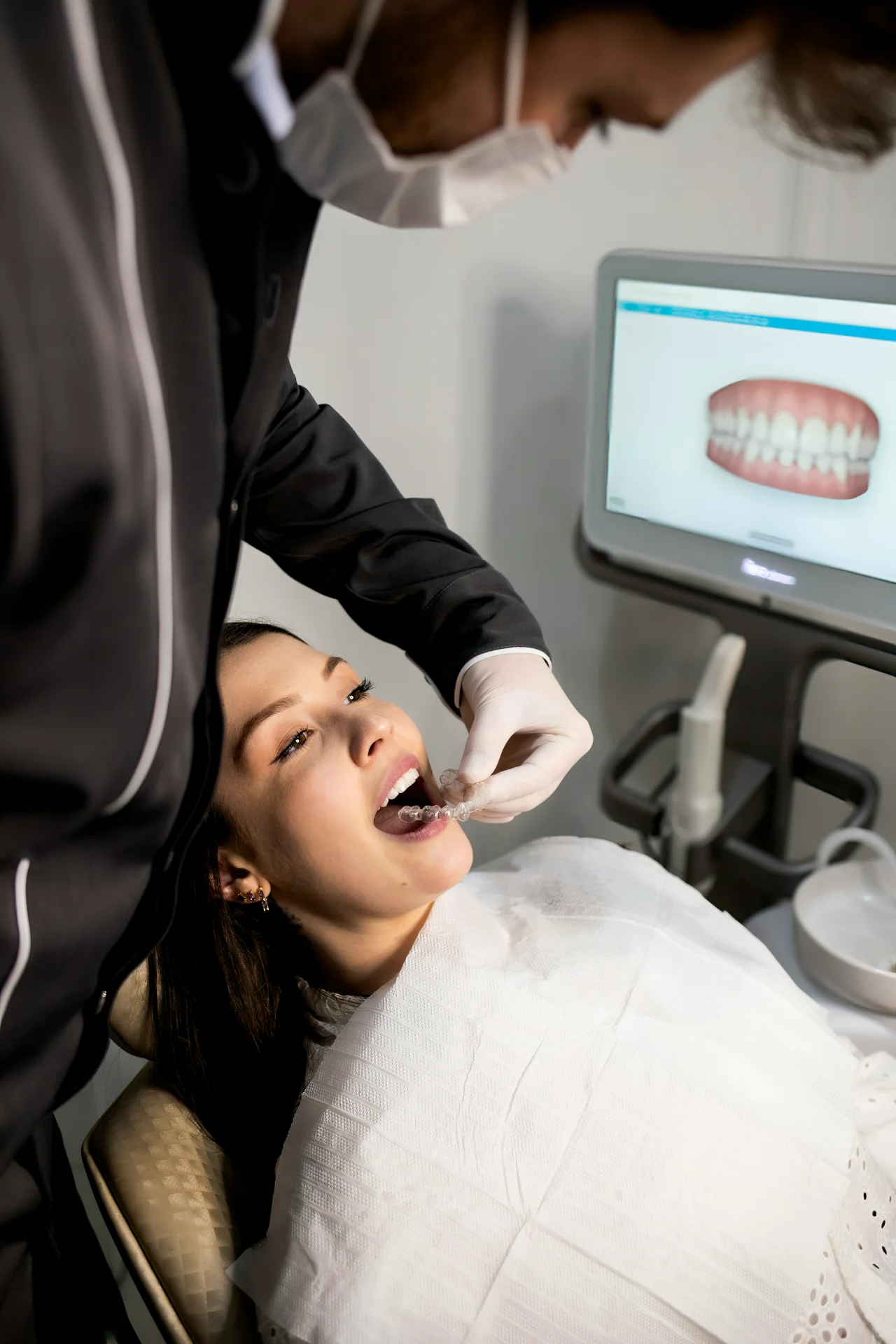
Computer-Aided Design and Computer-Aided Manufacturing (CAD/CAM) technology has fundamentally transformed how dental professionals approach restorative and prosthetic treatments. What began as an experimental system in the 1980s has evolved into a cornerstone of modern dental practice, with approximately 53% of U.S. dentists now using intraoral scanners as part of their clinical workflows.
The advantages of CAD/CAM dentistry extend far beyond simple convenience. From enhanced clinical precision to measurable improvements in practice profitability, digital workflows are reshaping patient care standards across restorative dentistry, prosthodontics, implantology, and orthodontics. For dental professionals evaluating technology investments, understanding these benefits is essential for making informed decisions that impact both clinical outcomes and practice sustainability.
This comprehensive guide examines the key advantages of CAD/CAM technology across clinical, operational, and financial dimensions, providing evidence-based insights to help practitioners optimize their approach to digital dentistry.
Understanding CAD/CAM Technology In Dentistry
CAD/CAM dentistry integrates computer software for designing dental restorations (CAD) with automated manufacturing systems that fabricate them (CAM). This digital workflow replaces traditional impression-taking, wax-up techniques, and manual laboratory fabrication with streamlined processes that can often be completed within a single appointment.
The technology originated in the automotive and aerospace industries during the 1960s before entering dentistry in the 1980s. Dr. François Duret is credited with pioneering the first dental CAD/CAM system, while the CEREC system developed by Mörmann and Brandestini became the first commercially viable chairside solution. Over four decades of refinement have produced systems capable of fabricating crowns, bridges, veneers, inlays, onlays, implant components, dentures, and orthodontic appliances with remarkable precision.
Core Components Of The Digital Workflow
Modern CAD/CAM systems consist of three integrated components that work together to transform clinical data into finished restorations.
Digital acquisition: Intraoral scanners capture detailed 3D images of the teeth and surrounding structures within 5–10 seconds, eliminating traditional impression materials
Computer-aided design: Specialized software processes scan data and enable virtual design of restorations with precise control over contours, contacts, and occlusion
Computer-aided manufacturing: Milling machines or 3D printers fabricate the designed restoration from ceramic, zirconia, or composite material blocks
Clinical Precision And Accuracy Advantages
One of the most significant advantages of CAD/CAM dentistry lies in its capacity to deliver consistently precise restorations. The digital workflow minimizes variables that introduce error in traditional techniques, resulting in superior fit, function, and longevity.
Superior Digital Impression Accuracy
Traditional alginate and silicone impressions are susceptible to distortion from material shrinkage, patient movement, moisture contamination, and handling errors. Digital impressions captured with intraoral scanners eliminate these variables entirely.
According to research published in the Journal of Prosthetic Dentistry, CAD/CAM restorations demonstrate appropriate marginal adaptability that falls within clinically acceptable ranges. This precision directly impacts restoration longevity and reduces the risk of secondary caries formation at restoration margins.
Factor | Traditional impressions | Digital impressions |
Dimensional stability | Subject to shrinkage and distortion | Stable digital data with no degradation |
Moisture sensitivity | Highly sensitive to contamination | Minimal impact on scan quality |
Operator variability | Significant technique sensitivity | Reduced through standardized protocols |
Detail capture | Limited by material flow properties | High-resolution 3D surface mapping |
Retake capability | Requires full re-impression | Targeted area rescan possible |
Enhanced Marginal Fit And Adaptation
Marginal fit represents a critical factor in restoration success. Poor marginal adaptation creates gaps where bacteria can colonize, leading to secondary decay, pulpal irritation, and eventual restoration failure.
CAD/CAM technology addresses this challenge through precise digital measurement and controlled manufacturing. The software calculates optimal cement space parameters while milling machines produce restorations with consistent marginal integrity. Research confirms that single crowns and fixed dental prostheses fabricated with CAD/CAM demonstrate marginal gaps within clinically acceptable thresholds, reducing the potential for plaque accumulation and caries formation.
Material Consistency And Homogeneity
Traditional laboratory fabrication involves multiple steps where material properties can vary based on the technician's technique, firing cycles, and environmental conditions. CAD/CAM manufacturing uses pre-fabricated material blocks with controlled composition and standardized processing.
This consistency translates to predictable mechanical properties and reduced risk of internal flaws that could compromise restoration strength. The International Team for Implantology notes that CAD/CAM offers improved quality through controlled processing environments and homogeneous materials compared to traditional laboratory processes.
Workflow Efficiency And Time Savings
The operational advantages of CAD/CAM dentistry create measurable improvements in practice efficiency. Digital workflows eliminate multiple time-consuming steps while enabling same-day treatment completion for many restorative procedures.
Same-Day Restoration Capability
Traditional crown procedures require a minimum of two appointments separated by one to three weeks. The patient receives a temporary restoration that can dislodge, fracture, or cause sensitivity while awaiting laboratory fabrication.
Chairside CAD/CAM systems compress this timeline dramatically. According to Planmeca's clinical documentation, same-day restorations can be completed in approximately 90 minutes to two hours, including scanning, design, milling, and cementation. This single-visit approach eliminates:
Temporary restoration, fabrication, and cementation
Second appointment scheduling and patient recall
Risk of temporary loss or breakage between visits
Multiple anesthetic administrations
Laboratory shipping time and costs
Streamlined Laboratory Communication
For cases requiring external laboratory fabrication, digital workflows still offer substantial efficiency gains. Digital files can be transmitted instantly to partnering laboratories, eliminating physical impression shipping and associated delays.
The 3Shape digital dentistry platform notes that this connectivity enables real-time collaboration between clinicians and technicians. Design modifications can be discussed and implemented without requiring new physical impressions, reducing remake rates and improving communication accuracy.
Laboratory Productivity Improvements
Dental laboratories implementing CAD/CAM technology report significant productivity gains. The Institute of Digital Dentistry research indicates that digital workflows can free up to 50% of workflow capacity, allowing laboratories to handle more cases within the same timeframe.
Individual technicians also see dramatic efficiency improvements. Where traditional methods might allow completion of two analog cases per day, the same technician working with digital tools can manage six or more cases daily. This multiplier effect transforms laboratory economics and enables faster turnaround times for practitioners.
Workflow Comparison: Traditional vs. CAD/CAM Crown Procedure
Step | Traditional workflow | CAD/CAM workflow |
Impression | Alginate/silicone impression (5–10 min) | Digital scan (2–5 min) |
Temporary | Fabricate and cement temporary (15–20 min) | Not required |
Laboratory | Ship impression, 1–3 week wait | Chairside design and mill (45–60 min) |
Second visit | Remove temporary, try-in, cement | Not required |
Total time | 2+ appointments over 1–3 weeks | Single appointment (90–120 min) |
Enhanced Patient Experience And Comfort
Patient satisfaction increasingly influences practice success through referrals, reviews, and treatment acceptance rates. CAD/CAM dentistry addresses multiple patient concerns that traditionally created barriers to restorative treatment.
Elimination Of Traditional Impression Discomfort
Traditional impressions rank among the most uncomfortable experiences patients associate with dental visits. The bulky trays filled with cold, viscous material trigger gag reflexes and require patients to remain still for two to five minutes while material sets.
Digital scanning transforms this experience entirely. The Colgate Oral Care Center describes how intraoral scanners function like moving a wand around the affected area, capturing images without requiring impression material. Patients with strong gag reflexes, anxiety, or claustrophobic tendencies find digital impressions dramatically more tolerable.
Single-Visit Convenience
Modern patients juggle demanding schedules that make multiple dental appointments challenging. Time away from work, childcare arrangements, and transportation logistics create barriers that lead some patients to delay or decline treatment.
Same-day restorations address these practical concerns directly. Patients can complete their crown, veneer, or inlay in a single visit without returning weeks later. This convenience factor improves treatment acceptance rates and reduces the number of patients who abandon treatment plans due to scheduling difficulties.
Real-Time Treatment Visualization
CAD/CAM software provides opportunities for patient education that traditional methods cannot match. Patients can view 3D models of their teeth on screen, see proposed restoration designs, and understand treatment rationale in ways that paper diagrams or verbal explanations fail to convey.
This visualization capability improves informed consent discussions and helps patients appreciate the value of recommended treatments. When patients understand what they are receiving and why, satisfaction levels increase regardless of clinical outcomes.
Expanded Clinical Applications Across Specialties
The versatility of CAD/CAM technology extends its advantages across virtually every dental specialty. What began primarily as a crown fabrication tool has evolved to support comprehensive treatment planning and execution.
Specialty | CAD/CAM applications |
Restorative dentistry | Crowns, inlays, onlays, veneers, direct and indirect restorations |
Prosthodontics | Fixed partial dentures, complete dentures, partial denture frameworks, and implant-supported prostheses |
Implant dentistry | Custom abutments, surgical guides, implant bars, screw-retained restorations |
Orthodontics | Clear aligners, lingual bracket systems, and micro-implant positioning guides |
Maxillofacial | Prosthetic ears and nasal prostheses, bone reconstruction implants |
Restorative Dentistry Applications
Single-tooth restorations represent the most common CAD/CAM application. Research indicates that 90% of practitioners employing intraoral scanners use them for single tooth-supported crowns, making this the entry point for many practices adopting digital workflows.
Beyond crowns, CAD/CAM excels at fabricating conservative restorations that preserve tooth structure. Inlays and onlays designed digitally can be milled with precise margins that would be difficult to achieve through traditional laboratory techniques. The accuracy enables clinicians to recommend more conservative treatment options when appropriate.
Implant Dentistry Integration
CAD/CAM technology has transformed implant treatment planning and prosthetic fabrication. Digital workflows enable clinicians to merge intraoral scan data with cone beam computed tomography (CBCT) imaging, creating comprehensive virtual models for surgical planning.
The FDI World Dental Federation recognizes CAD/CAM's role in fabricating surgical guides that translate digital plans into precise implant placement. Custom abutments milled from titanium or zirconia provide optimal emergence profiles impossible to achieve with stock components. Implant-supported prostheses benefit from the same precision advantages seen in tooth-supported restorations.
Orthodontic And Aligner Fabrication
Clear aligner therapy depends entirely on CAD/CAM technology for treatment planning and appliance fabrication. Digital models enable visualization of tooth movement sequences while automated manufacturing produces the series of aligners needed to achieve planned outcomes.
According to systematic reviews of CAD/CAM applications, the technology also supports lingual bracket system fabrication and precise positioning of orthodontic micro-implants. These applications expand treatment options while improving predictability compared to traditional approaches.
Material Advantages And Options
CAD/CAM technology has driven significant advances in restorative material science. The manufacturing process accommodates materials that would be impractical or impossible to work with using traditional laboratory techniques.
High-Performance Ceramic Options
Glass-ceramics were among the first materials developed specifically for CAD/CAM fabrication. According to research published in the Bioinformation journal, these materials contain a high proportion of glass that provides exceptional translucency and aesthetics. The resulting restorations demonstrate a chameleon effect that allows them to blend naturally with surrounding tooth structure.
Lithium disilicate represents another widely used ceramic option, particularly for anterior restorations and implant-supported crowns. The material combines favorable aesthetics with mechanical properties suitable for single-unit restorations in areas of moderate functional loading.
Zirconia And High-Strength Materials
Zirconia has emerged as a dominant material for posterior restorations and situations requiring maximum strength. The material offers flexural strength ranging from 500 to 1200 MPa, fracture resistance exceeding 1000 MPa, and excellent biocompatibility.
Clinical studies demonstrate that zirconia restorations exhibit lower wear rates against opposing teeth compared to many alternatives, along with reduced plaque retention compared to titanium surfaces. These properties make zirconia particularly valuable for implant abutments and full-coverage posterior restorations.
CAD/CAM Material Comparison
Material | Strengths | Best applications | Considerations |
Glass-ceramic | Excellent aesthetics, translucency, and chameleon effect | Anterior veneers, inlays, onlays | Lower strength than alternatives |
Lithium disilicate | Good aesthetics with improved strength | Anterior crowns, implant restorations | Moderate posterior loading only |
Zirconia | Maximum strength, biocompatibility, and low wear | Posterior crowns, bridges, abutments | Requires careful bonding protocols |
Hybrid ceramic | Combines ceramic aesthetics with resin flexibility | Conservative restorations, thin preparations | Less long-term clinical data |
Hybrid Ceramics And Composite Options
Hybrid ceramics represent a newer category developed specifically to leverage CAD/CAM manufacturing advantages. These materials combine the visual qualities of ceramics with the fracture resistance and reduced brittleness of composite resins.
Research indicates that hybrid ceramics machines more easily than traditional ceramics and do not require additional heat treatment cycles. The materials can be employed at thinner dimensions, enabling more conservative preparations while maintaining adequate strength for clinical function.
Financial And Business Advantages
The business case for CAD/CAM technology extends beyond clinical benefits to encompass measurable financial advantages. While initial investment requirements are substantial, practices implementing these systems strategically can achieve positive returns within reasonable timeframes.
Return On Investment Analysis
Initial investment for complete CAD/CAM systems typically ranges from $75,000 to $200,000, encompassing scanner, software, milling unit, training, and ongoing support. This significant capital outlay requires careful analysis to determine practice suitability.
According to analysis from Dominate Dental, practices performing 15 or more crown procedures monthly typically achieve positive ROI within 18–24 months. High-volume practices may reach break-even in 12–15 months. The key variables include case volume, fee structure, and the proportion of restorative work that can transition to in-house fabrication.
Laboratory Fee Reduction And Cost Savings
Chairside CAD/CAM fabrication eliminates laboratory fees that represent a significant expense for restorative practices. Each crown produced in-house rather than sent to an external laboratory can represent savings of $100 or more per case.
The Institute of Digital Dentistry reports that cost savings per part can exceed 70–80% for models, splints, and dentures when produced in-house rather than outsourced. These savings accumulate rapidly for practices with moderate to high restorative case volumes.
Additional cost reductions come from eliminating impression materials, temporary restoration supplies, and shipping expenses. The Journal of the American Dental Association notes that single-appointment dentistry eliminates costs associated with second-chair setup, instrument sterilization, and temporary re-cementations.
Cost category | Typical range |
Initial system investment | $75,000 – $200,000 |
Per-case material cost (blocks, burs) | $30 – $50 per restoration |
External laboratory fee (comparison) | $100 – $200+ per crown |
Per-case savings potential | $50 – $150 per restoration |
Break-even volume (monthly) | 15–20+ crowns for 18–24 month ROI |
Marketing And Competitive Differentiation
Same-day dentistry capabilities provide powerful marketing differentiation in competitive markets. Patients researching dental practices increasingly encounter information about digital dentistry and may specifically seek providers offering advanced technology.
The ability to complete restorations in a single visit addresses patient pain points that drive treatment decisions. Practices marketing same-day crowns effectively can attract patients who might otherwise delay treatment due to scheduling concerns or temporary restoration anxiety.
Practice Capacity And Revenue Potential
Digital workflows create opportunities to increase case volume without proportional increases in chair time or staffing. The elimination of second appointments for crown delivery effectively doubles the number of cases that can be completed within existing schedule constraints.
The Planmeca documentation notes that CAD/CAM technology allows practices to handle more treatments in-house, reducing dependence on external laboratories and creating opportunities for expanded service offerings. This capacity improvement translates to increased revenue potential without corresponding overhead expansion.
Future Developments And Emerging Technologies
The trajectory of CAD/CAM dentistry points toward continued advancement through artificial intelligence integration, expanded material options, and enhanced manufacturing capabilities. Practitioners investing in current systems position themselves to benefit from these innovations as they mature.
Artificial Intelligence And Automated Design
AI-enhanced CAD software represents the next frontier in digital dentistry efficiency. According to research published in PeerJ reviewing AI applications in CAD/CAM, algorithms can now analyze intraoral scans to generate calibrated digital models and optimize prosthesis design with minimal human input.
Current AI capabilities include automatic margin detection, intelligent occlusal surface design, and natural tooth morphology replication. While human oversight remains essential, these tools reduce design time while maintaining clinical quality standards.
Augmented Reality And Advanced Planning
Emerging augmented reality (AR) applications promise to transform surgical planning and implant placement. Recent research demonstrates that combining CAD with AR technology enables clinicians to visualize planned restorations and implant positions through holographic overlays rather than relying solely on radiographic planning.
These developments suggest a future where digital planning seamlessly integrates with clinical execution, reducing the gap between virtual design and physical implementation.
3D Printing Advancements
Additive manufacturing through 3D printing continues to evolve as a complement to traditional subtractive milling. While current milling technology offers superior dimensional accuracy for definitive restorations, 3D printing excels at producing surgical guides, models, and provisional restorations.
Material science advances may eventually enable 3D printing of permanent restorations with properties comparable to milled ceramics. Practices investing in comprehensive digital workflows today will be well-positioned to adopt these technologies as they mature.
Implementation Considerations For Practice Success
Successful CAD/CAM implementation requires thoughtful planning that addresses training requirements, workflow integration, and system selection. Practices approaching adoption strategically achieve better outcomes than those making impulsive technology purchases.
Training And Learning Curve Management
CAD/CAM technology presents a learning curve that practices must accommodate realistically. Industry guidance suggests most team members require 40–60 hours of initial training followed by ongoing education as software and techniques evolve.
The Stomadent laboratory recommends that practices enroll in appropriate CAD/CAM training courses to maximize system benefits. Modern systems are designed for user-friendly operation, and manufacturer support resources can accelerate the learning process when utilized effectively.
System Selection Criteria
CAD/CAM systems vary significantly in capabilities, integration options, and ongoing costs. Key selection factors include:
Open vs. closed architecture: Open systems allow flexibility in scanner, software, and milling combinations, while closed systems offer integrated support
Material compatibility: Verify that systems support the materials you intend to use for your patient population
Software licensing: Understand subscription costs, update policies, and cloud storage requirements
Integration capabilities: Confirm compatibility with existing practice management and imaging software
Support and training: Evaluate manufacturer training programs, technical support availability, and user community resources
Phased Implementation Approach
Many practices find success with staged implementation rather than attempting complete workflow transformation simultaneously. A common approach begins with intraoral scanning for digital impressions sent to external laboratories, then progresses to chairside design and eventually in-house milling as proficiency develops.
This phased strategy allows teams to build competency incrementally while generating value from partial implementation. The investment can be spread across time periods, and workflow adjustments can occur without overwhelming staff or disrupting patient care.
Bottom Line
The advantages of CAD/CAM dentistry span clinical, operational, and financial dimensions that collectively make a compelling case for technology adoption. Enhanced precision improves clinical outcomes while workflow efficiencies create capacity for practice growth. Patient experience benefits drive satisfaction and referrals while financial returns justify capital investment.
For dental professionals evaluating CAD/CAM technology, the question has shifted from whether to adopt digital workflows to how best to implement them. The technology has matured to represent a standard of care for many clinical situations, with continuing advances promising even greater capabilities in the coming years.
Success requires a realistic assessment of practice volume, commitment to training, and strategic system selection aligned with clinical goals. Practitioners who approach implementation thoughtfully position themselves to deliver superior patient care while building sustainable, profitable practices.
Frequently Asked Questions
What are the main advantages of CAD/CAM dentistry?
The primary advantages include enhanced precision and marginal fit, same-day restoration capability, improved patient comfort through digital impressions, expanded clinical applications across specialties, and measurable financial returns through laboratory fee elimination and increased practice efficiency. These benefits combine to improve clinical outcomes while supporting practice profitability.
How long does it take to see ROI on CAD/CAM equipment?
Practices performing 15 or more crown procedures monthly typically achieve positive ROI within 18–24 months. High-volume practices may reach break-even in 12–15 months. Key variables include case volume, current laboratory fees, system costs, and the proportion of restorative work suitable for in-house fabrication. Practices with lower restorative volumes may require longer timeframes or may benefit from alternative arrangements such as laboratory partnerships.
What types of restorations can be made with CAD/CAM technology?
CAD/CAM systems can fabricate crowns, bridges, veneers, inlays, onlays, implant abutments, surgical guides, complete and partial dentures, orthodontic aligners, and maxillofacial prostheses. The technology supports both chairside same-day fabrication and laboratory workflows across restorative dentistry, prosthodontics, implantology, and orthodontics.
Is CAD/CAM dentistry difficult to learn?
CAD/CAM systems present a learning curve that typically requires 40–60 hours of initial training. Modern systems are designed for user-friendly operation, and manufacturers provide training programs, technical support, and educational resources. Most practitioners achieve competency for routine procedures within several weeks of dedicated practice, with proficiency continuing to develop over months of clinical use.
How does CAD/CAM compare to traditional laboratory methods?
CAD/CAM offers advantages in precision, speed, and patient experience compared to traditional methods. Digital impressions eliminate the distortion associated with conventional impression materials. Same-day fabrication reduces treatment from multiple appointments over weeks to single visits of 90–120 minutes. However, traditional laboratory methods retain advantages for certain complex cases, custom aesthetic requirements, and practices without sufficient case volume to justify system investment.
What materials work best with CAD/CAM systems?
Common CAD/CAM materials include glass-ceramics for aesthetic anterior restorations, lithium disilicate for anterior crowns and implant restorations, zirconia for high-strength posterior applications, and hybrid ceramics for conservative restorations requiring thin preparations. Material selection depends on restoration location, functional demands, aesthetic requirements, and preparation design. Most modern systems accommodate multiple material options to address diverse clinical needs.