What Is Restorative Dentistry?
Imagine struggling to enjoy your favorite meal because of a cracked tooth, or feeling self-conscious about your smile due to gaps from missing teeth. These everyday challenges...
Written by Rachel Thompson
Read time: 7 min read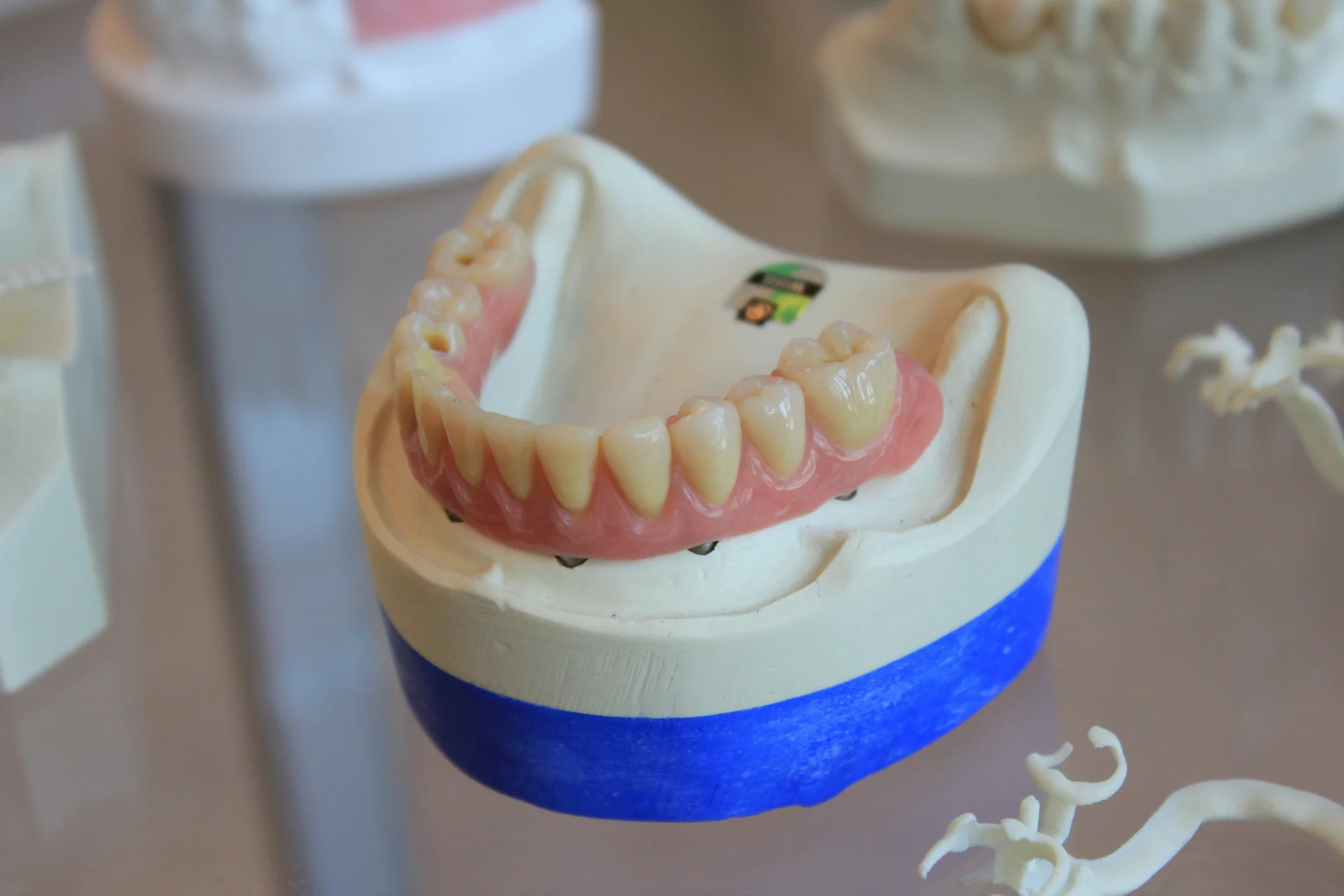
Imagine struggling to enjoy your favorite meal because of a cracked tooth, or feeling self-conscious about your smile due to gaps from missing teeth. These everyday challenges affect millions of Americans, and the solution often lies in restorative dentistry. According to the Centers for Disease Control and Prevention (CDC), more than 1 in 7 adults aged 65 or older have lost all their teeth, while nearly 21% of adults between 20 and 64 have at least one tooth with untreated decay.
Restorative dentistry encompasses a range of dental procedures designed to repair damaged teeth, replace missing ones, and restore your mouth to optimal function and health. Whether you need a simple filling or a complete smile reconstruction, understanding your options can help you make informed decisions about your oral health care.
Understanding Restorative Dentistry
Restorative dentistry is a specialized branch of dental care that focuses on diagnosing, preventing, and treating diseases and conditions affecting the teeth and their supporting structures. The primary goal is to restore the natural function, integrity, and appearance of your teeth, allowing you to eat, speak, and smile with confidence.
The American Dental Association (ADA) recognizes the critical connection between oral health and overall wellbeing. Research has established significant associations between oral health status and numerous systemic diseases, including cardiovascular conditions, diabetes, and metabolic disorders. This connection underscores why maintaining healthy teeth through restorative procedures matters far beyond just your smile.
General dentists perform most restorative procedures, though complex cases may require specialists such as prosthodontists (who specialize in replacing teeth), endodontists (root canal specialists), or periodontists (gum disease specialists). Together, these professionals work to preserve your natural teeth whenever possible and provide effective replacements when necessary.
Restorative Dentistry Vs. Cosmetic Dentistry: What Is The Difference?
While these two branches of dentistry often overlap, understanding their distinct purposes can help you navigate treatment options more effectively.
Restorative dentistry prioritizes function and health. These procedures address structural problems such as decay, damage, infection, or tooth loss. The focus remains on repairing what is broken and restoring your ability to chew, speak, and maintain proper oral hygiene. Insurance companies typically categorize these treatments as medically necessary and often provide coverage.
Cosmetic dentistry, on the other hand, centers on improving the appearance of your smile. Procedures like teeth whitening, purely aesthetic veneers, and gum contouring fall into this category. These treatments are generally considered elective, and insurance rarely covers them.
Many restorative procedures deliver both functional and aesthetic benefits. A dental crown, for example, strengthens a damaged tooth while also matching the color and shape of your natural teeth. Dental implants replace missing teeth to restore chewing function and simultaneously fill gaps in your smile. This overlap between restorative and cosmetic outcomes means you can often achieve a healthier mouth and a more attractive smile through the same treatment.
Types Of Restorative Dental Procedures
Modern dentistry offers a comprehensive range of restorative options tailored to address specific oral health concerns. Understanding each procedure helps you engage in meaningful conversations with your dentist about which treatments best suit your needs.
Dental Fillings
Dental fillings represent the most common restorative procedure performed worldwide. When bacteria create a cavity in your tooth enamel, your dentist removes the decayed portion and fills the resulting hole to prevent further damage and restore the tooth's structure.
Several filling materials are available today. Composite resin fillings have become increasingly popular because they match your natural tooth color and bond directly to the tooth structure. Amalgam (silver) fillings, though less common than in previous decades, remain durable and cost-effective options for back teeth. Ceramic and gold fillings offer excellent longevity for those seeking premium materials. Most fillings can be completed in a single visit and last between 10 and 15 years with proper care.
Dental Crowns
A dental crown, sometimes called a cap, covers the entire visible portion of a damaged tooth above the gum line. Crowns restore strength, function, and appearance to teeth that have suffered significant decay, fractures, or weakening from root canal treatment.
Modern crowns come in various materials, each with distinct advantages. Porcelain and ceramic crowns provide the most natural appearance and work well for front teeth. Porcelain-fused-to-metal crowns combine aesthetics with durability. Zirconia crowns have gained popularity for their exceptional strength and tooth-like appearance. Gold and metal alloy crowns, while less common, offer outstanding durability for molars that endure heavy chewing forces. With proper maintenance, crowns typically last 10 to 15 years or longer.
Dental Bridges
Dental bridges literally bridge the gap created when one or more teeth are missing. These fixed prosthetic devices anchor artificial teeth to the natural teeth or implants on either side of the gap, restoring both function and aesthetics.
Traditional bridges are the most common type, using crowns on adjacent teeth to support the replacement tooth (called a pontic). Cantilever bridges attach to only one adjacent tooth, making them suitable for areas with less chewing force. Maryland bridges use a metal or porcelain framework bonded to the backs of adjacent teeth, requiring less alteration to surrounding teeth. Implant-supported bridges anchor directly to dental implants rather than natural teeth, providing exceptional stability for larger gaps. Properly maintained bridges can function effectively for 10 to 15 years.
Dental Implants
Dental implants have revolutionized tooth replacement by providing a permanent solution that closely mimics natural teeth. An implant consists of a titanium post surgically placed into the jawbone, an abutment connector, and a custom-made crown on top.
Research published in Clinical Oral Implants Research demonstrates that dental implants achieve success rates exceeding 95% in healthy individuals. A meta-analysis examining 20-year outcomes found survival rates of approximately 88% to 92%, making implants one of the most reliable long-term tooth replacement options available. The titanium post fuses with your jawbone through a process called osseointegration, which provides stability comparable to natural tooth roots and helps prevent the bone loss that typically follows tooth extraction.
Implants can replace a single tooth, support bridges spanning multiple missing teeth, or secure full dentures for patients missing all their teeth. While the initial investment is higher than other options, the longevity and functionality of implants often make them the most cost-effective solution over time.
Dentures
Dentures remain a valuable option for replacing multiple missing teeth, particularly for patients who may not be candidates for implants due to bone loss or health conditions. Modern dentures have evolved significantly, offering improved comfort, appearance, and function compared to earlier versions.
Partial dentures replace several missing teeth while preserving remaining natural teeth, which help anchor the prosthetic in place. Complete dentures replace an entire arch of teeth and rest on the gums. Implant-supported dentures combine the affordability of dentures with the stability of implants, using two to four implants to secure the denture and prevent slipping. Traditional dentures typically need replacement every 5 to 10 years as the mouth's shape changes over time, while implant-supported versions often last longer with proper care.
Root Canal Therapy
Root canal therapy saves teeth that would otherwise require extraction due to infection or severe decay reaching the tooth's inner pulp. Despite its reputation, modern root canal procedures are typically no more uncomfortable than receiving a filling, thanks to advanced anesthetics and techniques.
During the procedure, your dentist or endodontist removes the infected pulp tissue, cleans and shapes the root canals, then fills and seals them to prevent reinfection. A crown is usually placed afterward to protect the treated tooth and restore its strength. Root canal treatment has a high success rate and allows many patients to keep their natural teeth for the rest of their lives.
Inlays And Onlays
Inlays and onlays, sometimes called indirect fillings, provide a middle ground between standard fillings and full crowns. These custom-made restorations are ideal when a tooth has too much damage for a filling but not enough to warrant a crown.
An inlay fits within the cusps (raised points) of a tooth, filling the space between them. An onlay extends over one or more cusps, providing additional coverage and protection. Both are fabricated in a dental laboratory from porcelain, composite resin, or gold, then bonded to the tooth. This approach preserves more natural tooth structure than a crown while offering superior durability compared to direct fillings. Inlays and onlays can last 10 to 30 years depending on the material chosen and how well you maintain your oral hygiene.
Dental Bonding
Dental bonding offers a quick, affordable solution for minor tooth repairs. Your dentist applies a tooth-colored composite resin directly to the tooth, sculpts it to the desired shape, then hardens it with a special light.
Bonding effectively repairs small chips, cracks, and gaps between teeth. The procedure typically requires just one visit and no anesthesia unless decay is present. While bonding materials are less durable than crowns or veneers, lasting approximately 3 to 10 years, the conservative approach and lower cost make it an attractive option for minor cosmetic and restorative improvements.
Benefits Of Restorative Dentistry
Investing in restorative dental care delivers advantages that extend well beyond the immediate repair of your teeth. Understanding these benefits can help you appreciate why addressing dental problems promptly matters for your overall health and quality of life.
Restored oral function allows you to chew food properly, speak clearly, and bite without pain or difficulty
Pain elimination removes the discomfort caused by decay, infection, or damaged teeth
Prevention of further damage stops small problems from becoming major dental emergencies
Preservation of natural tooth structure maintains your dental integrity whenever possible
Jawbone preservation through implants prevents the bone deterioration that follows tooth loss
Improved appearance enhances your smile and boosts confidence in social and professional settings
Support for systemic health reduces inflammation and bacterial spread linked to heart disease and diabetes
Long-lasting results provide years or decades of reliable function with proper maintenance
The ADA's research continues to reveal connections between oral health and conditions such as cardiovascular disease, diabetes, and even cognitive decline. Maintaining healthy teeth and gums through restorative care contributes to your whole-body wellness, making dental treatment an investment in your overall health.
How Much Does Restorative Dentistry Cost?
The cost of restorative dental procedures varies significantly based on the complexity of treatment, materials used, geographic location, and whether you have dental insurance. Understanding typical price ranges helps you plan for necessary care and discuss payment options with your dental provider.
Procedure | Average Cost Range |
Dental fillings | $150 – $500 per tooth |
Dental crowns | $800 – $3,000 per crown |
Dental bridges (traditional) | $2,000 – $5,000 |
Single dental implant | $3,000 – $6,000 |
Full or partial dentures | $800 – $3,500 per arch |
Root canal therapy | $700 – $1,500 |
Inlays and onlays | $650 – $1,200 per tooth |
Dental bonding | $100 – $400 per tooth |
Most dental insurance plans cover a portion of restorative procedures, typically 50% to 80% for major treatments after meeting your deductible, up to annual maximum limits. Many dental offices also offer payment plans, accept healthcare credit cards, or provide financing options to make treatment more accessible. Discussing costs upfront with your dental office allows you to plan accordingly and avoid unexpected expenses.
Keep in mind that delaying treatment often leads to higher costs. A cavity that could be fixed with a $200 filling may eventually require a $1,000 crown or even a $4,000 implant if left untreated. Early intervention almost always proves more economical than waiting for problems to worsen.
Who Needs Restorative Dentistry?
Restorative dental care benefits anyone experiencing problems with their teeth or supporting structures. Recognizing the signs that you might need treatment helps ensure you seek care before minor issues become major concerns.
You may be a candidate for restorative dentistry if you experience:
Tooth decay or cavities detected during dental exams
Cracked, chipped, or broken teeth from injury or wear
Missing teeth affecting your ability to chew or speak
Worn-down teeth from grinding (bruxism) or acid erosion
Failed or aging dental restorations that need replacement
Tooth pain or sensitivity that persists or worsens
Teeth damaged by trauma or accidents
Gum disease that has affected tooth stability
According to CDC surveillance data, approximately 91% of U.S. adults have experienced dental caries at some point. This high prevalence means most people will benefit from some form of restorative care during their lifetime. Regular dental checkups allow your dentist to identify problems early, when treatment is typically simpler, less invasive, and more affordable.
What To Expect During Restorative Procedures
Understanding what happens during restorative treatment can ease anxiety and help you prepare for your appointments. While each procedure differs, most follow a similar general pattern.
Your journey begins with a comprehensive examination, including X-rays or digital imaging to assess the extent of damage and plan appropriate treatment. Your dentist will explain your options, discuss the pros and cons of each approach, and help you make an informed decision based on your specific situation, preferences, and budget.
Most restorative procedures use local anesthesia to ensure your comfort. You may feel pressure during treatment, but should not experience pain. Simple procedures like fillings and bonding typically take 30 to 60 minutes and require just one visit. More complex treatments like crowns, bridges, and implants may involve multiple appointments spaced over several weeks or months to allow for lab fabrication or healing time.
Recovery varies depending on the procedure. Fillings and bonding allow you to resume normal activities immediately, though you should wait until numbness wears off before eating to avoid accidentally biting your cheek or tongue. Crown and bridge placements may cause mild sensitivity for a few days. Implant surgery requires more significant recovery time, typically a few days of rest followed by several months of healing before the final restoration is placed.
Your dentist will provide specific aftercare instructions tailored to your treatment. Following these guidelines closely promotes optimal healing and helps ensure the longevity of your restoration.
Caring For Your Dental Restorations
Proper maintenance extends the lifespan of your dental restorations and protects your investment in your oral health. Most restorations require the same basic care as your natural teeth, with a few additional considerations.
Brush twice daily with fluoride toothpaste, paying careful attention to the margins where restorations meet your natural tooth
Floss daily to remove plaque and food particles from between teeth and around restorations
Rinse with an antimicrobial mouthwash to reduce bacteria that can cause decay around restoration edges
Avoid chewing ice, hard candies, popcorn kernels, and other hard objects that can crack or damage restorations
Limit sticky foods that can pull on crowns, bridges, or fillings
Wear a nightguard if you grind your teeth, which can significantly shorten the lifespan of restorations
Schedule regular dental checkups every six months so your dentist can monitor your restorations and address any issues early
Contact your dentist promptly if a restoration feels loose, causes pain, or seems different than before
For denture wearers, remove and clean your dentures daily, soak them overnight in a denture solution, and rinse your mouth and gums before reinserting them. Regular dental visits remain important even if you have full dentures, as your dentist needs to check for changes in your mouth's tissue and ensure your dentures continue fitting properly.
Bottom Line
Restorative dentistry offers effective solutions for virtually any dental problem, from minor cavities to complete tooth loss. These procedures do more than improve your smile – they restore essential functions like chewing and speaking while protecting your overall health through the well-documented connection between oral and systemic wellness.
The key to successful restorative outcomes lies in seeking treatment promptly. Small problems addressed early remain small problems. Delayed treatment allows decay to spread, cracks to worsen, and missing teeth to affect neighboring teeth and bone structure. Regular dental visits enable your dentist to catch issues in their earliest stages when treatment is simplest and most affordable.
If you have damaged, decayed, or missing teeth, schedule a consultation with a qualified dentist to explore your restorative options. With today's advanced materials, techniques, and technology, achieving a healthy, functional, and beautiful smile is within reach for virtually everyone. Your investment in restorative dental care pays dividends in comfort, confidence, and overall well-being for years to come.
Frequently Asked Questions
Is restorative dentistry painful?
Modern restorative dentistry prioritizes patient comfort. Local anesthesia effectively numbs the treatment area, and many patients report feeling only pressure during procedures. Post-treatment discomfort is typically mild and manageable with over-the-counter pain relievers. If you experience dental anxiety, discuss sedation options with your dentist.
How long do dental restorations last?
Longevity varies based on the type of restoration, materials used, and how well you maintain your oral health. Fillings typically last 10 to 15 years, crowns and bridges 10 to 15 years or longer, and dental implants can last a lifetime with proper care. Regular checkups help your dentist monitor restorations and address any issues before they become problems.
Does insurance cover restorative dentistry?
Most dental insurance plans cover restorative procedures to some extent. Basic procedures like fillings are often covered at 70% to 80%, while major procedures like crowns, bridges, and implants may be covered at 50%. Coverage varies significantly between plans, so review your benefits or contact your insurance provider for specific details about your coverage.
What is the difference between basic and major restorative dentistry?
Basic restorative procedures include fillings, simple extractions, and periodontal scaling. Major restorative procedures encompass crowns, bridges, dentures, implants, and root canals. Insurance plans often apply different coverage percentages and waiting periods to these categories, with major procedures typically having lower coverage and longer waiting periods.
Can I get multiple restorative procedures at once?
Yes, dentists often perform multiple procedures during a single visit when appropriate. Treating several cavities at once, for example, saves time and reduces the number of appointments needed. However, more complex procedures may need to be staged over multiple visits to allow for proper healing or laboratory fabrication of custom restorations.
How do I know which restorative procedure I need?
Your dentist will recommend the most appropriate treatment based on a thorough examination of your specific condition. Factors influencing the recommendation include the extent of damage, the tooth's location, your overall oral health, budget considerations, and your personal preferences. Feel free to ask questions and discuss alternatives during your consultation.