Salt Water Mouth Rinse Ratio And Safe Use Guide
The standard saltwater mouth rinse ratio is ½ teaspoon of table salt in 1 cup of warm water. Dentists recommend it because it is gentle, cheap, and hard to get wrong. Used well,...
Written by Mantas Petraitis
Read time: 4 min read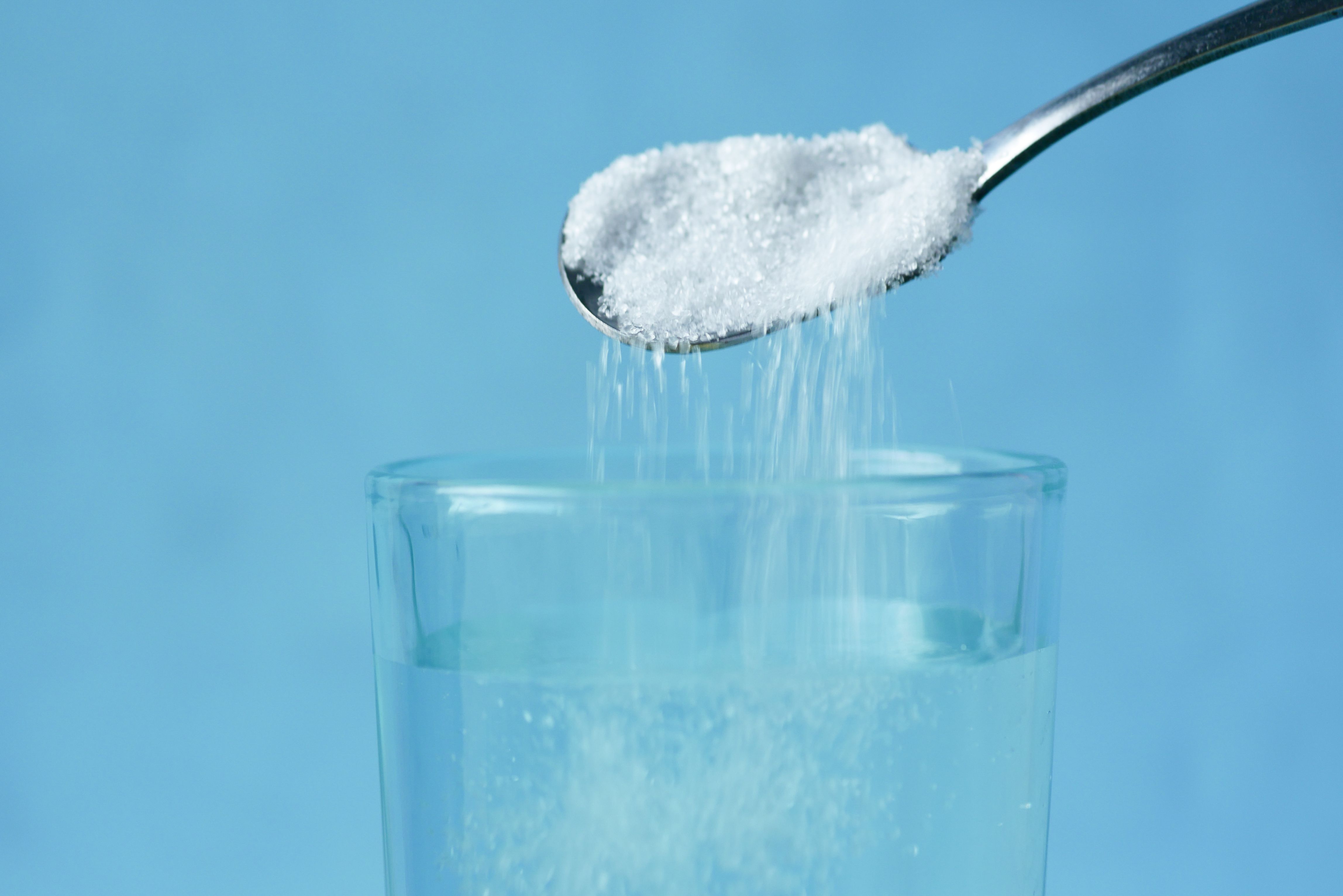
The standard saltwater mouth rinse ratio is ½ teaspoon of table salt in 1 cup of warm water. Dentists recommend it because it is gentle, cheap, and hard to get wrong. Used well, it eases minor irritation. Used in place of treatment, it can hide a problem that keeps getting worse.
TL;DR
Dissolve ½ teaspoon of table salt in 1 cup of warm water.
Rinse gently, then spit the solution out.
Wait 24 hours after an extraction, then follow your dentist's rinsing instructions.
See a dentist for pain, swelling, fever, or bleeding that keeps coming back.
Salt Water Mouth Rinse Ratio
The ratio dentists give patients is ½ teaspoon of table salt dissolved in 1 cup of warm water. One U.S. cup equals 8 fluid ounces, or about 237 mL. Use level measuring spoons rather than a shake from the salt cellar.
Batch size | Warm water | Table salt |
|---|---|---|
Small | ½ cup (4 fl oz, about 118 mL) | ¼ teaspoon |
Standard | 1 cup (8 fl oz, about 237 mL) | ½ teaspoon |
Large | 2 cups (16 fl oz, about 473 mL) | 1 teaspoon |
All three batch sizes are scaled versions of the same recipe.
Why Does This Ratio Work?
Half a teaspoon of table salt weighs roughly 3 grams. In 1 cup of water, that makes a solution slightly saltier than body fluids. This mild strength is thought to draw a little fluid from swollen surface tissue. It also flushes loose debris without stinging.
More salt does not mean more relief. A strong brine dehydrates raw tissue, which is why it stings an ulcer or a fresh wound. Household spoons also vary, so the rinse is never an exact 0.9% medical saline. It is not sterile either, and comfort rinsing does not require it to be.
Which Salt To Use?
Ordinary table salt gives the most predictable result, and iodized salt is fine. Kosher salt and flaky sea salt have larger crystals. A teaspoon of them holds noticeably less salt by weight, so the same measure makes a weaker rinse. Whatever the salt, the finished rinse should taste clearly salty but never harsh.
How To Make A Salt Water Mouth Rinse?
Preparation takes about a minute. Use a clean cup, a clean spoon, and water that is safe to drink.
Step #1: Measure Warm Water
Pour 1 cup of warm water into a clean cup. Aim for roughly body temperature. Test a few drops on the inner wrist, the way parents check a baby bottle. Hot water can scald tissue that is already inflamed.
Step #2: Add The Salt
Add ½ teaspoon of table salt and stir until no grains remain. Undissolved crystals can scratch an ulcer or lodge in a healing socket. Warm water dissolves salt faster, although heat does not sterilize the rinse.
Step #3: Use It Fresh
Mix a fresh batch for each rinsing session and discard what is left. Keep the recipe to salt and water, without hydrogen peroxide or essential oils. Never rub dry salt directly onto the gums, as the crystals scratch the tissue.
How To Use A Salt Water Rinse?
Technique matters more than most people expect. A gentle mouth bath soothes, while vigorous swishing can disturb healing tissue.
Take a mouthful and tilt your head so the rinse pools over the sore area. Hold it there briefly, then let it fall into the sink. For general irritation, move it gently around the mouth before spitting. Do not swallow it.
Situation | How to use it |
|---|---|
Minor ulcer, cheek bite, or brace irritation | Gentle rinse as needed for a few days |
Sore spot under a denture | Rinse with the denture out, and book an adjustment if it persists |
Toothache while waiting for an appointment | Comfort only, alongside the booked visit |
After an extraction or oral surgery | Your surgeon's schedule, starting after 24 hours |
Salt water is a short-term measure. If a problem still needs daily rinsing after a week or two, it needs a diagnosis.
Is Salt Water A Good Mouth Rinse?
Salt water is a good comfort rinse with a narrow job. It soothes irritated tissue and clears loose debris from areas that hurt to brush. It has no active ingredient against plaque, and evidence for lasting gum benefits is limited.
Salt water can help with | Salt water cannot |
|---|---|
Soothing minor sores and irritation | Remove hardened tartar |
Loosening food debris | Repair tooth decay or cracks |
Keeping an extraction site clean, once your dentist allows it | Cure a tooth infection |
Comfort while waiting for a dental visit | Restore receded gums |
The main risk is false reassurance. A rinse can make inflamed gums or a sore tooth feel better for a few hours. That relief can delay the visit that would have caught the problem early.
Salt Water For Sore Or Bleeding Gums
Bleeding gums usually signal inflammation, most often gingivitis from plaque left along the gumline. A salt rinse may calm the soreness. It leaves that plaque exactly where it was.
A common mistake is avoiding the bleeding area when brushing. Gentle, thorough cleaning of that area works better. Bleeding from gingivitis often settles within one to two weeks of consistent brushing and interdental cleaning. Floss or interdental brushes suit most spaces.
Bleeding that continues despite good cleaning needs a periodontal exam. Soreness in one spot often has a local cause, such as a contact that traps food. Our guide to food stuck between teeth explains the usual culprits.
Salt Water For Mouth Sores And Tooth Pain
Most minor mouth ulcers come from cheek bites, sharp tooth edges, brace wires, or canker sores. They usually heal within one to two weeks. A salt rinse keeps them clean and can make eating more comfortable. It does not speed healing in any proven way.
An ulcer lasting longer than three weeks needs a dental exam. Persistent sores require professional assessment to rule out more serious conditions, including oral cancer. If the same spot keeps getting injured, the cause needs fixing. A sharp filling edge or a rubbing denture can often be smoothed in one short visit.
Tooth pain usually comes from decay, a cracked tooth, or an inflamed or infected nerve. None of these respond to rinsing. One clinical clue is worth knowing. If warm salt water makes a toothache worse, the nerve may be inflamed. Heat-triggered pain that lingers is a reason to call the dentist soon. Switch to lukewarm water in the meantime.
Salt Water Rinsing After A Tooth Extraction
The first 24 hours belong to the blood clot. Do not rinse, spit, or use a straw during this time. Each of these creates pressure or suction that can dislodge the clot. Losing it exposes the bone and can lead to a painful dry socket.
After 24 hours, gentle saltwater mouth baths help keep the socket clear of food. Tilt your head toward the extraction side and let the rinse sit over the socket. Then lean over the sink and let it drain out. Rinsing after meals helps most, since food tends to collect in lower sockets.
Surgical teams use different recipes and schedules. Some prescribe a stronger salt mix, and others prescribe chlorhexidine instead. Follow the instructions your own dentist gives you. They take priority over the general recipe in this guide.
A dry socket typically shows itself two to three days after the extraction. Throbbing pain that spreads toward the ear and a bad taste are typical signs. Salt water will not resolve it. A dentist can clean the socket and place a soothing dressing.
Contact the dental team for that pattern of pain, ongoing bleeding, fever, or increasing swelling. For a day-by-day recovery timeline, see our guide to tooth extraction healing stages.
Salt Water And Other Mouth Rinses
Salt water works physically, by soothing and flushing. Therapeutic rinses contain active ingredients with specific jobs, as the American Dental Association's mouthrinse overview describes.
Rinse | Main purpose | Availability | Main limitation |
|---|---|---|---|
Salt water | Short-term comfort and gentle cleansing | Made at home | No fluoride and limited evidence for gum health |
Fluoride rinse | Helps prevent tooth decay | Over the counter and prescription | Does not treat gum disease |
CPC rinse | Helps reduce plaque, gingivitis, and bad breath | Over the counter | May cause brown staining |
Chlorhexidine | Controls plaque and gingivitis | Prescription only | Can stain teeth and alter taste |
Salt water contains no added fluoride, so it offers no cavity protection. Patients who need chemical plaque control are better served by a therapeutic rinse. Our guide to the best dental rinse for gums compares options. Prescription use is covered in our chlorhexidine mouth rinse guide.
When Should You Avoid A Salt Water Rinse?
Salt water is safe for most adults. A few situations still call for skipping it or checking with a clinician first. Avoid a salt rinse in these cases:
The first 24 hours after an extraction, when rinsing can dislodge the protective clot.
Children under 6 or anyone who cannot spit reliably, since they may swallow it.
Swallowing difficulties, where liquid held in the mouth can slip into the airway.
Strict sodium limits for heart or kidney conditions, unless every mouthful is spat out.
A toothache that flares with heat, since warmth can worsen an inflamed nerve.
Cancer treatment affecting the mouth, where the oncology team's mouth care plan comes first.
If any rinse burns or seems to make symptoms worse, stop and ask your dentist.
When To Stop Rinsing And See A Dentist
Salt water should make a minor problem more comfortable within a few days. Stop rinsing and book a dental visit if any of these apply:
The rinse stings more or seems to irritate the area.
A toothache lasts more than two days or painkillers do not control it.
Heat triggers tooth pain that lingers afterward.
Your gums keep bleeding despite careful cleaning.
A mouth sore lasts longer than three weeks.
You notice fever, a bad taste, pus, or a swollen cheek or jaw.
Fever, pus, or facial swelling suggests infection and needs same-day dental care. Call 911 or go to an emergency room if swelling makes breathing or swallowing difficult. Swelling that spreads toward the eye or down the neck is also an emergency.
Managing Dental Costs
Cost is one of the most common reasons people rinse and wait. Dental Reviewed's Dental Care Affordability Index models a U.S. average of 14.2 household work hours for one person's yearly dental care. The figure compares projected spending with household income. It is a modeled income equivalent, not a patient bill.
Early treatment is usually simpler than treatment after an infection spreads. Ask about exam fees and payment options before treatment. Community dental clinics and dental schools often charge lower fees.
Bottom Line
Mix ½ teaspoon of table salt into 1 cup of warm water, then rinse gently and spit. After an extraction, wait 24 hours and follow your dentist's own instructions. Persistent pain, swelling, or bleeding needs a dental exam and treatment.
Frequently Asked Questions
How much salt should I put in a mouth rinse?
Use ½ teaspoon of table salt in 1 cup of warm water. One U.S. cup equals 8 fluid ounces, or about 237 mL. Use level measuring spoons. For a smaller batch, use ¼ teaspoon in ½ cup of water.
Can I use salt water as mouthwash every day?
Salt water works best as a short-term rinse for minor irritation. It does not replace brushing, cleaning between teeth, or fluoride. If you feel you need it every day, have a dentist check the ongoing symptoms.
How often should I rinse with salt water?
It depends on the reason. For minor irritation, rinse as needed for comfort over a short period. After oral surgery, follow your dentist's schedule. Postoperative instructions vary between clinics, so no single schedule fits everyone.
Can too much salt irritate my mouth?
Yes. A strong brine draws water out of raw or broken tissue, which is what causes the sting. Stick to the measured recipe. If the rinse burns or your symptoms get worse, stop using it and contact a dentist.
When can I rinse after a tooth extraction?
Wait 24 hours before rinsing. Rinsing too early can disturb the blood clot protecting the socket. After that, follow your dentist's instructions on the recipe, timing, and duration. Rinse gently, without forceful spitting.