Best Dental Floss: Picks For Tight Contacts, Braces, And Everyday Use
The best dental floss depends on how tightly your teeth touch, whether you wear braces, and which method you will stick with every day. This guide compares string floss, expanding...
Written by Rachel Thompson
Read time: 6 min read
The best dental floss depends on how tightly your teeth touch, whether you wear braces, and which method you will stick with every day. This guide compares string floss, expanding floss, orthodontic flossers, and floss picks, with a clear pick for each situation.
TL;DR
Choose thin, smooth floss for tight contacts and expanding floss for mixed spacing.
Use orthodontic flossers or Super Floss under braces wires and fixed retainers.
Switch to interdental brushes where the spaces are wide enough to fit one.
Floss once a day with a C-shaped wrap, since technique beats any price tag.
Quick Dentist-Recommended Dental Floss Picks
Best Overall
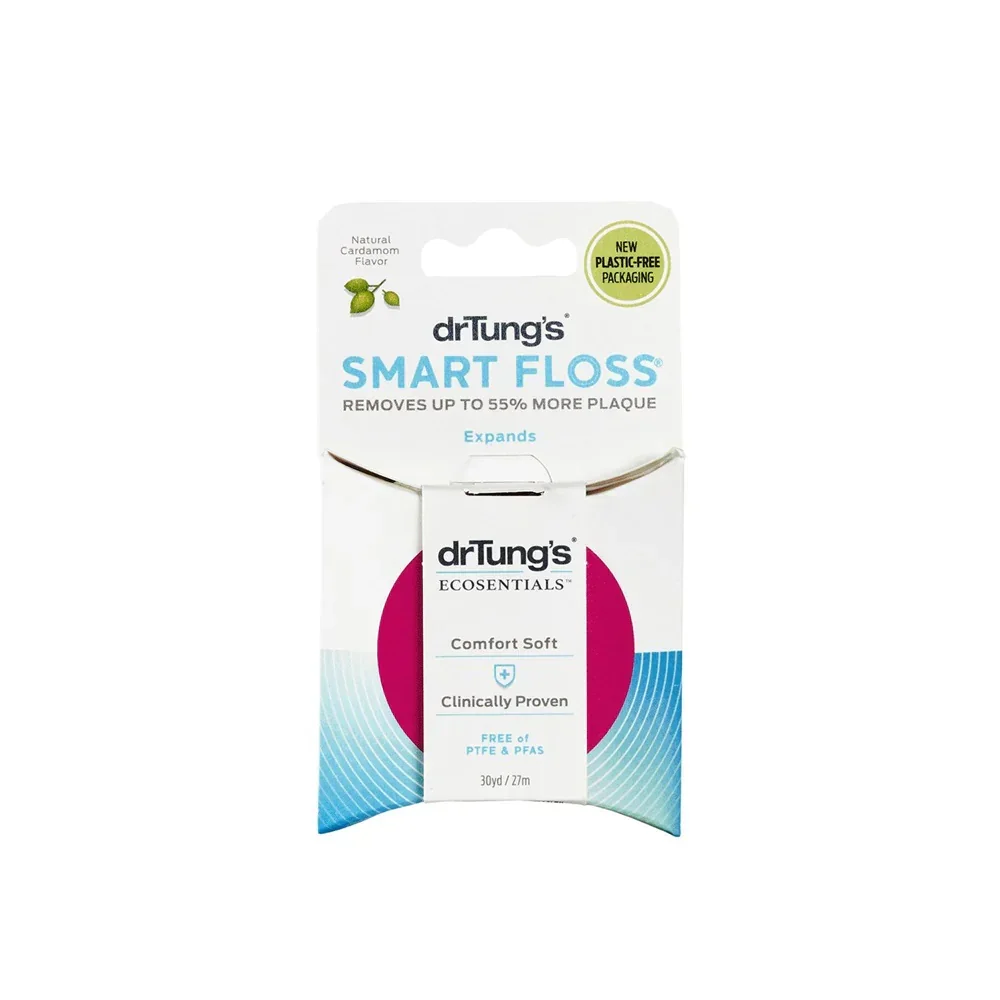
Dr. Tung's Smart Floss
Starts thin enough for most contacts and expands into a soft, grippy strand once it is between the teeth. PTFE- and PFAS-free, about $6 for 30 yards.
Best For Tight Teeth
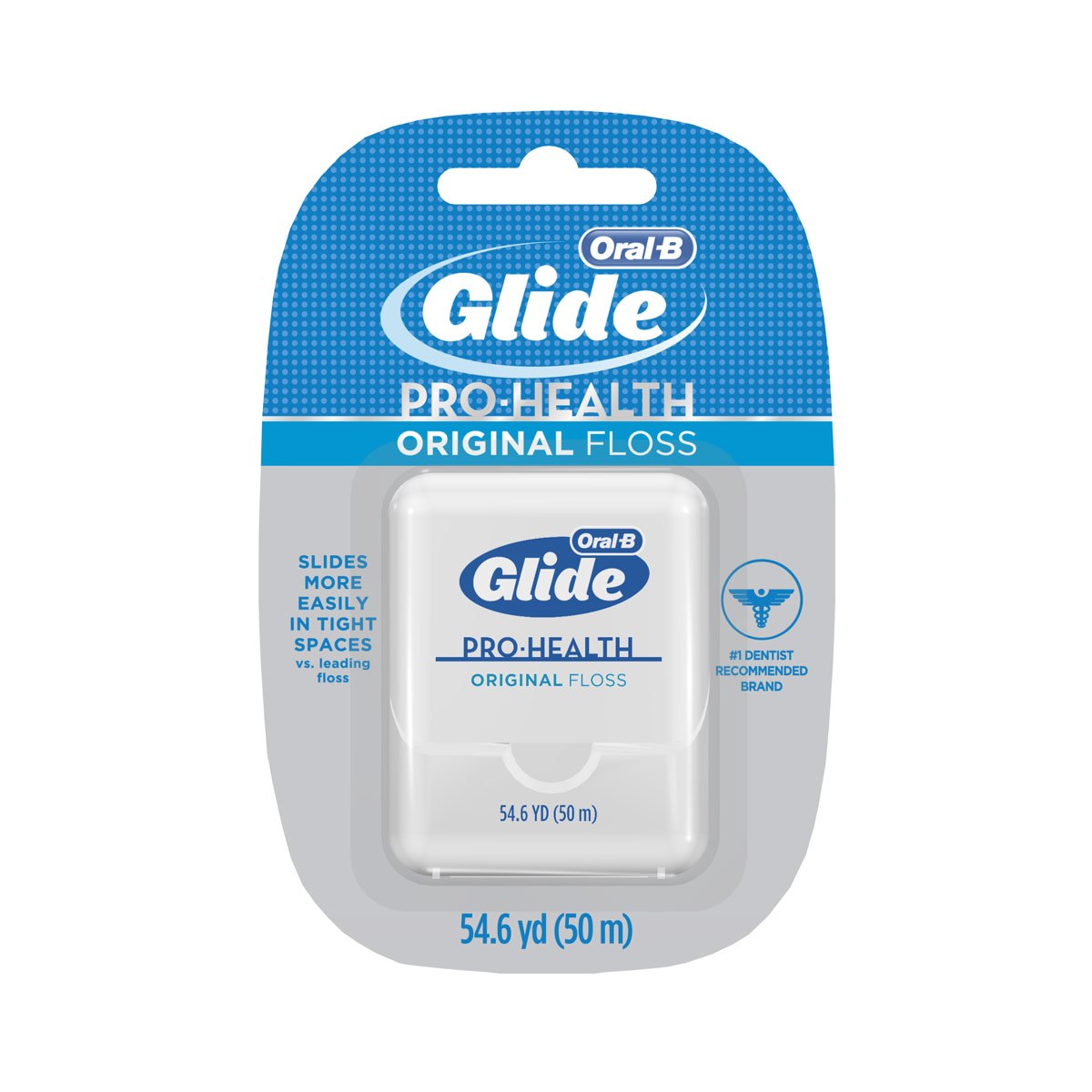
Oral-B Glide Pro-Health Original
A thin, shred-resistant strand that slides through contacts other floss catches on, with the ADA Seal of Acceptance. About $5 for 50 meters.
Best For Braces
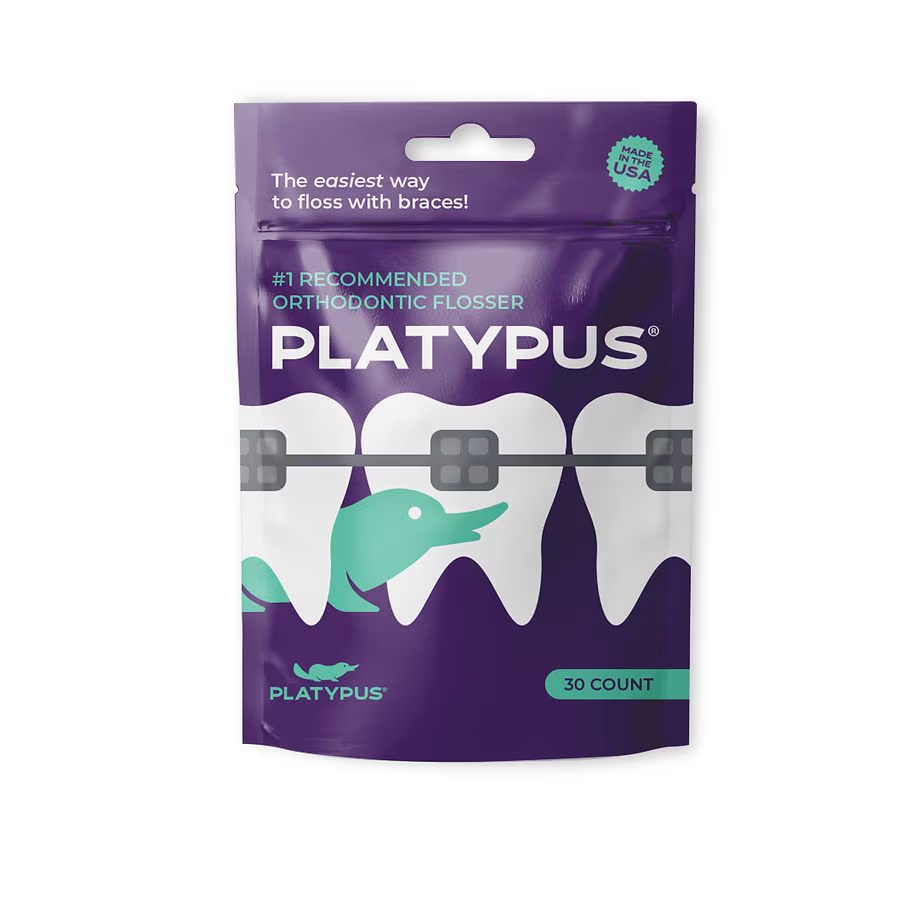
Platypus Orthodontic Flossers
A flat, flexible arm slips under the archwire so you can floss each contact without threading. About $8 for 30 flossers.
We may earn a commission on purchases made through these links.
What Makes A Good Dental Floss?
A good floss is one that reaches below the contact point, hugs the side of the tooth, and survives the trip without shredding. Which product does that best depends on your mouth more than on the brand.
Several features decide how a floss performs:
Thickness, which decides whether it passes a tight contact or fills a wider space
Shred resistance, especially around fillings, crowns, and rough edges
Flexibility, so it can wrap into a C-shape around the tooth
Surface, with smooth strands sliding easily and textured ones gripping more plaque
A stiff end or threader for braces, bridges, and fixed retainers
Softness for inflamed or sensitive gums
Disclosed materials and coatings
The evidence supports cleaning between the teeth every day. The ADA notes that floss and interdental brushes used with brushing may reduce plaque and gingivitis more than brushing alone. It also points out that floss suits tight spaces, while interdental brushes suit people with gum disease or wider spaces.
That second point gets overlooked. Many adults with receding gums keep buying floss for spaces where a small brush would clean far better. Our guide to the best interdental brushes covers sizing.
What Are The Different Types Of Dental Floss?
Floss comes in more forms than most shoppers realize, and each one solves a different problem.
Type | Main advantage | Best suited for |
|---|---|---|
Waxed floss | Smoother passage between teeth | Everyday use and tight contacts |
Unwaxed floss | No wax coating, often a squeakier feel | Users who prefer uncoated floss |
Glide-style monofilament | Very smooth, shred-resistant surface | Tight contacts and rough fillings |
Woven floss | Thicker, textured strand | People who prefer a fuller floss |
Expanding floss | Starts thin and fluffs out during use | Mixed or uneven spacing |
Dental tape | Wider, flatter ribbon | Normal to slightly open contacts |
Super floss | Stiffened end and spongy section | Braces, bridges and fixed retainers |
Floss picks | Convenient handle | Travel and limited dexterity |
Orthodontic floss picks | Thin arm fits under the wire | Fixed braces |
Wax does not change how well floss cleans. The ADA states there is no difference in effectiveness between waxed and unwaxed floss, and it is generally how and when floss is used that matters.
What Are The 8 Best Dental Floss Products?
The eight products below were selected on construction, intended use, manufacturer specifications, current US pricing, ADA Seal status where verified, and clinical suitability. They were not lab-tested for this guide. Prices are approximate US retail figures and change often.
#1. Dr. Tung's Smart Floss
Smart Floss is a multifilament polyester floss that starts thin and expands as you work it between the teeth. That behavior makes it unusually versatile. It slips into most contacts, then fluffs out to fill the space and grab plaque on the tooth surface.
It is lightly coated with plant and beeswax, flavored with cardamom and free of PTFE and PFAS. Very tight contacts can still fray it, so patients with crowded lower front teeth may prefer a smoother strand.
Price: About $5.50 to $6.50 for 30 yards
Where to buy: Amazon, Target, Whole Foods, and natural grocers
Material: Polyester multifilament with plant and beeswax
Type: Waxed expanding floss
Length: 30 yards (27 meters)
Best for: Everyday use with mixed spacing
Pros:
Expands to cover more tooth surface
Free of PTFE and PFAS
Soft on gums and fingers
Cons:
Can fray in very tight contacts
Paper dispenser weakens when wet
#2. Oral-B Glide Pro-Health Original
Oral-B Glide Pro-Health Original has long been the floss dentists hand out for tight contacts, because the strand is thin, smooth, and very hard to shred. It carries the ADA Seal of Acceptance.
The formula has changed, though. Oral-B says Glide is no longer made with PTFE and now uses a micro-textured nylon and elastic fiber, so it feels slightly grippier. Some long-time users dislike the new texture. Check the box when you buy, since older stock may still be on shelves.
Price: About $4.50 to $5.50 for 50 meters
Where to buy: Amazon, Walmart, Target, CVS, and most grocery stores
Material: Micro-textured nylon and elastic fiber, per Oral-B
Type: Shred-resistant monofilament-style floss
Length: 50 meters (about 55 yards)
Best for: Tight contacts and rough or crowded teeth
Pros:
Thin enough for the tightest contacts
Highly shred-resistant
ADA Seal of Acceptance
Low cost per use
Cons:
New fiber feels different from the original
Smooth strand grips less plaque in open spaces
#3. Cocofloss
Cocofloss is a woven floss made from about 85% recycled polyester, infused with coconut oil and lightly coated in vegan wax. The weave has hundreds of fine threads that compress to enter a contact and spread out once inside.
Patients often say it feels like scrubbing, which suits normal spacing. It is free of PFAS and parabens. The trade-offs are price and thickness. It costs about three times as much per yard as Glide, and it can catch in very tight contacts.
Price: About $10 for 33 yards
Where to buy: Amazon, Target, Walmart, and the brand's site
Material: Woven recycled polyester with coconut oil and vegan wax
Type: Waxed woven expanding floss
Length: 33 yards (30 meters)
Best for: Normal spacing and people who want a textured feel
Pros:
Textured weave grips plaque
PFAS-free, refillable dispenser
Gentle on gums
Cons:
Highest cost per use in this list
Too thick for some tight contacts
#4. Platypus Orthodontic Flossers
Platypus flossers solve the main reason braces patients stop flossing, which is threading floss under the wire for every single contact. A thin, flexible arm slides beneath the archwire, and the floss then pops down between the teeth in one motion. Most patients can floss a full mouth in a couple of minutes.
Each one is meant for a single session, so the cost adds up over a long treatment. They do less for the gumline around each bracket, where a small brush still helps.
Price: About $8 for 30 flossers
Where to buy: Amazon, Walmart, and orthodontic supply stores
Material: Plastic handle with nylon floss
Type: Orthodontic floss pick
Quantity: 30 flossers
Best for: Fixed braces
Pros:
No threading needed
One-handed and fast
Designed around the archwire
Cons:
Higher cost per day than threaders
Less useful after braces come off
#5. Oral-B Super Floss
Super Floss combines three tools in one pre-cut strand. A stiffened end threads under a bridge or wire, a spongy section cleans around appliances and wider spaces, and a regular floss section reaches below the gumline.
That makes it the best everyday option for fixed bridges and bonded retainers behind the lower front teeth, where tartar builds quickly. The spongy section can fray on sharp edges, and the strands are too thick for tight contacts.
Price: About $4.50 to $8 for 50 strands
Where to buy: Amazon, Walmart, CVS, and most pharmacies
Material: Nylon
Type: Specialty floss with threader end
Quantity: 50 pre-cut strands
Best for: Bridges, fixed retainers, braces, and implants
Pros:
Built-in threader end
Spongy section cleans around appliances
Pre-cut for consistent use
Cons:
Too thick for tight contacts
Spongy section can fray
#6. GUM Eez-Thru Floss Threaders
Eez-Thru threaders are flexible nylon loops that pull your usual floss under braces wires, bridges, and fixed retainers. They are the cheapest way to clean under appliances, and they let you keep using a floss you already like.
Threading takes practice, and doing it for every contact with braces is slow. That is why many orthodontic patients use threaders for a retainer or bridge and dedicated flossers for braces.
Price: About $3 to $5.50 for 25 threaders
Where to buy: Amazon, Walmart, and most pharmacies
Material: Nylon monofilament loop
Type: Floss threader
Quantity: 25 threaders with storage case
Best for: Fixed retainers and bridges on a budget
Pros:
Works with any floss
Lowest cost for appliance cleaning
Includes a storage case
Cons:
Slow to use for a full set of braces
Takes practice to master
#7. Plackers Twin-Line Floss Picks
Twin-Line picks hold two parallel strands of Plackers' Tuffloss fiber, so each pass covers a little more surface. The fold-out pick on the handle helps clear food from the gumline. They are inexpensive, widely available, and easy for people who struggle to wind string floss around their fingers.
Two strands do make tight contacts harder to pass, and some recent buyers report more breakage than in the past. Picks also cannot wrap into a full C-shape, so they clean the side of the tooth less thoroughly than string floss.
Price: About $4.50 for 150 picks, or $7 to $9 for 300
Where to buy: Walmart, Target, Amazon, and most grocery stores
Material: Plastic handle with Tuffloss synthetic floss (fiber not disclosed)
Type: Double-line floss pick
Quantity: 150 or 300 picks
Best for: Everyday convenience and normal spacing
Pros:
Two strands per pass
Very low cost per pick
Built-in fold-out pick
Cons:
Harder to pass through tight contacts
Some reports of breaking strands
#8. DenTek Triple Clean Advanced Clean Floss Picks
DenTek Triple Clean picks use a single, thin floss made of more than 200 fine strands, which helps them pass tight contacts that defeat double-line picks. The floss is fluoride-infused and mint-flavored, and the handle adds a textured pick and a small tongue scraper.
Their low price makes them easy to keep in a bag or car. As with any pick, wrapping around the tooth is limited, so they work best as a supplement to string floss or for people who would otherwise not floss at all.
Price: About $4 to $4.50 for 150 picks
Where to buy: Walmart, Target, Amazon, and pharmacies
Material: Plastic handle with multistrand floss (fiber not disclosed)
Type: Single-line floss pick
Quantity: 150 picks
Best for: Budget floss picks and tight contacts
Pros:
Thin enough for most tight contacts
Very low cost per pick
Textured pick and tongue scraper
Cons:
Limited wrap around the tooth
Floss material not disclosed
How Do The Best Dental Floss Products Compare?
Pack sizes vary widely, so the last column shows an approximate cost per flossing session. String floss figures assume 18 inches per session, the length the ADA suggests.
Product | Type | Best for | Material | Price | Cost per use |
|---|---|---|---|---|---|
Dr. Tung's Smart Floss | Expanding | Everyday use | Polyester | $6 / 30 yd | About 10¢ |
Oral-B Glide Pro-Health | Smooth monofilament-style | Tight teeth | Nylon and elastic | $5 / 55 yd | About 5¢ |
Cocofloss | Woven | Textured clean | Recycled polyester | $10 / 33 yd | About 15¢ |
Platypus Flossers | Ortho pick | Braces | Plastic and nylon | $8 / 30 | About 27¢ |
Oral-B Super Floss | Specialty | Bridges, retainers | Nylon | $4.50–$8 / 50 | About 9–16¢ |
GUM Eez-Thru | Threader | Budget appliance care | Nylon | $3–$5.50 / 25 | Reusable, plus floss |
Plackers Twin-Line | Double-line pick | Convenience | Plastic, Tuffloss | $4.50 / 150 | About 3¢ |
DenTek Triple Clean | Single-line pick | Budget picks | Plastic, multistrand | $4 / 150 | About 3¢ |
Even the most expensive string floss here costs about 15 cents a day. The cheapest floss you use every day beats a premium spool that sits in a drawer.
What Is The Best Floss For Tight Teeth?
Tight contacts are where floss fails most often. It catches, frays, or snaps through and slaps the gum underneath.
The best floss for tight teeth is thin, smooth, and shred-resistant. Oral-B Glide Pro-Health Original is the strongest pick from this list, and DenTek Triple Clean is the best pick-style option. Woven and double-line products tend to struggle.
Technique matters as much as the strand:
Ease the floss through the contact with a gentle back-and-forth sawing motion
Never snap it down onto the gum
Wrap it into a C-shape and slide it just below the gumline on each tooth
Pull it out sideways if it catches, instead of yanking upward
A floss that shreds on the same contact every time is telling you something. The usual causes are a rough filling edge, a chipped tooth, tartar, or early decay between the teeth. A dentist can smooth or repair the spot in a few minutes.
Food that packs into one space after every meal points to a different problem, covered in our guide to food getting stuck between teeth.
What Is The Best Floss For Braces?
Braces turn a two-minute habit into a ten-minute chore, because the archwire blocks the floss from reaching each contact. The right tool brings it back to a few minutes.
Orthodontic flossers slide under the wire in one motion and are the fastest option
Super Floss has a stiff end that threads under the wire and a spongy section for brackets
Floss threaders pull regular floss under the wire for the lowest cost
Regular floss alone only works if paired with a threader
For most braces patients, Platypus Orthodontic Flossers are the best floss for braces because they are quick enough to use every night. Super Floss is the better choice for fixed retainers and bridges after treatment.
Many patients also like a water flosser for flushing around brackets, which our oral irrigator guide covers, alongside a suitable toothbrush for braces.
What Are The Best Floss Picks?
Floss picks appeal to people who find string floss fiddly, have arthritis, or need one free hand. A pick used every day is better than string floss used once a week.
When choosing the best floss picks, a few features matter:
Single-line picks pass tight contacts more easily than double-line picks
A longer, angled handle helps reach the back molars
Shred-resistant floss avoids snapping mid-mouth
Orthodontic picks are a separate category built for braces
DenTek Triple Clean is the best everyday pick for tight teeth, and Plackers Twin-Line suits normal spacing. Picks are single-use plastic, so they create more waste than a spool. The ADA also advises against reusing interdental cleaners, since a used strand can fray and redeposit bacteria.
Waxed Vs. Unwaxed Floss: Which Is Better?
Neither type removes more plaque. The difference is in how they feel and how easily they pass between teeth.
Waxed floss slides more easily and resists fraying, which helps with tight contacts. Some people prefer unwaxed floss for the squeak it makes against clean enamel. The ADA reports no difference in effectiveness and notes rare cases of sensitivity to waxed or coated floss.
Pick whichever you find more comfortable, then focus on using it daily.
Floss Picks Vs. String Floss: Which Cleans Better?
String floss cleans better when used well, and floss picks clean better when they are the only thing someone will use.
Factor | String floss | Floss picks |
|---|---|---|
Wrap around the tooth | Full C-shape | Limited by the rigid frame |
Access to back teeth | Good with practice | Easier with an angled handle |
Control at the gumline | High | Moderate |
Convenience | Needs two hands | One hand, quick |
Waste | Small spool | More plastic per use |
A practical compromise works for many patients. Keep string floss for the evening and picks in a bag or car for the times you would otherwise skip it.
Is PFAS-Free Dental Floss Better?
PFAS-free floss is not proven to clean better. The appeal is about chemical exposure, and the research there is limited.
PTFE, the slippery material best known as Teflon, belongs to the PFAS family. A Silent Spring Institute study of 178 women found that those who used Oral-B Glide had higher blood levels of one PFAS compound, PFHxS.
The researchers found an association and did not prove the floss was the source. All three Glide products they tested contained fluorine, consistent with PTFE.
The market has moved since then. Oral-B now states that Glide no longer contains PTFE or any PFAS. No independent testing of the new fiber has been published yet, and older stock may still be in stores.
Nylon, polyester, and silk flosses do not rely on PTFE, though coatings vary, so check the label. For shoppers who want to avoid PFAS, Dr. Tung's and Cocofloss both state they are free of it.
How Do You Choose The Right Dental Floss?
Start with the spaces between your teeth and any dental work, then pick the product you will use every day.
Patient need | Floss characteristics to prioritize |
|---|---|
Very tight contacts | Thin, smooth, shred-resistant |
Fixed braces | Orthodontic flossers or threader-compatible floss |
Sensitive gums | Soft expanding or woven floss and a gentle technique |
Wider spaces | Woven floss or appropriately sized interdental brushes |
Difficulty handling string floss | Floss picks with an angled handle |
Bridges or fixed retainers | Super Floss or threaders |
Everyday use | Affordable, comfortable, and easy to find |
Bleeding for the first week or two of daily flossing is common while inflamed gums settle. Bleeding that lasts beyond two weeks can be a sign of gingivitis and deserves a checkup. A persistent bad smell on used floss can also point to a problem, explained in our guide to why dental floss smells bad.
A dental hygienist is the best person to match a tool to your mouth, especially with implants, a dental bridge, or gum disease. Many practices now record those recommendations in dental treatment plan software, so the advice is waiting for you at the next visit.
For the order of your routine, see whether to floss before or after brushing, and our best xylitol gum guide covers an easy addition between meals.
Bottom Line
The best dental floss is the one that fits your spaces and that you will use every day. Dr. Tung's Smart Floss is the best all-round choice, Oral-B Glide Pro-Health Original suits tight teeth, and Platypus flossers make braces manageable.
Floss picks are a fair substitute when string floss would otherwise be skipped. Daily, careful cleaning between the teeth matters far more than any premium price.
We may earn a commission on purchases through affiliate links, though our recommendations remain independent.
Frequently Asked Questions
What dental floss do dentists recommend?
Dentists usually recommend a floss matched to your spacing. Thin, shred-resistant floss such as Oral-B Glide suits tight teeth, expanding floss suits mixed spacing, and orthodontic flossers suit braces. Products with the ADA Seal have been shown to be safe and reduce plaque and gingivitis.
Is waxed or unwaxed dental floss better?
Neither cleans better. The ADA reports no difference in effectiveness between waxed and unwaxed floss. Waxed floss slides more easily through tight contacts and frays less, while some people prefer the feel of unwaxed floss. Choose the one you find comfortable enough to use daily.
What is the best dental floss for tight teeth?
A thin, smooth, and shred-resistant floss works best. Oral-B Glide Pro-Health Original is a strong choice, and DenTek Triple Clean is a good pick-style option. Ease floss through with a sawing motion, and see a dentist if it shreds on the same contact every time.
What floss is best for braces?
Orthodontic flossers such as Platypus are the fastest option, since they slide under the wire without threading. Super Floss and floss threaders are cheaper alternatives. A water flosser can also help flush debris from around brackets between flossing sessions.
Are floss picks as effective as regular floss?
Not quite, when both are used well. String floss can wrap into a C-shape around the tooth, while picks reach less of the tooth side. A floss pick used every day still cleans far better than string floss used occasionally.
What is the best floss for sensitive gums?
Soft expanding or woven floss, such as Dr. Tung's Smart Floss or Cocofloss, is gentle on tender gums. Technique matters more than material, so guide the floss gently instead of snapping it down. Bleeding that lasts beyond two weeks needs a dental checkup.
Is expensive dental floss worth it?
Only if you prefer it enough to use it more often. Premium floss costs about 15 cents per session compared with about 5 cents for budget options, and no evidence shows that price alone improves plaque removal. Comfort and daily use are what count.