Night Guard For Teeth Grinding: Types And Top Picks in 2026
Grinding wears down teeth a little every night, often without a sound the sleeper hears. A night guard for teeth grinding takes that wear in place of the teeth. Our guide compares...
Written by Mantas Petraitis
Read time: 6 min read
Grinding wears down teeth a little every night, often without a sound the sleeper hears. A night guard for teeth grinding takes that wear in place of the teeth. Our guide compares custom, online-lab, and boil-and-bite guards. It lists 2026 prices and ranks eight picks sold across major US retailers.
TL;DR
Night guards cost $300 to $1,000 at dentists, $115 to $220 online, and $15 to $40 in drugstores
Online labs build full-arch custom guards from impressions you take at home
Heavy grinders need a hard or dual-laminate guard, light clenchers can start soft
Rinse the guard in cool water every morning and store it dry in a vented case
Quick Dentist-Recommended Choices
Best Overall
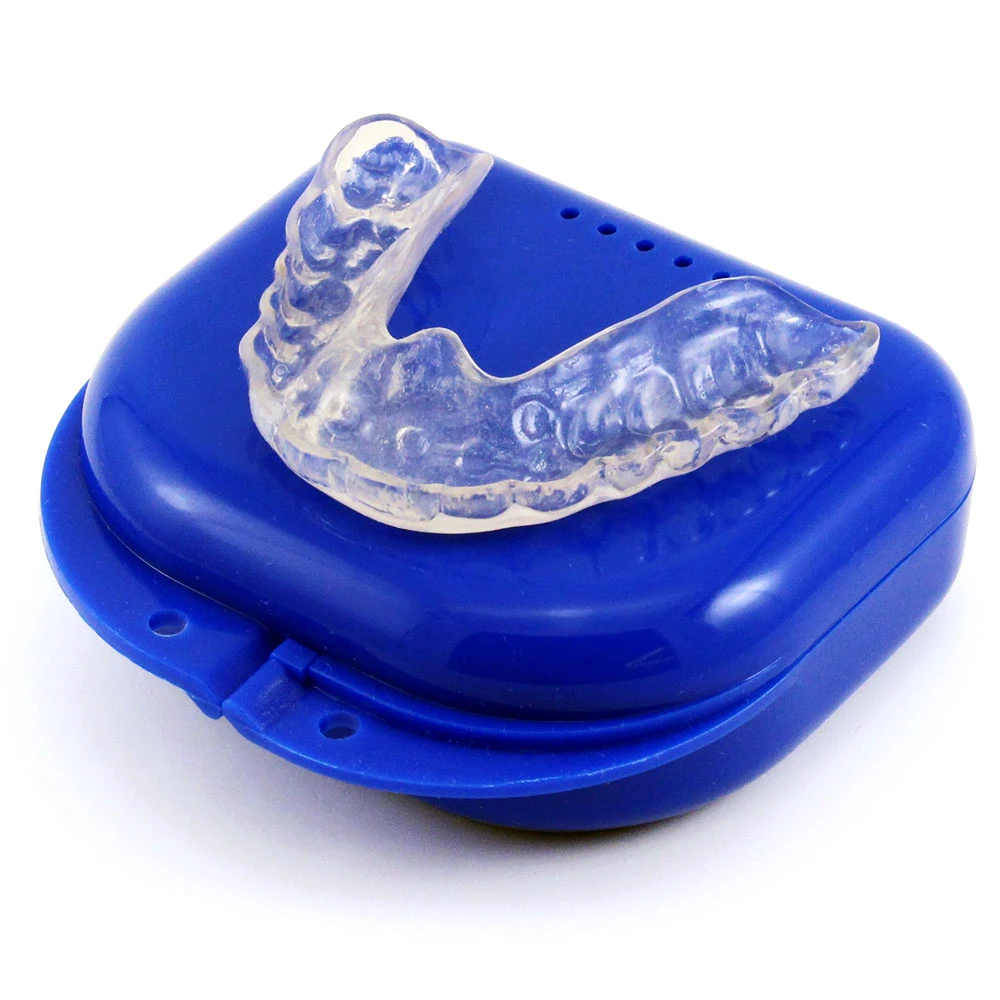
Pro Teeth Guard Hybrid Night Guard
A dual-laminate guard with a soft inner layer and a hard outer shell. A US dental lab builds it from full upper and lower impressions for about $199.99.
Best for Heavy Grinders
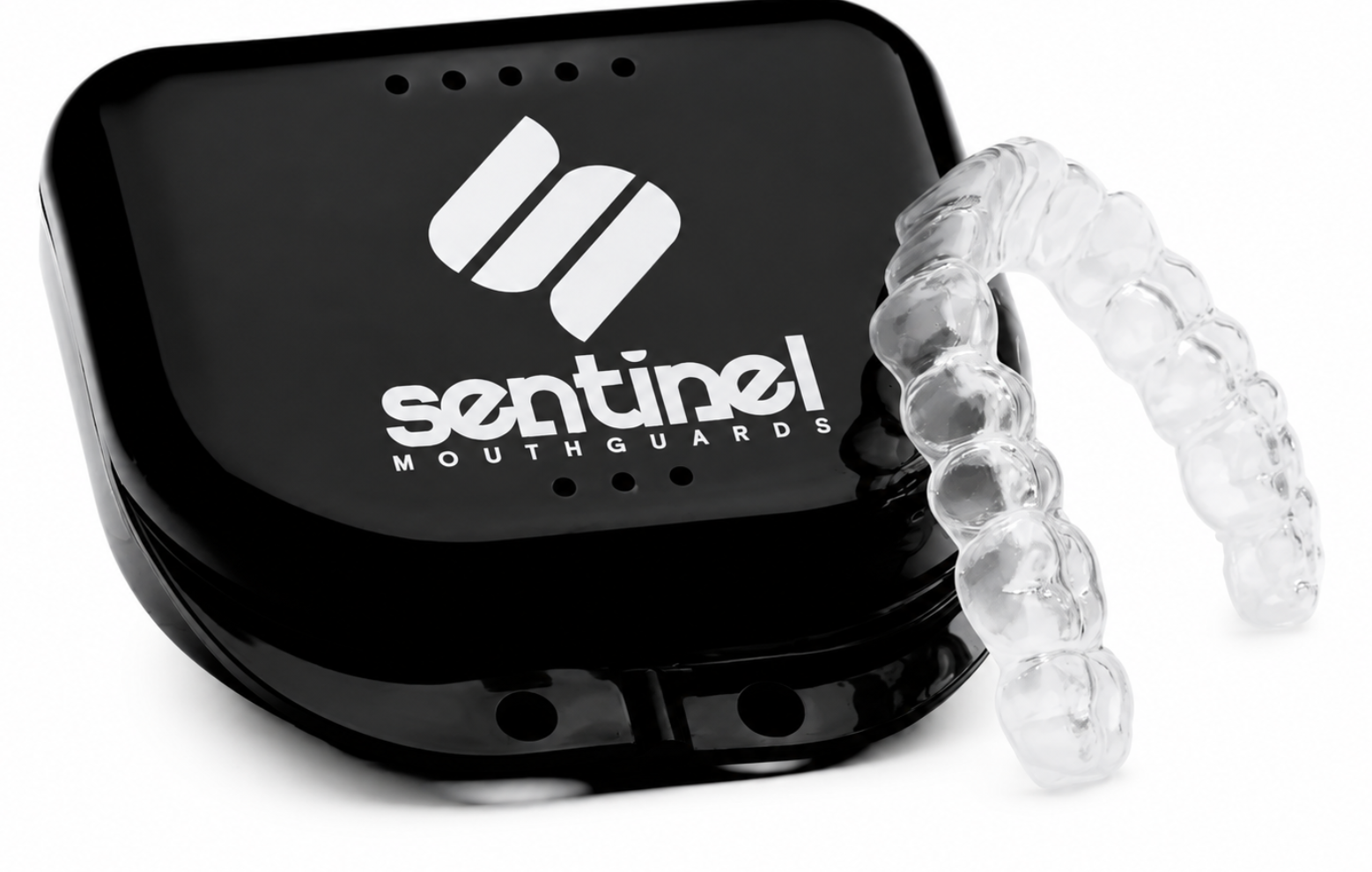
Sentinel Mouthguards Hard Guard
Rigid 2 mm copolyester with no soft liner. Built for grinders who have chewed through softer guards, about $215.
Best Budget Custom Guard
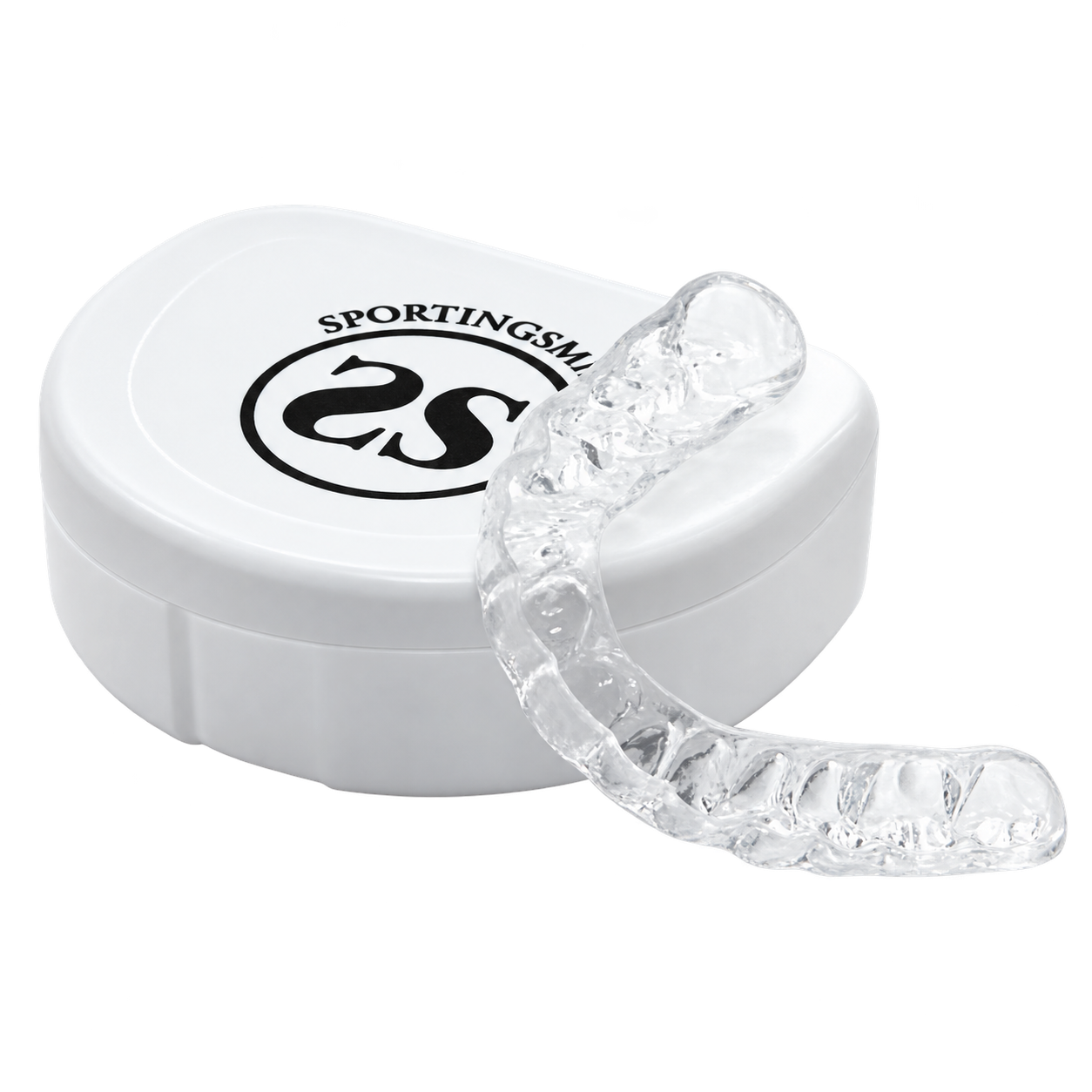
SportingSmiles Dual Laminate Night Guard
A 1 mm soft interior bonded to a 2 mm hard exterior. The price includes an impression kit and free US shipping, about $115.
What Does A Night Guard For Teeth Grinding Do?
A night guard is a removable plastic appliance that covers the biting surfaces of one arch. Dentists call it an occlusal guard or occlusal splint. It sits between the upper and lower teeth as a sacrificial layer. The guard wears down in place of the enamel.
A guard protects teeth from wear. Grinding itself usually continues. Splint research has not shown that splints reduce sleep bruxism itself. It does point to a possible benefit for tooth wear. That is the realistic goal: fewer chips, fewer cracked fillings, and less flattening of the molars.
Grinding has many drivers, including stress, sleep apnea, and certain antidepressants. Our guide to bruxism and teeth grinding covers causes, symptoms, and treatments beyond the guard.
Types Of Night Guards: Custom Vs Online Lab vs. Boil-and-Bite
Three buying routes exist. They differ in fit, material, and who checks the bite.
Custom Night Guards From A Dentist
The dentist examines the teeth, takes a scan or impressions, and sends them to a lab. Dentist-made guards cost $300 to $1,000. City practices often charge $600 to $800.
The fee covers the exam, lab work, a fitting visit, and bite adjustments. The dentist then adjusts the biting surface until the jaw closes evenly. Choose this route for jaw pain, clicking, crowns, implants, or a history of cracked teeth. It is also the only route where dental insurance may pay. Offices bill a hard full-arch guard as D9944 and a soft one as D9945. Many plans still exclude occlusal guards, so ask for a predetermination first.
Online Lab Night Guards
Online labs mail an impression kit to the buyer's home. The buyer bites into putty, mails the molds back, and receives a finished guard. Pro Teeth Guard quotes three to four weeks from order to delivery. Single guards cost $115 to $220 across the labs in our guide.
Most dental offices send impressions to an outside lab as well. The online route drops the exam and the chairside adjustment. That trade works for straightforward grinding. It does not suit TMJ disorders, and Pro Teeth Guard itself tells TMJ patients to see a dentist.
Boil-And-Bite And No-Boil Guards
Drugstore guards cost $15 to $40. Boil-and-bite models soften in hot water, then mold to the teeth with a firm bite. No-boil models use adjustable pads that are ready out of the box. Both make sense as a stopgap while a custom guard is in production.
Many drugstore designs cover only part of the arch. Worn for months, a partial-coverage guard can let uncovered teeth over-erupt. A British Dental Journal case report describes an open bite that developed this way. A separate BDJ review of OTC splints found that none of the designs guaranteed full coverage. Limit partial-coverage guards to short-term use, and stop wearing any guard that changes the bite.
Night Guard Materials: Soft, Hard, And Dual-Laminate
Material decides how long a guard lasts and how the jaw muscles respond to it. Thickness usually runs 1.5 to 3 mm.
Material | Build | Best for |
|---|---|---|
Soft (EVA or similar) | Flexible, cushioned, about 1.5 mm | Light clenching, sensitive teeth |
Dual-laminate (hybrid) | Soft inner layer, hard outer layer, 2–3 mm | Moderate grinding |
Hard (acrylic or copolyester) | Rigid, 1.5–2 mm | Heavy grinding, worn-through soft guards |
Soft guards feel easiest on the first night. They may not calm the muscles. In various studies, a hard splint reduced nighttime muscle activity in 8 of 10 participants. A soft splint raised it significantly in 5 of 10. However, the samples were often too small. Soft materials also invite chewing, which keeps the jaw muscles working.
A dual-laminate guard splits the difference. The soft side faces the teeth for comfort. The hard side takes the grinding. Dental billing treats it as a hard guard because the biting surface sets the code. For most moderate grinders, a bruxism dental guard in dual laminate is the practical default.
How Much Is A Night Guard?
A night guard costs $15 to $1,000, depending on who makes it. Our table compares full costs by route, including what each price covers.
Guard type | Upfront price | What the price covers | Insurance and HSA/FSA |
|---|---|---|---|
Dentist-made custom | $300–$1,000 | Exam, impressions or scan, lab work, fitting, adjustments | Insurance may pay part when the plan covers guards |
Online lab custom | $115–$220 | Impression kit, lab work, shipping, case | Most labs accept HSA/FSA, insurance rarely applies |
Boil-and-bite or no-boil | $15–$40 | One guard, plus a fitting tray or case | Many are HSA/FSA eligible |
Disposable | About $23 per 10 | Ten guards, up to 3 nights each | HSA/FSA eligible |
Sticker price hides replacement cost. Pro Teeth Guard rates its hybrid guard for one to three years. Plackers disposable guards last up to three nights each. At about $23 per ten, nightly use comes to roughly $280 a year (our estimate). One lab-made guard often costs less over the same twelve months.
Remi changes the math with pairs. Club members pay $99 up front, then $89 for two new guards every six months. Over three years, that totals about $544 for twelve guards (our estimate).
Insurance, when it applies, covers about half. Plans often limit how often they pay for a new guard. Our guide to dental insurance types explains deductibles and annual maximums.
How To Choose The Right Mouth Guards For Teeth Grinding
Mouth guards for teeth grinding vary more than the packaging suggests. Five factors narrow the choice.
Grinding severity. Light clenchers can start soft, moderate grinders do well with dual laminate, heavy grinders need hard
Coverage. Nightly, long-term wear calls for a guard that covers every tooth on one arch
Jaw symptoms. Clicking, locking, or joint pain calls for a dental exam before any purchase
Dental work. Crowns, bridges, and implants need an even bite on the guard
Guarantee. A fit guarantee of 45 days or longer lowers the risk of an online order
Upper guards are the default at most labs. Pro Teeth Guard reports that over 90% of its buyers choose upper. A lower guard suits people who find it more comfortable, or whose dentist advises it.
Loud snoring or gasping calls for a sleep evaluation first. Grinding often travels with obstructive sleep apnea, as our bruxism guide explains. Some grinders also track episodes with dental wearables before choosing a guard.
The Best Night Guards For Teeth Grinding In 2026
Below we rank eight night guards sold through major US retailers and direct labs. Each pick was judged on coverage, material, fit process, guarantee, and price. Prices reflect listed retail at the time of writing.
#1. Pro Teeth Guard Hybrid Night Guard
A night guard only protects well when the jaw closes evenly on it. Many online guards are built from an upper impression alone. They fit the teeth but ignore the bite. One side can then hit first and overload the jaw muscles. The Pro Teeth Guard Hybrid Night Guard avoids that problem. The lab takes upper and lower impressions, so the technician shapes the guard against the opposing teeth. The guard is a 2 mm dual-laminate sheet, soft against the teeth and rigid on top. That balance suits moderate to heavy grinders, with a rated lifespan of one to three years. On the first morning, bite down gently and check that both sides touch at once. If one side hits first, the 60-day, 110% guarantee includes free adjustments. Wear through it within a year, and the hard version costs only the difference.
Price: $199.99
Where to buy: Pro Teeth Guard website
Format: Custom dual-laminate guard, 2 mm, upper or lower
Best for: Moderate grinders who want a lab-made fit without a dental visit
Pros:
Made from upper and lower impressions
60-day, 110% money-back guarantee
1-year warranty against cracks from wear
HSA and FSA eligible
Cons:
Three to four weeks from order to delivery
Does not cover wisdom teeth
#2. Sentinel Mouthguards Hard Guard
Some grinders go through a soft or hybrid guard in a few months. Their canines usually show it first, with flat, shiny wear facets. For them, cushioning is the wrong goal. The jaw needs a hard, smooth surface to glide across. Gliding takes less muscle effort than pressing into soft plastic. The Sentinel Mouthguards Hard Guard delivers it in rigid 2 mm copolyester with no cushion layer. Sentinel reports that buyers who wore through hybrid guards get longer life from it. A hard guard does take some getting used to. Expect a week of adjustment and mild morning bite stiffness. Stiffness that lasts all day means the guard needs adjusting. Sentinel's 100-night guarantee covers up to three fit attempts, and refunds carry a $23 fee.
Price: $215
Where to buy: Sentinel Mouthguards website, Amazon
Format: Custom hard guard, 2 mm, upper or lower
Best for: Heavy grinders who have worn through softer guards
Pros:
Sentinel's most durable material
100-night fit guarantee with free remakes
Free shipping both ways
Hand-finished in a US lab
Cons:
Firm feel can take a few nights to get used to
Refunds deduct a $23 fee
#3. JS Dental Lab Hybrid Shield
Most people who abandon a night guard do it in the first week. The jaw often needs two to three weeks to adapt. Night three can feel worse than night one. That makes the return window a real factor for a first guard. The JS Dental Lab Hybrid Shield offers 365 days, the longest trial on our list. There is time to adapt before deciding. The guard is a 3 mm dual laminate, made in the US from German material. The extra thickness opens the bite a little more than a 2 mm guard. Some mild to moderate grinders find that restful. Others notice lip strain or drooling at first. Small mouths do better with a thinner guard. The kit includes three tray sizes and a backup putty set, which lowers the chance of a retake. A $1 trial order lets buyers start before paying the full $159.
Price: $159
Where to buy: JS Dental Lab website, Amazon
Format: Custom dual-laminate guard, 3 mm, upper or lower, clear or blue
Best for: First-time buyers who want a long return window
Pros:
365-day full refund window
Free standard shipping
Backup putty set included
Cons:
3 mm feels bulkier than 2 mm guards
Ground shipping can stretch delivery times
#4. Remi Custom Night Guard
A night guard spends every night coated in saliva and bacteria. Owners with one guard rarely soak it properly, since it is needed again by bedtime. The Remi Custom Night Guard solves that with pairs. One guard soaks in a cleaning tablet while the other is worn. A one-time order costs $149 for two guards. Remi Club starts at $99 and sends a new pair every six months for $89. That schedule also replaces guards before wear turns into a hole. Once a hole forms, the teeth meet through the guard and protection is gone. Fast grinders should confirm the thickness before subscribing. The FDA cleared the Remi guard under 510(k) K251778 in October 2025. Remi does not intend its guards for users under 18.
Price: $149 for two guards, $99 to join Remi Club
Where to buy: Remi website
Format: Custom guard pair from an at-home impression
Best for: Grinders who want automatic replacements
Pros:
Two guards per order
Scheduled replacements at $89 per pair
FDA-cleared device
Cons:
Club membership renews automatically
Not intended for users under 18
#5. SportingSmiles Dual Laminate Night Guard
A tight budget should not push a grinder toward a drugstore guard. The SportingSmiles Dual Laminate Night Guard costs $115, the lowest price for a lab-made hybrid in our guide. That price includes the impression kit, a case, and free US shipping. The build is sensible too. A thin 1 mm soft layer sits against the teeth, under a 2 mm hard shell. Thin liners compress less and hold up better over the molars. SportingSmiles pressure-forms the guard and says this gives a tighter fit than vacuum forming. Add the $80 spare guard from the same impression. Guards get lost, cracked, or chewed by pets. A spare prevents unprotected nights. The 90-day warranty is short, so watch fit and wear closely in the first months.
Price: $115
Where to buy: SportingSmiles website
Format: Custom dual-laminate guard, 1 mm soft plus 2 mm hard, upper or lower
Best for: Budget buyers who still want a custom, full-arch guard
Pros:
Lowest price for a lab-made hybrid on our list
Spare guards for $80 from the same impression
Patented adjustable impression tray
Cons:
90-day warranty trails rival labs
A failed impression costs $15 to redo
#6. DenTek Professional-Fit Maximum Protection Dental Guard
Boil-and-bite guards usually fail during fitting. People bite hard into the softened plastic and thin the very surface meant to take the grinding. The DenTek Professional-Fit Maximum Protection Dental Guard adds a forming tray that guides the bite and spreads the plastic evenly. It also covers front and back teeth. Full coverage reduces the over-eruption risk that partial drugstore designs carry. For the best fit, bite gently and hold for the time on the package. DenTek rates the guard for about six months. Walmart sellers list it for roughly $14 to $23. Treat it as a four-to-six-week bridge while a custom guard is being made. Anyone with bridges or implants should have a dentist fit the guard instead.
Price: About $14 to $23
Where to buy: Walmart
Format: Boil-and-bite guard with forming tray and case
Best for: Short-term protection while waiting for a custom guard
Pros:
Covers front and back teeth
Forming tray improves the fit
HSA and FSA eligible
30-day money-back guarantee
Cons:
Bulkier than lab-made guards
Rated for about six months
#7. SleepRight Dura-Comfort Dental Guard
Some patients gag or feel crowded with plastic over the front teeth. The SleepRight Dura-Comfort Dental Guard suits them. It needs no boiling, and two swiveling bite pads sit only between the back molars. The pads adjust to four positions and use a denser material for heavy grinders. That minimal design comes with a real risk. Front teeth that never meet at night can over-erupt. Back teeth under the pads can intrude. SleepRight itself caps wear at 12 hours a day. It also says an odd bite for two to three hours after removal is normal. A front bite that still feels open later in the day is a stop signal. Use it for travel or the weeks before a custom guard arrives.
Price: $39.98
Where to buy: SleepRight website, Walmart, Target, Amazon
Format: No-boil guard with adjustable molar bite pads
Best for: Short-term use when boiling or waiting is not an option
Pros:
Ready to wear out of the package
Denser pads for heavy grinders
1-year replacement warranty and 45-day money-back guarantee
Cons:
Covers molars only
Not intended for users under 18
#8. Plackers Grind No More Dental Night Guard
A reusable guard is a nuisance on the road. It needs cleaning, drying, and a case. It is also easy to leave behind in a hotel. The Plackers Grind No More Dental Night Guard sidesteps that with single-use guards. Each one fits upper or lower teeth and lasts up to three nights. Ten guards cost about $23 at Walmart. The thin, one-size design suits light grinders. Heavy grinders chew through it fast. Fit varies from mouth to mouth. Check each morning that the guard stayed over the back teeth. A guard that slides forward leaves the molars bare. Nightly use costs about $280 a year (our estimate). Keep it as a travel backup.
Price: About $23 for 10 guards
Where to buy: Walmart, Amazon
Format: Disposable, one-size guard for upper or lower teeth
Best for: Travel and occasional light grinding
Pros:
No boiling, cutting, or molding
Individually packaged
BPA-free and HSA/FSA eligible
Cons:
May slip out during the night
Costs more per year than a lab-made guard
How Do The Best Night Guards Compare?
Our table below puts all eight picks side by side.
Product | Type | Material | Price | Best feature |
|---|---|---|---|---|
Pro Teeth Guard Hybrid | Online lab | Dual laminate, 2 mm | $199.99 | Upper and lower impressions, 110% guarantee |
Sentinel Hard Guard | Online lab | Hard copolyester, 2 mm | $215 | Heavy grinders |
JS Dental Lab Hybrid Shield | Online lab | Dual laminate, 3 mm | $159 | 365-day returns |
Remi Custom Night Guard | Online lab | Custom guard pair | $149 for two | Scheduled replacements |
SportingSmiles Dual Laminate | Online lab | 1 mm soft + 2 mm hard | $115 | Lowest-priced custom hybrid |
DenTek Professional-Fit | Boil-and-bite | Thermoplastic, full arch | $14–$23 | Forming tray |
SleepRight Dura-Comfort | No-boil | Molar bite pads | $39.98 | Ready to wear |
Plackers Grind No More | Disposable | BPA-free plastic | About $23 per 10 | Travel |
How To Clean A Night Guard?
A night guard spends hours in a warm, wet mouth. Biofilm builds on it the same way plaque builds on teeth. A two-minute routine each morning keeps it clean.
Rinse the guard in cool water right after removing it
Brush it gently with a soft toothbrush and mild, unscented soap
Skip toothpaste, since its abrasives scratch the surface
Soak it once a week in a denture or retainer tablet, following the package time
Let it air-dry completely before closing the case
Wash the case with soap and water once a week
Store the guard in a sturdy, vented case so it dries between uses. Keep it out of the sun and out of hot water. Heat warps thermoplastic and ruins a custom fit. Keep the case away from pets, which treat guards as chew toys. The tablets and ultrasonic units in our retainer cleaner roundup work on night guards too. Our Zima Dental Pod Pro review tests one ultrasonic option in detail.
Replace a guard when it cracks, thins through, warps, or holds an odor after cleaning. Bring it to every checkup so the dentist can check its fit and wear.
When Should You See A Dentist Before Buying A Night Guard?
Some symptoms point past a simple wear problem. Book an exam first if any of these apply.
Jaw clicking, locking, or pain in front of the ear
Chipped, cracked, or loose teeth
Loud snoring, gasping, or heavy daytime sleepiness
Recent crowns, bridges, or implants
A bite that feels different after wearing any guard
A dentist can check wear facets, test the jaw joints, and fit a hard full-arch guard. Damaged teeth may need bonding or crowns first. The dentist can combine those steps with the guard in a single dental treatment plan. Our guide on how to read a dental treatment plan explains the codes and costs on that document.
Frequently Asked Questions
How much is a night guard for teeth grinding?
A dentist-made night guard costs $300 to $1,000. Online labs charge about $115 to $220 for a custom guard. Drugstore guards cost $15 to $40.
Is a hard or soft night guard better for grinding?
Hard and dual-laminate guards suit most grinders. In a small 1987 study, hard splints lowered nighttime muscle activity in most participants. Soft splints raised it in half of them. Soft guards fit light clenchers and sensitive teeth.
Can I wear a boil-and-bite night guard every night?
A full-arch boil-and-bite guard works for short-term nightly use. Partial-coverage designs can shift the bite over months. Switch to a custom full-arch guard for long-term wear.
Should a night guard go on the upper or lower teeth?
Most people wear an upper guard. Pro Teeth Guard reports that over 90% of its buyers choose an upper guard. A dentist may advise a lower guard after crowns or implants.
How long does a night guard last?
Lifespan depends on grinding force and material. Pro Teeth Guard rates its hybrid guard for one to three years. Replace any guard that cracks, thins through, or stops fitting snugly.