Dental Wearables Explained: Everything You Need To Know
What if your toothbrush could tell you exactly where you are missing spots and help you fix them? What if a mouthguard could track your teeth grinding while you sleep and show you...
Written by Agnes Markovic
Read time: 9 min read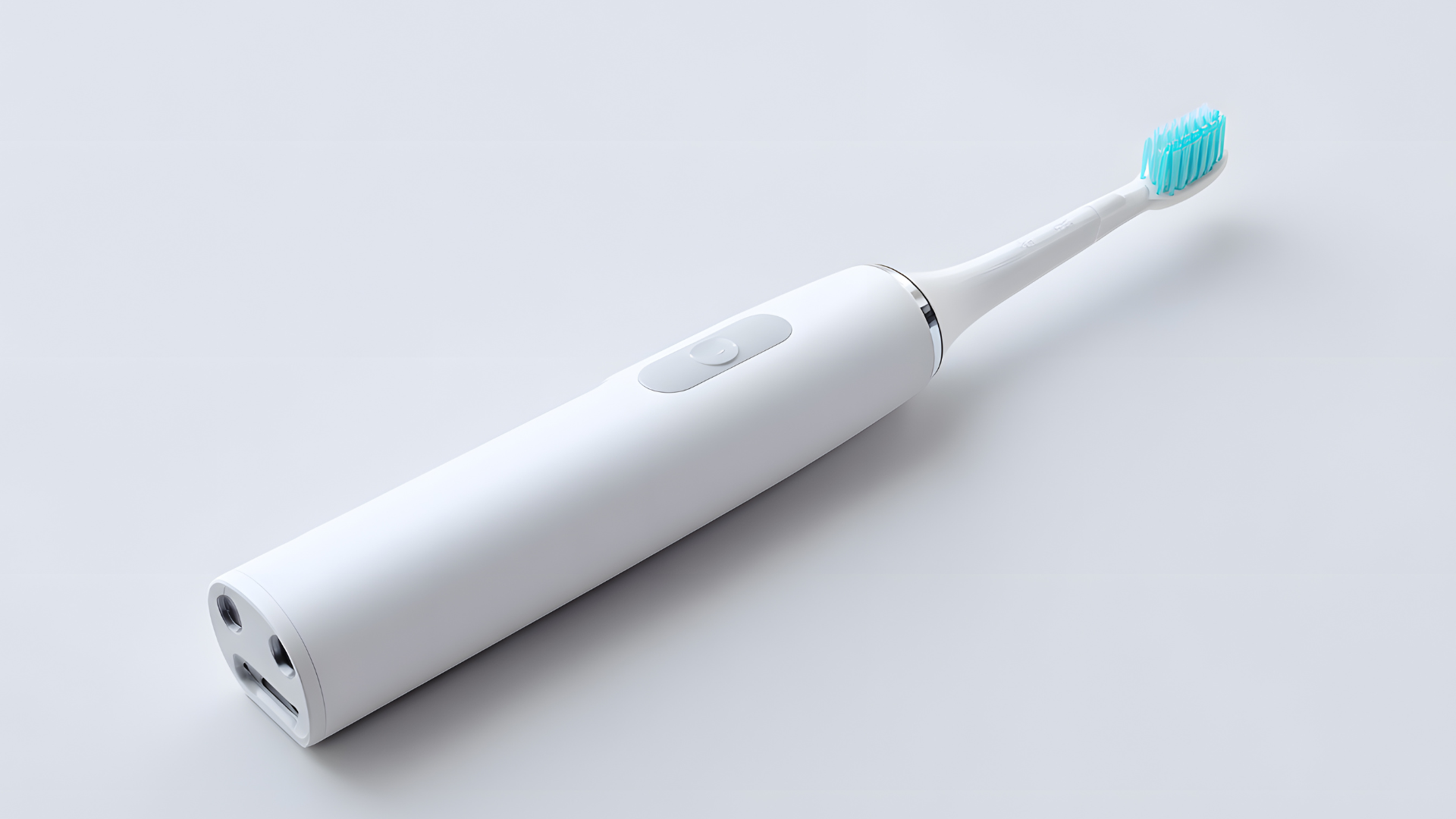
What if your toothbrush could tell you exactly where you are missing spots and help you fix them? What if a mouthguard could track your teeth grinding while you sleep and show you patterns you never knew existed? These are dental wearables, and they are changing how millions of people take care of their oral health.
Dental wearables are smart devices you use in or around your mouth that track your oral health and help you take better care of your teeth. Think of them as fitness trackers for your mouth. Just like a Fitbit counts your steps and monitors your heart rate, dental wearables monitor your brushing habits, detect teeth grinding, track orthodontic progress, and even analyze what is happening in your saliva.
The market for these devices has expanded significantly in recent years. From smart toothbrushes that coach you in real time to sensor-equipped aligners that let your orthodontist monitor your progress remotely, dental wearables offer something for almost everyone.
In this guide, you will learn exactly what dental wearables are, how they work, what types are available, whether they actually deliver results, and how to choose the right one for your needs. We will also be honest about the limitations, because no technology is perfect. Whether you are considering your first smart toothbrush or exploring more advanced options like smart night guards, this comprehensive guide has you covered.
What Are Dental Wearables And How Do They Work?
Dental wearables combine sensor technology with smartphone connectivity to give you real-time insights into your oral care habits. Understanding how these devices function can help you decide whether they are worth the investment.
At their core, dental wearables are devices equipped with sensors that collect information about your brushing, your teeth, or your mouth, then share that data with you through a smartphone app. The technology varies depending on the device, but the basic concept remains the same: gather data, analyze it, and provide feedback that helps you improve your oral care routine.
Most dental wearables use a combination of sensors to do their job. Motion sensors, called accelerometers and gyroscopes, detect how you move the device. Pressure sensors measure how hard you are pressing. Some advanced devices include optical sensors that can detect plaque or temperature sensors that monitor changes in your mouth. The data these sensors collect gets transmitted to your phone via Bluetooth, where an app processes it and shows you what is happening.
The technology has come a long way from basic electric toothbrushes. Early electric toothbrushes simply automated the brushing motion. Today's smart toothbrushes use artificial intelligence to analyze your technique, identify areas you consistently miss, and provide personalized coaching. According to various studies, this real-time feedback can significantly improve brushing effectiveness.
Quick summary of what makes a device smart: It has sensors that collect data, connectivity (usually Bluetooth) to send that data to your phone, and an app that analyzes the information and gives you actionable feedback. Without all three components, you just have a regular electric device.
Types Of Dental Wearables
The dental wearables market has expanded well beyond smart toothbrushes to include devices for orthodontic care, sleep protection, and interdental cleaning. Here is a breakdown of what is currently available and how each category can benefit your oral health.
Smart Toothbrushes
Smart toothbrushes represent the most common and accessible type of dental wearable on the market today. These devices use built-in sensors and companion apps to transform your daily brushing routine into a data-driven experience.
These devices track your brushing time, pressure, coverage, and technique, then provide feedback through a connected app. The key features to look for include pressure sensors that alert you when you are brushing too hard, which is a common cause of gum recession and enamel wear. Timers ensure you brush for the recommended two minutes, and zone tracking shows which areas of your mouth you are cleaning thoroughly and which you are neglecting.
Research published in the Journal of Clinical Periodontology has consistently shown that smart toothbrushes improve brushing behavior. Participants using interactive toothbrushes with smartphone feedback showed significant improvements in plaque removal and gum health compared to those using manual or standard electric toothbrushes.
Popular smart toothbrush options include:
SURI 2.0 ($105): released in September 2025, this award-winning sustainable toothbrush features a new Touchsense pressure sensor, a high-amplitude sonic motor with 33,000 vibrations per minute, over 40-day battery life, and a UV-C travel case. The aluminum body is repairable, and the plant-based brush heads are recyclable through their take-back program. Winner of Tech Advisor's Best Electric Toothbrush 2025-26.
Quip Ultra Smart Sonic ($100): launched February 2025 and named one of TIME's Best Inventions of 2025, this redesigned brush features an innovative EasyClick Brush Pod system that reduces waste by 70%. It includes 10+ customizable intensity levels via an LED touch bar, a built-in pressure sensor, app connectivity for tracking, and up to 30-day battery life. The seamless silicone handle resists gunk buildup.
Laifen Wave ($70-$100): this dual-action toothbrush combines sonic vibrations with 60-degree oscillation for thorough cleaning. Features include app-based customization with 1,000+ possible settings, compact travel-friendly design, and 30+ day battery life. The Wave SE model is ADA-certified and gentler at 26,000 vibrations per minute, which makes it better suited for beginners and those with sensitive teeth.
Oral-B iO Series ($150-$400): Features AI-powered 3D tracking that shows exactly which zones you have missed, a smart pressure sensor with traffic-light feedback that displays red for too hard and green for just right, and up to 7 cleaning modes. The iO3 offers a quieter, gentler experience than older Oral-B models while maintaining excellent cleaning performance.
Philips Sonicare DiamondClean 9900 Prestige ($199+): Philips' flagship model delivers powerful sonic cleaning with SenseIQ technology that adapts to your brushing style. Features include pressure sensors, multiple cleaning modes, and detailed app feedback for comprehensive oral health tracking.
Ordo Sonic Edge ($15-20): For budget-conscious buyers, this surprisingly capable brush offers a single well-tuned cleaning mode, a two-minute timer with 30-second quadrant alerts, IPX7 water resistance, and up to six weeks of battery life with USB charging.
Smart toothbrushes work best for anyone wanting to improve brushing habits, parents who want to monitor their children's brushing, and people with gum sensitivity who need to avoid overbrushing.
Smart Braces And Aligners
For those undergoing orthodontic treatment, smart technology offers powerful tools to improve compliance and reduce the number of in-office visits. These systems use apps and AI to monitor your progress remotely.
Clear aligner systems like Invisalign have incorporated sophisticated monitoring technology. The My Invisalign app tracks wear time, sends reminders, and integrates with Virtual Care AI to let your orthodontist monitor your progress remotely through photos you submit. The app uses artificial intelligence to detect tracking issues and sends automatic notifications if problems arise.
Third-party apps like TrayMinder have become popular alternatives, offering features like wear-time tracking, progress photo storage with time-lapse video creation, Apple Watch integration, and smart reminders. These apps work with any clear aligner brand, including Invisalign, ClearCorrect, and others.
Dental Monitoring represents another advancement, using AI to analyze photos of your teeth and provide weekly feedback to both you and your orthodontist. This can significantly reduce in-office visits while ensuring treatment stays on track.
These devices benefit teens and adults with clear aligners who need help remembering to wear them consistently, and anyone in orthodontic treatment who wants to reduce office visits while ensuring their treatment stays on track.
Smart Night Guards And Sleep Devices
Bruxism, the medical term for teeth grinding, affects up to 20-30% of adults worldwide. A new generation of smart night guards can now detect, monitor, and even help reduce grinding behavior through connected technology.
While traditional night guards protect teeth from damage, smart night guards provide data that helps you and your dentist understand the severity of the problem and track whether treatments are working. There are quite a few smart night guard options on the market:
AesyBite: Swiss-developed dental splints that can detect and record sleep bruxism activity through an easy-to-use mobile app. Their AesyBite Active model actively reduces grinding while tracking episodes.
byteSense Smart Night Guard: a patented smart guard that learns your unique habits and lifestyle choices impacting your risk of nighttime grinding. ByteSense provides personalized insights, identifies effective exercises, and offers tailored stress management tools.
SOVN: smart earbuds that detect teeth grinding in real-time using advanced sensor technology. When grinding is detected, the SOVN earbuds create gentle, soothing vibrations to stop jaw movements without waking you, while providing in-app insights to drive behavior changes.
BruxApp: a certified medical device app (Class 1) that helps assess and manage waking bruxism using just your smartphone, without requiring additional hardware. With more than 50 000 downloads, the BruxApp monitors your waking bruxism and manages it with the help of an expert.
For people with sleep apnea, mandibular advancement devices can help keep the airway open during sleep. Smart versions of these devices track compliance and can monitor breathing patterns, oxygen levels, and jaw position throughout the night.
These devices help people who wake up with jaw pain, headaches, or sore teeth, those diagnosed with bruxism who want to track their condition, and sleep apnea patients using oral appliances who want to monitor their treatment effectiveness.
Smart Flossers And Water Picks
Flossing remains one of the most neglected aspects of oral hygiene, yet it is essential for preventing gum disease and cavities between teeth. Water flossers have emerged as popular alternatives to traditional string floss.
While most water flossers are not connected in the smart sense, brands like Waterpik offer companion apps that guide technique and track habits.
For example, the Waterpik Cordless 1100 features ADA-accepted PRECISIONPULSE technology that removes up to 99.9% of plaque-causing bacteria. While not app-connected, it represents the category's focus on improved performance over smart features. The Waterpik Cordless Advanced 2.0 offers three pressure settings, a waterproof shower-ready design, and 4-hour rapid magnetic charging.
These devices help people who struggle to remember to floss daily, those with braces or dental work that makes traditional flossing difficult, and anyone trying to build better interdental cleaning habits.
Do Dental Wearables Actually Work?
The effectiveness of dental wearables has been studied extensively, and the evidence supports their value for improving oral health habits. However, the technology does have limitations that are worth understanding before you invest.
Multiple clinical studies have demonstrated that smart toothbrushes improve brushing behavior. Research has found that electric toothbrushes with real-time feedback led to longer brushing times and better coverage compared to manual brushing. Users were also more likely to brush for the full recommended two minutes.
The real benefit often comes from increased awareness and motivation. When you can see data showing that you consistently miss your back molars or brush too hard on the right side, you are more likely to correct those habits. This behavioral change component may be more valuable than the technology itself.
Research on pressure sensors is particularly compelling. Gum recession from overbrushing is a common problem that is difficult to reverse. Smart toothbrushes with pressure alerts can help prevent this damage before it occurs.
That said, the technology has limitations. The most sophisticated smart toothbrush in the world will not help if you stop using the app after the first week. Studies consistently show that engagement drops off over time, with many users reverting to using their smart toothbrush as a regular electric toothbrush. The key to getting value from these devices is maintaining consistent engagement with the tracking features.
Dental wearables complement rather than replace professional dental care. No consumer device can detect cavities, diagnose gum disease, or replace professional cleanings. Think of them as tools that help you maintain better daily habits between dental visits.
How Dental Wearables Can Improve Your Oral Health
When used consistently, dental wearables offer several meaningful benefits that can translate into better oral health outcomes. Here are the key ways these devices can make a difference in your daily routine.
Better Brushing Habits
Most people do not brush for the recommended two minutes, and research shows that average brushing time is closer to 45-70 seconds. Smart toothbrushes with timers help you hit that two-minute mark, and zone tracking ensures you do not rush through certain areas while neglecting others.
Protecting Your Gums From Overbrushing
Pressing too hard while brushing feels like you are getting your teeth cleaner, but it actually damages your gums and wears away enamel over time. Pressure sensors alert you when you are brushing too aggressively, helping you find the right pressure that cleans effectively without causing harm.
Catching Problems Early
Some advanced dental wearables can detect early signs of gum inflammation or unusual patterns that might warrant attention. While they cannot diagnose conditions, they can alert you to changes that you should mention to your dentist.
Great For Kids And Families
Getting children to brush properly can be a daily battle for parents. Many smart toothbrushes include gamification features that turn brushing into a game, with rewards, characters, and progress tracking that make the experience fun. The Ordo Sonic Kids Rechargeable Toothbrush is one popular option, combining engaging design with a sonic motor, three brushing modes, and impressive battery life.
Sharing Data With Your Dentist
Some apps allow you to share brushing reports with your dental provider. This information can help your dentist give more personalized advice and identify patterns you might not notice yourself. For orthodontic patients, remote monitoring capabilities can reduce the number of required office visits while ensuring treatment stays on track.
What To Know Before You Buy
Dental wearables are not perfect, and understanding their limitations before investing will help you make a more informed decision. Here is an honest look at the drawbacks.
Cost Considerations
Smart toothbrushes range from around $50 for basic models to over $400 for premium options. You will also need to factor in replacement brush heads, which typically cost $7-15 each and should be replaced every three months.
The Novelty Wears Off
Many people stop using the app features within a few weeks of purchase. The initial excitement of seeing your brushing data fades, and checking an app twice a day becomes one more thing to remember. If you are someone who typically loses interest in new gadgets quickly, you may end up with an expensive electric toothbrush that you use without its smart features.
Privacy Concerns
Your brushing data has to go somewhere, and that somewhere is typically the manufacturer's servers. While this data might seem innocuous, some people are uncomfortable with companies collecting detailed information about their daily health habits. Review the privacy policy before purchasing.
Not A Replacement For Professional Care
No dental wearable can substitute for regular checkups and professional cleanings. These devices help you maintain better daily habits, but they cannot detect cavities, remove tartar, or diagnose gum disease. Consider them supplements to professional care.
How To Choose The Right Dental Wearable For You
With so many options available, choosing the right dental wearable comes down to matching features to your specific goals, budget, and lifestyle. Here is how to narrow down your choices.
Match Features To Your Goals
Start with why you want a dental wearable in the first place. Your primary goal should guide your purchase decision.
• Want to improve brushing technique? Look for pressure sensors and zone tracking
• Have sensitive gums? Prioritize pressure alerts and multiple intensity modes
• Buying for kids? Choose models with gamification and parental monitoring
• Grind your teeth at night? Consider a smart night guard with tracking
• Wearing aligners? Look for compliance monitoring features
Consider Your Budget
Dental wearables fall into roughly three price tiers, and higher prices do not always mean better results for your specific needs.
Entry level ($40-80): basic smart features, timer, simple app connectivity. Good for trying out the technology without a major investment. Great picks are Ordo Sonic Edge and Laifen Wave SE.
Mid-range ($100-200): better sensors, more cleaning modes, detailed tracking. Solid choice for most people who want meaningful feedback. You can look for SURI 2.0, Quip Ultra, and Oral-B iO3.
Premium ($200-400+): AI coaching, advanced tracking, multiple modes, premium build quality. Best for people serious about optimizing their oral care. The best options in this category are Oral-B iO Series 9/10 and Philips Sonicare 9900 Prestige.
The following table compares the most popular smart toothbrushes currently available, helping you see key differences at a glance.
Product | Price | Key features | Battery life | Best for |
SURI 2.0 | $105 | Pressure sensor, UV case, recyclable heads | 40+ days | Eco-conscious buyers |
Quip Ultra | $100 | LED touch bar, 10+ intensities, app tracking | 30 days | Design-conscious users |
Laifen Wave | $70-100 | Dual-action cleaning, app customization | 30+ days | Power seekers |
Oral-B iO Series | $150-400 | AI tracking, 7 modes, LCD display | 14-17 days | Tech enthusiasts |
Philips Sonicare 9900 | $199+ | SenseIQ adaptive tech, premium build | 14 days | Sonic preference |
Ordo Sonic Edge | $15-20 | Single mode, USB charging, IPX7 | 6 weeks | Budget buyers |
Getting The Most Out Of Your Dental Wearable
Purchasing a dental wearable is just the first step. To actually benefit from the technology, you need to use it effectively. Here are practical tips for maximizing your investment.
Actually use the app, at least initially. The first few weeks are crucial for building awareness of your habits. Commit to checking the app after every brushing session for at least the first month.
Pay attention to feedback and act on it. If the app consistently shows you are missing a zone or brushing too hard in certain areas, focus on those specific issues.
Set realistic goals. Do not try to achieve perfect scores immediately. Start with consistency, brushing twice daily for the full two minutes.
Share information with your dentist. Bring your app data to your next checkup. Your dentist can help interpret the information and suggest specific improvements.
Replace brush heads on schedule. Worn bristles reduce cleaning effectiveness regardless of how smart the toothbrush is. Most devices track brush head age and remind you when replacement is needed.
What Is Coming In Dental Wearables
The dental wearable market is evolving rapidly, with several exciting developments on the horizon that promise to make these devices even more useful.
Saliva testing represents one of the most promising frontiers. Researchers are developing sensors that can analyze saliva to detect early signs of cavities, gum disease, and even systemic health conditions like diabetes. Saliva contains biomarkers that can reveal information about inflammation, bacterial activity, and stress levels.
Artificial intelligence is becoming more sophisticated. Future toothbrushes may learn your unique mouth anatomy and create truly personalized brushing plans that adapt over time. Some researchers are exploring AI that can detect early signs of oral health problems from brushing patterns alone.
Smart orthodontic technology is advancing quickly. Researchers are developing brackets with built-in microsensors that can measure exactly how much force is being applied to each tooth, potentially making orthodontic treatment faster and more comfortable while reducing complications.
Prices are also likely to decrease as the technology matures. Features that currently command premium prices will become standard on mid-range devices, making effective smart oral care accessible to more people.
Bottom Line
Dental wearables represent a genuine advancement in oral care technology. The research supports their effectiveness for improving brushing habits, and the convenience features like remote orthodontic monitoring offer real value for certain users.
These devices tend to benefit most:
• People who genuinely want to improve their oral hygiene habits and are willing to engage with the technology
• Parents who want to monitor and encourage their children's brushing
• Orthodontic patients who can take advantage of remote monitoring features
• Those managing specific conditions, like bruxism, who benefit from tracking
You might reasonably skip dental wearables if:
• You already have excellent oral health and consistent habits
• Your dentist gives you glowing reports at every checkup
• You tend to lose interest in new gadgets quickly
• You are on a tight budget and would rather invest in professional cleanings
Whatever you decide, the goal remains the same: a healthy smile that lasts a lifetime. Dental wearables are tools that can help achieve that goal, but they are just one part of a comprehensive approach that includes regular brushing, daily flossing, and professional dental care.
Frequently Asked Questions
Are smart toothbrushes worth the money?
For most people who want to improve their brushing habits, yes. Studies show they increase brushing time and technique quality. However, a regular electric toothbrush works fine if you already have excellent habits and do not need the tracking features.
Do I need to use the app to use a smart toothbrush?
No. Smart toothbrushes function as regular electric toothbrushes without the app. You will still get benefits like the timer and electric brushing motion. However, you will miss the tracking and coaching features that make them smart.
What is the best smart toothbrush for kids?
Look for models with gamification features and parental monitoring. The Oral-B Kids line, Philips Sonicare for Kids, and Ordo Sonic Kids are popular options that make brushing engaging while letting parents track progress.
Can dental wearables detect cavities?
Not yet for consumers. Current devices can show areas you are missing, which helps prevent cavities, but actual cavity detection technology is still in development. Always rely on your dentist for cavity diagnosis.
How long do smart toothbrushes last?
The handle typically lasts 3-5 years with proper care. Brush heads should be replaced every three months, just like regular toothbrush heads. Battery degradation may reduce performance over time.
Are smart night guards effective for teeth grinding?
Smart night guards can effectively track and monitor grinding patterns, providing valuable data for you and your dentist. However, they work best as part of a comprehensive treatment approach that may include stress management, bite adjustments, or other interventions recommended by your dental provider.