Rating: 4.7/5
3M Astringent Retraction Paste Review
Gingival retraction remains one of the most technique-sensitive steps in restorative dentistry. A clean, dry, and adequately retracted sulcus is the foundation for capturing...
Reviewed by Rachel Thompson
Pros
- Earned a 91% clinical rating from The Dental Advisor based on 612 uses across 30 independent consultants
- Patented extra-fine tip with soft edges reaches tight interproximal areas that retraction cord often cannot access
- Retraction process is up to 50% faster than traditional cord placement according to manufacturer data
- Hygienic single-use capsule format eliminates cross-contamination risk between patients
- Gentle on tissue with a lower risk of trauma, hemorrhaging, or junctional epithelium disruption compared to cord
- Compatible with most standard composite dispensing guns without requiring proprietary hardware
- Works with analog impression materials (VPS, polyether) and digital intraoral scanning workflows
- Functions as a standalone retraction solution or as an adjunct to cord for enhanced displacement
- Orientation ring mirrors periodontal probe markings for reliable insertion depth control
- Often eliminates the need for local anesthesia during the retraction step, improving patient acceptance
Cons
- Higher per-unit cost compared to traditional retraction cord, which may affect budgets in high-volume practices
- Provides limited tissue displacement in cases involving deep subgingival margins or thick fibrous gingival tissue
- Requires a minimum two-minute dwell time with complete moisture isolation, which can be challenging clinically
- Exceeding the recommended residence time may cause tissue irritation, making strict timing discipline necessary
- Does not fully replace retraction cord in complex or multi-unit cases where substantial displacement is needed
- Requires a compatible composite dispenser gun and cannot be dispensed by hand or syringe
- Some clinicians report the paste could be thicker for improved retention within the sulcus during the dwell period
- Indicated only for healthy periodontium, limiting use in patients with active periodontal disease or inflammation
- Capsule tip must not be shortened or altered because modifications create sharp edges that risk tissue damage
- Incomplete removal before impression-taking may interfere with material accuracy, so thorough rinsing is essential
Gingival retraction remains one of the most technique-sensitive steps in restorative dentistry. A clean, dry, and adequately retracted sulcus is the foundation for capturing accurate preparation margins, regardless of whether the clinician uses traditional impression materials or a digital intraoral scanner. When the retraction step fails, everything downstream suffers, from impression accuracy to restoration fit to long-term marginal integrity.
For decades, retraction cord has been the default tool for sulcular displacement. While cord is effective, its placement is time-consuming, technique-sensitive, and frequently uncomfortable for patients. Improper packing can cause gingival recession, disruption of the epithelial attachment, and post-operative inflammation, all of which carry consequences for periodontal health and restorative outcomes. These limitations have driven growing interest in paste-based alternatives that aim to deliver comparable retraction with less mechanical trauma.
The 3M Astringent Retraction Paste (now distributed under the Solventum brand) was engineered to address these challenges. It delivers a 15% aluminum chloride astringent through a patented single-use capsule with an extra-fine tip, combining chemical hemostasis and mechanical tissue displacement in a single application step. Since its introduction, the product has earned a 91% clinical rating from The Dental Advisor based on evaluations across 612 clinical uses, making it one of the most independently validated retraction pastes available.
This review examines the product from a clinical perspective, covering its formulation, mechanism of action, application protocol, evidence from independent evaluations, and direct comparison with retraction cord. For dental professionals evaluating restorative materials and dental equipment, this guide provides the detailed information needed to decide whether the 3M Astringent Retraction Paste belongs in the restorative armamentarium.
What Is 3M Astringent Retraction Paste?
Understanding the composition, delivery system, and technical specifications of any dental material is a prerequisite for integrating it effectively into clinical workflows. The 3M Astringent Retraction Paste is a 15% aluminum chloride hemostatic paste delivered through a hygienic, single-use capsule system designed for temporary retraction of marginal gingiva and moisture control in patients with healthy periodontium.
Active Ingredient and Formulation
The active agent is 15% aluminum chloride, a well-established astringent in dentistry. Aluminum chloride works through protein precipitation on the gingival epithelial surface and vasoconstriction of local blood vessels, producing two simultaneous clinical effects: hemostasis (bleeding control) and tissue shrinkage that results in gingival displacement. The 15% concentration is deliberately calibrated to balance clinical effectiveness and tissue compatibility. Higher concentrations can deliver stronger hemostasis, but they also increase the risk of chemical irritation and post-operative inflammation. Research has consistently shown that 15% aluminum chloride provides sufficient hemostatic power for the majority of routine retraction scenarios while remaining gentle enough for repeated clinical use.
The paste vehicle is formulated with a high-viscosity consistency that holds its position within the sulcus during the recommended two-minute dwell time. This is an important distinction from thinner liquid hemostatic agents, which tend to migrate away from the application site and dilute before they can achieve full effect.
Capsule and Delivery System
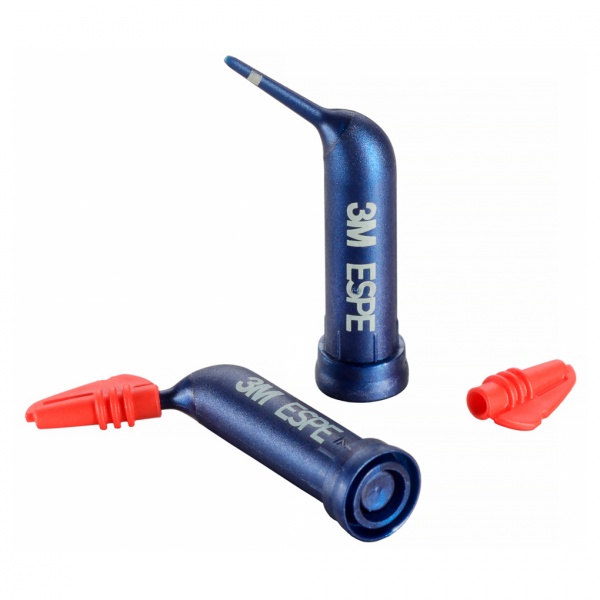
Each capsule contains approximately 7.5 grams of paste, providing enough material to treat up to three teeth per application. The capsules fit most standard composite dispensing guns, meaning that practices do not need to purchase proprietary hardware to adopt this product. The patented extra-fine tip features soft edges and an orientation ring that corresponds to periodontal probe markings, giving clinicians a tactile and visual depth reference during placement. The narrow diameter of the tip is specifically designed to access tight interproximal areas where retraction cord placement can be difficult or impossible without causing tissue trauma.
Key Specifications at a Glance
Specification | Details |
Active ingredient | 15% aluminum chloride |
Product form | High-viscosity astringent paste |
Delivery system | Single-use capsule with patented extra-fine tip |
Capsule capacity | Approximately 7.5 g (treats up to 3 teeth) |
Compatibility | Most standard composite dispensing guns |
Impression compatibility | VPS, polyether, and digital intraoral scanners |
Recommended dwell time | Minimum 2 minutes |
Packaging options | Refill pack (25 capsules) or value pack (100 capsules) |
Approximate price range | $109–$136 per 100-capsule value pack |
Clinical rating | 91% (The Dental Advisor, 612 uses, 30 consultants) |
Manufacturer | Solventum (formerly 3M Oral Care) |
The product is available through major dental distributors. For practices comparing supplier options, the dental supply distributor guide on Dental Reviewed covers pricing and service comparisons across leading vendors.
How 3M Astringent Retraction Paste Works
The product combines chemical hemostasis with mechanical tissue displacement, addressing both bleeding control and sulcular access in a single application step. Understanding these two mechanisms helps clinicians set realistic expectations for what the paste can and cannot achieve in different clinical scenarios.
Chemical Hemostasis
When the 15% aluminum chloride paste contacts gingival tissue, it causes protein coagulation on the epithelial surface and constricts surrounding blood vessels. This dual chemical action stops active bleeding and dries crevicular fluid, producing the moisture-free environment required for accurate impression capture. Practitioner feedback consistently describes the hemostatic effect as exceptionally durable, with multiple clinicians reporting that bleeding does not resume even after thorough rinsing, a common frustration with liquid hemostatic agents that only provide temporary control while in contact with tissue.
Compared to ferric sulfate, another widely used hemostatic agent, aluminum chloride causes less tissue staining and discoloration. This distinction is particularly relevant for anterior restorations where any discoloration around the gingival margin would be clinically visible and aesthetically unacceptable.
Mechanical Tissue Displacement
The high-viscosity paste physically pushes marginal gingival tissue away from the tooth surface as it fills the sulcus. This mechanical displacement opens the sulcular space, exposing the preparation finish line for impression material or a digital scanner to capture. The paste maintains sufficient body to resist gingival rebound throughout the two-minute application period, ensuring sustained retraction while the astringent takes effect.
This combination of chemical hemostasis and mechanical displacement differentiates retraction pastes from both liquid hemostatic agents (which provide hemostasis but minimal tissue displacement) and plain retraction cord (which provides mechanical displacement but relies on supplemental chemical agents for hemostasis).
Step-by-Step Application Guide
Correct technique is essential for achieving predictable results with any retraction material. Minor deviations in application, timing, or cleanup can compromise hemostasis, tissue displacement, or impression accuracy. The following protocol reflects manufacturer instructions and best practices reported by experienced clinicians.
Place the capsule firmly in a compatible composite dispensing gun and remove the protective cap immediately before use. Do not shorten or modify the rounded tip, as this creates sharp edges that risk tissue damage.
Extrude a small amount of paste onto a mixing pad and discard it. This priming step ensures smooth, consistent flow during sulcular delivery.
Rinse the sulcus thoroughly with water and dry lightly with air. A clean starting field allows the astringent to make direct contact with tissue for maximum effectiveness.
Using the orientation ring as a depth guide, gently insert the extra-fine tip into the gingival sulcus.
Slowly and steadily inject the paste while moving circumferentially around the preparation until the sulcus is completely filled.
Leave the paste in place for a minimum of two minutes. Keep all moisture away from the site during this period. Exceeding the recommended dwell time may cause tissue irritation, so a timer helps maintain consistency.
Remove the paste completely using air-water spray and thorough suction. All residual material must be eliminated before proceeding to avoid interference with impression accuracy.
Proceed immediately with the chosen impression technique, whether analog (VPS, polyether) or digital scanning.
For cases requiring greater displacement than the paste provides alone, place a single small-diameter retraction cord (such as 00 or 0) first, then apply the paste over it. This combination approach delivers the sustained mechanical pressure of cord together with the superior hemostasis of the paste. Many experienced clinicians have adopted this hybrid protocol as their default strategy for preparations with deep subgingival margins or tissue that resists displacement from paste alone.
One important note on timing: the two-minute dwell time begins after the paste is fully placed, not when the capsule is first loaded into the dispenser. Clinicians working on multiple teeth should plan their workflow so that each application site receives the full two-minute contact period before rinsing.
Clinical Indications and Recommended Use Cases
The 3M Astringent Retraction Paste is indicated for temporary retraction of marginal gingiva in patients with healthy periodontium. Understanding where this product excels, and where its limitations begin, helps clinicians select the appropriate tissue management approach for each individual case.
Crown, bridge, inlay, onlay, and veneer preparations requiring precise margin capture with either analog or digital impression techniques
Pre-scan tissue management for digital intraoral scanning, where the scanner applies no physical pressure to displace tissue on its own
Cementation of temporary and permanent restorations, where a dry retracted sulcus helps ensure clean cement margins and reduces the risk of subgingival excess
Class II and Class V direct restorations with subgingival or near-gingival finish lines that require temporary tissue displacement for access and moisture control
Supplemental hemostasis and displacement when used alongside a single retraction cord in more demanding clinical scenarios
For practices that have adopted digital impression workflows, effective pre-scan retraction is especially critical. Unlike traditional impression materials that physically push tissue during seating, an intraoral scanner relies entirely on pre-existing tissue displacement to capture subgingival margins accurately.
This product is not indicated for patients with active periodontal disease, significant gingival inflammation, or compromised attachment levels. Periodontal health should be optimized before elective retraction procedures are performed.
3M Astringent Retraction Paste vs. Retraction Cord
The choice between retraction paste and retraction cord is one of the most actively debated topics in contemporary restorative dentistry. Both approaches have well-established clinical track records, and each offers distinct advantages depending on the clinical scenario. The following comparison draws on published research and independent evaluations.
Tissue Displacement
Retraction cords impregnated with astringent solutions generally achieve greater horizontal and vertical tissue displacement than paste systems due to the sustained mechanical pressure a packed cord exerts. Load cell testing has demonstrated that cord can generate residual pressure of approximately 400 milligrams on sulcular tissue, compared to substantially lower pressure values from paste-based systems.
However, an in vivo study published in the Journal of Conservative Dentistry found that the 3M astringent retraction paste achieved the highest gingival displacement value (0.50 mm) among three retraction systems tested, narrowly outperforming stay-put retraction cord (0.48 mm) and Expasyl paste (0.34 mm). These results suggest that the 3M paste can deliver competitive displacement under controlled conditions on healthy tissue, particularly when the preparation margin does not extend deeply below the gingival crest.
Hemostasis
Hemostatic performance is consistently cited as one of the strongest clinical attributes of the 3M paste. Practitioner feedback from sources including The Dental Advisor and independent user reviews describes the product as one of the most effective hemostatic agents available. Multiple clinicians report that once the paste is applied and then rinsed away, bleeding does not return, even under the mechanical challenge of impression-taking. Non-impregnated retraction cords provide minimal hemostasis on their own and typically require supplemental hemostatic solutions.
Tissue Health and Safety
A systematic review published in the International Journal of Prosthodontics and Restorative Dentistry analyzed ten studies comparing retraction cord and retraction paste. The review concluded that pastes are less likely to disrupt the junctional epithelium or damage supracrestal tissue height compared to mechanical cord packing. Five of the included studies found higher bleeding index values following cord removal compared to paste removal.
This tissue-sparing profile makes retraction paste an especially attractive option for esthetic zone restorations where even minor recession can compromise the outcome. When gingival margin stability is a priority, as in anterior veneer or crown cases, reducing mechanical trauma during the impression phase helps preserve the soft tissue architecture that defines the final esthetic result.
Chair Time and Efficiency
Multiple studies have demonstrated that retraction paste systems require less placement time and are easier to manipulate than retraction cord, particularly in posterior regions where visibility and access are limited. Three studies cited in the systematic review consistently showed that paste systems needed less chair time for placement, with the 3M product claiming a retraction process that is up to 50% faster than cord-based techniques. For practices managing full schedules, this time savings adds up across a day of restorative procedures.
Patient Comfort
The atraumatic nature of paste application often eliminates the need for local anesthesia during the retraction step. Patients generally report less discomfort compared to the mechanical packing of cord into the sulcus, making paste a practical choice when additional anesthesia is undesirable or when working with patients who have dental anxiety.
Clinical Evidence and Independent Evaluations
Clinical claims from any manufacturer carry more weight when supported by independent testing and published research. The 3M Astringent Retraction Paste has been evaluated through both independent clinical assessments and peer-reviewed studies that provide evidence for its effectiveness and safety profile.
The Dental Advisor Clinical Rating
The Dental Advisor evaluated the 3M Astringent Retraction Capsule through a comprehensive study involving 30 dental consultants and 612 clinical uses. The product received a 91% clinical rating. Evaluators highlighted its excellent hemostatic properties, the clean dry sulcus it produces, and the narrow tip design that facilitates precise sulcular placement. Published consultant comments described the product as the best paste retraction system evaluated, with the narrow tip diameter receiving particularly strong praise for enabling access in tight interproximal spaces.
In Vivo Displacement Comparison
A comparative in vivo study published in the Journal of Conservative Dentistry (PMC) assessed three retraction systems across 40 participants divided into four groups. The 3M astringent retraction paste achieved the highest displacement at 0.50 mm, with all experimental groups producing statistically significant displacement compared to the untreated control group. These findings provide clinical evidence that paste-based retraction can deliver results that match or exceed cord-based techniques when applied correctly on healthy periodontium.
Systematic Review on Paste vs. Cord
The systematic review in the International Journal of Prosthodontics and Restorative Dentistry examined ten studies (nine randomized, one quasi-randomized) comparing retraction cord and retraction paste. The review found that while cords achieve wider and longer-lasting displacement overall, pastes offer meaningful advantages in tissue preservation, including less gingival inflammation, lower risk of junctional epithelium disruption, and reduced damage to supracrestal tissue height. The review also confirmed that paste placement was consistently faster and easier than cord placement across all included studies.
Three-Year Clinical Follow-Up
A three-year follow-up study on retraction paste use for ceramic veneer and crown cementation, indexed in PubMed, confirmed that astringent retraction pastes can serve as viable alternatives to cords in selected cases. Documented advantages over the observation period included improved patient comfort, faster clinical technique, elimination of anesthesia requirements, and reduced tissue trauma.
Tips for Optimizing Clinical Results
The following recommendations draw on published evaluations and experienced clinician feedback. For broader guidance on integrating restorative materials and dental equipment essentials into clinical workflows, additional practice-focused resources are available on Dental Reviewed.
Always prime the capsule before sulcular delivery to ensure smooth, consistent paste flow and prevent sputtering or uneven dispensing
Start with a clean, dry sulcus because residual blood, saliva, or debris dilutes the astringent and reduces hemostatic effectiveness
Use the orientation ring as a reliable depth reference to avoid over-insertion that could irritate deeper tissue structures
Consider compressing the paste with a cotton pellet or retraction cap after dispensing to improve tissue contact and displacement quality
Respect the two-minute minimum dwell time but avoid significantly exceeding it, as prolonged contact risks tissue irritation
Combine with a single small-diameter cord (00 or 0) when treating preparations with deep subgingival margins or fibrous tissue
Invest adequate time in rinsing with air-water spray and thorough suction, as residual paste can interfere with impression material accuracy
Keep capsules sealed in their foil blister pouches until immediately before use to maintain material integrity and shelf life
Bottom Line
The 3M Astringent Retraction Paste delivers on its core clinical promises. The combination of reliable hemostasis, a well-engineered delivery system, and broad compatibility with analog and digital workflows makes it a genuinely useful addition to any restorative practice. The product is not limited to a narrow set of procedures, as the range of applications from crown preparations to direct restorations to pre-scan tissue management gives it legitimate day-to-day utility.
The product performs best in routine crown and bridge work, single-unit restorations, and cases involving healthy periodontium with margins at or slightly below the gingival crest. For these everyday scenarios, which represent the majority of restorative cases in general practice, the paste can replace a single retraction cord while providing comparable or superior bleeding control. The reduced tissue trauma and improved patient comfort are tangible clinical benefits confirmed through independent evaluations and published research.
For more demanding clinical situations involving deep subgingival preparations, fibrous tissue, or multi-unit cases requiring sustained displacement, the paste works most effectively as a complement to a single retraction cord rather than a standalone tool. The combination approach, using cord for baseline mechanical displacement and the paste for hemostasis and supplemental retraction, is a proven strategy that many experienced prosthodontists and general dentists have adopted.
The per-capsule cost is higher than traditional cord, but when factoring in time savings, improved patient comfort, reduced anesthesia requirements, and consistent hemostatic performance, the value proposition holds up well for most practices. For clinicians exploring other restorative materials from the same manufacturer, the 3M Scotchbond Universal Plus Adhesive review offers a complementary perspective on the Solventum dental product line.
Verdict
<p>The 3M Astringent Retraction Paste represents a meaningful step forward in soft tissue management for restorative procedures. Its greatest clinical strengths are the outstanding hemostatic performance, which consistently outperforms liquid agents and non-impregnated cord, and the patented delivery system that makes sulcular access faster and more predictable than traditional cord packing.</p><p>For the typical crown preparation on a patient with healthy gingiva and margins at or near the gingival crest, this product can replace a single retraction cord and deliver equal or better results in less time. The reduced tissue trauma, the elimination of anesthesia in many cases, and the infection control advantage of single-use capsules all contribute to a better patient experience and a more efficient clinical workflow.</p><p>Expectations should be managed in cases involving deep subgingival margins, thick fibrous tissue, or extensive multi-unit preparations. In these scenarios, the paste functions best as an adjunct to cord. This is not a limitation unique to the 3M product, as all retraction pastes on the market face the same displacement ceiling compared to the sustained mechanical pressure of a packed cord.</p><p>At roughly $1.10 to $1.36 per capsule, the cost is higher than cord on a per-use basis, but the clinical returns in time savings, predictability, and patient comfort make the investment justifiable for most restorative practices. Earning a 91% clinical rating from 30 independent consultants across 612 uses is a strong endorsement that aligns with real-world feedback from practicing dentists. For practices committed to efficient, patient-centered restorative care, the 3M Astringent Retraction Paste earns a confident recommendation.</p>
Frequently Asked Questions
Does the paste work with digital impressions?
Yes. The product is compatible with both traditional impression materials and digital intraoral scanner workflows. Pre-scan retraction is especially important because digital scanners do not apply physical pressure to displace tissue the way traditional impression materials do.
How many teeth can one capsule treat?
Each capsule contains approximately 7.5 grams of paste and can treat up to three teeth, depending on tooth size and the extent of sulcular coverage required.
What dispensing gun is needed?
The capsules are compatible with most standard composite dispensing guns. No proprietary or specialized hardware is required, which makes integration into existing practice workflows straightforward.
Is this product suitable for patients with gum disease?
The product is indicated only for patients with healthy periodontium. Patients with active periodontal disease, significant gingival inflammation, or compromised attachment should be managed with alternative techniques, and periodontal health should be optimized before elective retraction procedures are performed.
What clinical rating has this product received?
The Dental Advisor assigned the product a 91% clinical rating after evaluating it across 612 uses by 30 independent dental consultants. Evaluators praised the hemostatic effectiveness, the clean sulcus it produces, and the narrow tip design.
Can the capsule tip be trimmed for a better fit?
No. The manufacturer warns against shortening or modifying the rounded tip. Trimming creates sharp edges that could damage delicate gingival tissue during placement.
How does the cost compare to retraction cord?
On a per-use basis, the paste is more expensive than cord. A 100-capsule value pack typically costs $109 to $136, placing the per-capsule cost at roughly $1.10 to $1.36. Many practitioners find that time savings, reduced need for supplemental hemostatic products, and improved patient comfort offset the higher material cost.
Does the paste interfere with impression materials?
When removed completely with air-water spray and suction as directed, the paste does not interfere with VPS, polyether, or other impression materials. Thorough removal before impression-taking is essential for accurate margin capture.
Where can dental professionals purchase this product?
The 3M Astringent Retraction Paste is available through major dental supply distributors including Patterson Dental, Henry Schein, Net32, and authorized online retailers. The product is sold in 25-capsule refill packs and 100-capsule value packs.