Malocclusion Class III: Types, Causes, And Treatment Options
Malocclusion class III is one of the most clinically significant bite conditions encountered in orthodontics and dentofacial orthopedics. Commonly referred to by patients as an...
Written by Maren Solvik
Read time: 8 min read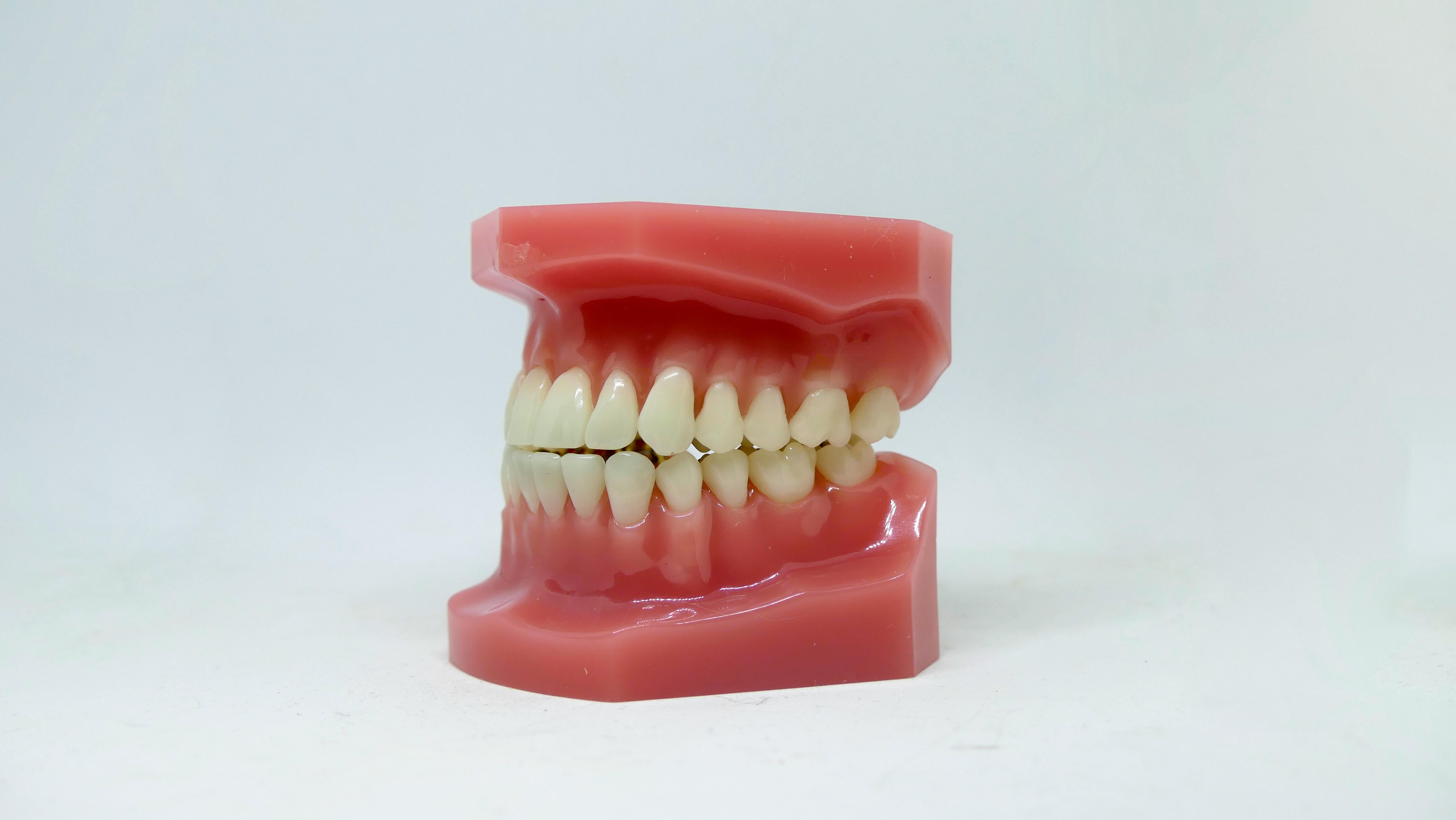
Malocclusion class III is one of the most clinically significant bite conditions encountered in orthodontics and dentofacial orthopedics. Commonly referred to by patients as an underbite or prognathism, it describes a jaw relationship in which the lower dental arch sits ahead of the upper arch, resulting in a characteristic concave facial profile and, in most cases, a negative overjet. The condition spans a wide clinical spectrum, from a subtle functional shift in a young child that resolves with a simple appliance to a severe skeletal discrepancy in an adult that requires combined orthodontic and surgical care.
Understanding malocclusion class III requires looking beyond the teeth themselves. The underlying cause may involve an overgrown mandible, a deficient maxilla, a combination of both, or a purely dental malalignment with otherwise normal jaw bones. Each scenario carries different clinical implications, different ICD-10 codes, and a different treatment pathway. For patients who have just received a diagnosis, the terminology can feel overwhelming. For clinicians, staying current on classification systems, diagnostic criteria, and evidence-based treatment options is essential for delivering optimal care.
This article covers the full scope of malocclusion class III, from Angle's foundational classification system to the latest evidence on camouflage treatment in adults, surgical correction options, early intervention for children, and everything in between.
TL;DR
Class III malocclusion describes a bite relationship where the lower arch is positioned forward relative to the upper arch, which can stem from skeletal, dental, or functional causes, and each type requires a distinct treatment approach.
Diagnosis involves clinical examination, cephalometric radiography, and ICD-10 coding (most commonly M26.213), along with a careful distinction between true skeletal class III and pseudo-class III malocclusion.
Treatment options range from face mask therapy and functional appliances in children to orthodontic camouflage for mild adult cases, with combined surgical-orthodontic treatment reserved for severe skeletal discrepancies.
Early consultation, ideally by age 7, significantly expands treatment options and can prevent the need for surgery later in life.
Understanding Angle's Classification: Class I, II, And III
Angle's classification of malocclusion, introduced by Edward Angle in 1899, remains the most widely used framework for categorizing occlusal relationships in clinical orthodontics. The classification is based on a single anatomical landmark relationship: the position of the mesiobuccal cusp of the maxillary first permanent molar relative to the buccal groove of the mandibular first permanent molar.
The system divides malocclusion into three primary categories. Class I describes a correct molar cusp-groove relationship where dental crowding, spacing, or tooth-level malalignment may still be present despite normal jaw positioning. Class II, or distoclusion, occurs when the mandibular molar is positioned distally, producing the appearance of a receding lower jaw. Class III, or mesioclusion, is the reverse: the mandibular molar is mesially positioned ahead of the maxillary first molar, bringing the lower arch forward.
Class II is further divided into Division 1 (proclined maxillary incisors and increased overjet) and Division 2 (retroclined maxillary incisors and a deep overbite). The angle classification of malocclusion class III does not carry universally standardized divisions in the same way, though clinical subtypes are recognized based on the origin of the discrepancy, as covered in the next section.
Class III malocclusion is the least common presentation in Caucasian populations, with a reported prevalence of roughly 1 to 5 percent. In East Asian populations, prevalence figures of 15 to 20 percent have been reported in epidemiological studies, reflecting a strong hereditary component. Understanding the malocclusion class 1, 2, and 3 framework, and where class III fits within it, is fundamental to any meaningful clinical or patient-level discussion about bite correction.
Class | Molar relationship | Facial profile | Key features |
|---|---|---|---|
Class I | Normal (cusp-groove correct) | Straight | Crowding or spacing; normal overjet and overbite |
Class II Div. 1 | Mandible distal | Convex | Proclined upper incisors, increased overjet |
Class II Div. 2 | Mandible distal | Convex | Retroclined upper incisors, deep overbite |
Class III | Mandible mesial | Concave | Negative overjet, anterior crossbite, prominent chin |
What Is Class III Malocclusion? Definition And Types
Class III malocclusion is broadly defined as a condition in which the mandibular arch is positioned forward relative to the maxillary arch, the maxilla is posteriorly positioned relative to the mandible, or both discrepancies are present simultaneously. The clinical hallmarks are a concave facial profile, a prominent lower jaw or chin, and, in most cases, a negative overjet, where the lower incisors sit anterior to the upper incisors.
What makes class III diagnosis nuanced is the variation in underlying origin. A patient presenting with a significant negative overjet may have a skeletal problem, a purely dental compensation, a functional shift with near-normal jaw bones, or a combination of all three. Distinguishing between these presentations is critical because the treatment approach differs substantially across subtypes, and misclassification leads to poorly targeted intervention.
Skeletal Class III Malocclusion
The skeletal class III malocclusion definition centers on a structural jaw discrepancy rather than a purely dental malalignment. In these cases, the ANB angle on lateral cephalometric analysis is negative or significantly reduced, indicating that the mandible is positioned anteriorly to the maxilla at the skeletal level. Three skeletal variants exist: mandibular prognathism (excess mandibular size or forward position), maxillary retrognathia (a deficient or posteriorly positioned upper jaw), and a combination of both.
Class III malocclusion prognathism carries a strong hereditary basis and is associated with prominent facial features, including a strong jaw, a flat or concave midface, and an anterior crossbite. The profile of these patients is characteristically concave. Surgical correction is typically required in moderate-to-severe cases once growth is complete.
Dental (Dentoalveolar) Class III Malocclusion
Dental or dentoalveolar class III describes a case in which the teeth are in a class III relationship, typically with the lower incisors anterior to the upper, but the underlying skeletal bases are within normal limits. This is less common as a pure presentation and often coexists with a mild skeletal component. Class III cuspid malocclusion and class III molar malocclusion are specific terms used to describe the positional relationship of individual tooth groups within the arch, and these are assessed at both the canine and first molar landmarks during clinical evaluation.
Pseudo Class III Malocclusion
Pseudo-class III malocclusion is a functional condition, not a structural one. In these cases, the mandible shifts forward on closure due to a premature occlusal contact, most commonly in the incisor region, that deflects the jaw anteriorly from its true rest position. At rest, or when the mandible is guided into centric relation, the underlying skeletal relationship may be near Class I or only mildly Class III.
Pseudo class III is most common in the primary and mixed dentition, and distinguishing it from true skeletal class III is one of the most clinically important diagnostic tasks in pediatric orthodontics. Pseudo class III malocclusion treatment differs fundamentally from treatment for a true skeletal discrepancy: the functional shift can often be resolved with a simple appliance, while a true skeletal presentation may require orthopedic or surgical intervention. Leaving pseudo-class III undiagnosed allows repeated mandibular displacement that can perpetuate and worsen the jaw relationship over time.
Functional Class III, Subdivision Types, And Edge-To-Edge Presentations
Functional class III malocclusion overlaps closely with pseudo class III and similarly involves mandibular displacement rather than intrinsic skeletal excess. Class III subdivision malocclusion is an asymmetric presentation: the class III molar relationship exists on one side only, with a class I or class II relationship on the contralateral side. This unilateral pattern adds diagnostic complexity and can involve facial asymmetry that requires careful assessment before treatment planning.
Class III malocclusion edge-to-edge bite describes a transitional state in which upper and lower incisal edges meet directly, without positive or negative overjet. This may represent a borderline case, a compensated class III, or an intermediate stage in treatment. Class III malocclusion open bite occurs when the anterior teeth do not contact at all, adding a vertical dimension of discrepancy to the existing sagittal problem. An open bite combined with class III is among the more complex presentations clinically and frequently warrants surgical correction.
Type | Jaw relationship | Cephalometric finding | Common treatment |
|---|---|---|---|
Skeletal class III | Mandibular excess / maxillary deficiency | Negative ANB angle | Camouflage or orthognathic surgery |
Dental (dentoalveolar) | Normal skeletal bases | Normal ANB, dental compensation | Orthodontic treatment only |
Pseudo class III | Functional shift, near-normal skeleton | Normalizes in centric relation | Early functional appliance |
Subdivision | Asymmetric unilateral class III | Asymmetric jaw position | Case-by-case assessment |
Edge-to-edge | Mild sagittal discrepancy | Borderline or compensated | Orthodontic or camouflage |
Open bite + class III | Sagittal + vertical discrepancy | Negative ANB, open anterior | Typically surgical-orthodontic |
What Causes Class III Malocclusion? Etiology And Risk Factors
The etiology of class III malocclusion is multifactorial. Genetics play a dominant role in skeletal presentations, but developmental, environmental, and systemic factors can contribute to or amplify an underlying predisposition. A thorough etiology assessment informs not only treatment planning but also the counseling of families about growth monitoring and early intervention.
Genetics. Mandibular prognathism has a well-documented hereditary basis. Families with a strong jaw profile across multiple generations often reflect autosomal dominant inheritance patterns. The condition's higher prevalence in East Asian, some Mediterranean, and Middle Eastern populations further reinforces genetic causation.
Mandibular overgrowth. Excessive condylar growth during development produces a disproportionately large or anteriorly positioned mandible. This is the defining cause of true skeletal class III malocclusion and is the primary target in orthognathic surgical planning.
Maxillary deficiency. Restricted forward growth of the maxilla, whether genetic or secondary to cleft palate repair, leaves the mandible appearing prognathic even when it is within normal limits. Maxillary deficiency is the primary indication for face mask therapy in growing patients.
Premature occlusal contacts. A single premature tooth contact in the mixed dentition can cause the mandible to shift forward on closing, generating pseudo-class III. If uncorrected, repeated displacement can influence growth direction over time.
Systemic and endocrine conditions. Acromegaly, caused by excess growth hormone secretion, produces mandibular overgrowth in adults. Gigantism affects jaw growth during childhood. Crouzon and Apert syndromes produce midface deficiency that creates an apparent class III facial appearance.
Cleft lip and palate repair. Surgical repair of the palate, while necessary, can restrict maxillary forward growth, leaving these patients with a significant midface deficiency and a functional class III relationship as they mature.
Mouth breathing and tonsillar hypertrophy. Chronic mouth breathing alters tongue posture and can influence jaw growth direction during development, contributing to or worsening developing class III tendencies.
If a parent, sibling, or grandparent has a noticeable underbite, there is a meaningful chance the condition has a genetic basis. This does not mean treatment is inevitable, but it does mean early monitoring is worthwhile. An orthodontic assessment by age 7 is the recommended starting point.
Diagnosing Class III Malocclusion: Clinical Assessment, Radiology, And ICD-10 Codes
Accurate diagnosis of class III malocclusion requires a structured approach that integrates clinical examination, photographic records, dental models, and cephalometric analysis. Skeletal class III malocclusion radiology findings often reveal patterns that are not apparent on visual examination alone, and the mandibular shift that defines pseudo-class III can be subtle and easily missed without a deliberate assessment protocol.
Clinical Examination
The clinical examination begins with a facial profile assessment. A concave class III malocclusion profile, characterized by a prominent chin, a flat or retropositioned midface, and a short upper lip, is the hallmark of skeletal presentations. Patients with pseudo-class III may present with a more neutral or borderline profile.
Key components of the intraoral assessment include:
Molar relationship: assessing whether the class III molar malocclusion is bilateral or unilateral (subdivision)
Overjet measurement: class III malocclusion overjet is typically negative, with lower incisors in front of upper incisors, compared with a normal overjet of 2 to 4 mm
Overbite or open bite: Some class III cases present with a reduced or negative overbite (class III malocclusion overbite) or a frank anterior open bite
Shift on closure: guiding the patient from rest to centric occlusion reveals any mandibular displacement, which is the key diagnostic marker for pseudo-class III
TMJ assessment: class III malocclusion. TMJ evaluation is important in adults, as significant skeletal discrepancies can create abnormal condylar loading and contribute to temporomandibular symptoms over time
Radiological Assessment And Cephalometrics
The lateral cephalogram is the primary imaging tool for class III diagnosis. Key cephalometric measurements include the SNA angle (maxillary position, normal approximately 82 degrees), the SNB angle (mandibular position, normal approximately 80 degrees), and the ANB angle (the difference between SNA and SNB). In skeletal class III, ANB is typically at or below 0 degrees. The Wits appraisal provides a supplementary linear measurement of sagittal jaw discrepancy that is less affected by cranial base angulation.
Panoramic radiographs support assessment of dental development, root morphology, tooth count, and gross TMJ anatomy. Cone beam computed tomography (CBCT) is indicated for complex cases, including pre-surgical planning, condylar asymmetry evaluation, and cases where three-dimensional anatomy will influence the surgical approach. Dental phosphor plates and digital imaging systems form an important part of capturing the radiographic records required across all stages of class III treatment.
Growth assessment adds a critical layer to diagnosis in patients who are still developing. Cervical vertebral maturation staging, assessed on the lateral cephalogram, is now a widely used method for estimating skeletal maturity without additional radiation exposure. This guides the timing of orthopedic appliances, comprehensive orthodontics, and surgical planning.
ICD-10 Codes For Class III Malocclusion
Accurate coding is essential for clinical documentation, insurance communication, and interdisciplinary referral. The relevant ICD-10-CM codes for class III and related malocclusions are:
ICD-10 Code | Description | Clinical use |
|---|---|---|
M26.213 | Malocclusion, Angle's class III | Primary code for class III molar relationship, dental or skeletal |
M26.212 | Malocclusion, Angle's class II | For class II documentation (malocclusion Angle's class II ICD-10) |
M26.211 | Malocclusion, Angle's class I | For class I documentation or comparison |
M26.12 | Macrognathism (mandibular excess) | When mandibular prognathism is the documented primary finding |
M26.04 | Hypoplasia of the maxilla | When maxillary deficiency is the primary finding |
The class III skeletal malocclusion ICD-10 code most commonly documented is M26.213, regardless of whether the primary discrepancy is dental or skeletal, unless a more specific diagnosis, such as M26.12 (for documented mandibular prognathism), is more accurate. Clinicians should always verify codes against the current CMS ICD-10-CM tables before use in billing or records.
Class III Malocclusion In Children: When To Intervene And What To Expect
Class III malocclusion in children presents a clinical window that does not exist for adult patients: the ability to modify jaw growth while it is still occurring. The American Association of Orthodontists recommends that every child receive an initial orthodontic evaluation by age 7, and class III presentations, especially pseudo-class III, are among the strongest arguments for early consultation.
The first diagnostic task in pediatric assessment is distinguishing pseudo-class III from true skeletal class III. In the primary or early mixed dentition, pseudo-class III is common and highly treatable with simple functional appliances. A true skeletal class III in a young child signals the need for growth monitoring and, depending on severity, early orthopedic intervention. Missing this distinction is one of the most consequential diagnostic errors in pediatric orthodontics.
Interceptive treatment options for children with class III malocclusion include:
Face mask (reverse-pull headgear). The face mask applies a forward and downward force to the maxilla through elastic attachments to an expansion device. It is the most evidence-backed orthopedic approach for maxillary deficiency in children aged approximately 6 to 10. Timing is important: the palatal suture must still be open for meaningful skeletal protraction to occur.
Removable inclined plane. For pseudo class III, a removable appliance with an inclined acrylic ramp redirects the mandible posteriorly on closing, eliminating the premature contact that drives the forward shift. It is often one of the fastest-acting appliances in pediatric orthodontics for selected cases.
Class III elastics. Class III malocclusion elastics run from a hook on the lower arch to a hook on the upper arch in a direction that applies a retrusive force to the mandible and a forward force to the maxilla. They are used in combination with fixed or removable appliances.
Functional appliances. Modified functional appliances such as the Fränkel type III aim to provide posture-based guidance of jaw growth. Their effects are predominantly dental in many cases, and long-term skeletal change is variable.
Chincup therapy. More commonly used in some East Asian centers, the chin cup applies a restraining force to the chin to limit mandibular forward growth. Its use in Western practice has declined as evidence for skeletal efficacy has been mixed.
If your child's lower teeth sit visibly in front of the upper teeth when biting down, or if you notice the jaw shifting to one side on closing, that warrants an orthodontic assessment. Early evaluation does not always mean early treatment, but it almost always means better and more options.
The average cost of jaw alignment treatment for a child varies widely depending on the appliance type, geographic region, and insurance coverage. Interceptive treatment in childhood is often less costly overall than comprehensive treatment combined with surgery in adulthood. Many orthodontic practices offer a free initial consultation for class III malocclusion evaluation, and it is worth requesting this when scheduling.
Class III Malocclusion Treatment Options: From Camouflage To Surgery
The treatment of class III malocclusion is among the most complex decision-making processes in orthodontics. No single protocol applies universally, and the right approach depends on the severity of the skeletal discrepancy, the patient's age and growth status, dental and periodontal health, anticipated facial profile outcome, and the patient's own goals and preferences. A comprehensive dental treatment plan developed in collaboration between an experienced orthodontist and, when surgical treatment is under consideration, an oral and maxillofacial surgeon is the recommended starting point for any moderate or severe case.
Orthodontic Camouflage For Class III Malocclusion
Class III malocclusion camouflage is the correction of a bite discrepancy through tooth movement alone, without surgically altering the jaw relationship. The goal is to move the teeth in a direction that compensates for the underlying discrepancy, typically proclining the maxillary incisors and retroclining the mandibular incisors, so that the resulting occlusion is functional and aesthetically acceptable even though the jaw relationship itself is unchanged.
A narrative review on class III malocclusion therapeutic approaches confirms that camouflage can produce stable, functional outcomes in carefully selected adult patients. Selection criteria are important: camouflage is most appropriate for mild to moderate skeletal discrepancies (ANB angle typically greater than –4 degrees), an acceptable or only mildly concave facial profile, a healthy periodontium capable of supporting tooth movement, and no significant vertical dimension involvement.
In modern camouflage treatment, temporary anchorage devices (TADs), small titanium mini-screws placed in the jawbone, have become a valuable tool for providing supplemental anchorage during complex tooth movements, particularly lower incisor retraction. Class III elastics are routinely used alongside fixed appliances to reinforce the sagittal correction throughout active treatment.
The limitations of camouflage treatment are important to communicate clearly to patients. The jaw relationship itself does not change, which means improvement in facial profile is limited. Camouflage applied to a severe skeletal class III case may result in excessive incisor inclination that compromises periodontal health, creates an unstable occlusal relationship, or produces a smile line that the patient finds unsatisfactory.
Functional And Orthopedic Appliances For Growing Patients
For patients in the growth phase, orthopedic appliances can produce modest jaw-level changes that reduce the severity of the discrepancy before comprehensive orthodontic treatment begins. The class III malocclusion face mask is the most extensively studied appliance in this category and carries the strongest evidence base for maxillary protraction in children aged 6 to 10. Rapid maxillary expansion is commonly combined with face mask therapy to open the palatal suture and increase the maxillary complex's responsiveness to protraction forces.
The long-term skeletal effect of growth modification is subject to ongoing debate in the literature. Many studies confirm a meaningful short-term improvement in jaw relationship, but some of the skeletal gain is lost during adolescent mandibular growth. For this reason, growth modification in early childhood is often described as phase one of a two-phase treatment plan, with phase two comprehensive orthodontics, and sometimes surgery, following growth completion.
Surgical-Orthodontic Treatment: Orthognathic Surgery
Class III malocclusion orthognathic surgery is the definitive treatment for patients with significant skeletal discrepancies who have completed growth. Growth completion is confirmed through cephalometric comparison over 12 to 18 months, and surgical planning proceeds only when the jaw relationship has stabilized. Proceeding before growth completion risks relapse of the surgical correction as the mandible continues to grow.
The surgical options include:
Bilateral sagittal split osteotomy (BSSO). The most commonly performed procedure for class III correction. The mandible is surgically set back to reduce its prominence relative to the maxilla. It is performed under general anesthesia and requires a multi-week recovery period.
Le Fort I osteotomy. The maxilla is surgically advanced to correct maxillary retrognathia. This is the preferred approach when the primary discrepancy is a deficient upper jaw rather than a truly excessive mandible.
Bimaxillary surgery. Both jaws are repositioned simultaneously. This is often the most precise approach in severe cases, as it distributes the correction between both jaws for optimal facial balance, minimizing the movement required at any single site.
Pre-surgical orthodontics is conducted before the operation. This phase decompensates the teeth, reversing the natural dental compensations that have accumulated over the years, so that when the jaws are repositioned surgically, the teeth will close correctly. This phase temporarily worsens the bite in some cases, which is normal, expected, and an important aspect to discuss with patients in advance.
Recovery from orthognathic surgery typically involves a liquid or soft-food diet for four to six weeks, with a full dietary return around three months post-operation. Swelling peaks within the first week and gradually resolves over six to twelve months as the tissues adapt to the new jaw position. Numbness of the lower lip, chin, and cheek regions is common in the early post-operative period and generally resolves, though the timeline varies by patient.
In the United States, orthognathic surgery costs typically range from $20,000 to $40,000 or more, depending on the complexity of the procedure, the surgical team, hospital or surgical center fees, and geographic location. These are approximate figures, and actual costs vary significantly. Medical insurance may cover surgical costs when a documented functional impairment, difficulty chewing, breathing, or swallowing, is clearly established. Pre-authorization should be requested in writing before any commitment to a surgical treatment plan. For guidance on understanding your dental insurance benefits and available coverage options, reviewing your plan's orthodontic and surgical provisions with the insurer directly is the recommended first step.
Clear Aligners And Invisalign For Class III Malocclusion
Clear aligner therapy, including class 3 Invisalign treatment, can be used for selected class III cases, primarily mild dental class III presentations and moderate camouflage scenarios. A comparative study published in the Journal of Pharmacy and Bioallied Sciences confirmed that both clear aligner therapy and fixed appliances achieve comparable improvements in dental alignment and occlusal stability, with patient satisfaction slightly favoring aligners. However, the evidence base is strongest for class I and mild class II cases, and aligners have recognized limitations with torque control and significant anteroposterior corrections.
For true skeletal class III cases, fixed appliances, with or without TADs and class III elastics, offer superior biomechanical control. Many orthodontists use a combined approach for surgical cases: fixed appliances for the complex decompensation movements, with aligner therapy for finishing and refinement after surgery. Patients frequently ask how clear aligners compare to traditional braces for class III malocclusion. The answer depends entirely on the severity and type of the class III presentation: a qualified orthodontist can determine what aligner therapy can realistically achieve in each individual case based on clinical records and cephalometric findings.
Retention After Class III Treatment
Retention is an essential phase of any class III treatment plan and should be considered from the outset of treatment planning, not as an afterthought. The forces that contributed to the original malocclusion do not disappear after orthodontic tooth movement, and without adequate retention, relapse is a real risk, particularly in skeletal cases where growth has not fully stopped.
Fixed lingual retainers bonded behind the upper and lower anterior teeth provide continuous passive retention. Removable retainers worn at night are commonly prescribed alongside fixed retention for additional support. In post-surgical patients, retention protocols are more intensive and are designed around the new jaw relationship, often including longer-term night guard wear. Maintaining good oral hygiene during the active treatment phase is also critical: reviewing the dental braces care guide and selecting the best toothbrush for braces during treatment contributes meaningfully to hygiene outcomes and the long-term success of the correction.
Treatment type | Best suited for | Changes jaw position? | Approximate duration |
|---|---|---|---|
Face mask/protraction | Growing children (ages 6–10), maxillary deficiency | Yes, partially | 9–18 months (phase 1) |
Orthodontic camouflage | Mild–moderate class III adults, adequate profile | No | 18–30 months |
Clear aligners | Mild dental class III, selected camouflage | No | 12–24 months |
Orthognathic surgery | Severe skeletal class III, post-growth adults | Yes, surgically | Pre-surgical: 12 months; Surgery + recovery: 3–6 months |
Special Considerations In Class III Management
Several clinical areas intersect with class III malocclusion management and deserve specific attention: speech, the temporomandibular joint, remote care options, and, for veterinary professionals or curious patients, how the angle classification applies to animals.
Speech Therapy And TMJ Considerations
Class III malocclusion speech therapy is a relevant adjunct for patients whose negative overjet affects articulation. The most commonly impacted sounds are sibilants, the ‘s,’ ‘z,’ and ‘sh’ sounds, which require precise tongue-to-tooth contact that a negative overjet disrupts. Speech therapy is most effective when coordinated with the orthodontic treatment timeline, ideally beginning before or during active treatment rather than after correction is complete.
Regarding the temporomandibular joint: class III malocclusion and TMJ dysfunction do not carry a simple cause-and-effect relationship, but clinicians should screen for TMJ symptoms before and during any treatment sequence, particularly in adult surgical cases. Mandibular setback surgery alters condylar position and loading patterns, and pre-existing TMJ pathology can influence surgical approach, recovery, and long-term joint health. TMJ assessment should be part of any comprehensive class III evaluation.
Teleorthodontics And Class III Evaluation
A growing number of practices offer virtual consultations and remote monitoring platforms, raising the question of whether teleorthodontic services can support class III malocclusion evaluation. Teleorthodontics is genuinely useful for initial triage, patient education, progress monitoring in established cases, and minor follow-up appointments. However, class III malocclusion diagnosis, particularly for skeletal or surgical presentations, requires in-person clinical and radiographic assessment. No remote platform can substitute for a lateral cephalogram, a clinical bite evaluation, or the assessment of a mandibular shift on guided closure. Complex class III cases should always begin with an in-person consultation with a qualified orthodontist.
Class III Malocclusion In Veterinary Dentistry
The angle classification is also applied in veterinary dentistry. Malocclusion class 3 in dogs, also termed class III canine malocclusion or mandibular mesioclusion, describes a condition in which the dog's mandible protrudes beyond the maxilla, producing an underbite similar in anatomical appearance to the human presentation. Certain brachycephalic breeds, such as Bulldogs, Pugs, and Shih Tzus, are intentionally selected for this characteristic jaw relationship. In other breeds, the same presentation is considered pathological and may cause dental trauma, difficulty eating, or other functional problems. Veterinary dental treatment differs substantially from human orthodontics but employs the same Angle classification terminology.
Finding Care And Understanding Costs
Navigating the path from diagnosis to treatment for class III malocclusion involves practical considerations that go well beyond the clinical. Understanding how to find the right provider, navigate costs, and work through documentation efficiently makes the process significantly less stressful for both patients and clinicians.
Finding the right provider. Class III malocclusion, particularly skeletal and surgical cases, should be managed by a board-certified orthodontist with demonstrable experience in complex bite correction. For surgical cases, an oral and maxillofacial surgeon (OMFS) works in direct collaboration with the orthodontist. Board certification by the American Board of Orthodontics (ABO) and membership in relevant professional organizations provide a reliable indication of training quality and ongoing professional engagement. When evaluating a practice, before-and-after records from complex class III cases are one of the most informative indicators of surgical and orthodontic experience.
Insurance and coverage. Reviewing Delta Dental coverage details or the terms of your specific dental plan before committing to treatment is essential. Orthodontic treatment is typically covered under dental insurance up to a lifetime maximum, commonly $1,500 to $2,500 for adults and often higher for children. Surgical treatment may qualify for coverage under medical insurance when documented functional impairment, such as difficulty chewing, breathing, or swallowing, is established. We strongly recommend obtaining written pre-authorization for surgical cases, and patients should confirm coverage details with both their dental and medical insurers before treatment begins.
Reading and understanding your treatment plan. For patients newly diagnosed with class III malocclusion, reading your treatment plan carefully is one of the most useful steps you can take. Treatment plans for complex bite cases often span multiple pages, covering phased procedures, cost breakdowns, and projected timelines. Understanding each line item reduces anxiety and enables patients to ask better questions at follow-up appointments.
For clinicians: treatment plan documentation. For orthodontists and dentists managing high volumes of complex cases, efficient treatment plan creation platforms reduce administrative overhead. Knowing how to prepare a dental treatment plan that clearly communicates clinical findings, ICD-10 codes, phased procedures, and referral rationale improves both insurer communication and patient understanding. For cases requiring surgical collaboration, referencing implant treatment planning workflows can be helpful when tooth replacement is also part of the long-term prosthetic plan, for example, in class III patients who also present with congenitally missing teeth.
When dental replacement is part of the long-term plan, a dental bridge or implant restoration may need to be considered in the context of the corrected bite and jaw position, making pre-treatment prosthetic consultation an important part of comprehensive class III planning.
Bottom Line
Malocclusion class III is a broad and clinically significant category that spans functional shifts in young children, mild dental discrepancies manageable with camouflage orthodontics, and severe skeletal jaw mismatches that require surgical correction to achieve stable, meaningful results. Getting the diagnosis right and distinguishing between pseudo-class III, dental class III, and true skeletal class III is the foundational step toward choosing a treatment approach proportionate to the problem.
For growing patients, early intervention with orthopedic appliances like the face mask offers a real opportunity to reduce discrepancy severity before the growth window closes. For adults with mild to moderate discrepancies, orthodontic camouflage can produce functional, stable results without surgery when patients are appropriately selected. For patients with significant skeletal discrepancies or severe profile concerns, combined orthodontic and surgical treatment provides the most comprehensive, durable, and predictable outcome.
Regardless of the treatment path, success depends on accurate diagnosis, experienced providers, realistic patient expectations, and a commitment to the retention phase that follows active treatment. The earlier the assessment, the wider the range of options available to both patient and clinician.
This article is for informational purposes only and does not constitute medical advice. Always consult with qualified healthcare professionals for diagnosis and treatment recommendations specific to your situation.
Frequently Asked Questions
What is the most common name for class III malocclusion?
Class III malocclusion is most commonly called an underbite in everyday language. Clinically, it may be referred to as mandibular prognathism when the lower jaw is in excess, maxillary retrognathia when the upper jaw is deficient, or mesioclusion using Angle's original terminology. The specific name used in clinical documentation depends on the underlying cause.
What is the ICD-10 code for malocclusion Angle’s class III?
The primary ICD-10-CM code is M26.213 – Malocclusion, Angle’s class III. If mandibular prognathism is the documented primary finding, M26.12 (macrognathism) may also apply. Clinicians should confirm all codes against the current CMS ICD-10-CM tables before use in billing or documentation.
What is pseudo-class 3 malocclusion, and how is it treated?
Pseudo class 3 malocclusion involves a functional forward shift of the mandible on closing, caused by a premature occlusal contact rather than true jaw excess. At rest, the underlying skeletal relationship is near normal. Treatment typically involves a removable inclined plane or a fixed appliance designed to eliminate the premature contact, allowing the mandible to close in its correct position. Early intervention in the primary or early mixed dentition produces the best outcomes.
Can class III malocclusion be treated without surgery in adults?
In mild to moderate cases, yes. Orthodontic camouflage – moving the teeth to compensate for the jaw discrepancy without surgically altering the jaw relationship – can produce functional and aesthetically acceptable results. Significant skeletal discrepancies, severe profile concerns, or cases with large negative overjets are better addressed with orthognathic surgery for the most complete and stable correction.
How do clear aligners compare to traditional braces for class III malocclusion?
Clear aligners are appropriate for mild dental class III cases and selected camouflage scenarios. Traditional fixed appliances provide better biomechanical control for complex tooth movements and are typically preferred for surgical-orthodontic cases. A clinical assessment, including cephalometrics, is needed to determine which approach is appropriate in any individual case.
At what age should a child with an underbite be evaluated?
Ideally, by age 7, and sooner if the underbite is visually apparent or if a jaw shift on closing is observed. Early evaluation allows clinicians to distinguish pseudo-class III from true skeletal class III, take advantage of the growth window for orthopedic treatment, and plan phased care where needed. An early evaluation does not always mean early active treatment – it means having the information to act at the optimal time.
Does class III malocclusion affect speech?
A significant negative overjet can affect the articulation of sibilant sounds such as ‘s,’ ‘z,’ and ‘sh.’ Speech therapy can help and is generally most effective when coordinated with the orthodontic treatment plan. Speech therapy does not substitute for orthodontic or surgical correction of the underlying bite.
Is class III malocclusion treatment covered by insurance?
Orthodontic treatment for class III malocclusion is typically covered under dental insurance up to a lifetime maximum. Surgical treatment may qualify for medical insurance coverage when functional impairment is documented. Coverage details vary significantly by plan, and pre-authorization is advisable for surgical cases. Reviewing your specific policy before committing to treatment is the recommended approach.