10 Best Denture Adhesives For A Secure Fit In 2026
A denture adhesive helps a denture stay put through meals, conversations, and long days. Wearers choose between creams, powders, and strips, each with different hold times and...
Written by Mantas Petraitis
Read time: 7 min read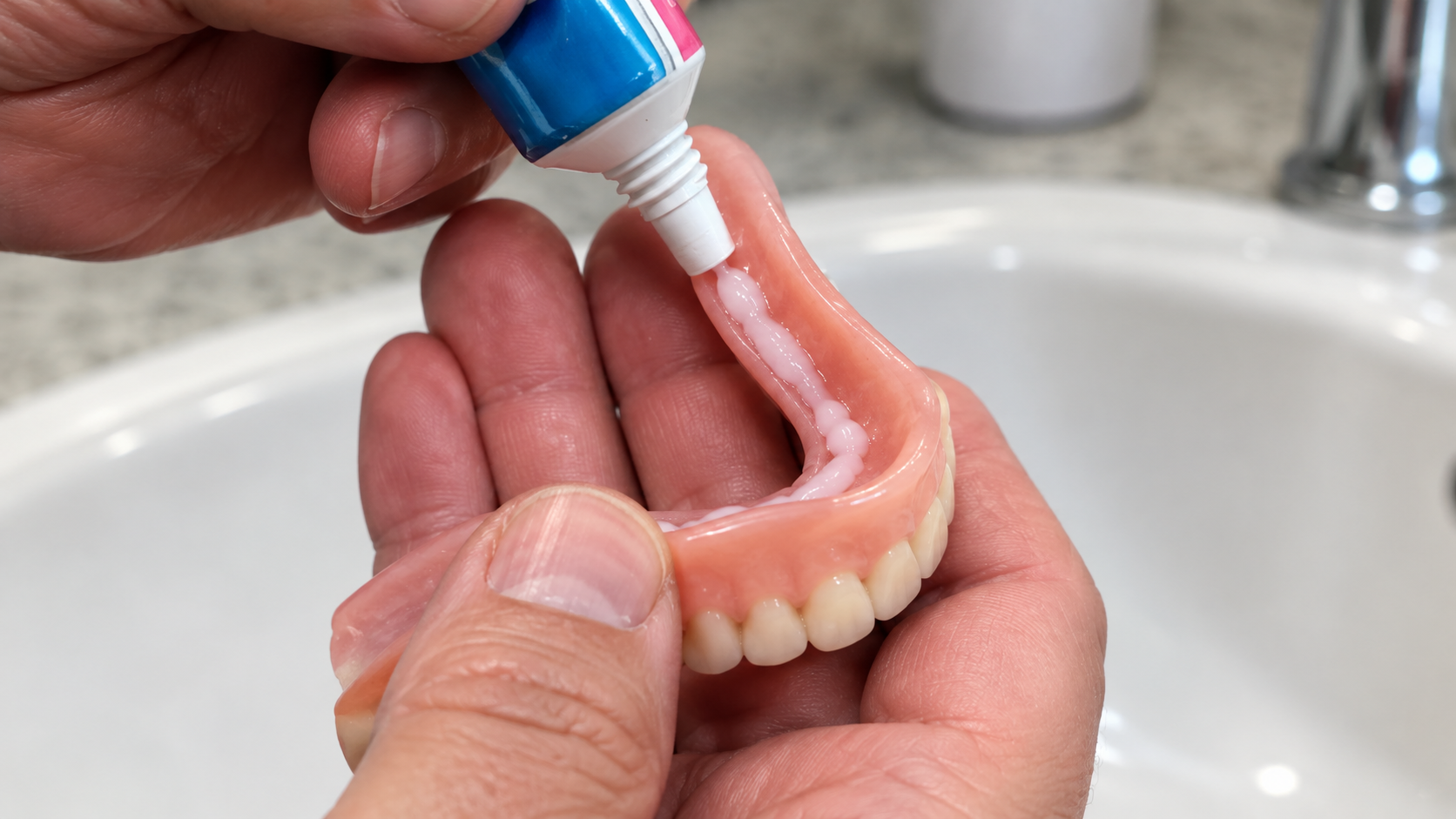
A denture adhesive helps a denture stay put through meals, conversations, and long days. Wearers choose between creams, powders, and strips, each with different hold times and cleanup. This guide ranks the best denture adhesive options for 2026, compares Fixodent and Poligrip, and covers alternatives worth trying.
TL;DR
Creams hold longest, powders suit partial dentures, and strips work best for travel
Fixodent and Poligrip perform almost the same, so texture and taste often decide the winner
Zinc-free formulas protect against long-term nerve damage from daily overuse
A loose denture needs a dental visit, not a stronger adhesive
Quick Dentist-Recommended Choices
Best Overall
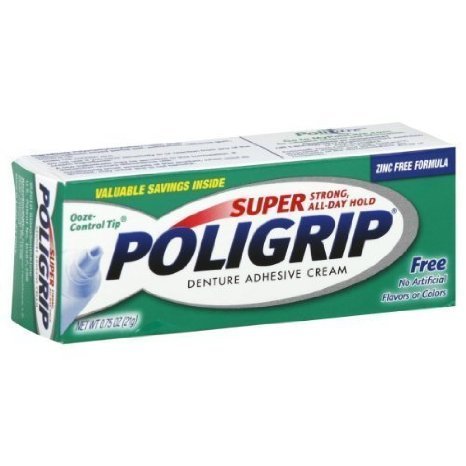
Super Poligrip Free Denture Adhesive Cream
Zinc-free, all-day hold with a neutral taste, the pick that shows up most often in dentist recommendations, about $6 to $9.
Best for Sensitive Gums
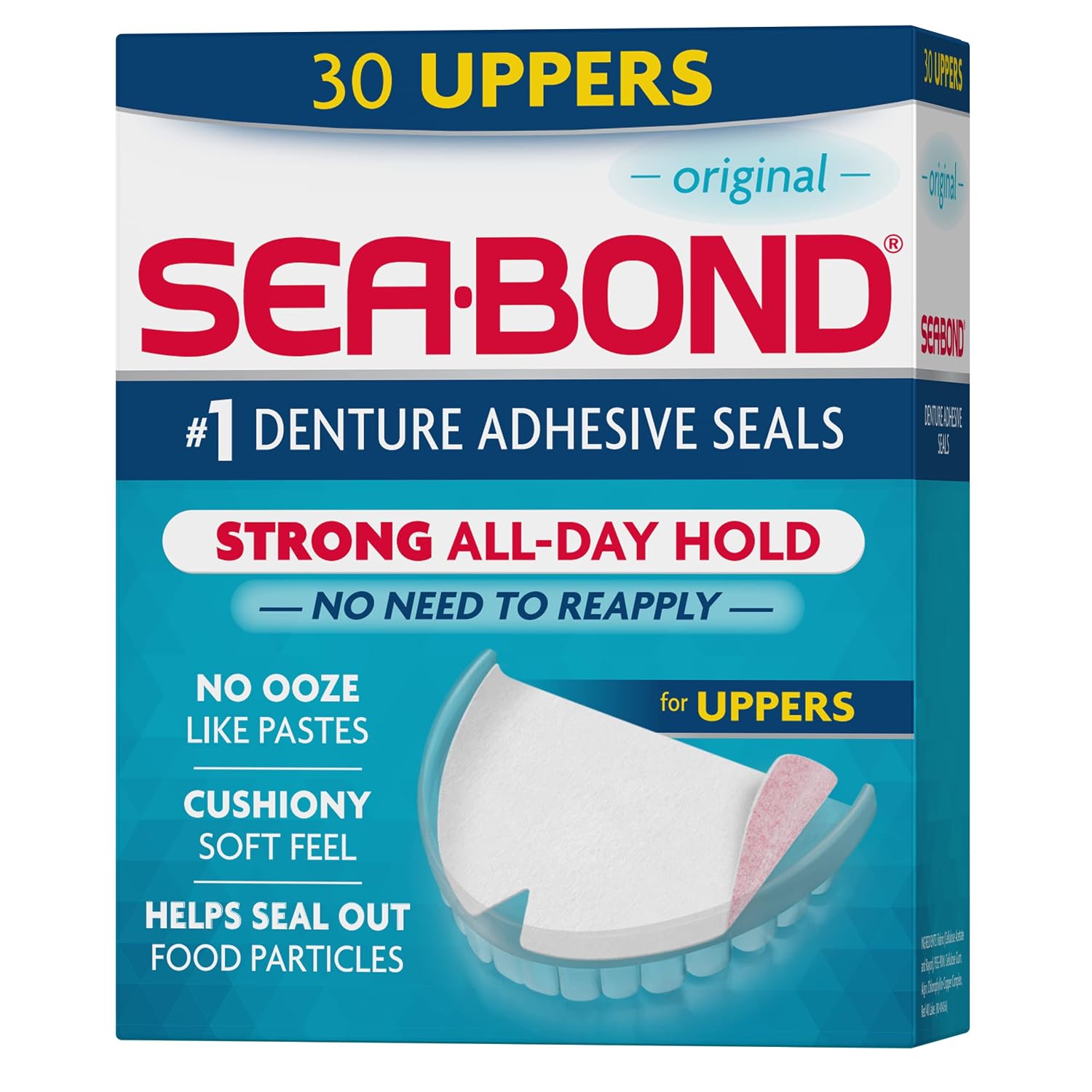
Sea-Bond Denture Adhesive Seals
A soft, double-sided wafer that holds through heavy saliva without any cream mess to clean up, about $6 to $9.
Best for Maximum Hold
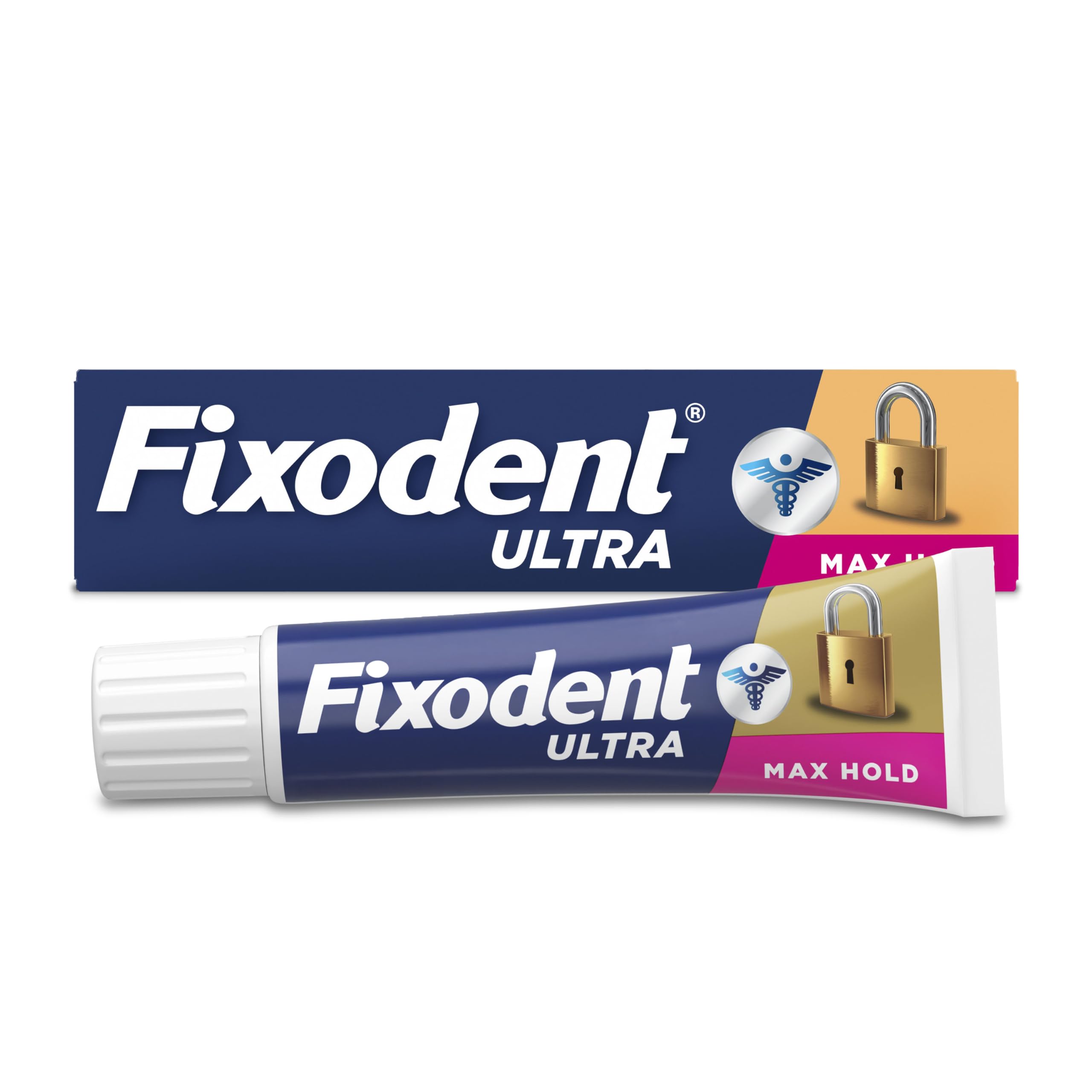
Fixodent Ultra Max Hold
The strongest hold in this guide, built for a loose or older denture that needs a firm all-day seal, about $7 to $10.
What Is Denture Adhesive?
Denture adhesive is a cream, powder, strip, or pad. It goes on the fitting surface of a denture. It fills tiny gaps between the denture and the gum tissue. This creates a tighter seal and cuts down on movement while eating or talking. Adhesive forms are grouped by texture and application method, and a dentist can confirm which type suits a given fit.
Why Do Denture Wearers Use Adhesive?
Adhesive gives a denture extra grip beyond natural suction and muscle control. It helps in several common situations, especially for new wearers still adjusting to a prosthesis.
A stronger hold while chewing and speaking
A cushioning layer over sore or uneven ridges
Fewer food particles trapped under the denture
Extra confidence for new denture wearers still learning to adjust
Adhesive works best on a denture that already fits well. A loose or shifting denture often signals bone loss or an old fit. That calls for a dental exam, not more cream.
Cream, Powder, Strip, Or Pad: Which Type Works Best?
Format is the first choice to make when picking an adhesive. Each format trades off hold time, mess, and ease of use. The table below compares the four common types.
Format | Hold time | Mess level | Best for |
|---|---|---|---|
Cream | Up to 12 hours | Moderate | Strongest overall seal |
Powder | Up to 10 hours | Low | Partial dentures with metal clasps |
Strips or pads | Up to 10 hours | Low | Travel and sensitive gums |
Thermoplastic | 2 to 4 days | Low | Temporary cushioning for sore spots |
Cream adhesives spread evenly and form the tightest seal against the gum. Powder works well on partials since it will not interfere with metal clasps. Strips and pads come pre-measured, which cuts down on mess. Thermoplastic adhesive, such as Cushion Grip, acts more like a soft liner than a glue.
Fixodent Vs Poligrip: How Do They Compare?
Fixodent and Poligrip are the two most recognized denture adhesive brands in the United States. Both offer creams and powders with an all-day hold. The table below lines up the two brands side by side.
Fixodent | Poligrip | |
|---|---|---|
Formats available | Cream, powder, dual adhesive cream | Cream, powder, comfort strips |
Zinc-free option | Fixodent Free | Poligrip Free |
Typical hold time | Up to 12 hours | Up to 12 hours |
Flavor | Neutral, low aftertaste | Slightly stronger flavor in some formulas |
Best for | All-day hold with a neutral taste | Widest format range, good for partials |
Price range | 6 to 10 dollars | 6 to 11 dollars |
Both brands perform close to each other in daily hold and food seal. The choice often comes down to texture, taste, and which format fits a daily routine best.
What Are The 10 Best Denture Adhesives?
The list below ranks ten denture adhesives sold across major United States retailers. Each entry notes how the product handles in daily use, not just what the label claims. Pricing reflects typical retail cost at the time of writing and may shift.
#1. Super Poligrip Free Denture Adhesive Cream
Super Poligrip Free tops this list for its zinc-free formula and steady dentist recommendations. Applied in a thin, even strip, hold stays firm through a full day of meals with no noticeable slipping by evening. Taste stays neutral even after several hours, and residue wipes away easily with a soft brush.
Price: about 6 to 9 dollars per tube
Where to buy: major pharmacies, Amazon, and Walmart
Format: cream
Best for: wearers who want a trusted, zinc-free option
Pros:
Strong all-day hold with little aftertaste
Zinc-free formula reduces long-term health risk
Cons:
Cream can feel messy if applied too thick
#2. Fixodent Ultra Max Hold
Fixodent Ultra Max Hold targets wearers who need the strongest possible grip. A single application holds through tough chewing, including nuts and raw vegetables, without shifting. Insertion needs a firm, even bite to seat fully, and oozing at the edges is a clear sign too much was applied.
Price: about 7 to 10 dollars per tube
Where to buy: Amazon, Walmart, and most pharmacies
Format: cream
Best for: maximum hold on a loose or older denture
Pros:
Among the strongest hold ratings in the category
Works well for both full and partial dentures
Cons:
Contains zinc, so daily heavy use should stay within label limits
#3. Fixodent Free
Fixodent Free removes zinc, dye, and added flavor from the brand's classic formula. Texture and hold feel close to the original, with no aftertaste detectable within the first hour of wear. Cushioning stays soft through the day rather than hardening at the edges.
Price: about 6 to 9 dollars per tube
Where to buy: Amazon, pharmacies, and grocery stores
Format: cream
Best for: wearers avoiding zinc or added flavoring
Pros:
Zinc-free and unflavored for a neutral daily routine
Same cushioning support as other Fixodent creams
Cons:
Hold time runs slightly shorter than the Ultra Max version
#4. Super Poligrip Power Max
Super Poligrip Power Max adds a food seal built for wearers who eat a wide range of textures. The precision tip lays down a controlled bead that seals tightly around the denture border. Particles stay out through a meal of rice or ground meat, a common test of seal quality.
Price: about 7 to 11 dollars per tube
Where to buy: Amazon, Walmart, and pharmacies
Format: cream
Best for: an extra food seal on top of standard hold
Pros:
Strong food seal reduces particles under the denture
Zinc-free formula
Cons:
Slightly stronger flavor than other Poligrip creams
#5. Poligrip Comfort Seal Strips
Poligrip Comfort Seal Strips replace cream with a pre-cut adhesive strip. Each strip seats in seconds without spreading or measuring. Hold softens by late afternoon on a lower denture with less natural suction, so a fresh strip mid-day suits a long shift or full day out.
Price: about 7 to 10 dollars per box
Where to buy: Amazon and major pharmacies
Format: strip
Best for: wearers who dislike cream mess
Pros:
Mess-free, pre-measured application
Easy to pack for travel
Cons:
Hold time runs shorter than cream on average
#6. Sea-Bond Denture Adhesive Seals
Sea-Bond seals work like a thin, double-sided wafer between the denture and gum. The wafer holds its shape through drinking and heavy saliva flow better than most creams tested side by side. Removal at night takes one motion, with no scrubbing needed to clear residue.
Price: about 6 to 9 dollars per box
Where to buy: Amazon, Walmart, and pharmacies
Format: wafer or seal
Best for: sensitive gums and heavy saliva
Pros:
Holds up well against saliva since it will not dissolve quickly
Simple to remove without cream residue
Cons:
Needs a snug denture base to seat correctly
#7. Fixodent Extra Hold Powder
Fixodent Extra Hold Powder gives a lighter feel than any cream on this list. A light, even dusting spreads further than an equal amount of cream and sits comfortably against metal clasps on a partial. Hold runs a few hours shorter than the brand's cream lineup by late in the day.
Price: about 6 to 8 dollars per container
Where to buy: Amazon and select pharmacies
Format: powder
Best for: partial dentures and a low-mess routine
Pros:
Lighter feel than most cream adhesives
Will not interfere with metal clasps
Cons:
Shorter hold time than top cream picks
#8. Cushion Grip Thermoplastic Adhesive
Cushion Grip works more like a soft liner than a traditional adhesive. Warmed briefly and pressed into place, the material molds to the exact contour of the ridge and stays soft enough to reseat if needed. A single application holds through several days of normal wear in practice.
Price: about 8 to 12 dollars per pack
Where to buy: Amazon and pharmacies
Format: thermoplastic
Best for: temporary cushioning over sore spots
Pros:
Lasts several days per application
Cushions sore spots on an older or ill-fitting denture
Cons:
Meant as a short-term fix, not a permanent solution
#9. Secure Denture Adhesive Cream
Secure is a smaller brand that holds up well against the two major names in side by side wear. The consistency runs slightly thicker than Fixodent or Poligrip, which makes it easier to control on a first try. Hold matches the major brands through a full day of normal use.
Price: about 8 to 12 dollars per tube
Where to buy: Amazon and the brand's own site
Format: cream
Best for: wearers open to trying a brand beyond the two major names
Pros:
Strong hold reported across both upper and lower dentures
Thicker consistency gives more control on application
Cons:
Less widely stocked in physical stores
#10. Secure Denture Adhesive Cushion Strips
Secure's cushion strips trade cream for a soft, pre-cut pad that sits directly over a sore ridge. The pad cushions a sharp or uneven ridge better than a thin layer of cream and holds through a full day without reapplication in most cases.
Price: about 7 to 10 dollars per box
Where to buy: Amazon and the brand's own site
Format: strip
Best for: sore spots that need cushioning as well as hold
Pros:
Cushions uneven ridges better than a cream layer
No measuring or spreading required
Cons:
Fewer retail locations than Fixodent or Poligrip
How Do The 10 Best Denture Adhesives Compare?
This table lines up all ten picks side by side. Use it to compare format, price, and best use case at a glance.
Product | Format | Zinc-free | Price range | Best for |
|---|---|---|---|---|
Super Poligrip Free | Cream | Yes | $6-$9 | Trusted zinc-free pick |
Fixodent Ultra Max Hold | Cream | No | $7-$10 | Maximum hold |
Fixodent Free | Cream | Yes | $6-$9 | Zinc-free, unflavored |
Super Poligrip Power Max | Cream | Yes | $7-$11 | Extra food seal |
Poligrip Comfort Seal Strips | Strip | Yes | $7-$10 | Mess-free application |
Sea-Bond Denture Adhesive Seals | Wafer | Yes | $6-$9 | Sensitive gums |
Fixodent Extra Hold Powder | Powder | No | $6-$8 | Partials with clasps |
Cushion Grip | Thermoplastic | Yes | $8-$12 | Temporary cushioning |
Secure Denture Adhesive Cream | Cream | Yes | $8-$12 | Alternative brand |
Secure Cushion Strips | Strip | Yes | $7-$10 | Cushioning sore spots |
What Are The Best Denture Adhesive Alternatives?
Some wearers prefer to skip adhesive entirely, or need a longer-term fix for a loose denture. The options below address the fit itself rather than adding a daily cream.
A denture reline, or refit, adjusts the base to match a changed gum ridge
Implant-supported dentures anchor to the jaw for a permanent, adhesive-free fit
A flexible base material can improve grip on its own in some cases
Thermoplastic cushioning adhesive works as a short-term bridge before a permanent fix
A flexible denture trades a rigid base for a material that flexes with the mouth. This can reduce the need for daily adhesive in some cases. Anyone with ongoing looseness should still see a dentist first.
How Do You Apply Denture Adhesive?
Correct technique matters more than the amount used. A thin, even layer outperforms a thick one, and the sequence below keeps the seal reliable from morning to night.
Clean and dry the denture fully. Any leftover moisture keeps the adhesive from bonding to the surface.
Apply a thin, even layer. A few small dots or short lines hold better than one thick strip.
Keep the adhesive away from the denture edges. Product near the border is what causes oozing once the denture is seated.
Insert the denture and hold it in place with light, even pressure across both sides.
Bite down gently for several seconds to let the seal set against the gum.
Wait a few minutes before eating or drinking so the adhesive finishes activating.
Remove leftover adhesive each night with warm water and a soft brush, then let the tissue rest until morning.
How Should You Clean Dentures That Use Adhesive?
Adhesive residue left on a denture attracts bacteria and stains over time. Choosing the best denture cleaner matters as much as picking the right adhesive.
Rinse the denture after each meal to clear loose food and residue. Brush it nightly with a soft, denture-specific brush and a non-abrasive cleaner. Soak it in an effervescent solution to reach spots a brush cannot. Keeping a denture moist overnight, in water or a mild soaking solution, preserves its shape and keeps the base from drying out.
A tongue scraper used each morning clears bacteria a denture brush misses. An antibacterial mouthwash adds a second layer of protection. Daily flossing rounds out the routine for wearers who still have natural teeth. A full oral hygiene routine covers the rest.
Bottom Line
Denture adhesive adds hold and comfort. It cannot fix a poorly fitting denture. Fixodent and Poligrip both perform well, and the pick between them usually comes down to preference. Zinc-free formulas are the safer default for daily, long-term use. A dentist can check ongoing looseness and log any fix in a dental treatment plan.
Frequently Asked Questions
What is denture adhesive used for?
Denture adhesive fills small gaps between a denture and the gum. This adds hold, comfort, and a tighter seal against food particles.
Is Fixodent or Poligrip better?
Both perform similarly in hold and food seal. Fixodent leans toward a neutral taste, and Poligrip offers more format options.
How often should you apply denture adhesive?
Once a day covers most wearers, applied fresh each morning. Reapplying mid-day is fine if the hold wears down early.
Are zinc-free denture adhesives safer?
Yes. Long-term, heavy use of zinc-containing adhesive has been linked to nerve damage from copper depletion. A zinc-free formula removes that risk entirely.