Zirconia Teeth Implants: Overview & Costs in The US
Zirconia teeth implants replace a missing tooth root with a metal-free ceramic post instead of titanium. This guide covers how they work, the top brands, real cost by tooth and by...
Written by Marcus Hale
Read time: 4 min read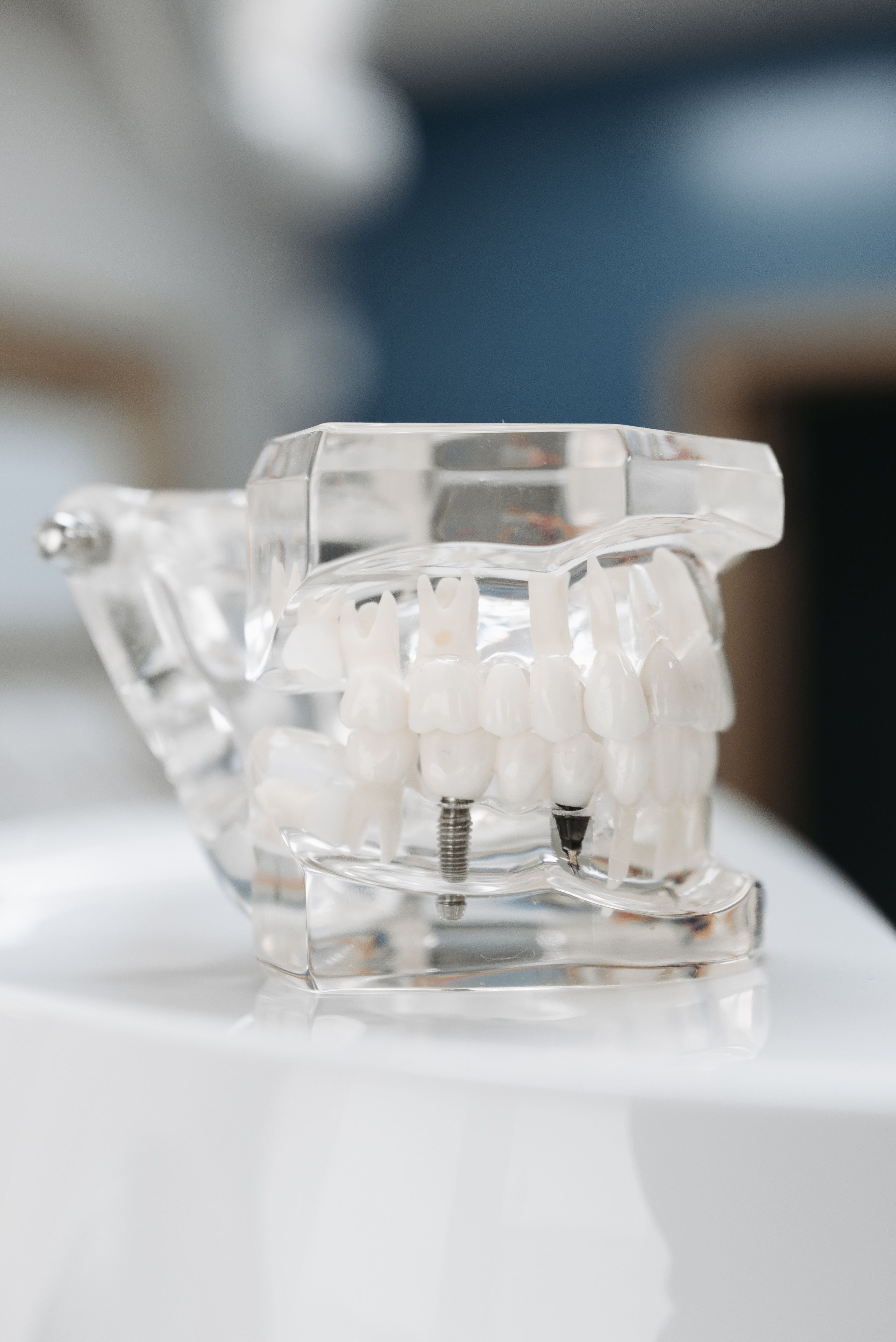
Zirconia teeth implants replace a missing tooth root with a metal-free ceramic post instead of titanium. This guide covers how they work, the top brands, real cost by tooth and by state, and the problems worth knowing before treatment.
TL;DR
Zirconia dental implants cost $3,000 to $8,500 per tooth, more for front teeth.
Straumann PURE leads the market, alongside Nobel Biocare, ZERAMEX, and Z-Systems.
Most zirconia implants are one-piece, fusing the post and abutment together.
Fracture risk and a shorter track record are the main trade-offs against titanium.
What Are Zirconia Teeth Implants?
Zirconia teeth implants are made from yttria-stabilized zirconium dioxide, a dense ceramic used in place of titanium. The material is not cubic zirconia, the lab-grown gemstone used in costume jewelry. It is also not pure zirconium metal. Dental zirconia is a ceramic compound, chosen for strength and its tooth-white color.
Most zirconia implants sold today use a one-piece design. The implant post and the abutment that holds the crown are fused into a single unit. Titanium systems are almost always two-piece, with a separate post and abutment. That structural difference shapes how each material gets placed and restored, covered in more detail later in this guide.
Zirconia implants remain a smaller share of the overall implant market than titanium. Reviews of brands like Neodent show most manufacturers build their core lineup around titanium. Zirconia is usually offered as a secondary, metal-free option.
How Zirconia Compares To Titanium
Titanium remains the more studied, more flexible default implant material for most patients. Zirconia serves a narrower, well-defined group of cases. The table below lines up the two materials on the factors patients ask about most.
Factor | Zirconia | Titanium |
|---|---|---|
Metal content | None | Titanium alloy or Roxolid blend |
Color | Tooth-white | Gray metal |
Design | Mostly one-piece | Mostly two-piece |
Fracture resistance | Lower than titanium | Higher |
Clinical track record | Shorter history | Decades of data |
Typical cost | 15 to 30 percent more | Baseline |
Neither material is a universal upgrade. Titanium suits most cases and carries the deepest evidence base. Zirconia earns its place for metal-sensitive patients, thin gum tissue, and strong aesthetic priorities in the front of the mouth.
Zirconia Dental Implant Companies
Fewer manufacturers build zirconia implants compared to titanium. The systems below carry the strongest clinical documentation and the widest use among dentists who place ceramic implants.
Straumann PURE Ceramic Implant System
Straumann built its zirconia line around a high-performance ceramic rated for higher fatigue strength than grade-4 titanium, according to Straumann's published data. Every implant passes a mechanical proof test before it leaves the factory. Straumann PURE ships in one-piece and bone-level, two-piece configurations. That gives dentists more flexibility than most competing ceramic systems.
Straumann carries the deepest published research base of any zirconia system on the market. A meta-analysis in Clinical Oral Implants Research points to favorable survival for Straumann and similar systems. A systematic review in Clinical Oral Investigations reaches a similar conclusion. The overall zirconia evidence base still trails titanium's.
Nobel Biocare NobelPearl
Nobel Biocare offers NobelPearl as the ceramic counterpart to its established titanium lineup. Nobel built its reputation on the All-on-4 treatment concept and digital planning tools. NobelPearl extends that same design philosophy to metal-free cases.
Z-Systems And ZERAMEX
Z-Systems built its brand on a fully metal-free composition and strong biocompatibility. It holds one of the longer track records among dedicated ceramic-implant specialists. ZERAMEX takes a different structural approach. It uses a screw-retained, two-piece ceramic design, a real departure from the usual one-piece format. That structure lets a dentist pick the abutment separately from the implant body. That flexibility is closer to how titanium systems already work.
Bredent WhiteSKY And Ceralog
Bredent whiteSKY and Ceralog Monobloc appear in comparative lab studies alongside Straumann PURE and ZERAMEX. Both brands see less consumer name recognition than Straumann or Nobel. That research history still confirms real manufacturing standards behind them.
Availability varies far more than it does for titanium. Not every general dentist places zirconia implants. The one-piece designs demand precise angle planning before surgery. Confirm a specific provider's experience with ceramic implants directly, not just general implant placement.
Zirconia Dental Implant Abutments
An abutment connects the implant post buried in the jaw to the visible crown on top. How that connection works differs sharply between one-piece and two-piece zirconia systems.
One-piece zirconia implants fuse the abutment directly to the post. That design removes the microscopic gap that can trap bacteria in a two-piece connection. The trade-off is permanence. The angle cannot be adjusted once placement and healing begin. That raises the stakes on precise surgical planning.
Two-piece systems like ZERAMEX allow a separate zirconia abutment. That gives a dentist room to correct angulation after placement. A 40-patient comparative study found zirconia abutments outperformed titanium for peri-implant soft tissue health. Marginal bone preservation was also better at three and six months. Zirconia abutments carry their own known fracture risk, separate from the implant body. Some dental lab technicians report seeing this in real-world cases.
Zirconia Implants For Front Teeth
Front teeth are where zirconia earns its strongest case over titanium. Gum tissue in the esthetic zone runs thin. A titanium post can cast a faint gray shadow through that tissue over time. Zirconia's white color avoids that risk entirely. Most patients notice the difference immediately in photos and in the mirror.
Front-tooth cases cost more than back molars. A zirconia implant in the esthetic zone typically runs $9,500 to $12,000. A comparable molar case runs $6,500 to $8,500. The gap reflects the cosmetic crown work, not the implant post itself. Front-tooth placement is also more technique-sensitive. That reinforces the earlier point about choosing a provider experienced with ceramic implants specifically.
Zirconia Dental Implants Cost
Zirconia dental implants cost $3,000 to $8,500 per tooth in the United States. Most patients land between $4,000 and $7,000 once the implant, abutment, and crown are bundled together. Front teeth run higher, covered above. Full-arch zirconia restorations run $20,000 to $35,000 or more per arch.
Zirconia carries a real premium over titanium, often 15 to 30 percent more. The raw ceramic costs more to source than titanium alloy. Milling it into an implant demands specialized CAD/CAM equipment. That adds laboratory cost on top of the material itself.
A typical quote bundles the consultation, imaging, surgical placement, abutment, and custom crown. Preparatory work often gets billed separately. Bone grafting or a sinus lift can add $500 to $4,500 depending on the extent of the graft needed.
A guide on preparing a dental treatment plan covers what a full quote should include.
Most dental insurance plans treat the implant fixture itself as elective and exclude it. Related steps like extraction or bone grafting are often covered around 50 percent. That coverage runs up to the plan's annual maximum. A guide to dental insurance types and the best dental insurance companies covers how major restorative coverage differs by plan.
Zirconia Dental Implants Cost By State
Location shifts the price nearly as much as the material choice does. The table below estimates the cost of a single zirconia tooth implant in every state.
No single published dataset prices zirconia implants for all 50 states. Each state's single-implant cost index is scaled to the $5,500 national zirconia midpoint. The scaling method is disclosed here. Treat the figures as informed estimates, not clinic quotes.
State | Estimated cost per tooth |
|---|---|
Alabama | $4,600 |
Alaska | $6,700 |
Arizona | $5,500 |
Arkansas | $4,700 |
California | $7,000 |
Colorado | $5,500 |
Connecticut | $5,700 |
Delaware | $5,900 |
District of Columbia | $6,400 |
Florida | $5,500 |
Georgia | $5,100 |
Hawaii | $6,700 |
Idaho | $5,300 |
Illinois | $5,600 |
Indiana | $5,000 |
Iowa | $4,900 |
Kansas | $4,900 |
Kentucky | $4,800 |
Louisiana | $5,000 |
Maine | $5,600 |
Maryland | $6,000 |
Massachusetts | $6,300 |
Michigan | $5,300 |
Minnesota | $5,400 |
Mississippi | $4,700 |
Missouri | $5,100 |
Montana | $5,500 |
Nebraska | $5,100 |
Nevada | $5,900 |
New Hampshire | $6,100 |
New Jersey | $6,200 |
New Mexico | $5,300 |
New York | $6,800 |
North Carolina | $5,200 |
North Dakota | $5,100 |
Ohio | $5,100 |
Oklahoma | $4,900 |
Oregon | $5,800 |
Pennsylvania | $5,600 |
Rhode Island | $5,900 |
South Carolina | $5,100 |
South Dakota | $5,000 |
Tennessee | $5,100 |
Texas | $5,400 |
Utah | $5,300 |
Vermont | $5,800 |
Virginia | $5,600 |
Washington | $6,000 |
West Virginia | $4,800 |
Wisconsin | $5,300 |
Wyoming | $5,400 |
The estimate multiplies each state's single-implant average by one ratio. That ratio compares the national single-implant average to the national zirconia midpoint. We have checked real clinic quotes for specific cases.
Southern and Appalachian states sit lowest, led by Alabama, Arkansas, and Mississippi. California, New York, Alaska, and Hawaii sit highest. That pattern tracks local cost of living and practice overhead. A written quote from a local provider is the only way to confirm an exact number.
Zirconia Implant Crown Codes
Insurance claims for zirconia implant crowns run through specific ADA billing codes. Understanding them helps a patient sanity-check a treatment plan and catch coding errors before they turn into a denied claim. A broader reference on dental codes covers the full CDT system beyond implants.
D6065, implant-supported ceramic crown, used when the crown attaches directly to the implant
D6058, abutment-supported ceramic crown, used when a separate abutment connects the implant to the crown
D6057, custom fabricated abutment, billed separately when milled specifically for the patient
The code that applies depends on the implant design. One-piece zirconia systems typically bill under D6065, since there is no separate abutment to report. Two-piece systems bill the abutment and crown separately, usually D6057 alongside D6058. Mismatched codes are a common reason insurers deny implant claims. Confirming the right code before treatment avoids billing surprises later.
Zirconia Dental Implants Problems And Side Effects
Zirconia implants carry real trade-offs against titanium. None of them rule the material out for the right patient.
Fracture risk. Zirconia is a strong ceramic, but ceramics flex less than metal under sudden or repeated stress. Patients who grind their teeth at night carry a higher fracture risk. The same goes for patients who play contact sports. A night guard or a frank conversation about bruxism belongs in that treatment plan before surgery.
Shorter clinical track record than titanium. Titanium has decades of published outcome data behind it. A peer-reviewed literature review on zirconia in dental implantology reports strong fracture toughness and favorable patient-reported outcomes so far. The overall evidence base is still smaller than titanium's. Zirconia implants simply reached the market more recently.
Placement is more technique-sensitive and less widely available than titanium. One-piece designs require precise angle planning before the first cut. There is no room to adjust afterward. Patients in smaller markets may need to travel to find an experienced provider.
Standard surgical risks apply the same as they do with any implant. These include infection, minor bleeding, and temporary numbness near the surgical site. None of these risks are unique to zirconia. They come with implant placement generally, regardless of material.
Who Is A Good Candidate For Zirconia Implants?
The clinical trade-offs above point toward a fairly specific patient profile. A short list helps translate the material science into a practical decision.
Patients with a documented metal sensitivity or allergy
Patients with thin gum tissue where a titanium post might show through
Patients replacing a front tooth where aesthetics matter most
Patients who want a fully metal-free mouth for personal or health reasons
Zirconia fits less well for patients with uncontrolled bruxism. Complex multi-unit cases needing maximum flexibility also fit less well. The same goes for anyone deciding mainly on upfront cost. A thorough dental implant treatment plan settles most of these questions before a material gets chosen. Patients with too little bone for a standard root-form implant sometimes qualify instead for subperiosteal implants. Patients who are not implant candidates at all can review flexible dentures as a non-surgical alternative.
Bottom Line
Zirconia teeth implants cost $3,000 to $8,500 per tooth, with front teeth and full-arch cases running higher. Straumann PURE leads a small but well-documented field that includes Nobel Biocare, ZERAMEX, and Z-Systems.
The material fits a specific patient profile best – metal-sensitive, thin gum tissue, or aesthetically driven front-tooth cases, rather than serving as a universal upgrade over titanium. Anyone weighing the decision should start with a written dental treatment plan from a provider experienced specifically with ceramic implant placement, not just implants in general.
This article is for informational purposes only and does not constitute medical advice. Always consult with qualified healthcare professionals for diagnosis and treatment recommendations specific to your situation.
Frequently Asked Questions
What are zirconia teeth implants made of?
Zirconia teeth implants are made from yttria-stabilized zirconium dioxide, a high-strength ceramic. It is not the cubic zirconia used in jewelry and not pure zirconium metal.
How much do zirconia dental implants cost?
Most patients pay $3,000 to $8,500 per tooth. The typical range runs from $4,000 to $7,000 once the implant, abutment, and crown are bundled. Front teeth and full-arch cases cost more.
Are zirconia dental implants better than titanium?
Neither material is a universal upgrade. Titanium has more clinical history and better fracture resistance. Zirconia fits metal-sensitive patients and thin gum tissue better, especially in the front of the mouth.
What are the problems with zirconia dental implants?
The main issues are lower fracture resistance than titanium and a shorter clinical track record. Availability is also limited, since not every dentist places ceramic implants.
Does Straumann make zirconia dental implants?
Yes. Straumann PURE is a zirconia ceramic implant system, available in one-piece and two-piece configurations. It carries the deepest published research base of any ceramic implant brand.
What is the code for a zirconia implant crown?
D6065 covers an implant-supported ceramic crown with no separate abutment. D6058 covers an abutment-supported ceramic crown, often paired with D6057 for a custom abutment.