Neodent Dental Implants: Cost, Quality, And Reviews Explained
Neodent dental implants combine a Brazilian manufacturing base with Swiss ownership under the Straumann Group. Patients want to know what they cost and how they hold up. Dentists...
Written by Maren Solvik
Read time: 6 min read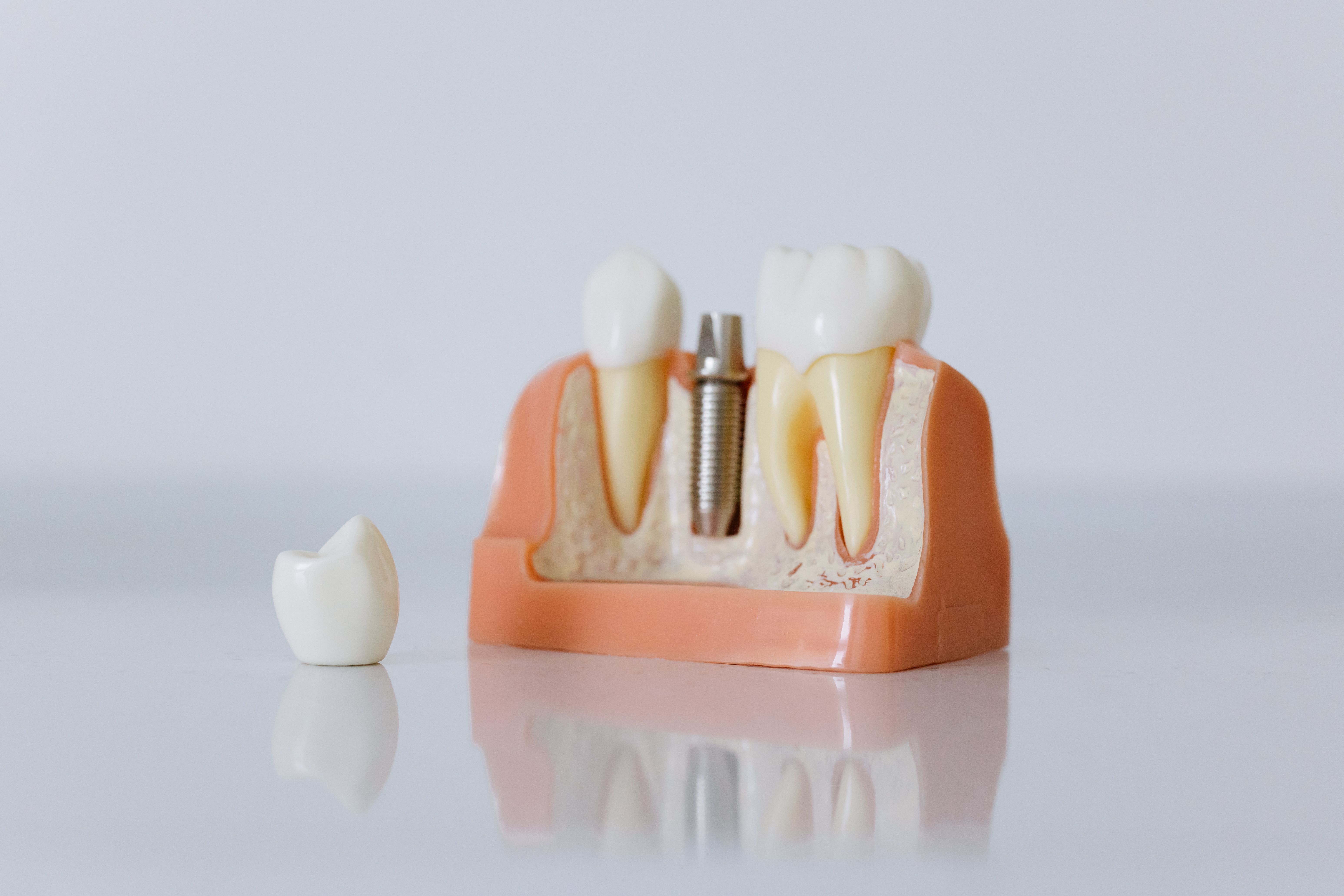
Neodent dental implants combine a Brazilian manufacturing base with Swiss ownership under the Straumann Group. Patients want to know what they cost and how they hold up. Dentists want to know if the system fits their workflow. This article answers both.
TL;DR
Neodent operates under the Straumann Group and ships implants to more than 80 countries each year.
A single Neodent-placed implant typically costs $3,000 to $6,000 in the US, matching general market rates for titanium implants.
The Grand Morse connection unifies healing abutments, scan bodies, and screwdrivers across every implant line.
Practices order through the Neodent eShop, which requires a separate login from a general Straumann account.
What Is Neodent
Neodent started in Curitiba, Brazil, and grew into one of the most widely distributed implant systems in the world. Patients researching the brand for the first time usually want two things clarified right away: who makes it, and how established the company actually is.
Neodent is now part of the Straumann Group, the Swiss-headquartered company known for premium implant and esthetic dentistry systems. That ownership matters for anyone comparing brands, since it puts Neodent under a larger corporate umbrella with shared quality processes, distribution, and research infrastructure, similar to how Straumann's own implant lines operate.
According to Neodent's own history page, the company was founded by the Thomé family and has spent close to three decades focused on implant dentistry. The brand markets itself around immediate treatment protocols, including same-day implant placement and same-day loading, and reports more than 3 million implants sold annually across over 80 countries.
Some patients search for the brand as "neo dental implants." That phrase refers to the same company, Neodent, not a separate manufacturer.
One distinction is worth stating plainly. Neodent is a component manufacturer, not a clinic chain. The company builds the implant fixtures, abutments, and prosthetic parts. A licensed dentist, periodontist, prosthodontist, or oral surgeon places and restores them. If a patient wants to know how a specific case was planned before any surgery happens, dental implant treatment planning covers the diagnostic steps that come before implant selection.
Is Neodent A Good Dental Implant Brand
Quality is the question that drives most of the search traffic around this brand. The honest answer has more nuance than a star rating, since implant success depends on the manufacturer, the surgeon, and the patient's own healing capacity.
Manufacturing And Materials
Neodent implants use titanium alloy fixtures, the same base material used across the vast majority of reputable implant systems on the market, including Straumann's implant lines and other major brands. The company also produces a zirconia option for patients who want a metal-free implant, covered in more detail below.
Regulatory Clearance
Implants sold in the US market fall under FDA medical device regulations. Patients and clinicians who want the exact current clearance status for a specific Neodent implant line should check the FDA's own device database directly, since clearance details are tied to specific product codes and can be updated.
Connection Design And Published Research
Neodent's flagship connection, Grand Morse, uses a Morse taper, or conical, implant-abutment interface. This is a well-studied connection category in implant dentistry, not a proprietary invention unique to Neodent. Published research on Morse taper connections and platform switching has examined fracture resistance and long-term stability of this connection type, which gives clinicians a body of independent literature to reference beyond manufacturer claims.
What Quality Actually Depends On
No implant brand succeeds on its own. The surgeon's technique, the patient's bone density and general health, and the follow-up care all shape the outcome as much as the fixture itself. A patient comparing brands should ask their own dentist which system they use and why, rather than choosing a clinic based on implant brand alone.
Quality factor | What it means for the patient |
|---|---|
Titanium alloy fixture | Used across nearly all major implant brands, including Neodent |
Zirconia option (Zi system) | Metal-free alternative for esthetic zones or metal sensitivity |
Grand Morse conical connection | A studied connection category, not exclusive to Neodent |
Parent company | Straumann Group, which applies a shared quality and regulatory infrastructure |
Surgical protocol | Supports immediate placement and immediate loading in eligible cases |
Neodent Implant Systems Explained
Neodent sells several implant lines built for different bone types and clinical situations. A patient does not need to request a specific model, since the treating dentist selects the line based on the case. Understanding the terminology still helps when reading a treatment plan or asking questions at a consultation.
Grand Morse (GM) System
Grand Morse is the platform that unifies Neodent's main implant lines under one prosthetic connection. According to Neodent's Grand Morse product documentation, the system covers treatment options from a single missing tooth to a fully edentulous arch, all using the same connection type.
Helix GM
The Helix Grand Morse implant is described as a hybrid design meant to work across different bone densities, from dense bone to softer bone. In plain terms, it is a versatile shape a dentist can reach for in more than one clinical situation without switching implant lines.
Drive GM
Drive Grand Morse is a tapered implant built for high primary stability in more difficult bone conditions, such as soft bone or a fresh extraction socket. Tapered designs generally grip better on insertion in these situations compared to a straight cylindrical shape.
Titamax GM
Titamax Grand Morse is a cylindrical implant indicated for denser bone types. It allows vertical placement and is typically used where bone quality is already favorable.
Zi Ceramic Implant System
For patients who specifically want a non-metal option, Neodent's Zi Ceramic system uses zirconia instead of titanium. It targets esthetic cases, thin gum tissue, and patients concerned about metal sensitivity, while still supporting immediate treatment protocols.
NeoArch And Zygomatic Implants
NeoArch targets full-arch, immediate-loading cases for patients missing all their teeth, including situations with significant upper jaw bone loss. Neodent's zygomatic implants extend into the cheekbone itself and serve as an alternative to bone grafting for patients with severe maxillary bone loss. Both are specialist procedures, typically handled by an oral surgeon or a periodontist with advanced training.
Implant line | Typical use case | Notes |
|---|---|---|
Helix GM | All bone types | Versatile, single-tooth to multi-unit |
Drive GM | Soft bone, extraction sockets | Tapered shape for primary stability |
Titamax GM | Denser bone | Cylindrical, vertical placement |
Zi Ceramic | Esthetic zones, metal sensitivity | Zirconia, metal-free |
NeoArch | Full arch, edentulous patients | Immediate-loading protocol |
Zygomatic | Severe maxillary bone loss | Anchors in the cheekbone, avoids grafting |
Neodent Dental Implants Cost: What Patients Should Expect
Cost is the single most searched question about this brand, and the honest starting point is that Neodent does not publish a fixed patient price. The treating practice sets the fee based on the surgeon's training, the local market, and the complexity of the case.
Typical US Price Range For A Single Implant
A single dental implant, including the fixture, abutment, and crown, generally costs $3,000 to $6,000 in the US as of 2026, based on independent market pricing analysis. That range applies broadly across reputable implant brands, not just Neodent, since the surgeon's fee and the crown material usually make up a larger share of the total than the implant fixture itself.
Quotes well below this range often price the implant post alone, with the abutment, crown, and imaging billed separately later. Ask for a full itemized quote before comparing prices between practices.
Cost Of Two Dental Implants
Patients replacing two teeth usually pay close to double the single-implant range, commonly landing between $6,000 and $12,000 before insurance, since implants are priced per tooth in most practices. The exact figure depends on whether the two implants sit side by side, whether they support two separate crowns, or whether they anchor a bridge spanning several teeth. A bridge supported by two implants can sometimes cost less per replaced tooth than two fully independent implants, which is a case-by-case clinical decision best reviewed inside a full dental treatment plan rather than estimated from a headline price.
What Drives Price Up Or Down
Several variables shift a Neodent case price up or down before a patient reaches the final invoice. Reviewing these ahead of a consultation makes it easier to compare quotes between practices.
Location, since major metro practices commonly run 20 to 50 percent higher than smaller markets
Crown material, with zirconia costing more than acrylic but lasting longer
Bone grafting or a sinus lift, which can add $500 to $4,500 depending on the extent
The surgeon's specialty and experience level
Whether the case uses a digital, guided workflow or a conventional freehand approach
Insurance And Payment
Most dental insurance plans treat the implant fixture as elective and exclude it, though related steps such as extraction, bone grafting, or the crown are sometimes covered around 50 percent up to the plan's annual maximum. Financing options include CareCredit-style medical credit cards, dedicated dental lenders, and in-house payment plans offered directly by the practice.
How Neodent Compares On Price Positioning
Market commentary comparing implant brands generally places Neodent in the value tier, alongside brands like Osstem, rather than the premium tier occupied by Straumann's flagship line. This is a general market observation, not a guaranteed discount, since the practice sets the final patient fee regardless of which implant brand it stocks.
Treatment | Typical US cost range |
|---|---|
Single implant, US average | $3,000 to $6,000 |
Two implants, US average | $6,000 to $12,000 |
Bone graft, if needed | $500 to $3,500 |
Sinus lift, if needed | $1,500 to $4,500 |
All-on-4 or All-on-6, per arch | $14,000 to $36,000 |
Neodent Reviews, What Patients And Dentists Say
Reading Neodent reviews correctly means understanding what is actually being reviewed. Since Neodent manufactures components rather than running clinics, most public reviews describe a specific dentist's work, not the brand in isolation.
Where To Look For Useful Reviews
Not every review source carries the same weight. A patient gets a clearer picture by checking a few specific types of feedback rather than a single aggregated brand score.
Reviews of the specific treating dentist or clinic, through Google Business, Healthgrades, or RealSelf
Professional community discussion among dentists who have used the Grand Morse system clinically
Published survival-rate data for implant dentistry broadly, since brand-specific, practice-comparable failure data is not something manufacturers publish
What Patients Commonly Ask About
Cost transparency shows up often in patient discussions, along with whether the dentist clearly explained which implant system was used and why. Same-day, immediate-loading protocols, a category Neodent markets heavily, also draw frequent questions about how predictable the results are compared to a staged approach. A dentist who walks a patient through a written dental treatment plan before surgery tends to reduce this kind of post-treatment confusion.
Reading Reviews With Realistic Expectations
Published implant literature generally shows high survival rates across major reputable brands over 10 years, though the exact figures vary by study methodology and patient population. Individual outcomes depend heavily on the placing clinician's skill and the patient's own healing response, not brand alone. Treat online reviews as anecdotal evidence, and ask the treating practice directly about their own outcomes data.
Neodent Implants And Dental X-Rays: What To Look For
Patients often search this topic after surgery, either to understand their own follow-up X-ray or to identify an old implant of unknown brand. The following covers what dentists actually look for.
What A Healthy, Integrated Implant Looks Like
A properly integrated implant on an X-ray shows a visible threaded fixture with close, even contact against the surrounding bone. There should be no dark, radiolucent halo around the fixture, and the bone level around the neck of the implant should stay stable across follow-up visits.
Why Dentists Take Multiple X-Rays Over Time
A single implant case usually generates several X-rays across different stages of treatment, not just one. Each image serves a distinct clinical purpose, from initial planning through long-term monitoring.
Pre-op planning, often using CBCT 3D imaging for a guided surgical approach
Immediately after placement, to confirm positioning and depth
At scheduled follow-up intervals, to monitor bone level and catch early bone loss
When a cement-retained crown is used, check for excess cement left around the abutment, since retained cement is a known cause of peri-implant inflammation
Identifying A Specific Implant Brand From An X-Ray
Identifying the exact brand from a plain X-ray alone is difficult even for experienced dentists, since implant shapes look similar across manufacturers. Precise identification usually requires the original surgical documentation, an implant passport or sticker from the placing practice, or a compatible scan body check. This is one reason patients should keep a copy of their implant paperwork after surgery.
When To Talk To Your Dentist Instead Of Self-Diagnosing
Minor variation in how an implant looks between visits does not automatically signal a problem. Bring any concern directly to the treating dentist rather than drawing conclusions from a single image, since bone remodeling and normal imaging angle differences can both change the picture without indicating failure.
Neodent For Dental Practices, Product Ecosystem, and Components
The remaining sections shift toward dental professionals evaluating Neodent for their own practice, covering the physical components, instruments, and ordering process that a clinical team actually works with.
Healing Abutments
Neodent's healing abutments, compatible with the Grand Morse system, shape the gum tissue during the healing phase before final restoration. Height and diameter selection affect soft-tissue contouring and the overall case timeline, so practices typically stock several sizes rather than a single default option.
GM Scan Bodies For Digital Workflows
A Neodent GM scan body is typically made from grade V titanium alloy for strength, with a PEEK upper section that allows an intraoral or lab scanner to read implant position accurately. Most are rated for repeated use with autoclave sterilization. Scan body precision matters directly for practices running intraoral scanner-based workflows, since restorative accuracy and lab turnaround both depend on an accurate digital capture of implant position.
Easy Guide Kit For Guided Surgery
Neodent's guided-surgery ecosystem includes an Easy Guide concept built to support more predictable, template-based implant placement, including cases with limited interocclusal space. Practices considering a move into guided implantology should confirm the current kit contents and compatible planning software directly with Neodent, since guided surgery kits and their sleeve systems are periodically updated.
Screwdrivers And Prosthetic Instruments
The Grand Morse prosthetic kit includes the instruments needed to seat Grand Morse abutments: screwdrivers for both contra-angle and torque wrench connections, hexagonal prosthetic drivers, a manual torque screwdriver, a height measurer, and a torque wrench. Correct torque application on abutment screws is directly tied to long-term screw stability, a topic covered in detail in this guide to dental torque wrenches, which explains recommended Ncm values and calibration schedules that apply across implant systems, including Grand Morse.
Prosthetic Technique Flexibility
Neodent's system supports multiple prosthetic techniques, including a One Step Hybrid approach that allows a passive prosthesis fit without welding, by cementing a titanium coping onto the metal structure. This suits multiple-unit, screw-retained prostheses and can reduce lab turnaround time compared to a conventional soldered framework.
Starter Stock For A New Neodent Practice
A practice adopting Neodent for the first time needs more than implant fixtures on the shelf. A functional starter inventory covers the full restorative pathway, from initial healing through final impression.
Implant fixtures across the diameters and lengths matching the practice's expected case mix
Healing abutments in multiple heights
A full prosthetic kit with the correct screwdrivers and a calibrated torque wrench
Scan bodies, if the practice runs a digital, scanner-based workflow
A try-in kit for provisional planning before final component selection
Ordering Neodent, Eshop, Login, And Logistics
Neodent offers dental professionals an eShop with self-service ordering built for convenience and speed. As part of the Straumann Group, the broader Straumann eShop platform lets professionals search, find, and check out products across Straumann Group brands, including Neodent, in one place.
Setting Up Eshop Access
New practices need to register for a dedicated eShop account to see professional pricing and place orders. The Neodent login portal offers a standard sign-in for returning users and a separate path to create a new account, which typically comes with first-order benefits for new customers.
One Login, Multiple Brands
Practices already ordering Straumann products may be able to use the same login credentials for Neodent, since account structures sit under the same group system. Account setup can vary by country, so confirm the current process with a regional Straumann or Neodent sales representative before assuming account access carries over automatically.
Practical Ordering Tips
A few small operational habits keep Neodent ordering simple as the practice grows its case volume. These reduce the odds of running out of a component mid-case.
Assign one staff member as the primary eShop account holder to avoid duplicate accounts and order confusion
Keep a running par-level inventory list covering implant diameters, lengths, abutment types, and screwdrivers
Confirm current login and account creation steps directly on Neodent's official site, since portal details change over time
Is Neodent Right For Your Practice
Deciding whether to add Neodent to a practice comes down to total cost of ownership, lab compatibility, and how the system fits the practice's existing patient base and clinical workflow.
Reasons Practices Choose Neodent
Several factors pull practices toward Neodent specifically, beyond just a lower unit cost. Most come down to inventory simplicity and the backing of a large parent group.
Backing from an established parent group, combined with a system built around immediate treatment protocols
Global distribution across more than 80 countries, which supports long-term part availability
A price position generally below flagship premium systems, which can suit practices serving price-sensitive patients
A single Grand Morse connection across multiple implant lines, which simplifies prosthetic inventory
Established digital workflow support through compatible scan bodies and CAD/CAM libraries
Considerations Before Switching
Compare total cost of ownership, not just the implant unit price. Factor in instrument kits, torque wrenches, scan body inventory, and staff training time before assuming a lower fixture price translates into lower overall cost. This kind of side-by-side dental procurement comparison is worth running against the practice's current supplier before committing.
Confirm lab compatibility directly with the practice's preferred dental lab before switching a patient base to a new system, since not every local lab stocks Grand Morse-compatible components by default. Switching systems also carries a temporary inventory transition cost and a staff retraining period, both worth budgeting for up front.
Due Diligence Checklist
A short pre-decision checklist helps a practice owner avoid surprises after the switch is already underway. Working through these steps before signing on with a new supplier costs little and saves real time later.
Request a live product demo and hands-on training session before switching primary systems
Ask colleagues currently using Neodent about ordering, lab turnaround, and clinical support
Compare itemized per-case component costs against the practice's current system
Confirm regional lab and eshop account setup timelines, so ordering ability has no gap during transition
Review current instructions for use directly from Neodent for any implant line under consideration
Bottom Line
Neodent is a globally distributed, Straumann-backed implant system with a long track record and a wide product ecosystem. Patients get a reasonable, market-standard price range and a brand with real corporate backing behind it, though outcomes still depend mainly on the treating dentist's skill. Dental professionals get a flexible, single-connection system worth evaluating against the total cost of ownership, ideally after a hands-on trial and direct input from current users. Anyone comparing options before a consultation can start with a dental treatment plan to see the full scope of a case before committing to a specific implant brand.
This article is for informational purposes only and does not constitute medical advice. Always consult with qualified healthcare professionals for diagnosis and treatment recommendations specific to your situation.
Frequently Asked Questions
Is Neodent a good brand for dental implants?
Neodent is backed by the Straumann Group and used in more than 80 countries, which gives it real corporate and manufacturing infrastructure behind it. Outcome quality still depends heavily on the treating dentist's skill and the patient's own healing response, not the brand alone.
How much do Neodent dental implants cost?
A single implant, including the fixture, abutment, and crown, generally falls in the $3,000 to $6,000 range in the US, in line with general market pricing for titanium implants. The exact fee is set by the treating practice, not by Neodent directly.
What is the cost of two dental implants compared to one?
Two implants typically cost close to double a single implant, often $6,000 to $12,000 before insurance, since most practices price per tooth. A bridge supported by two implants can sometimes cost less per tooth than two fully separate implants.
Is Neodent the same as Straumann?
No. Neodent is a separate brand owned by the Straumann Group. Straumann markets a premium-tier implant line, while Neodent generally sits in a more accessible price tier under the same parent company.
What does a Neodent implant look like on an X-ray?
It looks like any properly placed titanium or zirconia implant, a threaded fixture in close contact with surrounding bone, without a dark halo around it. Identifying the specific brand from an X-ray alone is difficult and usually requires the original surgical paperwork.
How do I know which Neodent implant system my dentist used?
Ask directly at a follow-up visit or request a copy of the implant passport or sticker given at the time of surgery. This documentation typically lists the exact implant line, diameter, and length placed.
How do dental professionals order Neodent products?
Through the Neodent eShop, which requires its own login separate from a general Straumann account in some regions. New practices create an account directly through the official ordering portal.
What instruments are needed to place Neodent Grand Morse implants?
A full prosthetic kit that includes screwdrivers for both contra-angle and torque wrench connections, hexagonal prosthetic drivers, a manual torque screwdriver, a height measurer, and a calibrated torque wrench.