Best Saliva Substitutes for Xerostomia in 2026
Saliva substitutes for xerostomia replace the lubrication and moisture a dry mouth can no longer produce on its own. This roundup compares the top sprays, gels, and lozenges,...
Written by Rachel Thompson
Read time: 5 min read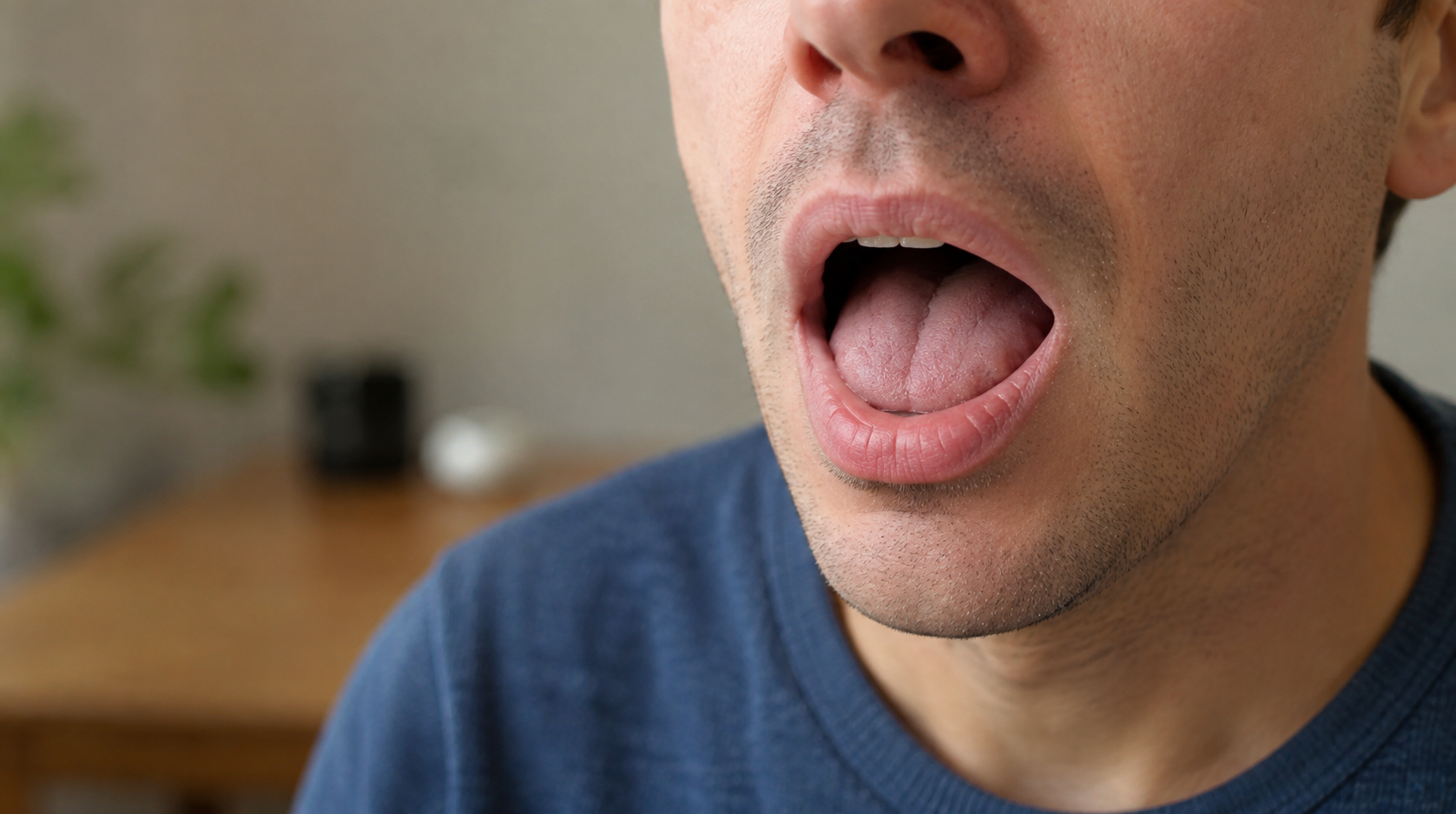
Saliva substitutes for xerostomia replace the lubrication and moisture a dry mouth can no longer produce on its own. This roundup compares the top sprays, gels, and lozenges, explains how to pick a format, and covers whether sugar substitutes can make dry mouth worse.
TL;DR
Sprays and gum work best during the day, while gels and adhesive melts hold up overnight.
Aquoral and Caphosol require a prescription, while most sprays, gels, and lozenges are sold over the counter.
Sorbitol, not xylitol, is the sugar substitute most often tied to worsened dry mouth at higher intake.
Persistent dryness despite daily product use is worth raising with a dentist or physician.
What Is Xerostomia and Why Do Saliva Substitutes Help?
Xerostomia is the medical term for the subjective feeling of a dry mouth. It can happen with or without a measurable drop in saliva output.
More than 500 prescription and over-the-counter medications list dry mouth as a side effect, including many antidepressants, antihistamines, and blood pressure drugs. Sjogren's syndrome, radiation therapy for head and neck cancer, chemotherapy, and simple dehydration are other common causes. Saliva itself does more than keep the mouth comfortable. It buffers acid, washes away food debris, carries antibacterial proteins, and supports normal speech and swallowing. Without it, cavity risk and oral infection risk both climb.
Saliva substitutes for xerostomia are designed to replace that missing moisture and lubrication directly. This differs from a saliva stimulant, such as xylitol gum, which works by encouraging any remaining functional gland tissue to produce more saliva on its own. Emotional and physical stress can also trigger short-term dry mouth on top of a chronic cause, and this guide to stress-related dry mouth covers that connection in more detail.
Reduced saliva also changes how effective a normal oral hygiene routine is at protecting teeth. A toothbrush built for sensitive teeth paired with a gentler brushing technique can help. Dry, irritated tissue tends to react more strongly to abrasive bristles or heavy pressure than a well-lubricated mouth would.
How Did We Select the Best Saliva Substitutes for Xerostomia?
Every product on this list needed a track record across pharmacy listings, clinical sources, and patient community discussions. We are not relying on marketing claims. Preference went to alcohol-free formulas, ingredient transparency, and a range of formats so daytime and overnight needs are both covered.
Patient satisfaction with saliva substitutes varies widely by cause and severity of dry mouth, and no single product performs best for everyone. Aggregate reviews on Drugs.com for the saliva substitute category average around 6 out of 10, with a substantial minority of users reporting a negative experience. That spread shaped this list toward products with the most consistent positive feedback across multiple independent sources, alongside a note on the trade-offs each one carries.
What Are the Best Saliva Substitutes for Xerostomia in 2026?
The ten options below span sprays, gels, lozenges, melts, and clinical rinses. Each entry notes the best use case, so the list doubles as a way to match a format to a specific situation.
#1. Biotene Moisturizing Mouth Spray
Biotene Moisturizing Mouth Spray is the most widely recommended starting point for anyone new to saliva substitutes. It is alcohol-free, formulated to match the pH of natural saliva, and sold in nearly every pharmacy.
Community reviews consistently describe it as the mildest tasting option on this list. Several long-term users note it feels too light for severe, chronic dryness and needs frequent reapplication throughout the day. People managing both dry mouth and staining should also be cautious with whitening products, since some over-the-counter teeth whitening options can irritate tissue that is already dry and sensitive.
Price: $7 to $13
Where to buy: Amazon, Walmart, Walgreens, CVS, and most pharmacies
Pros: Alcohol-free, widely available, mild and gentle taste
Cons: Short-lasting relief, may feel too weak for severe dryness
#2. XyliMelts
XyliMelts are adhesive discs that stick to a tooth or gum and slowly release xylitol for up to eight hours, making them the strongest overnight option on this list.
Patient forums, particularly among Sjogren's and CPAP communities, mention XyliMelts more often than any other product for keeping the mouth moist through a full night's sleep. A minority of users report mild tissue irritation with extended contact, and some discs detach before fully dissolving.
Price: $10 to $20
Where to buy: Amazon, Walgreens, CVS, and oracoat.com
Pros: Long-lasting overnight relief, strong patient community reputation
Cons: Can feel odd against the cheek, occasional tissue irritation with extended wear
#3. Biotene Oral Balance Moisturizing Gel
The Biotene Oral Balance gel is a thicker, longer-lasting option built for severe dryness or nighttime use, with a coating that lasts up to four hours per application.
Some longtime users report the formula changed in recent years, with a less effective texture than the original version. Flavor is another common complaint, since the gel favors function over taste.
Price: $8 to $15
Where to buy: Amazon, Walmart, Walgreens, and most pharmacies
Pros: Thick coating suited to severe or nighttime dryness, widely available
Cons: Mixed reviews on recent formula changes, taste is a common complaint
#4. ACT Dry Mouth Lozenges
ACT Dry Mouth Lozenges combine three polyol moisturizers with hydrating polymers to coat oral tissue while slowly dissolving, giving them a dual moisturizing and saliva-stimulating effect.
They are among the most affordable options in this roundup, and dental hygienists are frequently quoted as recommending them for their remineralizing benefit alongside dry mouth relief. This remineralizing focus overlaps with what dentists look for in a whitening toothpaste for sensitive teeth, since both categories rely on gentle formulas that strengthen enamel without added irritation.
Price: $6 to $8
Where to buy: Walmart, Amazon, and most drugstores
Pros: Budget-friendly, dual moisturizing and saliva-stimulating action, hygienist-recommended
Cons: Shorter relief window than a spray or gel, requires frequent use throughout the day
#5. Oasis Moisturizing Mouth Spray
Oasis Moisturizing Mouth Spray uses a proprietary moisturizing technology and is sugar- and alcohol-free, with roughly two hours of relief per application.
Patient community threads frequently name Oasis as their preferred alternative after Biotene stopped working well enough. Users cite a longer-lasting feel in side-by-side comparisons, though it is less widely stocked than Biotene in some regions.
Price: $7 to $10
Where to buy: Kroger, Walgreens, and select pharmacies
Pros: Longer-lasting feel than Biotene per user reports, sugar- and alcohol-free
Cons: Less widely stocked, shorter relief window than gels or melts
#6. Aquoral
Aquoral is the only FDA-approved lipid-based saliva substitute, and it requires a prescription. Instead of just adding moisture, it forms a thin lipid film over the oral mucosa that reduces evaporation.
This mechanism gives it a longer relief window, typically four to six hours per application. It is a common recommendation for CPAP users and cancer patients dealing with severe, persistent dryness. The prescription requirement is a real barrier for people who want to try an over-the-counter option first.
Price: Varies by insurance coverage
Where to buy: Pharmacy with a prescription, or through aquoralspray.com's telehealth partner
Pros: Longest relief window on this list, FDA-approved lipid-based formula
Cons: Requires a prescription, cost varies and may not be covered by all insurance plans
#7. TheraBreath Dry Mouth Lozenges
TheraBreath Dry Mouth Lozenges use a plant-derived ingredient blend along with xylitol to stimulate saliva flow, and they are individually wrapped for easy travel use.
They are a solid budget-friendly alternative to ACT, with a citrus mint flavor that reviewers describe as stronger and more noticeable than milder mint competitors.
Price: $6 to $9
Where to buy: therabreath.com, Amazon, and select grocery pharmacies
Pros: Budget-friendly, travel-friendly individually wrapped lozenges, strong flavor
Cons: Flavor intensity may not suit everyone, relief is shorter than adhesive or gel formats
#8. Caphosol
Caphosol is a supersaturated calcium phosphate rinse used primarily in a clinical setting for patients undergoing radiation or chemotherapy for head and neck cancer.
It requires mixing two solution ampules before use and is typically prescribed alongside standard oral care during cancer treatment. This is not a casual, grab-and-go product, and it is generally used under a healthcare provider's direction rather than picked up independently.
Price: Varies by insurance coverage
Where to buy: Specialty or hospital pharmacy, with a prescription
Pros: Clinically used for severe, treatment-related dry mouth, restores mineral and pH balance
Cons: Requires mixing before use, prescription only, not suited to casual daily use
#9. Biotene Dry Mouth Toothpaste
Biotene Dry Mouth Toothpaste is not a stand-alone saliva substitute, but it rounds out a daily routine built around one. The SLS-free, fluoride formula carries the ADA Seal of Acceptance and avoids the harsher detergents that can further irritate already-dry tissue.
Pairing a dry mouth toothpaste with a spray or gel addresses both the moisture gap and the elevated cavity risk that comes with reduced saliva.
Price: $6 to $10
Where to buy: Amazon, Walmart, and most pharmacies
Pros: ADA Seal of Acceptance, SLS-free formula, complements any saliva substitute
Cons: Not a substitute on its own, needs pairing with another product for full relief
#10. Xero-Lube
Xero-Lube is a basic aqueous spray sweetened with xylitol, and it serves as a useful comparison point for why lipid-based and gel formulas often outperform simple water-based sprays. Peer-reviewed research on oral lubrication found that only substitutes containing ingredients like carrageenan, carboxymethylcellulose, or carbomer meaningfully outperformed plain water, while many aqueous sprays did not.
Xero-Lube remains a reasonable low-cost option for mild, intermittent dryness. Those with more persistent symptoms are likely to get more consistent relief from a gel, melt, or lipid-based product.
Price: $8 to $12
Where to buy: Pharmacies, medical supply stores, and Amazon
Pros: Low cost, simple aqueous formula, easy to find
Cons: Weaker lubrication than lipid or gel-based formulas, shortest relief window on this list
How Do the Saliva Substitutes Compare?
The table below lines up format, best use case, typical price range, and prescription status for every product covered above, making it easier to compare options at a glance.
Product | Format | Best for | Typical price | Prescription needed |
|---|---|---|---|---|
Biotene Moisturizing Mouth Spray | Spray | Daytime, first-time users | $7 to $13 | No |
XyliMelts | Adhesive disc | Overnight relief | $10 to $20 | No |
Biotene Oral Balance Gel | Gel | Severe or nighttime dryness | $8 to $15 | No |
ACT Dry Mouth Lozenges | Lozenge | Budget, on-the-go | $6 to $8 | No |
Oasis Moisturizing Mouth Spray | Spray | Alternative to Biotene | $7 to $10 | No |
Aquoral | Spray | Severe, CPAP, cancer-related dryness | Varies by insurance | Yes |
TheraBreath Dry Mouth Lozenges | Lozenge | Budget, travel-friendly | $6 to $9 | No |
Caphosol | Mixed rinse | Radiation or chemotherapy patients | Varies by insurance | Yes |
Biotene Dry Mouth Toothpaste | Toothpaste | Daily complementary care | $6 to $10 | No |
Xero-Lube | Spray | Mild, intermittent dryness | $8 to $12 | No |
Can Sugar Substitutes Cause Dry Mouth?
Most sugar substitutes used in dry mouth products, especially xylitol, are included specifically because chewing or dissolving them stimulates saliva flow rather than reducing it. That said, the picture is not the same across every sweetener.
Sorbitol has documented dry mouth listed among its side effects at higher intake levels, alongside gas, bloating, and diarrhea. A single dose of around 10 grams has produced mild gastrointestinal symptoms in healthy volunteers in peer-reviewed research. Dry mouth was noted as a possible effect at those higher amounts. Aspartame carries some anecdotal and sourced reports of reducing saliva flow in certain users, though the evidence here is mixed and not settled the way sorbitol's GI effects are.
For most people, xylitol-forward products remain the safer bet for xerostomia specifically, given its role in stimulating saliva rather than working against it. If a dry mouth product seems to be making symptoms worse rather than better, checking the sweetener list is worth doing first. Sorbitol as a primary ingredient is a reasonable thing to rule out before switching formulas entirely.
What Habits Support Saliva Substitutes?
Saliva substitutes work best alongside a few daily habits that reduce how often symptoms flare up in the first place.
Sip water frequently throughout the day instead of drinking large amounts infrequently
Run a humidifier at night, especially in dry climates or heated bedrooms
Skip alcohol-based mouthwash, since alcohol dries oral tissue further
Limit caffeine and alcoholic beverages, both of which have a dehydrating effect
Chew sugar-free xylitol gum between meals as a complementary saliva stimulant
Clean between teeth daily with floss or a water flosser, since reduced saliva raises cavity risk significantly
A dental treatment plan that accounts for elevated cavity risk from chronic dry mouth often includes more frequent cleanings and fluoride treatments than a standard preventive schedule. Choosing a gentle electric toothbrush with a sensitive cleaning mode can also reduce irritation to already-vulnerable gum tissue. Pairing it with an enamel and gum repair toothpaste adds another layer of protection against the elevated cavity risk that comes with reduced saliva flow.
When Should You See a Dentist or Doctor About Xerostomia?
If dry mouth doesn't let up after weeks of using an over-the-counter saliva substitute, it's time to see a professional instead of cycling through more products.
A new medication that started around the same time as the dryness is worth mentioning to whoever you see. White patches on the tongue or cheeks could mean oral thrush. A sore that hasn't healed in a couple of weeks needs a look too. If the dryness makes eating or talking hard, don't just wait it out. These signs sometimes point to Sjogren's syndrome, and an actual diagnosis beats guessing at it yourself. A dentist can also check your cavity risk and prescribe something stronger, like Aquoral or Caphosol, when the over-the-counter options stop working.
Anyone thinking about teeth whitening strips while also dealing with chronic dry mouth should bring both up at the same appointment. A dentist can flag whitening formulas that tend to irritate tissue that's already sensitive.
Bottom Line
Saliva substitutes for xerostomia range from a simple over-the-counter spray to a prescription lipid-based formula. The right choice depends on how severe the dryness is and whether relief is needed during the day or overnight. XyliMelts and Biotene Oral Balance Gel tend to hold up best through the night, while sprays and lozenges suit daytime use. Sorbitol, not xylitol, is the sweetener most worth watching if a product seems to worsen symptoms. Dryness that does not improve with consistent OTC use deserves a conversation with a dentist or physician.
This article is for informational purposes only and does not constitute medical advice. Always consult with qualified healthcare professionals for diagnosis and treatment recommendations specific to your situation.
Frequently Asked Questions
What is the best saliva substitute for xerostomia?
The best option depends on timing and severity. XyliMelts and Biotene Oral Balance Gel tend to work best overnight, while Biotene Moisturizing Mouth Spray and ACT Dry Mouth Lozenges suit daytime, on-the-go use.
Are saliva substitutes safe to use every day?
Yes, most over-the-counter saliva substitutes are designed for daily, ongoing use. Prescription options like Aquoral and Caphosol should follow the dosing a healthcare provider recommends.
Can sugar substitutes cause dry mouth?
Sorbitol has documented dry mouth as a side effect at higher intake levels, along with gastrointestinal symptoms. Xylitol, by contrast, is generally recommended for dry mouth because it stimulates saliva flow rather than reducing it.
What is the difference between a saliva substitute and a saliva stimulant?
A saliva substitute, like a spray or gel, replaces lost moisture directly. A saliva stimulant, like xylitol gum, encourages any remaining functional salivary gland tissue to produce more saliva.
Do saliva substitutes prevent cavities?
Saliva substitutes reduce the dryness that raises cavity risk, but they do not replace fluoride toothpaste or regular dental checkups. Pairing a saliva substitute with a fluoride routine offers more complete protection.