Best Whitening Toothpaste for Sensitive Teeth in 2026
Finding the best whitening toothpaste for sensitive teeth means balancing two formulas that often work against each other. Most whitening pastes rely on abrasives or peroxide, and...
Written by Mantas Petraitis
Read time: 7 min read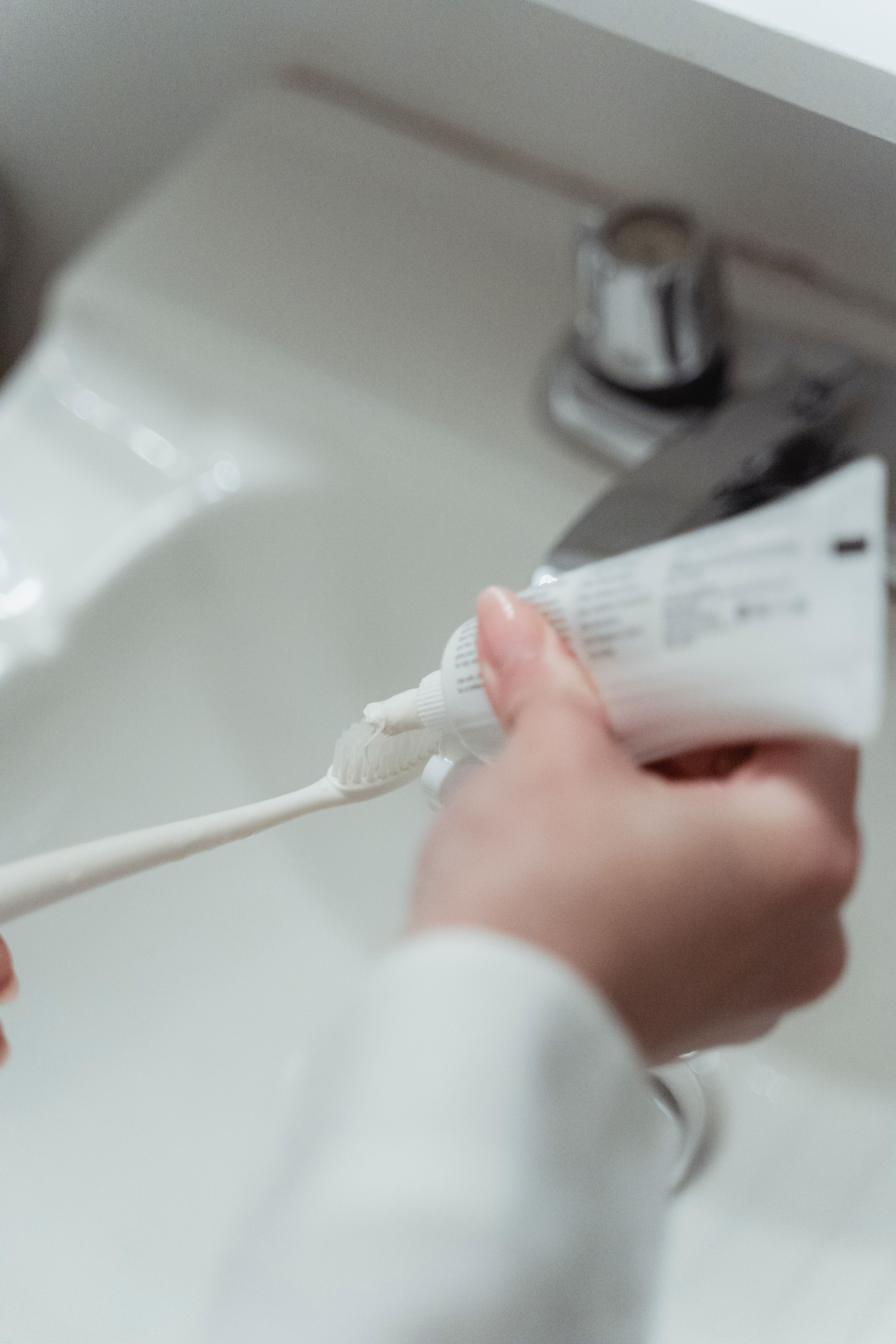
Finding the best whitening toothpaste for sensitive teeth means balancing two formulas that often work against each other. Most whitening pastes rely on abrasives or peroxide, and both can aggravate exposed dentin. This guide compares the ingredients that matter and ranks the best toothpaste for sensitive teeth and whitening available today.
TL;DR
Potassium nitrate and stannous fluoride relieve sensitivity while low-abrasion silica whitens without irritation.
Sensodyne Pronamel Gentle Whitening and Crest 3D White Sensitivity Care lead the list for combining both benefits safely.
Whitening toothpaste lifts surface stains only, expect one to two shades over several weeks, not a dramatic change.
Skip charcoal and high-RDA formulas since they abrade enamel and often worsen sensitivity instead of relieving it.
Why Whitening Toothpaste Can Hurt Sensitive Teeth
Whitening and sensitivity relief pull in different directions at the ingredient level. Understanding that conflict makes it easier to spot a formula built for both instead of one that quietly favors whitening at your comfort's expense.
Whitening relies on two mechanisms: physical abrasion from silica or calcium carbonate, and chemical bleaching from hydrogen peroxide. Sensitivity relief works the opposite way, calming nerve endings inside exposed dentin rather than scrubbing or bleaching the surface above them. Dentin becomes exposed when enamel wears thin or gums recede, leaving microscopic tubules that connect directly to the tooth's nerve. Hot, cold, or sweet stimuli travel through those tubules and trigger sharp, short pain. An aggressive whitening formula can wear down enamel further or irritate already-exposed dentin, undoing whatever relief a dedicated sensitive toothpaste would otherwise provide.
Enamel wear and gum recession rarely happen for just one reason. Aggressive brushing with a hard-bristled brush is one of the most common causes, which is why switching to a toothbrush designed for sensitive teeth often does as much for comfort as changing toothpaste. Acidic foods and drinks soften enamel gradually, and coffee, tea, and wine compound the problem by staining that softened surface at the same time, which is part of why preventing coffee and tea stains matters for sensitive teeth specifically, not just for cosmetic appearance. Gum recession from periodontal disease or overly forceful brushing exposes root surfaces that have no enamel at all, making them far more reactive to a whitening formula than the crown of the tooth, and a dedicated dental rinse for gum health can help manage that inflammation alongside a gentler toothpaste.
How to Choose the Best Whitening Toothpaste for Sensitive Teeth
A handful of ingredients and one abrasivity number separate a toothpaste that whitens gently from one that trades short-term brightness for long-term discomfort. Knowing what to look for on the label narrows a crowded market down fast.
Key Ingredients That Whiten Gently
Not every whitening mechanism carries the same risk for sensitive teeth. Some work through mild polishing, others through low-strength chemistry, and the difference matters more than the marketing on the box.
Hydrated silica and calcium carbonate physically lift surface stains through gentle polishing rather than heavy scrubbing. Low-concentration hydrogen peroxide, typically capped around 5% in ADA-accepted over-the-counter formulas, bleaches stains chemically without the strength used in professional treatments. Blue covarine creates an optical whitening effect through light reflection, adding no abrasion at all. Sodium bicarbonate, or baking soda, whitens through mild, natural polishing that many sensitive-formula pastes use in place of harsher abrasives.
Key Ingredients That Calm Sensitivity
Sensitivity relief works through one of two paths: calming the nerve directly or physically sealing the tubules that expose it. Most effective formulas lean on one of these two active ingredients.
Potassium nitrate calms the nerve response inside dentin, typically at a 5% concentration, the maximum allowed without a prescription. Stannous fluoride blocks exposed tubules while adding antibacterial benefits for gum health. Nano-hydroxyapatite is a newer, fluoride-free option that occludes tubules by remineralizing enamel with a mineral that mirrors natural tooth structure. Strontium chloride appears in some formulas as a secondary desensitizing agent alongside potassium nitrate.
RDA and Why Abrasiveness Matters
Relative Dentin Abrasivity, or RDA, measures how much wear a toothpaste causes to dentin during brushing on a standardized lab scale. The American Dental Association caps ADA-accepted toothpaste at an RDA of 250, and formulas at the low end of that range are gentler for anyone managing sensitivity or looking for enamel repair support alongside whitening. Whitening toothpaste tends to be more abrasive than standard formulas by design, since the abrasive particles do part of the stain-removal work. Charcoal toothpaste lacks ADA approval entirely and can be abrasive enough to wear enamel over time, which works directly against the goal of protecting sensitive teeth.
The ADA Seal of Acceptance
The ADA Seal signals that a product has been independently reviewed for safety and effectiveness rather than judged on label claims alone. Products carrying the seal have submitted data to the ADA Council on Scientific Affairs and met set standards for fluoride content, abrasivity, and efficacy. Not every strong product carries it, particularly newer nano-hydroxyapatite formulas that haven't gone through the submission process, so the seal is a helpful signal rather than the only one worth checking.
Ingredient | Function | Common concentration | Best for |
|---|---|---|---|
Potassium nitrate | Calms nerve response | 5% | Fast sensitivity relief |
Stannous fluoride | Blocks tubules, antibacterial | Varies by brand | Sensitivity plus gum health |
Hydrogen peroxide | Chemical whitening | Up to 5% (OTC) | Deeper stain removal |
Hydrated silica | Physical stain removal | Low-RDA formulas | Gentle daily whitening |
Nano-hydroxyapatite | Remineralizes, blocks tubules | Varies | Fluoride-free sensitivity relief |
How to Apply Whitening Toothpaste Without Triggering Pain
Technique matters as much as ingredient choice for anyone managing sensitivity. The same formula can feel gentle or harsh depending on how it's used.
Apply a pea-sized amount to a soft-bristled brush rather than covering the whole brush head, since more product doesn't speed up whitening and only increases abrasive contact with the tooth surface. Brush in small, gentle circles rather than long horizontal strokes, which reduces the scrubbing force applied to the gumline where enamel is thinnest. Two minutes twice daily is enough for both the whitening and desensitizing ingredients to work, and brushing harder or longer doesn't improve results. It just increases wear. Spitting without rinsing afterward lets the active ingredients stay on the tooth surface longer instead of washing away immediately. Waiting at least 30 minutes after eating anything acidic before brushing avoids spreading softened enamel across the tooth surface during brushing, a detail worth remembering if evening routines include wine or citrus. Pairing brushing with an oral irrigator clears plaque from areas a toothbrush alone misses, which reduces the buildup that dulls a whitened smile between brushings. Replacing the toothbrush itself every three months, or sooner if bristles fray, keeps the applied pressure consistent and prevents old, splayed bristles from adding unnecessary abrasion.
The Best Whitening Toothpaste for Sensitive Teeth in 2026
Every pick below balances a whitening ingredient against a sensitivity-calming one, rather than leaning hard on one at the expense of the other. Rankings weigh ADA status, abrasivity, ingredient balance, and price.
#1 Sensodyne Pronamel Gentle Whitening
Sensodyne Pronamel Gentle Whitening combines 5% potassium nitrate with sodium fluoride in a low-abrasion formula built around enamel protection. The paste strengthens acid-softened enamel while gently polishing away surface stains, without relying on peroxide or a high-RDA abrasive to do it.
This is the toothpaste most dentists reach for first when a patient asks what the best whitening toothpaste for sensitive teeth is, since it treats the sensitivity as the primary concern and layers whitening on top rather than the other way around. It carries the ADA Seal of Acceptance.
Pricing: approximately $6 to $9.
Best for: the overall pick for anyone whose sensitivity needs come first.
Pros:
ADA-accepted with a well-established sensitivity track record.
Low-abrasion formula protects enamel while it whitens.
Widely available at US drugstores and grocery chains.
Cons:
The whitening effect is gentler and slower than higher-abrasive competitors.
Some users need four weeks or more to notice a stain difference.
#2 Crest 3D White Whitening Therapy Sensitivity Care
Crest 3D White Whitening Therapy Sensitivity Care is Crest's answer to the trade-off between its whitening line and its sensitivity line. The formula uses an Active Mineral Complex to remineralize and strengthen enamel while surrounding teeth with gentle whitening ingredients that lift surface stains.
This is the direct pick for anyone specifically searching for crest 3d white toothpaste that also addresses sensitivity, since most of Crest's other 3D White formulas are built for whitening strength first.
Pricing: approximately $5 to $8.
Best for: Crest loyalists who want the 3D White name in a gentler formula.
Pros:
Purpose-built to pair whitening with sensitivity relief in one tube.
Backed by a recognizable, widely available brand.
Builds increasing sensitivity protection with continued use.
Cons:
Newer formula with a shorter track record than Pronamel.
Contains fluoride, so it isn't an option for fluoride-free households.
#3 Colgate Sensitive Whitening Toothpaste
Colgate Sensitive Whitening Toothpaste delivers 5% potassium nitrate alongside a stain-removal formula designed to safely lift surface stains with daily use. Colgate markets this as an option that restores natural whiteness without abandoning the sensitivity relief that its core Sensitive line is known for.
The formula suits anyone already loyal to Colgate's sensitivity products who wants a whitening variant rather than switching brands entirely.
Pricing: approximately $6 to $9.
Best for: Colgate users who want whitening without leaving the brand.
Pros:
5% Potassium nitrate, the maximum OTC concentration.
Familiar brand with wide retail distribution.
Doubles as a daily sensitivity toothpaste, not just an occasional whitening treatment.
Cons:
Whitening claims lean on marketing language more than on independent lab data.
Some formulations include dye for color, which is worth checking for anyone sensitive to additives.
#4 Sensodyne Extra Whitening
Sensodyne Extra Whitening pairs hydrated silica with potassium nitrate for a slightly stronger whitening effect than Pronamel Gentle Whitening, while keeping the same nerve-calming active ingredient. It's positioned as the step up for users who tolerate more polishing without discomfort.
Choose this over Pronamel if stains are more noticeable and sensitivity has already responded well to a potassium nitrate formula in the past.
Pricing: approximately $6 to $9.
Best for: users who want more visible whitening than Pronamel delivers.
Pros:
Stronger stain removal than Sensodyne's gentler Pronamel line.
Still built around potassium nitrate for sensitivity relief.
ADA-accepted formula.
Cons:
Slightly more abrasive than Pronamel Gentle Whitening.
Not the first choice for severe, unmanaged sensitivity.
#5 Arm & Hammer Sensitive Whitening
Arm & Hammer Sensitive Whitening uses 5% potassium nitrate combined with baking soda for a low-abrasion formula that the brand markets as 40% gentler than a leading sensitive toothpaste. Baking soda whitens through mild, natural polishing rather than peroxide or harsh silica.
This is the budget pick on the list, and it holds up well against pricier competitors on the ingredients that actually matter for sensitive teeth.
Pricing: approximately $4 to $6.
Best for: budget-conscious buyers who still want a real sensitivity active ingredient.
Pros:
5% Potassium nitrate at a lower price point than most competitors.
Baking soda whitens gently without peroxide.
Marketed low-abrasion formula suits daily use.
Cons:
Baking soda's flavor and texture won't appeal to everyone.
Whitening results are milder than those of peroxide-based formulas.
#6 Davids Sensitive + Whitening
Davids Sensitive + Whitening is a fluoride-free formula built around nano-hydroxyapatite, which fills microscopic fissures and dentin tubules to relieve sensitivity without a nerve-numbing agent. Ultra-fine calcium carbonate, baking soda, and coconut oil handle the whitening side gently.
This is the pick for anyone who wants sensitivity relief and whitening without fluoride or peroxide in the ingredient list.
Pricing: approximately $13 to $16.
Best for: fluoride-free households wanting a natural-leaning option.
Pros:
Fluoride-free and SLS-free, using EWG-verified ingredients.
Nano-hydroxyapatite relieves sensitivity without numbing the nerve.
Smooths the enamel surface, which naturally resists new staining.
Cons:
No ADA Seal, since most hydroxyapatite formulas haven't been submitted for review.
Priced well above the drugstore competitors on this list.
#7 Crest Gum, Sensitivity & Enamel Whitening
Crest's gum-and-sensitivity line pairs stannous fluoride with a gentle whitening formula for anyone managing sensitivity alongside early gum concerns. Stannous fluoride blocks exposed tubules while also reducing the bacteria linked to gum inflammation, giving this formula a second job beyond whitening and comfort.
This is the right pick when sensitivity traces back to gum recession rather than enamel wear alone, since stannous fluoride addresses both the exposed root surface and the surrounding gum tissue at once.
Pricing: approximately $6 to $9.
Best for: sensitivity linked to gum recession or early gingivitis.
Pros:
Stannous fluoride treats gum health and sensitivity in one formula.
Whitening effect holds up well against standard Crest formulas.
Familiar, widely stocked brand.
Cons:
Stannous fluoride formulas can leave mild surface staining of their own in some users.
Less focused on whitening strength than dedicated 3D White formulas.
#8 Boka Ela Mint Sensitive
Boka Ela Mint uses nano-hydroxyapatite in a fluoride-free formula aimed at remineralization and sensitivity relief, with a clean ingredient list free of SLS and parabens. Whitening comes from gentle polishing rather than peroxide, keeping the formula mild enough for daily use on already-sensitive teeth.
This is a strong alternative to Davids for anyone comparing fluoride-free options, with a milder mint flavor that appeals to users transitioning away from conventional toothpaste.
Pricing: approximately $12 to $15.
Best for: a milder-tasting fluoride-free alternative to Davids.
Pros:
Vegan, cruelty-free, and free of SLS and parabens.
Nano-hydroxyapatite supports remineralization alongside whitening.
Pleasant, mild flavor for anyone new to fluoride-free formulas.
Cons:
No ADA Seal, consistent with most hydroxyapatite competitors.
Premium pricing compared to drugstore options.
Here’s a quick comparison table of the best whitening toothpaste for sensitive teeth:
Product | Key ingredient | ADA seal | Best for | Price range |
|---|---|---|---|---|
Sensodyne Pronamel Gentle Whitening | Potassium nitrate + sodium fluoride | Yes | Overall pick | $$ |
Crest 3D White Whitening Therapy Sensitivity Care | Active Mineral Complex | Yes | Crest 3D White fans | $$ |
Colgate Sensitive Whitening | 5% potassium nitrate | Yes | Colgate loyalists | $$ |
Sensodyne Extra Whitening | Hydrated silica + potassium nitrate | Yes | Stronger whitening tolerance | $$ |
Arm & Hammer Sensitive Whitening | Baking soda + potassium nitrate | Yes | Budget pick | $ |
Davids Sensitive + Whitening | Nano-hydroxyapatite | No | Fluoride-free option | $$$ |
Crest Gum, Sensitivity & Enamel Whitening | Stannous fluoride | Yes | Gum recession + sensitivity | $$ |
Boka Ela Mint Sensitive | Nano-hydroxyapatite | No | Mild-tasting natural pick | $$$ |
How Much Does Whitening Toothpaste for Sensitive Teeth Cost?
Price mostly tracks ingredient sourcing and brand positioning rather than effectiveness alone. Knowing the tiers helps set expectations before comparing tubes side by side.
Budget options in the $4 to $6 range, like Arm & Hammer's sensitive whitening line, still deliver a real 5% potassium nitrate concentration. Mid-range picks between $6 and $9, including Sensodyne's Pronamel and Extra Whitening lines, Crest's Sensitivity Care formula, and Colgate Sensitive Whitening, make up most of the drugstore shelf. Premium fluoride-free and nano-hydroxyapatite formulas, such as Davids, typically run $13 and up, reflecting specialty ingredient sourcing and smaller production runs rather than a proportionally stronger effect.
Whitening Toothpaste With Braces or Other Dental Work
Sensitivity often overlaps with orthodontic treatment or recent dental work, and whitening toothpaste behaves differently in both situations. A quick check before switching formulas avoids an uneven result down the line.
Whitening toothpaste is generally not recommended during active orthodontic treatment. Brackets cover part of each tooth, so any whitening effect only reaches the exposed enamel around them, leaving a visible mismatch once brackets come off. Anyone brushing around brackets and wires benefits more from a gentle, fluoride-based formula paired with the right toothbrush for braces than from a whitening paste during this period. After brackets come off, a sensitive whitening formula can even out that mismatch gradually, since the previously covered enamel typically needs time to catch up in shade. Anyone recovering from a dental procedure should also hold off on whitening toothpaste until fully healed, since abrasives and peroxide can irritate healing tissue in ways a standard fluoride toothpaste won't.
Does Whitening Toothpaste Really Work for Sensitive Teeth?
Toothpaste alone was never designed to deliver dramatic whitening, and setting that expectation early avoids disappointment. Realistic use still makes a visible difference over time.
Whitening toothpaste typically lifts one to two shades over several weeks of consistent brushing, since contact time during a two-minute brush is short compared to a whitening strip left on for 30 minutes or a professional in-office treatment. For deeper or faster results, pairing a sensitive whitening toothpaste with over-the-counter whitening strips built for sensitive teeth extends what toothpaste alone can do. A sensitive-formula whitening toothpaste can safely replace a dedicated sensitivity toothpaste day to day, since most combine both actives already, and it works well as a maintenance layer after any professional whitening treatment or teeth whitening strip regimen.
Toothpaste also cannot change the natural underlying shade of a tooth, since it only removes stains sitting on the surface rather than altering the enamel itself. Intrinsic discoloration from medication, injury, or genetics won't respond to any toothpaste, whitening or otherwise, and typically needs a professional evaluation instead. For surface stains built up from coffee, tea, or wine, though, a consistent sensitive whitening routine is often enough to notice a real difference without ever touching a stronger product.
Bottom Line
The best whitening toothpaste for sensitive teeth treats sensitivity as the priority and layers gentle whitening on top, not the reverse. Sensodyne Pronamel Gentle Whitening and Crest 3D White Whitening Therapy Sensitivity Care lead the pack for that balance, while Davids offers a fluoride-free route for anyone avoiding traditional actives. Consistency matters more than any single ingredient, brushing twice daily for two minutes with the same formula for several weeks before judging results. A dentist can confirm whether a specific formula fits an individual's enamel condition and can build that into a broader dental treatment plan if sensitivity or staining points to a larger underlying issue.
This article is for informational purposes only and does not constitute medical advice. Always consult with qualified healthcare professionals for diagnosis and treatment recommendations specific to your situation.
Frequently Asked Questions
What is the best whitening toothpaste for sensitive teeth?
Sensodyne Pronamel Gentle Whitening is the most consistently recommended option, combining 5% potassium nitrate with a low-abrasion whitening formula and the ADA Seal of Acceptance. Crest 3D White Whitening Therapy Sensitivity Care is a close second for anyone who prefers that brand.
Is whitening toothpaste safe for sensitive teeth?
Whitening toothpaste is safe for most people with sensitive teeth when the formula pairs a whitening ingredient with a desensitizing one like potassium nitrate or stannous fluoride. Formulas without a sensitivity active, or with a high RDA, are more likely to cause discomfort.
What ingredients should I look for in a whitening toothpaste for sensitive teeth?
Look for potassium nitrate or stannous fluoride for sensitivity relief, paired with low-abrasion silica, gentle peroxide levels, or nano-hydroxyapatite for whitening. An RDA well under the ADA's 250 ceiling adds an extra layer of protection.
How long does it take to see results from a whitening toothpaste for sensitive teeth?
Most users notice a visible difference in staining after four to six weeks of twice-daily brushing. Sensitivity relief often improves faster, sometimes within two weeks, depending on the active ingredient and how consistently it's used.
Can Crest 3D White toothpaste be used on sensitive teeth?
Standard Crest 3D White formulas can be too abrasive or peroxide-heavy for some sensitive teeth, but Crest 3D White Whitening Therapy Sensitivity Care was built specifically for that combination. Anyone with active sensitivity should choose that formula over Crest's standard 3D White line.
What's the difference between whitening toothpaste and sensitivity toothpaste?
Whitening toothpaste focuses on removing surface stains through abrasives or peroxide, while sensitivity toothpaste focuses on calming nerve response or blocking exposed dentin tubules. Many current formulas, including several on this list, combine both goals in one tube.
Should I use whitening toothpaste every day if I have sensitive teeth?
A sensitive-formula whitening toothpaste is generally safe for daily use, since the desensitizing ingredient works best with consistent twice-daily brushing. Standard whitening toothpaste without a sensitivity active may need to be alternated with a regular toothpaste if discomfort develops.
Does whitening toothpaste for sensitive teeth contain fluoride?
Most do, since fluoride remains the primary cavity-prevention ingredient dentists recommend. Fluoride-free alternatives exist, typically built around nano-hydroxyapatite, for anyone who wants to avoid fluoride specifically.
Is hydroxyapatite whitening toothpaste better than fluoride for sensitive teeth?
Hydroxyapatite and fluoride both remineralize enamel and can relieve sensitivity, though fluoride has a much longer research history behind it. Hydroxyapatite suits people who cannot tolerate fluoride or prefer to avoid it, while fluoride remains the standard first recommendation for most patients.