Dyson CameraJet: The Camera-Equipped Toothbrush Dyson Just Launched
Dyson CameraJet is the company's first electric toothbrush, unveiled in Paris on September 1, 2026. It pairs a built-in camera with a water-jet flosser that targets gaps in real...
Written by Mantas Petraitis
Read time: 4 min read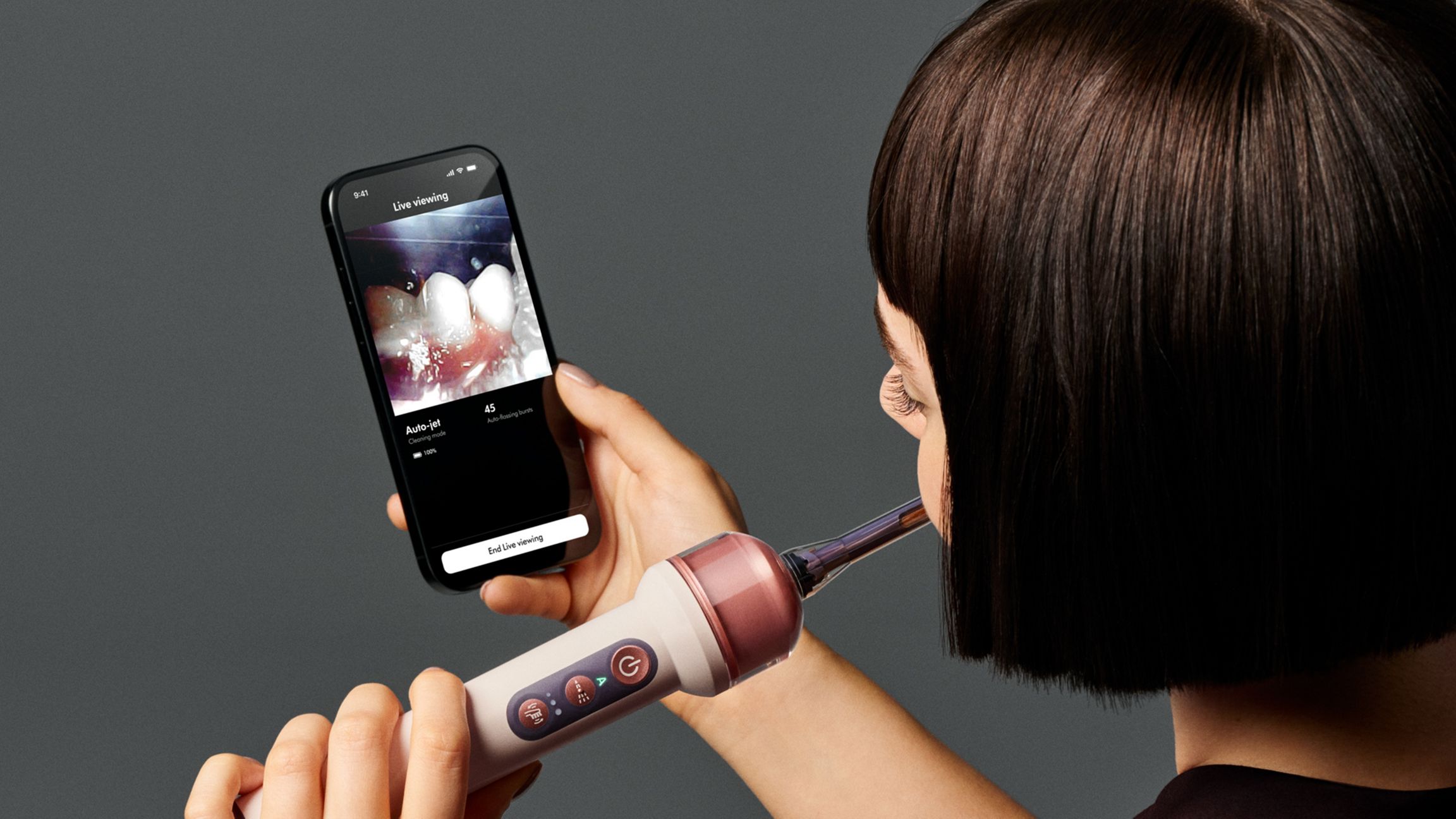
Dyson CameraJet is the company's first electric toothbrush, unveiled in Paris on September 1, 2026. It pairs a built-in camera with a water-jet flosser that targets gaps in real time. This piece covers how it works, the price, and why Dyson is entering oral care.
TL;DR
James Dyson unveiled the CameraJet in Paris on September 1, 2026.
The brush uses a built-in camera to target gaps and jet-floss automatically.
It launches in the US at $499, with UK pricing set at £419.99.
Dyson has expanded into hair care, air purification, and even electric vehicles before.
What Is The Dyson CameraJet?
Dyson CameraJet is an electric toothbrush built around a small onboard camera. The camera looks for gaps between teeth as the bristles move. It then fires a targeted water jet into each one.
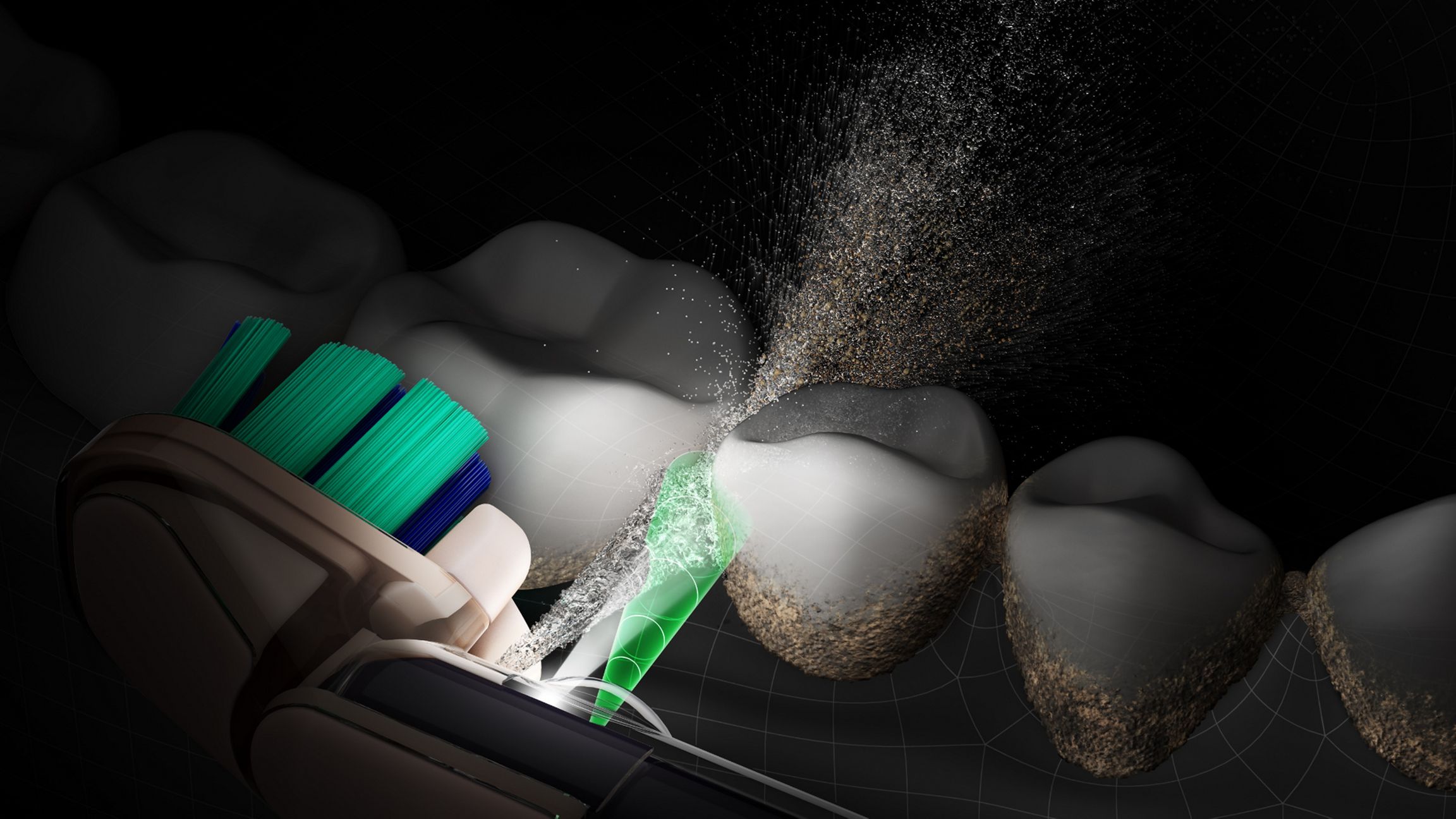
Dyson calls this Gap Optical Targeting. The camera scans 28 images per second. It triggers a jet within a tenth of a second of spotting a gap, according to Dyson's own product announcement.
The camera also works as a small oral endoscope. It pairs with the MyDyson app for a live view inside the mouth while brushing. Dyson says this helps people see spots they consistently miss.
Dyson states that images are processed on the device or app. They are never stored or shared. Training behind the system reportedly used nearly 470,000 dental images and 16 million lines of code.
Why Is Dyson Making A Toothbrush?
Dyson has a pattern of entering mature categories and re-engineering them with sensors and proprietary tech. CameraJet fits that pattern closely.
James Dyson framed the launch around a daily habit people already avoid. "Flossing is an awkward and time-consuming chore," he said in the company's launch statement. He also described the brush as built to solve three problems at once. It needed to reveal the gaps, clear the plaque inside them, and improve technique while brushing.
Hair care is the clearest example. Dyson's Supersonic dryer and Airwrap styler turned hair tools into a genuine profit center. CameraJet slots naturally next to that lineup, one reviewer noted after testing it for a week.
Not every category jump has gone as smoothly. Dyson allegedly spent over $600 million on the electric vehicle, then canceled it before release.
The Dyson Zone offers a closer comparison. Those air-purifying headphones launched in 2023 at $949.99. A detachable visor gave them their signature look. Several outlets described it at the time as resembling a face mask.
CameraJet follows the same playbook. Take a category everyone already understands, introduce experimental features, then add a camera, an app, and a premium price.
How Does The Dyson CameraJet Work?
The toothbrush combines a sonic brush, a jet flosser, and a companion app in one handle. Each piece has a specific job.
A sonic motor oscillates 245 times per second to lift plaque
A 100k pixel macro lens camera scans for gaps in real time
An anti-gravity tank keeps mouthrinse flowing at any angle
Three intensity settings adjust from gentle to deep clean
Brush-only, floss-only, or combined modes run the whole routine
Dyson also claims the jet-flossing action improves gum health within two weeks. That claim comes from Dyson's own clinical testing, not independent research. Left unchecked, plaque between teeth is a common contributor to bad breath and gum disease.
Dyson developed a proxy plaque material with the National University of Singapore's Faculty of Dentistry. This let engineers test jet designs without running a full clinical trial each time. That testing reportedly showed a conical jet spray removes plaque more completely than older needle-style jets, according to Dyson's own release.
The anti-gravity tank matters more than it sounds. Most water flossers use a straw-style design that can lose pressure when tilted. Dyson's diaphragm pump and pressure chamber are built to avoid that. This matters most toward the back teeth, where the brush often sits sideways.
A full brushing and flossing session runs three minutes. Brush-only or floss-only sessions run two minutes each. That timing matches most premium electric toothbrushes.
What Does The Dyson CameraJet Cost?
Dyson's own launch announcement sets the US price at $499 for the CameraJet. UK pricing runs separately at £419.99. The replacement heads (pack of 2) cost $29.99 at the official Dyson store (£25 in the UK).
Dentists recommend replacing a brush head every three months. Each RFID-tagged head tracks its own use and alerts through the MyDyson app when a swap is due.
What's Included And Where Can You Buy It?
The CameraJet ships as a complete set rather than a bare toothbrush, confirmed on Dyson's own product page. Everything needed to start using it comes in the box.
The toothbrush handle with a built-in camera and mouthrinse tank
A refill dock that charges the handle and tops up the tank
Two dual-bristle brush heads, RFID-tagged for app tracking
A USB-C to pogo-pin charging cable
A transparent travel case for the handle and dock
A starter kit of Dyson's non-foaming toothpaste and mouth rinse
The brush requires genuine Dyson brush heads to work properly. This matches how Dyson's other tools rely on matched attachments.
It connects to the MyDyson app over WiFi and Bluetooth for live viewing and coverage tracking. That record works a bit like how an office tracks a patient's own dental treatment plan.
Dyson CameraJet is available directly through Dyson's own site in Ceramic Ultra Blue or Ceramic Pink. Select Dyson Demo Stores also carry it for in-person testing. Some markets show it as available now. Others list early sign-up ahead of a wider release. Checking regional availability directly is worth doing before ordering.
How Does It Compare To Other Electric Toothbrushes?
CameraJet sits in a different price tier than most electric toothbrushes on the market. That gap is worth understanding before deciding if it fits.
Solid electric toothbrushes with pressure sensors and app guidance exist from brands like Oral-B and Philips. Our own electric toothbrush comparison covers several of them in detail. None of those brands currently build in a camera or a water-jet flossing system, so it is definitely a new technology we cannot wait to get our hands on to test it.
That makes CameraJet a genuine first in its category. It is not necessarily the right toothbrush for every budget. A reviewer who tested it for a week rated it highly on features. Value scored lower, given the price.
Bottom Line
Dyson CameraJet is a genuine first for the toothbrush category. A built-in camera and a precision water jet target gaps most brushes miss entirely. At $499 in the US, it costs significantly more than a standard electric toothbrush. That price buys a camera-guided flossing system nobody else currently offers.
Frequently Asked Questions
What is the Dyson CameraJet?
It is Dyson's first electric toothbrush, built with a small onboard camera and a water-jet flosser. The camera targets gaps between teeth and fires mouthrinse into them while brushing.
How much does the Dyson CameraJet cost?
Dyson's official US launch price is $499. UK pricing runs separately at £419.99. Bundled contents vary slightly by region, so check the exact set before ordering.
Where can you buy the Dyson CameraJet?
Dyson sells it directly through its own website in Ceramic Ultra Blue or Ceramic Pink. Availability varies by region, with some markets offering early sign-up ahead of a wider release.
Is the camera footage stored anywhere?
No, Dyson states that images are processed on the device or app. They are never stored or shared. The camera only activates during live viewing or auto-jet flossing.