Clinpro Toothpaste Review: Is The 5000 Prescription Worth Buying In 2026?
Patients walk out of the dentist's office every week with a small slip of paper and a vague instruction to start using something called Clinpro toothpaste. The tube is white,...
Written by Agnes Markovic
Read time: 6 min read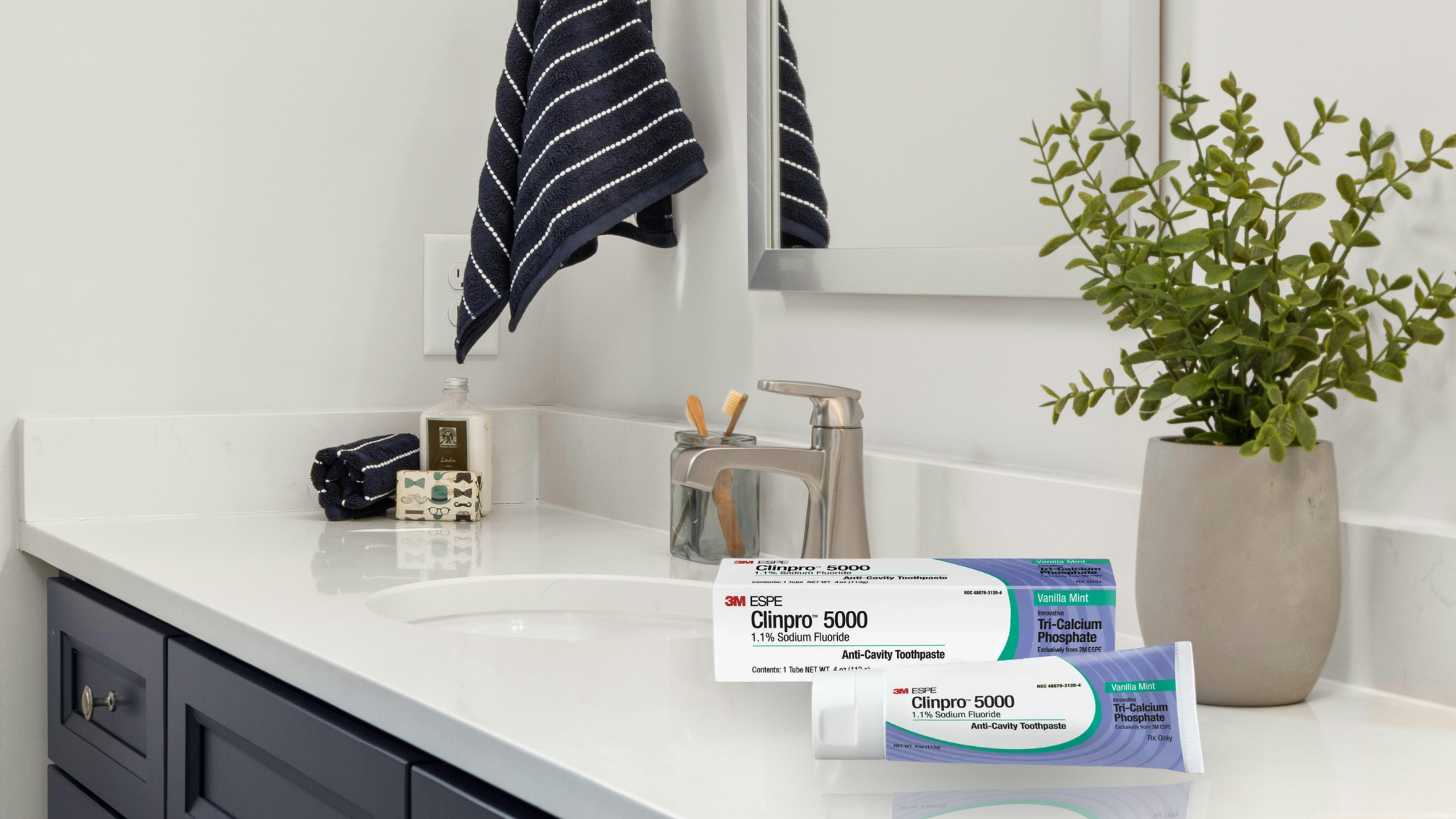
Patients walk out of the dentist's office every week with a small slip of paper and a vague instruction to start using something called Clinpro toothpaste. The tube is white, blue, and purple, the price tag is significantly higher than the toothpaste they have used for years, and the dental assistant has briefly mentioned the words "prescription strength" and "5,000 ppm fluoride" before sending them on their way. The questions usually start in the parking lot.
This Clinpro toothpaste review unpacks both products in the family, the prescription Clinpro 5000 and the over-the-counter Clinpro Tooth Creme, with a focus on what United States patients actually need to know before spending the money. The discussion includes how the formula works, who should and should not use it, what real users are saying on platforms like Drugs.com and WebMD, how it compares to alternatives such as Colgate PreviDent 5000, what it costs, and whether it deserves a place in a long-term dental treatment plan. The goal is a balanced verdict, not a sales pitch.
What Is Clinpro Toothpaste?
Clinpro is a family of fluoride-based dental toothpastes engineered for cavity prevention, enamel strengthening, and remineralization of early demineralized lesions. The brand was developed by 3M Oral Care and is now part of Solventum, the healthcare company that 3M spun off in 2024. Clinpro has been used in clinical practice for more than 15 years and is widely recommended by general dentists, pediatric dentists, orthodontists, and dental hygienists across the United States.
Two products carry the Clinpro name, and the distinction between them matters for purchasing decisions:
Clinpro 5000, a prescription-strength toothpaste containing 1.1 percent sodium fluoride (5,000 ppm fluoride ion)
Clinpro Tooth Creme, an over-the-counter toothpaste containing 0.21 percent sodium fluoride (950 ppm fluoride ion)
Both products contain a proprietary ingredient called functionalized tri-calcium phosphate (fTCP), which is the technology that distinguishes Clinpro from most other prescription fluoride toothpastes. According to the Clinpro 5000 Technical Product Profile from Solventum, fTCP is engineered to deliver calcium and phosphate alongside fluoride at the tooth surface during brushing, which supports remineralization throughout the lesion rather than only on the outer enamel layer.
Clinpro 5000 vs Clinpro Tooth Creme: Which One Is For You?
Confusion between the two Clinpro products is one of the most common reasons patients end up buying the wrong tube online. The two formulations look similar on the shelf, share the fTCP technology, and carry the same brand name, but they differ in fluoride strength, prescription status, and patient eligibility. The table below summarizes the key differences.
Key feature comparison:
Fluoride concentration – Clinpro 5000 contains 5,000 ppm fluoride ion, while Clinpro Tooth Creme contains 950 ppm
Prescription status – Clinpro 5000 requires a prescription in the United States, while Clinpro Tooth Creme is sold over-the-counter
Minimum age – Clinpro 5000 is intended for patients ages 6 and older, while Clinpro Tooth Creme can be used by patients ages 2 and older
Usage frequency – Clinpro 5000 is used once daily in place of regular toothpaste, while Clinpro Tooth Creme can be used once or twice daily
Tube size – both products are typically sold in 4 oz (113 g) tubes, with smaller sample sizes also available for the Tooth Creme
Flavors available – Clinpro 5000 comes in vanilla mint, spearmint, and bubble gum, while Clinpro Tooth Creme is offered in vanilla mint and spearmint
Typical United States price – Clinpro 5000 ranges from $18 to $35 through authorized online dental retailers and $35 to $60 or more through dental offices, while Clinpro Tooth Creme ranges from $13 to $25 through online retailers
Anyone who has been told they can buy Clinpro on Amazon was almost certainly recommended Clinpro Tooth Creme rather than Clinpro 5000. The 5,000 ppm version is a controlled prescription product in the United States and cannot legally be sold directly to consumers without a valid prescription, as confirmed on the official Solventum product page. Clinpro Tooth Creme is freely available on Amazon and through major dental supply websites.
Patients searching for fluoride alternatives or comparing toothpastes more broadly may find the larger overview of expert-recommended toothpaste brands a useful companion resource alongside this Clinpro review.
Who Is Clinpro 5000 Actually For?
Clinpro 5000 is not a general-purpose toothpaste intended for the average healthy adult. The 5,000 ppm fluoride dose is roughly four to five times stronger than standard over-the-counter toothpastes, which typically contain 1,000 to 1,500 ppm fluoride ion. The American Dental Association has long emphasized that prescription-strength fluoride toothpaste is appropriate for patients at moderate to high risk for dental caries, not for the general public.
Patient profiles who commonly receive a Clinpro 5000 prescription include:
Adults and teens with a history of frequent cavities or active decay
Patients with dry mouth (xerostomia) caused by medications, autoimmune conditions like Sjögren's syndrome, or chemotherapy
Post-orthodontic patients dealing with white spot lesions where brackets used to sit
Head and neck cancer patients undergoing or recovering from radiation therapy
Adults with significant gum recession and exposed root surfaces, which decay much faster than enamel
Patients with multiple crowns, bridges, or large fillings that increase the risk of recurrent caries
Elderly patients on multiple medications, causing dry mouth, where root caries become a serious concern
Clinpro 5000 is not a cosmetic whitening toothpaste, and it is not formulated as a sensitivity toothpaste in the same sense as Sensodyne. The product does not contain potassium nitrate, which is the most common desensitizing ingredient. Many patients report sensitivity improvement after using Clinpro 5000, but that benefit comes from rebuilding compromised enamel and blocking dentin tubules through remineralization rather than from a direct nerve-blocking ingredient. Patients searching specifically for relief from cold or sweet sensitivity may want to review the broader options covered in the best toothbrush for sensitive teeth guide alongside this article, since toothpaste alone is rarely the complete answer for sensitivity.
How Clinpro Toothpaste Works: The Science Without The Jargon
Understanding the mechanism behind Clinpro helps patients use the product correctly and judge whether it is likely to benefit their specific situation. The active and supporting ingredients work in two complementary ways, one through fluoride and one through fTCP.
The Fluoride Component
Fluoride strengthens teeth in two ways. It integrates into the enamel structure and forms fluorapatite, which is significantly more acid-resistant than the natural hydroxyapatite found in untreated enamel. Fluoride also disrupts the metabolism of cariogenic bacteria like Streptococcus mutans, reducing the acid production that drives demineralization.
The 5,000 ppm dose in Clinpro 5000 delivers roughly four to five times more fluoride than standard over-the-counter toothpaste. Large clinical trials have shown that higher fluoride concentrations deliver statistically significantly greater anti-caries efficacy, particularly in high-risk patients. For low-risk patients, this stronger dose offers minimal additional benefit, which is one reason the product is restricted to prescription use.
The fTCP (Functionalized Tri-Calcium Phosphate) Component
Most fluoride toothpastes contain fluoride alone because adding calcium and phosphate causes them to react in the tube and become unavailable to the tooth. Clinpro solves this problem with a protective barrier that surrounds the calcium during manufacturing, keeping calcium, phosphate, and fluoride separated until brushing begins.
Saliva breaks down the protective barrier during brushing, releasing calcium and phosphate at the tooth surface alongside the fluoride. The three minerals work together to remineralize compromised enamel throughout the lesion rather than just on the surface. This deeper remineralization is what makes Clinpro particularly effective on white spot lesions and incipient caries.
White Spot Lesions And Why They Matter
White spot lesions are early stages of enamel demineralization that appear as chalky white patches on tooth surfaces. They commonly develop around orthodontic brackets, on the smooth surfaces of teeth in patients with poor plaque control, and on root surfaces in older adults with dry mouth. Left untreated, white spot lesions progress to cavitated decay that requires restorative treatment.
Clinical research has documented Clinpro's ability to remineralize white spot lesions, particularly in post-orthodontic patients. A randomized controlled clinical trial published in ScienceDirect evaluated Clinpro Tooth Creme on pre-carious white spot lesions in anterior primary teeth and found measurable remineralization benefits. For deeper coverage of the underlying problem, the article on effective treatments for white spots on teeth walks through the full range of clinical and at-home options.
How To Use Clinpro Toothpaste Correctly
Improper use is one of the most common reasons patients fail to see the expected results from Clinpro 5000, even when the underlying clinical strategy is sound. The product works through prolonged contact between fluoride, calcium, and phosphate and the tooth surface, which means rinsing, swallowing, or eating immediately afterward all reduce its effectiveness.
The recommended protocol for adults using Clinpro 5000 is straightforward:
Use the product once daily, ideally in the evening after dinner and any nighttime snack
Apply a pea-sized amount onto a soft-bristle toothbrush
Brush thoroughly for at least two minutes, covering all tooth surfaces, the gumline, and any exposed root surfaces
Spit out the excess toothpaste, but do not rinse with water afterward
Avoid eating or drinking for at least 30 minutes to allow the active ingredients to continue working
Use a regular fluoride toothpaste in the morning if recommended by the prescribing dentist
Common mistakes that reduce effectiveness or create safety concerns include rinsing with water immediately after brushing, swallowing more than the recommended pea-sized amount, using the toothpaste like an over-the-counter product twice daily without dental supervision, and allowing children under 6 to use Clinpro 5000. Children ages 6 to 16 should spit thoroughly and rinse with water after brushing because their lower body weight makes fluoride ingestion a higher risk than in adults.
Brushing technique matters as much as the product itself. Patients with manual dexterity issues, poor brushing habits, or aggressive brushing techniques may not get the full benefit of Clinpro despite using it correctly. The companion guide on smart toothbrushes and improved oral health covers tools that can help patients standardize their technique and improve compliance.
Real User Reviews: The Good, The Mixed, And The Concerning
Patient experience with Clinpro 5000 varies considerably across publicly available review platforms. The patterns that emerge from sites like Drugs.com and WebMD reflect both the product's clinical effectiveness for the right patients and the real consequences of misuse or individual sensitivity. A balanced review needs to acknowledge both.
What Patients Tend To Like
Positive feedback clusters around several consistent themes that match the product's clinical purpose.
Common positive observations from real users include:
Cavity-free check-ups after switching from regular toothpaste, particularly among patients with prior cavity histories
Visible reduction in post-orthodontic white spots within three to six months of consistent use
Noticeable reduction in cold and sweet sensitivity, with multiple users reporting they can drink iced beverages comfortably again
Compliance is easier than with separate fluoride gels or rinses, since Clinpro replaces regular toothpaste rather than adding a step
The spearmint, vanilla mint, and bubble gum flavors are mostly well-tolerated, even by patients who dislike strong toothpaste flavors
A single 4-oz tube typically lasts approximately six months, which aligns with the standard six-month recall interval
What Patients Tend To Dislike
Negative feedback also clusters around recognizable patterns, some of which point to genuine drawbacks and others that reflect misuse or unrealistic expectations.
Common concerns and complaints include:
The price difference between dental offices and authorized online retailers, with some practices charging double or triple the online rate
Reports of gastrointestinal upset, mostly when patients accidentally swallow more than the pea-sized amount or use the product more than once daily
Rare allergic reactions, including lip swelling, mouth irritation, and contact dermatitis, appear sporadically across review platforms
Difficulty in extracting the last portion of toothpaste from the flexible tube
A faint heartburn-like sensation in some users, possibly linked to swallowed product or sodium lauryl sulfate sensitivity
No immediate cosmetic whitening effect, which disappoints patients expecting visible results in the first few weeks
Side Effects And Safety Considerations
Fluoride at recommended dosing is well-established as safe for oral use. The prescription strength of Clinpro 5000 raises the safety bar slightly because higher concentrations carry higher risks if the product is swallowed, used too frequently, or used by patients younger than the indicated age range.
Reasonable safety practices include:
Treating Clinpro 5000 as a prescription medication and storing it out of reach of children
Using only the recommended pea-sized amount and never more than once daily unless specifically directed otherwise
Spitting thoroughly after brushing and avoiding deliberate swallowing
Discontinue use and contact the prescribing dentist if any allergic reaction or persistent gastrointestinal symptoms develop
Not substituting Clinpro 5000 for Clinpro Tooth Creme in young children, even if both products are available in the household
This information is general guidance, not medical advice. Patients with specific health conditions or concerns should always discuss Clinpro use directly with their dentist, prescribing physician, or pharmacist.
Clinpro Versus The Alternatives
Clinpro is not the only prescription-strength fluoride toothpaste available in the United States, and the broader category of remineralizing toothpastes has grown considerably in the last decade. Patients evaluating their options have several legitimate alternatives, each with its own clinical profile and cost considerations.
Clinpro 5000 Vs Colgate PreviDent 5000 Plus
Colgate PreviDent 5000 Plus is the most direct competitor to Clinpro 5000 and is prescribed at similar volumes by United States dentists. Both products contain 1.1 percent sodium fluoride and are intended as once-daily replacements for regular toothpaste.
The key differences between the two products:
PreviDent 5000 Plus contains 5 percent potassium nitrate as a desensitizing ingredient, while Clinpro 5000 does not
Clinpro 5000 contains fTCP (calcium and phosphate), while PreviDent 5000 Plus does not
PreviDent ships in a smaller 1.8 oz tube, while Clinpro ships in a 4 oz tube
Clinpro is generally more effective for white spot lesion remineralization due to fTCP, while PreviDent is generally better for combined cavity prevention plus sensitivity relief
Retail pricing is broadly comparable between the two products, though Clinpro's larger tube delivers a lower per-gram cost
Most dentists choose between the two products based on the patient's primary clinical issue. PreviDent tends to be the choice when sensitivity is a major component of the complaint, while Clinpro tends to be the choice when remineralization of demineralized enamel or root surfaces is the priority.
Clinpro Versus Nano-Hydroxyapatite Toothpastes
Nano-hydroxyapatite (nHA) toothpastes have gained significant traction in the United States consumer market, particularly among patients seeking fluoride-free oral care. Brands like Boka, RiseWell, and Davids use synthetic hydroxyapatite as the primary remineralizing ingredient. The mechanism is different from Clinpro, but the goal of strengthening enamel is similar.
Clinpro has substantially more clinical data behind it, with more than 15 years of professional use and multiple peer-reviewed studies. The nHA category is growing in research support but does not yet match the evidence base for high-fluoride formulations. For patients at moderate to high caries risk, most United States dentists still recommend the fluoride route as the standard of care, particularly for patients who already have a history of cavities or demineralization.
Generic 5,000 Ppm Fluoride Toothpastes
Searches for a generic equivalent of Clinpro 5000 are common because the prescription product is significantly more expensive than over-the-counter alternatives. Several pharmacy and dental supply chains sell house-brand 1.1 percent sodium fluoride toothpastes at lower price points, and some dental offices stock these as cost-effective alternatives.
The important distinction is that no generic version contains the proprietary fTCP technology that distinguishes Clinpro. A generic 5,000 ppm sodium fluoride toothpaste delivers the same fluoride dose, but it does not deliver the calcium and phosphate components. Patients whose primary need is high-dose fluoride may be well served by a generic, while patients specifically targeting white spot lesion remineralization or root surface remineralization will likely benefit more from the branded Clinpro product. The prescribing dentist is the right person to make this call based on the individual clinical picture.
Patients looking at the broader toothpaste landscape, including options for enamel and gum repair beyond Clinpro, may find the comparison in the best enamel and gum repair toothpaste guide a useful next step.
Where To Buy Clinpro Toothpaste In The US
Sourcing matters with prescription dental products. Counterfeit and gray-market listings exist in the United States dental supply chain, particularly through unverified online marketplaces, and authentic Clinpro 5000 should always come from an authorized channel. Authentic product ships with intact tamper-evident packaging, valid lot numbers, and clear manufacturer labeling.
Where To Buy Clinpro 5000 (Prescription)
Several legitimate channels sell Clinpro 5000 to patients with valid prescriptions.
The most common authorized sources include:
The prescribing dentist's office, which often stocks the product directly
Major chain pharmacies, including CVS, Walgreens, Walmart, and Rite Aid, require a written prescription
HealthWarehouse, the official online pharmacy partner for Solventum's Clinpro line
Authorized online dental retailers like Dental City, Pure Life Dental, Sky Dental Supply, and Safco Dental, with appropriate verification
Unverified Amazon, eBay, and AliExpress listings claiming to sell Clinpro 5000 should be treated with caution. Solventum has explicitly stated that the prescription product cannot be sold directly to consumers, which means most consumer marketplace listings are either expired stock, counterfeit product, or actually Clinpro Tooth Creme being mislabeled.
Where To Buy Clinpro Tooth Creme (Over-The-Counter)
Clinpro Tooth Creme is widely available because it does not require a prescription. Common legal sources include Amazon, the Solventum website, major pharmacy chains, and dental supply retailers.
Many dental offices also stock and sell Tooth Creme, particularly to pediatric patients and to adults transitioning off Clinpro 5000 once their caries risk has been controlled. The same authenticity verification practices apply, with attention to packaging integrity, lot numbers, and verified seller status.
Subscription, Autoship, And Coupon Options
Most patients use a single 4-oz tube over approximately six months, which means a yearly supply requires only two tubes. Subscription savings are modest at this volume, but a few options can reduce the total cost.
Available savings options include:
HealthWarehouse refill reminders for Clinpro 5000 prescriptions
Amazon Subscribe & Save for Clinpro Tooth Creme
Autoship discounts on professional accounts at dental supply sites for offices that purchase regularly
GoodRx and similar prescription discount tools, which sometimes show coupons for Clinpro 5000
Manufacturer patient savings programs offered through dental offices, which are worth asking about at the point of prescription
Clinpro Toothpaste Cost: Is It Worth The Money?
Cost is a legitimate consideration, particularly for patients without dental insurance or with high deductibles. Clinpro 5000 is significantly more expensive per tube than regular over-the-counter toothpaste, and the value depends entirely on how the cost compares to the dental treatment it helps prevent.
Typical United States pricing falls into the following ranges:
Clinpro 5000 through authorized online dental retailers, $18 to $25 per 4-oz tube
Clinpro 5000 through dental offices, $35 to $60 or more per tube, with some practices charging in excess of $100
Clinpro 5000 through HealthWarehouse with a prescription, approximately $20 to $40
Clinpro Tooth Creme through Amazon and dental supply sites, $13 to $25 per 4-oz tube
Assuming a single tube of Clinpro 5000 lasts six months at once-daily use, the daily cost lands somewhere between 10 and 33 cents, depending on the source. That figure is more meaningful when measured against the cost of dental treatment that the product helps prevent. According to the cost guidance compiled in the article on how much a filling costs, a single composite filling in the United States typically runs $150 to $300, a crown costs $1,000 to $1,500 or more, and root canal treatment can run $700 to $1,500 or higher, depending on the tooth and the geographic market. Preventing a single filling over the working life of the product more than offsets the cost.
Dental insurance coverage for prescription toothpaste is inconsistent. Most insurance plans do not cover Clinpro 5000 directly, but flexible spending accounts (FSA) and health savings accounts (HSA) usually do. Patients evaluating coverage should also review the broader landscape of dental insurance types and what to look for to understand which expenses may be reimbursable through their specific plan.
Is Clinpro Toothpaste Safe During Pregnancy?
Pregnancy raises legitimate questions about every prescription product, and Clinpro 5000 is no exception. The American Dental Association has long supported the use of fluoride toothpaste during pregnancy at standard doses. Prescription-strength fluoride at 5,000 ppm has more limited dedicated pregnancy data, which is why the conservative approach is to discuss it directly with both the dentist and the obstetrician before continuing or starting the product during pregnancy.
Patients who become pregnant while using Clinpro 5000 should not panic. The product is used topically and is not deliberately swallowed, which means systemic exposure is minimal when used as directed. The recommendation to consult both providers is standard caution for any prescription product during pregnancy, not a signal that Clinpro is uniquely risky. This article does not constitute medical advice, and pregnant patients should defer to the guidance of their personal healthcare team.
Where Clinpro Fits In A Modern Cavity Prevention Strategy
Clinpro toothpaste is one tool in a broader cavity prevention toolkit, and it works best when paired with the rest of the strategy. Stand-alone use of any prescription toothpaste rarely produces optimal results in patients with active disease or significant risk factors. The supporting elements include consistent professional cleanings, fluoride varnish applications, dietary counseling, salivary flow assessment, and treatment of any underlying contributors like medications or systemic conditions.
Modern caries management increasingly takes a minimally invasive approach, focusing on remineralization and disease control rather than immediate restorative intervention. The framework outlined in the overview of minimally invasive dentistry explains how Clinpro fits alongside other preventive tools like silver diamine fluoride, sealants, and chairside remineralization protocols.
Patients dealing with broader oral health concerns may also benefit from understanding the role of fluoride beyond toothpaste. Fluoride mouth rinses, varnishes, and ACT fluoride mouthwash can complement Clinpro by extending fluoride contact time. Practical home strategies covered in how to prevent cavities and protect your teeth round out the broader prevention picture for patients trying to break a cycle of recurrent decay.
Bottom Line
Clinpro 5000 is a clinically proven, professionally trusted, prescription-strength fluoride toothpaste with a well-established track record for cavity prevention and white spot lesion remineralization. The combination of 5,000 ppm sodium fluoride and functionalized tri-calcium phosphate gives it a meaningful clinical edge over standard fluoride toothpastes, particularly for patients at moderate to high caries risk. Clinpro Tooth Creme offers a milder, over-the-counter option for patients who want the fTCP technology without prescription-strength fluoride.
The product is not a miracle, and it is not a fit for every patient. Healthy adults with no caries history and no specific risk factors gain little from prescription-strength fluoride and can stick with standard over-the-counter toothpaste paired with good hygiene. Patients with active decay, post-orthodontic white spots, dry mouth, exposed roots, or a history of recurrent cavities are the ones who benefit most. The price is justified when measured against the cost of restorative dentistry, which helps prevent, and the daily-use protocol is straightforward enough to maintain long-term.
For patients who fit the clinical profile and follow the once-daily, spit-don't-rinse protocol, Clinpro 5000 represents one of the most evidence-supported at-home cavity prevention tools currently available in the United States. Discussing it with the prescribing dentist remains the right starting point, and authorized purchase channels are essential for getting an authentic product at a reasonable price.
This article is for informational purposes only and does not constitute medical advice. Always consult with qualified healthcare professionals for diagnosis and treatment recommendations specific to your situation.
Frequently Asked Questions
What is Clinpro toothpaste used for?
Clinpro toothpaste is used for cavity prevention, enamel strengthening, and remineralization of early demineralized lesions, including white spots. The prescription Clinpro 5000 is specifically intended for patients at moderate to high caries risk, while the over-the-counter Clinpro Tooth Creme is suitable for general daily use in patients ages 2 and older.
Is Clinpro 5000 the same as Clinpro Tooth Creme?
No. Clinpro 5000 contains 5,000 ppm fluoride and requires a prescription, while Clinpro Tooth Creme contains 950 ppm fluoride and is sold over-the-counter. Both contain the proprietary fTCP technology, but they are not interchangeable, and Clinpro Tooth Creme should not be used as a substitute for prescribed Clinpro 5000.
Where can I buy Clinpro 5000 toothpaste?
Clinpro 5000 is available through dentist offices, major pharmacy chains with a valid prescription, HealthWarehouse as Solventum's official online pharmacy partner, and authorized online dental retailers. Unverified Amazon and eBay listings should be avoided, as the product cannot legally be sold directly to consumers without a prescription.
How much does Clinpro 5000 cost in the US?
Clinpro 5000 typically costs $18 to $35 through authorized online dental retailers and $35 to $60 or more through dental offices for a 4-oz tube. Pricing varies by region and supplier. A single tube usually lasts approximately six months at once-daily use, which works out to roughly 10 to 33 cents per day.
Does Clinpro 5000 actually reverse cavities?
Clinpro 5000 can reverse early-stage demineralization and white spot lesions through remineralization, but it cannot reverse cavities that have progressed to actual cavitated decay. Once enamel has broken down structurally, restorative treatment is required. The product is most effective when used during the pre-cavitation phase of caries development.
Are there side effects from Clinpro 5000?
Most users tolerate Clinpro 5000 without issues. Reported side effects include occasional gastrointestinal upset (usually from accidental swallowing), rare allergic reactions like lip swelling or mouth irritation, and mild heartburn-like sensations in some users. Patients who experience persistent symptoms should stop use and contact their prescribing dentist.
Can children use Clinpro toothpaste?
Clinpro 5000 is indicated for ages 6 and older and should not be used by younger children. Clinpro Tooth Creme is approved for ages 2 and older and is the appropriate choice for younger pediatric patients. Children ages 6 to 16 using Clinpro 5000 should spit and rinse with water after brushing to reduce fluoride ingestion.
Does dental insurance cover Clinpro 5000?
Most dental insurance plans do not cover prescription toothpaste, including Clinpro 5000. However, flexible spending accounts (FSA) and health savings accounts (HSA) typically do cover the product as a qualified medical expense. Patients should verify coverage with their specific plan and benefits administrator.
Is there a generic version of Clinpro 5000?
Generic 1.1 percent sodium fluoride toothpastes exist and deliver the same fluoride concentration at a lower cost, but no generic contains the proprietary fTCP technology. Patients whose primary need is high-dose fluoride may be served by a generic, while those targeting white spot lesion remineralization are typically better served by branded Clinpro.
How does Clinpro 5000 compare to Colgate Prevident 5000?
Both products contain 5,000 ppm sodium fluoride and require a prescription. Clinpro 5000 contains fTCP for added remineralization, while PreviDent 5000 Plus contains potassium nitrate for sensitivity relief. Clinpro is generally preferred for white spot lesions and root remineralization, while PreviDent is generally preferred when sensitivity is a primary concern.
Can Clinpro 5000 be used twice a day?
The standard recommendation is once daily, ideally in the evening. Some dentists prescribe twice-daily use for patients with severe caries activity, but this should only be done under direct dental supervision. Doubling the dose without clinical guidance increases the risk of fluoride-related side effects without proportional clinical benefit.
Is Clinpro safe to use while pregnant?
Standard fluoride toothpaste is considered safe during pregnancy by the American Dental Association. Prescription-strength formulations like Clinpro 5000 have more limited dedicated pregnancy data, so the conservative approach is to discuss continued use with both the dentist and the obstetrician. Topical use as directed produces minimal systemic exposure when the product is not swallowed.