BioHorizons Brings CERALOG Metal-Free Dental Implants to the US
BioHorizons has introduced the CERALOG PROGRESSIVE-LINE implant system to the US market as of November 1, 2026, expanding the range of metal-free implant solutions available to...
Written by Marcus Hale
Read time: 4 min read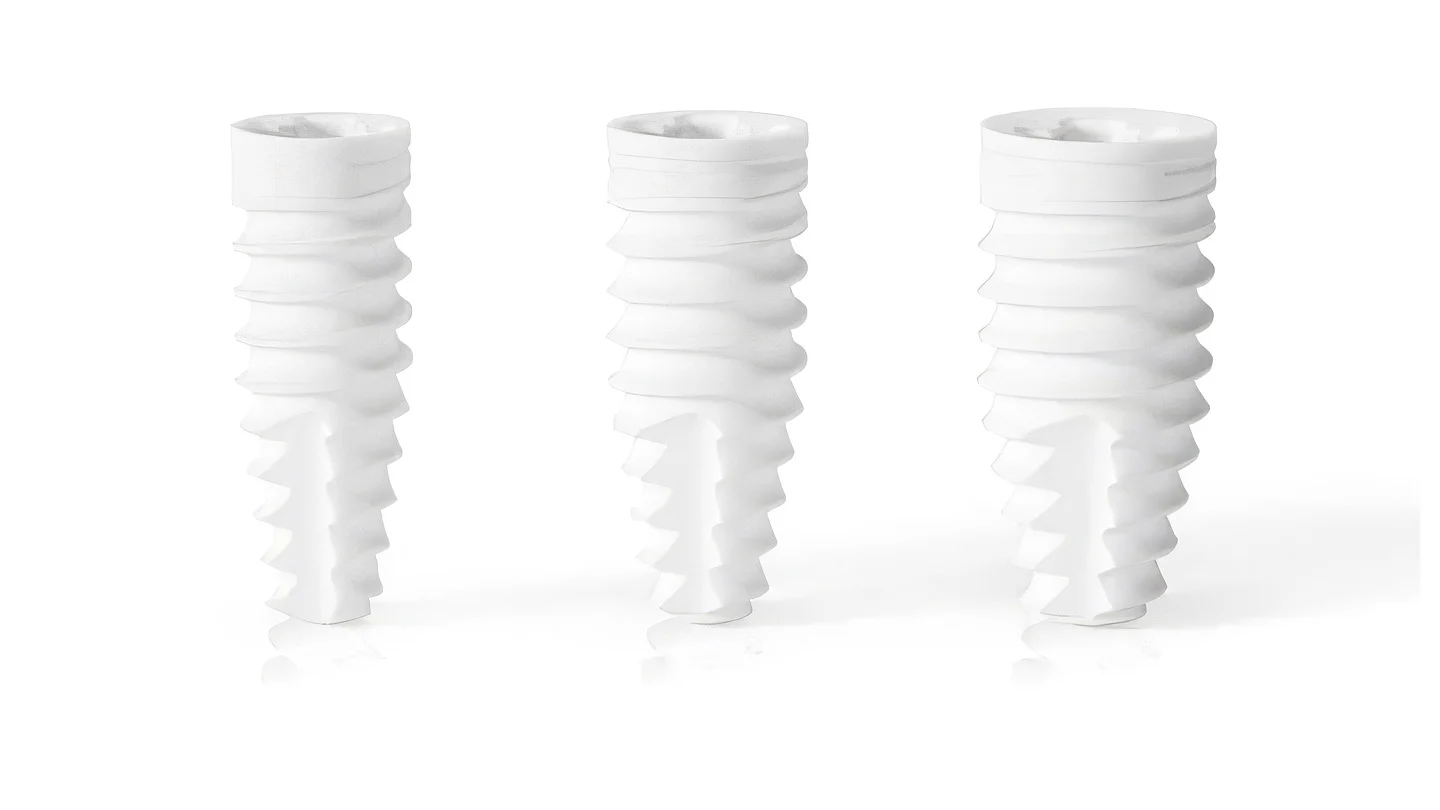
BioHorizons has introduced the CERALOG PROGRESSIVE-LINE implant system to the US market as of November 1, 2026, expanding the range of metal-free implant solutions available to dental professionals. The system features a two-piece ceramic implant design with metal-free restorative components, offering clinicians an additional option for patients seeking ceramic alternatives to conventional titanium implants.
TL;DR
BioHorizons announced US availability of CERALOG PROGRESSIVE-LINE on November 1, 2026
The system pairs a zirconia implant with zirconia abutments and a carbon-fiber PEEK screw
Camlog launched it in Europe in 2025, and system-specific long-term evidence is still thin
BioHorizons Introduces CERALOG PROGRESSIVE-LINE to the US Market
BioHorizons announced the US introduction from its Birmingham, Alabama headquarters. The company frames it as an alternative for patients who need something other than titanium.
The system itself is not new. Camlog, BioHorizons' partner company, presented it at the German Implantology Society congress in November 2024. It became available in Germany, Austria, and Switzerland from February 2025. What changed this month is geography.
The CERALOG name is also older than this line. Earlier CERALOG Monobloc and Hexalobe implants used different designs. Hexalobe abutments were made of PEKK and fixed with a titanium or gold screw. PROGRESSIVE-LINE components do not fit the Hexalobe system, according to Camlog's manual.
What Makes the CERALOG Implant System Different?
The selling point is a two-piece ceramic design with no metal anywhere in the chain. That combination has been hard to engineer. The details below come from Camlog and BioHorizons, not from independent testing.
Fully Metal-Free Implant and Restorative Components
The implant is milled from ATZ-HIP, an alumina-toughened zirconia compacted under heat and pressure. Camlog lists it as 76% zirconia, 20% alumina, and 4% yttria. Abutments are zirconia, and the abutment screw is VICARBO, a carbon-fiber-reinforced PEEK.
Metal-free describes the parts list. It does not prove better tissue health or suitability for every patient.
Two-Piece Design and Bolt-in-Tube Connection
Ceramic is strong under compression and weak under pulling and bending forces. That is why most zirconia implants have been one-piece. Camlog says its Bolt-in-Tube connection keeps tensile and shear forces off the ceramic. A rounded thread on the PEEK screw is meant to suit the material.
Progressive Thread Geometry and Implant Surface
The implant copies the tapered, apically conical shape of the titanium PROGRESSIVE-LINE. Its surface is sandblasted and acid-etched. Camlog compares the texture to its titanium Promote surface.
What Restorative Options Does CERALOG Offer?
BioHorizons lists single crowns, bridges, and overdentures. The kit includes straight and angled zirconia abutments and zirconia bonding bases for CAD/CAM crowns. Overdentures attach with a prefabricated Docklocs attachment.
That flexibility is the real argument against one-piece ceramics. A one-piece implant fixes the abutment angle at surgery. Any correction later means grinding ceramic inside the mouth, a known weak point. A two-piece system lets the implant heal first, and the angle be chosen later.
What Does the US Launch Mean for Implant Dentists?
The biggest practical advantage applies to existing Camlog users. Camlog says CERALOG fits the CAMLOG and CONELOG PROGRESSIVE-LINE surgical set, plus a few instruments. For other practices, it means a new kit, new parts, and new lab workflows.
Patients asking for metal-free implants usually arrive with a concern, rarely a diagnosis. Some have a documented metal sensitivity. Most have read something online. Both groups deserve a plain explanation of what ceramic does and doesn't change.
Several questions deserve answers before adopting the system:
How does a PEEK screw behave over years of chewing?
What torque values apply, and how are loose screws managed?
Can the lab work with zirconia bonding bases?
What training does BioHorizons provide in the US?
Imaging is another practical point. Zirconia scatters X-rays, so CBCT follow-up scans can show more artifacts around the implant.
Insurance won't settle the choice either. The dental codes for an implant body do not distinguish ceramic from titanium. Plans like Delta Dental cover implants by code and plan tier. Material choice belongs in each patient's dental treatment plan, alongside dental implant treatment planning basics.
How Does CERALOG Fit Into the Ceramic Implant Market?
CERALOG joins an existing US ceramic market. Its main pitch is a two-piece connection with no metal screw. For broader brand and cost context, see our guide to zirconia dental implants.
What Remains Uncertain About the CERALOG System?
The open questions are specific. Engineering claims are not clinical outcomes. Data from older CERALOG designs does not transfer to PROGRESSIVE-LINE. Early stability is not ten-year survival.
A 2025 systematic review studied two-piece zirconia implants on their own. It noted that earlier reviews mostly pooled one-piece and two-piece designs. The two behave as different treatments. The system has also been on sale only since 2025. Independent comparative data will take years.
Bottom Line
BioHorizons has expanded US access to CERALOG PROGRESSIVE-LINE, an established two-piece ceramic implant with metal-free components. It gives clinicians another restorative option, especially for practices already on Camlog. Availability does not prove better outcomes than titanium or other zirconia systems. Clinicians should weigh training, lab workflow, and evidence before offering it.
Frequently Asked Questions
Is CERALOG available in the US?
Yes. BioHorizons announced US availability of CERALOG PROGRESSIVE-LINE on November 1, 2026. Pricing and practice-level availability were not part of the announcement.
Is CERALOG a new implant system?
No. Camlog presented PROGRESSIVE-LINE in November 2024. It launched in Germany, Austria, and Switzerland in February 2025. Earlier CERALOG designs existed before that.
Is CERALOG fully metal-free?
PROGRESSIVE-LINE is, per the manufacturer. The implant and abutments are zirconia, and the screw is carbon-fiber PEEK. Some earlier CERALOG abutments used titanium or gold screws.
Is CERALOG clinically better than titanium?
That has not been shown. No independent long-term comparison of this system exists yet. Our titanium particles research coverage explains one reason some patients ask about alternatives.