10 Best Mouthwashes For Bad Breath in 2026
The best mouthwash for bad breath neutralizes odor-causing bacteria instead of masking the smell with mint. This guide ranks ten options for 2026. It covers which ingredients...
Written by Mantas Petraitis
Read time: 6 min read
The best mouthwash for bad breath neutralizes odor-causing bacteria instead of masking the smell with mint. This guide ranks ten options for 2026. It covers which ingredients work. It explains when an alcohol-free formula makes more sense than a classic rinse.
TL;DR
Zinc and CPC neutralize odor-causing sulfur compounds, mint alone only covers the smell
Alcohol-free formulas suit dry mouth better, since alcohol can make dryness worse
SmartMouth and TheraBreath lead the pack for chronic bad breath specifically
A rinse cannot fix bad breath caused by gum disease or dry mouth from medication
Quick Dentist-Recommended Choices
Best Overall
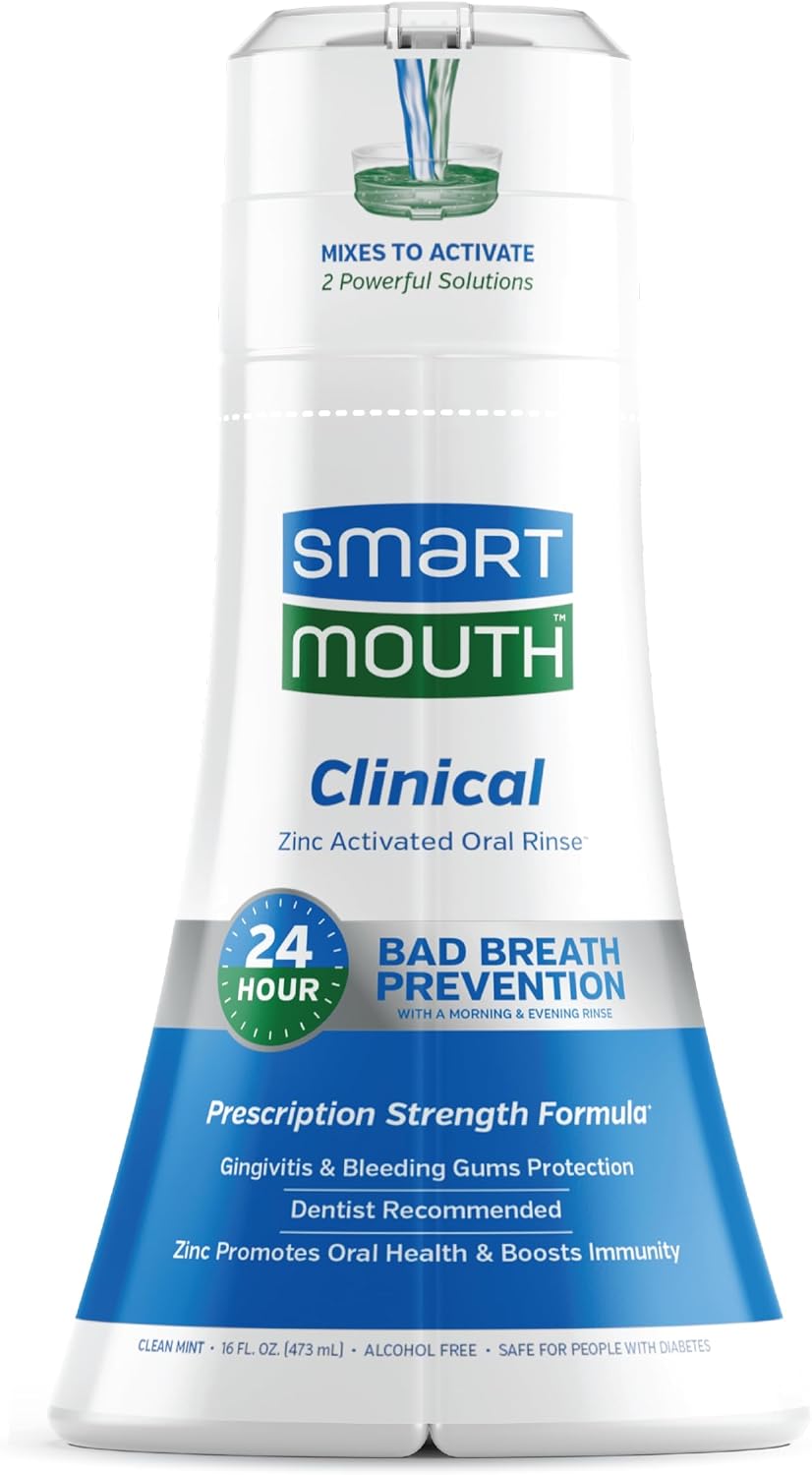
SmartMouth Clinical DDS Activated Fresh Breath Rinse
Dual-bottle zinc ion technology that binds sulfur compounds directly, the strongest all-day odor control in this guide, about $9 to $13.
Best for Sensitive Mouth
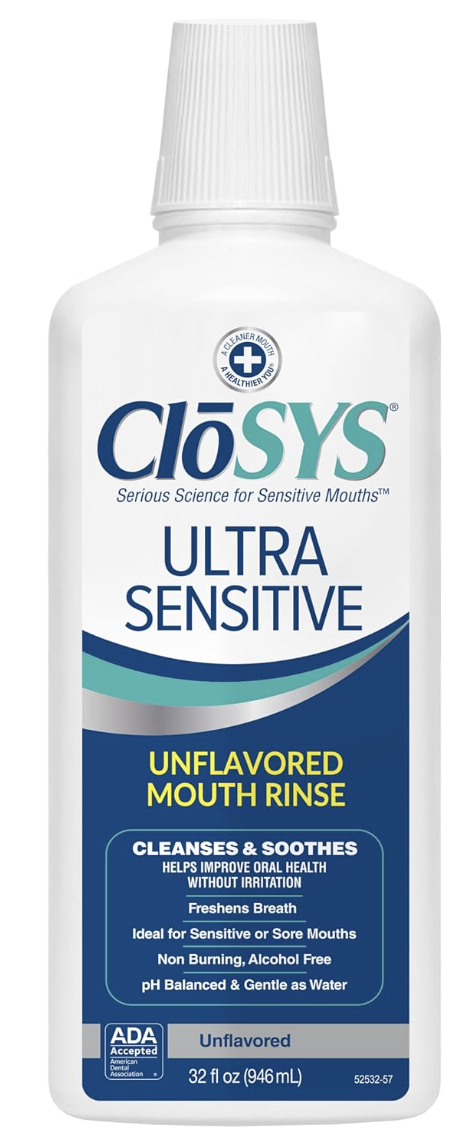
CloSYS Ultra Sensitive Mouthwash
Unflavored, alcohol-free chlorine dioxide with zero sting, gentle enough to swish for the full 30 seconds, about $8 to $12.
Best For Dry Mouth
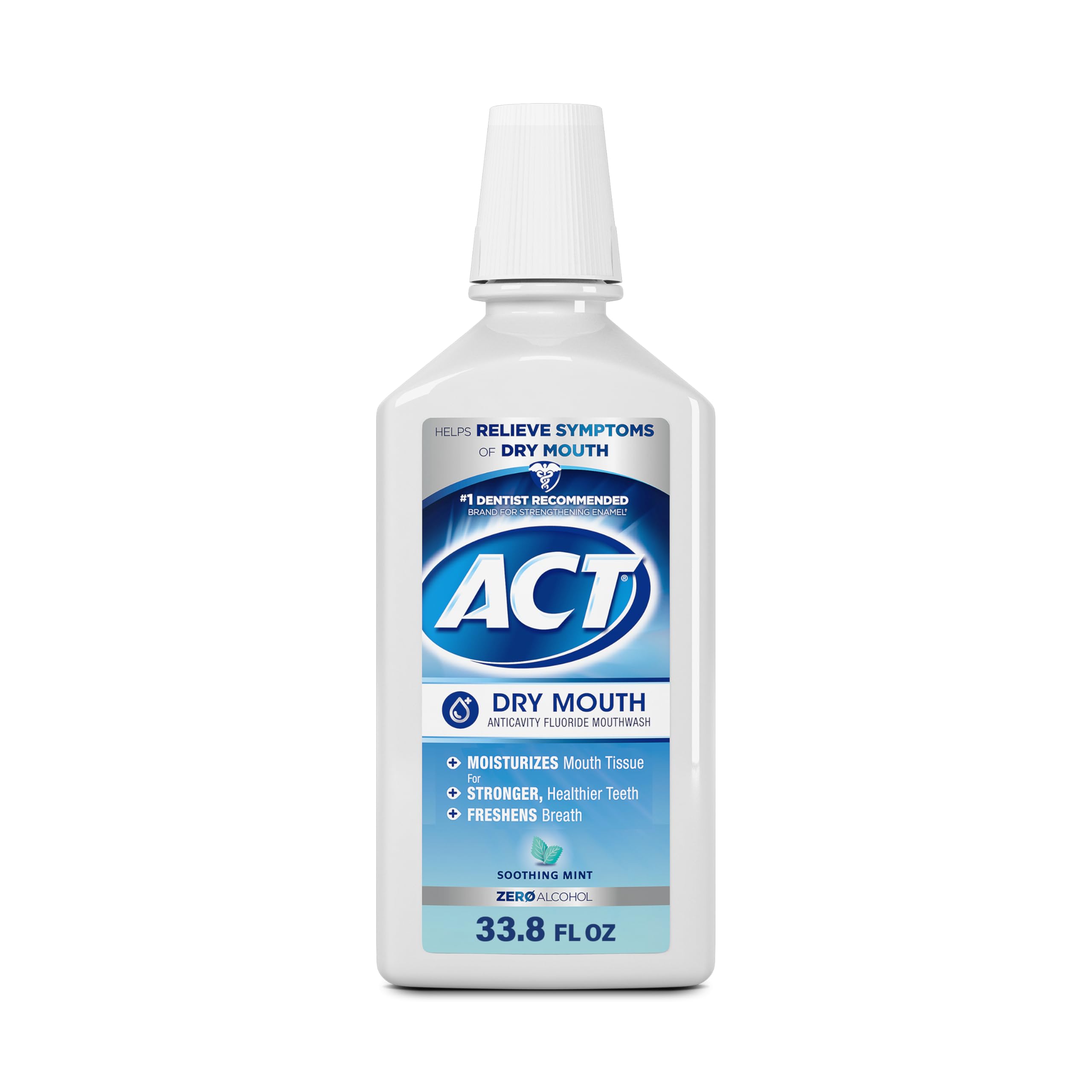
ACT Dry Mouth Mouthwash
Adds moisture and fluoride instead of relying on antibacterial strength alone, built for bad breath tied to a dry mouth, about $6 to $9.
We may earn a commission on purchases made through these links.
What Causes Bad Breath?
Bad breath starts with bacteria, not food. Anaerobic bacteria on the tongue and between teeth break down proteins and release volatile sulfur compounds. Those compounds carry the smell most people associate with bad breath, and halitosis affects a large share of adults worldwide, making it one of the more common reasons people bring up breath concerns at a dental visit.
Identifying the source matters before reaching for a stronger rinse. The right mouthwash depends on which of these causes applies, and treating the wrong one wastes money on a product that was never going to help.
Cause | What it does | What helps |
|---|---|---|
Tongue bacteria | Produces most of the sulfur compounds behind bad breath | Tongue scraper plus a therapeutic rinse |
Dry mouth | Lets odor bacteria multiply unchecked | Alcohol-free, moisturizing rinse |
Gum disease | Bacteria in gum pockets produce odor a rinse cannot fully reach | Dedicated gum rinse and a dental visit |
Diet, smoking | Adds odor compounds directly to the breath | Reduce the trigger, rinse afterward |
Plaque buildup along the gumline adds to the bacterial load driving the odor. Left undisturbed, it gives bacteria more surface area to produce sulfur compounds throughout the day.
Cosmetic Vs. Therapeutic: What Should You Look For In A Mouthwash?
Mouthwash falls into two rough categories. A cosmetic rinse only masks odor with a strong flavor. A therapeutic rinse changes the bacteria producing the smell in the first place.
Type | What it does | Common ingredients | Best for |
|---|---|---|---|
Cosmetic | Masks odor temporarily with flavor | Mint, flavoring agents | A quick fix before a meeting or date |
Therapeutic | Neutralizes odor-causing bacteria | CPC, zinc chloride, chlorine dioxide | Daily, ongoing bad breath control |
Cetylpyridinium chloride, zinc chloride, and chlorine dioxide are the three ingredients with the strongest track record for reducing volatile sulfur compounds directly, rather than covering them for a few minutes.
Cetylpyridinium chloride binds to the bacterial cell wall and lowers hydrogen sulfide and methyl mercaptan levels with regular twice-daily use.
Zinc ions bind directly to sulfur compounds and neutralize them on contact, which is why zinc-based rinses tend to outperform mint-only formulas within days rather than weeks. A clinical trial on a zinc mouthrinse measured a larger drop in odor compounds than either a probiotic rinse or standard brushing alone.
Chlorine dioxide oxidizes sulfur compounds through a different chemical pathway. It works well for mouths that react poorly to stronger antiseptics.
Should You Use An Alcohol-Free Mouthwash?
Alcohol-free does not mean weaker. Several of the strongest odor-neutralizing rinses on this list skip alcohol entirely.
Factor | Alcohol-based | Alcohol-free |
|---|---|---|
Feel | Stronger, more intense burn | Milder, no sting |
Dry mouth risk | Can worsen dryness over time | Safer for dry or sensitive mouths |
Best fit | Tolerant users who want intensity | Dry mouth, sensitive tissue, daily long-term use |
Alcohol dries oral tissue with repeated use. Dry mouth is itself a cause of bad breath, so a drying rinse can work against its own purpose for some users.
Anyone with dry mouth, sensitive tissue, or a rinse that stings and irritates should default to an alcohol-free formula. That covers a large share of the ten picks below.
What Are The 10 Best Mouthwashes For Bad Breath?
The list below ranks ten mouthwashes sold across major United States retailers, based on ingredient strength, comfort during actual use, and how the results held up over repeated testing rather than a single rinse. Pricing reflects typical retail cost at the time of writing and may shift.
#1. SmartMouth Clinical DDS Activated Fresh Breath Rinse
SmartMouth Clinical DDS Activated Fresh Breath Rinse tops this list for its dual-bottle zinc ion technology. The two solutions activate on mixing, and the zinc ions bind directly to sulfur compounds instead of covering them up. The odor control holds through a full day in practice, not just on the label, and the mild mint flavor never turns bitter or medicinal the way some strong rinses do.
Price: about 9 to 13 dollars per twin pack
Where to buy: Amazon, Walmart, and pharmacies
Format: alcohol-free, dual-bottle liquid
Best for: the strongest all-day odor control on this list
Pros:
Zinc ion technology binds sulfur compounds directly
Alcohol-free and gentle enough for twice daily use
Odor control genuinely lasts through a full day
Cons:
Two-bottle system takes more effort than a single rinse
#2. TheraBreath Fresh Breath Oral Rinse
TheraBreath Fresh Breath Oral Rinse built its whole brand around chronic bad breath. The oxygenating formula uses activated zinc chloride to neutralize sulfur compounds rather than masking them with mint alone. The fizz is noticeable in the first few seconds of swishing, and the aftertaste is cleaner than most drugstore rinses, with no lingering chemical bite.
Price: about 9 to 14 dollars
Where to buy: Amazon, Walmart, and pharmacies
Format: alcohol-free liquid
Best for: chronic or recurring bad breath
Pros:
Formulated specifically for chronic halitosis, not general freshening
Alcohol-free, dye-free formula
Clean aftertaste with no chemical bite
Cons:
Milder mint flavor than some users expect from a strong rinse
#3. Listerine Cool Mint Antiseptic Mouthwash
Listerine Cool Mint Antiseptic Mouthwash is the classic essential oil rinse most people picture first. Thymol, eucalyptol, and menthol together target odor-causing bacteria across the whole mouth, not just the tongue. The burn is real and takes a few uses to get comfortable with, but the intensity does leave the mouth feeling deeply clean afterward, not just minty.
Price: about 6 to 9 dollars
Where to buy: nearly any US pharmacy or grocery store
Format: contains alcohol
Best for: strong, familiar antibacterial action at a low price
Pros:
Decades of research behind the essential oil blend
Inexpensive and available almost everywhere
Leaves a genuinely deep-clean feeling, not just minty
Cons:
Alcohol content stings and dries out sensitive mouths
#4. Listerine Cool Mint Alcohol-Free Mouthwash
Listerine Cool Mint Alcohol-Free Mouthwash uses the same essential oil blend as the original Cool Mint without the alcohol. Side by side with the original, the flavor comes through softer and less sharp, and the mouth never gets that dry, tight feeling by the end of the bottle.
Price: about 7 to 10 dollars
Where to buy: Amazon, pharmacies, and grocery stores
Format: alcohol-free
Best for: Listerine's antibacterial strength without the sting
Pros:
Same essential oil blend as the original formula
Alcohol-free and gentler on the mouth
No dry, tight feeling after repeated use
Cons:
Slightly less intense flavor than the original Cool Mint
#5. CloSYS Ultra Sensitive Mouthwash
CloSYS Ultra Sensitive Mouthwash uses stabilized chlorine dioxide instead of CPC or essential oils. Unflavored by default takes some adjustment, since most people expect mouthwash to taste like something, but the total absence of sting makes it the easiest rinse on this list to swish for the full 30 seconds.
Price: about 8 to 12 dollars
Where to buy: Amazon and pharmacies
Format: alcohol-free
Best for: sensitive mouths that react to stronger rinses
Pros:
Free of alcohol, dye, and sulfates
Gentle enough for long-term daily use
Zero sting makes the full swish time easy to hit
Cons:
Less widely stocked in physical stores than major brands
#6. Crest Pro-Health Multi-Protection Mouthwash
Crest Pro-Health Multi-Protection Mouthwash pairs CPC with wide retail availability. Nothing about it stands out in either direction, which is its real strength, a dependable, unremarkable rinse that does the job every time without any surprises in taste or feel.
Price: about 6 to 9 dollars
Where to buy: nearly any US pharmacy or grocery store
Format: alcohol-free
Best for: a dependable CPC rinse without hunting for a specialty brand
Pros:
CPC formula backed by research on plaque and odor bacteria
Alcohol-free and widely available
Consistent, predictable results bottle after bottle
Cons:
Similar formula and strength to several competitors on this list
#7. ACT Dry Mouth Mouthwash
ACT Dry Mouth Mouthwash targets bad breath caused by low saliva flow specifically. The texture feels slightly thicker than a standard rinse, almost coating, which is exactly what makes it work for a mouth that already feels dry and tight by mid-afternoon.
Price: about 6 to 9 dollars
Where to buy: Amazon, pharmacies, and grocery stores
Format: alcohol-free
Best for: bad breath tied to dry mouth
Pros:
Adds moisture instead of just masking dry mouth odor
Includes fluoride for cavity protection
Coating texture noticeably eases dry, tight mouth feel
Cons:
Less antibacterial strength than a dedicated odor-focused rinse
#8. Biotene Dry Mouth Oral Rinse
Biotene Dry Mouth Oral Rinse is built around soothing dry oral tissue rather than an aggressive antibacterial punch. The gel-like texture lingers a bit longer in the mouth than a typical rinse, which is the whole point, though it can feel unusual the first few times.
Price: about 7 to 11 dollars
Where to buy: Amazon and pharmacies
Format: alcohol-free
Best for: xerostomia-related bad breath
Pros:
Specifically formulated for dry mouth relief
Alcohol-free and gentle on irritated tissue
Lingering coating genuinely extends comfort between rinses
Cons:
Weaker antibacterial action than zinc or CPC rinses
#9. Colgate Total Gum Health Mouthwash
Colgate Total Gum Health Mouthwash rounds out daily care with fluoride, plaque control, and breath freshening in one bottle. It tastes closer to toothpaste than a dedicated breath rinse, which some people like and others find a little odd first thing in the morning.
Price: about 6 to 9 dollars
Where to buy: nearly any US pharmacy or grocery store
Format: alcohol-free
Best for: an all-around daily rinse from a trusted drugstore brand
Pros:
Combines fluoride, plaque control, and breath freshening
Widely available at a low price
Alcohol-free despite the antibacterial strength
Cons:
Toothpaste-like flavor feels unusual as a standalone rinse
#10. Tom's of Maine Wicked Fresh! Mouthwash
Tom's of Maine Wicked Fresh! Mouthwash takes a natural ingredient approach, using xylitol and essential oils instead of synthetic antibacterial agents. The mint flavor comes through softer and slightly herbal compared to a mainstream rinse, and it never has the synthetic aftertaste some natural products still carry.
Price: about 6 to 9 dollars
Where to buy: Amazon, Target, and natural grocery stores
Format: alcohol-free
Best for: buyers who want a natural ingredient list
Pros:
No artificial dyes, sweeteners, or alcohol
Soft, herbal mint flavor with no synthetic aftertaste
Cons:
Less clinical research behind the specific formula than CPC or zinc rinses
How Do The 10 Best Mouthwashes For Bad Breath Compare?
This table lines up all ten picks side by side. Use it to compare alcohol content, key ingredient, and price at a glance.
Product | Alcohol-free | Key ingredient | Price range | Best for |
|---|---|---|---|---|
SmartMouth Clinical DDS | Yes | Zinc ion technology | $9-$13 | Strongest all-day control |
TheraBreath Fresh Breath | Yes | Zinc chloride | $9-$14 | Chronic bad breath |
Listerine Cool Mint | No | Essential oils | $6-$9 | Familiar low-cost pick |
Listerine Cool Mint Alcohol-Free | Yes | Essential oils | $7-$10 | Same strength, no sting |
CloSYS Ultra Sensitive | Yes | Chlorine dioxide | $8-$12 | Sensitive mouths |
Crest Pro-Health Multi-Protection | Yes | CPC | $6-$9 | Dependable daily rinse |
ACT Dry Mouth | Yes | Fluoride plus moisture | $6-$9 | Dry mouth, bad breath |
Biotene Dry Mouth | Yes | Moisturizing agents | $7-$11 | Xerostomia relief |
Colgate Total Gum Health | Yes | Fluoride plus CPC | $6-$9 | All-around daily use |
Tom's of Maine Wicked Fresh! | Yes | Xylitol plus essential oils | $6-$9 | Natural ingredient list |
How Do You Use Mouthwash For Bad Breath Correctly?
Technique affects results as much as ingredient choice. The same rinse works better or worse depending on when and how it gets used.
Brush and floss first, then rinse, never the other way around.
Pour the full amount listed on the label, usually 15 to 20 milliliters.
Swish for the full time listed, usually 30 seconds to one minute.
Spit out, then avoid eating, drinking, or rinsing with water for at least 30 minutes.
A toothbrush and rinse both miss a major source of odor – the back of the tongue. A daily tongue scraper clears bacteria that brushing and rinsing leave behind.
Brushing twice daily with a fluoride toothpaste remains the foundation underneath any rinse. A strong mouthwash cannot make up for skipped brushing.
Food trapped between teeth adds to the bacterial load a rinse alone cannot fully clear. An oral irrigator reaches tight spaces a toothbrush and floss sometimes miss.
When Is Bad Breath A Sign Of Something Else?
Persistent bad breath despite good habits points to a cause beyond surface bacteria. A few common culprits are worth ruling out.
Gum disease is the most common medical cause of chronic bad breath. Bacteria in deep gum pockets produce odor that a rinse cannot fully reach. Anyone dealing with bleeding or swollen gums alongside bad breath should start with a guide to the best mouthwash for gingivitis, which targets the inflammation directly.
A dedicated dental rinse for gums, separate from a general bad breath formula, is worth trying when bleeding is the main complaint.
Dry mouth from medication, sinus infections, and, in rarer cases, digestive issues can all drive persistent odor that a stronger rinse will not fix. Anyone with bad breath that persists for more than a few weeks despite good habits should mention it at the next visit, so a dentist can note it in the patient's dental treatment plan and check for an underlying cause.
Bottom Line
Mint alone does not fix bad breath. The ingredient matters more than the brand name on the bottle. Zinc, CPC, and chlorine dioxide all have real evidence behind them for neutralizing odor rather than covering it up. Alcohol-free is the safer default for most people, especially anyone with dry mouth. Bad breath that persists despite good habits and the right rinse is worth mentioning to a dentist.
Frequently Asked Questions
What is the best mouthwash for bad breath?
Rinses built on zinc chloride or cetylpyridinium chloride perform best against odor-causing bacteria. SmartMouth and TheraBreath both lead this list for that reason.
Is alcohol-free mouthwash better for bad breath?
For most people, yes. Alcohol can dry oral tissue, and a dry mouth is itself a common cause of bad breath.
Why does my breath still smell bad after using mouthwash?
A cosmetic rinse only masks odor for a short time instead of neutralizing the bacteria producing it. Persistent odor despite a good rinse often points to the tongue, gum disease, or dry mouth.
How long does mouthwash keep bad breath away?
Most rinses last a few hours before bacteria rebuild enough to cause odor again. Zinc-based formulas like SmartMouth are designed to extend that window closer to a full day.
What causes morning breath specifically?
Saliva flow drops during sleep, which lets odor-causing bacteria multiply overnight. A rinse before bed and again after breakfast addresses most of the cause.