Best Dental Wax in 2026: Dentist-Reviewed Picks for Braces and Beyond
The best dental wax creates a smooth barrier between sharp orthodontic hardware and the soft tissue inside the mouth. Dental wax works on braces, clear aligners, and even broken...
Written by Mantas Petraitis
Read time: 6 min read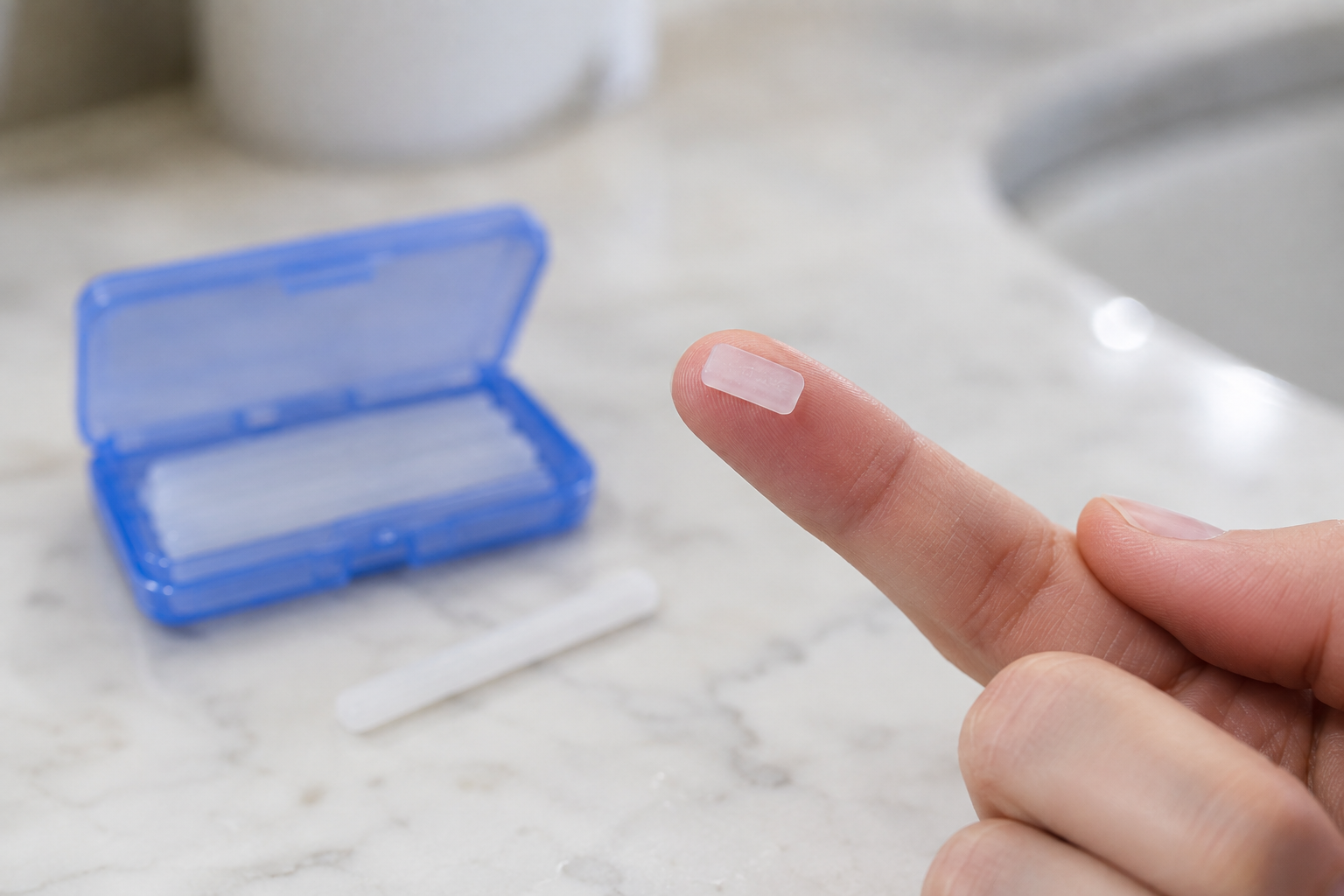
The best dental wax creates a smooth barrier between sharp orthodontic hardware and the soft tissue inside the mouth. Dental wax works on braces, clear aligners, and even broken teeth. This guide ranks eight products for 2026 and covers what to look for, how to apply it, and when to see a dentist instead.
TL;DR
Dental wax protects cheeks, lips, and gums from brackets, wires, aligner edges, and sharp tooth fragments
GUM Orthodontic Wax leads this list for braces wearers, and OrthoDots CLEAR leads for all-day hold
Traditional wax strips need replacing after meals, while silicone dots can stay on through eating and drinking
Dental wax is a temporary measure, not a repair, so see a dentist if a wire shifts or a tooth fractures
Quick Dentist-Recommended Choices
Best Overall
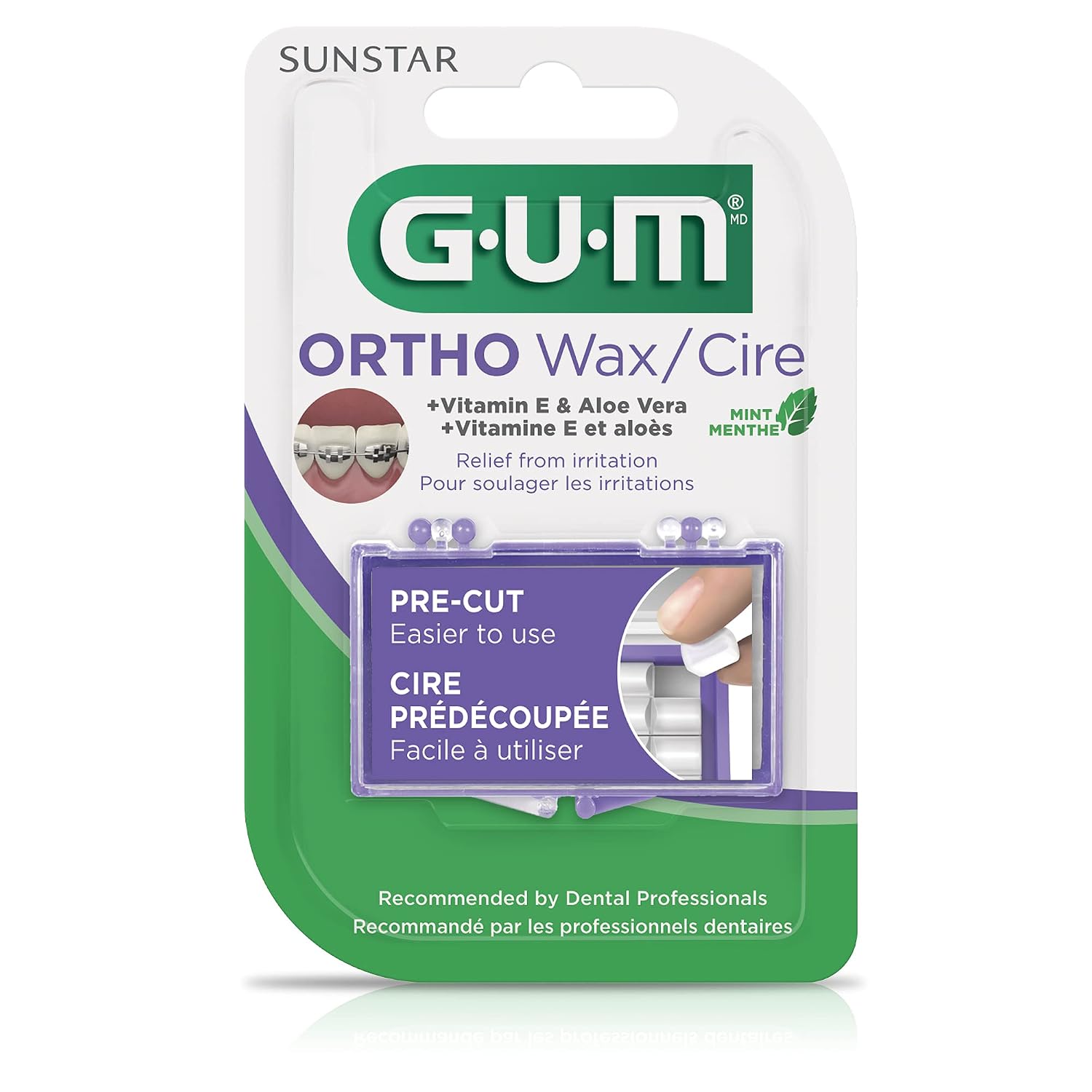
GUM Orthodontic Wax With Vitamin E
The most popular orthodontic wax in the US. Clear, vitamin E-infused strips that soften on contact with brackets. Available in mint and unflavored, about $4 to $7 for a 6-pack.
Best for All-Day Hold
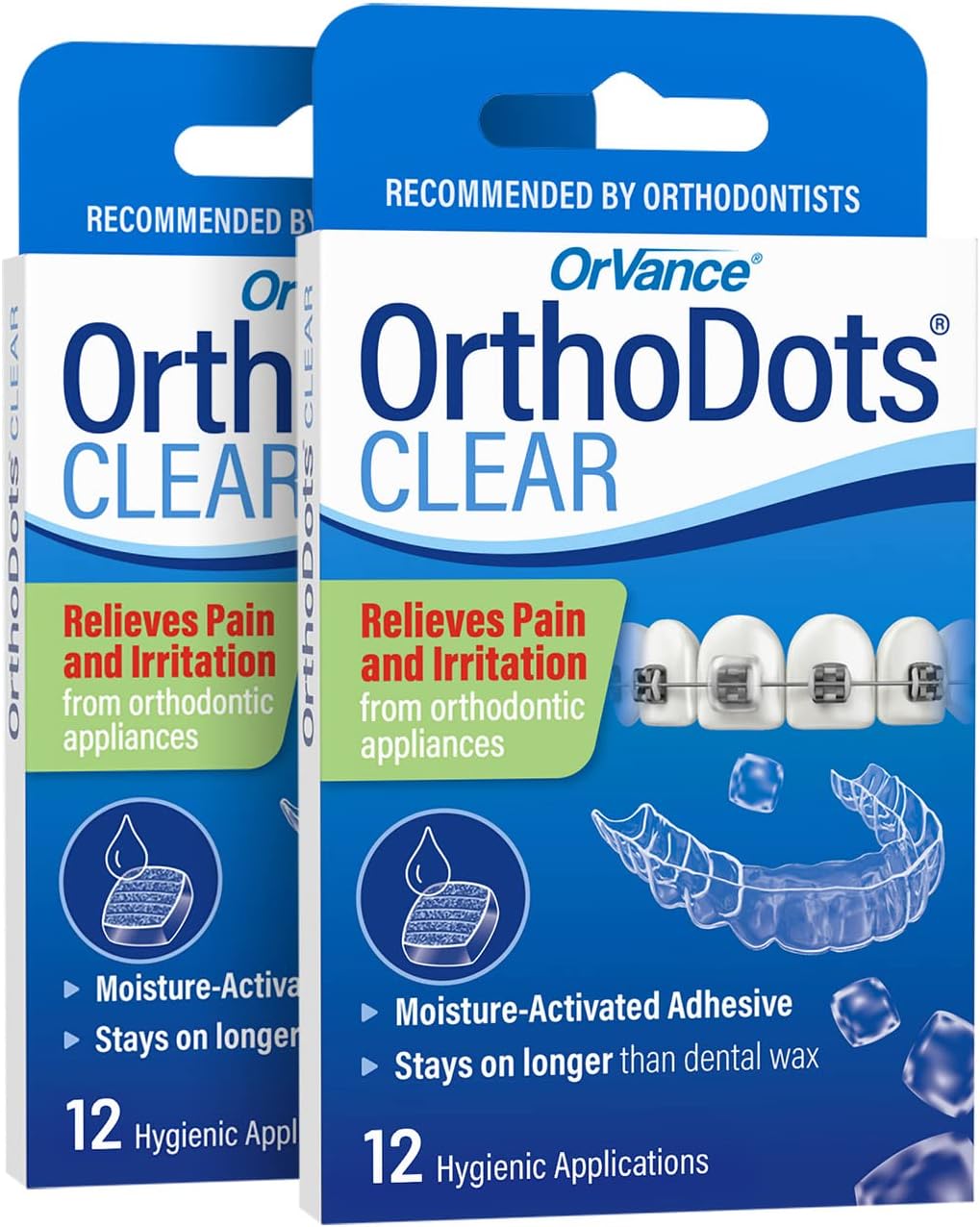
OrVance OrthoDots CLEAR
A silicone wax alternative that sticks through meals and drinking. Moisture-activated, transparent, and designed for both braces and clear aligners, about $10 to $14 for a 24-count pack.
Best for Broken or Chipped Teeth
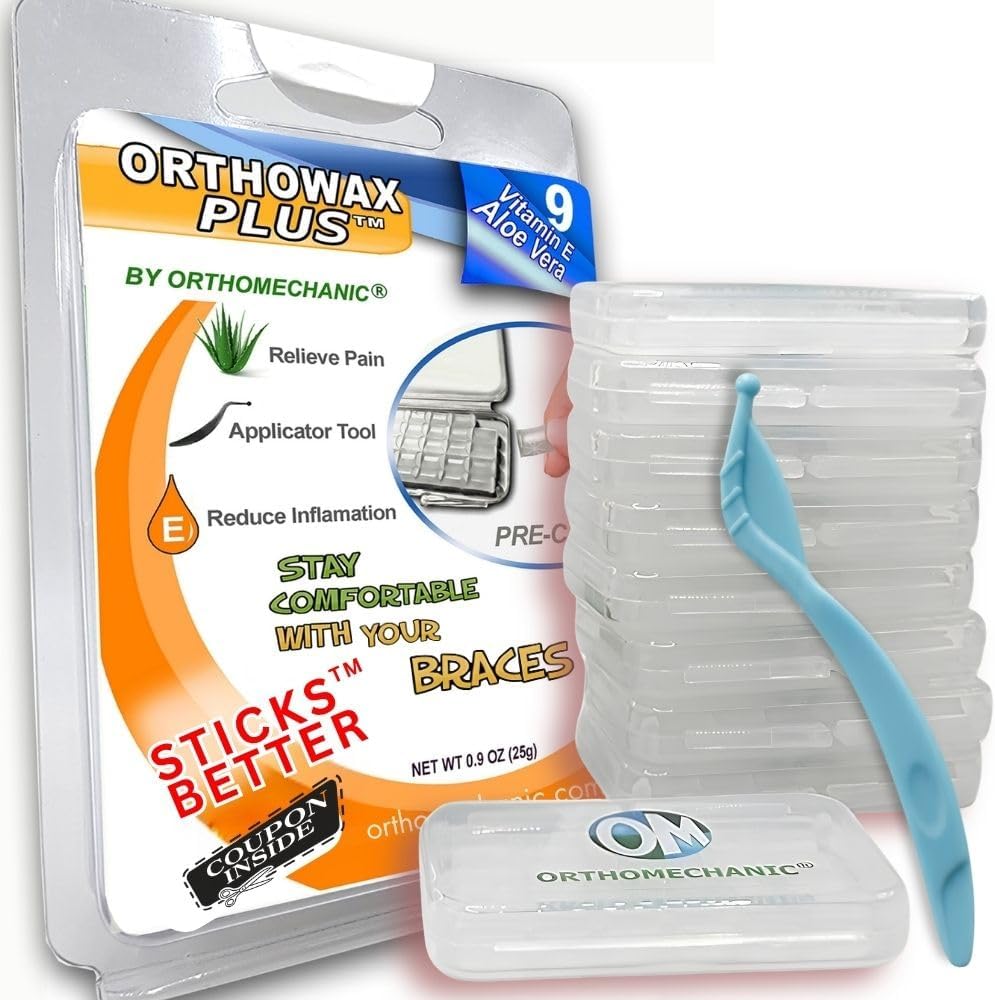
Orthowax Plus (by Orthomechanic)
Pre-cut, clear, medical-grade paraffin with strong adhesion. Covers sharp tooth edges and bracket irritation equally well, about $7 to $12 for a 9-pack.
We may earn a commission on purchases made through these links.
What Is Dental Wax?
Dental wax is a soft, pliable material designed to cover sharp edges inside the mouth. It is made from paraffin, beeswax, carnauba wax, or microcrystalline wax, sometimes blended with vitamin E or aloe vera for comfort.
The wax warms between the fingers, molds to the shape of a bracket or tooth edge, and forms a smooth surface that prevents cuts and sores. It is non-toxic and safe to swallow if a piece comes loose during eating. Orthodontists hand it out with every new set of braces.
Newer alternatives use medical-grade silicone instead of wax. Silicone dots activate with moisture, hold longer than traditional strips, and stay on through meals. Both types serve the same purpose: protecting soft tissue from metal, plastic, or damaged enamel.
Who Needs Dental Wax?
Three groups account for most dental wax purchases. Each has different needs.
Does Dental Wax Help With Braces?
Dental wax on braces is the most common use case. Brackets, archwires, ligature ties, and broken wire ends all rub against the cheeks, lips, and tongue. The friction creates sores, especially in the first two weeks after placement or after an adjustment. A pea-sized piece of dental wax pressed over the problem spot stops the rubbing. Pairing wax with a toothbrush made for braces and a solid braces care routine keeps the mouth comfortable between orthodontist visits.
Can You Use Dental Wax With Invisalign?
Dental wax works with Invisalign and other clear aligners. Rough tray edges, attachment bumps, and button anchors can irritate the inner lip and gums. A thin strip of wax smooths the edge without affecting tray fit. Patients who want to keep their aligners clean alongside using wax should follow a proper aligner cleaning routine to prevent bacteria buildup under the wax.
Does Dental Wax Work on a Broken, Chipped, or Cracked Tooth?
Dental wax for a broken tooth, chipped tooth, or cracked tooth acts as a temporary shield. It covers the sharp edge and stops it from cutting the tongue, cheek, or lip. It does not bond to the tooth or seal the fracture. It is a holding measure until a dentist can assess the damage. Other temporary solutions for a chipped tooth include over-the-counter filling material and sugar-free gum, but dental wax remains the easiest option to find at a pharmacy.
The Best Dental Wax Options in 2026
Below we rank eight dental wax products sold across major US retailers. Each pick was evaluated on adhesion, comfort, ease of application, and value. Pricing reflects typical retail cost at the time of writing.
#1. GUM Orthodontic Wax With Vitamin E
GUM orthodontic wax earned the top spot because it handles the most common clinical complaint dentists hear from braces patients: cheek ulceration in the first week after placement. The vitamin E and aloe vera blend provides mild anti-inflammatory relief on tissue that is already raw, which reduces the urge to pick at brackets. The strips soften in seconds and conform tightly around a twin bracket or hook. In-office, orthodontists hand this brand out more than any other. The consistency holds for 3 to 5 hours in a dry environment, which is about the length of a school day or a work morning.
Price: About $4 to $7 for a 6-pack
Where to buy: Amazon, Walmart, CVS, Target
Format: Traditional wax strip
Best for: Braces wearers who need reliable, low-cost daily protection
Pros:
Vitamin E and aloe vera reduce inflammation on ulcerated cheek tissue
Clear formula blends with teeth
Available in mint and unflavored
Stocked at most US pharmacies and grocery stores
Cons:
Needs replacing after every meal, as saliva and food break down adhesion
#2. OrVance OrthoDots CLEAR
OrthoDots solve the biggest limitation of traditional wax: it falls off the moment a patient eats or drinks. These medical-grade silicone discs activate on contact with saliva and create a bond that lasts up to 24 hours, including through meals. From a clinical standpoint, this matters most for patients with lingual brackets or lower-arch hooks, where constant tongue contact dislodges standard wax within minutes. The transparent material is invisible on both metal brackets and ceramic brackets, which makes it the top choice for adult patients who want discreet coverage.
Price: About $10 to $14 for a 24-count pack
Where to buy: Amazon, orthodontist offices
Format: Silicone dot (wax alternative)
Best for: Patients who need protection that survives meals and sleeping
Pros:
Moisture-activated bond stays on through eating, drinking, and sleeping
Transparent and invisible on metal and ceramic brackets
Works on braces and clear aligner attachments
Cons:
Costs roughly double traditional wax per application
Harder to find in physical retail stores
#3. Orthowax Plus (by Orthomechanic)
Orthowax Plus uses a thicker, denser paraffin blend than most competitors, which gives it two clinical advantages. First, it resists deformation from tongue pressure, so it holds its shape over a flat tooth surface, not only around the geometry of a bracket. That makes it the best option on this list for covering the sharp edge of a fractured cusp or a chipped incisal edge while a patient waits for a restorative appointment. Second, the pre-cut segments eliminate the tearing and kneading step that frustrates patients with limited dexterity, like younger children or elderly denture wearers.
Price: About $7 to $12 for a 9-pack
Where to buy: Amazon, orthomechanic.com
Format: Pre-cut traditional wax strip
Best for: Strong adhesion and broken-tooth coverage
Pros:
Pre-cut segments remove the need for tearing or kneading
Dense paraffin holds shape over flat tooth surfaces and fracture edges
Works on braces, dentures, and broken teeth
Cons:
Sold online, not stocked in physical stores
#4. Fresh Knight Braces Wax
Fresh Knight ships 50 strips per pack, which makes it the right choice for the adjustment period when patients reapply wax multiple times a day. Orthodontists often see patients go through 3 to 5 strips daily in the first week after wire activation, and cheaper single-packs run out fast. The strips are food-grade and come in both white and multicolor cases. Adhesion is adequate for daytime use but does not hold through a meal. For patients in active treatment who burn through wax, the per-strip cost matters more than premium adhesion.
Price: About $6 to $9 for a 50-strip pack
Where to buy: Amazon
Format: Traditional wax strip
Best for: Budget-conscious patients in active orthodontic treatment
Pros:
High strip count covers the full adjustment cycle
Food-grade and non-toxic
Colorful case appeals to teens
Cons:
Average adhesion compared to GUM or Orthowax
#5. Blasting Health Orthodontic Dental Wax
Patient compliance with wax goes up when the product does not feel clinical. Blasting Health packages its wax in designer marble-pattern cases that teens and young adults treat more like an accessory than a medical supply. That means the case stays in a pocket or bag instead of buried in a drawer at home, which translates to more consistent use throughout the day. The wax itself is clear, unscented, and non-toxic. Adhesion is comparable to GUM, holding for 3 to 4 hours on a dry bracket. Each case contains five strips.
Price: About $6 to $10 for a 6-pack
Where to buy: Amazon, Walmart
Format: Traditional wax strip in a marble designer case
Best for: Teens and adults who want a discreet, portable case
Pros:
Stylish marble cases encourage patients to carry wax throughout the day
Clear, unscented, non-toxic formula
Available on both Amazon and Walmart
Cons:
Five strips per case runs out fast during adjustment weeks
#6. Dental Genie Orthodontic Wax
Compliance is the biggest barrier in pediatric orthodontics. Kids resist using unflavored wax because it feels clinical and boring. Dental Genie addresses this with cotton candy and grape flavors that give younger patients a reason to apply the wax without a fight. The flavoring fades within 10 to 15 minutes, but the initial taste is enough to build the habit. The wax itself is clear, easy to mold, and comes in tubes that keep the unused portion cleaner than open-case formats.
Price: About $5 to $8 for a 2-pack
Where to buy: Amazon
Format: Traditional wax strip in a tube
Best for: Children and teens who resist unflavored wax
Pros:
Fun flavors improve compliance in younger patients
Clear formula, easy to mold
Tube format keeps unused wax sealed and clean
Cons:
Flavor fades in about 15 minutes
#7. Rizuko Pre-Cut Orthodontic Wax Dots
Cross-contamination is an underrated concern with traditional wax strips. Patients tear pieces from the same strip with unwashed hands, then put the remaining strip back in the case. Rizuko pre-cut orthodontic wax solves this with individually sealed dots, each one untouched until the patient opens it. The format is ideal for school environments and gym bags where hygiene is harder to control. Each dot contains vitamin E, and the 140-count blister pack lasts most patients through a full month of active treatment.
Price: About $8 to $11 for 140 dots
Where to buy: Amazon
Format: Individually wrapped pre-cut wax dot
Best for: Hygiene-focused patients and on-the-go application
Pros:
Individual sealing prevents cross-contamination
Pre-cut, no kneading or shaping required
Vitamin E for tissue comfort
Cons:
Small dot size may not cover a wide bracket base
#8. DanTicy Bowl-Shape Orthodontic Wax
DanTicy's bowl-shaped design is engineered to cup over a standard twin bracket without any manual shaping. This removes the technique sensitivity that causes most first-time users to apply too little wax or flatten it too thin. The 120-count pack is one of the largest on the market, driving the per-piece cost below any other product on this list. The tradeoff is less versatility: the bowl shape does not conform well to wire ends, hook tips, or the flat surface of a fractured tooth.
Price: About $7 to $10 for 120 pieces
Where to buy: Amazon
Format: Pre-cut bowl-shaped wax dot
Best for: Heavy users who reapply multiple times daily
Pros:
Lowest cost per piece on this list
Bowl-shaped cups over brackets without kneading
120-count bulk pack lasts through full adjustment cycles
Cons:
Less effective on wire ends or flat tooth surfaces
How Do Dental Wax Products Compare?
Below we compare all of the dental wax options any dentist would recommend.
Product | Type | Flavored? | Price range | Best feature |
GUM Orthodontic Wax | Wax strip | Mint + unflavored | $4–$7 | Perfect for braces, chipped teeth, and everyday use |
OrthoDots CLEAR | Silicone dot | No | $10–$14 | All-day hold |
Orthowax Plus | Pre-cut wax strip | No | $7–$12 | Strong adhesion, broken teeth |
Fresh Knight | Wax strip | No | $6–$9 | Budget bulk pack |
Blasting Health | Wax strip | No | $6–$10 | Discrete usage, stylish portable case |
Dental Genie | Wax strip | Yes (cotton candy, grape) | $5–$8 | Kids and teens |
Rizuko Pre-Cut | Pre-cut wax dot | No | $8–$11 | Hygiene, on-the-go |
DanTicy Bowl-Shape | Pre-cut wax dot | No | $7–$10 | Heavy users, bulk value |
How To Apply Dental Wax?
Proper application makes the difference between wax that holds for hours and wax that falls off in minutes. Follow these steps.
1. Wash hands with soap and water
2. Brush teeth to clear food debris from the area
3. Dry the bracket, wire, or tooth edge with a tissue or cotton ball
4. Pinch a pea-sized piece of wax and roll it into a ball
5. Press the ball onto the sharp spot and flatten it into place
6. Check the bite to make sure the wax does not interfere with chewing
7. Replace after every meal, as food and moisture loosen the bond
Drying the surface before application is the single most effective technique for extending hold time. Wax pressed onto a wet bracket slides off within minutes. A cotton roll or gauze held against the area for 5 seconds removes enough moisture for a solid bond.
When Should You See a Dentist Instead of Using Dental Wax?
Dental wax is a temporary measure. It does not repair damage, reattach brackets, or treat infection. The following situations require a dental visit.
A bracket has detached from the tooth and is sliding along the wire
A wire has shifted and is pushing teeth in a new direction
A broken tooth exposes the inner pulp or nerve, causing throbbing pain
Swelling, pus, or fever develops around a damaged tooth
Pain persists after applying wax and does not respond to over-the-counter medication
A chipped or cracked tooth shows discoloration at the fracture line
A dentist can assess the damage, determine whether the tooth needs bonding, a crown, or extraction, and build a dental treatment plan that addresses both the immediate issue and any longer-term restoration.
Bottom Line
Dental wax is cheap, non-toxic, and solves an immediate problem: sharp edges cutting up the inside of the mouth. GUM Orthodontic Wax is the best option for most braces wearers. OrthoDots CLEAR wins for patients who need protection that lasts through meals. Orthowax Plus covers broken or chipped teeth better than any other product on this list.
No dental wax replaces professional care. Patients exploring Invisalign or traditional braces should treat wax as a comfort tool, not a fix. When pain, swelling, or shifting hardware shows up, book an appointment.
We may earn a commission on purchases through affiliate links, though our recommendations remain independent.
Frequently Asked Questions
Is dental wax safe to swallow?
Yes. Dental wax is non-toxic and made from food-grade materials. If a piece comes loose and is swallowed, it passes through the digestive system without harm.
How long does dental wax stay on?
Traditional wax strips hold for a few hours. They need to be replaced after eating or drinking. Silicone alternatives like OrthoDots can last up to 24 hours.
Can you eat with dental wax on your braces?
Eating with wax in place is possible, but the wax will loosen and may come off. Remove it before meals and reapply after brushing. Silicone dots hold through meals without issue.
Does dental wax work on Invisalign?
Yes. A thin strip of dental wax smooths rough tray edges and attachment bumps without affecting how the aligner fits over the teeth.
Can dental wax fix a broken tooth?
No. Dental wax covers the sharp edge of a broken, chipped, or cracked tooth to protect the tongue and cheek. It does not bond to the tooth or seal the fracture. A dentist needs to assess and repair the damage.