Rating: 4.1/5
PerioChip in Periodontal Therapy
Persistent periodontal pockets remain one of the most frustrating clinical challenges in maintenance therapy. Even after thorough scaling and root planing (SRP), certain sites...
Reviewed by Rachel Thompson
Pros
- Clinically proven efficacy in reducing pocket depth and improving clinical attachment levels
- Non-antibiotic mechanism eliminates the risk of promoting antibiotic resistance
- Biodegradable—no removal appointment required
- Quick and simple placement (approximately 1 minute per chip)
- Negligible systemic absorption and excellent safety profile
- No tooth staining or taste alteration (unlike chlorhexidine rinses)
- Can be integrated into existing maintenance schedules (every 3 months)
- Up to 8 chips can be placed in a single visit for multi-site treatment
Cons
- Availability may be limited in some markets; the original branded product has carried a “discontinued” designation in the U.S.
- Cost per chip may be a concern for patients without insurance coverage for periodontal maintenance
- Not effective for advanced cases requiring surgical intervention (furcation defects, intrabony defects, deep tortuous pockets)
- Mild to moderate sensitivity during the first week is common, though self-resolving
- Requires patient compliance with the no-flossing instruction at the site for 10 days
- Contraindicated in patients with chlorhexidine sensitivity
- Not studied in acutely abscessed pockets or pediatric populations
- Rare risk of chip dislodgement, particularly in shallow pockets
Persistent periodontal pockets remain one of the most frustrating clinical challenges in maintenance therapy. Even after thorough scaling and root planing (SRP), certain sites refuse to resolve, especially in anatomically complex areas where instrumentation falls short. PerioChip offers a targeted, non-antibiotic solution for these stubborn pockets, delivering sustained-release chlorhexidine gluconate directly into the subgingival environment.
This review covers everything dental professionals need to know about PerioChip for dentistry, from its mechanism of action and dosage protocol to clinical evidence, placement technique, cost, and current availability. Whether evaluating this product for the first time or revisiting it as part of a periodontal maintenance protocol, this guide provides the reliable, evidence-based information required to make an informed clinical decision.
Managing periodontal disease effectively depends on selecting the right combination of mechanical debridement, patient education, and adjunctive therapies. PerioChip fits into this framework as a targeted antimicrobial intervention that complements rather than replaces standard care. Understanding its role, limitations, and practical considerations helps dental professionals determine when and how to incorporate it into individualized treatment plans.
What Is PerioChip?
Before exploring clinical applications, it helps to understand what makes this device unique among local drug delivery systems in dentistry.
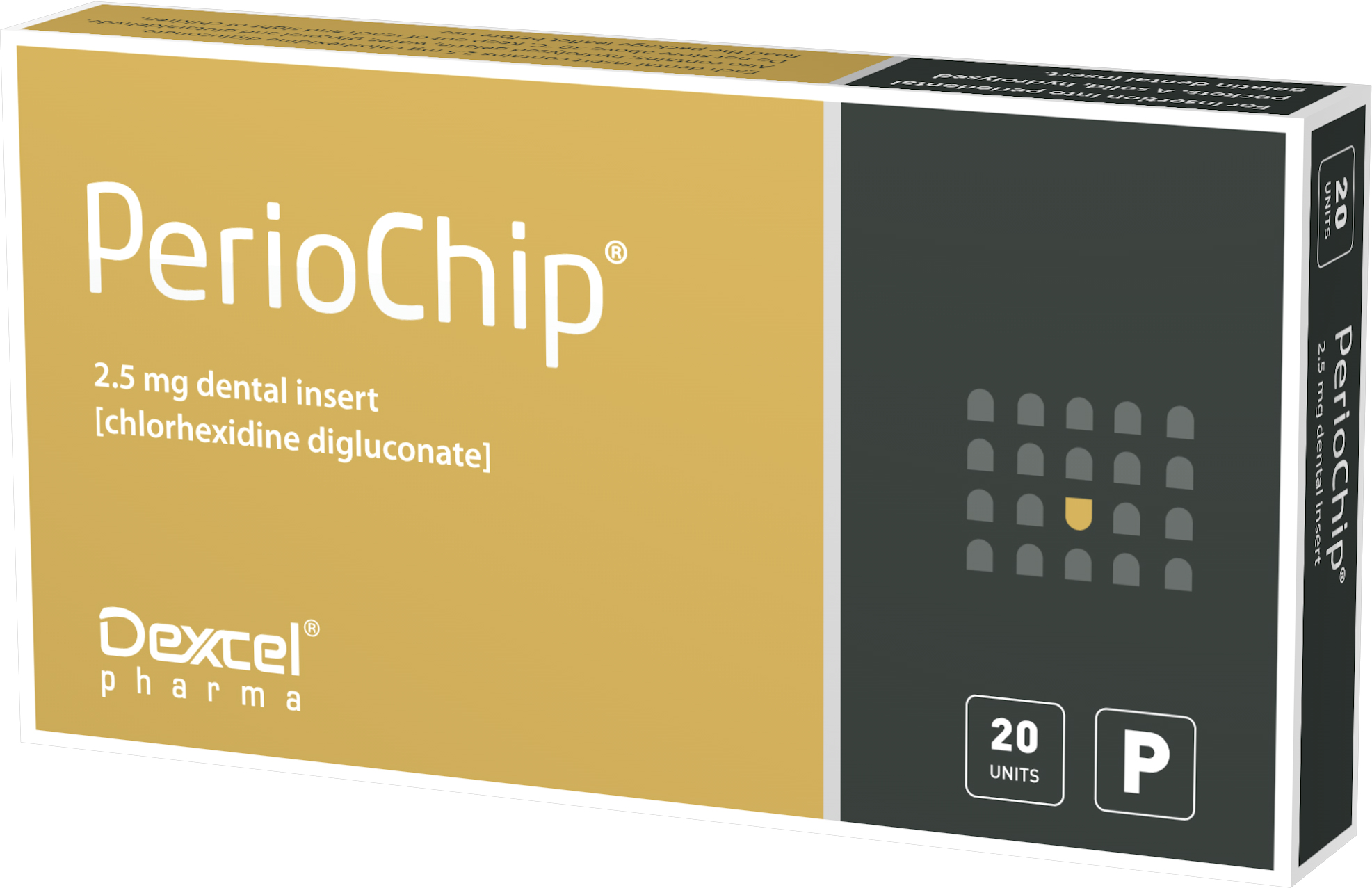
PerioChip (chlorhexidine gluconate) 2.5 mg is a small, orange-brown, rectangular biodegradable chip measuring approximately 5 × 4 × 0.3 mm. Each chip weighs around 6.9–7.4 mg and contains 2.5 mg of chlorhexidine gluconate within a biodegradable matrix of hydrolyzed gelatin cross-linked with glutaraldehyde, along with glycerin and purified water (DailyMed prescribing information).
PerioChip was developed by Perio Products Ltd. in Jerusalem, Israel, and received FDA approval on May 15, 1998. A room-temperature-stable version followed in 2002, eliminating the need for refrigerated storage and making the product more practical for everyday clinical use.
What is PerioChip used for? It is indicated as an adjunct to scaling and root planing for the reduction of pocket depth in patients with adult periodontitis. It is classified as an antiseptic rather than an antibiotic, which means it kills bacteria through a chemical mechanism without promoting antimicrobial resistance. This distinction is increasingly important in modern dental practice, where antimicrobial stewardship has become a clinical priority.
How Does PerioChip Work?
Understanding the pharmacology behind this device is essential for dental professionals who want to use it effectively and explain its benefits to patients.
Chlorhexidine’s Antimicrobial Mechanism
Chlorhexidine gluconate is a dicationic bisbiguanide widely recognized as the gold-standard topical antimicrobial in dentistry. The positively charged chlorhexidine molecule binds to the negatively charged microbial cell surface, disrupts the cell membrane, penetrates the cell, and precipitates the cytoplasm, which causes cell death (FDA label).
Studies conducted with PerioChip have shown significant reductions in key periodontopathic organisms, including Porphyromonas gingivalis, Prevotella intermedia, Tannerella forsythia, and Campylobacter rectus. No overgrowth of opportunistic organisms or adverse shifts in the oral microbial ecosystem have been observed following placement.
Chlorhexidine also demonstrates substantivity, meaning it binds to oral structures like hydroxyapatite and salivary proteins to form antimicrobial reservoirs. These reservoirs continue releasing the agent slowly, extending the bacteriostatic effect well beyond the initial application window.
The Sustained-Release Delivery System
One of the primary challenges with topical antimicrobials is maintaining therapeutic concentrations within the periodontal pocket. Gingival crevicular fluid rapidly clears rinses and irrigations, leaving insufficient contact time. PerioChip solves this problem through controlled-release technology (European Federation of Periodontology).
The chip releases chlorhexidine in a characteristic biphasic manner. Approximately 40% of the dose is released within the first 24 hours through diffusion from the chip’s surface. The remaining 60% follows in an almost linear fashion over the next 7–10 days as the gelatin matrix degrades enzymatically.
Pharmacokinetic studies confirm very high local concentrations in the gingival crevicular fluid (GCF). Mean GCF levels reached 1,444 ± 783 μg/mL at 4 hours post-insertion, with a second peak at 72 hours of 1,902 ± 1,073 μg/mL (Drugs.com prescribing info). These concentrations far exceed what is needed to kill periodontopathic bacteria.
Despite achieving high local levels, systemic exposure is negligible. An in vivo study of 18 adults found no detectable plasma or urine levels of chlorhexidine after the insertion of four chips simultaneously.
How Long Does PerioChip Last?
The physical chip dissolves within 7–10 days. However, the clinical effects extend much further. The high local concentration of chlorhexidine eliminates 99.9% of bacteria in the pocket and suppresses the early recovery of the pathogenic biofilm for up to 11 weeks after a single placement. This extended suppression period is what makes the three-month retreatment interval both logical and effective for long-term periodontal maintenance.
What Is the Dose of PerioChip?
Dosage is standardized and straightforward, making it easy to integrate into existing clinical workflows.
Parameter | Detail |
Active ingredient | Chlorhexidine gluconate 2.5 mg per chip |
Chip dimensions | Approx. 5 × 4 × 0.3 mm |
Target pocket depth | ≥ 5 mm probing depth |
Max chips per visit | Up to 8 |
Retreatment interval | Every 3 months (if PD remains ≥ 5 mm) |
Release duration | 7–10 days (biphasic) |
Biofilm suppression | Up to 11 weeks |
Storage | 20–25°C (excursions 15–30°C) |
Shelf life | 2 years |
One chip is inserted into each qualifying periodontal pocket with a probing depth of 5 mm or greater. Up to eight chips can be placed during a single visit, allowing treatment of multiple sites in one appointment (Drugs.com dosage guide).
No dose adjustments are required based on age, weight, or other patient factors. The only notable drug interaction is with nystatin, which may reduce chlorhexidine’s effectiveness. Patients can eat, drink, and brush their teeth normally after placement, but should avoid flossing at the insertion site for 10 days to prevent dislodging the chip.
How to Place PerioChip: Step-by-Step
Correct placement technique is critical for optimal drug delivery and patient comfort. The procedure is remarkably quick, typically taking about one minute per chip, and does not require local anesthesia in most cases. This makes it a practical addition to routine dental procedures.
Pre-Placement Preparation
PerioChip should be placed after scaling and root planing has been completed. The periodontal pocket must be isolated and the surrounding gingival tissue dried before insertion. The chip begins absorbing moisture immediately on contact with saliva, so a dry field ensures proper initial positioning.
Insertion Technique
The placement process follows four simple steps.
Remove the foil packet from the box and peel back the aluminum blister to reveal one individually packed chip
Grasp the chip at its flat end using suitable forceps (such as cotton pliers), with the rounded end pointing away from the forceps
Insert the chip curved end first into the periodontal pocket, guiding it gently toward the base
Press the chip apically to the maximum pocket depth using the forceps or a flat instrument, ensuring it rests completely subgingivally
Once in place, the chip absorbs saliva, expands, and conforms to the pocket shape. The gelatin matrix then dissolves naturally over 7–10 days, and no removal appointment is needed.
Post-Placement Patient Instructions
Patient compliance with aftercare instructions supports successful outcomes. Dental professionals should advise patients of the following points.
Eating, drinking, and brushing can resume immediately
Flossing at the treated site should be avoided for 10 days
Mild to moderate sensitivity during the first week is normal and typically resolves within days
Patients should contact the practice promptly if the chip dislodges or if pain, swelling, or other concerns develop
Managing Chip Dislodgement
Dislodgement is uncommon. In the pivotal clinical trials, only 8 chips were reported lost across all participants. If dislodgement occurs within 48 hours, a new chip should be inserted. If it occurs after 48 hours but before 7 days, do not replace the chip. Instead, reevaluate at three months and place a new chip if the pocket remains at 5 mm or greater. If dislodgement occurs at 7 days or later, the patient has received a full course of treatment.
Clinical Evidence Supporting PerioChip
A robust body of research supports the efficacy and safety of PerioChip as an adjunctive treatment in periodontal therapy.
Pivotal U.S. Trials
The FDA approved PerioChip based on two double-blind, randomized, controlled, five-center clinical trials involving 447 adult periodontitis patients with pockets of 5–8 mm that bled on probing. Teeth treated with PerioChip plus SRP showed statistically significant reductions in probing pocket depth compared to SRP alone at nine months. Roughly twice as many PerioChip-treated subjects achieved pocket depth improvements of 2 mm or more: 36% versus 17% in one study and 25% versus 10% in the other (PerioChip.com clinical data).
Long-Term Outcomes (24-Month Study)
A landmark study published in the Journal of Periodontology in 2003 evaluated 835 patients treated with PerioChip at quarterly maintenance visits over 24 months. The results showed that 73% of treated sites improved, nearly 59% of sites were reduced to pocket depths below 5 mm, and only 2.9% showed increases of 2 mm or more. Adverse events remained mild and self-limiting throughout (Infection Control Today).
Meta-Analysis Findings
A 2020 meta-analysis in BMC Oral Health reviewed 15 randomized clinical trials and found statistically significant improvements in pocket depth reduction at one month (0.63 mm), three months (0.69 mm), and six months (0.75 mm) when a chlorhexidine chip was used alongside SRP compared to SRP alone. Clinical attachment level gains were similarly significant across all time points (BMC Oral Health).
Comparative Studies
Research comparing PerioChip to minocycline hydrochloride microspheres (Arestin) found both agents equally effective in reducing plaque and gingival inflammation. Notably, PerioChip demonstrated superior pocket depth reduction at three months, while Arestin showed slightly better results at six weeks (PMC comparative study). These findings suggest that the two products have complementary pharmacokinetic profiles, with PerioChip’s sustained chlorhexidine release providing a longer-duration therapeutic effect that becomes more apparent over time.
Safety Profile Across Clinical Trials
Across the pivotal trial program and an additional study involving 619 patients, PerioChip demonstrated a favorable safety profile. The most commonly reported adverse events were toothache, upper respiratory tract infection, and headache. Toothache was the only adverse reaction occurring at a statistically higher rate in the PerioChip group compared to placebo, and it was typically mild to moderate oral sensitivity that resolved spontaneously within days of the initial placement.
A notable clinical advantage over chlorhexidine mouth rinses is the absence of tooth staining and altered taste perception. These well-known side effects of rinse formulations were not reported in any of the PerioChip clinical trials, likely because the drug is delivered subgingivally at the target site rather than distributed throughout the entire oral cavity.
Serious allergic reactions including anaphylaxis have been reported in postmarketing surveillance with chlorhexidine-containing dental products generally, though such events are rare. Dental professionals should screen patients for chlorhexidine sensitivity before placement and ensure that appropriate emergency protocols are in place, consistent with standard clinical best practices.
How Often Can PerioChip Be Repeated?
Treatment frequency is one of the most common questions from dental professionals evaluating this product for their maintenance protocols.
The recommended retreatment interval is once every three months for pockets that remain at 5 mm or greater. This schedule aligns with both the pharmacokinetic profile of the device (antimicrobial suppression lasting up to 11 weeks) and the clinical trial data demonstrating continued improvement with quarterly placements.
The 24-month Soskolne study is particularly noteworthy because it showed continual pocket depth decreases over the full two-year observation period. This challenges the common clinical expectation that periodontal pockets merely stabilize during maintenance therapy. Clinicians should evaluate pocket depths at each maintenance visit and determine retreatment on a site-by-site basis. Sites that have responded well and dropped below 5 mm can be maintained with standard SRP alone.
For practices using dental charting protocols, documenting the baseline pocket depth, chip placement date, and subsequent measurements at each recall visit creates a clear record of treatment response. This documentation supports clinical decision-making about whether to repeat chip placement at a given site and also helps demonstrate value to patients who may question the benefit of repeated treatments.
Long-term safety data from the repeated-placement studies have been reassuring. No cumulative adverse effects were observed over the two-year study period, and the mild sensitivity associated with initial placement tended to diminish with subsequent insertions. The consistent safety profile supports the use of PerioChip as an ongoing component of periodontal maintenance therapy rather than a one-time intervention.
Is PerioChip Still Available?
Availability is an important practical question for dental professionals evaluating dental equipment and materials for their practices.
According to the FDA’s drug database (referenced by Drugs.com, updated October 2025), the original PerioChip formulation manufactured by Dexcel Pharma carries a “discontinued” designation as a reference listed drug in the U.S. (Drugs.com generic availability). However, equivalent chlorhexidine chip products containing the same 2.5 mg formulation with identical release characteristics remain available from alternative manufacturers and dental suppliers internationally.
Dental professionals should verify the current regulatory status and availability of any chlorhexidine chip product in their jurisdiction before ordering. Products should only be sourced from reputable, authorized suppliers, as the FDA has issued warnings about fraudulent online pharmacies attempting to sell counterfeit versions.
How Much Does PerioChip Cost?
Historically, the branded PerioChip product was sold in 20-chip packs at approximately $355.50 per pack, equating to roughly $17–18 per chip at wholesale. Volume discounts brought the per-chip cost down further, with two packs priced at approximately $629 and three packs at $868. Current pricing may differ depending on the supplier and product version.
The cost per chip represents only one component of the total treatment expense. Chair time for SRP, placement, and the dental professional’s fee structure all factor into the final patient cost. Practices looking to optimize their procurement processes should request quotes from multiple distributors to compare pricing.
How to Order PerioChip
Dental professionals could historically order PerioChip through the manufacturer’s website (PerioChip.com/order) or through authorized distributors such as Adrian Pharmaceuticals. For current ordering options, practitioners should contact dental supply companies or search for chlorhexidine chip products through established pharmaceutical distributors. Purchasing from verified sources is essential to avoid counterfeit products.
Indications, Contraindications, and Special Populations
Knowing when to use PerioChip and when to avoid it is fundamental for safe, effective clinical practice.
Indications
PerioChip is indicated as an adjunct to scaling and root planing for reducing pocket depth in adult periodontitis patients. It is particularly appropriate in the following situations.
Periodontal maintenance patients with residual or recurring pockets ≥ 5 mm
Patients who are not candidates for surgery or who decline surgical treatment
Teeth with localized persistent disease in otherwise stable mouths
Long-term, non-surgical periodontal management plans
Contraindications and Precautions
PerioChip is contraindicated in patients with known chlorhexidine sensitivity. It should not be used in acutely abscessed periodontal pockets, as this scenario has not been studied. Rare infectious events including abscesses and cellulitis have been reported following PerioChip placement, though these events are also reported with SRP alone. Clinicians should consider contributing medical conditions such as diabetes, cancer, or immunocompromised status when planning treatment (RxList prescribing information).
Pregnancy, Breastfeeding, and Pediatric Use
Animal reproduction studies have not been conducted with PerioChip due to the lack of clinically relevant animal models. While chlorhexidine did not cause fetal harm in rat studies at high oral doses, the relevance to subgingival delivery is unclear. Clinical data show that four chips produce plasma chlorhexidine levels at or below the detection limit. The UK product information recommends avoiding use during pregnancy and breastfeeding. PerioChip is not recommended for children or adolescents due to the absence of pediatric safety and efficacy data.
PerioChip Compared to Other Local Delivery Systems
Dental professionals evaluating their options should understand how PerioChip compares to alternative products. Making informed material and device choices is a core part of delivering high-quality periodontal care.
Arestin (minocycline hydrochloride microspheres, 1 mg) is a widely used antibiotic-based local delivery system. Comparative research suggests similar overall efficacy, though PerioChip showed slightly better pocket depth reduction at three months. The antibiotic nature of Arestin raises theoretical concerns regarding resistance development that do not apply to PerioChip.
Atridox (doxycycline hyclate gel, 10%) is a resorbable antibiotic gel requiring syringe-based delivery. It shares the same resistance considerations as Arestin and involves a slightly more complex placement technique.
Chlorhexidine mouth rinses such as Peridex and Periogard deliver chlorhexidine at a 0.12% concentration. While effective as supragingival antimicrobials, rinses cannot maintain the sustained subgingival concentrations that PerioChip achieves. Rinses are also associated with tooth staining and altered taste perception, side effects that are not observed with PerioChip. For patients managing gum health at home, proper brushing technique and oral hygiene products remain essential complements to professional treatment.
The key advantage of PerioChip in the current dentistry landscape is its non-antibiotic classification combined with targeted, sustained subgingival delivery, making it attractive for practices that prioritize antimicrobial stewardship.
When choosing between these options, dental professionals should weigh the clinical evidence, the patient’s medical history and risk profile, cost considerations, and practice philosophy regarding antibiotic use. The growing emphasis on antimicrobial stewardship in both medicine and dentistry gives chlorhexidine-based products a meaningful edge in situations where an antiseptic approach is clinically appropriate. Keeping up with evolving dental technology and tools ensures that practitioners can offer their patients the most current, evidence-based treatment options available.
Bottom Line
PerioChip is a well-validated, biodegradable chlorhexidine chip that provides sustained antimicrobial activity directly in periodontal pockets. The clinical evidence from pivotal trials, long-term studies, and meta-analyses consistently supports its ability to improve pocket depth reduction and clinical attachment levels when used as an adjunct to SRP. It is non-antibiotic, easy to place, well-tolerated by patients, and compatible with standard three-month maintenance schedules.
However, it will not replace surgical intervention for advanced disease, and practitioners should be aware of current availability limitations for the original branded product. For practices seeking a simple, evidence-based addition to their periodontal maintenance toolkit, PerioChip or its equivalent chlorhexidine chip products deserve strong consideration. Staying informed about the latest tools and device reliability standards helps dental professionals deliver the best outcomes for their patients.
Verdict
<p>PerioChip is a genuinely useful adjunct in non-surgical periodontal management. Its greatest clinical strength is simplicity: placement takes about one minute, requires no anesthesia, causes minimal discomfort, and demands no follow-up visit for removal. The sustained-release mechanism addresses the fundamental limitation of topical antimicrobials, which is the inability to maintain therapeutic concentrations subgingivally over a clinically meaningful period.</p><p>The evidence clearly supports modest but statistically significant improvements in probing depth and clinical attachment levels when PerioChip accompanies thorough SRP. It will not eliminate the need for surgery in complex cases involving furcation defects, intrabony defects, or deep tortuous pockets. However, for the common scenario of persistent 5–8 mm pockets in maintenance patients that are stable but not resolving, PerioChip provides a practical, non-antibiotic intervention that may help patients avoid or delay surgical treatment.</p><p>Its antiseptic classification is a meaningful advantage in an era of growing antimicrobial resistance. Dental professionals who integrate this device into their maintenance protocols can offer a tangible, evidence-based addition that reinforces the value of regular periodontal visits. Availability concerns in some markets and the per-chip cost should be discussed transparently with patients. Overall, PerioChip earns a solid recommendation for inclusion in the periodontist’s and general dentist’s clinical toolkit.</p>
Frequently Asked Questions
What is PerioChip, and what is it used for?
PerioChip is a small, biodegradable chip containing 2.5 mg of chlorhexidine gluconate, a broad-spectrum antimicrobial agent. It is designed for subgingival insertion into periodontal pockets of 5 mm or greater depth. It is used as an adjunct to scaling and root planing for the reduction of pocket depth in adult periodontitis and may be incorporated into a comprehensive periodontal maintenance program. The chlorhexidine in the chip is an antiseptic, not an antibiotic, which means it kills bacteria without contributing to antibiotic resistance.
How does PerioChip work in the periodontal pocket?
After insertion, the chip absorbs saliva, expands, and conforms to the shape of the pocket. It then releases chlorhexidine in a biphasic pattern: approximately 40% is released in the first 24 hours, with the remaining 60% released gradually over 7–10 days as the gelatin matrix biodegrades. The chlorhexidine disrupts bacterial cell membranes, causing cell death. High local concentrations in the gingival crevicular fluid ensure effective antimicrobial activity against key periodontal pathogens, while systemic absorption remains negligible.
How long does PerioChip last, and for how long is it active?
The chip physically dissolves within 7–10 days of placement. However, its antimicrobial effects extend well beyond the dissolution period. The high local concentration of chlorhexidine is capable of suppressing the recovery of the periodontal pathogenic biofilm for up to 11 weeks (approximately 3 months), which is why the recommended retreatment interval is every three months.
How often can PerioChip be repeated?
PerioChip can be repeated once every three months in pockets that remain at 5 mm or greater probing depth. This interval is supported by both the pharmacokinetic profile and long-term clinical trial data showing continued improvements with quarterly placements over a 24-month period.
Is PerioChip still available for purchase?
The original branded PerioChip formulation has carried a “discontinued” designation in the U.S. FDA drug database. However, equivalent chlorhexidine chip products with the same active agent, dosage, and release characteristics may be available from alternative manufacturers and dental suppliers. Dental professionals should verify current product availability through their preferred dental supply channels and ensure that any product they purchase comes from a reputable, authorized source.
How much does PerioChip cost?
Historically, the branded product was sold in 20-chip packs at approximately $355 per pack, equating to roughly $17–18 per chip at wholesale. Pricing varies based on the supplier, volume ordered, and any promotional discounts. The total cost to the patient includes the dental professional’s fee for the SRP and placement procedure. Dental practices should check with current distributors for the most up-to-date pricing on available chlorhexidine chip products.
How to place PerioChip correctly?
After completing SRP, isolate the pocket and dry the surrounding area. Remove the chip from its foil blister, grasp it at the flat end with forceps, and insert it curved end first into the pocket. Press it apically to the base of the pocket. The chip should rest completely subgingivally. The procedure typically takes about one minute per site and does not require anesthesia.
What is the dose of PerioChip?
Each chip contains a standardized dose of 2.5 mg chlorhexidine gluconate. One chip is placed per qualifying pocket (≥5 mm), and up to eight chips may be placed during a single visit. No dose adjustments are needed based on patient characteristics.
Can PerioChip be used alongside other periodontal treatments?
Yes. PerioChip is specifically designed as an adjunct to SRP, not a replacement for it. It can be incorporated into a broader periodontal treatment plan that includes professional cleanings, patient oral hygiene instruction, and regular maintenance visits. For patients with complex or advanced disease, it may complement but not replace surgical interventions where indicated.
Are there any notable drug interactions with PerioChip?
PerioChip has minimal systemic absorption, making drug interactions unlikely. However, nystatin (an antifungal medication) may reduce the effectiveness of chlorhexidine and should be noted. Patients should inform their dentist of all medications they are taking, including any dental restorations such as crowns, veneers, or fillings that might affect chip placement or retention.
Can patients eat and drink normally after PerioChip placement?
Yes. One of the practical advantages of PerioChip is that patients can eat, drink, and brush their teeth immediately following placement. The only restriction is that patients should avoid flossing at the specific insertion site for 10 days. No dietary modifications are required.
How to order PerioChip or equivalent chlorhexidine chip products?
Dental professionals can explore ordering options through dental supply distributors, manufacturer websites, or authorized pharmaceutical distributors. Due to the evolving availability landscape, it is advisable to contact suppliers directly for current stock information and pricing. Always ensure purchases are made through verified, reputable sources to avoid counterfeit products.