New Trial Compares Two Treatments After Wisdom Tooth Surgery
A wisdom tooth surgery clinical trial published November 5, 2026, in BMC Oral Health pitted two chlorhexidine sprays against each other. One contained benzydamine, the other...
Written by Rachel Thompson
Read time: 4 min read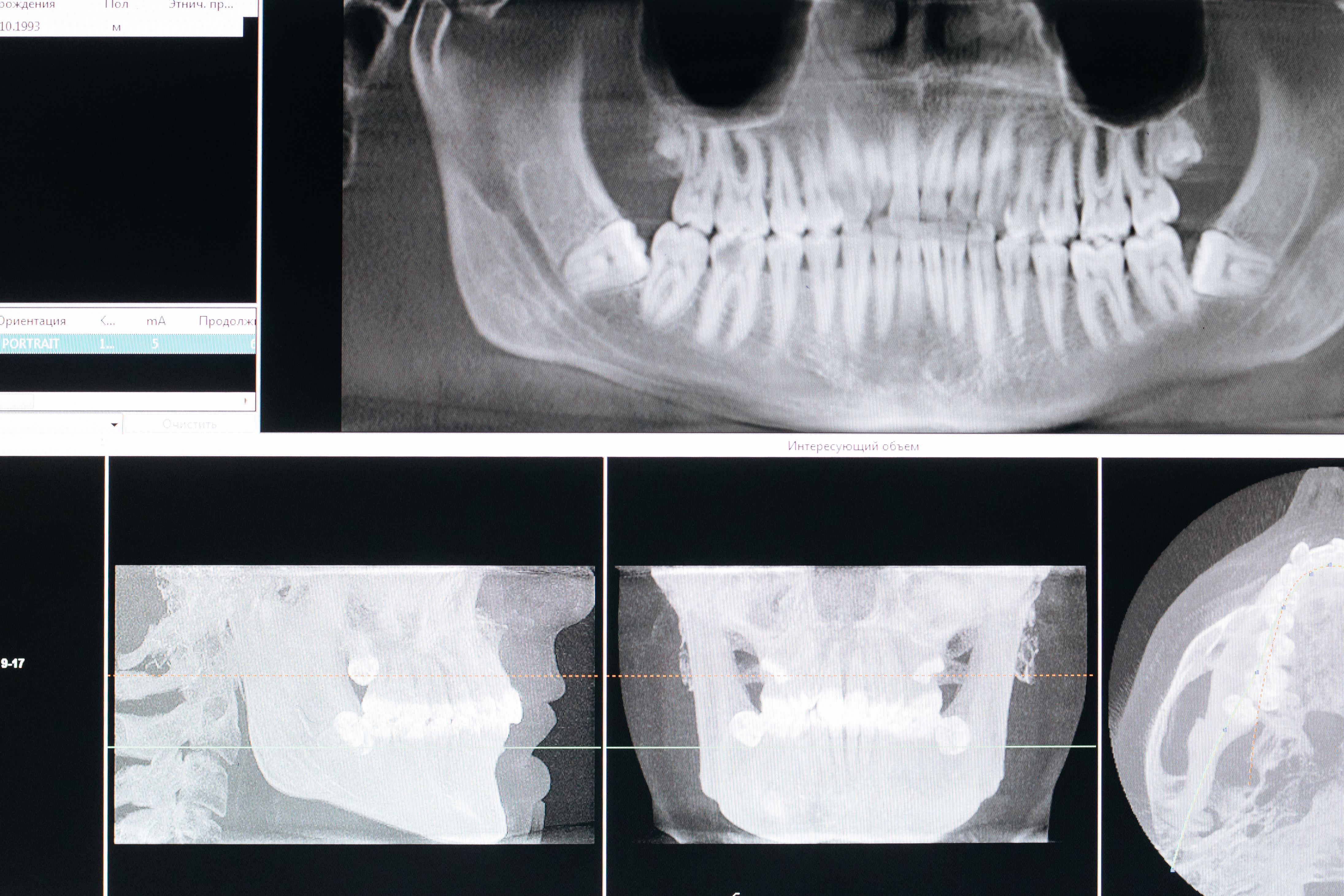
A wisdom tooth surgery clinical trial published November 5, 2026, in BMC Oral Health pitted two chlorhexidine sprays against each other. One contained benzydamine, the other flurbiprofen. Pain and swelling came out the same. The flurbiprofen spray won on jaw opening by 1.43 mm, a margin smaller than a ruler can reliably detect.
TL;DR
A 40-patient split-mouth trial compared chlorhexidine plus benzydamine with chlorhexidine plus flurbiprofen after lower wisdom tooth surgery
Both sprays produced the same pain, swelling, and painkiller use at every time point
The flurbiprofen spray added 1.43 mm of mouth opening on day seven, below the usual measurement error for this test
All patients also took antibiotics and paracetamol, and none had bone removed, so the results fit only simple cases
What Did the New Wisdom Tooth Surgery Trial Investigate?
Researchers in Istanbul tested two sprays made by the same Turkish company, Drogsan. KLOROBEN pairs chlorhexidine with benzydamine. KLORHEX PLUS pairs chlorhexidine with flurbiprofen. Neither product is sold in US pharmacies, and benzydamine has no FDA approval. The study received no external funding.
All 40 adults had a mesioangular impacted wisdom tooth on both sides of the lower jaw, tilted forward into the second molar. Their average age was 26, with 20 men and 20 women. Each patient had two surgeries four weeks apart, with one spray after each surgery in random order. Patients, the surgeon, and the outcome assessor were all blinded, and the sprays came in identical coded bottles.
The surgeon applied three sprays to the sutured wound. Patients then used three sprays three times a day for seven days, with no eating, drinking, or rinsing for 30 minutes after each use. Every patient also took amoxicillin-clavulanate and paracetamol. Pain was logged in a diary 13 times over seven days. Swelling and mouth opening were measured on days two and seven.
The Cases Were Deliberately Simple
The trial included only Pell and Gregory Class I, Position A teeth, the shallowest and most accessible impactions. Cases needing tooth sectioning or extensive bone removal were excluded, and no ostectomy was performed in any procedure. Average surgery time was about 32 minutes.
These are the easiest impacted molars a surgeon removes. Pain stayed low as a result, with average scores peaking under 3 out of 10. When both arms barely hurt, there is little room for either spray to show an advantage.
How the Split-Mouth Design Works
In a split-mouth design, each patient acts as their own control. Pain tolerance, age, and habits stay the same across both sides. The trial covered 80 surgeries, and the sample is still 40 people.
The design has one weak spot. Patients walk into the second surgery knowing how the first one felt, which can shift how they report pain. The authors acknowledge that period and sequence effects were never formally tested. They also note that differences in taste or numbness between the sprays could have let patients guess which one they had.
Chlorhexidine With Benzydamine vs. Flurbiprofen: What Were the Results?
The two sprays tied on every outcome patients feel directly. Jaw opening matched on day two and split slightly on day seven.
Outcome | Chlorhexidine + benzydamine | Chlorhexidine + flurbiprofen | p |
|---|---|---|---|
Mouth opening, before surgery | 44.70 mm | 44.48 mm | 0.490 |
Mouth opening, day 2 | 33.38 mm | 34.05 mm | 0.383 |
Mouth opening, day 7 | 38.90 mm | 40.33 mm | 0.023 |
Swelling, tragus–pogonion, day 2 | 148.50 mm | 149.28 mm | 0.124 |
Highest average pain (VAS 0–10) | 2.75 at 12 hours | 2.44 at 12 hours | 0.452 |
Paracetamol tablets, day 2 | 1.55 | 1.87 | 0.090 |
No Significant Difference in Postoperative Pain
Pain scores did not differ at any of the 13 diary time points. Paracetamol use was also similar on every day of follow-up.
One detail in the painkiller data runs against the headline result. On days two and three, patients took slightly more paracetamol after the flurbiprofen spray. Neither difference reached significance (p = 0.090 and p = 0.065). Still, the trend points the opposite way from the jaw opening result. A spray that truly calmed inflammation better should not need more rescue tablets.
Both Treatments Produced Similar Facial Swelling Outcomes
Swelling was tracked with three ruler measurements between fixed facial landmarks. None of the nine comparisons showed a difference.
An oral surgeon would predict this. Swelling comes from flap reflection and deep tissue trauma, and a spray on the mucosa has little reach into those tissues. The authors also concede that linear ruler measurements are less sensitive than 3D facial scans. Matching results between two active sprays say nothing about whether either beats no spray.
The Flurbiprofen Combination Showed Slightly Better Mouth Opening
Trismus means restricted mouth opening. It comes from spasm and inflammation in the masseter and pterygoid muscles. On day two, opening fell by 10 to 11 mm in both groups, with no difference between sprays.
On day seven, patients opened 40.33 mm after the flurbiprofen spray and 38.90 mm after the benzydamine spray. The 1.43 mm difference had a 95% confidence interval of 0.21 to 2.65 mm. Now put that next to the test itself. In a reliability study on mouth opening, the smallest detectable difference for a single ruler reading in healthy adults was 5 mm. Repeated readings brought it down to 3 mm. Even the top of the confidence interval sits below both thresholds.
Is Mouth Opening the Right Outcome for a Topical Spray?
This is the trial’s most debatable choice. Patients use a postoperative spray for comfort. Pain is the outcome they care about, and pain is where both sprays tied.
The statistics deserve a closer look too. The tables report 32 separate p-values across pain, swelling, painkillers, and jaw opening. One fell below 0.05. At that threshold, about one or two chance findings are expected from 32 tests. Day-seven opening was the predefined primary outcome, which gives it more weight than a random hit. Even so, the authors call the result exploratory, because no correction for multiple comparisons was made.
Trismus also starts in muscles that sit well below the mucosa. One plausible explanation for a real day-seven effect is swallowed flurbiprofen acting systemically. Patients used nine sprays a day for a week. That would make the spray a low-dose oral NSAID with an antiseptic attached.
Registration timing adds a final question mark. Recruitment ran from January to April 2025, and the ClinicalTrials.gov record was submitted in February 2026. The authors state that all outcomes were fixed in the ethics application before the first patient enrolled. Readers can only take that on trust, since public registration is the usual way to check it.
Why Were Chlorhexidine, Benzydamine, and Flurbiprofen Used?
Each ingredient targets a different part of postoperative healing.
Ingredient | Clinical purpose |
|---|---|
Chlorhexidine | Antiseptic used to reduce oral microbial burden |
Benzydamine | Topical anti-inflammatory with mild anesthetic effect, acting mainly through cytokine inhibition |
Flurbiprofen | NSAID that blocks the cyclooxygenase enzymes behind prostaglandin production |
The two add-ons work in different ways. Benzydamine acts mostly on inflammatory cytokines and cell membranes, with little effect on cyclooxygenase. Flurbiprofen is a classic NSAID from the same family as ibuprofen. Since patients took only paracetamol, the flurbiprofen arm was the only one with real NSAID coverage. That alone could explain a small edge in muscle-related stiffness.
The trial never tests the combination logic itself, because both arms share chlorhexidine and no arm goes without it. Our review of chlorhexidine in dentistry covers what the antiseptic can and cannot do on surgical sites.
Cheaper options deserve a fair comparison too. In a multicenter randomized trial from the Netherlands, patients irrigated the socket with plain tap water using a curved syringe. Inflammatory complications fell from 19.1% to 11.4%, with no antiseptic rinses used at all. A branded two-drug spray should clear a bar at least that high.
What Do the Findings Mean for Dentists and Oral Surgeons?
Our reading is simple. This trial gives US clinicians no reason to add either spray to a postoperative protocol. It also gives no reason to drop chlorhexidine where a surgeon already uses it.
The trial’s drug regimen also differs from typical US care. Every patient took amoxicillin-clavulanate, even though no bone was removed. The authors themselves flag this against antibiotic stewardship principles, and they note it may have masked differences between the sprays. Pain control relied on paracetamol alone. The ADA’s 2024 pain guideline recommends an NSAID, with or without acetaminophen, as first-line care after extractions. In US practice, a flurbiprofen spray would sit on top of ibuprofen or naproxen, a combination this trial never tested.
Every extra product adds cost, taste changes, and one more instruction for a patient who just had surgery. A written dental treatment plan that lists each prescribed product and its purpose makes it easier to spot items that add little. Pain control, swelling, and how well the patient follows instructions should guide those choices more than a 1.4 mm reading.
What Are the Limitations of the Clinical Trial?
The authors list most of these limits in the paper. Several of them narrow the results more than the abstract suggests.
Forty patients at a single center is a small sample
Only shallow Class I, Position A mesioangular impactions without bone removal were included
Every patient received routine antibiotics, which may have masked differences
No chlorhexidine-only, placebo, or standard-care group took part
Period, sequence, and blinding effectiveness were not formally tested
Swelling was measured with a ruler, a less sensitive method than 3D scanning
No correction was made for multiple comparisons
The trial was registered about a year after recruitment began
The authors reported no adverse events in either group. The trial also did not track alveolar osteitis or wound infection, the complications that drive most return visits. It offers no data on dry socket symptoms or prevention.
Bottom Line
Two chlorhexidine sprays, one with benzydamine and one with flurbiprofen, produced the same pain, swelling, and painkiller results after simple impacted lower wisdom tooth surgery. The only positive finding was a 1.43 mm jaw opening difference that falls within normal measurement error. The useful question remains open. Does either spray beat chlorhexidine alone, tap water irrigation, or nothing, in harder cases without routine antibiotics? Only a trial with those arms can answer it.
Frequently Asked Questions
Which treatment worked better after wisdom tooth surgery in this trial?
Neither spray showed better pain or swelling outcomes. The flurbiprofen combination produced 1.43 mm more mouth opening on day seven, which is smaller than a ruler measurement can reliably detect.
Did flurbiprofen reduce pain more than benzydamine?
No. Pain scores matched at all 13 time points. Patients took slightly more paracetamol after the flurbiprofen spray on days two and three, though the difference was not significant.
Does the trial prove either spray is better than chlorhexidine alone?
No. The trial had no chlorhexidine-only group, so it cannot show whether benzydamine or flurbiprofen adds any benefit.
Should patients start using one of these sprays after wisdom tooth removal?
Patients should follow the instructions from their own surgeon. The sprays were applied under a study protocol and are not sold in the US. For general wisdom teeth removal recovery advice, and for what to expect each day, see our recovery timeline after wisdom teeth surgery.