Tips for Preparing Your Child for Their First Dental Visit
Taking a young child to the dentist for the first time is a milestone that many parents approach with a mix of excitement and nervousness. Questions about what to expect, whether...
Written by Maren Solvik
Read time: 8 min read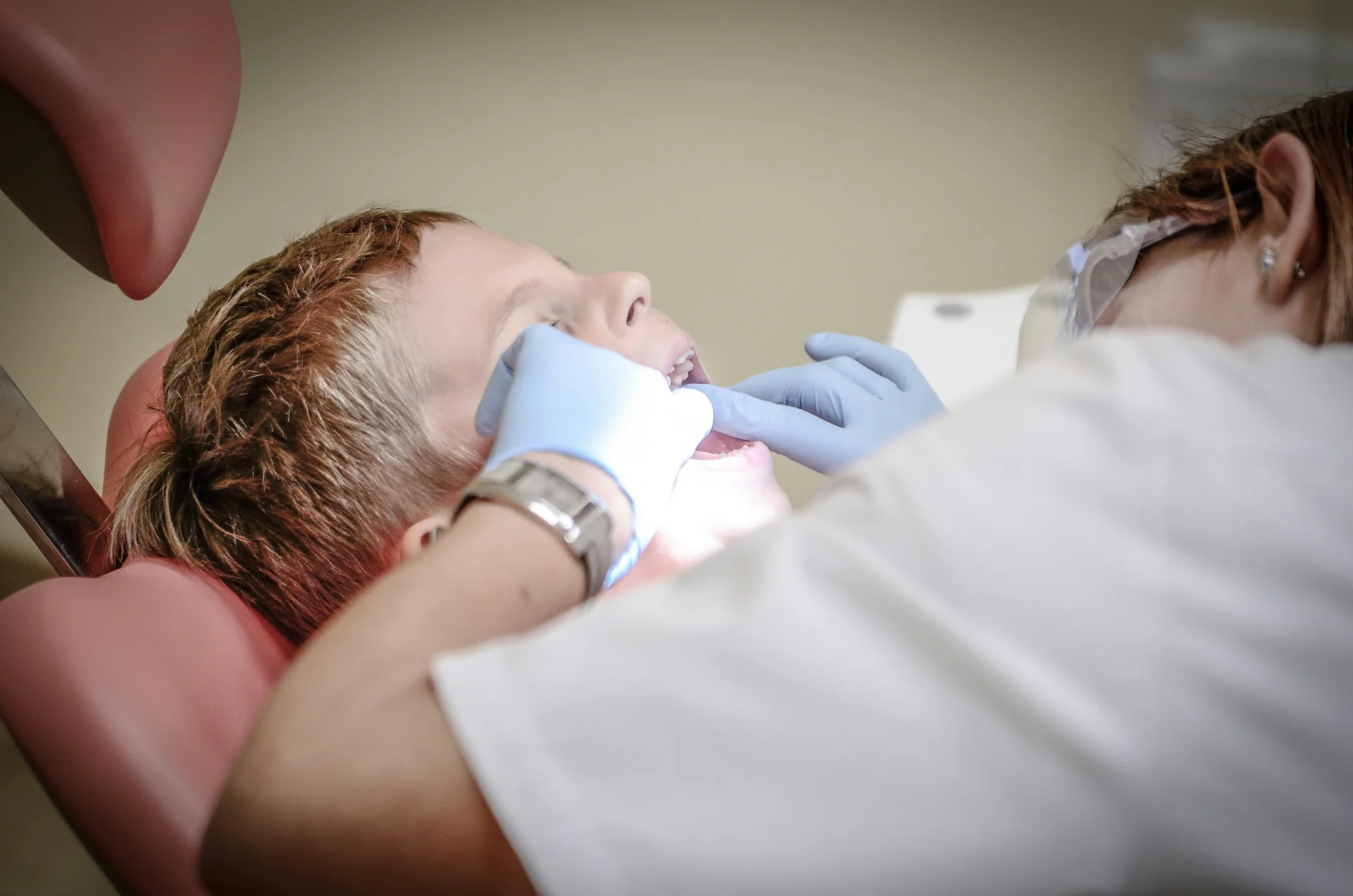
Taking a young child to the dentist for the first time is a milestone that many parents approach with a mix of excitement and nervousness. Questions about what to expect, whether the child will cooperate, and how to choose the right dentist for kids are completely natural. The good news is that with a little preparation, the first dental visit can become a positive experience that sets the foundation for a lifetime of healthy oral habits and comfortable dental care.
The American Academy of Pediatric Dentistry (AAPD), the American Dental Association (ADA), and the American Academy of Pediatrics all recommend that children have their first dental visit within six months of the first tooth erupting or by their first birthday, whichever comes first. This recommendation surprises many parents, but the evidence supporting early dental visits is strong. Children who see a dentist before age one have 40% lower dental costs in their first five years, according to a study published in the journal Pediatrics and cited by the AAPD.
This guide walks parents through every aspect of the first dental visit, from understanding the right timing and choosing the best pediatric dental clinics to age-specific preparation strategies, what happens during the appointment, managing dental anxiety, and building healthy oral care routines afterward. Whether a child is an infant just getting their first tooth or a preschooler who has never been to a dentist's office for children, the strategies here will help make the experience as smooth and positive as possible.
When Should Your Child’s First Dental Visit Happen?
One of the most common questions parents ask is when to schedule that first dental appointment. The answer is earlier than most people expect, and understanding the reasoning behind the recommendation helps parents appreciate why early visits matter so much.
The Age One Dental Visit
The AAPD’s official recommendation is that a child should visit the dentist within six months of the eruption of the first primary tooth or by 12 months of age, whichever comes first. The ADA and the American Academy of Pediatrics both support this same timeline. This early visit establishes what is known as a “dental home,” a concept modeled after the medical home, where the child has an ongoing, accessible, coordinated relationship with a dental provider who knows their history and can deliver preventive care tailored to their individual needs.
Early visits allow the dentist to check for signs of early childhood caries (ECC), assess oral development and eruption patterns, evaluate the bite and jaw growth, and provide anticipatory guidance on feeding practices, fluoride use, teething management, and non-nutritive sucking habits. Identifying concerns at this stage is far easier and less costly than treating problems that develop after months or years of undetected issues.
The Baby Teeth Misconception
Many parents assume that baby teeth do not require professional dental attention because they will eventually fall out. This is one of the most persistent and harmful misconceptions in pediatric oral health. Untreated decay in primary teeth increases the risk of cavities in permanent teeth, can affect a child’s nutrition and speech development, may lead to painful infections that require emergency treatment, and has been linked to lost school days and lower body weight. Establishing a relationship with a dentist for kids early means problems are caught and managed before they become serious, and it normalizes dental care as just another part of staying healthy.
How to Choose the Right Dentist for Kids
The choice of dental provider for a child’s first visit has a significant impact on how the experience unfolds and how the child feels about dental care going forward. Parents searching for a children’s dentist near them have several options, and understanding the differences helps make the best decision.
Pediatric Dentist Versus General Dentist
Pediatric dentists complete two to three years of additional specialty training after dental school, focused specifically on child development, behavior management, and treating patients from infancy through adolescence. This training covers techniques such as tell-show-do, where the dentist explains a procedure, demonstrates it, and then performs it, helping children feel informed and in control. General dentists can also treat children, and many are excellent with young patients, but a pediatric specialist is often the best choice for first visits, very young children, and kids with heightened anxiety.
What to Look for in Pediatric Dental Clinics
The best pediatric dental clinics are designed from the ground up to make children feel welcome. Look for a child-friendly waiting area with toys, books, and age-appropriate entertainment. The treatment rooms should feel approachable rather than clinical, with colorful décor, ceiling-mounted screens, and child-sized equipment. Staff members should be warm, patient, and experienced in working with young children. The overall atmosphere of the pediatric dental office should feel unhurried and welcoming, not rushed or intimidating.
Many pediatric dental clinics offer a pre-visit tour, which is one of the most effective strategies for reducing a child’s anxiety. Walking through the dentist's office for children before the actual appointment makes the environment familiar, removes the element of the unknown, and gives the child positive associations with the space. If a practice offers this option, take advantage of it.
Finding the Right Provider
The AAPD’s Find-a-Pediatric-Dentist tool is an excellent starting point. Referrals from the child’s pediatrician are also valuable, as are recommendations from other parents. When searching for a children’s dentist near you, consider practical factors such as office location, hours that work for your family’s schedule, emergency availability, and insurance acceptance.
Before the first appointment, consider asking the practice a few key questions. How does the dentist handle anxious or uncooperative children? What is the office’s philosophy on parent presence in the treatment room? Are sedation options available if needed for future visits? The answers to these questions reveal a lot about whether the practice is the right fit for your child.
Age-Appropriate Preparation Strategies
How parents prepare a child for the dentist depends largely on the child’s age and developmental stage. What works for a toddler is very different from what works for a preschooler. Tailoring the approach to the child’s level of understanding makes the preparation genuinely effective rather than just well-intentioned.
For Infants and Young Toddlers (Under 2 Years)
For children this young, preparation is primarily about the parents’ mindset rather than the child’s. Infants and young toddlers will not understand a verbal explanation of what a dental visit involves, but they are highly attuned to their parents’ emotional state. Staying calm, relaxed, and positive during the appointment communicates safety to the child more effectively than any words could.
Schedule the appointment for a time when the child is usually well-rested and fed, as morning appointments tend to work best. Avoid scheduling the dental visit on the same day as other potentially stressful events, such as a pediatrician appointment or immunizations. Bring a comfort object, whether a favorite stuffed animal, blanket, or pacifier, and keep the child’s routine as normal as possible leading up to the appointment.
For Older Toddlers (2–3 Years)
Children in this age range are beginning to understand simple explanations and respond well to play-based preparation. Use positive, simple language when talking about the dentist. Describe the dentist as a “tooth helper” or “tooth doctor” who counts teeth and helps keep them clean and strong. Avoid words like “pain,” “needle,” “hurt,” or “scary.”
Play pretend dentist at home. Use a soft toothbrush or toy dental mirror to gently count the child’s teeth, or let the child “brush” a stuffed animal’s teeth. This kind of role play familiarizes the child with the idea of someone looking at and touching their teeth in a fun, low-pressure context. Reading children’s books about dental visits, such as Curious George Visits the Dentist or Peppa Pig’s Dentist Trip, also helps normalize the experience through storytelling.
For Preschoolers (3–6 Years)
Preschool-age children can handle more detailed explanations and benefit from knowing what to expect step by step. Describe the dental chair that goes up and down like a ride, the bright light that helps the dentist see teeth, the tiny mirror used to look at the back of the mouth, and the special toothbrush that tickles. Use child-friendly analogies, such as calling the suction tool a “tooth vacuum” or describing the polishing paste as “tooth paint.”
Watching age-appropriate videos about dental visits together can also be helpful. Let the child ask questions and answer them honestly but positively. If the child asks whether something will hurt, an honest response might be, “The dentist is very gentle, and most kids say it tickles more than anything.” Avoid making promises that nothing will hurt, as that can backfire if the child experiences any discomfort, no matter how minor.
Universal Strategies for All Ages
Regardless of the child’s age, certain preparation principles apply across the board.
Keep all conversations about the dentist positive and upbeat.
Never share your own negative dental experiences or express anxiety about the visit in front of the child.
Bring a comfort object to the appointment.
Schedule morning appointments when children tend to be most alert and cooperative.
Avoid using the dentist as a threat or punishment (“if you don’t brush, the dentist will have to fix your teeth”).
Praise the child for being brave, regardless of how the visit actually goes.
What to Expect During the First Dental Visit
Knowing what happens during a first dental appointment removes much of the uncertainty that fuels parental anxiety. The first visit to a dentist for kids is designed to be short, gentle, and primarily focused on building comfort and trust rather than performing extensive procedures.
Before the Exam
Upon arrival at the pediatric dental office, the front desk staff will help with paperwork, including the child’s health history, current medications, insurance information, and any specific concerns. Many practices offer online pre-registration to minimize time in the waiting room. For older toddlers and preschoolers, the dental team may offer a brief tour of the treatment area, introducing the child to the chair, the light, and the instruments in a friendly, non-threatening way.
The Examination
For infants and very young toddlers, the dentist often performs a “knee-to-knee” or lap exam, where the parent sits facing the dentist, and the child reclines from the parent’s lap onto the dentist’s lap. This keeps the child close to the parent, which provides comfort, while giving the dentist a clear view of the mouth. Older children may sit in the dental chair on their own, though the parent is usually welcome to stay nearby.
The dentist examines the child’s teeth, gums, jaw, bite, and oral tissues. The examination looks for signs of early childhood caries, developmental concerns, tongue-tie, gum health, and proper eruption patterns. For infants, this exam is quick, often lasting just a few minutes. For older children, the examination may be more thorough, potentially including a gentle cleaning with polishing and plaque removal. Fluoride varnish is often applied at the first visit as a preventive measure to strengthen developing enamel.
Anticipatory Guidance
One of the most valuable parts of the first visit is the anticipatory guidance the dentist provides. This includes age-appropriate brushing and flossing techniques, fluoride recommendations, dietary guidance related to feeding practices and sugar exposure, advice on bottle and sippy cup habits, information on pacifier and thumb-sucking habits, teething management strategies, and injury prevention tips. This guidance helps parents make informed decisions about their child’s oral health care between visits.
Duration and Follow-Up
First visits typically last 30 to 45 minutes, though the actual exam may be considerably shorter for very young children. After the appointment, the dentist will recommend a follow-up schedule, usually every six months. Some dentists may recommend more frequent visits, such as every three months, for children at higher risk of dental problems or to help build comfort through repeated positive experiences.
Managing Dental Anxiety in Children
Some degree of apprehension about a first dental visit is normal for both parents and children. Understanding how to manage this anxiety before, during, and after the appointment makes a significant difference in the overall experience.
Before the Visit
For very young children, avoid building the visit up too far in advance. Weeks of anticipation can create anxiety where none existed. Telling a toddler about the appointment on the same day or the day before is often more effective than discussing it repeatedly for weeks. For preschoolers who can process more information, a few days of positive preparation using the strategies described above is ideal. If the practice offers a pre-visit tour, this is one of the most effective anxiety-reduction tools available.
During the Visit
Children are remarkably perceptive and can sense when a parent is nervous or tense. If a parent appears anxious, the child will absorb that energy and become anxious too. Staying calm, smiling, and maintaining a positive tone of voice throughout the appointment communicates to the child that there is nothing to worry about. Trust the dental team’s expertise. Pediatric dentists in well-run dental clinics use specialized behavior management techniques, including tell-show-do, distraction (ceiling-mounted TVs, music, sunglasses), and gentle voice modulation, to help children feel safe and comfortable.
If the Child Cries or Refuses to Cooperate
Crying, clinging, or refusing to open the mouth is completely normal, especially for very young children experiencing an unfamiliar environment. Pediatric dentists encounter this regularly and are trained to handle it with patience and empathy. The worst thing a parent can do in this situation is scold or punish the child, which creates a negative association that can persist for years. Instead, stay calm, offer reassurance, and let the dental team guide the interaction. Sometimes the dentist will complete a modified exam, and sometimes the team will recommend trying again at a follow-up visit. Either outcome is perfectly acceptable.
After the Visit
Positive reinforcement after the appointment strengthens the child’s association between dental visits and good feelings. Praise the child enthusiastically for being brave, even if the visit was challenging. Highlight the things that went well rather than dwelling on difficult moments. A small reward, such as a trip to the park, a favorite activity, or a special sticker, reinforces the positive experience. Avoid rewarding with candy or sugary treats, as this sends a mixed message about oral health.
Managing Parental Dental Anxiety
Parents who carry their own dental anxiety face a unique challenge. Children learn a great deal about how to respond to new situations from watching their parents. If a parent’s facial expressions, body language, or words communicate fear about the dentist, the child will internalize that fear. Parents who have dental anxiety should be mindful of their own body language and avoid sharing negative dental stories or expressing dread about the visit in the child’s presence. In some cases, having the non-anxious parent or another trusted caregiver accompany the child may produce a better outcome.
Building Healthy Oral Habits After the First Visit
The first dental visit is a starting point, not a one-time event. What happens at home between appointments matters just as much as the visit itself. Establishing strong oral hygiene routines early gives children the best chance of maintaining healthy teeth and gums throughout childhood and into adulthood.
Brushing
Brushing should begin as soon as the first tooth appears. For children under three, use a soft-bristled, age-appropriate toothbrush with a rice-grain-sized smear of fluoride toothpaste. After age three, increase to a pea-sized amount. Parents should brush their child’s teeth for them or closely supervise brushing until at least age six or seven, as younger children lack the manual dexterity to effectively clean all tooth surfaces on their own. Encourage the child to spit out the toothpaste after brushing rather than swallowing it, though small amounts swallowed by young children are generally not a concern at the recommended toothpaste quantities.
Making Brushing Fun
The more enjoyable brushing feels, the less resistance children typically put up. Let the child choose their own toothbrush design or toothpaste flavor. Use a two-minute timer, a brushing app, or a favorite song to mark the brushing duration. Brushing together as a family normalizes the routine and gives the child a model to imitate. Turning brushing into a game rather than a chore sets the stage for a habit that lasts a lifetime.
Diet and Feeding Practices
Diet plays a critical role in a child’s dental health. Putting a child to bed with a bottle containing milk, formula, or juice is one of the primary causes of early childhood caries (sometimes called baby bottle tooth decay). Only water should go in a bedtime bottle. Limit juice consumption and offer water or milk instead. Wean from the bottle by 12 to 14 months and transition to a cup. Frequent snacking on sugary or starchy foods throughout the day creates an acidic oral environment that promotes decay, so structured meal and snack times are preferable to constant grazing.
Regular Dental Visits
After the first visit, maintain a regular schedule of dental checkups, typically every six months. Consistent visits normalize dental care and make each subsequent appointment easier for the child. Children who visit a dentist for kids regularly develop familiarity with the environment, the staff, and the routine, which steadily reduces any residual anxiety. For children at higher caries risk, the dentist may recommend visits every three months to allow closer monitoring and more frequent fluoride applications.
Pacifier and Thumb-Sucking Habits
Non-nutritive sucking habits, including pacifier use and thumb sucking, are normal and expected in infants. Most children stop these habits on their own between the ages of two and four. If the habit persists beyond age three or four, discuss it with the dentist, as prolonged non-nutritive sucking can affect the alignment of the teeth and the development of the jaw. The dentist can provide guidance on gentle, age-appropriate strategies for habit cessation that avoid creating stress or power struggles between the parent and child.
What Parents Should Bring to the First Appointment
A little advance preparation on the logistics side makes the appointment day run smoothly and allows parents to focus their energy on keeping the child comfortable rather than scrambling for paperwork. Having everything organized before leaving the house reduces stress for the parent, which in turn helps the child stay calm and relaxed.
Completed health history form (many pediatric dental clinics provide this online for pre-visit completion).
Dental insurance card and information.
List of any medications the child is currently taking.
Relevant medical records or referral notes from the child’s pediatrician.
A comfort object for the child, such as a favorite stuffed animal, blanket, or toy.
A change of clothes for very young children, just in case.
A list of questions for the dentist, covering topics like feeding habits, fluoride, pacifier concerns, and teething.
A positive, calm attitude, which is the single most important thing a parent can bring to the appointment.
Bottom Line
The right preparation transforms a child’s first dental visit from a source of anxiety into a positive milestone that shapes their relationship with oral health for years to come. Scheduling the first visit early, ideally within six months of the first tooth or by the first birthday, establishes the dental home that the AAPD, ADA, and American Academy of Pediatrics all recommend as the foundation for lifelong oral health.
Choosing the right dentist for kids, whether a board-certified pediatric specialist or a general dentist with strong experience treating young patients, makes an enormous difference. The best pediatric dental clinics create an environment where children feel safe, welcome, and even excited about their visit. When parents search for a children’s dentist near them, factors like a child-friendly atmosphere, patient communication style, and willingness to partner with parents should weigh heavily in the decision.
For parents whose child’s first visit is still ahead, the age-appropriate preparation strategies in this article, from play-based role play for toddlers to step-by-step explanations for preschoolers, provide a practical roadmap. For those who have already completed the first visit, the focus shifts to maintaining momentum through consistent brushing, healthy dietary habits, regular checkups at the pediatric dental office, and continued positive reinforcement. Every dental visit builds on the last, and the positive foundation laid at the first appointment carries forward into a lifetime of confident, healthy smiles.
Frequently Asked Questions
When should a child have their first dental visit?
The AAPD, ADA, and American Academy of Pediatrics all recommend that children visit the dentist within six months of the first tooth erupting or by their first birthday, whichever comes first. This early visit establishes a dental home and allows the dentist to assess oral development and provide preventive guidance.
How do I find a good dentist for kids near me?
Start with the AAPD’s online find-a-pediatric-dentist directory at aapd.org. Referrals from your child’s pediatrician and recommendations from other parents are also valuable resources. When evaluating pediatric dental clinics, look for a child-friendly environment, experienced staff, positive online reviews, convenient location and hours, and a practice philosophy that prioritizes gentle, patient-centered care.
What happens during a child’s first dental appointment?
The first visit typically includes a gentle examination of the teeth, gums, jaw, and oral tissues. For infants, this is often done as a lap or knee-to-knee exam with the child reclining from the parent’s lap onto the dentist’s. A gentle cleaning and fluoride varnish may be provided if age-appropriate. The dentist will also discuss brushing techniques, diet, fluoride, and any concerns the parent may have. First visits typically last 30 to 45 minutes.
How can I prepare my toddler for the dentist?
Use simple, positive language to describe what will happen. Play pretend dentist at home using a soft toothbrush to count teeth, or let the child brush a stuffed animal’s teeth. Read children’s books about dental visits. Schedule the appointment for a time when the child is well-rested and fed, ideally in the morning. Bring a comfort object and avoid using any negative or scary words about the dentist.
What if my child cries or refuses to open their mouth at the dentist?
This is completely normal, especially for very young children experiencing an unfamiliar environment. Pediatric dentists are trained to handle these situations with patience and empathy. Do not scold or force the child. The dentist may complete a modified exam or recommend trying again at a follow-up visit. Stay calm, offer reassurance, and praise the child for the things that went well.
Should I choose a pediatric dentist or a general dentist for my child?
Pediatric dentists complete additional specialty training focused on child development, behavior management, and treating patients from infancy through adolescence. They are often the best choice for first dental visits, very young children, and kids with significant anxiety. General dentists who are experienced and comfortable with young patients can also provide excellent care. The most important factor is that the dentist and the practice create a positive, child-friendly experience.
Do baby teeth really need dental care?
Baby teeth are essential for chewing, speech development, and maintaining the spacing that guides permanent teeth into their correct positions. Untreated decay in primary teeth increases the likelihood of cavities in permanent teeth and can lead to painful infections, difficulty eating, and lost school time. Professional dental care for baby teeth is just as important as care for permanent teeth.
How often should children visit the dentist after the first appointment?
The standard recommendation is every six months. Some dentists may recommend more frequent visits, such as every three months, for children at higher risk of dental problems or to help build comfort and familiarity with the dentist's office for children through repeated positive experiences. The dentist will recommend a schedule based on your child’s individual needs.