How To Improve Patient Communication In Dentistry
How To Improve Patient Communication In Dentistry [2026]Effective patient communication in dentistry can make or break a dental practice. According to research published in the...
Written by Mantas Petraitis
Read time: 7 min read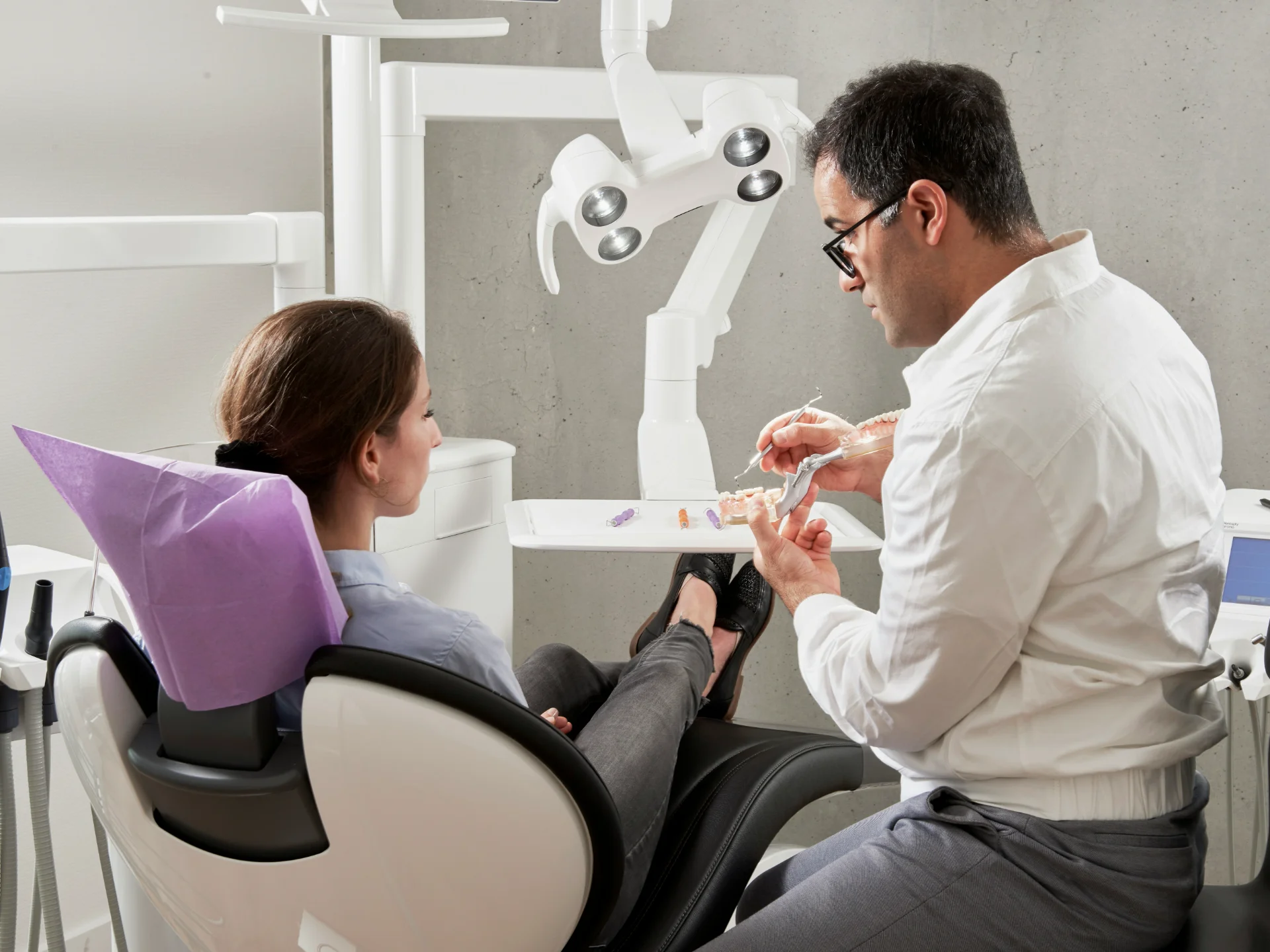
How To Improve Patient Communication In Dentistry [2026]
Effective patient communication in dentistry can make or break a dental practice. According to research published in the Journal of the American Dental Association, approximately 60% of patients do not fully understand the explanations given by their dentists, leading to lower compliance with treatment recommendations. Meanwhile, an American Dental Association survey found that 85% of patients prefer dentists who communicate clearly and address concerns with empathy.
These statistics reveal a significant gap between what patients need and what they often receive. When dentist-patient communication fails, the consequences extend far beyond a single appointment. Patients may avoid necessary care, decline recommended treatments, or leave negative reviews that damage the practice's reputation.
This comprehensive guide explores proven strategies for improving patient communication across every touchpoint in your dental practice. You will learn verbal and non-verbal communication techniques, strategies for managing dental anxiety, methods for improving case presentations and treatment acceptance, ways to leverage technology, approaches for communicating with special populations, and how to build a communication-focused practice culture.
Why Patient Communication Matters In Dentistry
The FDI World Dental Federation emphasizes effective communication between oral healthcare providers and patients as a critical component of high-quality dental care. Understanding the full impact of communication on clinical outcomes, patient experience, and practice success helps dental professionals prioritize this essential skill.
Impact On Clinical Outcomes
Effective communication empowers patients with knowledge to make informed decisions about their oral health. When patients truly understand their diagnosis and treatment options, they are more likely to adhere to treatment plans, follow home care instructions, and attend follow-up appointments.
Research consistently shows that improved dentist-patient communication leads to better treatment outcomes and faster recovery. Patients who feel confident in their understanding of procedures experience less post-operative anxiety and report higher satisfaction with results. The bidirectional nature of communication means dentists who listen carefully also gather more accurate information for diagnosis and treatment planning.
Effect On Patient Experience And Retention
Communication directly impacts patient satisfaction and loyalty. Patients who feel heard and understood are more likely to return for regular care, recommend the practice to others, and leave positive reviews online.
Poor communication drives patients away and increases acquisition costs. Finding new patients costs significantly more than retaining existing ones, making effective communication a sound business investment. Practices known for excellent communication often maintain full schedules through word-of-mouth referrals alone.
Reduction Of Dental Anxiety
A systematic review and meta-analysis published in the Journal of Dentistry found that the global estimated prevalence of dental fear and anxiety in adults is 15.3%, with high dental fear affecting 12.4% of the population. A DentaVox survey of 18,000 people worldwide found that 61% of respondents reported suffering from dental fear.
Clear, empathetic communication helps alleviate anxiety and fear, encouraging patients to seek necessary care rather than avoiding the dentist. When patients understand what to expect and feel their concerns are taken seriously, they become more comfortable with treatment.
Risk Management And Legal Protection
Inadequate communication significantly increases the risk of dental malpractice claims. Proper documentation of informed consent conversations, treatment discussions, and patient concerns provides legal protection for both the practice and the patient.
Good communication minimizes misunderstandings that can lead to complaints or litigation. Patients who feel respected and informed are far less likely to pursue legal action, even when treatment outcomes are less than ideal.
Mastering Verbal Communication Skills
Verbal communication forms the foundation of every patient interaction. The words you choose, how you structure information, and your ability to listen actively all influence whether patients feel confident and informed or confused and anxious.
Using Clear, Simple Language
Dental jargon that seems second nature to practitioners often confuses patients. Using everyday language transforms patient understanding and engagement. Instead of saying "caries," say "cavities." Replace "periodontal disease" with "gum disease." Avoid referring to teeth by number, as most patients cannot translate tooth numbers into locations in their own mouths.
Research shows patients often create simplified, distorted translations of complex explanations rather than admitting they do not understand. Keep sentences short with one idea per sentence. After explaining something complex, pause and ask if the patient has questions.
Active Listening Techniques
Active listening means giving full attention without distractions. Looking at a computer screen while a patient speaks sends a clear message that their concerns are not your priority. Face the patient, maintain appropriate eye contact, and set aside documentation until after they finish speaking.
Reflect and clarify what patients say to confirm understanding. For example, you might say: "I hear that you're concerned about tooth sensitivity. Let's discuss some solutions." Validating feelings with empathy builds trust and ensures patients feel heard and valued.
Asking Open-Ended Questions
Open-ended questions encourage patients to share concerns and provide more information than simple yes-or-no questions. These questions show genuine interest and help uncover underlying fears or preferences.
Effective open-ended questions include:
What concerns do you have about this treatment?
How has this problem been affecting your daily life?
What would you like to achieve with your dental care?
Can you tell me more about what you experienced?
Summarizing And Confirming Understanding
Before ending consultations, verify comprehension using the teach-back method. Ask patients to summarize their understanding: "Just to make sure we're on the same page, can you tell me what you understand about the treatment we discussed?"
This technique identifies gaps in understanding and provides opportunities for clarification. Patients appreciate the extra effort to ensure they leave with accurate information.
Non-Verbal Communication And Body Language
Body language conveys thoughts and feelings without words, often more powerfully than what is actually said. Understanding and controlling your non-verbal communication while reading patient cues enhances every interaction.
The Importance Of Non-Verbal Cues
Non-verbal communication accounts for a significant portion of first impressions. Proper postures and gestures are fundamental for showing positive attitudes toward patients. Stress affects body language and can be contagious. If the dentist appears stressed, patients become stressed too.
The physical setup of your operatory matters as well. Standing over a reclined patient while wearing a mask and goggles creates an inherently intimidating situation. Conscious efforts to counteract this through positive body language help patients feel more comfortable.
Positive Body Language Techniques
Implementing these techniques creates a more welcoming interaction:
Maintain appropriate eye contact to show engagement and interest
Lean forward slightly when patients speak to demonstrate active listening
Keep arms uncrossed and posture open to appear approachable
Smile genuinely to create a welcoming atmosphere
Nod to acknowledge understanding and encourage patients to continue
Speak calmly and slowly to convey confidence and reduce anxiety
Reading Patient Body Language
Observing a patient's non-verbal cues provides valuable information about their emotional state. Crossed arms or clenched fists may indicate anxiety or resistance. Avoiding eye contact could suggest fear or discomfort. Fidgeting may signal nervousness or impatience. Facial expressions reveal emotional responses to information.
When you notice signs of discomfort, address them directly. A simple "I notice you seem a little tense. Is there anything I can do to help you feel more comfortable?" demonstrates attentiveness and care.
Creating A Welcoming Environment
The physical environment communicates messages to patients before any verbal interaction occurs. A clean, comfortable waiting area signals professionalism. Pleasant lighting, calming colors, and comfortable seating reduce anxiety.
Some research suggests that aromatherapy with scents like lavender in waiting areas can reduce immediate fear about treatment. Consider every sensory aspect of your practice environment as an opportunity to communicate care and competence.
Communicating With Anxious Patients
Dental anxiety affects a significant portion of the population and represents one of the greatest communication challenges dental professionals face. Developing specific strategies for anxious patients improves their experience and increases the likelihood they will complete necessary treatment.
Understanding Dental Anxiety
Dental anxiety is a leading cause of dental avoidance. Common causes include fear of pain, fear of needles, past negative experiences, loss of control, and embarrassment about oral health. Dental anxiety can lead to patients avoiding care for years, resulting in worsening oral health and eventually requiring more extensive treatment.
Understanding the root cause of a patient's anxiety helps you address it effectively. Some patients fear specific procedures, while others experience generalized anxiety about any dental visit. Taking time to understand each patient's particular concerns allows for personalized communication strategies.
The Tell-Show-Do Technique
This classic technique reduces fear of the unknown and works well with positive reinforcement:
Tell – provide verbal explanations of procedures in appropriate language before beginning
Show – demonstrate visual, auditory, olfactory, and tactile aspects in an unthreatening setting
Do – complete the procedure without deviating from the explanation and demonstration
The technique works because anxiety often stems from uncertainty. When patients know exactly what will happen, their fear diminishes significantly.
Establishing Control And Trust
Giving patients a sense of control significantly reduces anxiety. Establish a "stop signal" such as raising a hand so patients can pause treatment at any time. Discuss each phase of treatment before starting. Ask whether patients prefer play-by-play explanations or would rather wear headphones and zone out. Allow breaks when needed.
Studies show the stop signal is effective across dental and medical settings. Patients rarely use it, but knowing they have the option provides tremendous psychological comfort.
Distraction And Relaxation Techniques
A meta-analysis published in Frontiers in Psychiatry found that music therapy as a treatment for stress and anxiety prior to dental treatment proved to be effective in both children and adults. Classical music is the most frequently studied intervention, with patient-preferred music showing even stronger effects.
Virtual reality is emerging as an effective distraction tool, with research showing participants reported decreased anxiety when using VR during dental procedures. Simple breathing techniques and guided imagery also help patients relax without requiring any equipment.
Meeting Fear With Kindness
Responding to patient fear with kindness and empathy rather than frustration transforms the patient experience. The ADA recommends building connections with patients over time, as developing trust improves communication and makes it easier for patients to express their needs.
Acknowledge that dental visits can be stressful and reassure patients that their comfort is a priority. Statements like "I understand this can be difficult, and we're going to take this at whatever pace works for you" communicate genuine care.
Case Presentation And Treatment Acceptance
The success of any dental practice is directly tied to patients accepting treatment recommendations. Effective case presentation combines clear communication, visual aids, and empathetic understanding of patient concerns to improve acceptance rates.
The Importance Of Case Acceptance
According to research by the Levin Group, case acceptance rates for two-thirds of U.S. dental practices fall between 20% and 50%, well below the industry target of 90%. This gap represents both a clinical concern, as patients delay necessary care, and a business challenge, as practices struggle with lower production.
A well-executed case presentation that blends spoken words with non-verbal cues and visual aids increases acceptance rates dramatically. Investing in your case presentation skills yields significant returns.
Understanding Patient Barriers
Three main barriers to treatment acceptance exist:
Barrier | Description | How to address |
|---|---|---|
Financial concerns | The primary barrier for most patients | Discuss costs transparently, offer payment plans, and financing options |
Fear and anxiety | Concerns about pain, procedures, or outcomes | Use empathetic communication, explain procedures clearly,and offer comfort options |
Time commitment | Difficulty fitting appointments into busy schedules | Offer flexible scheduling, break treatment into phases when possible |
Effective case presentations address all three concerns proactively. Objections are usually related to money, time, trust, or fear, and addressing them before patients raise objections demonstrates understanding and builds confidence.
Effective Case Presentation Techniques
Several approaches improve treatment acceptance:
Present information in bite-sized pieces, perhaps breaking treatment down by quadrant
Use visual aids, including photographs, radiographs, intraoral images, diagrams, and models
Focus on benefits and consequences rather than technical procedures
Deliver presentations as natural conversations rather than sales pitches
Discuss the risks of delaying or declining treatment
Use private consultation rooms for major restorative work or sensitive discussions
Research suggests spending approximately 95% of your presentation on the condition and its consequences, with only 5% on the treatment itself. Patients need to understand why treatment matters before they care about how it will be accomplished.
Financial Transparency
Discussing costs upfront and transparently removes one of the biggest barriers to acceptance. Explain insurance coverage, available payment plans, and financing options before patients feel they need to make an excuse to decline.
Remember that when you are talking about treatment, patients are thinking about money. Addressing financial concerns proactively shows respect for patients' situations and makes them more comfortable moving forward.
Follow-Up Strategies
Schedule appointments before patients leave whenever possible. Patients without fixed appointments may reconsider or worry about their options. A well-timed follow-up call or message demonstrates commitment to patient care and addresses lingering questions.
For patients who do not schedule immediately, implement a systematic follow-up process. A friendly check-in a few days later often results in scheduled treatment, especially when patients have had time to consider their options.
Leveraging Technology For Patient Communication
Technology is transforming patient communication in dentistry, making it more efficient, accessible, and interactive. Digital tools bridge the gap between patients and dental professionals while allowing for better education and engagement.
Patient Communication Software
Modern patient communication platforms offer comprehensive features:
Feature | Benefit |
|---|---|
Automated appointment reminders | Reduces no-shows via text, email, and phone |
Two-way texting | Enables convenient patient communication |
Online scheduling | Provides 24/7 booking convenience |
Digital intake forms | Reduces paperwork and check-in time |
Secure patient portals | Allows access to treatment plans and billing |
Popular platforms include Weave, Dental Intelligence, NexHealth, and Lighthouse 360. Choose software that integrates with your practice management system and offers the features most relevant to your patient population.
Teledentistry And Virtual Consultations
Teledentistry enables remote communication for minor concerns, follow-up care, and initial consultations. Research shows that teledentistry is effective for documenting chief complaints, medical history, and assessing dental findings.
Virtual consultations lead to mutual understanding of expectations and treatment goals while reducing misunderstandings. They also provide convenience that removes barriers for patients who struggle to visit in person.
Visual Aids And Patient Education Technology
Digital tools that enhance patient understanding include:
Intraoral cameras that show patients their conditions in real-time
Digital radiographs were displayed chairside for immediate discussion
Treatment planning software with 3D visualizations
AI-powered diagnostic tools that provide annotated images for clearer explanations
Patient education videos explaining procedures and conditions
When patients can see what you see, they understand the need for treatment much more readily than when they must simply trust your verbal description.
Automated Communication And Recall Systems
Automated systems improve consistency and reduce staff workload. Appointment reminders reduce no-shows. Recall messages bring overdue patients back. Birthday greetings and newsletters maintain ongoing relationships. Review requests build online reputation. Payment reminders improve collections.
Automation should complement personal communication rather than replace it. The most effective practices use automated systems for routine messages while preserving personal interaction for meaningful touchpoints.
Social Media And Online Engagement
Many practices use social media to share oral health tips, answer common questions, and engage with patients outside the clinic. A well-managed presence on platforms like Facebook, Instagram, or TikTok reinforces patient relationships and positions the practice as a trusted source of dental information.
Consistency matters more than frequency. Regular posting of valuable content builds audience engagement over time.
Communicating With Special Populations
Different patient populations require adapted communication approaches. Understanding the unique needs of pediatric patients, elderly patients, those with language barriers, and patients with special needs ensures everyone receives quality care.
Pediatric Patients
Children who have more positive early dental experiences are less likely to develop dental fear. Use age-appropriate language and explanations. Positive pre-visit imagery, such as showing photographs of the dental office and instruments, prepares children for visits.
Television and music serve as effective audio-visual distractions. Communication should include both the child and their parent or guardian, with explanations tailored to each audience.
Elderly Patients
Considerations for older patients include:
Speaking clearly and slightly louder if hearing is impaired
Allowing extra time for questions and explanations
Being aware of potential cognitive changes that may affect comprehension
Providing written instructions to reinforce verbal communication
Considering involving family members in discussions when appropriate
Patience and repetition help ensure elderly patients leave with an accurate understanding of their care.
Patients With Language Barriers
Strategies for cross-cultural communication include:
Using professional interpreters when available
Providing multilingual written materials
Using visual aids and demonstrations that transcend language
Speaking slowly and clearly
Verifying understanding by asking patients to repeat key information
Being aware of cultural differences in communication styles and healthcare expectations
Never rely on family members, especially children, to interpret complex medical information.
Patients With Special Needs
Adapting communication for patients with developmental disabilities, autism spectrum disorder, or sensory impairments requires flexibility and creativity. Research shows that communication using pictures and symbols increases cooperation in patients with special needs.
Allow extra time. Minimize sensory overload. Establish routines. Involve caregivers in communication planning. Each patient's needs are unique, so ask caregivers what approaches work best.
Building A Communication-Focused Practice Culture
Sustainable improvement in patient communication requires building it into your practice culture. Individual efforts matter, but systematic approaches create lasting change.
Team Communication Training
Communication training should involve the entire dental team, from front desk staff to clinical providers. Research shows dental communication curricula have historically lacked practical engagement. Implement ongoing training rather than one-time sessions.
Standardized communication approaches across the team build patient trust and ensure consistent experiences. When every team member communicates with the same attention to clarity and empathy, patients notice.
Creating Communication Protocols
Developing standard protocols for common communication scenarios ensures consistency while allowing personalization based on individual patient needs:
New patient welcome procedures
Treatment plan presentations
Handling anxious patients
Discussing financial options
Post-operative instructions
Follow-up calls
Written protocols help new team members learn quickly and give everyone a reference for challenging situations.
Gathering And Acting On Patient Feedback
Dentists should routinely seek patient feedback. Direct insights highlight areas needing improvement and suggest enhancements. Maintain an open mindset when receiving feedback, as it provides valuable opportunities for reflection and continual improvement.
Track patient satisfaction scores and analyze why patients decline treatment to identify communication gaps. What patients tell you directly is often more valuable than any other metric.
Continuous Professional Development
Ongoing education in communication skills through CE courses, workshops, and seminars keeps skills sharp. Dentists who prioritize effective communication and build good relationships with patients are more likely to achieve positive outcomes and experience practice growth.
Consider role-playing exercises, video review of patient interactions, and peer feedback. These active learning approaches improve skills faster than passive education alone.
Bottom Line
Effective patient communication in dentistry is fundamental to providing high-quality care and building a successful practice. The research is clear: patients who feel heard, informed, and respected are more likely to accept treatment, adhere to recommendations, and return for regular care.
Communication is both an art and a skill that can be developed through conscious effort, training, and practice. From mastering verbal and non-verbal techniques to leveraging technology and creating patient-centered experiences, every interaction is an opportunity to strengthen patient relationships and improve outcomes.
Implementing even a few of the strategies outlined in this guide can make a meaningful difference in patient satisfaction, treatment acceptance, and practice growth. Start with one area of improvement, measure the results, and continue building a communication-focused culture that benefits both patients and the practice.
Frequently Asked Questions
How can I improve communication with patients who have dental anxiety?
Start with empathetic listening and acknowledge their fears without judgment. Use the tell-show-do technique, establish a stop signal, offer distractions like music or virtual reality, and give patients control over the pace of treatment. Building trust through consistent, caring communication over time helps reduce anxiety.
What is the best way to present treatment plans to increase acceptance?
Focus approximately 95% of your presentation on the condition and its consequences rather than the treatment itself. Use visual aids like photographs and radiographs. Present information in bite-sized pieces using simple language. Be transparent about costs and offer payment options. Address concerns about time, fear, and finances proactively.
How do I know if patients understand what I've explained?
Use the teach-back method by asking patients to explain what they understood in their own words. Watch for non-verbal cues like confused expressions or hesitation. Encourage questions throughout the conversation. Provide written instructions to reinforce verbal explanations and give patients something to reference later.
What patient communication software should dental practices consider?
Look for platforms offering automated appointment reminders, two-way texting, online scheduling, digital forms, and integration with your practice management system. Popular options include Weave, Dental Intelligence, NexHealth, and Lighthouse 360. Choose software that fits your budget and offers the features most relevant to your practice needs.
How can I train my team to communicate more effectively with patients?
Implement ongoing training rather than one-time sessions. Use role-playing exercises to practice difficult conversations. Develop standard protocols for common scenarios while allowing personalization. Encourage team members to share what works. Consider CE courses focused on communication skills and periodically review patient interactions for feedback.
What is the role of body language in dental patient communication?
Non-verbal communication accounts for a significant portion of first impressions. Maintain eye contact, lean forward when listening, keep an open posture, and smile genuinely. Avoid looking at screens while patients speak. Monitor your own stress signals, as patients can sense tension. Also, observe the patient's body language to identify anxiety or confusion.
How should I communicate with patients who decline recommended treatment?
Respect their decision while ensuring they understand the potential consequences. Ask open-ended questions to uncover their concerns. Document the conversation and their decision. Offer alternatives when available. Leave the door open for future discussion and follow up appropriately. Each declined case is an opportunity to learn and improve your communication approach.