What Is Radiographic Imaging: All You Need to Know
Radiographic imaging represents one of the most significant discoveries in the history of medicine. Since Wilhelm Roentgen first discovered X-rays in 1895, this technology has...
Written by Mantas Petraitis
Read time: 9 min read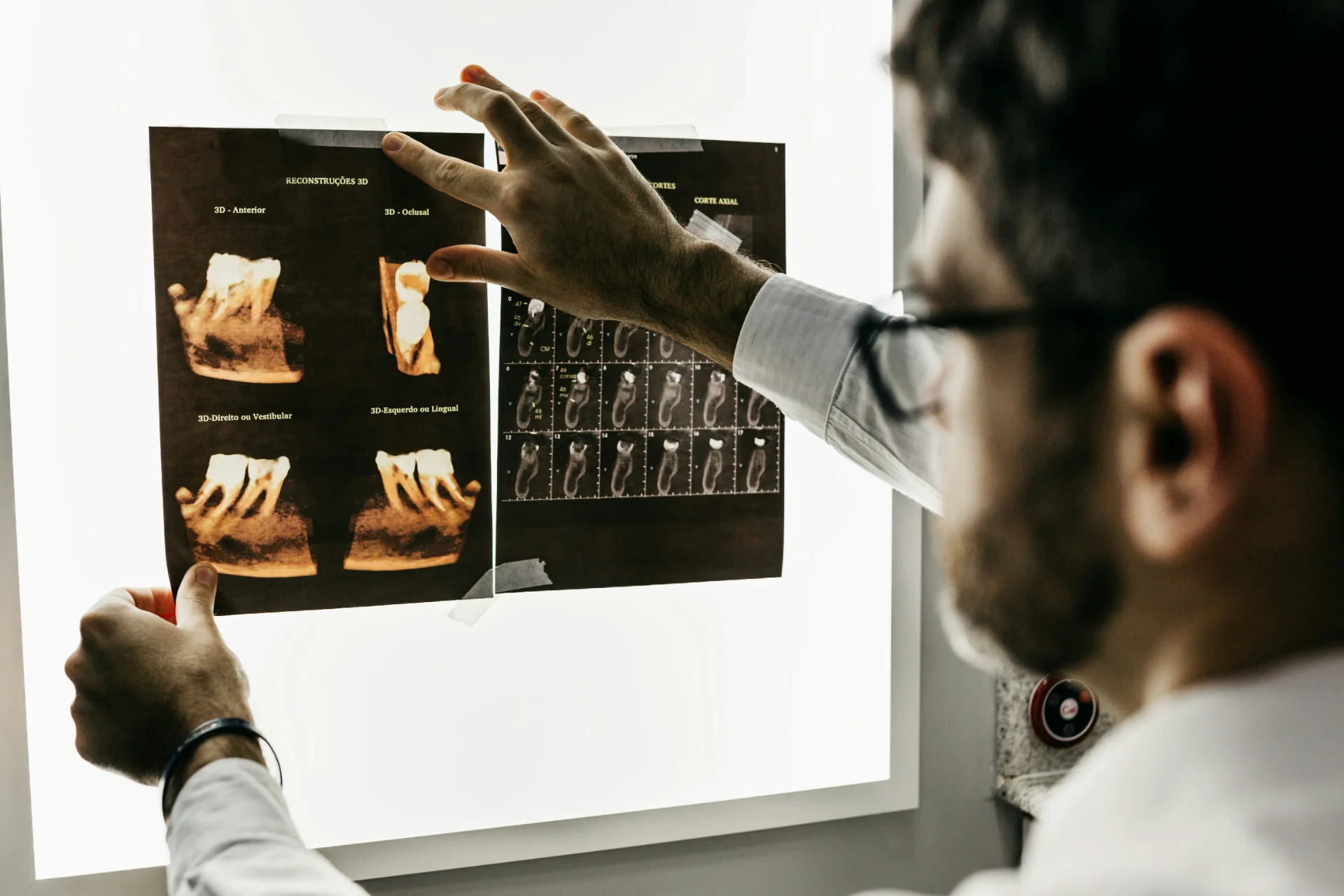
Radiographic imaging represents one of the most significant discoveries in the history of medicine. Since Wilhelm Roentgen first discovered X-rays in 1895, this technology has become fundamental to modern healthcare. According to the National Council on Radiation Protection and Measurements, radiography and fluoroscopy account for approximately 74% of all imaging procedures performed globally.
Radiographic imaging uses electromagnetic radiation to create detailed images of internal body structures, allowing healthcare providers to diagnose conditions without invasive procedures. This foundational diagnostic tool has transformed patient care by enabling rapid, accurate assessment of everything from broken bones to lung infections.
This comprehensive guide covers how radiographic imaging works, the different types of radiography available, clinical applications across medical specialties, safety considerations regarding radiation exposure, digital versus traditional imaging systems, and what patients can expect during an examination.
What Is Radiographic Imaging?
Radiographic imaging, also called radiography, is a medical imaging technique that uses X-rays, gamma rays, or similar ionizing radiation to visualize the internal structures of the body. The process creates two-dimensional images by passing radiation through the body to a detector, producing what healthcare professionals call a radiograph.
Basic Principles Of X-Ray Imaging
X-rays are a form of electromagnetic radiation with higher energy than visible light. When X-rays pass through the body, different tissues absorb this radiation at different rates based on their density and composition.
Bones contain high levels of calcium and absorb X-rays readily, causing them to appear white or bright on the resulting image. Air-filled structures like the lungs absorb very little radiation and appear black. Soft tissues such as muscles, organs, and fat appear in various shades of gray depending on their density.
Key Terminology In Medical Imaging
Understanding the basic vocabulary helps patients and students navigate discussions about radiographic examinations.
Term | Definition |
Radiopaque | Structures that block X-rays and appear white or bright on images, such as bones and metal implants |
Radiolucent | Structures that allow X-rays to pass through and appear dark or black, such as air and gas |
Radiograph | The image produced by a radiographic examination |
Radiographer | A healthcare professional who operates radiographic equipment, also called a radiologic technologist |
Radiologist | A medical doctor who specializes in interpreting medical images and providing diagnostic reports |
How Radiographic Imaging Works
The process of creating radiographic images involves sophisticated equipment working together to produce diagnostic-quality results. Understanding this process helps demystify the technology for patients and provides foundational knowledge for healthcare students.
The X-Ray Production Process
X-ray equipment consists of several essential components working in sequence. The X-ray generator provides electrical power to the X-ray tube, where the actual radiation is produced. Inside the tube, electrical current heats a filament (the cathode), causing it to release electrons. These electrons accelerate toward a metal target, typically made of tungsten, and the collision produces X-rays.
The collimation system shapes and directs the X-ray beam to cover only the area of interest, minimizing unnecessary radiation exposure. Proper patient positioning ensures optimal visualization of the anatomy while reducing image distortion.
Image Formation And Quality Factors
Once X-rays pass through the body, they are partially absorbed by tissues based on density. The remaining radiation reaches the detector, where the differences in absorption create the image. Denser structures block more X-rays and create lighter areas (shadows), while less dense regions allow more radiation through and appear darker.
Several factors influence the quality of radiographic images. Exposure parameters, measured in kilovoltage (kVp) and milliampere-seconds (mAs), control radiation intensity and tissue penetration. The distance between the X-ray source, patient, and detector affects image sharpness. Scatter radiation can degrade image quality, which technologists control using specialized grids.
The Role Of Contrast Agents
Contrast materials enhance the visualization of specific structures that would otherwise be difficult to distinguish. Healthcare providers may administer barium orally or rectally to highlight the digestive tract, or inject iodine-based contrast intravenously to visualize blood vessels and certain organs. These agents temporarily increase the radiodensity of targeted areas, making them more visible on the resulting images.
Types Of Radiographic Imaging
Medical imaging encompasses several distinct radiographic techniques, each designed for specific diagnostic purposes. Healthcare providers select the appropriate modality based on the clinical question, the body region being examined, and patient-specific factors.
Conventional Projectional Radiography (Plain X-Rays)
Plain X-rays represent the most common form of radiographic imaging, producing flat two-dimensional images of body structures. Applications include chest X-rays for evaluating heart and lung conditions, bone X-rays for detecting fractures and joint problems, abdominal X-rays for assessing bowel conditions, and dental radiography for examining teeth and jaw structures. Technologists typically capture images in at least two planes (such as front and side views) to provide a better three-dimensional perspective.
Fluoroscopy
Fluoroscopy produces real-time, continuous X-ray imaging that shows movement within the body. This technique proves invaluable for guiding medical procedures such as catheter insertion and joint injections, performing barium studies of the esophagus, stomach, and intestines, and conducting interventional radiology procedures. Because fluoroscopy involves continuous radiation exposure, the doses can be higher than those of single-frame X-rays, making appropriate use particularly important.
Mammography
Mammography uses specialized low-dose X-ray equipment designed specifically for breast tissue imaging. This technique serves as the primary screening tool for breast cancer detection and helps evaluate suspicious breast abnormalities. Digital mammography and tomosynthesis (3D mammography) have significantly improved detection capabilities, particularly in women with dense breast tissue. The American Cancer Society recommends regular mammography screening for women at average risk starting at age 40.
Computed Tomography (CT)
CT scanning combines multiple X-ray images taken from different angles with computer processing to create detailed cross-sectional (slice) images and three-dimensional reconstructions. This technology provides far more anatomical detail than plain X-rays, making it essential for trauma evaluation, cancer staging, and complex diagnostic challenges. However, CT delivers higher radiation doses than conventional radiography. According to the United Nations Scientific Committee on the Effects of Atomic Radiation, CT accounts for approximately 10% of medical imaging procedures but contributes about 62% of the collective radiation dose from diagnostic imaging.
Dual-Energy X-Ray Absorptiometry (DXA)
DXA uses two X-ray beams at different energy levels to precisely measure bone mineral density. This specialized technique serves as the gold standard for diagnosing osteoporosis and monitoring treatment effectiveness. The examination delivers very low radiation doses and provides quantitative measurements that help predict fracture risk.
Comparison Of Radiographic Imaging Types
The following table summarizes the key characteristics and applications of different radiographic modalities.
Type | Key characteristics | Common uses |
Plain X-ray | 2D images, lowest radiation dose, fast, and widely accessible | Fractures, chest conditions, dental issues |
Fluoroscopy | Real-time moving images, higher radiation exposure | GI studies, procedure guidance, joint injections |
Mammography | Low-dose X-rays, specialized for breast tissue | Breast cancer screening and diagnosis |
CT Scan | 3D cross-sectional images, the highest detail, and radiation | Trauma, cancer staging, complex conditions |
DXA | Dual-energy beams measure bone density | Osteoporosis diagnosis and monitoring |
Clinical Applications Of Radiographic Imaging
Radiographic imaging serves diagnostic purposes across virtually every medical specialty. The technology's ability to visualize internal structures quickly and non-invasively makes it an essential first-line diagnostic tool in many clinical scenarios.
Skeletal System Imaging
Diagnostic radiography excels at imaging bones due to their high calcium content, which provides excellent natural contrast. Orthopedic applications include detecting fractures and dislocations, evaluating arthritis and joint degeneration, identifying bone tumors and infections (osteomyelitis), assessing spinal alignment and scoliosis, and monitoring orthopedic implants such as joint replacements and hardware from fracture repairs.
Chest And Respiratory System
The chest X-ray remains the most commonly performed radiographic examination worldwide. This simple, quick study helps diagnose pneumonia and other lung infections, detect lung cancer and tumors, identify heart enlargement and signs of heart failure, evaluate pulmonary edema (fluid in the lungs), and monitor chronic conditions such as tuberculosis and chronic obstructive pulmonary disease.
Abdominal Imaging
Abdominal X-rays provide valuable information for detecting bowel obstruction and perforation, visualizing kidney stones (which are often radiopaque), identifying some types of gallstones, locating swallowed foreign objects, and assessing gas patterns that indicate various conditions. While soft tissue organs like the liver and spleen are better evaluated with CT or ultrasound, plain abdominal films remain useful as an initial assessment tool in acute settings.
Dental Radiography
Dental X-rays are essential for comprehensive oral health care. Applications include detecting cavities between teeth and beneath existing fillings, evaluating tooth roots and surrounding bone for infection, assessing impacted teeth (particularly wisdom teeth), identifying bone loss from periodontal disease, and planning orthodontic treatment and dental implant placement.
Interventional Radiology
Radiographic imaging guides numerous minimally invasive therapeutic procedures. Under fluoroscopic guidance, interventional radiologists perform catheter placements for vascular access and drainage, needle biopsies of suspicious masses, angioplasty and stent placement for blocked blood vessels, and targeted tumor treatments including ablation and embolization. Imaging guidance enables smaller incisions, reduced pain, faster recovery, and lower complication rates compared to traditional open surgery.
Digital Versus Traditional Radiography Systems
The transition from traditional film-based imaging to digital systems has transformed radiographic practice over the past two decades. Understanding the differences between these technologies helps healthcare facilities make informed purchasing decisions and helps patients understand the care they receive.
Traditional Screen-Film Radiography
Traditional radiography used photographic film placed in a cassette with intensifying screens to capture X-ray images. While this technology served healthcare well for decades, it presented several limitations. Film offered fixed exposure latitude, meaning images that were too light or too dark could not be adjusted after exposure. Chemical processing required dedicated darkroom facilities and involved time delays. Physical film storage demanded substantial space, and images could not be easily shared electronically or integrated with modern Picture Archiving and Communication Systems (PACS).
Computed Radiography (CR)
Computed radiography represented the first digital alternative to film. CR systems use photostimulable phosphor plates housed in cassettes similar to film cassettes. After exposure, a laser scanner reads the stored image from the plate and converts it to a digital format. CR offered significant advantages over film, including compatibility with existing X-ray equipment, lower initial investment costs, portable cassettes suitable for bedside imaging, and wide exposure latitude allowing post-processing adjustments. However, CR also has drawbacks, including slower workflow (30-90 seconds for image acquisition), lower image quality compared to newer technology, higher radiation doses required for acceptable images (approximately 30% detection efficiency), and the need for dedicated plate reader equipment.
Digital Radiography (DR)
Digital radiography uses flat-panel detectors that convert X-rays directly to digital images without intermediate processing steps. Images appear on the display within 5-10 seconds of exposure. DR systems deliver superior image quality with higher resolution, significantly faster workflow with immediate image review, lower radiation doses due to higher detection efficiency (60-65%), and seamless integration with hospital information systems. The primary disadvantages include higher initial equipment costs, more fragile detector panels compared to CR cassettes, and limited portability in some configurations.
CR Versus DR Comparison
Feature | Computed radiography (CR) | Digital radiography (DR) |
Image acquisition | Requires plate scanning (30-90 seconds) | Instant (5-10 seconds) |
Image quality | Good, lower resolution | Superior, higher resolution |
Radiation efficiency | ~30% detection efficiency | ~60-65% detection efficiency |
Initial cost | Lower, retrofit-friendly | Higher investment required |
Workflow | Multiple steps, cassette handling | Streamlined, immediate viewing |
PACS Integration And Image Distribution
Both CR and DR systems integrate with Picture Archiving and Communication Systems, which store, retrieve, and distribute digital medical images throughout healthcare networks. PACS technology enables electronic storage that eliminates physical film archives, remote access allowing radiologists to interpret images from any location, rapid image sharing between departments and healthcare facilities, and integration with electronic health records for comprehensive patient documentation.
Radiation Safety And Dose Considerations
While radiographic imaging involves exposure to ionizing radiation, understanding the actual doses involved and the safety measures in place helps put any concerns in proper perspective. The diagnostic benefits of these examinations typically far outweigh the minimal risks when imaging is appropriately indicated.
Understanding Radiation Dose
Radiation dose is measured in millisieverts (mSv), a unit that accounts for the biological effects of different types of radiation. For context, everyone receives radiation exposure from natural sources, including cosmic rays, radon gas, and naturally occurring radioactive materials in soil and food. The average annual background radiation in the United States is approximately 3 mSv. A standard chest X-ray delivers about 0.1 mSv, equivalent to roughly 10 days of natural background exposure.
Comparative Radiation Doses
The following table from the RadiologyInfo.org provides context for common radiographic examination doses.
Examination | Typical dose (mSv) | Background equivalent |
Chest X-ray | 0.02 – 0.1 | 3 – 10 days |
Dental X-ray | 0.005 – 0.01 | 1 day |
Mammogram | 0.4 | 7 weeks |
Abdominal X-ray | 0.7 | 4 months |
CT head | 2 | 8 months |
CT abdomen | 10 | 4.5 years |
Radiation Protection Principles
Medical imaging operates under three fundamental radiation protection principles established by international guidelines. Justification requires that every radiographic examination should have a clear medical benefit that outweighs the small associated risk, meaning imaging should only be performed when clinically indicated. Optimization, also known as the ALARA principle (As Low As Reasonably Achievable), ensures that radiation doses are kept as low as possible while still obtaining diagnostic-quality images. Dose limitation establishes regulatory limits for occupational radiation exposure to protect healthcare workers who work with imaging equipment daily.
Special Considerations For Different Cases
Certain patient groups require additional consideration regarding radiation exposure. During pregnancy, X-rays involving the pelvic region are generally avoided or modified unless medically necessary, though many examinations of the head, chest, and limbs pose minimal risk to the developing fetus. The American College of Radiology emphasizes that patients should always inform healthcare providers of known or possible pregnancy before any imaging study.
Children are more radiosensitive than adults and have more years of life ahead during which radiation effects could potentially manifest. Pediatric imaging protocols use specially adjusted, lower doses while maintaining diagnostic quality. Protective shielding, such as lead aprons and thyroid shields, may be used when appropriate to protect radiosensitive organs not in the area being imaged.
What To Expect During A Radiographic Examination
Knowing what to expect before, during, and after a radiographic examination can help reduce anxiety and ensure the best possible imaging results. The process is straightforward, quick, and completely painless for most routine X-ray studies.
Preparing For Your Examination
Before the examination, you should inform the radiologic technologist of any possibility of pregnancy. Remove jewelry, watches, and metal objects from the area being imaged. You may need to remove clothing with zippers, snaps, or underwire and change into a hospital gown, depending on which body part is being examined. For certain specialized studies, such as barium examinations of the digestive system, you may receive specific instructions about fasting or bowel preparation beforehand.
During The Examination
The radiologic technologist will position you appropriately for the examination, which may involve standing, sitting, or lying on an examination table, depending on the study. You may need to hold your breath briefly during the exposure to prevent motion blur. The actual X-ray exposure takes only a fraction of a second. Multiple images from different angles may be required to fully evaluate the area of interest. Throughout the process, the technologist will provide clear instructions and ensure your comfort.
After The Examination
There are typically no restrictions following standard X-ray examinations, and you can resume normal activities immediately. A radiologist will interpret your images and send a detailed report to your referring healthcare provider. The turnaround time for results varies from hours to several days, depending on the urgency of the examination and facility protocols. Your healthcare provider will discuss the findings with you and explain any next steps in your care.
Bottom Line
Radiographic imaging remains a cornerstone of modern medicine, offering a non-invasive window into the human body that has transformed diagnostic capabilities since its discovery over a century ago. From simple X-rays that diagnose broken bones in minutes to sophisticated CT scans that guide complex treatment decisions, these technologies continue to serve an essential role in patient care.
While radiographic imaging involves exposure to ionizing radiation, the doses used in diagnostic procedures are carefully controlled. For the vast majority of examinations, the benefits of accurate diagnosis far outweigh the minimal associated risks. Healthcare providers follow established safety principles to ensure imaging is performed only when medically indicated and at the lowest dose necessary for diagnostic quality.
Advances in digital technology continue to improve both image quality and patient safety. Digital radiography systems deliver higher-quality images with lower radiation doses compared to older technologies. Artificial intelligence applications are beginning to assist radiologists with image interpretation, potentially improving diagnostic accuracy and efficiency. As these technologies continue to evolve, radiographic imaging will remain fundamental to evidence-based healthcare for generations to come.
Frequently Asked Questions
What is the difference between radiology and radiography?
Radiography refers to the technique and practice of creating medical images using X-rays and related technologies. Radiology is the medical specialty focused on interpreting those images and providing diagnostic reports. Radiographers (also called radiologic technologists) are healthcare professionals who operate imaging equipment and position patients. Radiologists are physicians who have completed medical school and specialized residency training in image interpretation.
Is radiographic imaging the same as an X-ray?
X-ray imaging is one type of radiographic imaging, but the broader term encompasses all techniques using ionizing radiation to create medical images. This includes plain X-rays, fluoroscopy, CT scanning, mammography, and DXA bone density scans. When people casually refer to getting an X-ray, they typically mean a conventional plain radiograph, which is just one category within the larger field of radiographic imaging.
How safe is radiographic imaging?
Diagnostic radiography uses carefully controlled, low radiation doses. A chest X-ray delivers about the same radiation exposure as 3-10 days of natural background radiation. While all radiation exposure carries some theoretical risk, the probability of harm from diagnostic imaging is extremely small, and the medical benefit of accurate diagnosis typically far outweighs this minimal risk. Healthcare providers are trained to order imaging only when clinically indicated and to use the lowest dose necessary for diagnostic quality.
Can I have an X-ray if I'm pregnant?
Many X-ray examinations pose minimal risk during pregnancy because the radiation beam can be directed away from the developing fetus. Studies of the head, chest, teeth, and extremities generally do not expose the pelvic region to significant radiation. Examinations that directly involve the abdomen or pelvis require more careful consideration, and alternative imaging methods like ultrasound or MRI may be preferred when appropriate. You should always inform your healthcare provider and the radiologic technologist of known or possible pregnancy before any imaging study.
What can radiographic imaging detect that other tests cannot?
Radiographic imaging excels at visualizing bone structures, making it the preferred modality for detecting fractures, joint abnormalities, and skeletal pathology. Chest X-rays provide a rapid assessment of lung conditions and heart size that would be impractical to evaluate otherwise. The technology offers advantages of speed, wide availability, relatively low cost, and established diagnostic criteria developed over more than a century of clinical use. However, soft tissue conditions are often better evaluated with MRI, while real-time assessment of blood flow may require ultrasound or nuclear medicine studies.
How long does a radiographic examination take?
A simple X-ray typically takes only a few minutes, including the time needed for positioning. The actual radiation exposure lasts just a fraction of a second for each image. More complex examinations vary in duration. CT scans generally require 10-30 minutes, depending on the body region and whether contrast material is used. Fluoroscopic studies like barium swallows may take 15-30 minutes. The radiologic technologist can provide specific time estimates for your particular examination.