Pediatric Cavity Filling: What Parents Need to Know
Your child comes home from school and says their tooth hurts when they eat something cold. Or maybe their dentist just mentioned the word “cavity” at a routine checkup. Either...
Written by Agnes Markovic
Read time: 8 min read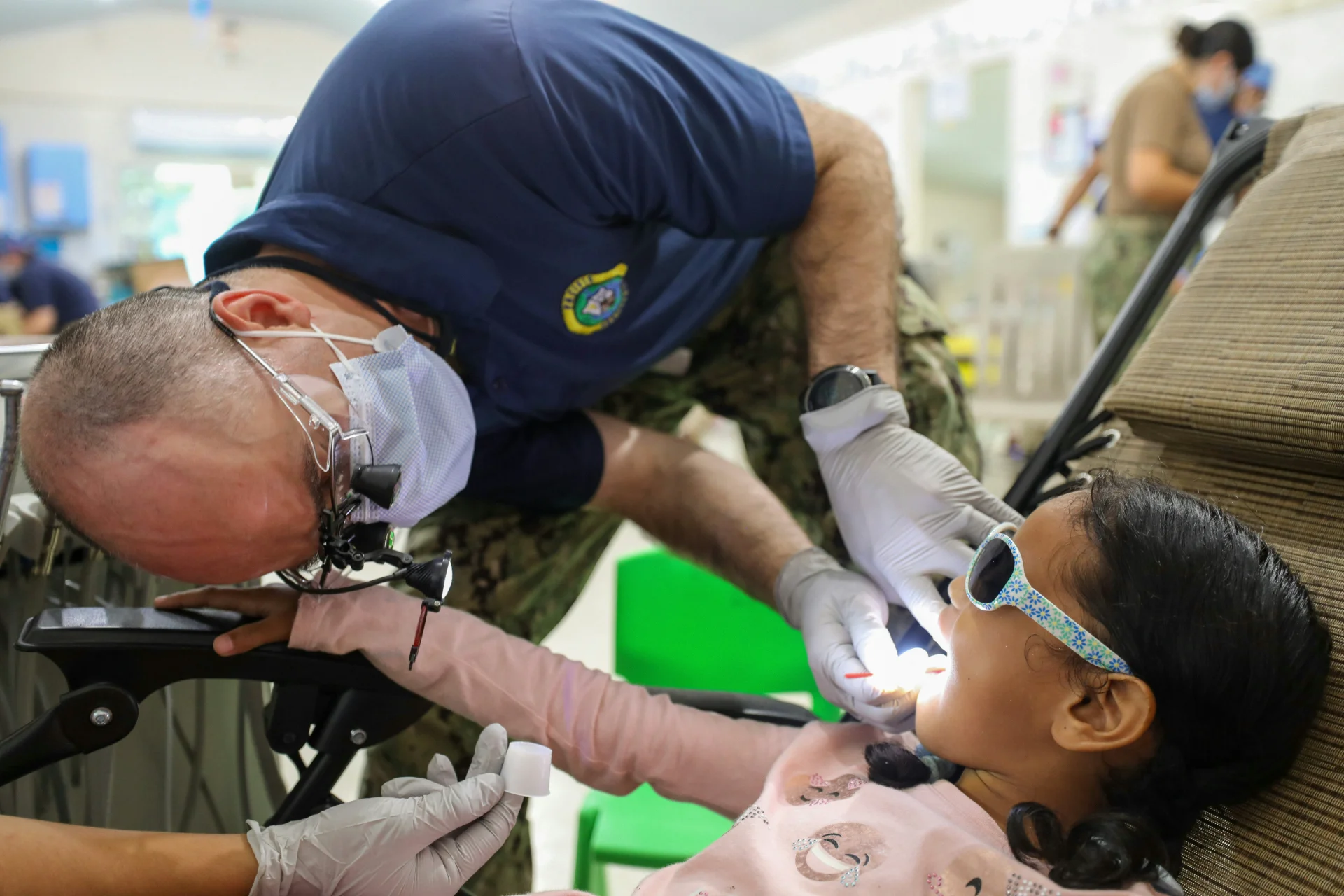
Your child comes home from school and says their tooth hurts when they eat something cold. Or maybe their dentist just mentioned the word “cavity” at a routine checkup. Either way, learning that your child needs a pediatric cavity filling can feel stressful, especially if it is their first one. The good news is that dental fillings for kids are one of the most common and routine procedures in pediatric dentistry, and most children handle them remarkably well.
According to the Centers for Disease Control and Prevention (CDC), half of all children aged 6 to 9 have had at least one cavity in their baby or permanent teeth. That statistic alone tells parents something important: childhood cavities are incredibly common, and there is no reason to feel guilty or alarmed when a dentist recommends treatment. With the right information and preparation, a pediatric cavity filling is a straightforward experience that protects your child’s oral health and prevents further damage.
This article covers everything parents should know about dental fillings for kids, from understanding why children get cavities to the types of filling materials available, what happens during the procedure, aftercare instructions, and tips for preventing future cavities.
Why Do Children Get Cavities?
Cavities, also known as dental caries, develop when bacteria in the mouth produce acids that erode the hard outer layer of a tooth called enamel. Understanding how and why cavities form in children can help parents take the right preventive steps and feel more confident if their child ever needs a pediatric cavity filling.
Children are particularly vulnerable to cavities for several reasons. Their tooth enamel is thinner and softer than adult enamel, which means acids can break through it more quickly. Kids also tend to eat more sugary snacks and drinks throughout the day, creating frequent acid attacks on the teeth. Many young children lack the coordination to brush thoroughly, leaving plaque and food particles behind in hard-to-reach areas like the grooves of the back molars.
Genetics also play a role. Some children inherit enamel that is naturally weaker or teeth with deeper grooves that trap food more easily. The shape and spacing of teeth, saliva composition, and even the types of bacteria present in a child’s mouth can vary from one child to the next. Children who breathe through their mouth, who take certain medications that reduce saliva flow, or who were exposed to frequent bottle feeding with sugary liquids as infants may also face a higher risk of developing early cavities.
A common misconception among parents is that cavities in baby teeth do not matter because those teeth will eventually fall out. This could not be further from the truth. Baby teeth serve essential functions, including holding space for permanent teeth, supporting proper speech development, and allowing children to chew food comfortably. When cavities in baby teeth are left untreated, the decay can spread to neighboring teeth, cause pain and infection, and even damage the developing permanent teeth beneath them. The American Academy of Pediatric Dentistry (AAPD) strongly recommends treating cavities in baby teeth to preserve oral health and prevent complications.
Average Age for First Filling: When Do Kids Typically Need Treatment?
One of the most frequently asked questions from parents is about the average age for first filling. While every child is different, most pediatric dentists report that children typically receive their first filling between the ages of 5 and 7. This timing often coincides with the eruption of the first permanent molars and the period when children are eating more independently but may not yet have mastered proper brushing habits.
However, the average age for first filling can vary significantly. Some children develop cavities as early as age 2 or 3, particularly if they have been exposed to frequent sugary drinks, prolonged bottle use, or inconsistent oral hygiene routines. Data from the CDC shows that approximately 11% of children aged 2 to 5 have at least one primary tooth with untreated decay, indicating that cavities in very young children are more common than many parents expect.
On the other end of the spectrum, some children never get cavities at all during childhood. The factors that influence the average age for first filling include oral hygiene habits, diet, fluoride exposure, genetics, and the physical structure of a child’s teeth. Children who drink fluoridated water, brush twice daily with fluoride toothpaste, and visit the dentist regularly tend to experience fewer cavities and may avoid fillings altogether.
It is also important to note that needing a filling does not reflect poor parenting. Even children with excellent oral hygiene can develop cavities due to factors outside of anyone’s control, such as enamel defects, deep tooth grooves, or a higher concentration of cavity-causing bacteria in their mouth. The average age for first filling is simply a benchmark, and what matters most is addressing the problem promptly once it is identified.
How to Know If Your Child Needs a Filling
Detecting cavities early makes treatment simpler and less invasive, which is why regular dental checkups are so important for children. However, parents can also watch for certain signs and symptoms at home that may indicate their child needs dental fillings for kids.
Visible signs of a cavity include dark spots, brown or black discoloration on the tooth surface, or a visible hole or pit in the enamel. Sometimes parents notice white chalky areas on the teeth, which can indicate the early stages of enamel breakdown before a full cavity forms. Sensitivity to hot, cold, or sweet foods and drinks is another common indicator, as is pain when biting down or chewing.
One challenge with children is that they do not always report dental pain accurately. Younger children may not have the vocabulary to describe tooth sensitivity, and some kids adapt to mild discomfort without mentioning it. Parents may notice behavioral changes instead, such as a child refusing certain foods, chewing only on one side of the mouth, or becoming irritable during meals.
This is why the AAPD recommends dental visits every six months starting from a child’s first birthday. Pediatric dentists use clinical exams and dental X-rays to detect cavities that are not yet visible to the naked eye, especially those forming between teeth. Early detection often means smaller fillings, less discomfort, and a better overall experience for the child.
Types of Dental Fillings for Kids: Which Is Best?
When a child is diagnosed with a cavity, the next decision involves choosing the right filling material. Several types of dental fillings for kids are available, and the best choice depends on the location and size of the cavity, the child’s age, and whether the affected tooth is a baby tooth or a permanent one.
Composite (Tooth-Colored) Fillings
Composite fillings are made of a resin material that is matched to the natural color of the tooth. They are the most popular choice for dental fillings for kids, particularly for teeth that are visible when the child smiles. Composite fillings bond directly to the tooth structure, which helps preserve more of the natural tooth during the preparation process.
These fillings work well for small to medium-sized cavities and typically last between 5 and 10 years. The primary advantages are their natural appearance and their ability to bond tightly to enamel. The main limitation is that composite fillings may not be as durable as other materials for very large cavities or teeth that endure heavy chewing forces. They can also be more sensitive to moisture during placement, which can be challenging in young children who have difficulty keeping their mouths still and dry.
Amalgam (Silver) Fillings
Amalgam fillings are made from a mixture of metals, including silver, mercury, tin, and copper. They have been used in dentistry for over 150 years and are known for their exceptional durability, often lasting 10 to 15 years or more. Amalgam is particularly effective for large cavities in back teeth where chewing forces are greatest.
While amalgam fillings are strong and cost-effective, their silver appearance makes them less aesthetically desirable. Concerns about the mercury content have led some parents to prefer alternative materials, though organizations like the American Dental Association (ADA) have consistently affirmed that dental amalgam is safe for use in patients aged 6 and older. Many pediatric dental practices have moved toward composite and other tooth-colored options as the default choice.
Glass Ionomer Fillings
Glass ionomer fillings are unique because they release fluoride over time, providing ongoing protection against further decay. This makes them an appealing option for pediatric cavity filling in young children who are at higher risk for cavities. Glass ionomer material bonds chemically to the tooth and is less sensitive to moisture during placement, which can be a significant advantage when treating very young or anxious patients.
The tradeoff is durability. Glass ionomer fillings are softer than composite or amalgam and are best suited for small cavities in low-stress areas, baby teeth that will eventually be replaced, or as temporary restorations. They are commonly used for cavities near the gumline or on the smooth surfaces of teeth.
Stainless Steel Crowns
When a cavity is too large for a traditional filling, or when a baby tooth has extensive decay, a stainless steel crown may be recommended instead. These prefabricated metal crowns cover the entire visible portion of the tooth and provide excellent protection until the baby tooth falls out naturally.
Stainless steel crowns are highly durable and can be placed in a single appointment. They are often the preferred treatment for primary molars with large cavities because they require less cooperation from the child during placement and have a very high success rate. While they are silver in color and quite noticeable, their function and longevity in baby teeth make them a trusted option in pediatric dentistry.
What to Expect During Your Child’s Filling Appointment
Understanding the pediatric cavity filling procedure step by step can help parents feel prepared and can make it easier to explain the process to a child in age-appropriate terms.
The appointment typically begins with the dentist examining the tooth and reviewing any X-rays. If local anesthesia is needed, the dentist first applies a topical numbing gel to the gum tissue before administering the injection. Many pediatric dentists use child-friendly language during this step, referring to the numbing gel as “sleepy jelly” and the injection as a “little pinch.” The goal is to ensure the child does not feel pain during the procedure.
For children who experience significant anxiety, nitrous oxide (often called laughing gas) may be offered. This mild sedative is inhaled through a small mask placed over the nose. It helps the child feel relaxed and calm while remaining fully conscious and able to communicate. The effects wear off quickly once the mask is removed. In rare cases where a child is very young, has extensive dental needs, or cannot cooperate with treatment, sedation dentistry or general anesthesia may be discussed as an option.
Once the tooth is numb, the dentist uses a small handpiece to remove the decayed portion of the tooth. This step usually takes just a few minutes. After all the decay is removed, the dentist cleans the area and prepares the tooth surface to receive the filling material. The chosen filling is then placed in layers, shaped to match the tooth’s natural contours, and hardened with a special curing light if a composite material is being used.
The entire pediatric cavity filling procedure typically takes between 20 and 45 minutes, depending on the size and location of the cavity and the cooperation of the child. Most children do very well, especially when parents and dental staff work together to create a positive and supportive environment.
After the filling is placed, the dentist checks the child’s bite to ensure the filling is smooth and comfortable. Post-procedure instructions usually include avoiding eating on the numb side until the anesthesia wears off, which typically takes one to two hours. Children should also be monitored to ensure they do not accidentally bite their lip, cheek, or tongue while still numb.
How to Prepare Your Child for Their First Filling
Preparation plays a significant role in how a child experiences dental fillings for kids. Children who know what to expect and feel supported tend to handle the appointment with much less anxiety.
For toddlers and preschoolers, keep explanations simple and positive. You might say something like, “The dentist is going to clean your tooth and make it strong again.” Avoid using words like “shot,” “drill,” “pain,” or “hurt,” as these can create unnecessary fear before the appointment even begins. Many pediatric dental offices have their own vocabulary designed to describe instruments and procedures in kid-friendly ways.
For school-age children, a slightly more detailed explanation is appropriate. You can explain that the dentist will use a special tool to remove the soft part of the tooth and then fill it with a material that protects it. Reading books about dental visits or watching child-friendly videos about what happens at the dentist can also help ease anxiety.
Here are some additional tips for preparing your child:
Practice opening their mouth wide and sitting still at home using a “pretend dentist” game
Bring a favorite toy, stuffed animal, or blanket for comfort during the appointment
Avoid scheduling the appointment during naptime or when your child is typically tired or hungry
Stay calm and positive yourself, as children often pick up on parental anxiety
Discuss a small reward or fun activity after the appointment, such as a trip to the park or choosing a movie for family night
Good patient communication between the dental team and the family makes a real difference in outcomes. Do not hesitate to call the dental office ahead of time to ask about their approach to managing anxiety in young patients.
Caring for Your Child’s Filling: Aftercare Instructions
Proper aftercare helps ensure that a pediatric cavity filling lasts as long as possible and that your child stays comfortable after the procedure.
In the first few hours following the appointment, the most important concern is the lingering numbness from local anesthesia. Children should avoid eating until the numbness has fully worn off, as they may accidentally bite their cheek, lip, or tongue without realizing it. Soft foods are ideal for the first meal after the procedure, and very hot or cold foods and drinks should be avoided for the first 24 hours if the child reports any sensitivity.
Some mild soreness around the treated tooth or the injection site is normal and usually resolves within a day or two. Over-the-counter children’s pain relievers such as ibuprofen or acetaminophen can be used if needed, following dosage instructions appropriate for the child’s age and weight.
For long-term care, filled teeth should be brushed and flossed just like all other teeth. Parents should continue to supervise brushing until the child demonstrates consistent and thorough technique on their own, which typically happens around age 7 or 8. The lifespan of a filling depends on the material used, the size of the filling, and how well oral hygiene is maintained. Composite fillings in baby teeth generally last until the tooth falls out naturally, while composite fillings in permanent teeth can last 5 to 10 years or longer with proper care.
Contact the dentist if your child experiences any of the following after a filling:
Persistent pain that lasts more than a few days
Sensitivity that worsens rather than improves over time
A feeling that the filling is too high or interfering with the bite
A piece of the filling chips or falls out
Swelling, fever, or signs of infection around the treated tooth
Regular dental checkups allow the dentist to monitor fillings over time and address any issues before they become significant problems.
Preventing Future Cavities: Expert Tips for Parents
Once a child has had one cavity, the focus shifts to prevention. The good news is that childhood cavities are largely preventable with the right combination of habits, diet, and professional dental care. Prevention is always more comfortable and more cost-effective than dental fillings for kids.
Brushing and supervision. Children should brush their teeth twice a day with fluoride toothpaste. For children under 3 years old, a rice-grain-sized smear of toothpaste is recommended. Children aged 3 to 6 should use a pea-sized amount. Parents should actively brush their child’s teeth or closely supervise brushing until the child can consistently do a thorough job, usually around age 7 or 8. Practicing good dental hygiene at home is the foundation of cavity prevention.
Flossing. As soon as two teeth touch each other, flossing should become part of the daily routine. Many childhood cavities develop between teeth where a toothbrush cannot reach. Floss picks designed for kids can make this process easier for both parents and children.
Dietary choices. Limiting sugary snacks, juices, sodas, and sticky candies reduces the frequency of acid attacks on enamel. Encouraging water between meals, offering fruits and vegetables as snacks, and avoiding grazing throughout the day all help protect teeth.
Fluoride. Fluoride strengthens enamel and makes teeth more resistant to decay. Children benefit from fluoride toothpaste, fluoridated drinking water, and professional fluoride treatments applied at the dental office during routine checkups.
Dental sealants. Sealants are thin, protective coatings painted onto the chewing surfaces of the back molars, where most cavities in children develop. The CDC reports that sealants can prevent up to 80% of cavities in molars and that children aged 6 to 11 without sealants have nearly three times more molar cavities than those with sealants. Sealants are typically applied when the first permanent molars erupt around age 6 and again when the second permanent molars arrive around age 12.
Regular dental visits. Professional cleanings and exams every six months allow the dental team to catch problems early, apply preventive treatments, and reinforce good habits. Establishing a dental home early in a child’s life sets the stage for a lifetime of healthy teeth.
Understanding the Cost of Dental Fillings for Kids
The cost of a pediatric cavity filling varies depending on the type of filling material, the location and size of the cavity, geographic region, and the specific dental practice. Understanding the general cost landscape can help parents plan ahead financially.
Composite fillings typically range from $150 to $400 per tooth, while amalgam fillings are usually slightly less expensive at $100 to $300 per tooth. Glass ionomer fillings fall within a similar range. Stainless steel crowns for baby teeth may cost between $200 and $500 per tooth. These are general estimates, and actual costs may differ.
Most dental insurance plans cover pediatric cavity filling procedures, particularly for children under 18. Many plans cover fillings at 80% after the deductible, though coverage levels vary depending on the plan and the filling material chosen. Some insurance plans cover composite fillings only at the rate of an amalgam filling for back teeth, with the patient responsible for the cost difference. It is always a good idea to verify coverage details with your insurance provider before the appointment.
For families without dental insurance, many pediatric dental practices offer payment plans, sliding scale fees, or accept Medicaid and CHIP programs for children’s dental care. Health Savings Accounts (HSAs) and Flexible Spending Accounts (FSAs) can also be used to pay for dental fillings for kids on a pre-tax basis.
Treating a cavity early is almost always less expensive than waiting until the problem worsens. A small filling today can prevent the need for a crown, root canal, or extraction in the future, all of which are significantly more costly and more complex.
Bottom Line
A pediatric cavity filling is one of the most common and routine dental procedures performed on children, and parents can feel confident knowing that modern techniques and materials make the process safe, effective, and comfortable. Whether a child’s first cavity appears at age 3 or age 8, early treatment protects the tooth, prevents the spread of decay, and supports long-term oral health.
The average age for first filling typically falls between 5 and 7 years old, though it varies widely based on individual factors. The most important thing is not when a cavity appears, but that it receives prompt attention from a qualified pediatric dentist.
Parents should feel reassured that needing dental fillings for kids does not reflect poor parenting. Cavities are one of the most common chronic diseases of childhood, and they are treatable. With consistent brushing, a tooth-friendly diet, regular dental visits, and preventive treatments like fluoride and sealants, families can significantly reduce the risk of future cavities and keep their children smiling with confidence.
If it has been more than six months since your child’s last dental checkup, now is a great time to schedule an appointment. Early prevention and early treatment are the two most powerful tools in pediatric dental care.
This article is for informational purposes only and does not constitute medical advice. Always consult with qualified healthcare professionals for diagnosis and treatment recommendations specific to your situation.
Frequently Asked Questions
Are fillings painful for children?
Most children experience little to no pain during a filling procedure. The dentist uses a topical numbing gel followed by local anesthesia to ensure the area is completely numb before any work begins. Nitrous oxide is also available for children who need additional help staying relaxed. Some mild soreness may occur after the numbness wears off, but it is typically minor and short-lived.
Do baby teeth even need fillings?
Yes. Baby teeth serve important functions, including maintaining space for permanent teeth, supporting proper chewing and nutrition, and contributing to speech development. Untreated cavities in baby teeth can cause pain, lead to infections, and damage the permanent teeth developing underneath. Pediatric dentists recommend treating cavities in baby teeth to prevent these complications.
How long do pediatric fillings last?
The lifespan of a pediatric cavity filling depends on the material used and the level of oral hygiene maintained. Composite fillings in permanent teeth typically last 5 to 10 years. Fillings in baby teeth usually last until the tooth falls out naturally. Amalgam fillings may last even longer, often 10 to 15 years. Regular dental checkups help monitor the condition of existing fillings.
Can my child eat normally after a filling?
Children should wait to eat until the local anesthesia has fully worn off, which usually takes one to two hours. This prevents them from accidentally biting their cheek, tongue, or lip. After the numbness subsides, most children can eat normally. Soft foods are recommended for the first meal, and very hot or cold foods should be avoided for the first day if any sensitivity is present.
What if my child needs multiple fillings?
When multiple cavities are detected, the dentist will create a treatment plan that prioritizes the most urgent cavities first. Depending on the child’s age, temperament, and the extent of treatment needed, fillings may be completed over two or more appointments to keep each visit comfortable and manageable. In some cases, multiple fillings can be placed in a single appointment if they are on the same side of the mouth.
Are there alternatives to traditional fillings?
For very early-stage cavities that have not yet formed a hole in the enamel, fluoride treatments or silver diamine fluoride (SDF) may be used to halt or slow the decay process. Dental sealants can also prevent cavities from forming in the first place. However, once a cavity has progressed through the enamel and into the tooth structure, a filling or crown is typically the recommended treatment.
Can cavities in baby teeth affect permanent teeth?
Yes. Infection from an untreated cavity in a baby tooth can spread to the developing permanent tooth underneath, potentially causing damage to its enamel, discoloration, or structural defects. Premature loss of a baby tooth due to severe decay can also cause spacing problems, leading to crowding or misalignment when the permanent teeth emerge.