Top Online Dental Hygiene Programs Reviewed
The demand for qualified dental hygienists across the United States has never been higher. According to the U.S. Bureau of Labor Statistics (BLS), employment of dental hygienists...
Written by Maren Solvik
Read time: 12 min read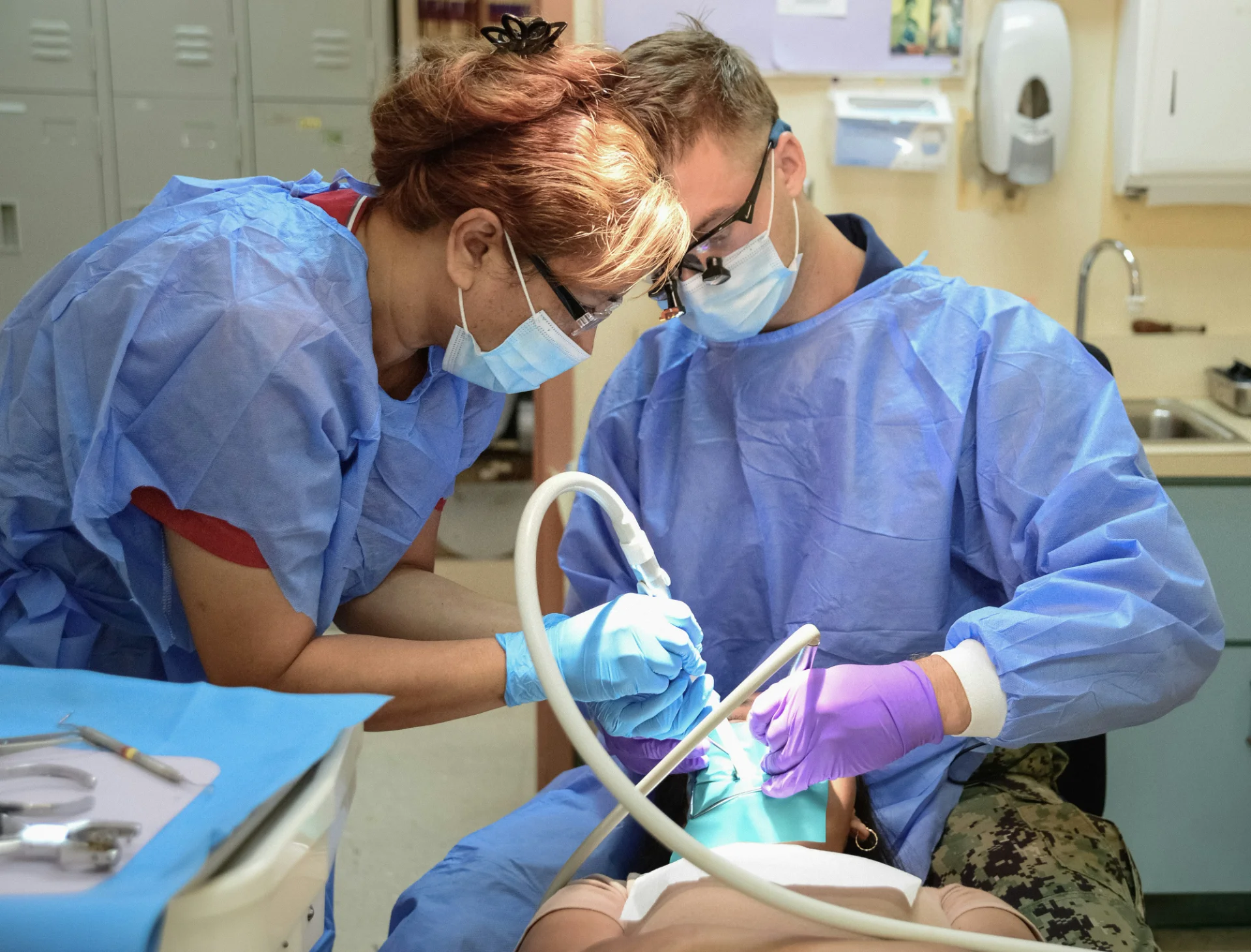
The demand for qualified dental hygienists across the United States has never been higher. According to the U.S. Bureau of Labor Statistics (BLS), employment of dental hygienists is projected to grow 7 percent from 2024 to 2034, with approximately 15,300 job openings expected each year. The median annual wage reached $94,260 in May 2024, making this one of the most financially rewarding healthcare careers available without a four-year degree.
For students exploring a new career path, dental staff members looking to advance their credentials, and professionals considering a career change, online dental hygiene programs have opened doors that were once available only through traditional on-campus education. These programs combine flexible online coursework with hands-on clinical training, allowing students to earn accredited degrees while managing work, family, and other commitments.
Can you become a dental hygienist online? The short answer is yes, with an important caveat. The didactic (classroom-based) portion of dental hygienist education online covers anatomy, pharmacology, radiography, and other foundational subjects through virtual learning platforms. However, every accredited program requires in-person clinical hours completed at approved dental facilities, typically in the student’s local area. This hybrid approach ensures graduates are fully prepared to provide safe, competent patient care upon licensure.
This guide reviews the best online dental hygiene programs available in 2026, breaks down the different degree and certificate options, explains what to look for in a quality program, and provides practical advice on prerequisites, costs, and career outcomes. Whether the goal is earning an associate degree, completing a bachelor of science in dental hygiene, or adding a dental hygienist online certificate to an existing credential, this article covers every step of the journey.
Understanding Online Dental Hygiene Education: How It Works
Online dental hygiene programs use a hybrid education model that blends digital coursework with required clinical rotations. Understanding how this model works is essential for anyone considering dental hygienist education online, because the structure differs significantly from fully online degrees in non-clinical fields.
The Hybrid Learning Model
Most dental hygienist classes online are delivered through a learning management system (LMS) such as Canvas, Blackboard, or Brightspace. Students access recorded lectures, complete assignments, participate in discussion boards, and take proctored exams on their own schedules. Many programs offer asynchronous coursework, meaning there are no fixed class times, while others include weekly synchronous sessions via video conferencing for lab demonstrations or case discussions.
The clinical component of dental hygienist online training typically requires between 500 and 600 supervised patient-care hours, depending on the program and state requirements. Schools partner with dental clinics, community health centers, and private practices near the students’ location to arrange these rotations. Some programs assist students in identifying clinical sites, while others expect students to secure placements independently. Understanding what dental equipment and technology you will encounter during clinical rotations can help you prepare in advance.
What Online Coursework Looks Like
Dental hygiene classes online cover a wide range of subjects that mirror what on-campus students learn. Typical courses include oral anatomy and histology, periodontology, dental radiology, pharmacology, community dental health, nutrition, and patient management. Programs also incorporate virtual simulation tools that allow students to practice identifying oral conditions, interpreting radiographs, and developing treatment plans before entering clinical settings.
Technology requirements for online dental hygiene degrees generally include a reliable internet connection, a computer with webcam capabilities, and access to specific software for radiology modules or virtual patient simulations. Some programs ship lab kits to students for at-home practice with basic instrumentation techniques.
Addressing Common Misconceptions
One of the most persistent myths about dental hygiene online schools is that online degrees lack the rigor or respect of traditional programs. In reality, accredited online dental hygiene programs must meet the same Commission on Dental Accreditation (CODA) standards as their on-campus counterparts. Employers and licensing boards do not distinguish between online and traditional program graduates, provided the program holds proper accreditation. The quality of the education depends on the institution and its accreditation status, not the delivery format.
Types of Online Dental Hygiene Degrees and Certificates
Choosing the right credential is one of the most important decisions for anyone pursuing dental hygiene online. The type of degree or certificate determines eligibility for licensure, career opportunities, and long-term earning potential. Here is a breakdown of the main options available through online dental hygiene programs.
Certificate in Dental Hygiene Online
A dental hygienist online certificate is typically designed for individuals who already hold an RDH license and want to add specialized knowledge in areas such as public health, education, or advanced clinical techniques. Certificate programs generally take 6 to 12 months to complete and focus on a narrow set of competencies rather than providing the broad education needed for initial licensure.
These certificates are also valuable for dental assistants and other dental staff members seeking to understand dental hygiene concepts without committing to a full degree program. However, a certificate in dental hygiene online alone does not qualify graduates to sit for the National Board Dental Hygiene Examination (NBDHE) or obtain RDH licensure.
Associate Degree in Dental Hygiene Online
The associate degree remains the most common entry-level pathway to becoming a licensed dental hygienist. An associate's degree in dental hygiene typically takes two to three years to complete, depending on whether prerequisite courses are included in the program timeline. Most states require at least an associate degree from a CODA-accredited program as the minimum education for RDH licensure. Upon completion, graduates are eligible to take the NBDHE and pursue state licensure. Tuition for community college programs is often significantly more affordable than university-level alternatives, making this a practical option for career changers and those working as auxiliary dental staff.
It is worth noting that fully online associate degree programs in dental hygiene are relatively rare due to the extensive clinical requirements. Most programs at this level operate as hybrid models with a substantial on-campus or clinical site component.
Bachelor of Science in Dental Hygiene (BSDH) Online
The Bachelor of Science in dental hygiene is the fastest-growing segment of online dental hygiene education. Most online dental hygiene bachelor programs are degree-completion programs designed for licensed RDHs who already hold an associate degree or certificate. These RDH-to-BSDH programs typically require 30 to 55 additional credit hours and can be completed in one to two years of full-time study.
A dental hygienist's bachelor's degree opens doors to career paths beyond clinical practice, including dental hygiene education, public health administration, corporate sales and training, research, and practice management. Many employers in academic and public health settings now require or prefer a Bachelor of Science in dental hygiene for advanced positions.
Some universities also offer standalone four-year bachelor of dental hygiene schools where students complete the entire degree from start to finish. These programs combine general education, prerequisite sciences, dental hygiene theory, and clinical training into a single integrated curriculum.
Master’s Degree Options
For dental hygienists with even greater career ambitions, several universities offer online master’s programs in dental hygiene or related health sciences. While a full discussion of master’s programs is beyond the scope of this guide, it is worth knowing that institutions like Texas Woman’s University and the University of New Mexico offer pathways that allow students to progress directly from a BSDH into a graduate program.
Degree type | Duration | Prerequisites | Career outcome | Online availability |
Certificate | 6–12 months | RDH license (usually) | Specialization, CE credits | Widely available online |
Associate (AAS/AS) | 2–3 years | HS diploma, science prereqs | RDH licensure, clinical practice | Hybrid (limited fully online) |
Bachelor’s (BSDH) | 1–2 years* | Associate degree + RDH license | Education, public health, management | Widely available fully online |
Master’s (MS/MSDH) | 1–2 years | BSDH + RDH license | Research, academia, leadership | Available at select schools |
*For RDH-to-BSDH completion programs. Standalone four-year bachelor’s programs take approximately four years.
How to Choose the Best Online Dental Hygiene Program
With dozens of online colleges for dental hygienist education available, selecting the right program requires careful evaluation. The following criteria can help students make informed decisions and avoid programs that may not meet their professional goals.
Accreditation (CODA)
Accreditation through the Commission on Dental Accreditation (CODA) is the single most important factor when evaluating online dental hygiene programs. CODA is the only accrediting body recognized by the U.S. Department of Education for dental and dental-related education programs. Graduating from a non-CODA-accredited program means you will not be eligible to sit for the NBDHE or obtain licensure in any state. Always verify a program’s accreditation status directly through CODA’s online directory before applying.
Clinical Placement Support
The best online dental hygienist schools actively assist students in securing clinical placements near their homes. Programs that have established partnerships with dental clinics across multiple states offer a significant advantage, especially for students in rural areas. Ask prospective schools how many clinical partners they maintain, what states they serve, and whether students are responsible for finding their own placement sites.
Tuition and Financial Aid
Tuition for online dental hygiene degrees varies widely. Community college associate programs may cost as little as $5,000 to $15,000 in total for in-state students, while university bachelor’s completion programs typically range from $10,000 to $40,000. Ask about financial aid options, including FAFSA eligibility, institutional scholarships, American Dental Hygienists’ Association (ADHA) scholarships, and employer tuition reimbursement programs. For dental staff already working in the field, many employers offer tuition assistance for employees pursuing advanced credentials.
Flexibility and Scheduling
Evaluate whether the program offers part-time and full-time enrollment options, multiple start dates throughout the year, and asynchronous coursework. Programs that use accelerated eight-week course formats allow students to complete their dental hygienist degree online more quickly, while those offering self-paced options accommodate students balancing work and family.
NBDHE Pass Rates
A program’s National Board Dental Hygiene Examination pass rate is one of the most reliable indicators of educational quality. Programs with consistently high NBDHE pass rates, above 90 percent, demonstrate that their curriculum effectively prepares graduates for clinical practice. Request this data directly from the program or check CODA’s published reports.
Student Support Services
Look for programs that provide dedicated academic advising, career services, tutoring, technical support, and access to professional development resources. Strong student support can make the difference between completing a program and dropping out, especially for working professionals juggling multiple responsibilities. Programs that encourage participation in professional organizations like the ADHA provide valuable networking opportunities that benefit students long after graduation.
Top Online Dental Hygiene Programs Reviewed
The following programs represent some of the most well-regarded online dental hygiene programs available in 2026. Each has been evaluated based on accreditation status, program flexibility, tuition, clinical support, and career outcomes. Program details, tuition figures, and accreditation claims should always be verified directly with the institution before enrollment, as these details may change.
#1. The Ohio State University: RDH to BSDH Online
Ohio State’s RDH to Bachelor of Science in Dental Hygiene program is one of the most recognized online dental hygiene bachelor's programs in the country. Offered through Ohio’s only state-supported dental school, the program requires 55 credit hours and can be completed in as few as four semesters. Coursework covers research methodology, dental hygiene education, management, and community health. Students move at their own pace, and the program accommodates both part-time and full-time schedules. Applicants must hold a current RDH license and a minimum cumulative GPA of 2.70. With a 95 percent recommendation rate among graduates, Ohio State consistently ranks among the best online dental hygienist schools in the nation.
#2. Texas Woman’s University: RDH to BSDH Online
Texas Woman’s University offers a highly regarded online RDH-to-BSDH completion program that can be completed in as little as one year of full-time study. The program accepts up to 90 transfer credit hours, with a minimum of 30 hours completed at TWU. Students can also pursue an accelerated pathway into a Master of Science in Health Studies with a dental hygiene emphasis. TWU was ranked number two in Texas for adding value to students’ earning potential, and its dental hygiene program holds a 93 percent student recommendation rate. The program also features a micro-credential in orofacial myofunctional therapy for obstructive sleep apnea assessment.
#3. Old Dominion University: BSDH Post-Licensure Online
Old Dominion University’s online BSDH program stands out because it requires no additional clinical hours, making it ideal for working dental hygienists who already hold licensure. The CODA-accredited program uses an accelerated eight-week course format and highlights career opportunities in global health, marketing, administration, and simulation-based education. ODU offers a Healthcare Heroes Scholarship of $3,000 for first-semester students, and the program can be completed entirely online. Students must hold an associate degree from an accredited dental hygiene program and maintain a current RDH license.
#4. Oregon Institute of Technology: RDH to BSDH
Oregon Tech’s RDH to BSDH degree completion program graduated 64 students in its most recent reporting year, demonstrating strong program outcomes. The university grants up to 86 transfer credits for successful completion of the dental hygiene national board examination, streamlining the path to a bachelor’s degree. The program is fully online and accredited by the Northwest Commission on Colleges and Universities. Graduates report median earnings of approximately $65,298, placing the program in the top 19 percent nationally for post-graduation earning potential.
#5. University of New Mexico: RDH to BSDH Post-Licensure
The University of New Mexico’s online BSDH program is offered through the UNM School of Medicine and was named among the top five most affordable online dental hygiene programs by OnlineU. Courses follow an eight-week format, and students can enroll on a full-time or part-time basis. The curriculum expands on associate-level education with coursework in dental hygiene research, education, management, and public health. Applicants must hold a valid dental hygiene license and submit national board scores as part of the application.
#6. Georgia Highlands College: RDH to BSDH Completion
Georgia Highlands College offers a fully online RDH to BSDH completion program, with the exception of an internship course that can be completed in the student’s local community. The program accepts applications year-round with rolling admissions each semester. Coursework focuses on teaching methodology, policy, leadership, and dental hygiene management. Students must hold an associate degree from a CODA-accredited program and maintain an active RDH license. The flexible admissions schedule and affordable tuition make this an attractive option among online colleges for dental hygienist degree completion.
#7. Foothill College: AS to BSDH Completion Track
Foothill College’s AS to BSDH Completion Track is one of the most affordable bachelor's in dental hygiene online options available. California residents pay just $130 per unit, bringing total upper-division coursework costs to approximately $5,200 for 40 units. The program can be completed in as little as one year on a full-time schedule or two years part-time. Applicants must have graduated from an accredited dental hygiene program, hold a current RDH license, and maintain a minimum cumulative GPA of 2.75. This community college pathway offers remarkable value for licensed hygienists seeking a bachelor’s degree.
#8. MCPHS University: Online BSDH Completion
MCPHS (Massachusetts College of Pharmacy and Health Sciences) runs the longest continually operating dental hygiene program in the country. The online bachelor’s degree completion format is designed for working hygienists, and the institution offers a unique AS-to-MS bridge program that allows students to move from an associate degree directly into a master’s program. This is the only bridge program of its kind nationally, making MCPHS an excellent choice for dental hygienists who want a clear pathway to advanced education and leadership roles.
#9. Wichita State University: RDH to BSDH Post-Licensure
Wichita State’s RDH to BSDH post-licensure program is entirely online and can be completed in as few as 15 months. The curriculum covers evidence-based practice, healthcare management, and community oral health. The program is designed for dental hygienists already working in the field who want to earn their dental hygienist bachelor's degree without interrupting their clinical practice. Affordable in-state tuition rates and flexible scheduling make Wichita State a competitive option among online dental hygiene degree programs.
#10. East Tennessee State University – Online BSDH
ETSU’s online dental hygiene bachelor's program is among the first established and most successful in the country. The curriculum includes specialized coursework in community and rural health program design, periodontal therapy, and soft tissue management for underserved populations. This differentiated focus makes ETSU particularly appealing for dental hygienists interested in public health careers. The program has a strong reputation for student outcomes and is fully accredited.
School | Degree | Format | Min. duration | Notable feature |
Ohio State University | RDH to BSDH | Fully online | 4 semesters | 95% recommendation rate |
Texas Woman’s University | RDH to BSDH | Fully online | 1 year | Accelerated MS pathway |
Old Dominion University | BSDH Post-Lic. | Fully online | Varies | No additional clinicals required |
Oregon Tech | RDH to BSDH | Fully online | Varies | 86 transfer credits for NBDHE |
University of New Mexico | RDH to BSDH | Fully online | Varies | Top 5 most affordable (OnlineU) |
Georgia Highlands | RDH to BSDH | Online + local internship | Varies | Rolling year-round admissions |
Foothill College | AS to BSDH | Fully online | 1 year | $5,200 total (CA residents) |
MCPHS University | BSDH Completion | Fully online | Varies | Only the AS-to-MS bridge nationally |
Wichita State University | RDH to BSDH | Fully online | 15 months | Affordable in-state tuition |
East Tennessee State | Online BSDH | Fully online | Varies | Rural/community health focus |
Note: All program details should be verified directly with each institution before enrollment. Tuition, admission requirements, and program structures are subject to change.
Prerequisites for Online Dental Hygiene Programs
Meeting admission requirements is the first concrete step toward enrollment in any dental hygienist course online. While specific prerequisites vary between institutions, most programs share a common set of academic requirements that students should plan to complete before applying.
Common Prerequisite Courses
The majority of online dental hygiene programs require completion of several foundational science and general education courses before admission. These typically include anatomy and physiology (usually a two-semester sequence with lab), microbiology with lab, general chemistry with lab, English composition, college-level mathematics or statistics, and introductory psychology or sociology. Many of these dental hygiene prerequisites are available online through community colleges, making it convenient for working professionals and career changers to complete them at their own pace.
GPA and Testing Requirements
Most dental hygiene programs require a minimum cumulative GPA between 2.5 and 3.0 on prerequisite coursework. Competitive programs may expect GPAs closer to 3.0 or higher. Some programs require standardized entrance exams such as the PAX (Pre-Admission Examination) or HESI (Health Education Systems Incorporated) exam. A growing number of programs have moved away from standardized testing requirements in recent years, relying instead on prerequisite GPA, interviews, and personal statements.
Advice for Career Changers
Professionals transitioning from other fields should plan for one to two years of prerequisite coursework before beginning a dental hygiene program. Community colleges offer the most affordable path for completing dental hygiene classes online at the prerequisite level. Creating a semester-by-semester plan that accounts for course sequences (anatomy before physiology, for example) helps avoid delays. Many career changers also benefit from job shadowing at a dental office to confirm their interest before committing to the prerequisite timeline.
Advice for Current Dental Staff
Dental assistants and other dental team members often hold an advantage in the admissions process. Some programs offer accelerated tracks or credit for prior learning for applicants with documented dental assisting experience from a CODA-accredited program. For dental staff curious about the distinction between support roles and clinical hygiene practice, this guide on auxiliary dental staff explains how different team members contribute to patient care.
What to Expect: Coursework and Curriculum in Online Programs
Enrolling in a dental hygienist course online means committing to a rigorous curriculum that prepares students for every aspect of clinical dental hygiene practice. Understanding the typical course load and weekly time commitment helps prospective students plan effectively.
Core Curriculum Overview
A standard online dental hygiene degree program includes courses in oral anatomy and histology, head and neck anatomy, periodontology, dental materials, dental radiology and safety, pharmacology for dental professionals, community and public health dentistry, pain management, and ethics and jurisprudence. Programs leading to a Bachelor of Science in dental hygiene often add upper-division coursework in research methods, healthcare leadership, dental ergonomics, educational methodology, and evidence-based practice.
Clinical Skills Development
Clinical competency is assessed through supervised patient care at approved dental facilities. Students perform scaling and root planing, apply preventive agents such as fluoride and sealants, expose and interpret dental radiographs, provide oral hygiene education, and conduct comprehensive patient assessments. Clinical preceptors evaluate student performance using standardized competency rubrics.
Weekly Time Commitment
Full-time students in dental hygienist online programs should expect to dedicate 15 to 25 hours per week to coursework, studying, and online participation. During clinical rotations, this commitment increases significantly. Part-time students typically spend 8 to 15 hours per week on academic work. Programs using eight-week accelerated course formats tend to require more concentrated effort over shorter periods compared to traditional 16-week semesters.
Accreditation and Licensure: What You Need to Know
Accreditation and licensure are the two pillars that govern dental hygiene education and practice in the United States. Understanding both is critical for anyone enrolled in or considering online dental hygiene programs.
Why CODA Accreditation Matters
The Commission on Dental Accreditation evaluates over 1,400 dental and dental-related education programs nationwide. CODA accreditation confirms that a program meets rigorous standards for curriculum content, faculty qualifications, clinical training, and student outcomes. Attending a non-accredited program carries serious consequences because graduates of non-accredited programs cannot sit for the NBDHE and are ineligible for state licensure in all 50 states.
Regional vs. Programmatic Accreditation
Dental hygiene programs should hold both regional accreditation (which applies to the institution as a whole) and programmatic accreditation from CODA (which applies specifically to the dental hygiene program). Regional accreditation ensures that credits are transferable between institutions, while CODA accreditation ensures the program meets professional practice standards. Both forms of accreditation are essential.
The Licensure Pathway
The path to becoming a registered dental hygienist follows a consistent sequence across most states. Graduates must complete an accredited dental hygiene program, pass the written NBDHE administered by the American Dental Association, pass a state or regional clinical board examination, and submit a license application to their state dental board. Some states also require a jurisprudence exam covering state-specific dental practice laws.
State-by-State Variations
Licensure requirements differ across states in several important ways, including clinical exam acceptance (some states accept only specific regional exams), continuing education requirements for license renewal, and scope of practice regulations that determine which procedures hygienists may perform independently. Students enrolled in dental hygienist online degree programs should contact their state dental board early in the process to confirm specific requirements.
Costs, Financial Aid, and ROI of an Online Dental Hygiene Degree
Understanding the full financial picture is essential before enrolling in any online dental hygiene degree program. Costs vary widely depending on the type of program, institution, and residency status.
Tuition Breakdown
Community college associate degree programs represent the most affordable pathway, with total tuition typically ranging from $5,000 to $20,000 for in-state residents. University-based RDH-to-BSDH completion programs generally cost between $10,000 and $40,000, depending on the number of credits required and whether the student qualifies for in-state rates. Additional expenses include textbooks ($500 to $1,500), clinical supplies and instruments ($1,000 to $3,000), technology fees, licensing exam fees ($500 to $1,000 for NBDHE and state boards combined), and background check and immunization costs.
Financial Aid Options
Most accredited online dental hygiene programs are eligible for federal financial aid through FAFSA, including Pell Grants for qualifying students. Institutional scholarships, state grants, and professional association scholarships from organizations like the ADHA can further reduce out-of-pocket costs. Dental staff already working in the field should ask their employers about tuition reimbursement programs, as many dental practices and healthcare organizations offer this benefit to encourage professional development.
Return on Investment
The ROI for dental hygiene education is exceptionally strong. With a median annual salary of $94,260 according to BLS data from May 2024, most graduates recoup their educational investment within the first year or two of practice. The highest-paid 10 percent of dental hygienists earn more than $120,060 annually, and hygienists with a bachelor’s degree often command higher salaries in education, management, and specialty practice settings. Geographic location also significantly affects earning potential, with states like California, Washington, and Alaska offering the highest average wages.
Cost-Saving Strategies
Students can reduce the overall cost of their online dental hygiene degree through several strategies. Completing general education and prerequisite courses at community colleges before transferring to a university program saves significantly on per-credit costs. Applying for in-state tuition reciprocity agreements (available in some multi-state compacts), testing out of courses through CLEP exams, and maximizing transfer credits are all effective approaches.
Career Outcomes and Advancement Opportunities
Completing an online dental hygiene program opens the door to a wide range of career opportunities. The dental hygiene profession offers strong job security, competitive compensation, and multiple pathways for growth.
Entry-Level Career Paths
Most new dental hygienist graduates begin their careers in private dental practices, which employ the vast majority of the profession. Other entry-level settings include community health clinics, pediatric dental offices, periodontal specialty practices, hospitals, and military dental facilities. Many dental hygienists appreciate the scheduling flexibility this career offers, as part-time positions are widely available. Understanding the broader dental practice environment, including the technology and systems you will work with daily, helps new graduates transition smoothly into clinical roles.
Advanced Career Paths With a Bachelor’s Degree
Dental hygienists who earn a Bachelor of Science in dental hygiene unlock career paths that extend well beyond the clinical operatory. These include dental hygiene education (teaching at community colleges and universities), public health program administration, corporate training and sales for dental product manufacturers, research coordination, practice management, and dental industry consulting. A growing number of states now require a bachelor’s degree for dental hygienists working in public health or educational settings.
Salary and Job Outlook
According to the Bureau of Labor Statistics, dental hygienists earned a median annual wage of $94,260 as of May 2024, with the salary range spanning from approximately $66,470 for the lowest 10 percent to more than $120,060 for the highest earners. Employment is projected to grow 7 percent from 2024 to 2034, faster than the national average for all occupations. Approximately 15,300 new positions are expected to open annually throughout the decade, driven by population aging, increased emphasis on preventive oral healthcare, and expanding access to dental services.
The profession also faces a notable labor shortage that further strengthens job prospects. Reports indicate that over 7,000 dental professional shortage areas exist across the United States, and dental practices have experienced reduced capacity due to difficulty recruiting qualified hygienists. For professionals entering the field through online rdh programs or degree-completion pathways, the current market conditions are exceptionally favorable.
Tips for Success in Online Dental Hygiene Programs
Succeeding in a dental hygienist online program requires discipline, organization, and proactive engagement. The following strategies help students make the most of their online learning experience.
Time Management Strategies
Treating online coursework with the same structure as an in-person schedule significantly improves outcomes. Setting fixed study hours each day, using a digital calendar to track assignment deadlines, and breaking large projects into manageable weekly tasks all contribute to consistent progress. Students balancing work and family should communicate their academic schedule to employers and family members early to secure dedicated study time.
Staying Engaged in Virtual Learning
Active participation in discussion forums, virtual study groups, and optional office hours helps combat the isolation that sometimes accompanies online learning. Many students find that connecting with classmates through social media groups or messaging platforms creates a sense of community similar to on-campus programs. Taking advantage of virtual patient simulation tools and dental imaging technology resources provided by the program enhances learning and prepares students for clinical rotations.
Preparing for Clinical Rotations
Before beginning clinical hours, review fundamental instrumentation techniques, practice patient communication skills, and familiarize yourself with the clinical site’s protocols and documentation systems. Arriving prepared for clinical rotations demonstrates professionalism and allows students to focus on developing hands-on skills rather than catching up on basic procedures.
NBDHE Preparation
Begin studying for the National Board exam well in advance of your test date. Use a combination of your program’s review materials, commercial study guides, and practice exams to identify areas that need additional attention. Many successful students form small study groups that meet weekly to review material and quiz one another. Understanding clinical concepts deeply, including dental charting practices and patient assessment protocols, provides a strong foundation for board exam success.
Bottom Line
Online dental hygiene programs have transformed how aspiring and current dental professionals access quality education. Whether the goal is earning an initial associate degree, completing a bachelor of science in dental hygiene, or adding a specialized certificate, accredited online programs provide the flexibility and rigor needed to prepare graduates for successful careers.
The dental hygiene profession offers a rare combination of strong job security, competitive salaries, meaningful patient impact, and flexible scheduling. With BLS projections showing 7 percent employment growth through 2034, a median salary exceeding $94,000, and thousands of annual job openings, there has never been a better time to invest in dental hygienist education online.
Choosing the right program starts with verifying CODA accreditation, evaluating clinical placement support, comparing tuition and financial aid options, and selecting a format that fits your personal and professional schedule. The programs reviewed in this guide represent some of the best online dental hygiene programs available today, each offering distinct advantages depending on your current credentials and career goals.
Frequently Asked Questions
Can you become a dental hygienist entirely online?
The classroom and theory portions of dental hygienist online programs can be completed entirely online. However, all accredited programs require in-person clinical hours at approved dental facilities. These clinical rotations are typically arranged near the student’s home through partnerships with local dental clinics and community health centers. No accredited program allows students to complete clinical requirements remotely.
How long does it take to complete an online dental hygiene program?
The timeline depends on the program type. Associate degree programs usually take two to three years, including prerequisites. RDH-to-BSDH bachelor’s completion programs can be finished in one to two years. Certificate programs typically require 6 to 12 months. Part-time enrollment extends these timelines accordingly.
Are online dental hygiene degrees respected by employers?
Graduates of accredited online dental hygiene programs are held to the same educational standards as graduates of traditional on-campus programs. Employers and licensing boards evaluate candidates based on their program’s CODA accreditation, NBDHE scores, and clinical competency, not on whether courses were delivered online or in person.
What is the difference between an RDH and a BSDH?
RDH (Registered Dental Hygienist) is a professional license earned after graduating from an accredited program and passing national and state board examinations. BSDH (Bachelor of Science in Dental Hygiene) is an academic degree. A dental hygienist can hold an RDH license with an associate degree, but earning a BSDH opens additional career opportunities in education, public health, research, and management.
Do I need to be a dental assistant first?
No prior dental assisting experience is required to apply to dental hygiene programs. However, dental assistants often have a competitive advantage in the admissions process due to their clinical familiarity and patient care experience. Some programs offer accelerated tracks or credit for prior learning for applicants with dental assisting credentials.
Can I work while enrolled in an online dental hygiene program?
Many students in online dental hygiene programs continue to work, especially in RDH-to-BSDH completion programs designed for working professionals. Associate degree programs with heavy clinical components may require a reduced work schedule during certain semesters. Part-time enrollment options offer additional flexibility for students who cannot reduce their working hours.
What clinical hours are required?
Clinical hour requirements vary by program and state, but generally fall between 500 and 600 hours of supervised patient care for entry-level programs. RDH-to-BSDH completion programs for already-licensed hygienists often require few or no additional clinical hours, as students have already completed their clinical training at the associate degree level.
How much do online dental hygiene programs cost?
Costs range from approximately $5,000 for community college associate programs (in-state) to $40,000 or more for university bachelor’s completion programs. Financial aid, scholarships, employer tuition reimbursement, and in-state tuition reciprocity agreements can significantly reduce out-of-pocket expenses.
What is CODA accreditation and why does it matter?
CODA (Commission on Dental Accreditation) is the national accrediting body for dental education programs, recognized by the U.S. Department of Education. CODA accreditation ensures that a program meets rigorous standards for curriculum quality, faculty qualifications, and clinical training. Graduating from a CODA-accredited program is required for eligibility to take the NBDHE and obtain state licensure. Always verify accreditation through CODA’s official directory before enrolling in any program.
Are there fully online associate degree programs with no on-campus requirements?
Fully online associate degree programs in dental hygiene with absolutely no in-person requirements are extremely rare and typically not CODA-accredited. The clinical training component of entry-level dental hygiene education requires hands-on patient care that cannot be replicated virtually. However, many programs minimize on-campus time through local clinical placements, allowing students to complete the majority of their didactic coursework online while fulfilling clinical hours near their homes.