Why You Should Upgrade Your Dental Technology
The dental industry is undergoing a significant transformation. According to the ADA Health Policy Institute, dentists are following through with their technology investment plans...
Written by Rachel Thompson
Read time: 6 min read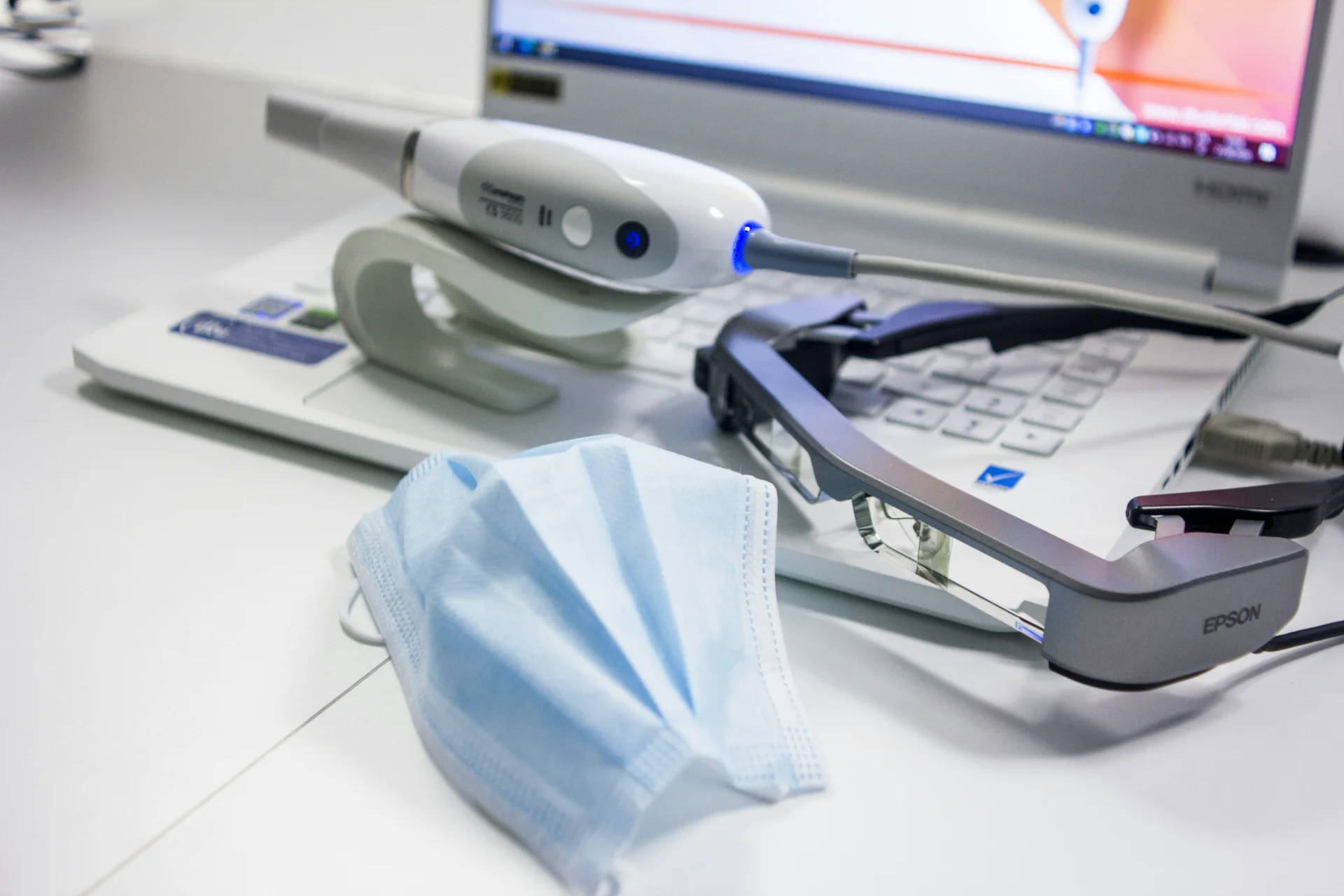
The dental industry is undergoing a significant transformation. According to the ADA Health Policy Institute, dentists are following through with their technology investment plans in 2025, particularly when it comes to new software and digital solutions. The practices that embrace modern dental technology are experiencing measurable improvements in patient outcomes, operational efficiency, and profitability.
Research shows that practices investing in comprehensive technology upgrades typically achieve return on investment within 12 to 18 months, with annual revenue increases averaging 32%. Meanwhile, the global AI in dentistry market is projected to grow from $421 million in 2024 to over $3 billion by 2034, reflecting the rapid adoption of intelligent diagnostic tools across the profession.
This guide explores the compelling reasons to upgrade your dental technology, the essential tools delivering the most substantial returns, and practical strategies for successful implementation. Whether you're considering your first digital scanner or planning a comprehensive practice modernization, you'll find actionable insights to inform your investment decisions.
The Current State Of Dental Technology In 2025
Modern dental technology encompasses far more than upgraded equipment. Today's practices are integrating artificial intelligence, digital workflows, and patient experience enhancements that directly impact clinical outcomes and practice profitability. The convergence of patient expectations with technological capabilities has made digital transformation an urgent priority for practices seeking to remain competitive.
The dental services market reached approximately $672 billion in 2025 and is projected to exceed $851 billion by 2030. Within this expanding landscape, dental support organizations (DSOs) have grown from 23% of U.S. practices in 2022 to a projected 39% by 2026, mainly because consolidated practices can invest more effectively in technology and standardized clinical workflows.
The key technology categories reshaping modern dentistry include digital imaging and radiography, intraoral scanners for digital impressions, CAD/CAM systems for same-day restorations, AI-powered diagnostic software, cloud-based practice management platforms, and advanced patient communication tools. Patients now expect digital experiences, immediate results, and seamless communication. Practices that cannot deliver these experiences risk losing high-value cases to competitors who have embraced modern solutions.
Seven Reasons To Upgrade Your Dental Technology
The decision to invest in dental technology should be based on measurable benefits rather than industry hype. The following seven reasons represent the most significant advantages practices experience when implementing modern technology solutions, each supported by clinical research and practice-level data.
#1. Enhanced Diagnostic Accuracy And Early Detection
Advanced imaging technologies and AI-powered diagnostic tools are transforming how dentists identify and diagnose oral health conditions. Modern systems can detect subtle abnormalities and patterns that may go unnoticed during traditional visual examination, enabling earlier intervention when treatment is most effective.
According to research published in Frontiers in Dental Medicine, AI technologies in dentistry, referred to as "Dentronics," offer improved reliability, reproducibility, precision, and efficiency in diagnostic processes. These systems can analyze dental radiographs to identify early signs of cavities, periodontal disease, and even oral cancer at stages when intervention provides the best outcomes.
The American Dental Association invested strategically in the dental AI platform Pearl in December 2024, reflecting the organization's commitment to supporting technologies that enhance patient care and public health. AI-powered tools can detect dental decay and gum disease up to five years earlier than traditional diagnostic methods, allowing for preventive intervention rather than reactive treatment.
#2. Improved Patient Experience And Comfort
Patient comfort has become a critical differentiator for dental practices, and modern technology delivers significant improvements over traditional methods. Digital impressions using intraoral scanners eliminate the discomfort associated with conventional impression materials that often trigger gag reflexes and cause patient anxiety.
A systematic review and meta-analysis published in the Journal of Prosthetic Dentistry found that patients significantly preferred intraoral scanning over conventional impression making. The research demonstrated superiority for digital scanning across multiple measures, including patient preference, reduced discomfort, absence of nausea, lack of unpleasant taste, and absence of breathing difficulty.
Research from the National Center for Biotechnology Information confirmed these findings, with patients rating digital impressions at 9.03 compared to 6.66 for conventional impressions on comfort scales. The digital technique was more effective in terms of working time and significantly more comfortable, particularly for patients with sensitive gag reflexes or dental anxiety.
#3. Increased Case Acceptance Rates
Visual technology dramatically improves patient understanding of their oral health conditions, directly translating to higher treatment acceptance rates. When patients can see their dental issues on screen in real-time, they develop a clearer understanding of recommended treatments and their necessity.
Practices using technology demonstrations for patient education see case acceptance rates increase by 45% to 70% for premium treatments. Intraoral cameras and 3D imaging allow dentists to show rather than tell patients about problem areas, creating more informed decision-making and reducing hesitation about recommended procedures.
According to dental industry research, approximately 35% of dental offices have implemented AI in patient treatments as of 2024, with 77% reporting positive experiences. Notably, 59% of patients express greater trust in their dentists' recommendations when AI is utilized, highlighting how technology fosters stronger patient-provider relationships and improves compliance with treatment plans.
#4. Operational Efficiency And Time Savings
Digital workflows eliminate numerous time-consuming manual processes, allowing practices to see more patients without sacrificing quality of care. Same-day restorations with chairside CAD/CAM systems eliminate the need for temporary restorations and second appointments, fundamentally changing how practices deliver crown and bridge procedures.
The dental practice management software market reached $2.5 billion in 2024 and is projected to grow to $6.9 billion by 2034, reflecting the industry-wide shift toward digital operations. Cloud-based systems reduce IT costs while improving accessibility, automatic updates, and data security compared to legacy server-based solutions.
Efficient scheduling technology can increase daily production by 15% to 25% without adding additional overhead costs or staff members. Automated reminders and patient communication tools achieve text message open rates above 95%, compared to just 20% to 30% for traditional email communications, dramatically reducing no-shows and last-minute cancellations.
#5. Measurable Return On Investment
Strategic technology investments deliver quantifiable financial returns that extend beyond simple revenue increases. Leading practices factor in operational efficiency gains, reduced material costs, improved patient retention rates, and enhanced practice valuation when calculating comprehensive ROI.
Practices investing in comprehensive technology suites typically achieve ROI within 12 to 18 months. Those earning the most substantial returns invest approximately 40% of their technology budget in training and workflow optimization rather than equipment alone. This holistic approach transforms technology from an expense into a revenue multiplier.
According to ADA dental practice research, successful practice owners reinvest 10% to 15% of revenue back into practice improvements, technology upgrades, and continuing education to maintain competitive advantages. Practices placing 25 to 30 crowns monthly with in-house CAD/CAM milling can achieve six-figure annual savings compared to outsourcing laboratory work.
#6. Competitive Differentiation And Practice Value
Technology investment positions your practice as modern, trustworthy, and patient-focused in an increasingly competitive marketplace. Patients actively seek practices that offer advanced capabilities, and visible technology creates powerful first impressions that influence both acquisition and retention.
For practice owners considering future transitions, technology directly impacts practice valuation. According to dental transition specialists, outdated practices see reduced buyer interest and lower valuations in 2025. Buyers prioritize practices equipped with modern practice management software, digital diagnostic tools, and a strong online presence with SEO and patient reviews.
Independent practices must focus on personalized service and advanced technology to differentiate themselves from DSOs that achieve economies of scale through consolidation. Technology investments create sustainable competitive advantages that attract higher-value patients seeking premium care experiences.
#7. Staff Satisfaction And Reduced Burnout
Modern technology reduces the tedious manual tasks that contribute to staff frustration and turnover. The ADA Health Policy Institute identifies staffing shortages as one of the top three concerns for dentists entering 2025, making retention strategies critical for practice stability.
Automation of routine tasks like appointment reminders, insurance verification, and patient communication frees staff to focus on higher-value activities that utilize their training and skills. Practices with modern technology report higher staff satisfaction because team members work with tools that make their jobs easier rather than more frustrating.
Technology investment also supports recruitment efforts, as dental professionals increasingly prefer working in modernized practices. The ability to offer training on advanced systems and exposure to cutting-edge procedures makes positions more attractive to qualified candidates in a competitive labor market.
Essential Technologies To Consider For Your Practice
Not all technologies deliver equal value for every practice. The following represent the most impactful investments based on research data and practice-level outcomes, with guidance on matching technology choices to your specific clinical focus and patient population.
Intraoral Scanners And Digital Impressions
Intraoral scanners have become foundational technology for modern dental practices, enabling digital capture of precise 3D images of teeth and surrounding tissues. These devices eliminate the need for traditional impression materials while delivering superior accuracy and patient comfort.
According to research from the Institute of Digital Dentistry, intraoral scanners capture exact digital impressions that minimize errors and ensure accurate restorations. Digital files can be seamlessly shared with dental laboratories or in-house CAD/CAM software, enabling faster turnaround times for prosthetic work.
Key benefits of digital impression systems include:
elimination of impression material costs and storage requirements
Reduced remakes due to bubbles, distortion, and other defects common with traditional molds
instant transmission to laboratories without shipping delays or potential damage
integration with treatment simulation software for patient education
environmental benefits from eliminating disposable impression materials
Leading scanner brands include iTero, 3Shape TRIOS, and Medit, each offering various features suited to different practice needs and budgets. Scanner selection should consider workflow integration, software capabilities, and ongoing support requirements.
CAD/CAM And Chairside Milling Systems
Chairside CAD/CAM systems represent one of the most significant opportunities for practice revenue enhancement and patient convenience improvement. These systems enable same-day fabrication of crowns, inlays, onlays, and veneers, eliminating the need for temporary restorations and return visits.
The FDI World Dental Federation recognizes that CAD/CAM dentistry has become integral to everyday dental practice, affecting how practitioners design and fabricate restorations. Computer-aided design paired with subtractive or additive manufacturing enables precision that matches or exceeds traditional laboratory methods.
Financial analysis shows that practices placing 25 to 30 crowns monthly can achieve substantial annual savings through in-house milling, while simultaneously increasing patient satisfaction through single-visit convenience. The elimination of laboratory fees, combined with reduced appointment times, creates compound savings that accelerate ROI timelines.
AI-Powered Diagnostic Software
Artificial intelligence is transforming dental diagnostics through automated analysis of radiographs and clinical images. These systems provide consistent, objective assessments that complement clinical judgment and help identify conditions that might otherwise be missed.
A comprehensive review published by the National Center for Biotechnology Information found that AI algorithms can detect subtle abnormalities and patterns that may go unnoticed by human clinicians. This enhanced accuracy leads to more precise and early diagnoses, ultimately improving patient outcomes across conditions, including cavities, gum disease, and oral cancer.
Current AI applications in dental practice include:
Automated detection and measurement of caries, bone loss, and periodontal conditions
Treatment planning assistance with evidence-based recommendations
Patient communication enhancement through visual overlays highlighting conditions
Quality assurance through consistent diagnostic standards across providers
Predictive analytics for patient risk assessment and preventive care planning
Cloud-Based Practice Management Software
Modern practice management systems have moved from on-premise servers to cloud-based platforms that offer improved accessibility, reduced IT burden, and enhanced integration capabilities. These systems serve as the operational hub connecting clinical workflows, patient communication, and financial management.
According to dental market research, the global dental practice management software market reached $3.1 billion in 2025, with cloud-based solutions growing at 10.5% annually. Over 80% of practices now use cloud systems, led by multi-clinic groups and DSOs seeking standardized operations across locations.
Cloud platforms reduce hardware costs, eliminate server maintenance requirements, and provide automatic software updates without manual intervention. Real-time reporting and analytics enable data-driven decision-making, while enhanced security features protect patient information in compliance with healthcare regulations.
3D Imaging And CBCT
Cone beam computed tomography (CBCT) provides three-dimensional visualization that transforms treatment planning for implants, endodontics, orthodontics, and oral surgery. These systems capture detailed anatomical information impossible to obtain through traditional two-dimensional radiography.
The National Library of Medicine reports that advances in intraoral scanning combined with CBCT imaging have broadened diagnostic capabilities beyond traditional impression taking. Integration of scan data with 3D imaging enables comprehensive treatment planning from initial diagnosis through surgical guide fabrication.
3D imaging improves implant placement accuracy, reduces surgical complications, and enables better patient communication through visualization of treatment outcomes before procedures begin. The technology has become essential for practices offering implant services or complex restorative treatments.
Calculating The ROI Of Dental Technology Investments
Accurate ROI calculation requires examining both direct financial impacts and indirect benefits that influence long-term practice performance. A comprehensive framework considers multiple value drivers rather than focusing solely on revenue increases or cost reductions.
Direct financial factors to include in ROI calculations:
Laboratory fee elimination or reduction from in-house fabrication
Material cost savings from digital workflows
Increased procedure capacity from time efficiencies
Reduced remakes and adjustments from improved accuracy
Higher case acceptance rates from visual patient education
Indirect benefits that impact long-term value:
Enhanced practice reputation, attracting higher-value patients
Improved staff retention, reducing recruitment and training costs
increased practice valuation for future transitions
competitive differentiation in the local market
patient retention improvements from superior experience
Industry data suggests running a 12-month ROI projection before purchasing major equipment. Practices that achieve the most substantial returns invest in training and workflow optimization alongside equipment acquisition, recognizing that technology value depends entirely on practical implementation and utilization.
How To Successfully Implement New Dental Technology
Technology adoption presents challenges beyond equipment selection. The ADA Forsyth dentech 2025 conference highlighted that behavioral change represents a tremendous barrier in practices adopting new technology, even when the changes seem simple. Successful implementation requires strategic planning, comprehensive training, and workflow redesign.
Prioritizing Your Technology Investments
Not every practice needs every technology simultaneously. Strategic prioritization matches technology investments to current clinical needs, patient population characteristics, and growth objectives. Starting with the highest-impact, easiest-to-implement tools builds momentum and staff confidence before tackling more complex systems.
Consider these factors when prioritizing technology investments:
Alignment with current services and growth plans
Patient demand and willingness to pay for enhanced services
Staff readiness and training requirements
Integration with existing workflows and systems
Vendor support and ongoing maintenance considerations
Practices achieving 35% or greater ROI within 12 months typically invest 40% of their technology budget in training and workflow optimization rather than equipment alone. This allocation recognizes that technology value comes from effective use rather than mere ownership.
Training Your Team For Success
Staff training determines whether technology investments deliver expected returns. Research indicates that practices fully utilizing their existing technology see 15% to 25% higher productivity than those that underuse their tools. Comprehensive training must extend beyond clinical staff to include front desk personnel who communicate technology benefits to patients.
Training programs should include initial certification on equipment operation, ongoing skill development as proficiency increases, and periodic refreshers to maintain best practices. Involving team members in technology selection and implementation planning increases buy-in and reduces resistance to workflow changes.
Consider designating technology champions within the practice who can support colleagues, troubleshoot common issues, and identify opportunities for expanded utilization. These individuals become internal resources for continuous improvement and help maximize returns on technology investments.
Budgeting And Financing Options
Technology investments require careful financial planning to maintain practice cash flow while enabling modernization. Multiple financing options exist to spread costs over time and align payments with revenue generation from new capabilities.
Standard financing approaches for dental technology include:
Equipment financing with fixed monthly payments over 3 to 7 years
Leasing arrangements that include maintenance and upgrade provisions
Practice loans that bundle multiple technology purchases
Phased implementation, spreading investments in various budget years
manufacturer financing programs with promotional rates
Industry guidance suggests reinvesting 10% to 15% of revenue back into practice improvements and technology upgrades. This allocation ensures continuous modernization without creating financial strain that might compromise other operational needs.
Overcoming Common Barriers To Technology Adoption
Understanding and addressing common objections helps practices navigate the challenges of technology implementation. Honest assessment of potential obstacles enables proactive planning rather than reactive problem-solving.
Cost concerns represent the most common barrier to technology adoption. However, financing options, phased implementation, and demonstrated ROI data help address these objections. Focusing on specific financial impacts rather than general promises makes investment decisions more concrete and defensible.
Learning curves and workflow disruption worry many practitioners, particularly those with established routines that currently work adequately. Phased implementation, comprehensive training, and realistic timeline expectations help manage these concerns. Most practices report that initial productivity dips recover within weeks as staff become proficient with new systems.
Staff resistance often stems from fear of job displacement or frustration with past technology failures. Involving team members in selection decisions, emphasizing how technology makes their jobs easier rather than obsolete, and celebrating early wins builds positive momentum. Recognizing that change management requires as much attention as technical implementation improves adoption success rates.
Preparing Your Practice For What Comes Next
The pace of dental technology innovation continues to accelerate, making ongoing awareness essential for practices seeking to maintain competitive positioning. Understanding emerging trends helps inform current investment decisions to ensure compatibility with future developments.
Teledentistry has evolved beyond basic video consultations to include remote screenings, digital imaging review, and real-time monitoring of orthodontic treatments. AI-driven virtual assistants are beginning to guide patients through basic oral hygiene instructions and triage concerns before in-person visits.
Smart dental devices represent a growing category of connected tools that collect data on brushing habits, gum health, and other oral metrics. These devices enable preventive strategies based on real patient behavior rather than assumptions about home care compliance.
3D printing continues expanding from models and surgical guides to include direct fabrication of temporary restorations, dentures, and orthodontic appliances. As printer capabilities and material options improve, in-office fabrication will encompass an increasingly broad range of prosthetic devices.
Bottom Line
Upgrading dental technology represents a strategic investment in your practice's future rather than merely an equipment purchase. The evidence clearly demonstrates that thoughtful technology adoption improves diagnostic accuracy, enhances patient experience, increases operational efficiency, and delivers measurable financial returns.
The practices achieving the greatest success approach technology as a comprehensive transformation rather than isolated purchases. They invest in training alongside equipment, redesign workflows to leverage new capabilities, and communicate technology benefits effectively to patients and staff.
To begin your technology upgrade journey:
Assess current technology gaps and their impact on practice performance
Prioritize investments based on potential ROI and implementation complexity
Develop training plans that ensure full utilization of new capabilities
Establish metrics to track technology impact on key practice indicators
Plan for ongoing technology evolution with regular assessment cycles
The future of dentistry belongs to practices that embrace technology as an enabler of better patient care and sustainable business growth. The question for practice owners is no longer whether to invest in technology, but how quickly and strategically to make those investments work for their patients, their teams, and their practices.
Frequently Asked Questions
What is the typical ROI timeline for dental technology investments?
Most practices investing in comprehensive technology upgrades achieve return on investment within 12 to 18 months. Practices that allocate approximately 40% of their technology budget toward training and workflow optimization rather than equipment alone tend to see the strongest returns, with some achieving 35% or greater ROI within the first year.
How much can dental practices save with in-house CAD/CAM milling?
Practices placing 25 to 30 crowns monthly with chairside CAD/CAM systems can achieve six-figure annual savings compared to outsourcing laboratory work. Additional savings come from eliminating temporary restorations, reducing appointment times, and avoiding shipping delays and remakes associated with traditional impressions.
Do patients prefer digital impressions over traditional methods?
Yes. Research published in the Journal of Prosthetic Dentistry found that patients significantly prefer intraoral scanning over conventional impression making. Studies show patients rate digital impressions at 9.03 compared to 6.66 for conventional methods on comfort scales, with particular benefits for those with sensitive gag reflexes or dental anxiety.
How does dental technology affect case acceptance rates?
Practices using visual technology for patient education report case acceptance increases of 45% to 70% for premium treatments. When patients can see their dental conditions on screen through intraoral cameras or 3D imaging, they develop a clearer understanding of recommended treatments and show less hesitation about proceeding.
What percentage of dental practices currently use AI technology?
Approximately 35% of dental offices had implemented AI in patient treatments as of 2024, with 77% reporting positive experiences. The AI in dentistry market is projected to grow from $421 million in 2024 to over $3 billion by 2034, reflecting the rapid adoption of intelligent diagnostic tools.
Which dental technologies offer the best return on investment?
The highest-impact technologies include intraoral scanners for digital impressions, CAD/CAM chairside milling systems for same-day restorations, AI-powered diagnostic software, cloud-based practice management platforms, and CBCT 3D imaging systems. The best choice depends on your clinical focus, patient population, and current technology gaps.
How can practices overcome staff resistance to new technology?
Successful adoption involves team members in technology selection, emphasizes how tools make jobs easier rather than obsolete, and provides comprehensive training. Designating technology champions within the practice and celebrating early wins builds positive momentum. Most productivity dips from learning curves recover within weeks.