Neocis Yomi S Gains FDA Clearance for Robotic Pterygoid Implant Placement
The Neocis Yomi S FDA clearance now extends to pterygoid implant placement. Neocis announced on October 29, 2026, that Yomi S and its YomiPlan software received a 510(k) clearance...
Written by Marcus Hale
Read time: 5 min read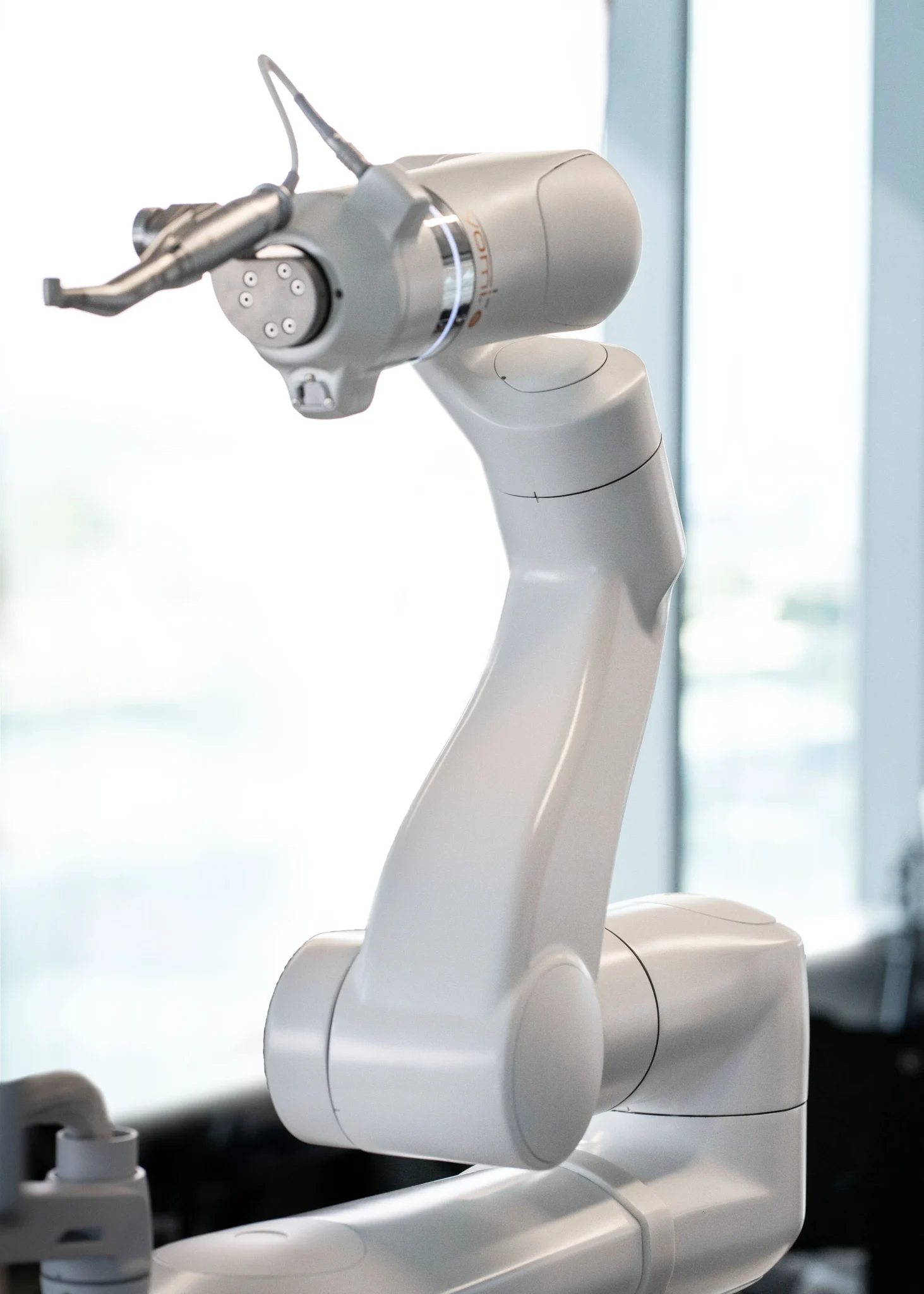
The Neocis Yomi S FDA clearance now extends to pterygoid implant placement. Neocis announced on October 29, 2026, that Yomi S and its YomiPlan software received a 510(k) clearance for this indication. The company calls it the first US clearance for digitally guided pterygoid surgery.
TL;DR
Neocis added pterygoid implant placement to the Yomi S indications on October 29, 2026.
The 510(k) covers both the Yomi S robot and the YomiPlan planning software.
Neocis backs the new indication with verification and validation testing, not a comparative clinical trial.
Trained Yomi S users can add the procedure without extra robotic training, according to Neocis.
FDA Expands Yomi S Clearance to Pterygoid Implant Placement
This clearance adds a new indication to a robotic platform the FDA has already cleared. Practices that own Yomi S can now perform a new procedure on the same hardware.
According to the Neocis press release, Yomi S was already cleared for these procedures:
Single-tooth implant placement
Multiple-tooth implant placement
Full-arch and dual-arch procedures
Guided alveoplasty, or robotic bone reduction
Neocis also reports that more than 125,000 implants have been placed with Yomi robotic assistance to date. That figure covers all Yomi systems and all indications.
The announcement on the Neocis site does not list a 510(k) number. Clinicians who want the cleared indications for use in writing can search the FDA 510(k) database once the decision posts. Until then, the company release is the only public source for the new indication.
What Are Pterygoid Dental Implants?
Pterygoid implants anchor in the dense cortical bone of the pterygoid plates, behind the maxillary tuberosity. They give the posterior maxilla an anchor where little usable bone remains.
A patient with an atrophic posterior maxilla and a large sinus usually faces a few choices. These include a sinus lift, short implants, zygomatic implants, or a prosthesis with a long distal cantilever. A pterygoid implant can give the arch a distal anchor without grafting. Neocis describes these implants as 15 to 24 mm long, placed at 17 to 45-degree angles. The release adds that they can avoid a sinus lift and support immediate loading.
The evidence on survival is reasonably strong. A 2024 systematic review pooled 3,053 pterygoid implants and reported a 10-year cumulative survival rate of 92.5%. Most failures happened in the first year, and splinted implants did better than unsplinted ones. The same review lists displacement into the pterygoid fossa, venous bleeding, and trismus among the risks.
Planning starts with a CBCT scan that captures the full pterygomaxillary region. The scan needs a large field of view, so units such as the DEXIS OP 3D LX and the CS 9600 are common choices in full-arch practices.
How Does Yomi S Support Robotic Implant Surgery?
Yomi S uses haptic guidance. The clinician holds and drives the handpiece, while a robotic arm keeps the drill on the planned path.
The case is planned in YomiPlan from the CBCT data. During surgery, the Yomi S product page lists real-time patient tracking and haptic guidance. It also lists voice, gesture, and touchscreen controls built for single-clinician use.
Trajectory control is the main reason robotics suits this site. A 20 mm implant placed 2 degrees off plan ends up about 0.7 mm off at the apex. At the pterygoid plates, that apex sits close to the pterygoid fossa and its venous plexus. Static guides also struggle this far back. Guide sleeves plus long drills need more mouth opening than many patients can give at the second molar region.
Neocis says it ran a formal verification and validation program. That testing confirmed Yomi S keeps its accuracy specifications for pterygoid procedures across the whole workflow. A human factors study found that trained dental professionals can perform the procedure after reviewing the user manual. Neocis lists its general accuracy studies on its clinical evidence page. The release does not cite pterygoid-specific clinical outcome data.
What Does the Expanded Clearance Mean for Implantologists?
For practices that already own Yomi S, the change is practical. One robot can now handle more steps of a maxillary full-arch case.
Neocis CEO Alon Mozes said customers had been asking for pterygoid support on the same platform. A single robotic workflow can now cover bone reduction, anterior implants, and pterygoid anchors in one appointment. This helps most in immediate-load cases, where the patient often arrives with a failing prosthesis or a same-day denture.
Case selection stays with the surgeon. The robot does not change limited mouth opening, a narrow pterygomaxillary junction, or the risk of postoperative trismus. Neocis says no extra robotic training is needed, though surgical training in pterygoid anatomy remains a separate question.
The clearance also changes how options get presented. A written dental treatment plan can now set a robotic pterygoid approach next to a sinus lift or zygomatic implants, with timelines and fees for each. A consistent treatment plan template helps patients compare those paths. Full-arch planning also depends on merging CBCT data with digital impressions, so the choice of intraoral scanner feeds into the same workflow.
Bottom Line
The Neocis Yomi S FDA clearance gives robotic guidance a defined role in pterygoid implant placement, one of the hardest angles in implant surgery. The clearance rests on verification testing, with no new comparative outcome data. Clinicians should check the FDA record once it posts, confirm their pterygoid training, and select cases with the same care they use for freehand placement.
Frequently Asked Questions
What did the FDA clear for Neocis Yomi S?
The 510(k) clears Yomi S and YomiPlan to support pterygoid implant placement. It adds to existing indications for single-tooth, multiple-tooth, full-arch, and dual-arch implants, plus guided bone reduction. Neocis announced it on October 29, 2026.
Is this the first FDA clearance for the Yomi robot?
No. Yomi has held FDA clearances for several years. This one expands what Yomi S is cleared to do, and Neocis calls it the first US clearance for digitally guided pterygoid surgery.
Can pterygoid implants replace a sinus lift?
In selected patients with posterior maxillary bone loss, this can provide a distal anchor without sinus grafting. Suitability depends on anatomy seen on a CBCT scan, mouth opening, and the overall prosthetic plan.
Does robotic guidance improve pterygoid implant outcomes?
That has not been shown yet. Neocis confirmed accuracy through verification testing, and the release was not accompanied by a comparative pterygoid outcome study. Each option should still be laid out in the patient's dental treatment plan.