Burning Mouth Syndrome: Causes, Symptoms & Diagnosis
Burning mouth syndrome feels like you burned your mouth on hot coffee, and it never heals. The odd part is that the mouth usually looks perfectly healthy. Before calling it BMS, a...
Written by Agnes Markovic
Read time: 6 min read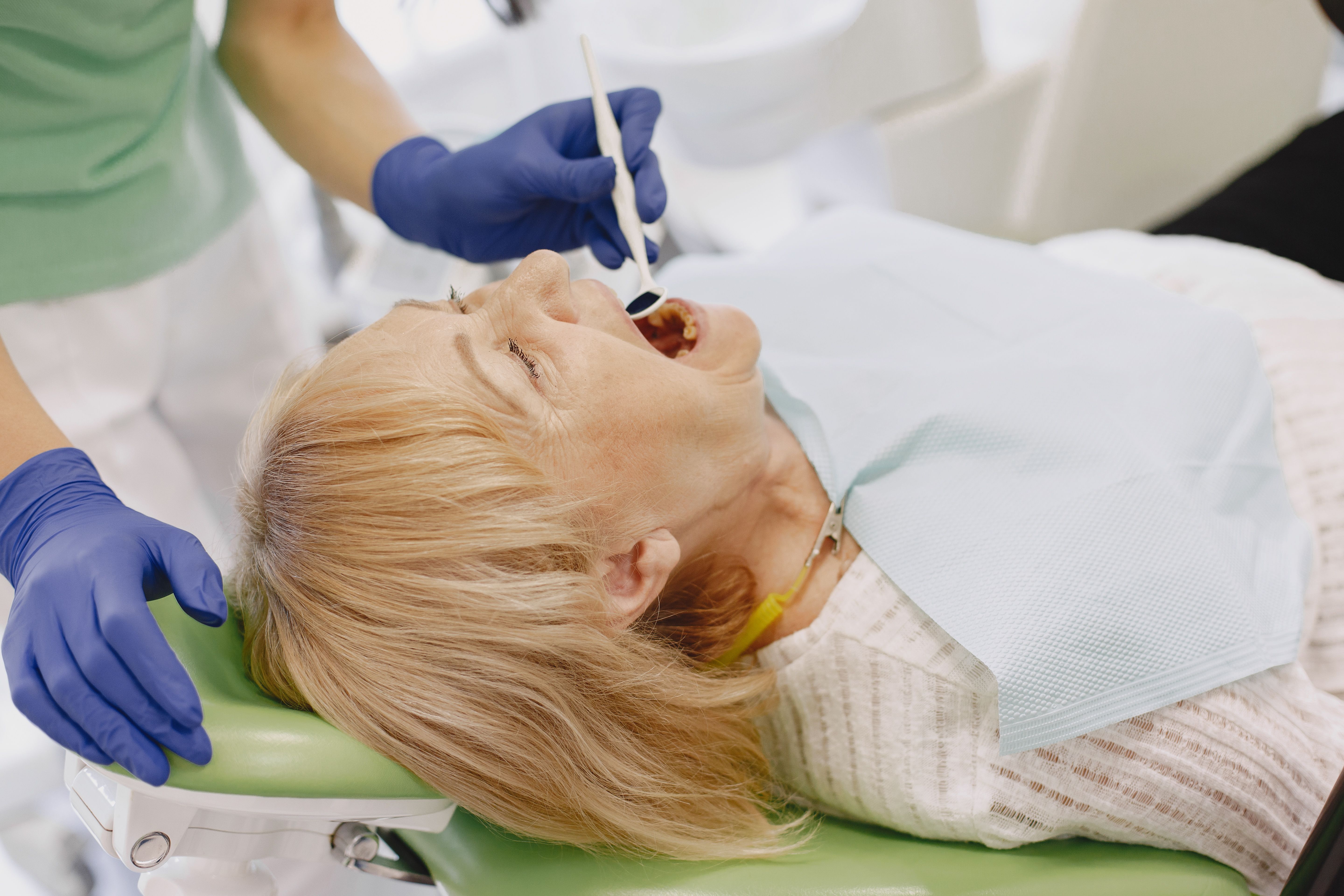
Burning mouth syndrome feels like you burned your mouth on hot coffee, and it never heals. The odd part is that the mouth usually looks perfectly healthy. Before calling it BMS, a dentist looks hard for anything treatable, from thrush to low B12. Here is how that search works.
TL;DR
Get persistent burning checked, even if your mouth looks completely normal.
Ask about B12, folate, iron, and zinc tests if your diet, medications, or health history point that way.
Bring your medication list and a short diary of when the burning flares and fades.
Get urgent care for swelling, trouble swallowing, or sudden facial weakness.
What Is Burning Mouth Syndrome?
Burning mouth syndrome, or BMS, is a long-lasting burning pain in the mouth with no visible cause. Older medical writing calls it stomatodynia or oral dysesthesia. It most often affects women in their fifties and sixties, although anyone can get it.
A typical story goes something like this. The burning creeps in over a few weeks, usually at the tip of the tongue. It builds as the day goes on, eases a little with a cup of tea, and then comes back. By the time many people reach a dentist who suspects BMS, they have already been told by two or three clinicians that their mouth looks fine. Many are also quietly worried it might be cancer, and hearing a clear answer on that, when the exam supports it, can be a real relief.
You will see the term used in two ways. Some patient guides call burning with a known cause, like thrush, "secondary BMS." Specialists usually save the BMS label for burning that is still unexplained after a proper workup. Either way, the practical starting point is the same, which is to rule out everything treatable first.
For formal diagnosis, the International Headache Society criteria describe burning that returns daily for more than two hours a day, over more than three months, in a mouth that looks normal. That three-month mark matters for specialists and researchers. Nobody should wait three months before getting checked.
What Are The Symptoms Of Burning Mouth Syndrome?
Most people describe a burning or stinging feeling, but tingling, numbness, and a raw, sandpaper-like sensation are common too. The tip and sides of the tongue are the usual spots, and the roof of the mouth, lips, and gums can join in, typically on both sides.
The burning rarely travels alone. Many people notice a bitter or metallic taste, or find that food tastes flat. A lot of people also say their mouth feels dry, even when saliva looks normal on exam.
The daily pattern is one of the biggest clues. Many people wake up comfortable, then feel the burning build through the afternoon and peak by evening. Eating and drinking often bring short relief, which is a useful clue for the dentist. With thrush, ulcers, or lichen planus, eating usually makes things worse, especially spicy or acidic food. With BMS, a meal often feels like a break. That pattern points in a direction, though it does not settle the diagnosis on its own.
The hardest part for many patients is the mismatch between how much it hurts and how normal everything looks. The pain is real. If you can see sores, white patches, or red, smooth areas, though, something else is likely going on, and it needs a closer look.
What Causes A Burning Tongue Or Mouth?
Many things can make the mouth burn, and a good dentist works through them one at a time. Here are the causes they check most often, with the clues that point to each one. Stress and poor sleep can make any of them feel worse, but they should only be blamed after the physical causes are checked.
Oral Thrush
Thrush is a yeast infection, and it does not always look like the thick white coating most people picture. Sometimes the only sign is a faint red patch on the tongue, the palate, or under a denture.
Recent antibiotics, steroid inhalers, and dentures all raise the risk.
Dentists may take a swab or try a short course of antifungal treatment to check.
Denture wearers need the denture treated too, since yeast grows on its fitting surface.
If you can see a coating, our white tongue guide covers what it might be.
Dry Mouth
Saliva protects the lining of the mouth, so when it runs low, the tongue can start to burn.
Many common medications reduce saliva, especially when several are taken together.
Sjögren's syndrome is a less common cause worth checking when the eyes are dry too.
A quick saliva flow test shows whether flow is truly low.
The menopause section below explains how feeling dry differs from being dry.
Mouth Lining Conditions
Some conditions change the lining of the mouth in ways a dentist can see.
Lichen planus often shows up as lacy white lines on the cheeks or tongue.
Geographic tongue causes map-like red patches that move around over days.
A biopsy is only needed when the diagnosis is unclear.
Deep grooves on the tongue are a different story and are usually harmless, as our article on cracks on the tongue explains.
Toothpaste, Gum, And Mints
Everyday products are a common trigger, either as an irritant or a true allergy, and they are easy to test at home.
Cinnamon flavoring in gum, toothpaste, or mints is a classic culprit.
Strong mint, whitening pastes, and the foaming agent sodium lauryl sulfate bother some people.
Switching to a plain, unflavored toothpaste for two weeks is a simple test.
Patch testing can help when a true allergy is suspected.
Dentures And Tongue Habits
A denture that rocks or rubs can keep the tissue sore. Tongue habits can do the same thing without you noticing.
Burning that eases when the denture is out is worth mentioning at your visit.
Pressing or rubbing the tongue against the teeth is common and often goes unnoticed.
A wavy, scalloped edge on the tongue is often the giveaway.
Blood Pressure Medications
Some blood pressure drugs, especially ACE inhibitors, are linked to mouth burning. The timing is easy to miss because the burning can start weeks or months after the first dose. Talk to the prescriber, and do not stop the medication on your own.
Low Vitamins And Minerals
Low B12, folate, iron, or zinc can all play a part. Restricted diets, gut surgery, heavy periods, and some medications raise the risk. Blood tests are the only way to know, and the vitamin section below explains which ones help.
Diabetes And Thyroid Problems
Poorly controlled diabetes can affect the nerves and make thrush more likely. An underactive thyroid has also been linked to burning. Thirst, tiredness, or unexplained weight change are good reasons to ask for a glucose or HbA1c test and thyroid tests.
Acid Reflux
Reflux can bring stomach acid up into the mouth, especially at night. Heartburn, a sour taste, or symptoms that are worse lying down make it worth raising with your primary care doctor. Burning without any of those signs is less likely to be reflux.
Can Vitamin Deficiencies Cause Burning Mouth?
They can, and they are worth checking, but symptoms alone will not tell you which nutrient is low, or whether any is. B12 and folate are vitamins, while iron and zinc are minerals. The table shows when each one is worth testing and the catches that come with the results.
Nutrient | When it is worth checking | Possible tests | Limits |
|---|---|---|---|
Vitamin B12 | Vegan diet, older age, stomach or gut surgery, metformin or acid reducers, numb hands or feet | Serum B12, sometimes methylmalonic acid if borderline | Borderline results need follow-up |
Folate | Poor diet, heavy alcohol use, malabsorption, some medications | Serum or red cell folate | Recent meals can affect serum levels |
Iron | Heavy periods, blood loss, fatigue, pale and smooth tongue | CBC, ferritin, iron studies | Inflammation can raise ferritin and hide a deficiency |
Zinc | Malabsorption, poor diet, some medications | Serum zinc | Blood levels poorly reflect body stores |
One clue dentists watch for is the look of the tongue. In true BMS, the tongue looks normal. A tongue that has turned smooth, shiny, and beefy red, with its little bumps worn away, points more toward a deficiency such as iron or B12, and that changes the conversation.
It also helps to know that a normal blood count does not clear everything. Iron stores and B12 can drop well before red blood cells change, and nerve symptoms from low B12, like tingling in the feet, can even show up first. That is why clinicians often add ferritin or B12 when the story fits.
Medications play a part here too. Metformin and long-term acid reducers such as PPIs can lower B12 absorption over the years. Plenty of people in the age group most affected by BMS take both, and nobody may have checked their levels.
When a deficiency turns up, the clinician corrects it and looks for the reason behind it, since low B12 from poor absorption needs a different plan than low B12 from diet. Fixing a true deficiency helps some people's burning. When levels are already normal, extra supplements are unlikely to help primary BMS.
Be Careful With Supplements
It is tempting to grab a high-dose vitamin and hope for the best, but this can backfire in a surprising way. Too much vitamin B6 can damage nerves and cause numbness or burning of its own, according to the NIH vitamin B6 fact sheet. Too much zinc can drain your copper, which brings its own nerve problems and anemia, as the NIH zinc fact sheet explains. Test first, then take only what a clinician recommends.
How Are Menopause And Dry Mouth Linked To Burning Mouth?
BMS is far more common in women around and after menopause, and many describe the burning starting in those years. Hormone changes may affect the nerves and lining of the mouth, but the link is not fully understood, and most women go through menopause without ever developing BMS. Hormone therapy is not prescribed just for BMS. Our guide to menopause and oral health covers the wider changes this stage brings.
Dryness can be confusing. Xerostomia means the mouth feels dry, while hyposalivation means saliva flow is truly low when measured. Plenty of people with BMS feel dry but make normal amounts of saliva. Others really are dry, often because of medications or Sjögren's syndrome.
Dentists have simple ways to tell the difference. A dental mirror that sticks to the cheek, or a floor of the mouth with no pooled saliva, suggests true dryness, and a quick saliva flow test confirms it. Our dry mouth glossary entry explains the basics, and saliva substitutes for xerostomia can make eating and talking easier when flow is low.
How Do Dentists Diagnose Burning Mouth Syndrome?
There is no single blood test for BMS. The diagnosis comes from a step-by-step workup that rules other causes in or out, much like the approach the NIDCR describes. Expect it to take more than one visit.
Step #1: Take A Detailed History
This is where most of the clues come from. Your dentist will ask when the burning started, where it sits, what makes it better or worse, and how it changes through the day. They will also go through your medications, supplements, and any new dental products or treatment. Burning that began a few weeks after a new blood pressure pill, denture, or toothpaste is a strong lead.
Step #2: Examine The Mouth
Next comes a careful look at the teeth, fillings, dentures, tongue, and the lining of the cheeks, palate, and floor of the mouth. The dentist checks how much saliva is present and looks for mild thrush, lichen planus, sharp edges, and signs of clenching. Denture wearers should expect the denture to be checked too, both for fit and for what might be growing on it.
Step #3: Order Targeted Tests
Tests are chosen based on what the history and exam suggest, so not everyone needs every one.
Test | What it checks | When it is used |
|---|---|---|
CBC and iron studies, including ferritin | Anemia and iron deficiency | Fatigue, heavy periods, pale tongue |
B12 and folate | Vitamin deficiency | Restricted diet, gut problems, metformin or PPIs |
Zinc | Mineral deficiency | Malabsorption or poor diet |
Glucose or HbA1c | Diabetes or prediabetes | Thirst, risk factors, family history |
Thyroid tests | Thyroid disease | Fatigue, weight change, other symptoms |
Swab or smear | Oral thrush | Redness, coating, denture wear |
Saliva flow test | Truly low saliva | Dry mouth complaints |
Patch testing | Contact allergy | Symptoms linked to a product or material |
Biopsy | Mucosal disease | Only when a visible lesion is present |
A biopsy is not needed when the mouth looks normal, and imaging is only used for specific findings.
Step #4: Treat, Then Reassess
Anything found gets treated first, and a follow-up visit then checks whether the burning has changed. If the tests come back clear or treatment does not help, the next step is a referral to an oral medicine or orofacial pain specialist. Coordinating with your primary care doctor helps avoid repeating blood tests that were done recently.
What To Bring To The Appointment
A little homework before the visit makes it far more useful. Try to bring the following:
A one- to two-week diary that rates the burning in the morning, afternoon, and evening.
A list or photos of every medication and supplement label.
Any recent blood test results from any doctor.
Notes on new toothpastes, mouthwashes, gums, or dental work from around the time it started.
A note on whether eating or drinking eases the burning or makes it worse.
Please do not stop a prescribed medication on your own, even if you suspect it. Your prescriber can usually suggest a safe alternative.
What If No Cause Is Found?
Sometimes the workup turns something up, and sometimes it does not. Both outcomes lead somewhere useful.
Burning From An Identifiable Condition
When the workup does find something, treatment goes after that first. Thrush gets antifungal treatment, a suspect toothpaste gets swapped, and low B12 gets corrected.
The follow-up visit is where the real answer comes. If the burning fades, the cause is confirmed. If it hangs on, the finding may have been a coincidence, and primary BMS comes back into the picture.
Primary Burning Mouth Syndrome
When every check comes back clear, and the burning carries on, the diagnosis is primary BMS. This is a genuine chronic pain condition, and it is very different from being told nothing is wrong.
Research suggests the problem sits in the nerves themselves. Some tongue biopsy studies have found fewer of the tiny nerve fibers that carry pain and temperature signals, and the way the brain handles pain may shift as well. One theory is that when taste nerves are damaged, nearby pain nerves lose some of their brakes. No single explanation has been proven yet, which is why normal blood tests and real pain can sit side by side.
What Can Help While Waiting For Assessment?
While the cause is being worked out, a few simple changes can take the edge off.
Sip cool water or let ice chips melt slowly in your mouth.
Switch to a mild, unflavored toothpaste without sodium lauryl sulfate.
Avoid cinnamon, strong mint, spicy food, citrus, and acidic drinks.
Skip alcohol-based mouthwashes, tobacco, and alcohol.
Brush gently and avoid scraping your tongue hard.
It is better to change one thing at a time than to pile on remedies. Every new rinse or product can add irritation, and it makes the real trigger much harder to spot.
Once there is a diagnosis, treatment follows the cause. For primary BMS, clinicians often turn to medicines that calm nerve pain. A common first option is clonazepam used as a suck-and-spit tablet, so that most of it works on the mouth itself. Other nerve pain medicines are swallowed. All of them have side effects and can interact with other drugs, so the choice needs a careful medication review.
Cognitive behavioral therapy can also help people cope with chronic pain and take back some control over daily life. Finding the right treatment is often a process of trial and adjustment, and it can take a few tries.
When Does Burning Mouth Need Prompt Assessment?
Burning that sticks around or keeps coming back deserves a dental visit, especially if it is affecting how you eat. Some signs call for a faster appointment with a dentist or doctor:
A sore or ulcer that has not healed within two to three weeks.
A lump, a thickened area, or a red or white patch.
Unexplained bleeding or weight loss.
Call 911 or go to the emergency room for fast swelling of the tongue or throat, or any trouble breathing. The same goes for sudden facial weakness or difficulty speaking, which can signal a stroke.
How Much Does A Burning Mouth Workup Cost?
Most people need a dental visit and a few blood tests, and only some need a specialist. Here is roughly what each step costs without insurance in the US.
Step | Typical cost without insurance | Notes |
|---|---|---|
Focused dental exam for a specific problem | About $100–$250 | Often covered by dental insurance as a diagnostic visit |
CBC | About $10 | Some labs add a separate blood draw fee |
Ferritin | About $20–$35 | Often ordered with other iron tests |
Vitamin B12 and folate | About $20–$35 each | Sometimes sold together as a panel |
Zinc | About $18 | Only when the history suggests it |
Thyroid test (TSH) | About $18–$42 | Free T4 may be added if TSH is abnormal |
HbA1c | About $29 | No fasting needed |
Fungal swab or culture | Varies by lab | Sometimes replaced by a short antifungal trial |
Oral medicine or orofacial pain consult | About $200–$400 | Only if the first workup finds nothing |
Biopsy with lab fees | Several hundred to over $1,000 | Only when a visible lesion needs a diagnosis |
Lab prices come from published 2026 cash-price lists at direct-access labs, such as Trinity Health's LabsforMe. Hospital labs often charge more, and specialist fees vary a lot by region.
A few habits keep the bill down. Blood tests usually go through medical insurance, not dental, so it often makes sense for your primary care doctor to order them. Share any recent results so nothing is repeated, and ask for itemized costs before tests are run.
To put these numbers in context, Dental Reviewed's Dental Care Affordability Index looks at the bigger picture. It models a US average of 14.2 household work hours, or about $619, for one person's yearly dental care. That figure is based on projected dental spending and household income. It does not estimate the cost of a BMS workup or individual wages.
Bottom Line
Burning mouth syndrome is real pain, even when your mouth and blood tests look normal. A careful history, a thorough exam, and the right tests can uncover treatable causes, and when none turn up, primary BMS can still be managed. Start with your dentist, bring good notes, and hold off on high-dose supplements until you know what you need.
This article is for informational purposes only and does not constitute medical advice. Always consult with qualified healthcare professionals for diagnosis and treatment recommendations specific to your situation.
Frequently Asked Questions
What vitamin deficiency causes a burning tongue?
Low B12 and low folate are the vitamin deficiencies most often linked to a burning tongue. Low iron and zinc, which are minerals, can play a part too. Symptoms cannot tell you which one is low, so blood tests guide treatment. Our guide to cracks on the tongue and vitamin deficiency shows other ways nutrition can show up on the tongue.
What blood tests check for burning mouth syndrome?
No blood test confirms BMS. Clinicians choose tests based on your history, often including a CBC, ferritin, B12, folate, glucose or HbA1c, and thyroid tests, with zinc when needed. These tests look for other causes of the burning. Our guide to dental codes explains how the exam visit itself is billed.
Can burning mouth syndrome happen with normal blood tests?
Yes. Primary BMS is diagnosed when the burning continues while blood tests and the mouth look normal. Before reaching that point, your dentist should also check local causes such as thrush, dry mouth, dentures, and product allergies. Tingling or burning that comes before small blisters can be early herpes instead, as our guide to tongue herpes explains.
Does menopause cause burning mouth syndrome?
BMS is more common around and after menopause, but menopause alone does not explain every case. Hormone changes may play a part. Our guide to menopause and oral health covers other changes to expect.
Can dry mouth cause a burning tongue?
Yes. Low saliva leaves the tongue less protected and can cause burning. Many people with BMS feel dry but have normal flow, and a saliva test tells the two apart. When flow is low, saliva substitutes may help.