Cracks On Tongue And Vitamin Deficiency: Causes And Fixes
Cracks on the tongue are common, and a vitamin deficiency is one of the more treatable causes behind them. The grooves can be lifelong and harmless, or new and linked to low B12,...
Written by Agnes Markovic
Read time: 9 min read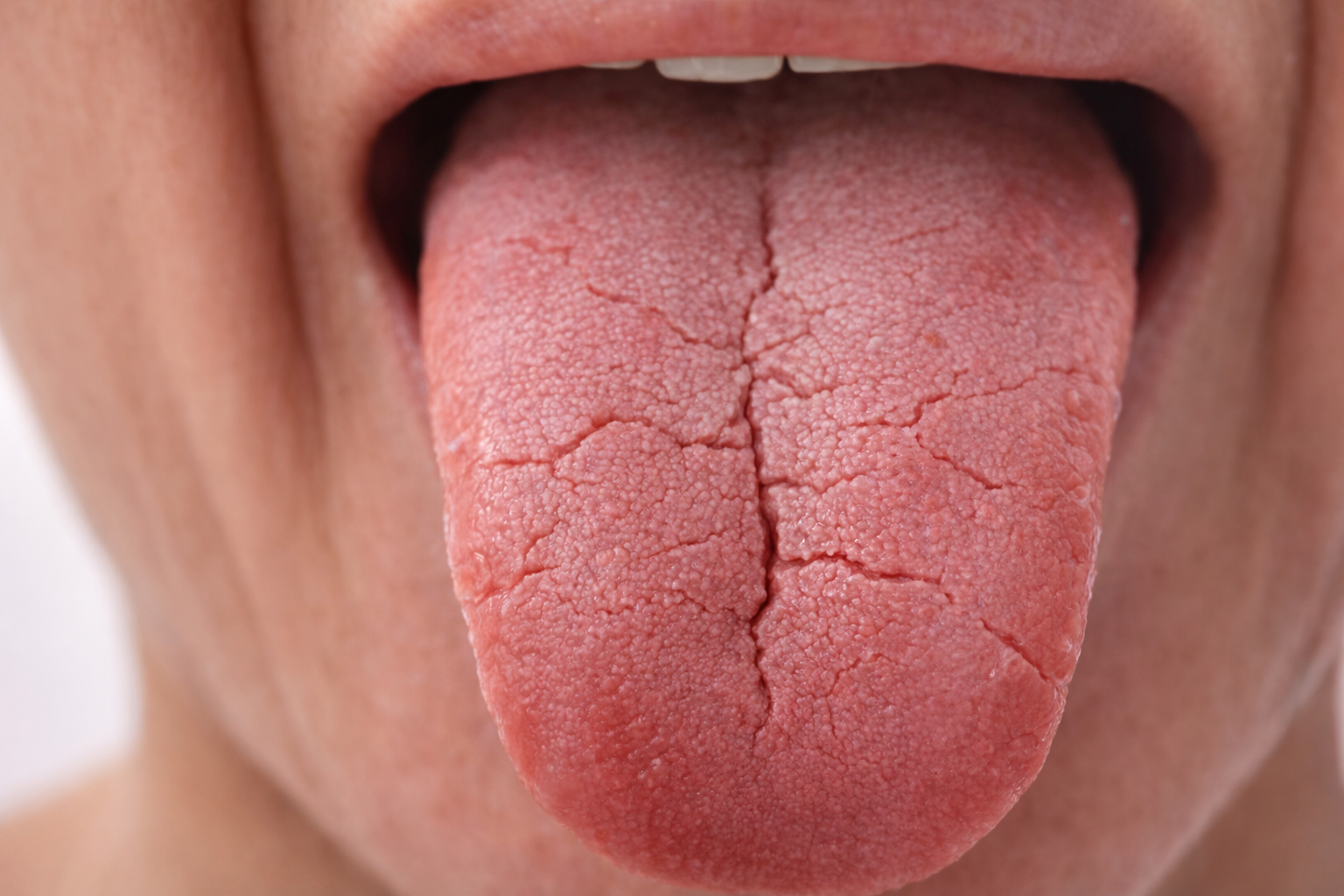
Cracks on the tongue are common, and a vitamin deficiency is one of the more treatable causes behind them. The grooves can be lifelong and harmless, or new and linked to low B12, iron, or zinc. This guide covers the vitamins involved, how geographic tongue fits in, and the treatment steps that clear most cases within weeks.
TL;DR
Vitamin B12, iron, and zinc deficiencies are the most common nutritional causes of tongue cracks.
Genetic fissures are painless and stable, deficiency-related cracks come with burning, swelling, or color change.
Geographic tongue is separate, but some cases share the same low iron, zinc, or B12 levels.
A blood test confirms the cause, and most patients improve within four to eight weeks of treatment.
What's Likely Causing The Cracks On Your Tongue?
Three quick scenarios cover most searches for this symptom, matched to how the tongue looks and feels rather than a general cause list.
Lifelong and painless: Likely a genetic fissured tongue, no treatment needed
New cracks with burning or soreness: Likely a B vitamin, iron, or zinc deficiency worth testing
Red, map-like patches that shift location: Likely geographic tongue, a separate but related condition
The sections below cover each of these in depth, along with when a symptom crosses into something worth a dentist visit.
What Is A Cracked Or Fissured Tongue?
A fissured tongue, also called lingua plicata, shows one or more grooves running across its surface. The grooves can be shallow or deep, and they may branch out from a central crack or spread in an irregular pattern. An estimated 5 to 7 percent of the general population has the condition, and it becomes more common with age.
Fissures fall into two broad groups. Congenital fissures are present from birth, painless, and stable over time. Acquired fissures develop later in life and can point to a nutritional deficiency, chronic irritation, or an underlying condition.
The location offers a clue. A groove down the midline often points to dehydration or a deficiency, while cracks along the edges usually trace back to mechanical irritation such as clenching. Redness, swelling, or a burning sensation alongside the cracks raises the odds of a systemic cause, including a nutrient shortage.
A fissured tongue can also appear alongside other conditions, including geographic tongue, psoriasis, and Down syndrome. Most of the time, though, the simpler explanation is that the body is missing a vitamin or mineral the oral tissue depends on.
What Vitamin Deficiencies Cause Cracks On The Tongue?
Nutritional deficiencies rank among the most treatable causes of tongue fissures. When the mouth's mucous membrane runs short on key nutrients, it becomes thinner, more inflamed, and more prone to cracking. Six deficiencies show up most often in the research.
Does Vitamin B12 Deficiency Cause A Cracked Tongue?
Vitamin B12 supports red blood cell formation, nerve function, and the health of the mucous membranes. A deficiency can trigger glossitis, where the tongue turns swollen, smooth, and inflamed, sometimes progressing to visible cracks with a burning feeling.
A few clinical trials show a direct link between a cracked tongue and low B12, often tied to pernicious anemia, an autoimmune condition that blocks B12 absorption. Beef, liver, sardines, eggs, and fortified cereals supply most of the B12 in a typical diet, and adults need about 2.4 micrograms a day. Vegans and vegetarians carry the highest deficiency risk, since B12 occurs naturally only in animal products.
Does Riboflavin (B2) Deficiency Cause A Cracked Tongue?
Riboflavin drives energy metabolism and keeps mucous membranes healthy throughout the body. A deficiency often shows up as painful cracks at the corners of the mouth, a magenta-colored tongue, and scaly skin on the scalp, with tongue fissures as a recognized oral sign.
Milk, yogurt, cheese, eggs, lean meats, almonds, and enriched grains supply riboflavin. The daily target sits at 1.3 mg for men and 1.1 mg for women.
Does Niacin (B3) Deficiency Cause A Cracked Tongue?
Severe niacin deficiency causes pellagra, marked by dermatitis, digestive upset, and cognitive decline. Oral symptoms, including a swollen, red, or cracked tongue, often appear before the full condition develops, since niacin supports tissue repair in the oral mucosa.
Chicken, turkey, tuna, salmon, peanuts, lentils, and fortified bread are good sources. Adults need 16 mg a day for men and 14 mg for women.
Does Folate (B9) Deficiency Cause A Cracked Tongue?
Folate drives DNA synthesis and cell division, both essential for the fast-turnover cells lining the mouth. Low folate impairs that renewal, leading to a smooth, sore, and sometimes cracked tongue.
A case reported in NIH's PubMed Central documented fissured tongue and glossitis in patients with folate deficiency linked to malabsorption. Dark leafy greens, asparagus, legumes, citrus fruit, and fortified grains supply folate, with adults needing 400 mcg daily and more during pregnancy.
Does Iron Deficiency Cause A Cracked Tongue?
Iron deficiency anemia is one of the most common nutritional shortfalls worldwide, and it thins the oral mucosa in a way that leaves the tongue pale, smooth, and prone to cracking or burning, particularly at the tip and edges.
Red meat, organ meats, shellfish, spinach, lentils, and iron-fortified cereals are strong sources. Adults need 8 to 18 mg daily, and pairing iron with vitamin C improves how much the body absorbs.
Does Zinc Deficiency Cause A Cracked Tongue?
Zinc supports wound healing, immune function, and tissue repair. A shortage slows how quickly minor tongue irritation heals, which lets shallow cracks deepen over time, often alongside a burning sensation or a dulled sense of taste.
Oysters carry the highest concentration of zinc, followed by beef, crab, pumpkin seeds, cashews, and yogurt. The daily target is 11 mg for men and 8 mg for women.
Tongue fissures alone do not confirm a deficiency. Cracks that have been stable and painless for years are usually genetic. Burning, swelling, color change, or soreness alongside the cracks raises the odds that a deficiency is involved, and a blood test is the only reliable way to confirm which one.
What Is Geographic Tongue, And Is It Related To Vitamin Deficiency?
Geographic tongue, also called benign migratory glossitis, produces smooth, red patches on the tongue surface, ringed by a slightly raised white or yellow border. The patches shift position over days or weeks, which gives the tongue a map-like look that gives the condition its name.
Geographic tongue is noncancerous and generally symptom-free, though spicy or acidic food can cause tingling or burning where the patches sit. The condition can look alarming but does not cause lasting health problems, so in most cases, it is more about the looks than oral health.
The exact cause is still unclear, but a study published in PubMed Central measured blood and saliva levels of iron, zinc, and vitamin B12 in patients with geographic tongue and found that the same nutrients implicated in fissured tongue may play a role here too. The American Academy of Oral Medicine lists nutritional deficiency among several possible contributing factors, alongside hormonal shifts, psoriasis, and a fissured tongue occurring at the same time.
Geographic tongue affects an estimated 1 to 3 percent of people, often runs in families, and is not contagious. It is a separate diagnosis from a fissured tongue, though the two conditions frequently overlap in the same patient. It is also sometimes confused with other tongue conditions covered in the guide to tongue herpes and its look-alikes, including canker sores and oral thrush.
Avoiding known triggers such as spicy, acidic, or salty foods during flare-ups
Using an alcohol-free mouth rinse to reduce irritation
Trying an antihistamine rinse or a topical anesthetic if a dentist recommends one for painful flares
Asking for bloodwork if patches appear alongside fatigue, pale skin, or other deficiency signs
There is no cure for geographic tongue, and most cases need nothing more than time and reassurance. Ruling out a nutritional cause is worth doing when patches come with other deficiency symptoms, since correcting a true shortfall is one of the few interventions that can change the course of the condition.
Video: What Does A Dermatologist Say About Geographic Tongue?
A short video helps show what the map-like patches actually look like on the tongue, which is easier to recognize on screen than from a text description alone.
A board-certified dermatologist walks through what triggers geographic tongue and shares practical tips for calming flare-ups at home, a useful companion to the causes and treatment notes above.
How Can You Tell If A Cracked Tongue Is From A Vitamin Deficiency?
Not every cracked tongue points to a nutritional problem. The task is separating a benign, lifelong fissured tongue from one that has changed recently alongside other symptoms.
A tongue that has newly cracked, or one that keeps getting worse, deserves attention, especially with burning or stinging that flares with acidic or spicy food. Color change, such as unusually pale, bright red, or magenta tissue, points the same direction. Swelling, smoothness from lost papillae, and ongoing soreness round out the list.
Fatigue or weakness
Brittle nails or hair loss
Pale skin
Frequent mouth ulcers
Any of these alongside tongue fissures is a reasonable trigger for a dentist or physician visit. A dentist can examine the tongue, assess overall oral health, and order bloodwork checking B12, folate, iron, and zinc. Staying current with routine dental visits makes it more likely these changes get caught early rather than after months of symptoms.
How Do You Treat Tongue Cracks Caused By Vitamin Deficiency?
Treating a deficiency-related cracked tongue means correcting the shortfall and managing the tongue symptoms at the same time. The steps below cover both.
Get a professional diagnosis: A blood test ordered by a dentist or physician confirms whether B12, folate, iron, or zinc levels fall below normal, and treatment should follow the results rather than a guess
Adjust the diet: Build meals around lean protein, dark leafy greens, dairy or fortified plant milk, nuts and seeds, and citrus fruit, which cover most of the nutrients tied to tongue health
Consider supplementation: When diet alone cannot close the gap, or absorption is impaired, a healthcare provider can recommend the right supplement, form, and dose based on test results
Support oral hygiene: Brushing the tongue gently, using a tongue scraper, rinsing with an alcohol-free mouthwash, and staying hydrated all reduce the risk of food and bacteria collecting in deep fissures
Clinical literature, including a case in PubMed Central, documented visible improvement in tongue fissures within about six weeks of B-complex supplementation paired with dietary changes. Recovery time varies with how severe and how long-standing the deficiency is.
If a dentist also finds a related issue such as gum disease during the exam, a written dental treatment plan keeps the nutritional and dental steps organized in one place, so nothing gets missed between visits.
What Are The Best Vitamin Supplements For A Cracked Tongue?
Not all supplements absorb equally well. Knowing which forms the body uses most efficiently makes a meaningful difference in how fast symptoms improve.
A B-complex supplement covers all eight B vitamins in one daily dose, a practical option for anyone with several borderline deficiencies at once. Look for methylcobalamin rather than cyanocobalamin, since it is the active form of B12 and needs no conversion in the body. Methylfolate is the preferred folate form, especially for anyone carrying the MTHFR gene variant that limits how well the body converts synthetic folic acid.
Iron should only be supplemented after a confirmed deficiency, since excess iron causes digestive upset and, over time, organ damage. Ferrous bisglycinate tends to cause fewer side effects than ferrous sulfate, and taking iron alongside vitamin C improves how much the body absorbs.
Chelated zinc, such as zinc picolinate or zinc bisglycinate, absorbs better than zinc oxide. The standard adult dose runs 15 to 30 mg a day, and long-term use may call for monitoring copper levels, since zinc and copper compete for absorption.
A well-formulated multivitamin covering the B group, iron, zinc, and folate works as a reasonable baseline for mild, multi-nutrient shortfalls. Targeted supplementation guided by bloodwork still outperforms a broad multivitamin once a specific deficiency is confirmed, since standard multivitamins rarely reach therapeutic doses of any single nutrient.
Pharmacies, health food stores, and major online retailers carry B-complex, iron, and zinc supplements, and looking for USP, NSF, or ConsumerLab certification helps confirm label accuracy. Some dental insurance plans cover nutritional counseling as part of preventive care, worth checking before paying out of pocket for a dietitian visit.
What Home Remedies Help A Cracked Tongue From Vitamin Deficiency?
Correcting the underlying deficiency comes first, but several home habits ease discomfort and support healing in the meantime. None of these replace a diagnosis – they work alongside one.
Rinse with warm salt water, half a teaspoon dissolved in eight ounces of water, two to three times daily to cleanse fissures and calm irritated tissue
Clean the tongue gently with a soft-bristle brush or a tongue scraper, paired with a dentist-recommended toothpaste to avoid further irritation
Drink enough water through the day, aiming for at least eight glasses, since dry mouth worsens cracking
Cut back on spicy, highly acidic, very hot, or alcoholic foods and drinks while the tongue heals
Add nutrient-dense foods that match the confirmed deficiency, such as leafy greens for folate or lean meats for B12 and iron
Avoid tobacco, which slows healing and reduces blood flow to the tongue
Try probiotic-rich foods such as yogurt or kefir, since early research links a healthy oral microbiome to better mucosal healing
Keep a short symptom diary noting pain levels, food and water intake, and supplements taken, useful information to bring to a dental visit
These steps manage symptoms while the deficiency gets corrected. A professional cleaning also clears debris that has built up in deeper fissures over time, something a toothbrush alone cannot always reach. Similar habits, gentle brushing, hydration, and avoiding irritants, also help with other soft-tissue issues such as gum recession.
When Should You See A Dentist Or Doctor About A Cracked Tongue?
Most mild, painless fissures need no urgent attention. A handful of signs call for a professional evaluation instead of watching and waiting.
Fissures that are new, worsening, or deeper than before
Persistent pain, burning, or stinging that affects eating or speaking
Color change, including unusually red, pale, or magenta tissue
White or yellow patches that could point to a fungal infection
Sores that have not healed within two weeks
Swelling or trouble moving the tongue
Fatigue, weakness, or frequent mouth ulcers alongside the fissures
A dentist performs a full oral exam, part of the routine dental procedures covered at most checkups, checks for infection, and can refer for bloodwork if a deficiency looks likely. A complete blood count screens for anemia, and specific tests for B12, folate, ferritin, and zinc fill in the rest of the picture. Some patients need further testing to find out why a deficiency exists, such as screening for celiac disease or pernicious anemia.
Patients who have had bariatric surgery, follow a strict vegan or vegetarian diet, take a proton pump inhibitor for reflux, or have a history of gastrointestinal disease carry a higher deficiency risk and should mention these factors at their next visit.
Routine dental checkups catch tongue changes early, often before a patient notices anything on their own. Choosing a dentist who takes a full medical history, not just a look at the teeth, makes this kind of early catch more likely.
Quick Reference For Vitamins That Support Tongue Health
The table below summarizes the six nutrients covered in this guide, their best food sources, and general adult targets.
Nutrient | Deficiency signs | Best food sources | Adult RDA |
|---|---|---|---|
Vitamin B12 | Swollen, smooth, burning tongue | Beef, liver, eggs, dairy, fortified cereal | 2.4 mcg |
Riboflavin (B2) | Magenta tongue, mouth corner cracks | Milk, yogurt, eggs, almonds, enriched grains | 1.1 to 1.3 mg |
Niacin (B3) | Swollen, red, or cracked tongue | Chicken, tuna, peanuts, lentils, fortified bread | 14 to 16 mg |
Folate (B9) | Smooth, sore, cracked tongue | Leafy greens, legumes, citrus, fortified grains | 400 mcg |
Iron | Pale, smooth, burning tongue | Red meat, shellfish, spinach, lentils, fortified cereal | 8 to 18 mg |
Zinc | Burning sensation, taste changes | Oysters, beef, pumpkin seeds, cashews, yogurt | 8 to 11 mg |
Bottom Line
Cracks on tongue are common, and most are harmless lifelong fissures that need no treatment. When cracks show up alongside burning, swelling, or color change, a deficiency in B12, riboflavin, niacin, folate, iron, or zinc is one of the more likely and most fixable causes. Geographic tongue is a separate but related condition that shares some of the same nutritional links. A blood test confirms the specific deficiency, and most patients see real improvement within four to eight weeks of correcting it through diet, supplementation, and good oral hygiene. A dentist is a reasonable first stop for anyone noticing new or worsening changes.
This article is for informational purposes only and does not constitute medical advice. Always consult with qualified healthcare professionals for diagnosis and treatment recommendations specific to your situation.
Frequently Asked Questions
Can a cracked tongue heal on its own?
Mild fissures caused by temporary dehydration or minor irritation may resolve without treatment. However, cracks caused by a vitamin deficiency will typically persist or worsen until the underlying nutritional issue is addressed through dietary changes, supplementation, or both.
Is a fissured tongue always a sign of vitamin deficiency?
No. Many people have fissured tongues from birth as a normal anatomical variation. Genetic fissures are painless, stable, and do not require treatment. Deficiency-related fissures tend to appear later in life and are accompanied by symptoms such as pain, burning, or changes in tongue color.
How long does it take for tongue fissures to improve after treating a deficiency?
Most patients notice improvement within four to eight weeks of consistent treatment, including dietary adjustments and supplementation. Severe or long-standing deficiencies may take longer. A case reported in PubMed Central showed marked tongue improvement after approximately six weeks of B-complex supplementation combined with dietary changes.
Is geographic tongue caused by a vitamin deficiency?
The exact cause is still unknown, but research has measured lower iron, zinc, and B12 levels in some patients with geographic tongue. A deficiency is one possible contributing factor among several, including hormonal changes and a coexisting fissured tongue.
Can children get cracked tongues from vitamin deficiency?
Yes, though a fissured tongue in children is more often genetic. Restrictive diets, absorption disorders, or chronic illness can cause a true deficiency in children, and a pediatric dentist or pediatrician can order testing if one is suspected.
Should you take supplements without a blood test?
A standard multivitamin is generally low risk for most adults. Self-prescribing a high-dose individual supplement, especially iron, without confirming a deficiency first is not recommended, since excess iron can cause digestive problems and organ damage over time.
Can stress cause a cracked tongue?
Stress does not cause tongue fissures directly, but it can contribute indirectly. Teeth grinding, tongue thrusting, and jaw clenching, all common stress behaviors, can irritate the tongue and worsen existing cracks.
Are cracked tongues contagious?
No. A fissured tongue is not an infection and cannot pass between people. It comes from genetics, nutritional deficiency, aging, or an associated medical condition, none of which spread from person to person.