New Study Links Referred Pain During Braces Treatment To Tooth Pain Intensity
Braces referred pain may track with how much the teeth hurt. The new prospective study of 241 adults found that stronger tooth pain after fixed braces placement went with jaw and...
Written by Mantas Petraitis
Read time: 4 min read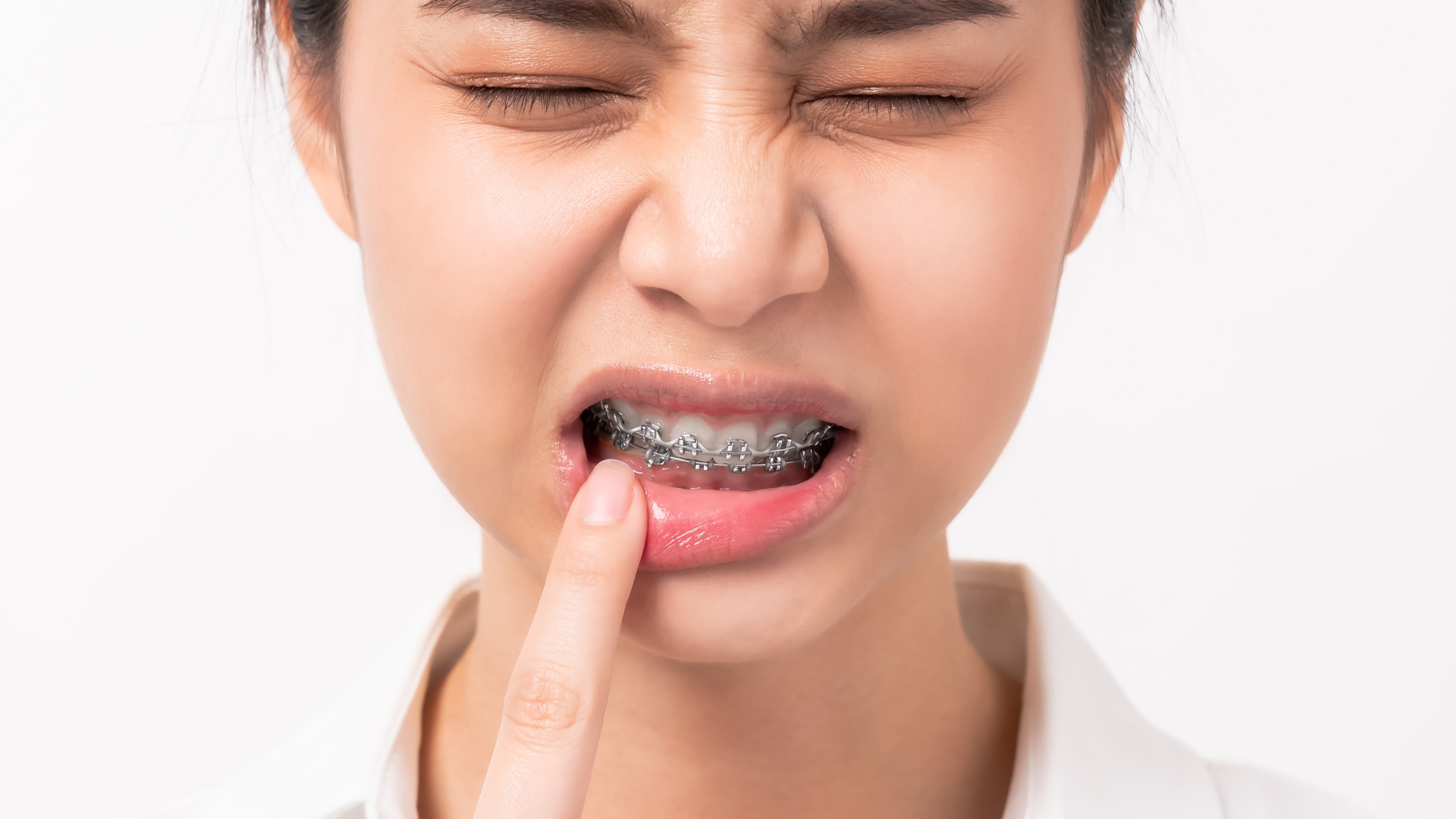
Braces referred pain may track with how much the teeth hurt. The new prospective study of 241 adults found that stronger tooth pain after fixed braces placement went with jaw and facial pain symptoms, mainly in the first days.
TL;DR
Adults with new fixed braces reported more tooth pain than controls on day one.
Higher tooth pain went with higher jaw and facial pain screening scores.
Anxiety, depression, and oral habits showed no link in this mostly low-stress group.
The study did not show that braces cause TMJ disorders.
What Did Researchers Investigate?
Nontawat Chuinsiri and colleagues at Suranaree University of Technology in Thailand ran this orthodontic pain study. The paper in Scientific Reports appeared on November 10, 2026. The team followed 241 adults aged 18 to 44. Of these, 121 received fixed edgewise braces and 120 served as controls.
Participants rated tooth pain on day one, week one, and week four. They also completed the TMD Pain Screener, a short questionnaire for jaw, temple, and facial pain. Researchers measured anxiety (GAD-7), depression (PHQ-9), physical symptoms (PHQ-15), and oral habits such as clenching (Oral Behavior Checklist-21). Later adjustments and clear aligners were outside its scope.
When Was Tooth Pain Most Intense After Braces Placement?
The braces group reported much higher tooth pain than controls on day one (P < 0.001). At week one and week four, the difference was no longer statistically significant.
Orthodontic force compresses the periodontal ligament and sets off local inflammation. Pain often starts within hours, peaks the next day, and fades as tissues adapt. Group averages hide individual variation, and some patients stay sore longer. Practical advice on wax, soft foods, and braces pain and discomfort sits in our care guide.
How Was Dental Pain Related To Jaw And Facial Pain?
People with more intense tooth pain tended to score higher on the TMD Pain Screener.
Statistical finding | Result |
|---|---|
Correlation (Spearman’s ρ) | 0.21 |
Correlation P-value | 0.03 |
Logistic regression odds ratio | 1.27 |
Regression P-value | 0.047 |
A ρ of 0.21 is a weak positive correlation. Tooth pain explains only a small share of the spread in jaw and facial pain scores. In the adjusted model, tooth pain intensity was the only significant predictor of a positive screen.
Each step up the pain scale came with 1.27 times the odds of a positive screen. That figure depends on the pain scale and the model used. It should not be read as a 27% chance of jaw pain for any single patient.
Why Might Braces-Related Pain Be Felt Beyond The Teeth?
Referred pain is pain felt away from its source. In the face, the trigeminal nerve carries signals from teeth, gums, jaw muscles, and the jaw joint. Many of these signals meet on the same nerve cells in the brainstem.
Strong input from sore teeth can make the brain misjudge where pain starts. A sore tooth can then feel like jaw ache, and a tight muscle can feel like toothache. Our guide to referred tooth pain explains how dentists trace the source. The new study found an association that fits this model. It did not test the nerve pathway directly.
Did Anxiety, Depression, Or Oral Habits Affect Pain?
None of the psychological or behavioral measures showed a significant link with the screener result. Most participants had mild anxiety, depression, and habit scores. Few high scores leave little room to detect an effect.
A narrative review of orthodontic pain ties it to biological, psychological, and treatment factors working together. The new result applies to this sample. It does not show that stress or clenching have no effect on braces pain.
Does This Mean Braces Can Cause TMJ Disorders?
This study does not show that braces cause TMJ disorders. The TMD Pain Screener flags possible painful TMD. A formal diagnosis needs a clinical exam, muscle and joint palpation, and set criteria.
The study tracked short-term symptoms for four weeks. It was not designed to count how many people develop lasting TMD. A positive screen after bonding may reflect temporary referred pain from sore teeth. Readers can compare these symptoms with common TMJ disorder symptoms.
What Could The Findings Mean For Orthodontists?
Jaw or temple ache in the first days after bonding may belong to the normal pain response. Asking where it hurts, as well as how much, helps sort this out. Other causes still need ruling out, such as a high bracket, existing TMD, or a pulp problem. Sharp pain on biting one tooth calls for a check for cracked tooth symptoms.
A baseline TMD screen belongs in the dental treatment plan and gives a reference point for later complaints. For short-term relief options, see our comparison of pain relief medications.
"Most patients describe a dull, pressure-type ache across the teeth that settles within a week," says dentist Darius Kucinas. "Jaw or temple soreness often comes with it in those first days. That alone doesn't point to a joint problem. I'd look closer if pain sits on one tooth, wakes the patient at night, or lasts beyond two weeks," he says. "Clicking, locking, or limited opening also calls for a proper TMD exam."
What Are The Study's Limitations?
Several features limit how far the findings reach.
Participants were adults aged 18 to 44, so teens were not included
All patients wore one type of fixed edgewise appliance
Follow-up ended at week four
Pain and screener scores were self-reported
The screener alone cannot confirm a TMD diagnosis
Most participants had mild psychological and habit scores
The correlation between tooth pain and jaw pain scores was weak
The design shows association and cannot prove cause or mechanism
No pain treatments were tested
Bottom Line
Fixed braces raised tooth pain sharply on day one, and the difference from controls faded by week one. Patients with more intense tooth pain were more likely to report jaw and facial pain on a screening questionnaire. The link was weak and short-term. It does not show that braces cause chronic TMD or that stress has no role in braces pain.
Frequently Asked Questions
Can braces cause jaw or facial pain?
Some patients feel jaw, temple, or facial ache in the first days after braces go on. In this study, people with more tooth pain were more likely to report it. Pain that lasts, or comes with clicking or locking, needs an exam.
Does braces pain spread to other teeth?
Orthodontic pain is often hard to pin to one tooth because the nerves share pathways. This study measured overall tooth pain and jaw symptoms. It did not map pain moving between individual teeth. Our referred tooth pain guide covers how dentists find the source.
Can braces cause TMJ disorders?
This study did not show that. It tracked short-term screening scores for four weeks and made no formal diagnoses. Our guide What Is TMJ Disorder? explains how TMD is diagnosed.