A Complete New Dental Practice Checklist: From Planning to Opening Day
Starting a dental practice is one of the most significant professional and financial decisions a dentist will make. The process involves hundreds of individual tasks spanning...
Written by Mantas Petraitis
Read time: 12 min read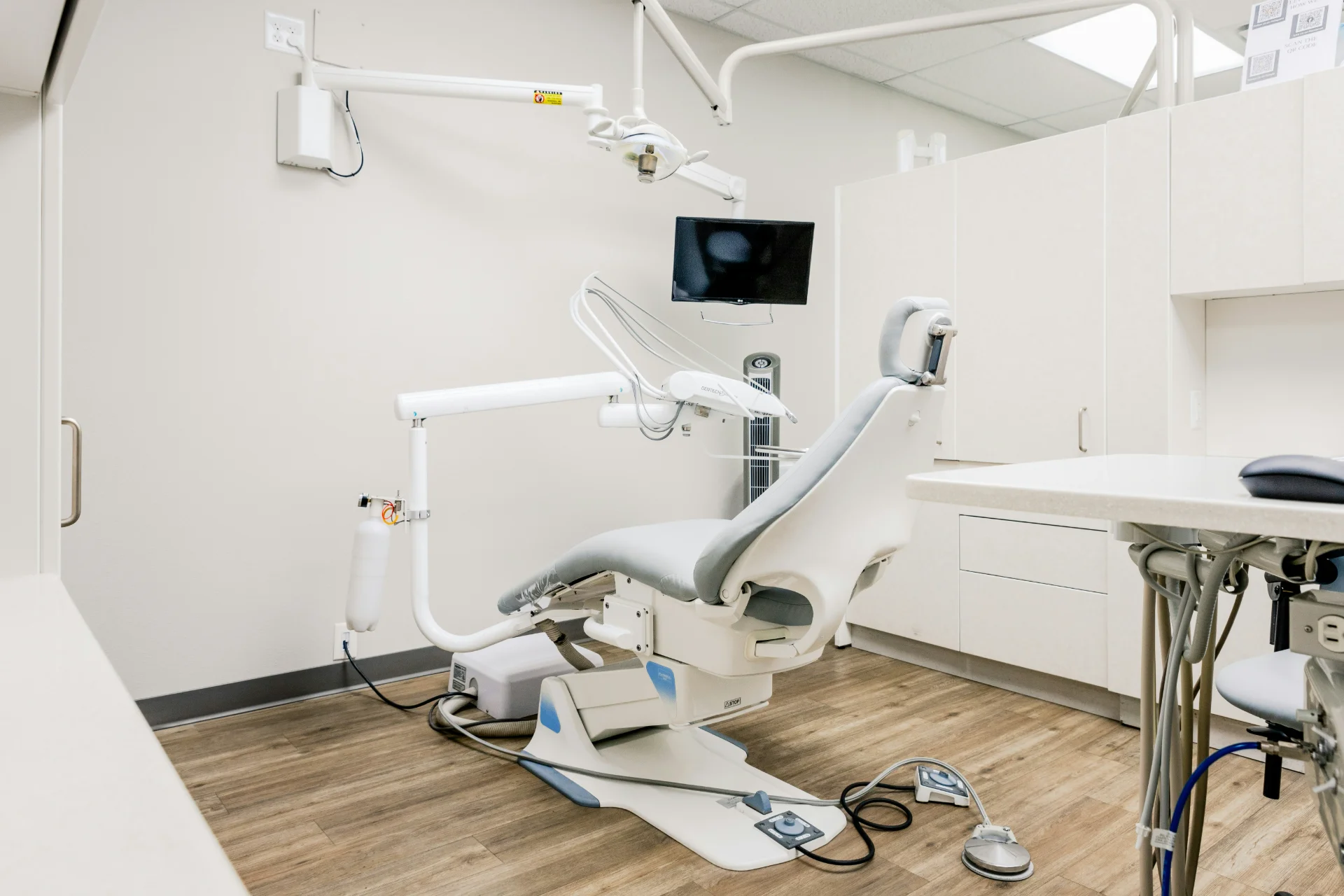
Starting a dental practice is one of the most significant professional and financial decisions a dentist will make. The process involves hundreds of individual tasks spanning business formation, real estate selection, equipment procurement, staffing, regulatory compliance, technology setup, and marketing launch. Without a structured approach, critical steps get overlooked, timelines stretch, and costs escalate.
Industry data places the average dental practice startup cost at $350,000 to $500,000 or more, with monthly overhead averaging $67,500 to $70,000 once the doors open. Reaching full practice maturity typically takes four to seven years. These numbers underscore why thorough planning and a comprehensive new dental practice checklist are essential for any dentist pursuing ownership.
This guide covers every phase of launching a new dental clinic, from writing the business plan and securing financing to equipping operatories, hiring staff, and executing the marketing launch. It also includes a dedicated section for dentists considering a dental practice acquisition rather than building from scratch. Whether the goal is a ground-up startup or purchasing an established practice, this checklist provides the roadmap for a successful transition into ownership.
Phase #1: Business Planning and Vision
Every successful dental practice startup begins with a clear vision and a well-structured business plan. This foundational phase shapes every decision that follows, from the type of financing pursued to the location selected and the team assembled.
Define the Practice Vision
The first step is clarifying what kind of practice to build. Key decisions include solo practitioner versus group practice, general dentistry versus a specialty focus, target patient demographics, geographic preferences, and the overall practice philosophy. A practice built around family dentistry in a suburban community requires a fundamentally different approach than a cosmetic-focused urban practice. Defining this vision early prevents costly pivots later in the process.
Write a Business Plan
A formal business plan is required for securing financing and serves as the operational blueprint for the practice. The plan should include an executive summary, market analysis of the target area (population demographics, competition density, insurance mix), a detailed services menu, a marketing strategy, and comprehensive financial projections, including break-even analysis. The American Dental Association (ADA) provides business plan templates and practice management resources specifically designed for dental professionals. Lenders and investors will scrutinize this document, so investing time in realistic financial projections is critical.
Choose a Business Entity
Selecting the right legal structure affects liability protection, tax obligations, and operational flexibility. Common options include sole proprietorship, LLC, S-Corporation, C-Corporation, and partnership. Most dental practices operate as S-Corporations due to favorable tax treatment, but the right choice depends on individual circumstances. Consulting with a dental-specific CPA and attorney before filing ensures the entity structure aligns with both short-term launch needs and long-term growth plans.
Phase #2: Financial Planning and Financing
Financial planning is the most consequential phase of the dental practice startup process. Underestimating costs, choosing the wrong financing structure, or failing to maintain adequate cash reserves have derailed more practice launches than any other factor.
Estimate Startup Costs
A realistic startup budget accounts for every major expense category. The following table provides industry-standard ranges based on current market data.
Expense Category | Estimated range |
Leasehold improvements (build-out) | $100,000 – $300,000 |
Dental equipment | $150,000 – $300,000 |
Technology and software | $15,000 – $50,000 |
Initial supplies and inventory | $10,000 – $25,000 |
Marketing launch | $10,000 – $30,000 |
Working capital (6 months overhead) | $400,000+ |
Licensing, permits, insurance | $5,000 – $15,000 |
Professional fees (legal, CPA, consulting) | $10,000 – $25,000 |
Total estimated startup investment | $350,000 – $750,000+ |
Explore Financing Options
Several financing pathways are available for dental practice startups. SBA loans offer favorable interest rates and extended repayment terms, though the application process requires detailed documentation and can take several weeks to months. Dental-specific lenders understand the operational demands and capital intensity of dental startups, making them more flexible than traditional banks. Equipment financing and leasing arrangements can spread major capital purchases across multiple years. Dentists should apply to multiple lenders to compare rates, origination fees, repayment terms, and service requirements before committing.
Build a Financial Safety Net
Having approximately six months of operating expenses as a cash reserve is essential. New practices rarely generate enough patient volume in the first few months to cover overhead, and it may take one to two years to build a sustainable patient base. Industry data indicates that the average dental practice overhead runs between 59% and 62% of collections, with high-performing practices maintaining overhead between 55% and 60%. Planning for this ramp-up period prevents cash flow crises that force compromises in patient care or staffing.
Understand Overhead Benchmarks
According to the ADA and multiple industry analyses, dental practice overhead typically breaks down as follows: staff compensation accounts for 25% to 30% of collections, facility costs (rent, utilities, maintenance) run 5% to 10%, dental supplies and lab fees represent 6% to 8%, marketing accounts for 2% to 4%, and administrative/technology costs add another 3% to 5%. Average net income for general dentists in private practice is approximately $207,980, according to ADA data. Keeping these benchmarks in mind during the planning phase helps set realistic revenue targets and expense budgets.
Phase #3: Location and Facility
The physical location of a dental clinic directly impacts patient volume, brand perception, staffing ease, and long-term profitability. This phase of the dental clinic checklist requires careful analysis of both the macro market and the specific site.
Choose the Right Location
Effective site selection starts with demographic analysis of the target area, including population density, median household income, age distribution, insurance coverage rates, and the ratio of dentists to residents. High-visibility locations near residential areas, retail centers, or medical office clusters tend to generate stronger walk-in and referral traffic. Accessibility is critical, including ADA-compliant building access, adequate parking, and proximity to public transportation in urban areas. Evaluating the competitive landscape within a three-to-five-mile radius helps identify underserved areas with strong growth potential.
Lease vs. Buy the Real Estate
Most dental practice startups lease their space rather than purchasing property, particularly in the early years. Key lease terms to negotiate include the tenant improvement allowance (the landlord’s contribution to build-out costs), rent escalation clauses, exclusivity provisions (preventing another dental practice from opening in the same complex), renewal options, and signage rights. If purchasing the real estate, separating the property ownership from the practice entity through a separate LLC provides liability protection and flexibility for future transitions.
Plan the Office Layout and Build-Out
The office design should balance clinical efficiency, patient comfort, and future growth. A new general practice typically starts with three to five operatories, a reception and waiting area, a dedicated sterilization center, a private office, a break room, storage, and a radiology room. Construction costs range from $100 to $200 per square foot, depending on the complexity of the build-out and regional construction rates. Hiring a dental-specific architect or design firm ensures that plumbing, electrical, HVAC, compressed air, vacuum, and IT infrastructure are planned correctly from the start. For guidance on the specialized equipment and systems required in each area, consulting a comprehensive equipment resource before finalizing the design prevents costly change orders during construction.
Permits and Inspections
Before construction begins, obtaining the necessary building permits from the local municipality is required. Additional permits may include health department approval, fire safety inspection clearance, and ADA accessibility certification. Environmental regulations may apply to waste disposal systems (amalgam separators, biohazard waste), depending on state and local requirements. Building a permit timeline into the overall project schedule prevents delays that can push back the opening date.
Phase #4: Equipment and Technology
Equipping a dental clinic represents one of the largest capital investments in the startup process. Strategic decisions about what to buy new versus used, which technologies to prioritize, and how to structure purchases can save tens of thousands of dollars without compromising clinical capability.
Essential Dental Equipment
Dental equipment falls into several functional categories. Diagnostic equipment includes digital X-ray systems, intraoral cameras, panoramic units, and CBCT scanners for practices offering implant or surgical services. Treatment equipment encompasses dental chairs, delivery units, handpieces, curing lights, ultrasonic scalers, and electrosurgery units. Sterilization equipment, including autoclaves and instrument washers, is non-negotiable for infection control compliance. Administrative equipment includes workstations, servers, or cloud infrastructure, and payment processing terminals. For detailed equipment reviews and comparisons across every category, consulting an independent review source helps ensure informed purchasing decisions.
Category | Essential items | Estimated cost range |
Diagnostic | Digital X-ray, intraoral camera, panoramic unit | $30,000 – $80,000 |
Treatment | Dental chairs, delivery units, handpieces, curing lights | $80,000 – $150,000 |
Sterilization | Autoclaves, instrument washers, cassettes | $10,000 – $25,000 |
Technology/IT | Workstations, network, PMS software, VoIP phones | $15,000 – $50,000 |
Operatory furnishings | Cabinetry, stools, lighting, countertops | $15,000 – $40,000 |
New vs. Used Equipment
New equipment provides manufacturer warranties, the latest technology, and full technical support, but comes at premium prices. Certified pre-owned equipment from reputable dealers can reduce equipment costs by 30% to 50%. Section 179 tax deductions allow practices to deduct the full purchase price of qualifying equipment in the year of purchase, providing immediate tax benefits. A practical approach for many startups is purchasing critical clinical items (chairs, X-ray systems) new, while other dental equipment can be previously used. Evaluating the latest dental technology alongside the total cost of ownership helps determine which investments deliver the strongest clinical and financial return.
Practice Management Software
Selecting the right practice management software (PMS) is one of the most impactful technology decisions for a new dental clinic. Cloud-based systems have become the industry standard, offering benefits including remote access, automatic backups, elimination of on-site servers, and easier scaling. Essential features include appointment scheduling, digital patient records, treatment planning, billing and insurance claims processing, patient communication tools (text reminders, email campaigns), and comprehensive reporting. HIPAA compliance is mandatory. For a detailed comparison of leading platforms, the practice management software review guide evaluates features, pricing, and integration capabilities across top providers.
IT Infrastructure
IT planning should happen during the build-out phase, not after move-in. The infrastructure should include a HIPAA-compliant network with encryption, redundant internet connections (primary and backup), a VoIP phone system, patient Wi-Fi (on a separate network), cybersecurity protections (firewall, antivirus, multi-factor authentication), and automated data backup. Practices investing in advanced dental imaging systems and AI-assisted diagnostics need sufficient bandwidth and processing power to support these platforms without performance issues.
Phase #5: Legal, Regulatory, and Insurance Compliance
Regulatory compliance protects the practice, its patients, and its employees. Failing to establish proper compliance frameworks before opening exposes the practice to fines, legal liability, and reputational damage. This section of the dental clinic checklist covers every major compliance requirement.
Licensing and Registrations
Before opening, the following licenses and registrations must be secured: a current and active state dental license, a DEA registration for prescribing controlled substances (Schedules II through V), a state business license or registration, National Provider Identifier (NPI) number for insurance billing, federal Employer Identification Number (EIN) for tax purposes, and state sales tax registration if applicable. Some states require additional registrations, such as sedation permits or specialty certifications. The state dental board for the practice’s jurisdiction should be contacted directly to confirm all requirements.
Regulatory Compliance
OSHA compliance requires a written safety program covering the bloodborne pathogens standard, an exposure control plan, hazard communication protocols, and documented employee training records. HIPAA compliance requires a written privacy policy, a security risk assessment, business associate agreements with all third-party vendors who access patient data, and breach notification procedures. Infection control must follow CDC guidelines for dental settings, including instrument sterilization protocols, surface disinfection procedures, and personal protective equipment requirements. All compliance documentation must be in place and staff training completed before the first patient appointment.
Insurance Coverage
A comprehensive insurance portfolio for a new dental practice includes professional liability (malpractice) insurance, general liability insurance, commercial property insurance, workers’ compensation insurance, business interruption insurance, cyber liability insurance, and employment practices liability insurance. Working with an insurance broker who specializes in dental practices ensures appropriate coverage levels and helps identify potential gaps. Many lenders require proof of specific insurance coverage before releasing loan funds.
Phase #6: Staffing and Team Building
The clinical team and front office staff determine the daily patient experience and the practice’s operational efficiency. Recruiting and retaining the right team members is essential for learning how to run a dental practice that delivers consistent patient care and sustainable growth.
Identify Key Positions
A startup general practice typically requires three to five team members at launch. Front office roles include a receptionist or scheduling coordinator, an office manager (who may also handle billing initially), and a billing or insurance coordinator. Clinical staff includes at least one dental assistant and one dental hygienist. The specific mix depends on the projected patient volume and the services offered. Understanding the roles and qualifications of different dental team members helps structure the team for maximum efficiency.
Recruitment Strategies
Dental job boards, dental hygiene and assisting school placement programs, local dental society networks, and professional social media platforms are the primary recruitment channels. Industry surveys indicate that 62.2% of dentists cite staff recruitment as a top concern, making competitive compensation and a positive work environment critical differentiators. Starting the recruitment process at least three to four months before the planned opening date provides adequate time for interviewing, credentialing, and onboarding.
Compensation, Benefits, and Training
Competitive salary benchmarking against regional data ensures the practice attracts qualified candidates. Benefits packages should include health insurance, retirement plan options, paid time off, continuing education allowances, and performance-based bonus structures. All new hires require documented OSHA safety training, HIPAA privacy and security training, practice management software training, clinical protocol orientation, and patient communication standards review before the practice opens. Thorough onboarding reduces errors, improves team cohesion, and sets professional expectations from day one.
Phase #7: Insurance Credentialing and Fee Schedules
Insurance credentialing is one of the most time-sensitive elements of the new dental practice checklist. Delays in this process directly impact revenue in the first months of operation, making early action essential.
Insurance Panel Credentialing
The credentialing process should begin three to six months before the planned opening date. Start by identifying the top insurance plans in the target market based on the area’s insurance coverage demographics. Submit credentialing applications to each carrier, and follow up regularly, as processing times vary widely. Many carriers require a physical office address, NPI number, and DEA registration before processing applications. Credentialing delays are one of the most common reasons for revenue shortfalls in the first months of a new practice.
Set the Fee Schedule
Research UCR (Usual, Customary, and Reasonable) rates for the geographic area to establish a competitive fee schedule. Use ADA CDT codes for standardized procedure categorization. The fee schedule should be set high enough to reflect the value of services provided, as insurance companies reimburse based on their own schedules, regardless of the practice’s listed fees. Regularly reviewing and adjusting fees (at least annually) ensures the practice keeps pace with rising costs and market rates.
Decide the Insurance Model
The choice between in-network, out-of-network, and fee-for-service models has significant implications for patient volume and revenue. In-network participation drives higher patient volume through insurance directory listings but accepts lower reimbursement rates. Out-of-network or fee-for-service models allow full fee collection but require stronger marketing and patient communication to justify costs. Many new practices start with a mix of in-network participation on high-volume plans while remaining out-of-network on plans with particularly low reimbursement rates.
Phase #8: Marketing and Patient Acquisition
No dental practice succeeds without patients, and marketing is the engine that drives patient acquisition. Starting marketing efforts well before opening day ensures the practice has a visible presence and a pipeline of potential patients by launch. So, when you have everything in place for your clinic to open, take some time and create a dental clinic marketing plan.
Build the Online Presence
A professional, mobile-optimized, and SEO-friendly website is the foundation of the practice’s digital presence. Google Business Profile setup and optimization are equally important, as it drives local search visibility and display reviews, hours, and contact information directly in search results. Social media profiles on Instagram and Facebook should be established and active before opening. Online review management should be part of the strategy from day one. SEO takes six to twelve months to show measurable results in most markets, so beginning early is critical. The dental social media marketing guide provides a comprehensive framework for building an effective social media strategy.
Pre-Launch Marketing
Effective pre-launch strategies include direct mail announcements to households within the target radius, social media teaser campaigns, local press outreach, community event sponsorships, referral partnerships with physicians and dental specialists, and an open house event. These activities build awareness and generate initial appointment bookings before the doors officially open.
Ongoing Marketing Strategy
Sustainable patient growth requires consistent marketing investment. Content marketing (blog posts, educational videos), paid advertising (Google Ads, Facebook Ads), patient referral programs, and email or text-based reactivation campaigns all contribute to a healthy patient pipeline. Industry benchmarks suggest allocating 2% to 4% of collections to marketing for established practices, with startups investing 5% to 10% during the first one to two years to build momentum. For broader strategies on attracting new dental patients, exploring a dedicated patient acquisition resource complements the marketing plan with additional proven tactics.
Buying an Existing Practice: The Acquisition Checklist
For many dentists, acquiring an existing dental practice offers a faster path to ownership compared to a ground-up startup. A dental practice acquisition comes with an established patient base, existing cash flow, trained staff, and operational infrastructure already in place. However, it also carries unique risks, including inherited liabilities, outdated equipment, and potential culture mismatches. A thorough buying a dental practice checklist mitigates these risks.
Financial Due Diligence
Financial due diligence is the cornerstone of any dental practice acquisition. Require and review three years of profit and loss statements and tax returns, accounts receivable aging reports, production reports by provider and procedure code, the current fee schedule, and overhead ratio analysis. Engage a dental-specific CPA to verify the accuracy of all financial representations and identify any red flags, such as declining revenue trends, unusually high overhead, or accounts receivable that may be uncollectable.
Practice Operations Due Diligence
A thorough operational review includes a patient chart audit to verify active patient count, new patient flow, and retention rates. Review the appointment book for historical and future booking patterns. Inspect all equipment for condition, age, and remaining useful life, and review maintenance records and service contracts. Evaluate the practice management software to confirm the accuracy of patient and financial data. Review all vendor and dental supply contracts for terms, costs, and assignability. Meet with the existing staff to assess capabilities, compensation structures, and retention likelihood.
Legal Due Diligence
Legal due diligence includes verifying ownership and the business entity structure, reviewing all contracts (office lease, employment agreements, vendor agreements), investigating any litigation history or pending legal matters, confirming that all licenses and accreditations are current, and assessing HIPAA and OSHA compliance status. The lease assignment or renegotiation is particularly important, as unfavorable lease terms can significantly impact long-term profitability. A dental-specific attorney should review all legal documents before the purchase agreement is signed.
Valuation and Deal Structure
Common dental practice valuation methods include a percentage of gross revenue (typically 60% to 80%), a multiple of net income (usually 1.5 to 3 times), or an asset-based approach that values equipment, goodwill, and patient records separately. Most transactions are structured as asset purchases rather than stock or equity purchases, as this provides the buyer with better tax treatment and avoids inheriting unknown liabilities. Negotiating a seller transition period (typically 30 to 90 days) where the selling dentist remains to introduce patients ensures continuity and minimizes patient attrition.
Transition Planning
After closing, the transition plan should include patient notification letters (co-signed by the seller and buyer), a staff retention strategy with compensation and benefits confirmation, insurance credentialing transfer or re-credentialing, branding decisions (whether to rebrand or maintain the existing practice name), vendor contract renegotiation, and updates to all practice signage, website, and marketing materials. A smooth transition preserves the patient base and staff stability that made the acquisition valuable in the first place.
Opening Day: Final Pre-Launch Checklist
The final 30 days before opening are focused on confirming that every system, team member, and process is ready for live patient care. The following checklist covers the critical items that must be verified before the first patient walks through the door.
Category | Pre-launch items |
Facility | All operatories inspected and functional, signage installed, waiting area furnished, sterilization center operational, supply inventory stocked |
Equipment | All clinical equipment tested and calibrated, X-ray systems licensed and inspected, handpieces and instruments sterilized and organized |
Technology | PMS configured and tested, online scheduling live, phone system operational, payment processing verified, patient forms digitized |
Staff | All positions filled, onboarding complete, OSHA/HIPAA training documented, emergency protocols reviewed, team roles confirmed |
Compliance | All licenses posted, DEA registration active, OSHA manual accessible, HIPAA policies signed, infection control protocols in place |
Marketing | Website live, Google Business Profile verified, social media active, opening announcements sent, community event scheduled |
Financial | Bank accounts active, merchant services operational, insurance credentialing confirmed, fee schedule loaded into PMS |
Running a full “dress rehearsal” with the team one to two weeks before opening, simulating the complete patient experience from check-in through treatment to checkout, identifies gaps and builds team confidence before real patients arrive.
Bottom Line
Launching a new dental practice is a complex, multi-phase process that rewards thorough planning and disciplined execution. This new dental practice checklist covers the eight essential phases: business planning and vision, financial planning and financing, location and facility, equipment and technology, legal and regulatory compliance, staffing and team building, insurance credentialing, and marketing and patient acquisition. For dentists considering a dental practice acquisition, the dedicated due diligence section ensures that the same level of rigor is applied to evaluating an existing practice.
The total startup investment typically ranges from $350,000 to $750,000 or more, with profitability timelines of four to seven years. These numbers are manageable with realistic financial projections, appropriate financing, and disciplined overhead management. The practices that succeed are those that assemble their professional team early, including a dental-specific CPA, attorney, practice consultant, contractor, and lender, and treat the checklist as a living document that guides every decision from planning through launch.
For additional resources on outfitting and running a successful dental clinic, explore dental equipment reviews, practice management software comparisons, and the full library of dental industry insights and professional guides available on Dental Reviewed.
Frequently Asked Questions
How much does it cost to start a dental practice?
The total cost of starting a dental practice typically ranges from $350,000 to $750,000 or more. This includes leasehold improvements ($100,000 to $300,000), dental equipment ($150,000 to $300,000), technology ($15,000 to $50,000), initial supplies, marketing, professional fees, and six months of working capital. Costs vary significantly based on location, practice size, and whether equipment is purchased new or used.
How long does it take to open a new dental clinic?
The timeline from initial planning to opening day typically ranges from 12 to 18 months. Major milestones include business plan development (1 to 2 months), securing financing (1 to 3 months), site selection and lease negotiation (1 to 3 months), build-out and construction (4 to 9 months), equipment procurement (2 to 4 months, often concurrent with construction), and staffing and marketing launch (2 to 3 months before opening).
Should I start a new practice or buy an existing one?
Each path has advantages. A startup allows full control over location, design, equipment, team, and culture, but takes longer to become profitable. A dental practice acquisition provides an immediate patient base, established cash flow, and trained staff, but requires thorough due diligence and may involve inheriting outdated systems or liabilities. Financial readiness, risk tolerance, and personal preference should drive this decision.
What licenses do I need to open a dental practice?
Required licenses and registrations include an active state dental license, DEA registration for controlled substances, a state business license, NPI number, federal EIN, and potentially state sales tax registration. Some states require additional permits for sedation, radiology, or specialty procedures. Contacting the state dental board directly confirms all requirements for the practice’s jurisdiction.
How do I finance a dental practice startup?
Common financing options include SBA loans (favorable terms but lengthy application process), dental-specific lenders (more flexible underwriting), conventional bank loans, and equipment financing or leasing. Most lenders require a comprehensive business plan, personal financial statements, and proof of licensure. Applying to multiple lenders and comparing terms ensures the best financing structure for the practice’s specific needs.
What equipment is essential for a new dental clinic?
Essential equipment categories include diagnostic tools (digital X-ray systems, intraoral cameras), treatment equipment (dental chairs, delivery units, handpieces, curing lights), sterilization equipment (autoclaves, instrument washers), and technology infrastructure (workstations, network, practice management software). A CBCT scanner is increasingly considered essential for practices offering implant or surgical services. Reviewing independent equipment evaluations before purchasing helps identify the best options for each budget.
How many staff members does a new dental practice need?
A startup general dental practice typically launches with three to five team members: one to two front office staff (receptionist/scheduler and office manager), one to two dental assistants, and one dental hygienist. The exact number depends on the projected patient volume, number of operatories, and services offered. Many practices start lean and add positions as patient volume grows.
How long until a new dental practice becomes profitable?
Most new dental practices take one to two years to break even on monthly operations and four to seven years to reach full practice maturity and pay off startup debt. The timeline depends on location, marketing effectiveness, patient acquisition rate, overhead management, and the local competitive landscape. Practices that invest in pre-launch marketing and begin insurance credentialing early tend to reach profitability faster.
What insurance do I need for a dental practice?
Essential insurance coverage includes professional liability (malpractice) insurance, general liability insurance, commercial property insurance, workers’ compensation insurance, business interruption insurance, and cyber liability insurance. Employment practices liability insurance is also recommended. Working with a broker who specializes in dental practices ensures appropriate coverage levels and identifies potential gaps.
What are the biggest mistakes when starting a dental practice?
The most common mistakes include underestimating startup costs and working capital needs, delaying insurance credentialing (which causes revenue gaps), choosing a location based on lease price alone rather than demographics and visibility, skipping the business plan, hiring too quickly without thorough vetting, neglecting pre-launch marketing, and failing to assemble a qualified professional advisory team (CPA, attorney, consultant) before making major financial commitments.